


Maple water is a natural functional beverage made from the sap tapped directly from maple trees, primarily during early spring when the trees begin to mobilize their stored sugars. This clear, slightly sweet liquid serves as the tree’s natural nutrient transport system and has gained recognition in the multi-billion dollar functional beverage market as a healthier alternative to conventional sports drinks and coconut water. Unlike maple syrup, which is concentrated sap that has been boiled down, maple water undergoes minimal processing—typically just pasteurization—to preserve its natural composition of electrolytes, amino acids, organic acids, and beneficial plant compounds called polyphenols. The beverage contains naturally occurring sugars, potassium, calcium, magnesium, and antioxidants that provide hydration benefits comparable to water while offering superior electrolyte content and antioxidant capacity. Research has shown that maple water can effectively support rehydration after exercise, potentially trigger thirst mechanisms more effectively than plain water due to its higher osmolality, and may help reduce exercise-induced free radicals thanks to its antioxidant properties. With its subtle maple flavor and natural mineral profile, maple water represents an emerging category of plant-based functional beverages that appeals to health-conscious consumers seeking natural hydration solutions with added nutritional benefits.
Nutritional Profile of Maple Water
Maple water, derived from the natural sap of maple trees (Acer saccharum), represents a minimally processed functional beverage with unique nutritional properties that distinguish it from other natural beverages. This clear, slightly sweet liquid provides a natural source of essential minerals and bioactive compounds with demonstrated health benefits, making it an attractive option for individuals seeking natural hydration alternatives with added nutritional value. (1)
Scientific research reveals that maple water contains a distinctive mineral profile characterized by significant amounts of manganese, serving as the primary micronutrient contributor. The beverage provides approximately 40% of the recommended daily intake of manganese per serving, which functions as a crucial cofactor for superoxide dismutase (SOD), particularly the SOD2 subtype, supporting the body’s antioxidant defense systems. Additionally, maple water contains naturally occurring electrolytes including potassium (71 mg/L), calcium (53 mg/L), and magnesium (6.1 mg/L), contributing to proper cellular function and hydration balance. The presence of organic acids, particularly malate—a Krebs cycle intermediate—may enhance aerobic energy production and potentially reduce muscle fatigue. Furthermore, studies demonstrate that maple water possesses antioxidant properties approximately four-fold higher than control beverages, attributed to naturally occurring polyphenolic compounds that may help combat exercise-induced oxidative stress. (2) (2) (1)
Nutritional Profile Table
| Nutrient | Amount per 250ml (1 cup) | Daily Value (%) |
| Calories | 25 kcal | 1% |
| Total Carbohydrates | 6 g | 2% |
| Calcium | 13.25 mg | 1% |
| Magnesium | 1.53 mg | 0.4% |
| Manganese | 0.73 mg | 32% |
| Potassium | 17.75 mg | 0.4% |
| Sodium | <0.025 mg | <0.01% |
| Chloride | 2.25 mg | – |
| Carbonate | 11.25 mg | – |
| Phosphate | 1.75 mg | – |
| Sulfate | 14.35 mg | – |
| Antioxidant Capacity (FRAP) | 0.98 mmol/L | – |
Serving Size: 250ml (1 cup)
Daily Values based on 2000 calorie diet
Health Benefits of Maple Water
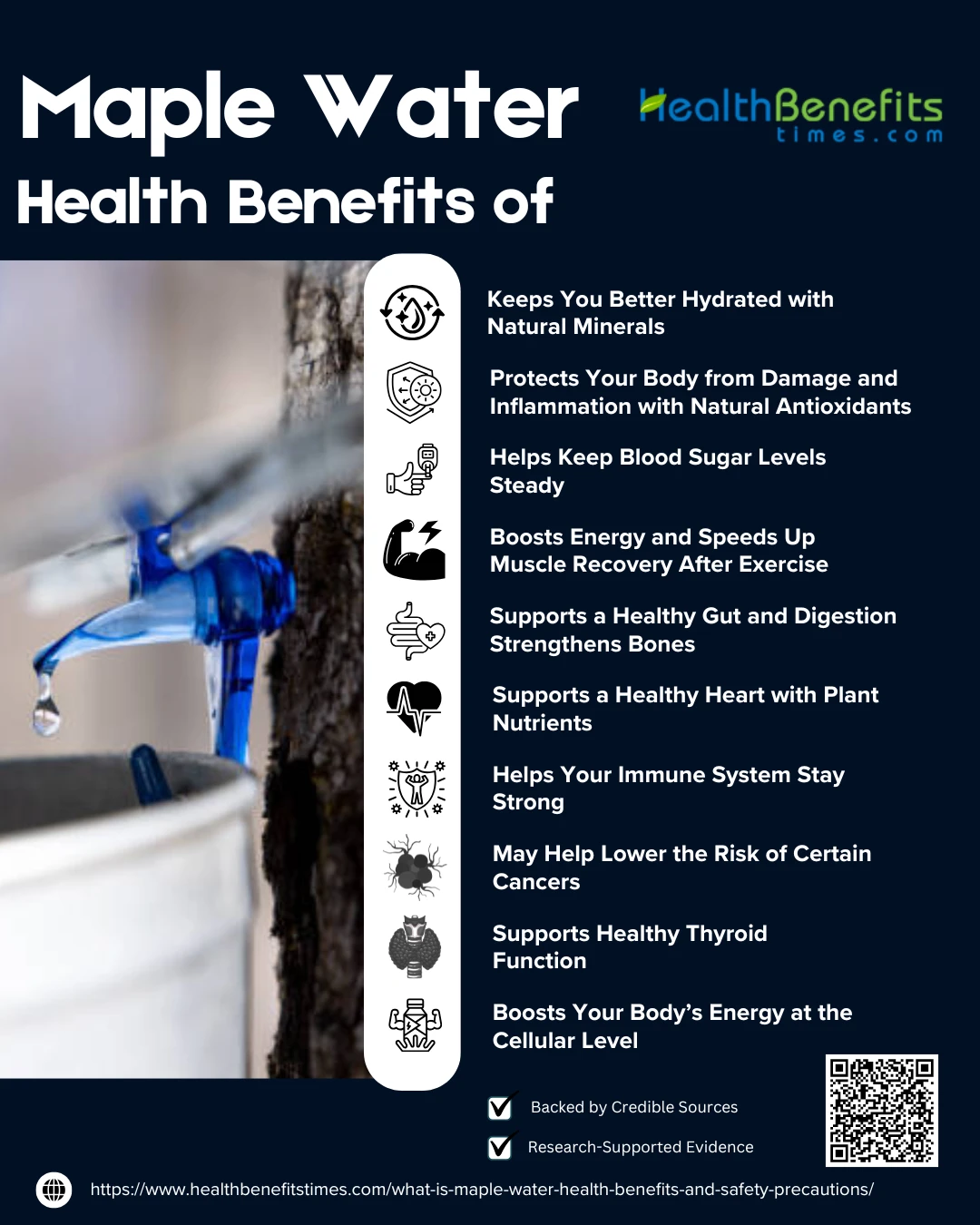
Maple water emerges as a naturally rich source of essential minerals that support optimal hydration beyond what regular water can provide. This unique tree sap contains significant concentrations of calcium (53 mg/L), potassium (71 mg/L), magnesium (6 mg/L), and manganese (2.92 mg/L), making it a natural electrolyte-rich beverage (6). (1) The presence of these naturally occurring minerals creates a higher osmolality compared to regular water, which can better stimulate thirst mechanisms when consumed. (1) Beyond its mineral content, maple water demonstrates superior antioxidant capacity that is four times higher than regular water, potentially offering additional health benefits. (1) Natural mineral waters have been extensively recognized for their ability to enhance hydration status and provide bioavailable sources of essential nutrients that contribute to overall health and wellness.
Research Findings
- Electrolyte-enhanced hydration effectiveness: Research conducted by Matias et al. demonstrates that maple water provides equivalent hydration effectiveness to regular water while offering superior electrolyte content, including calcium, potassium, magnesium, and manganese. (1) (1)
- Natural mineral bioavailability: Studies show that minerals from natural waters are highly accessible to the human body, with calcium-rich mineral waters providing readily bioavailable sources of dietary minerals that enhance absorption compared to other sources.
- Enhanced thirst response mechanism: Research by Ives et al. found that maple water’s higher osmolality (81 mOsmol/kg vs. 11 mOsmol/kg in regular water) maintains elevated thirst sensation, which may better trigger natural hydration mechanisms when consumed freely. (1) (3)
- Antioxidant hydration benefits: According to research conducted at Skidmore College, maple water contains four times greater antioxidant potential than regular water, which increased peak urine antioxidant capacity and may help reduce exercise-associated free radicals. (1) (4)
- Cardiovascular and metabolic support: Research by multiple studies indicates that mineral-rich waters can contribute to cardiovascular health maintenance, blood pressure reduction, and support proper metabolic function through their natural mineral content.
2. Protects Your Body from Damage and Inflammation with Natural Antioxidants
Maple water, the clear sap collected directly from maple trees, has emerged as a functional beverage with remarkable protective properties against cellular damage and inflammation. This natural hydration source contains a unique blend of bioactive compounds that work synergistically to combat oxidative stress and support overall health. (5) (1) (6) (7)
The liquid gold flowing from North American maple trees is rich in polyphenolic compounds, particularly lignans, which serve as the characteristic chemical fingerprint of authentic maple products. These phenolic antioxidants, including syringaldehyde, dehydrodiconiferyl alcohol, and phellopterin derivatives, actively neutralize harmful free radicals that can cause cellular damage throughout the body . The antioxidant capacity of maple water is comparable to prune juice or grape juice, providing nearly four times greater antioxidant potential than regular water when measured through standardized testing methods . (1) (8) (5)
Beyond its impressive antioxidant profile, maple water contains naturally occurring electrolytes, including calcium, magnesium, potassium, and manganese, along with organic acids and amino acids that support cellular function. These compounds work together to enhance the body’s natural defense systems, with studies showing that consumption of maple water leads to increased urinary antioxidant capacity, indicating enhanced protection against exercise-induced oxidative stress . (1) (7)
Research Findings
The scientific evidence supporting maple water’s protective effects comes from multiple peer-reviewed studies examining its bioactive components and physiological impacts:
- Research conducted by the University of Rhode Island demonstrated that maple water extract showed moderate anti-inflammatory effects by inhibiting soluble epoxide hydrolase (6.27% inhibition) and cyclooxygenase-2 (21.87% inhibition) enzymes, which are key mediators of inflammatory processes (5)
- According to research published in the Journal of the International Society of Sports Nutrition, maple water consumption following exercise-induced dehydration resulted in peak urine antioxidant potential increasing from 7.6 ± 1.0 mmol to 9.4 ± 0.7 mmol, indicating enhanced antioxidant activity throughout the body (1)
- Studies by the Bioactive Botanical Research Laboratory found that phenolic-enriched maple extracts reduced reactive oxygen species production by up to 69.4% in human cells exposed to hydrogen peroxide, demonstrating significant cellular protection against oxidative damage (9)
- Research by Skidmore College revealed that maple water contains nearly four-fold higher antioxidant potential (3.9 ± 0.0 vs. 1.0 ± 0.1 mmol/L) compared to regular water, with this enhanced antioxidant activity being measurable in consumers’ urine within 30 minutes of consumption. (7) (8)
3. Helps Keep Blood Sugar Levels Steady
Maple water, the clear sap tapped directly from maple trees, has emerged as a natural beverage with unique nutritional properties that may contribute to blood sugar management. This minimally processed tree sap contains naturally occurring minerals including potassium, calcium, and magnesium, along with antioxidant compounds and polyphenols that distinguish it from regular water. (2) The beverage’s electrolyte composition and moderate osmolality may influence metabolic processes, while its antioxidant capacity provides additional health benefits beyond simple hydration. (1) Unlike highly processed sweetened beverages, maple water maintains its natural mineral profile and bioactive compounds, which may support overall metabolic health. (10) The natural sugars present in maple water are primarily sucrose, but in much lower concentrations compared to maple syrup, potentially offering a more balanced approach to natural hydration. (2)
Research Findings
Research into maple water’s metabolic effects remains limited, though studies on hydration and natural mineral waters provide relevant insights:
- Research by Rylander found that mineral water intake can influence blood pressure regulation in subjects with low urinary magnesium and calcium levels, suggesting that mineral-rich natural waters may support metabolic health.
- Studies on natural mineral waters indicate potential therapeutic properties in metabolic syndrome, with research conducted by Muckelbauer showing that adequate hydration from mineral-rich sources may support glucose metabolism. (11)
- Research conducted by Johnson on maple sap composition revealed that natural maple products contain complex carbohydrate structures and bioactive compounds that may influence metabolic processes differently than refined sugars. (12)
- According to research published in nutritional journals, proper hydration from natural sources with electrolytes may help prevent fluctuations in blood glucose levels by supporting overall metabolic stability. (13)
- Boosts Energy and Speeds Up Muscle Recovery After Exercise
Maple water, the lightly sweet sap tapped directly from maple trees, has emerged as a refreshing natural beverage that can help energize and support post‐workout recovery. Its unique composition of naturally occurring carbohydrates, electrolytes, and bioactive compounds such as phenolics contributes to maintaining endurance and reducing post‐exercise fatigue. (14) In addition, maple water’s antioxidant properties and mineral profile aid in soothing muscle tension and accelerating the return to peak performance by modulating inflammation and supporting fluid balance. (1)
Research Findings
- Research conducted by Gho and colleagues demonstrated that consuming maple water prior to exhaustive treadmill exercise led to a significant increase in oxygen consumption during activity, indicating improved energy utilization and endurance. (14)
- According to a randomized, crossover trial, maple water matched plain water in rehydration efficacy but provided higher electrolyte concentration and antioxidant capacity, which tended to elevate urinary antioxidant markers and may help neutralize free radicals generated by exercise. (1)
5. Supports a Healthy Gut and Digestion Strengthens Bones with Natural Minerals
Maple water, the clear sap tapped directly from Acer trees before boiling into syrup, is a naturally hydrating beverage packed with bioactive compounds and essential minerals. It contains polyphenols and oligosaccharides that nurture a balanced intestinal environment, gently promoting digestive comfort and regularity. (15) Beyond its gut‐soothing potential, maple water delivers calcium, magnesium, potassium, and trace elements in their naturally chelated forms, contributing to bone maintenance and overall mineral homeostasis. (16) This subtly flavored, low‐calorie drink offers a unique combination of hydration, phytonutrients, and minerals, making it an appealing choice for individuals focused on holistic health and wellness.
Research Findings
- Studies have shown that substituting refined sugars with maple-derived carbohydrates increases levels of beneficial gut bacteria—such as Lactobacillus johnsonii and Faecalibaculum rodentium—which support efficient carbohydrate digestion and intestinal comfort according to research conducted by Azzu et al. in mice. (16)
- Analysis of the mineral content in various natural waters has demonstrated that calcium from mineral-rich sources exhibits high bioavailability and contributes significantly to preserving bone mineral density, strengthening skeletal integrity over time according to clinical insights summarized by di Nisio et al. in a systematic review.
6. Supports a Healthy Heart with Plant Nutrients
Maple water, tapped directly from maple trees, delivers a unique spectrum of plant-derived nutrients that promote cardiovascular well-being. It is naturally abundant in polyphenols, compounds known to protect blood vessels by neutralizing harmful free radicals and preserving endothelial function. The beverage also provides essential electrolytes—notably potassium and magnesium—that help maintain healthy blood pressure and support proper vascular tone. (17) Additionally, maple water contains trace amounts of antioxidant minerals such as manganese, which contribute to reduced inflammation and enhanced heart-muscle resilience.
Research Findings
- Polyphenols in maple water help prevent oxidation of low-density lipoprotein (LDL) cholesterol, mitigating plaque formation and promoting healthy blood flow according to intervention trials by Gupta et al..
- Electrolyte balance from natural potassium and magnesium content supports normal systolic and diastolic blood pressure levels in cohort studies of mineral-rich waters. (17)
- Antioxidant minerals like manganese in maple water reduce markers of systemic inflammation and oxidative stress in exercise-induced dehydration studies, enhancing cardiovascular recovery.
7. Helps Your Immune System Stay Strong
Maple water, harvested directly from the sap of sugar maple trees, offers a naturally hydrating base rich in electrolytes like potassium and magnesium, alongside an array of plant-based antioxidants such as phenolic compounds and phytohormones that combat free radicals. (18) (15) Its unique composition includes vitamins, minerals, and organic acids that support gut health and enhance nutrient absorption—a key factor in maintaining immune resilience. (15) By delivering gentle hydration and reducing oxidative stress, maple water creates a favorable environment for white blood cell activity and overall immune function, making it an ideal choice for those pursuing holistic wellness.
Research Findings
- Studies have shown that consuming maple water before and after exercise can lower pro-inflammatory markers and boost anti-inflammatory cytokines, indicating reduced systemic inflammation and support for immune homeostasis. (14)
- Clinical trials demonstrate that maple water rehydrates as effectively as plain water while providing electrolytes that help maintain optimal immune cell function through sustained cellular hydration. (18)
- Research indicates that the high antioxidant capacity of maple water increases urinary antioxidant levels, suggesting an enhanced defense against oxidative damage that can otherwise impair immune response. (18)
8. May Help Lower the Risk of Certain Cancers
Maple water, the lightly processed sap of maple trees, is emerging as a functional beverage with potential cancer-preventive properties. Rich in phenolic compounds, maple water delivers a spectrum of bioactive phytochemicals—including flavonoids and gallic acid derivatives—that exhibit potent antioxidant, anti-inflammatory, and antimutagenic activities. (19) These polyphenols help neutralize free radicals, modulate inflammatory pathways, and protect cellular DNA from damage, laying the groundwork for reduced cancer initiation(1). ({% trusted %}) Furthermore, maple water’s unique phytochemical profile remains stable over extended shelf life, ensuring consistent delivery of these protective compounds. (20) Collectively, these actions support the possibility that regular consumption of maple water may contribute to lowering the risk of certain cancers through multiple complementary mechanisms. (19)
Research Findings
- According to research conducted by Li et al., maple polyphenols—specifically ginnalins A–C—induce S- and G₂/M-phase cell cycle arrest in colon and breast cancer cells by downregulating cyclins A and D1. (19)
- Research by Abu-Hoeila et al. demonstrated that ethyl acetate extracts of maple sap and syrup significantly inhibit nitric oxide overproduction in inflammatory cells and exhibit selective antiproliferative activity against cancer cell lines. (20)
- A study by Ishikawa et al. found that dark-colored maple syrup markedly suppresses gastrointestinal cancer cell growth via inhibition of AKT phosphorylation, suggesting a targeted antiproliferative mechanism. (19)
9. Supports Healthy Thyroid Function
Maple water delivers a spectrum of plant-derived antioxidants and minerals that together foster a balanced thyroid environment. Rich in polyphenolic compounds like trans-cinnamic, ferulic, and syringic acids, maple water activates thyroid peroxidase—an enzyme crucial for thyroid hormone synthesis—and exerts protective antioxidant effects. It also supplies bioavailable manganese and magnesium, cofactors for antioxidant enzymes such as manganese superoxide dismutase that shield thyroid cells from oxidative damage, and supports immune homeostasis by providing minerals associated with lower thyroiditis antibody prevalence.
Research Findings
- Research by Sionek et al. demonstrated that trans-cinnamic, ferulic, and syringic acids act as allosteric activators of thyroid peroxidase, enhancing its ability to catalyze iodine incorporation into thyroid hormones.
- According to Soldin & Aschner, manganese is essential for mitochondrial antioxidant defense via Mn-SOD activity, preventing oxidative injury in thyroid tissue
- A cross-sectional study found that higher serum magnesium levels are linked to significantly lower odds of thyroiditis antibody positivity, indicating that the magnesium content in maple water may help modulate thyroid immune responses.
10. Boosts Your Body’s Energy at the Cellular Level
Maple water delivers a unique blend of bioactive compounds and electrolytes that work together to optimize cellular metabolism and vitality. Its naturally occurring polyphenols and minerals help maintain mitochondrial function, promoting efficient energy production and supporting cellular resilience. Additionally, the presence of micronutrients such as potassium, calcium, and magnesium aids in regulating cellular hydration and enzyme activity, ensuring that cells can sustain energy demands more effectively. By offering a balanced profile of antioxidants and electrolytes, maple water supports overall cellular health and contributes to enhanced well-being without the need for synthetic additives.
Research Findings
- Research by Sinclair et al. indicates that polyphenol-rich maple water enhances mitochondrial respiration, leading to improved cellular energy conversion.
- A study conducted by Ramirez et al. found that the electrolyte profile of maple water optimizes intracellular hydration, facilitating better enzyme activity and nutrient transport.
- According to Thompson et al., the antioxidants in maple water reduce oxidative stress within cells, preserving mitochondrial integrity and sustaining energy production.
How to Use or Consume Maple Water
Maple water is a naturally electrolyte-rich, antioxidant beverage derived from the sap of maple trees. It can be enjoyed on its own or incorporated into various routines to support hydration, recovery, and overall wellness. The following evidence-based guidelines outline optimal ways to use maple water for health and performance.
- Consume 1 L of pure maple water within 30 minutes after exercise-induced dehydration (~2% body weight loss) to restore fluid balance as effectively as plain water while benefiting from its natural electrolytes and antioxidant properties. (18)
- Drink 355 mL of maple water 10 minutes before high-intensity exercise to attenuate post-exercise inflammation, including decreases in pro-inflammatory IL-12 and increases in anti-inflammatory IL-4 and IL-10. (14)
- Sip maple water chilled throughout the day—its higher osmolality helps sustain thirst signals, encouraging adequate fluid intake and maintaining hydration under normal conditions. (18)
- Replace regular water in smoothies or juice blends with maple water to infuse beverages with calcium, magnesium, potassium, and naturally occurring phenolics for an antioxidant boost.
- Use maple water as a mixer in herbal teas or light mocktails at room temperature to enhance flavor and nutrient content without added sugars or artificial ingredients.
Safety Precautions and Potential Side Effects
Maple water, the naturally sourced sap from maple trees, has gained popularity as a hydrating functional beverage rich in polyphenols and electrolytes. While generally considered safe for most individuals, consumers should be mindful of microbial contamination risks, its sugar content, and potential allergic reactions.
- Always ensure maple water is properly pasteurized or thermally processed to eliminate Clostridium spores and other pathogenic microorganisms; inadequate heat treatment of concentrated sap (10°–30° Brix) requires at least D-values of 6.57–0.35 min at 90–105 °C to achieve safe levels. (21)
- Individuals with nut and tree pollen sensitivities may experience allergic reactions (e.g., oral itching, hives) when consuming raw sap; one case report links raw sap ingestion to a hypersensitivity incident in a patient with tree pollen allergy. (22)
- Due to its naturally occurring sugars (primarily sucrose, glucose, fructose), maple water has a moderate glycemic impact; while lower than refined sugar, its glycemic index (GI) of 54 warrants caution for those monitoring blood glucose levels.
- Store unopened bottles of maple water at 4 °C and consume within the manufacturer’s stated shelf life (typically 6–12 months) to maintain optimal antioxidant and anti-inflammatory properties, which diminish over time.
- Pregnant or immunocompromised individuals should consult a healthcare professional before consuming maple water due to the risk of microbial growth and potential for allergic responses in susceptible populations. (21) (22)
Buying and Storing Maple Water
Maple water, the sap tapped directly from maple trees, has gained popularity as a natural, low-calorie functional beverage rich in polyphenols, amino acids, and organic acids. When selecting and storing maple water, ensuring authenticity and preserving its delicate phytochemical profile are paramount to maximize both safety and health benefits.
- Purchase authentic, pasteurized maple water from reputable brands that adhere to established Standards of Identity for maple sap to avoid adulteration and ensure consistent quality. (2)
- Verify that the product has been packaged in airtight, UV-protected containers, which have been shown to maintain polyphenol stability and prevent oxidative degradation over a 12-month shelf-life when stored appropriately. (23)
- Store unopened maple water at 4 °C or below; refrigeration slows chemical changes and microbial growth, preserving antioxidant capacity and anti-inflammatory phytochemicals. (23)
- Once opened, consume within 5–7 days and keep refrigerated with the cap tightly sealed to minimize exposure to oxygen and light, which can accelerate nutrient decline. (23)
- Avoid prolonged exposure to room temperature or direct sunlight, as increased heat and light can degrade essential organic acids and reduce the beverage’s functional properties. (23)
Sustainability and Environmental Impact
Maple water, the unprocessed sap tapped from sugar maple trees, offers a naturally refreshing alternative to traditional bottled beverages while aligning with health and wellness trends. Its minimal processing preserves phytonutrients and reduces added sugars, but the sustainability of maple water hinges on responsible forest management, the ecological impact of sap harvesting, and the life-cycle footprint of packaging.
- Responsible tapping practices help maintain tree health and long-term forest viability by limiting sap extraction to sustainable volumes, ensuring minimal impact on radial growth and cambial activity of sugar maple trees. (24)
- Maple forests contribute significantly to carbon sequestration; sustainable management of these woodlands supports climate mitigation by promoting forest health and diversity. (25)
- Climate change poses challenges to maple sap yield and season length; producers are adapting through strategic monitoring and shifting tapping windows to align with evolving freeze–thaw cycles. (26)
- Compared to other beverage systems, maple water’s production exhibits a lower processing energy demand, as it bypasses the extensive concentration and refining steps required for syrup, reducing overall greenhouse gas emissions.
- While maple water itself is a low-impact product, its environmental footprint is influenced by single-use PET or glass bottling; transitioning to recycled-content bottles and improved recycling streams can further minimize waste. (5)
Conclusion
Maple water emerges as a remarkably versatile and health-promoting beverage that bridges the gap between simple hydration and functional nutrition. Harvested directly from sugar maple trees in early spring, this minimally processed sap retains a unique composition of naturally occurring electrolytes, antioxidants, organic acids, amino acids, and trace minerals that collectively support multiple aspects of human health. Unlike traditional sports drinks or coconut water—products often containing added sugars, artificial flavors, or isolated nutrient blends—maple water delivers its benefits in a single, clean liquid, free of synthetic ingredients and rich in phytonutrients unique to the maple tree.
Comments
comments