

Understanding Mitochondria
Mitochondria are essential organelles in the body, often referred to as the powerhouse of the cell. They are responsible for producing adenosine triphosphate (ATP), the primary energy carrier, through cellular respiration processes such as oxidative phosphorylation. ATP is vital for fueling many cellular functions, including muscle contraction, protein synthesis, and cell division. Beyond energy production, mitochondria also play a crucial role in regulating cell death, signaling, and maintaining cellular homeostasis. Healthy mitochondria are necessary for overall well-being, as mitochondrial dysfunction is associated with various diseases, including neurodegenerative disorders. Understanding the role of mitochondria in health and their impact on diseases is essential for advancing medical treatments. (1) Proper mitochondrial function ensures optimal metabolic performance and is linked to preventing mitochondrial diseases. Maintaining mitochondrial health is therefore crucial for longevity and preventing degenerative conditions. Recent advances have further clarified how mitochondria influence not only energy metabolism but also various other aspects of cell biology. (2) Additionally, dysfunction in these organelles is now recognized as a significant factor in many genetic disorders. Exploring mitochondrial dynamics offers insights into improving treatments for neurological conditions. To conclude, understanding mitochondrial functions is indispensable for comprehending their role in health and disease.
What are Mitochondrial Optimizers?
Mitochondrial optimizers are supplements or interventions designed to enhance mitochondrial function and improve energy production in cells. These compounds work by supporting the efficiency of mitochondria, primarily in the process of ATP synthesis, which is crucial for cellular energy. Common mitochondrial optimizers include antioxidants, Coenzyme Q10, and compounds that enhance mitochondrial biogenesis and repair. By promoting the proper functioning of mitochondria, these supplements can help improve overall metabolic health, boost endurance, and protect against age-related degenerative diseases. Research has shown that optimizing mitochondrial health can also be beneficial in treating mitochondrial dysfunctions, such as in neurodegenerative diseases. The use of antioxidants is one effective approach to counteract oxidative stress within mitochondria, improving their function. (3) Other strategies focus on enhancing mitochondrial dynamics, which includes the fusion and fission processes that are crucial for maintaining cellular energy levels. Mitochondrial health is also linked to reducing inflammation and optimizing cellular pathways, further underscoring the importance of these optimizers in clinical and wellness applications. (4)
Types of Mitochondrial Optimizers
Mitochondrial optimizers enhance cellular energy production by supporting mitochondrial function. Various types, including supplements and natural compounds, can help improve energy levels, cognitive performance, and overall health by optimizing mitochondria.
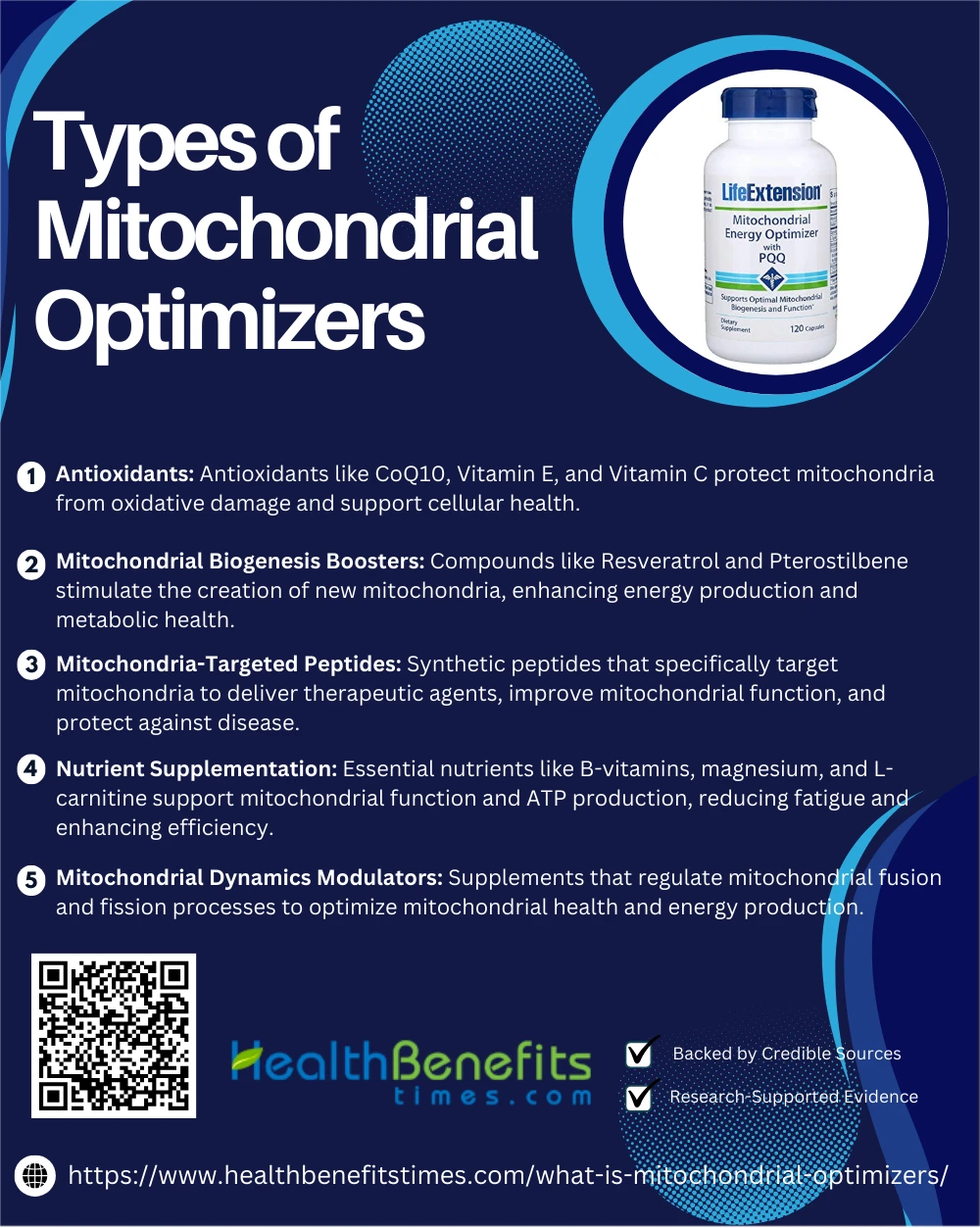
Antioxidants are critical for maintaining mitochondrial health by neutralizing harmful free radicals that are generated during the mitochondrial process of energy production. Free radicals can cause oxidative damage to mitochondrial DNA, proteins, and lipids, impairing their function. Coenzyme Q10 (CoQ10) is one of the most well-known antioxidants, playing a vital role in the electron transport chain, which is essential for ATP production. Additionally, other antioxidants such as Vitamin E and Vitamin C support the mitochondria by scavenging these free radicals and reducing oxidative stress. By improving the antioxidant defenses in mitochondria, these supplements help maintain cellular health, as seen in research on CoQ10 and mitochondrial diseases. Furthermore, antioxidants may also enhance mitochondrial function in conditions like neurodegenerative diseases, as highlighted in this study.
2. Mitochondrial Biogenesis Boosters
Mitochondrial biogenesis boosters are compounds that stimulate the creation of new mitochondria in the cells. These compounds enhance mitochondrial function by increasing mitochondrial density, which ultimately boosts ATP production. One of the most studied compounds in this category is Resveratrol, a natural polyphenol found in red wine that has been shown to activate sirtuins, proteins that regulate cellular processes including mitochondrial biogenesis. Another compound, Pterostilbene, a close relative of Resveratrol, has demonstrated similar effects on mitochondrial function and energy metabolism. These compounds are essential for improving metabolic health and combating age-related mitochondrial decline. For example, studies have shown that Resveratrol improves mitochondrial function in aged muscles, while Pterostilbene has been found to stimulate mitochondrial biogenesis in brain cells. Enhanced mitochondrial biogenesis can also aid in better cellular repair processes.
3. Mitochondria-Targeted Peptides
Mitochondria-targeted peptides (MTPs) are synthetic peptides designed to specifically target the mitochondria. These peptides are engineered to cross the mitochondrial membrane and deliver therapeutic agents directly inside the mitochondria. MTPs are used to improve mitochondrial function by delivering antioxidants, therapeutic proteins, or small molecules that enhance mitochondrial activity or protect against damage. MTPs are particularly beneficial for targeting diseases associated with mitochondrial dysfunction, such as neurodegenerative conditions. Research has shown that mitochondria-targeted antioxidants help reduce oxidative stress in these organelles. Additionally, MTPs have shown promise in enhancing mitochondrial health in cardiovascular disease. Recent studies also suggest that MTPs can help in improving cellular longevity, making them a crucial tool in mitochondrial optimization.
4. Nutrient Supplementation
Nutrient supplementation plays a crucial role in supporting mitochondrial health. Certain nutrients such as B-vitamins (especially B1, B2, and B3) and magnesium are essential for the proper functioning of the mitochondrial enzymes involved in ATP production. L-carnitine, an amino acid derivative, facilitates the transport of fatty acids into mitochondria for energy production. These nutrients are important for boosting mitochondrial efficiency and preventing energy depletion in cells. Research has indicated that L-carnitine supplementation can improve mitochondrial function and reduce fatigue in chronic diseases. (5) Additionally, B-vitamin supplementation has been shown to support mitochondrial function by enhancing metabolic pathways that are vital for energy production. Magnesium, too, has been linked to mitochondrial health, supporting ATP synthesis and preventing oxidative stress. (6)
5. Mitochondrial Dynamics Modulators
Mitochondrial dynamics modulator supplements are designed to regulate the fusion and fission processes of mitochondria, ensuring optimal mitochondrial function. Fusion allows mitochondria to merge and share their contents, while fission helps in the division of damaged mitochondria. Proper balance between these two processes is essential for maintaining mitochondrial health and function. Supplements that influence these dynamics can help prevent mitochondrial dysfunction and promote better energy production. For instance, research has shown that compounds influencing mitochondrial fusion can improve mitochondrial efficiency, particularly in conditions like obesity. Additionally, fission regulation may aid in the removal of dysfunctional mitochondria, promoting better overall cellular function. These modulators are essential in optimizing mitochondrial health, particularly in combating diseases related to mitochondrial dynamics, as discussed in this paper.
Key Ingredients in Mitochondrial Optimizers
Mitochondrial optimizers often contain key ingredients that play a significant role in supporting mitochondrial function and improving energy production. One such ingredient is CoQ10 (Coenzyme Q10), which aids in the electron transport chain and helps generate ATP. Research has highlighted its role in mitochondrial function. Another essential component is PQQ (Pyrroloquinoline Quinone), known to enhance mitochondrial biogenesis and reduce oxidative stress. Studies have shown its effectiveness in mitochondrial health. (7) Lastly, acetyl-L-carnitine plays a pivotal role in fatty acid metabolism within mitochondria, improving mitochondrial efficiency, as noted in this study. (8) These ingredients work synergistically to optimize mitochondrial health and cellular energy production.
Benefits of Mitochondrial Optimizers
Mitochondrial optimizers offer numerous benefits, including increased energy, improved cognitive function, enhanced physical performance, and potential anti-aging effects. These supplements support mitochondrial health, boosting overall well-being and vitality.
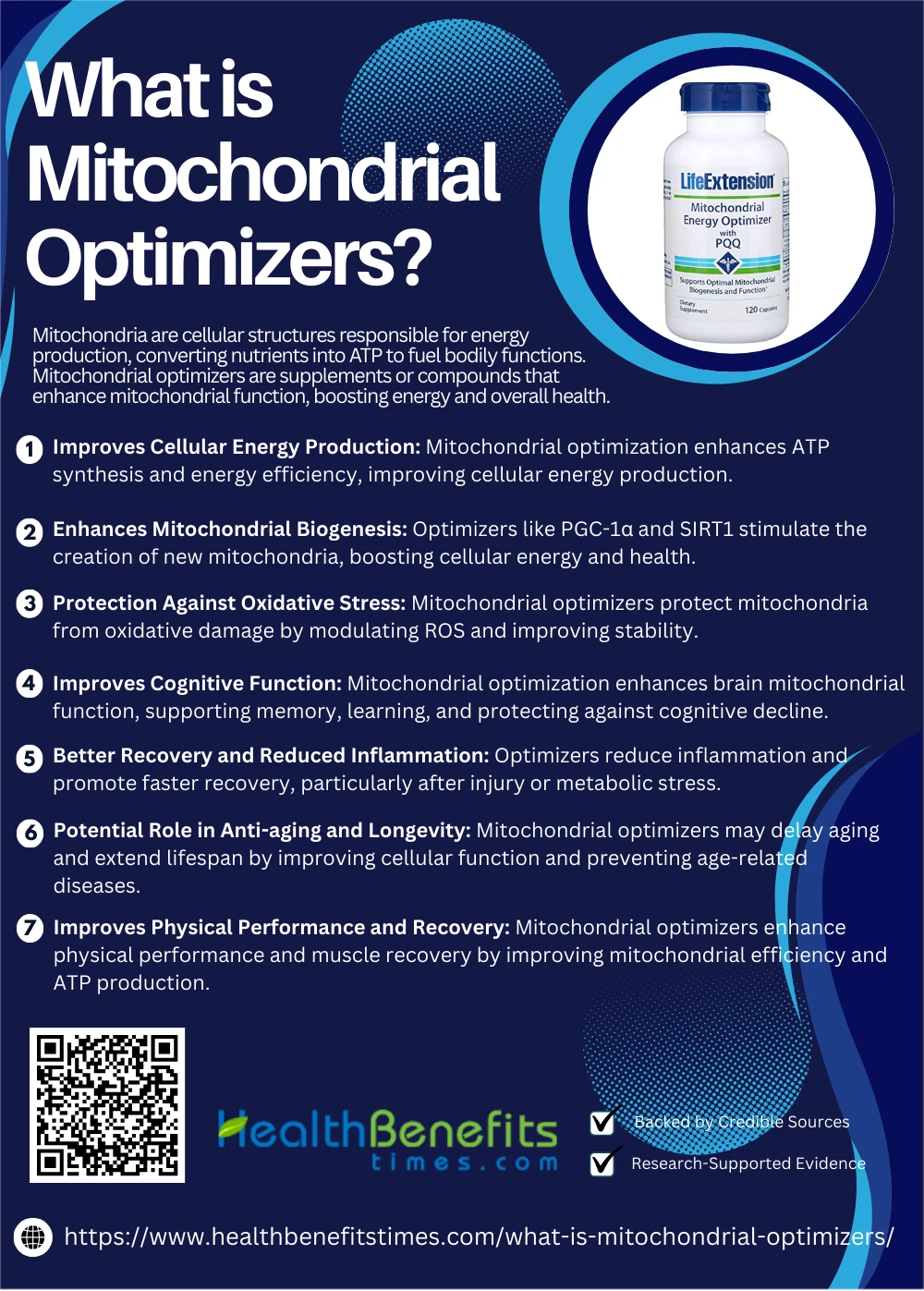
Mitochondrial optimization plays a pivotal role in enhancing cellular energy production by improving the efficiency of oxidative phosphorylation and ATP synthesis. Research has shown that mitochondrial fusion and fission processes are critical for adapting to cellular energy demands, with optimization leading to improved redox balance and ATP output. Studies suggest that enhancing mitochondrial function can alleviate oxidative stress and improve cellular energy efficiency. Moreover, exercise and specific dietary factors have been found to influence mitochondrial dynamics, contributing to better energy production. Additionally, the regulation of mitochondrial enzymes can significantly optimize energy pathways in response to varying cellular needs. Overall, the enhancement of mitochondrial function is essential for optimizing cellular energy processes.
2. Enhances Mitochondrial Biogenesis
Mitochondrial biogenesis can be enhanced by various mitochondrial optimizers, such as PGC-1α, AMPK, and SIRT1, which regulate mitochondrial function and cellular health. Recent studies show how pharmacological strategies and targeted epigenetic induction can stimulate mitochondrial biogenesis, thus promoting oxidative metabolism and supporting energy homeostasis in cells. (9) Additionally, Malinee et al. (2022) explored the mechanisms of mitochondrial activation in immune cells, enhancing mitochondrial proliferation. In a study by Bishop et al. (2014), PGC-1α’s role in mitochondrial proliferation and function is linked to optimized energy production during stress. (10) Furthermore, research by Popov (2020) highlighted how mitochondrial optimizers assist in maximizing mitochondrial biogenesis. (11) Zeng et al. (2020) also demonstrated how cellular health and mitochondrial functionality are sustained through optimized mitochondrial pathways. (12)
3. Protection Against Oxidative Stress
Mitochondrial optimizers play a crucial role in protecting against oxidative stress by modulating reactive oxygen species (ROS) and improving mitochondrial stability. Antioxidants like melatonin, in combination with mitochondria-targeted antioxidants, significantly reduce oxidative damage to mitochondrial structures. (13) Studies such as Jiang et al. (2013) illustrate how optimizing mitochondrial protection can mitigate mitochondrial apoptosis in neurodegenerative diseases. (14) Yamada et al. (2020) described therapeutic strategies that alleviate oxidative stress in mitochondria, leading to enhanced mitochondrial function. (15) Poljsak (2011) reviewed how mitochondrial antioxidants like ubiquinone protect cells from oxidative stress. (16) Marei et al. (2019) demonstrated that mitochondria-targeted therapies could reduce oxidative stress, improving mitochondrial function in cells. (17)
4. Improves Cognitive Function
Mitochondrial optimization has been shown to improve cognitive function by enhancing mitochondrial bioenergetics and reducing age-related declines. Studies indicate that mitochondrial nutrients like α-lipoic acid significantly impact brain mitochondrial functions, thus supporting memory and learning processes. (18) Additionally, research by Gonzalez-Lima et al. (2014) highlights how improved brain mitochondrial respiration can protect against cognitive impairments. (19) Similarly, studies by Leuner et al. (2010) demonstrate that mitochondrial optimization supports brain function in aging and Alzheimer’s. (20) Mitochondrial optimizers, such as melatonin and orexin, enhance synaptic recovery and protect against neurodegeneration. (21) Recent studies by Trigo et al. (2022) explore the importance of mitochondrial fusion in neuronal health and cognitive optimization. (22)
5. Better Recovery and Reduced Inflammation
Mitochondrial optimizers play a significant role in reducing inflammation and promoting recovery, especially in the context of post-injury and metabolic stress. Research by Sanchez et al. (2018) discusses how mitochondrial-targeted antioxidants reduce oxidative stress, aiding in faster recovery. (23) Additionally, Bowlin et al. (2023) explores how mitochondrial bioenergetics influence inflammatory responses, promoting tissue regeneration. (24) Moreover, studies by Missiroli et al. (2020) show that optimizing mitochondrial metabolism enhances tissue repair and reduces inflammation in neurodegenerative disorders. (25) Research by Huang et al. (2022) highlights the role of mitochondrial delivery systems in mitigating inflammation in spinal injuries. (26) Furthermore, Sinha et al. (2024) shows how mitochondrial therapeutics support recovery by stabilizing mitochondrial functions and reducing inflammation in aging tissues. (27)
6. Potential role in anti-aging and longevity
Mitochondrial optimizers hold significant promise in extending lifespan and combating aging-related cellular decline. Studies show that interventions enhancing mitochondrial function can delay the onset of age-related diseases and improve overall health. Zhao et al. (2024) demonstrated that engineered mitochondrial transplantation could reverse aging signs. (28) Similarly, research by Pallardó et al. (2020) discusses how mitochondrial nutrient mixtures can support longevity by improving cellular energy production. (29) Waqas et al. (2021) examined the potential of anti-aging compounds targeting mitochondrial health. (30) In-depth reviews, such as those by Klimova et al. (2018), emphasize mitochondrial regulatory pathways as crucial to aging prevention. (31) Lastly, Wang et al. (2024) present evidence on mitochondrial optimization’s role in aging-related diseases.
7. Improves physical performance and recovery
Mitochondrial optimizers significantly enhance physical performance by improving mitochondrial efficiency and ATP production. Research by Catalogna et al. (2022) highlights how mitochondrial function boosts athletic performance. (32) Stellingwerff et al. (2019) discusses the importance of optimizing recovery strategies, including mitochondrial-targeting compounds. (33) Furthermore, studies by Arciero et al. (2015) suggest that mitochondrial-enhancing nutrients aid muscle recovery. (34) Research by Li et al. (2018) found that interventions like high-intensity training elevate mitochondrial content and enhance physical function. (35) Finally, Mickleborough (2013) demonstrated the effectiveness of omega-3 fatty acids in boosting exercise performance and mitochondrial recovery.
How to Choose the Right Mitochondrial Optimizer
When choosing the right mitochondrial optimizer, it’s essential to focus on factors such as bioavailability, safety, and the specific mitochondrial pathway targeted. For instance, Lopes and Perretto (2005) emphasize the importance of optimizing mitochondrial energy pathways. (36) Benaroya (2022) outlines the effectiveness of optimization in mitochondria movement for enhanced function. (8) Furthermore, the selection of optimizers should be based on mitochondrial metabolic targets as explored by Angione et al. (2015). (37) Additionally, considering mitochondrial DNA stability is crucial, as noted by Shrestha and Mahmood (2019), to ensure long-term mitochondrial health. (38) Polster et al. (2022) recommend evaluating mitochondrial function before choosing an optimizer to ensure compatibility with individual cellular needs. (39)
Diet and Lifestyle for Supporting Mitochondrial Health
A balanced diet and healthy lifestyle are crucial for mitochondrial health. Proper nutrition, regular exercise, stress management, and adequate sleep can all enhance mitochondrial function, boosting energy and overall vitality.
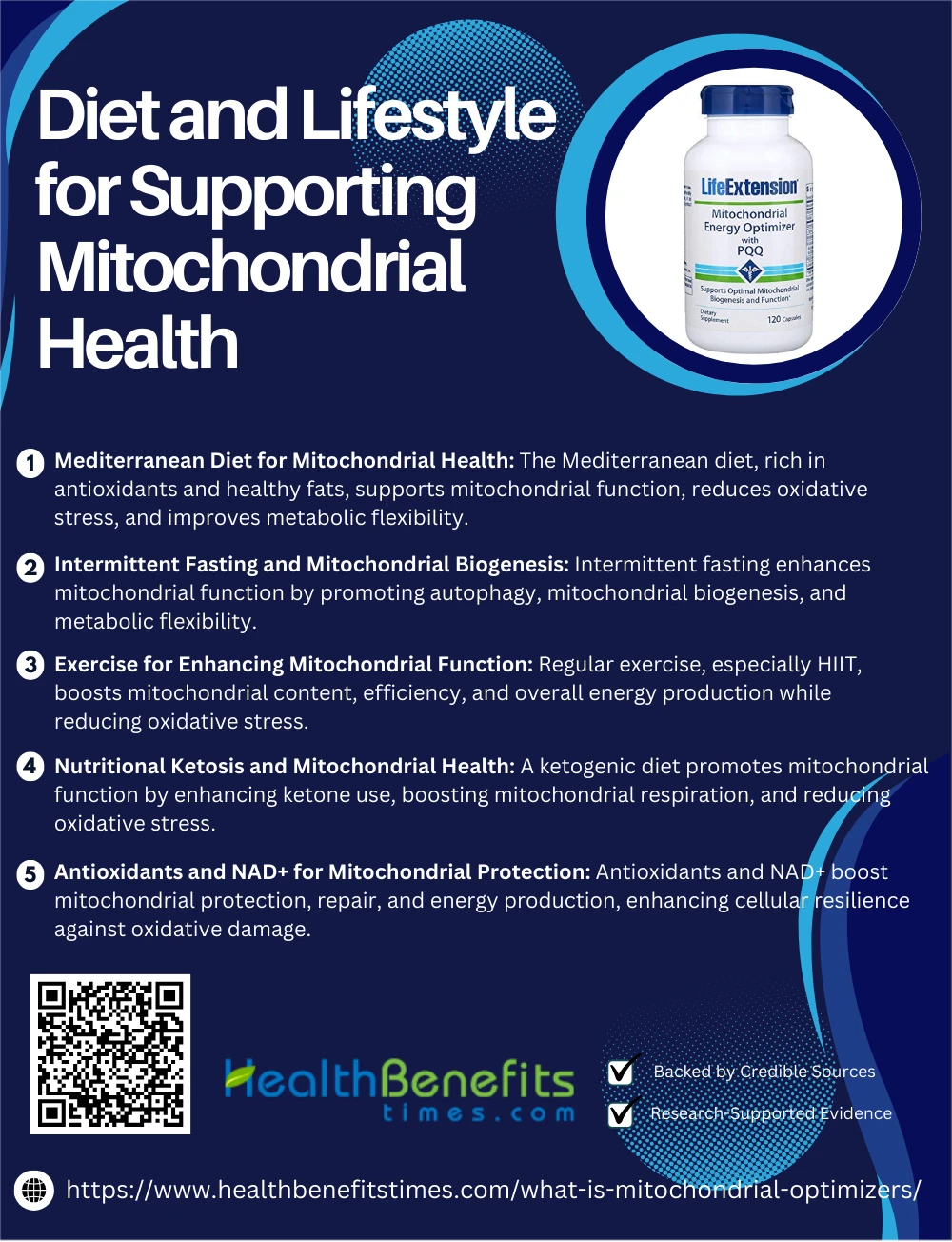
The Mediterranean diet, rich in fruits, vegetables, whole grains, legumes, and healthy fats like olive oil, has been extensively studied for its positive effects on mitochondrial function. By providing an abundant source of antioxidants, vitamins, and polyphenols, this diet helps combat oxidative stress and inflammation, which are major factors in mitochondrial dysfunction. Research has shown that the Mediterranean diet supports mitochondrial biogenesis, promoting better energy production and cellular health. (40) Additionally, the diet’s emphasis on polyunsaturated fats, like those found in fish and olive oil, has been linked to improved mitochondrial function and reduced mitochondrial DNA damage. Consuming a Mediterranean diet also supports metabolic processes, contributing to better overall mitochondrial health and metabolic flexibility. (41)
2. Intermittent Fasting and Mitochondrial Biogenesis
Intermittent fasting (IF) has gained attention for its potential to enhance mitochondrial function by stimulating processes like autophagy and reducing oxidative damage. During fasting periods, the body enters a state where it breaks down damaged mitochondria, thus promoting the generation of new, healthy ones. Studies have shown that IF activates the sirtuin family of proteins, which play a key role in mitochondrial biogenesis and energy production. These mechanisms contribute to the long-term maintenance of mitochondrial function. (42) Furthermore, IF enhances mitochondrial oxidative capacity and cellular resistance to stress, which can delay the onset of age-related mitochondrial decline. (43) Researchers have found that IF not only supports mitochondrial biogenesis but also improves metabolic flexibility, helping the body more efficiently use fat as an energy source. (37)
3. Exercise for Enhancing Mitochondrial Function
Regular physical activity, particularly endurance exercises like running and high-intensity interval training (HIIT), is one of the most effective ways to improve mitochondrial function. Exercise has been shown to increase mitochondrial content and efficiency, particularly in muscle cells. During exercise, the demand for ATP increases, which in turn stimulates mitochondrial biogenesis and improves the electron transport chain’s efficiency. This leads to better overall energy production and reduced oxidative stress, which is crucial for maintaining mitochondrial integrity. Studies highlight that HIIT, in particular, significantly boosts mitochondrial function, improving both cardiovascular health and mitochondrial capacity. (44) Regular exercise also helps to repair damaged mitochondria and even enhances mitochondrial dynamics, such as fusion and fission, which are essential for maintaining mitochondrial function. (41) Moreover, exercise enhances the uptake of oxygen into cells, further supporting mitochondrial respiration and overall cellular metabolism. (42)
4. Nutritional Ketosis and Mitochondrial Health
A ketogenic diet, characterized by high fat intake and very low carbohydrate consumption, has shown promising benefits for mitochondrial health. By inducing a state of nutritional ketosis, the body shifts from using glucose as the primary energy source to using ketones, which are produced from fats. This shift not only enhances mitochondrial respiration but also boosts the function of the electron transport chain. Research indicates that ketosis can help improve mitochondrial function by providing more efficient energy substrates and reducing oxidative stress. Studies have also demonstrated that ketone bodies, such as beta-hydroxybutyrate, act as signaling molecules that promote mitochondrial biogenesis and improve overall metabolic health. (41) Additionally, ketogenic diets have been linked to enhanced mitochondrial efficiency, leading to better endurance and reduced fatigue, especially during prolonged physical activity. Researchers also suggest that a ketogenic diet may have neuroprotective effects, enhancing mitochondrial function in the brain and reducing cognitive decline associated with aging. (42)
5. Antioxidants and NAD+ for Mitochondrial Protection
Antioxidants play a vital role in protecting mitochondria from oxidative damage, which is one of the primary causes of mitochondrial dysfunction. Nutrients such as vitamin C, vitamin E, and polyphenols found in fruits and vegetables can help reduce the burden of free radicals, ensuring the longevity of mitochondria. Furthermore, increasing NAD+ (nicotinamide adenine dinucleotide) levels through dietary sources like niacin can significantly support mitochondrial function. NAD+ is crucial for activating sirtuins, which are proteins that regulate mitochondrial repair, biogenesis, and stress response. Boosting NAD+ can enhance mitochondrial DNA repair and improve mitochondrial energy production. Studies have shown that NAD+ precursors like nicotinamide riboside can increase mitochondrial function, leading to better metabolic health and cellular protection from stress. (43) Additionally, the intake of antioxidant-rich foods such as berries, nuts, and leafy greens has been linked to improved mitochondrial integrity and function, further enhancing cellular resilience to oxidative damage. (41)
Potential Side Effects of Mitochondrial Optimizers
While mitochondrial optimizers offer numerous benefits, they may also cause side effects in some individuals. It’s important to be aware of potential risks, interactions, and consult with a healthcare provider before use.
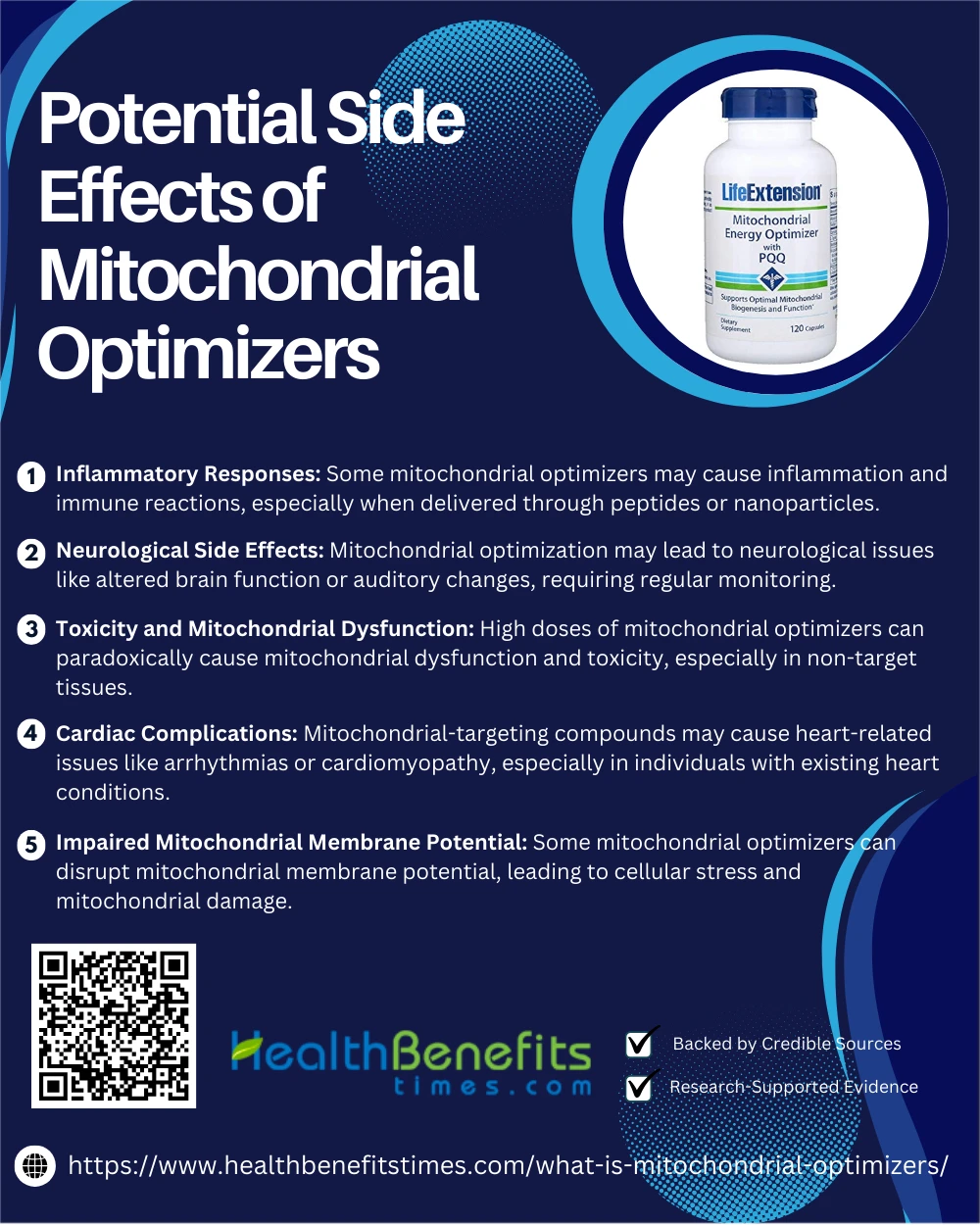
2. Neurological Side Effects: In some cases, mitochondrial optimization treatments may lead to neurological side effects, such as altered brain function or changes in auditory responses. Regular monitoring is essential to detect these adverse effects, especially when optimizing mitochondrial translation processes. (46)
3. Toxicity and Mitochondrial Dysfunction: Certain drugs that optimize mitochondrial function can have paradoxical effects, including mitochondrial dysfunction when administered at high doses or for prolonged periods. This can lead to cellular toxicity, especially in non-target tissues. For example, optimizing mitochondrial pathways in cancer treatment may also increase the susceptibility of healthy cells to mitochondrial damage. (47)
4. Cardiac Complications: Some mitochondrial-targeting compounds have been linked to cardiac issues, including arrhythmias or cardiomyopathy. These effects are particularly concerning when mitochondrial optimizers are used in patients with pre-existing heart conditions. (48)
5. Impaired Mitochondrial Membrane Potential: While mitochondrial optimizers aim to enhance cellular energy production, they can sometimes lead to an imbalance in mitochondrial membrane potential, which disrupts normal cell function. This can result in unwanted cellular stress and damage to mitochondrial integrity, affecting overall health. (49)
Conclusion
Mitochondrial optimizers are supplements or compounds designed to enhance the function and efficiency of mitochondria, the energy-producing structures in our cells. Mitochondria are essential for converting nutrients into energy in the form of ATP, which powers nearly all cellular activities. Over time, mitochondrial function can decline, leading to decreased energy, fatigue, and various health issues. Mitochondrial optimizers work by supporting mitochondrial health through various mechanisms, such as boosting energy production, reducing oxidative stress, and improving cellular repair. These supplements can help improve overall vitality, mental clarity, physical performance, and may even contribute to longevity and healthy aging.
Comments
comments