

What is Pearl Powder?
Pearl powder is a fine powder derived from crushed pearls, primarily composed of calcium carbonate, amino acids, and trace minerals like magnesium, zinc, and selenium. The powder is created by grinding pearls into a fine substance, often using freshwater or saltwater pearls. Various types of pearls, such as the white and black pearls, are commonly used depending on the desired benefits. In traditional Chinese medicine, pearl powder has been used for centuries for its healing properties, including promoting skin health and enhancing longevity. In modern times, it’s widely used in cosmetics for its anti-aging and skin brightening effects. (1) Pearl powder is also valued in the wellness industry for its purported oral health benefits, particularly for strengthening teeth and gums. (2) In both historical and contemporary settings, it serves various applications, such as in skincare formulations and dietary supplements.
The History and Origin of Pearl Powder
Pearl powder has a rich history, particularly in ancient Chinese medicine, where it was used as early as 320 AD for various medicinal and beauty purposes. (3) It was commonly used in traditional Chinese medicine (TCM) to treat ailments such as eye diseases, tuberculosis, and heart conditions. In beauty practices, it was prized for its skin-enhancing properties. The cultural significance of pearl powder extends beyond China, with ancient Egyptian cultures using it in cosmetics to maintain youthful skin. (4) Additionally, pearl powder was valued in Ayurveda and other Asian traditions for its holistic benefits. (5) The traditional method of preparing pearl powder involved grinding pearls into a fine powder, a technique that continues today for use in modern beauty products and supplements. (6)
Nutritional and Chemical Composition of Pearl Powder
Pearl powder is a nutrient-rich substance, prized for its high mineral content, amino acids, and proteins. Its unique chemical composition contributes to its health and beauty benefits, supporting skin, hair, and overall wellness.
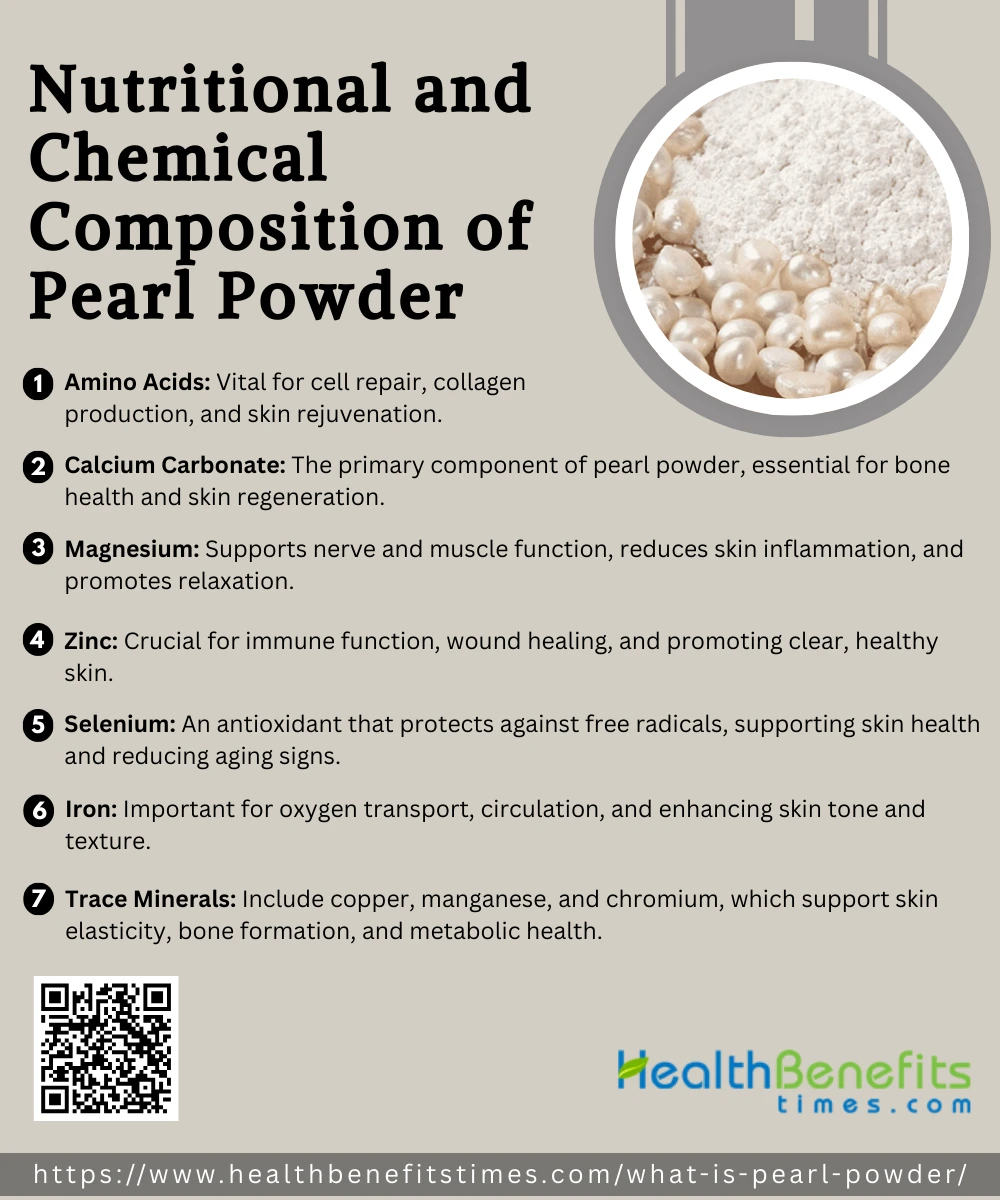
Calcium carbonate is the most abundant component in pearl powder, making up approximately 90% of its composition. It is essential for bone health, contributing to bone density and strength. Calcium also plays a role in skin cell regeneration, supporting healthy skin and preventing premature aging. The calcium in pearl powder is bioavailable, meaning it can be easily absorbed by the body. This mineral is well-known for its benefits to bone health and is widely used in supplements for osteoporosis prevention.
2. Amino Acids
Pearl powder contains various amino acids, such as glycine, alanine, and proline, which are vital for protein synthesis. These amino acids help to repair and regenerate cells, making pearl powder beneficial for skin rejuvenation. The amino acids promote collagen production, essential for maintaining skin elasticity and preventing wrinkles. Regular use of pearl powder can assist in enhancing skin texture and tone.
3. Magnesium
Magnesium is another important mineral found in pearl powder. It is vital for nerve and muscle function, as well as supporting the body’s biochemical reactions. Magnesium also helps to maintain a healthy heart and contributes to healthy sleep patterns. In the context of pearl powder, magnesium helps reduce skin inflammation, making it effective for treating conditions like acne and eczema. It is well-known for its calming properties and is frequently used in supplements for stress management and relaxation.
4. Zinc
Zinc is a vital trace mineral present in pearl powder, playing a crucial role in immune function, wound healing, and cellular repair. It is also known to regulate oil glands in the skin, helping to prevent acne. Additionally, zinc plays an important role in DNA synthesis and cell division. It is widely used in skincare products for its ability to promote clear, healthy skin. It can be especially beneficial for people with skin conditions like acne and rosacea.
5. Selenium
Selenium is an antioxidant that helps to neutralize free radicals, which can damage cells and accelerate the aging process. Found in pearl powder, selenium contributes to skin health by preventing oxidative stress and protecting the skin from environmental damage. It also supports immune function and thyroid health. Many studies have shown that selenium helps to improve skin elasticity and reduce signs of aging, making it a popular ingredient in anti-aging skincare products.
6. Iron
Iron, another key component in pearl powder, is vital for the production of hemoglobin, which carries oxygen in the blood. This trace element helps to prevent anemia and boosts overall energy levels. Iron’s role in promoting circulation also benefits skin health, providing a healthy, radiant complexion. Adequate iron levels can improve skin tone and texture, reducing the appearance of dullness.
7. Trace Minerals
In addition to the major components like calcium and magnesium, pearl powder contains trace minerals such as copper, manganese, and chromium. These trace minerals support various functions, from collagen synthesis to antioxidant protection. Copper plays an important role in the production of elastin, which helps maintain skin elasticity. Manganese supports bone formation and wound healing, while chromium aids in regulating blood sugar levels. These minerals work synergistically to promote overall health, particularly skin, bone, and metabolic function.
Health Benefits of Pearl Powder
Pearl powder offers a range of health benefits, from enhancing skin radiance and promoting anti-aging effects to improving hair health and boosting immunity. Its rich nutrient profile supports overall wellness and vitality.
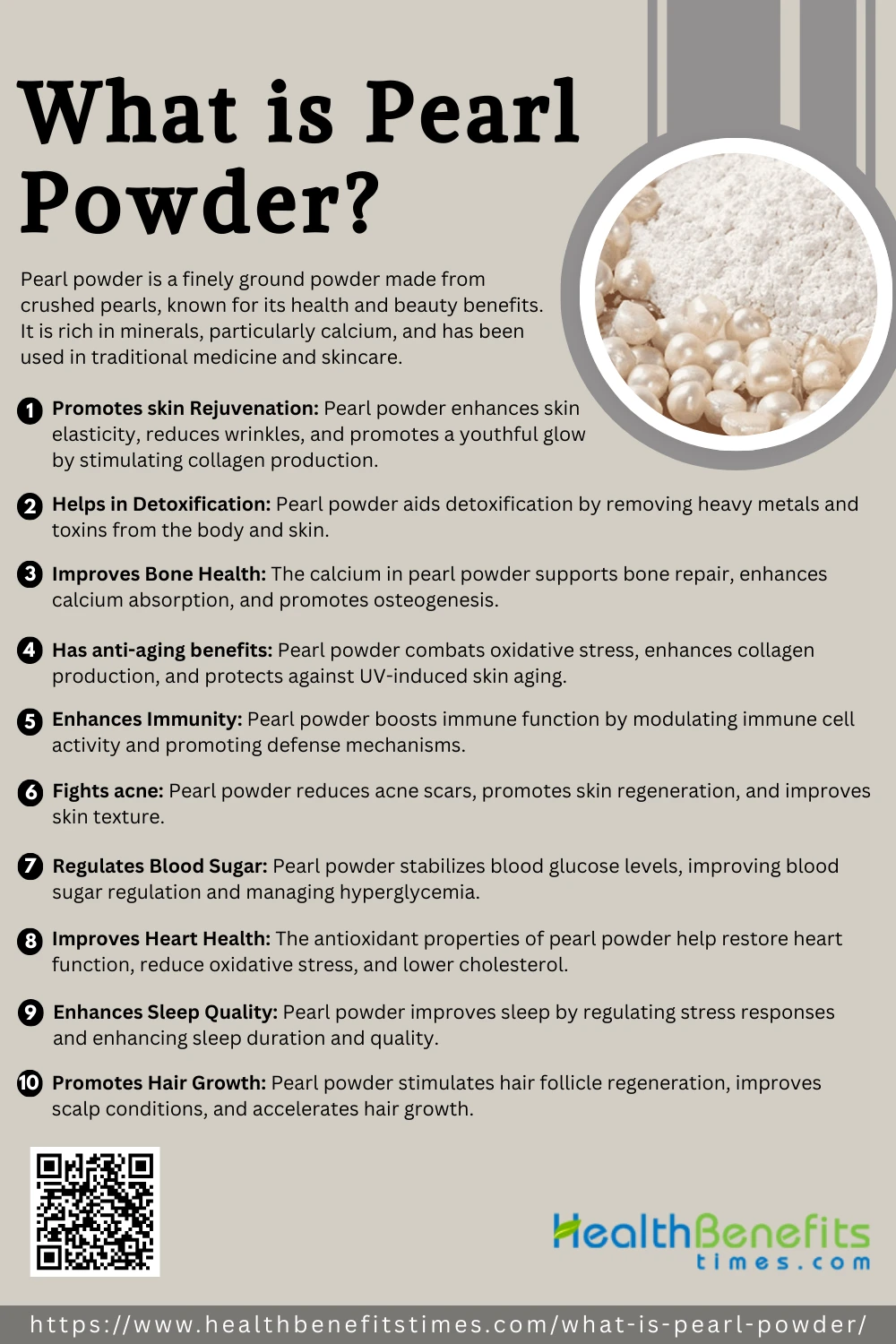
Pearl powder is widely recognized for its skin rejuvenating properties, primarily due to its rich amino acid and mineral content. These nutrients stimulate collagen production, which enhances skin elasticity and reduces the appearance of fine lines and wrinkles. Studies show that pearl powder helps to regenerate skin cells, promoting a youthful glow and smoother complexion. (5) Additionally, it provides hydration and fights oxidative stress, further supporting skin health. (7) Regular use can result in more vibrant, youthful-looking skin, making it a staple in skincare regimens.
2. Helps in Detoxification
Pearl powder has been utilized for centuries for its reputed detoxification properties. Scientific studies have shown that pearl powder helps detoxify the body by removing heavy metals and toxins. A study published by MPBO indicated that pearl powder’s amino acids and natural proteins can aid detoxification. Furthermore, research from ScienceDirect also supports its role in detoxifying harmful substances. (6) As noted in Frontiers in Pharmacology, its detoxifying effects are significant in clinical settings. Additionally, traditional applications like the use of pearl powder in detox remedies, highlighted in Ancient Healing for Modern People, emphasize its therapeutic roles. Clinical findings further confirm its utility in detoxifying the skin and organs from environmental pollutants, detailed in ScienceDirect. (8)
3. Improves Bone Health
Pearl powder is recognized for its potential to enhance bone health through its rich calcium content. Research from MDPI indicates that pearl powder promotes bone repair and healing, especially when incorporated into composites for tissue engineering. (9) In a study on calcium bioavailability published in Food Chemistry, pearl powder was shown to improve calcium absorption, crucial for bone health. (10) Moreover, its efficacy in promoting osteogenesis is well-documented in the Journal of Biomaterials Science, where it was found to stimulate bone regeneration in composites. Similarly, Bioengineering and Biotechnology supports its role in bone healing, enhancing the structural properties of scaffolds used in bone tissue engineering. (11)
4. Have anti-aging benefits
Pearl powder is renowned for its anti-aging properties due to its rich content of antioxidants and essential minerals. Studies have highlighted its ability to rejuvenate the skin by preventing oxidative stress, which contributes to aging. Research from MDPI indicates that pearl powder enhances collagen production, vital for skin elasticity. (9) Further studies published in Pharmaceuticals and ScienceDirect affirm its efficacy in combating age-related skin damage and wrinkles. (6) Its protective effects against UV-induced skin aging were detailed in Wiley Online Library. (12) Research in Chemistry Africa also supports its use as an anti-aging agent, enhancing skin health and vitality. (13)
5. Enhances Immunity
Pearl powder is increasingly recognized for its immune-boosting properties, supporting both innate and adaptive immune responses. A study published in Journal of Traditional Medicine demonstrated its efficacy in enhancing immune modulation. Furthermore, research from ScienceDirect emphasized its potential in chelation and detoxification, promoting immune system health. (6) A study in MDPI also outlines how pearl powder strengthens immune functions by regulating immune cell activity. (9) Research published in Frontiers in Pharmacology further affirms its immunity-enhancing effects. (14) Lastly, findings in Wiley Online Library show its potential in immune cell activation and defense. (15)
6. Fights acne
Pearl powder is increasingly recognized in skincare, especially for its ability to combat acne. Studies have shown that pearl powder helps in reducing acne scars and promoting skin regeneration. Research published in Academia.edu suggests its effectiveness in addressing acne and skin discoloration. Additionally, findings from MDPI support its use for skin health and acne control. (9) Studies in Academia.edu highlight its role in improving skin texture. As noted in ScienceDirect, pearl powder has been utilized for its healing properties in skincare. (6) Lastly, research in Books.google also points to its beneficial effects in reducing acne flare-ups.
7. Regulates Blood Sugar
Pearl powder shows promising effects in regulating blood sugar levels. A study from MDPI demonstrated that pearl millet, a key component of pearl powder, helps stabilize blood glucose levels. (16) Additionally, research in ScienceDirect affirmed its role in reducing blood glucose post-meal. (17) The efficacy of pearl powder in blood sugar regulation is further supported by findings from Academia.edu, highlighting its beneficial impacts on diabetic models. (18) Research in MDPI also points to its positive effects on blood glucose modulation. Studies in Nutrients further support the idea that pearl powder helps in managing hyperglycemia and insulin resistance. (19)
8. Improves Heart Health
Pearl powder is gaining recognition for its potential to improve heart health due to its antioxidant properties. Research in ScienceDirect highlights its ability to restore antioxidant levels and reduce oxidative stress, which benefits heart function. (17) Studies from Journal of Food and Drug show its positive effects on improving cardiac health. (8) Additionally, findings from MDPI support its cardiovascular benefits. (9) As indicated in Swissconsortium, it may help in reducing cholesterol levels, which is crucial for heart health. Clinical evidence from Wiley Online confirms its role in heart disease prevention.
9. Enhances Sleep Quality
Pearl powder has demonstrated significant potential in enhancing sleep quality. Studies published in ResearchGate reveal its effectiveness in alleviating sleep disturbances. (20) Research from MDPI emphasizes its role in improving sleep by regulating gene expression under sleep deprivation conditions. (9) Moreover, findings in Endocrine, Metabolic & Immune Disorders indicate its ability to reduce stress responses that hinder sleep. (21) Studies from Wiley Online Library show that pearl powder can help individuals struggling with sleep disorders. Research in Bioengineering & Biotechnology further corroborates these findings, showing improvements in sleep duration and quality. (14)
10. Promotes Hair Growth
Research indicates that pearl powder can stimulate hair growth and improve hair health. Studies show that pearl powder enhances the proliferation of hair follicle cells, promoting hair regeneration. For instance, a study published in MDPI examined its effects on wound healing, suggesting its potential to aid hair follicle rejuvenation. (22) Additionally, findings in Pharmaceuticals show that pearl powder can help treat hair loss by improving scalp conditions. (23) Studies have also highlighted that pearl powder may act as an anti-aging agent, combating skin and hair degradation (see Materials). (9) Further research in Frontiers in Pharmacology underscores the role of pearl powder in enhancing hair follicle health. (24) Lastly, research from Springer confirms its benefits in accelerating hair regeneration and skin rejuvenation.
How Pearl Powder is used in Skincare
Pearl powder is a popular ingredient in skincare, known for its rejuvenating properties. It helps brighten the skin, reduce wrinkles, and boost collagen production, making it a powerful tool in beauty routines.
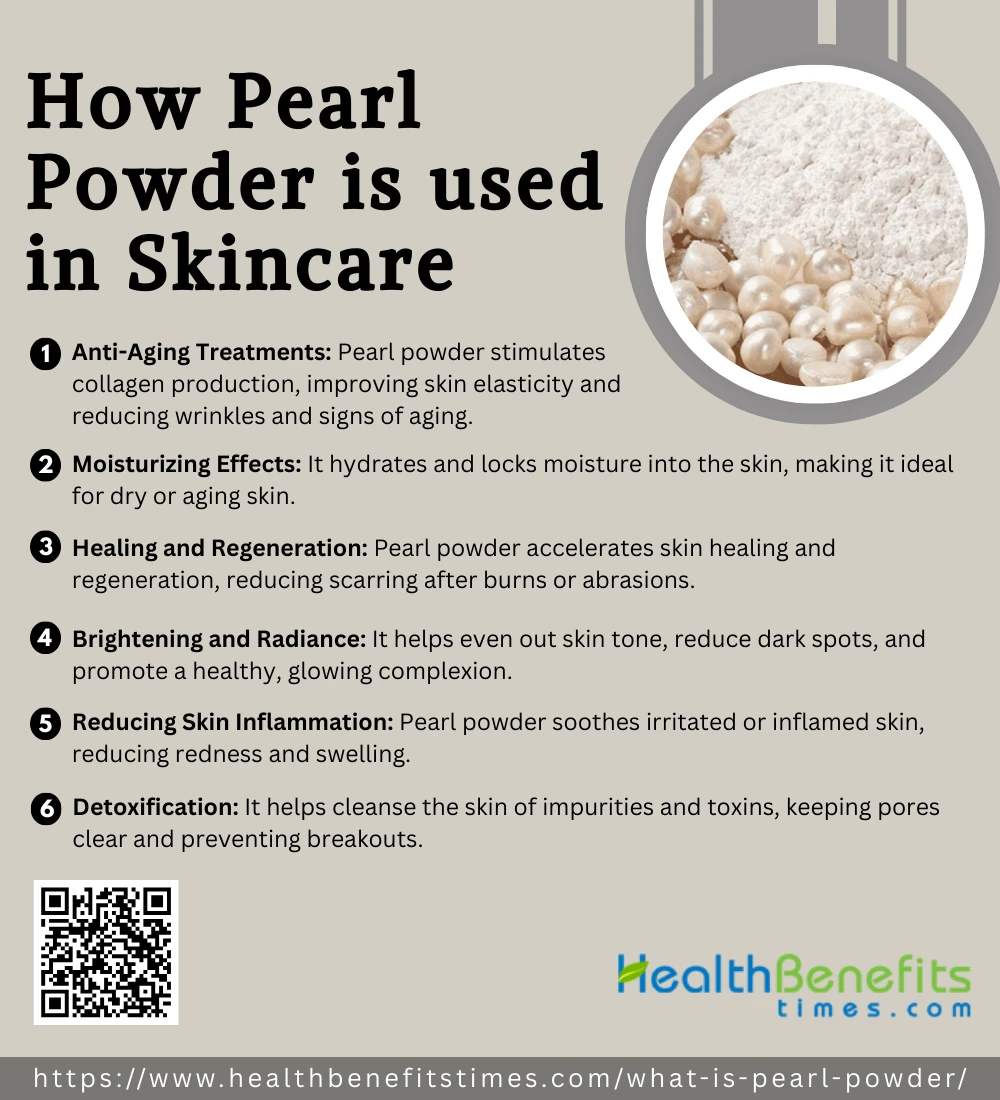
Pearl powder is widely used in skincare for its anti-aging properties. The rich amino acid and mineral content in pearl powder helps to stimulate collagen production, which is essential for maintaining skin elasticity and reducing the appearance of wrinkles. Studies have shown that its application can enhance skin’s firmness and texture. Researchers have observed that pearl powder’s ability to regenerate skin cells contributes significantly to reducing signs of aging, such as fine lines and sagging skin.
2. Moisturizing Effects
One of the key benefits of pearl powder in skincare is its ability to hydrate and lock moisture into the skin. When applied topically, it works as a natural humectant, drawing moisture into the skin and ensuring it remains hydrated. This property makes it particularly useful for individuals with dry or aging skin. Pearl powder’s moisturizing effects are often utilized in creams and lotions designed to nourish and soften the skin, leaving it feeling smooth and plump.
3. Healing and Regeneration
Pearl powder is celebrated for its wound-healing properties. It has been used for centuries in traditional medicine for skin regeneration, especially after burns or abrasions. The powder promotes faster skin healing by stimulating cell turnover and reducing inflammation. Recent studies indicate that pearl powder accelerates the skin’s recovery process by supporting the regeneration of healthy tissue and reducing scar formation. This makes it a valuable ingredient in products designed for skin repair and recovery.
4. Brightening and Radiance:
Pearl powder is known for its brightening effects, particularly in skin care products aimed at evening out skin tone and improving complexion radiance. The minerals in pearl powder help to inhibit melanin production, which can reduce dark spots and hyperpigmentation. It also promotes a healthy, glowing complexion by nourishing the skin and improving its overall texture. Research indicates that the powder can be used to target areas of discoloration, making it a popular choice in products aimed at skin rejuvenation and radiance enhancement.
5. Reducing Skin Inflammation
Pearl powder is an effective ingredient for soothing inflamed or irritated skin. It has been found to reduce redness and swelling, making it ideal for sensitive skin types or conditions like acne or eczema. The anti-inflammatory properties of pearl powder are attributed to its bioactive compounds, which calm the skin and promote healing. Clinical studies have shown that regular application can reduce skin irritation and enhance the skin’s natural barrier function. As a result, pearl powder is commonly used in products designed for those with sensitive or reactive skin.
6. Detoxification:
Pearl powder has detoxifying properties that help cleanse the skin from impurities and toxins. The fine particles of pearl powder are believed to have the ability to draw out pollutants from the skin, helping to keep pores clear and reducing the chances of breakouts. This makes it an excellent ingredient for products targeting acne-prone or congested skin. Its detoxifying effects also promote a healthy, refreshed complexion, making it a popular choice in facial masks and cleansers. Studies have confirmed that it helps maintain clean, clear skin while preventing further damage from environmental pollutants.
Incorporating Pearl Powder into Your Diet
Incorporating pearl powder into your diet can enhance overall health. Whether through supplements or adding it to beverages, this nutrient-packed powder supports immunity, detoxification, and promotes healthy skin and hair from within.
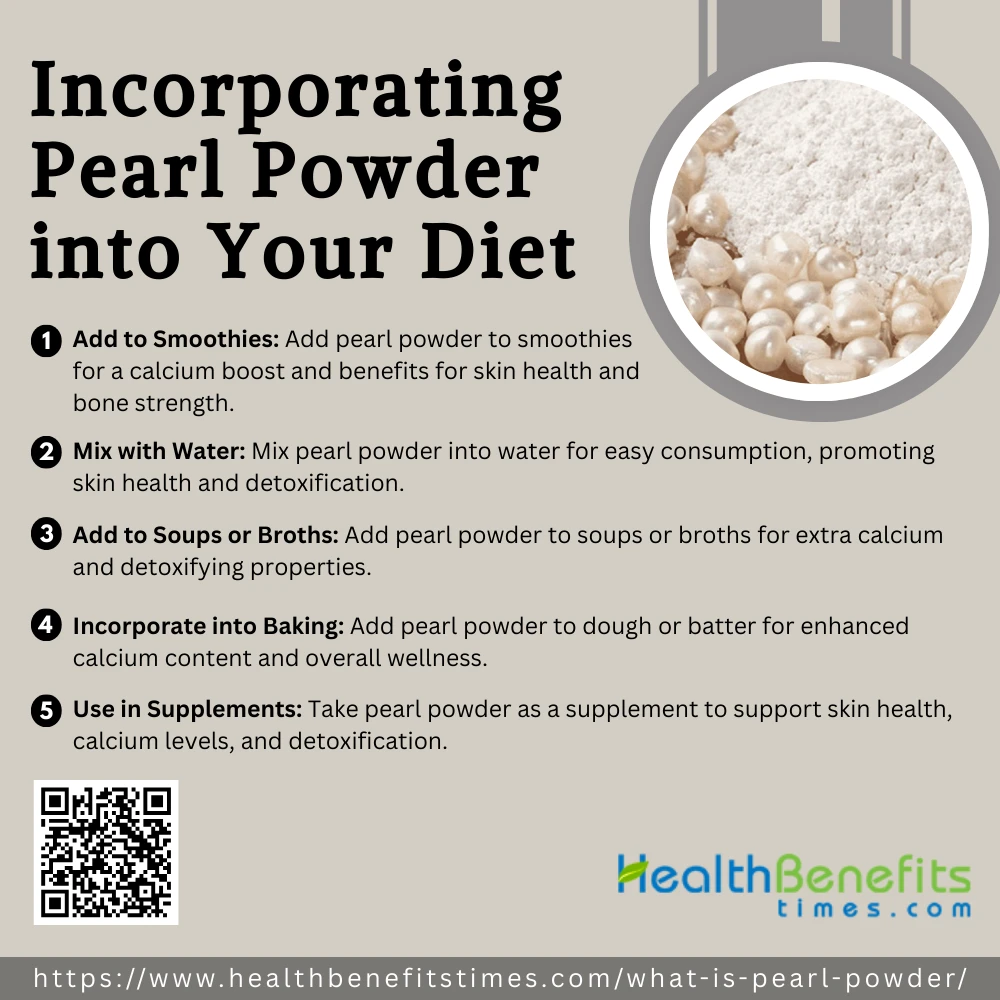
Incorporating pearl powder into your smoothies can enhance their nutritional value. Add a small amount, around 1/4 tsp, to your favorite smoothie for a calcium boost without altering the taste. Pearl powder offers a variety of benefits, such as promoting skin health and improving bone strength due to its high calcium content (source). Additionally, it can be mixed into any liquid, like tea or water, for easy consumption. (3) To maximize the benefits, consider combining it with other supplements like maca or spirulina. For skin-related purposes, pearl powder can also be applied directly to your moisturizeR. (25) This makes it a versatile addition to your diet and skincare routine.
2. Mix with Water
To incorporate pearl powder into your diet, mix 1/4 tsp into water, stir well, and drink. This method allows you to easily consume the powder, offering benefits such as improved skin health and detoxification. For an enhanced experience, you can also add the powder to smoothies, malts, or oatmeal. (26) Pearl powder is generally considered safe to consume and beneficial for overall wellness. (1)
3. Add to Soups or Broths
Incorporating pearl powder into soups or broths is a simple way to add its nutritional benefits. Adding 1/4 tsp to your favorite broth can enhance the flavor and provide extra calcium and detoxifying properties. This method allows for an easy, effective way to integrate pearl powder into meals. (5) Additionally, it can be used to support kidney health by helping detoxify the body (6)
4. Incorporate into Baking
You can incorporate pearl powder into your baking by adding a small amount, typically 1/4 tsp, to your favorite dough or batter. This method enhances your baked goods with calcium and other essential minerals. Pearl powder is not only versatile but also beneficial for improving skin health and overall wellness (25)(6)
5. Use in Supplements
Pearl powder can be conveniently consumed as part of dietary supplements, helping with skin health and boosting calcium levels. You can find it in various supplement forms, including capsules or powders. Studies show that it aids in detoxification, making it an excellent addition to your supplement regimen. (1)(25)
Possible side effects of using pearl powder
Pearl powder is widely known for its beauty and health benefits, but like any supplement, it may cause side effects. It’s important to understand these potential risks before use.
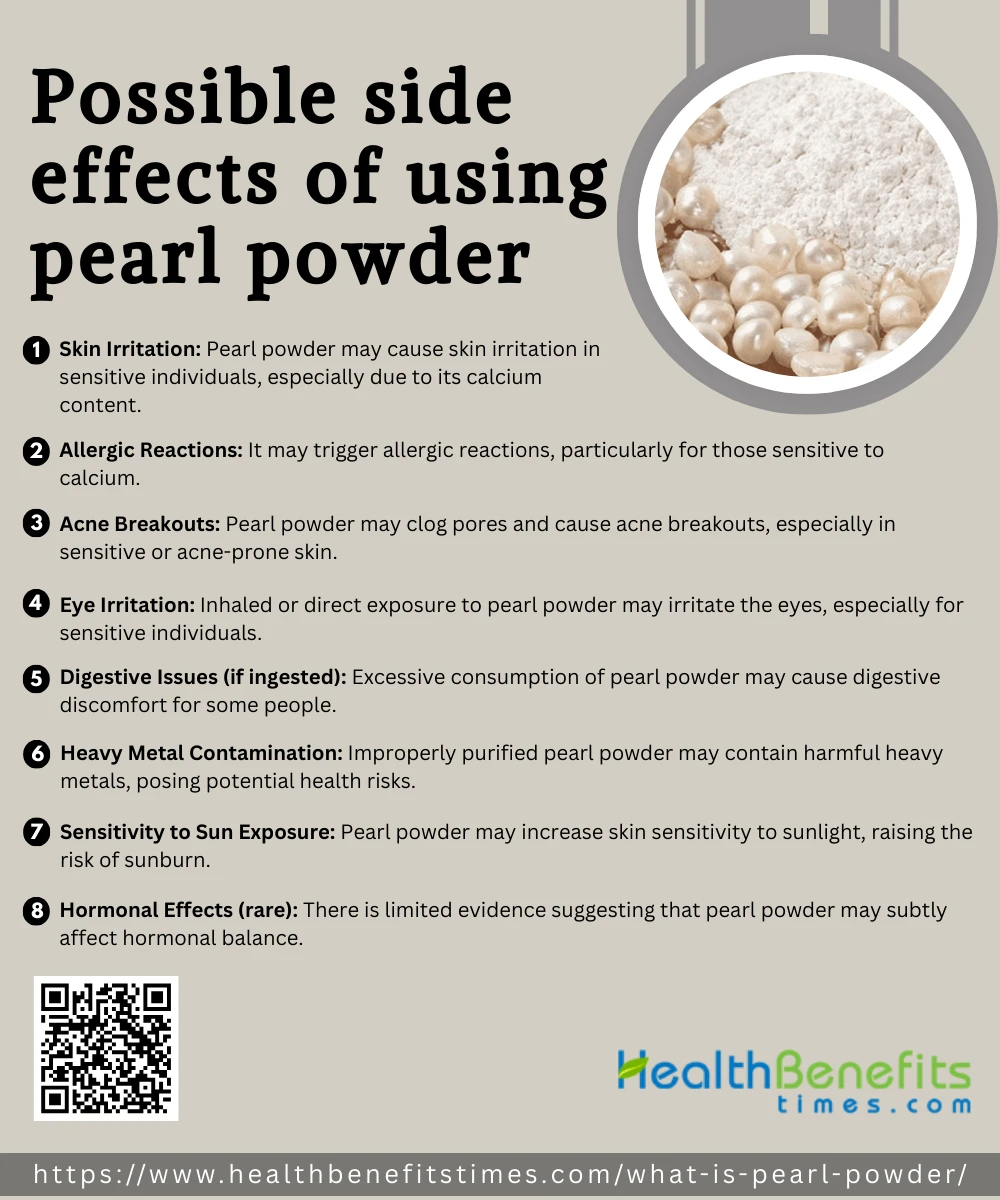
Pearl powder is often used for its skin benefits, such as brightening and anti-aging properties, but some individuals may experience skin irritation. This reaction is linked to allergic responses, particularly to the calcium content in pearls, which can trigger sensitivity in certain users. As noted by Healthline, patch testing is recommended to avoid adverse reactions. (1) Other sources, like Tatcha, highlight pearl powder’s soothing qualities for sensitive skin but advise caution for those with allergies. (27) For a more in-depth understanding, consider reading this article on its benefits and risks. (5) Additionally, research from ScienceDirect suggests that while pearl powder is generally safe, the potential for skin irritation exists for sensitive individuals. (6)
2. Allergic Reactions
Pearl powder is popular for its skin benefits, but it may cause allergic reactions in some individuals, particularly due to the calcium content found in pearls. As highlighted by Healthline, certain users may experience allergic responses to this mineral. (1) Those with sensitive skin should consider patch testing, as mentioned in articles by Tatcha and ACA Acupuncture. (27) (5)
3. Acne Breakouts
Though pearl powder is celebrated for its skin benefits, it may cause acne breakouts in some individuals. For people with sensitive or acne-prone skin, the powder may clog pores, potentially triggering flare-ups. According to Healthline, excessive use of pearl powder can sometimes lead to unwanted skin reactions. (1) Users should monitor skin sensitivity, as outlined by Tatcha and ACA Acupuncture. (27)(5)
4. Eye Irritation
Pearl powder may cause eye irritation when exposed to airborne particles, especially if inhaled or in direct contact with the eyes. According to Smits Group, excessive exposure to airborne pearl powder may lead to eye irritation. Those with sensitive eyes should take precautions, and it’s always recommended to Healthline for advice on safety when using it near the eyes. (1)
5. Digestive Issues (if ingested)
Pearl powder may cause digestive issues for some individuals, particularly if consumed in excess. While generally considered safe, as outlined by Healthline, it can lead to discomfort for those with sensitive stomachs. (1) According to Xiyuantang, the quality of the powder plays a significant role in how well it is absorbed and digested. (28)
6. Heavy Metal Contamination
Some pearl powders, especially if not purified properly, may contain heavy metals such as lead, arsenic, or mercury. Studies have raised concerns regarding the presence of these harmful metals, potentially leading to contamination. The analysis from ScienceDirect suggests that heavy metals in non-processed pearl powder may pose health risks. It is crucial to ensure the quality and purity of the product. (6)
7. Sensitivity to Sun Exposure
Pearl powder may increase sensitivity to sun exposure in some individuals. The antioxidant properties of pearl powder, as noted by Tatcha, could potentially make the skin more reactive to sunlight. (27) Users may experience irritation or heightened sunburn risks. It’s advisable to apply sunscreen when using products containing pearl powder, as highlighted in Healthline. (1)
8. Hormonal Effects (rare)
Though there is limited direct evidence, pearl powder may have subtle effects on hormones due to its mineral content. Studies from ScienceDirect and PMC indicate that certain compounds in pearl powder might influence bodily functions, potentially affecting hormonal balance. (29) (6) Individuals concerned about hormonal changes should consult a healthcare professional.
Conclusion
In conclusion, pearl powder is a versatile and ancient ingredient, celebrated for its beneficial properties in traditional medicine and modern skincare. Composed mainly of calcium carbonate and other trace minerals, it has been used across cultures for its reputed ability to promote skin health, enhance beauty, and provide various health benefits. While it offers promising results, it’s essential to be mindful of individual reactions, as some may experience allergies or digestive discomfort. As with any supplement, consulting a healthcare professional before incorporating pearl powder into your routine ensures safe and informed usage.
Comments
comments