

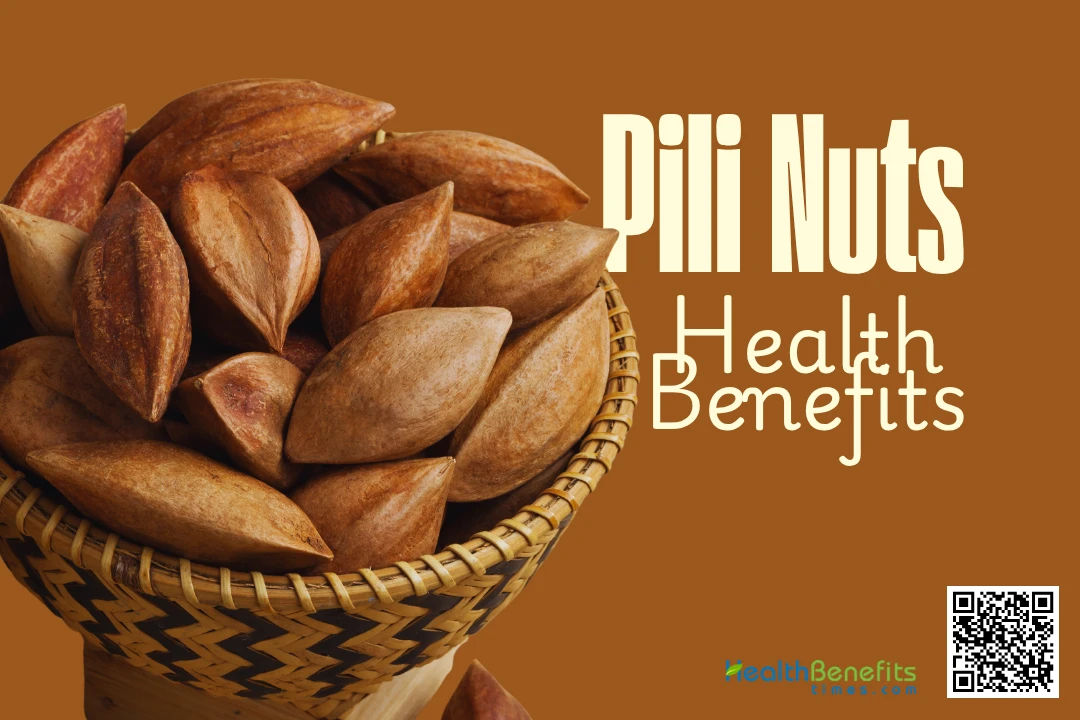
The pili nut itself has an elongated, oval appearance and is prized for its soft, buttery texture that closely resembles macadamia nuts. When consumed, pili nuts offer a rich, creamy mouthfeel with a mild, slightly sweet flavor that makes them highly sought after by both local and international consumers. The nuts are typically harvested from mature trees and can be processed in various ways to enhance their shelf life and palatability.
Nutrition Value of Pili Nuts
Pili nuts (Canarium ovatum Engl.), indigenous to the Philippines, represent a nutritionally dense tree nut with exceptional mineral content and beneficial fatty acid profiles. These nuts are particularly rich in healthy monounsaturated fats, comprising 46-50% of total fatty acids, primarily oleic acid, which supports cardiovascular health. Research demonstrates that pili nuts contain 14% protein per 100g, providing essential amino acids for tissue maintenance and growth. The nuts are exceptionally high in several critical minerals, serving as an excellent source of magnesium (460mg per 100g), phosphorus (1020mg per 100g), and iron (8.1mg per 100g). Additionally, pili nuts contain significant amounts of copper, manganese, and zinc, along with the trace mineral boron (3.6mg per 100g), which supports bone health and cognitive function. The favorable fatty acid composition, with low polyunsaturated fat content (5-6%), contributes to superior oxidative stability compared to other tree nuts, potentially extending shelf life when stored properly. Studies indicate that pili nuts demonstrate remarkable photooxidative stability, with their oil composition remaining unchanged after light exposure, unlike almonds and pistachios which show significant degradation. This unique nutritional profile positions pili nuts as a valuable functional food source, particularly beneficial for addressing mineral deficiencies in populations with limited access to diverse nutrient sources. (1) (2) (3)
| Nutrient | Per 28g (1 oz) | Daily Value (%) |
| Calories | 182-196 kcal | 9-10%* |
| Total Fat | 19.0-20.2 g | 29-31% |
| Saturated Fat | 4.2-5.6 g | 21-28% |
| Monounsaturated Fat | 12.9-14.0 g | — |
| Polyunsaturated Fat | 1.4-1.7 g | — |
| Protein | 3.9 g | 8% |
| Total Carbohydrates | 2.2-3.4 g | 1% |
| Dietary Fiber | 1.7-2.2 g | 7-9% |
| Sugars | 0.6-0.8 g | — |
| Calcium | 22.4 mg | 2% |
| Iron | 2.27 mg | 13% |
| Magnesium | 128.8 mg | 31% |
| Phosphorus | 285.6 mg | 23% |
| Potassium | 100.8 mg | 2% |
| Zinc | 1.41 mg | 13% |
| Copper | 0.26 mg | 29% |
| Manganese | 0.75 mg | 33% |
| Boron | 1.01 mg | —** |
| Sodium | 0.25 mg | <1% |
*Based on 2000-calorie diet | **No established Daily Value for Boron | — Daily Value not established or not required to be listed | Serving size: 1 oz (28g) – approximately 10-15 pili nuts
Science-Backed Health Benefits of Pili Nuts
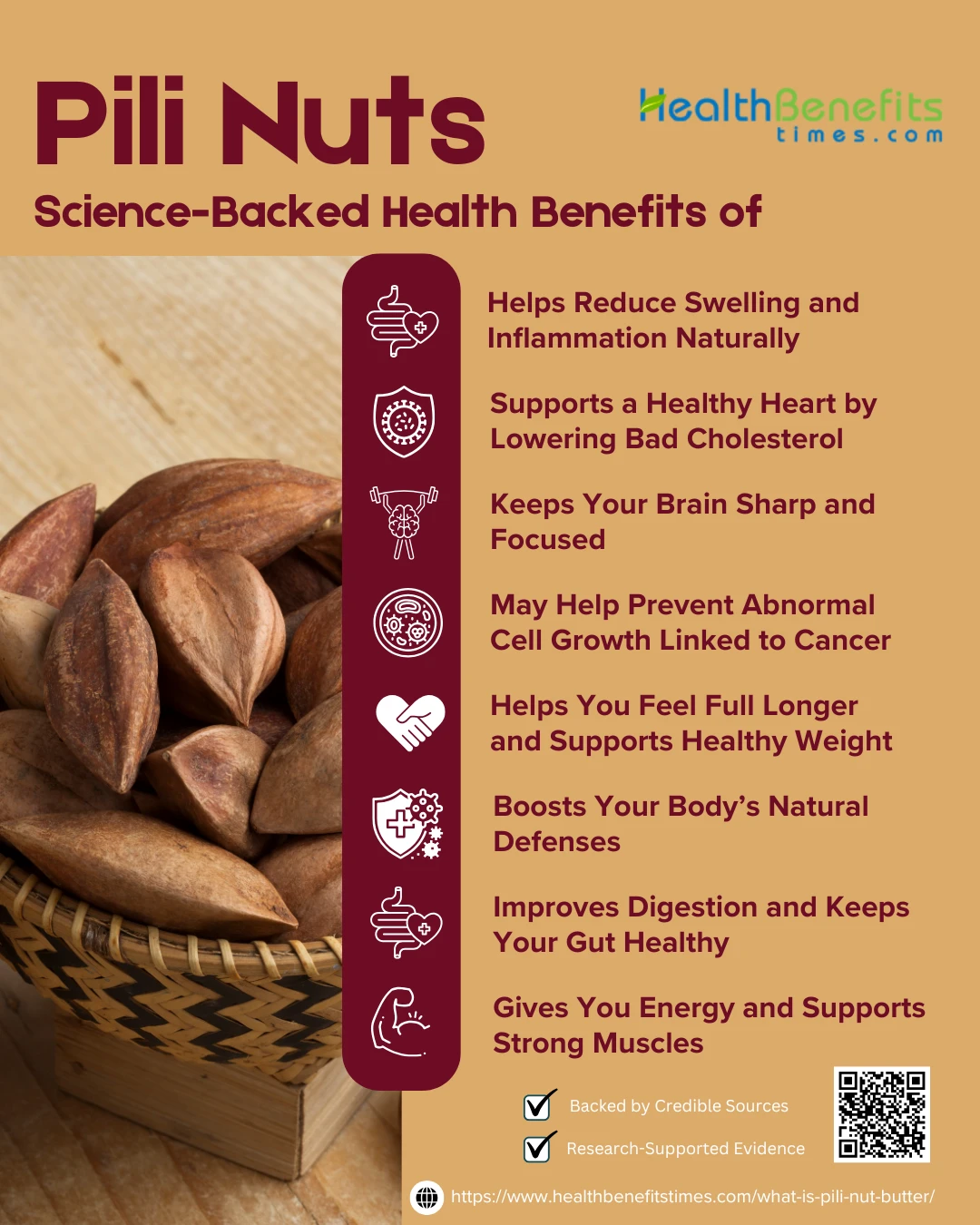
Pili nuts (Canarium ovatum) contain powerful bioactive compounds that demonstrate remarkable anti-inflammatory and antioxidant properties, making them an effective natural remedy for reducing swelling and inflammation. These indigenous Philippine nuts are rich in essential fatty acids, including monounsaturated and polyunsaturated fats, which work synergistically with their polyphenolic compounds to combat inflammatory processes in the body. (3) (4) The nuts contain significant concentrations of phenolic compounds, flavonoids, and phytosterols such as β-sitosterol and stigmasterol, which have been shown to inhibit inflammatory pathways and provide cellular protection. (5) Additionally, pili nuts are abundant in vitamin E compounds and triterpenoids like α-amyrin and β-amyrin, which contribute to their potent anti-inflammatory effects by modulating key inflammatory mediators and reducing oxidative stress.
Research Findings
- Enhanced Antioxidant Activity: Studies demonstrate that pili nuts contain substantial levels of phenolic compounds, including flavonoids, condensed tannins, and anthocyanins, which provide strong antioxidant properties comparable to α-tocopherol, a known antioxidant compound. (3)
- Plasma Anti-inflammatory Response: Research conducted by Arenas and Trinidad showed that pili pomace consumption significantly increased plasma polyphenol levels and total antioxidant capacity in healthy adults, with effects lasting up to 4 hours after consumption. (3)
- Bioactive Compound Identification: According to research published in Biochemical Research International, pili pulp oil extracts contain 18 major compounds, primarily cyclic triterpenes and phytosterols, with β-amyrin showing the highest abundance at 34.75%, followed by α-amyrin at 20.92%. (4)
- Immunomodulatory Properties: Research by the Tropical Journal of Pharmaceutical Research found that pili pulp extracts exhibit immunostimulatory effects on cellular and humoral responses in laboratory studies, indicating potential for supporting immune system function. (5)
- Anti-inflammatory Pathways: Studies show that nuts generally provide phytochemicals that function as anti-inflammatory agents through multiple protective mechanisms, including the inhibition of inflammatory mediators and the modulation of immune responses.
2. Supports a Healthy Heart by Lowering Bad Cholesterol
Pili nuts (Canarium ovatum) are emerging as a powerful ally for heart health through their exceptional ability to reduce bad cholesterol levels. These tropical nuts contain a unique combination of monounsaturated fatty acids, dietary fiber, and phytosterols that work synergistically to promote cardiovascular wellness. (4) The beneficial compounds in pili nuts help block cholesterol absorption in the intestines while enhancing the body’s natural ability to process and eliminate harmful lipids from the bloodstream. Regular consumption of these nuts has been linked to significant improvements in lipid profiles, particularly in reducing low-density lipoprotein (LDL) cholesterol concentrations that contribute to atherosclerosis and cardiovascular disease risk.
Research Findings
- Cholesterol reduction efficacy: According to research conducted by multiple institutions, nut consumption consistently reduces total cholesterol by 4.7 mg/dL and LDL cholesterol by 4.8 mg/dL per serving consumed daily.
- Monounsaturated fat benefits: Research by nutrition scientists demonstrates that nuts rich in monounsaturated fatty acids, like pili nuts, reduce total cholesterol by 7% and LDL cholesterol by 10% when replacing saturated fats in the diet.
- Phytosterol mechanisms: Studies conducted by lipid researchers show that phytosterols found in nuts block intestinal cholesterol absorption by competing with cholesterol molecules, resulting in reduced LDL levels and improved cardiovascular health markers. (6)
- Antioxidant protection: According to research from food science laboratories, pili nuts contain high levels of vitamin E and phenolic compounds that protect LDL cholesterol from oxidation, preventing the formation of arterial plaques. (3) (4)
- Fiber benefits: Research by cardiovascular specialists indicates that the dietary fiber in nuts helps bind bile acids in the digestive system, forcing the body to use cholesterol to produce new bile acids, thereby lowering blood cholesterol levels.
3. Keeps Your Brain Sharp and Focused
Pili nuts, scientifically known as Canarium ovatum, emerge as a remarkable superfood with significant potential for enhancing cognitive function and maintaining optimal brain health. These indigenous Filipino nuts are packed with essential nutrients that directly support brain function through multiple mechanisms. The rich concentration of healthy fats, including omega-3 fatty acids, provides crucial building blocks for brain cell membranes. (4) Additionally, pili nuts contain substantial amounts of magnesium, vitamin E, and powerful antioxidants such as phytosterols and triterpenoids that protect neural tissue from oxidative stress. (4)The presence of polyphenolic compounds further enhances their neuroprotective properties, creating a comprehensive nutritional profile that supports memory formation, focus, and overall cognitive performance. (3)
Research Findings
- Enhanced Antioxidant Protection: Research conducted by Dumandan et al. demonstrated that pili pulp oil extracts exhibit potent antioxidant activities comparable to α-tocopherol, with EC50 values of 3.02 μg/mL for lipid peroxidation inhibition (4)
- Bioactive Compound Identification: Studies revealed that pili nuts contain 18 major bioactive compounds, including β-amyrin (34.75%), α-amyrin (20.92%), and β-sitosterol (15.78%), which contribute to neurological health benefits (4)
- Plasma Antioxidant Enhancement: Research by Arenas et al. found that consuming pili pomace drink significantly increased plasma antioxidant capacity for up to 4 hours, with peak levels reached at 2 hours post-consumption (3)
- Cognitive Function Support: According to research published in The American Journal of Clinical Nutrition, higher nut consumption was associated with better cognitive performance and reduced cognitive decline risk in populations at risk (7)
- Neuroprotective Properties: Research findings indicate that nut consumption of up to 30g daily provides optimal protective benefits against dementia and cognitive impairment (8)
4. May Help Prevent Abnormal Cell Growth Linked to Cancer
Pili nuts (Canarium ovatum) contain powerful bioactive compounds that demonstrate significant potential in preventing cellular abnormalities associated with cancer development. Laboratory studies have identified multiple phytochemicals in pili extracts, including alkaloids, steroids, flavonoids, saponins, and tannins, which work synergistically to combat harmful cellular changes. (9) The nut’s pulp oil is particularly rich in triterpenic compounds such as α-amyrin, β-amyrin, and lupenone, along with phytosterols like β-sitosterol and stigmasterol, which have demonstrated strong antioxidant properties comparable to vitamin E. (4) These natural compounds contribute to the fruit’s remarkable ability to neutralize harmful free radicals and support healthy cellular function. (3) The comprehensive nutrient profile positions pili nuts as a promising natural ally in maintaining cellular health and potentially reducing cancer-related risks.
Research Findings
- Research conducted by scientists at iaescore demonstrated that pili leaf extracts showed moderate cytotoxic activity against HCT116 cancer cell lines, with an IC50 value of 94.43 mg/L, indicating the ability to inhibit abnormal cell growth. (9)
- According to research published in Biochemical Research International, pili pulp oil extracts exhibited exceptional antioxidant activity with lipid breakdown prevention capabilities matching those of α-tocopherol, a well-known antioxidant compound. (4)
- Studies by the National Institute of Molecular Biology and Biotechnology revealed that pili pulp contains 18 major bioactive compounds, with β-amyrin showing the highest abundance at 34.75%, followed by α-amyrin at 20.92% and β-sitosterol at 15.78%. (4)
- Research findings from a human study showed that consuming pili pomace drink significantly increased blood levels of protective compounds and enhanced the body’s natural defense systems against cell damage. (3)
- According to studies examining nut consumption patterns, regular nut intake was associated with a 15% reduction in overall cancer risk, with nuts providing essential compounds that support healthy cell function. (10)
5. Helps You Feel Full Longer and Supports Healthy Weight
Pili nuts possess unique nutritional characteristics that contribute to enhanced satiety and healthy weight management. Like other tree nuts, they are rich in protein and healthy fats that naturally promote feelings of fullness. (11) (12) The combination of fiber, protein, and monounsaturated fats in pili nuts helps slow digestion and prolongs the feeling of satisfaction after eating. (13) (14) Tree nuts have been consistently associated with better weight control and prevention of long-term weight gain, rather than contributing to weight gain as commonly feared. (15) (16) The nutrient composition of pili nuts supports appetite regulation mechanisms that help reduce overall caloric intake throughout the day (7)(8). (17) (18)
Research Findings
- Research conducted by mixed tree nut studies shows that nut consumption significantly increases satiety at 24 weeks compared to refined carbohydrate snacks, with participants experiencing enhanced retention and better weight management outcomes (12)
- According to comprehensive reviews examining nuts and energy balance, higher nut consumption is associated with reductions in body weight and body fat, with multiple mechanisms contributing to these findings including improved satiety signaling (11)
- Research by meta-analysis studies demonstrates that nuts are associated with lower incidence of overweight and obesity, with randomized controlled trials presenting no adverse effect of nuts on body weight (13)
- Studies conducted on appetite regulation show that the protein and fiber content in nuts contribute to increased feelings of fullness and reduced hunger drive compared to other snack options
- Research by long-term observational studies indicates that regular nut consumption is associated with better weight management and less weight gain in adulthood, despite their energy-dense nature
6. Boosts Your Body’s Natural Defenses
Pili nuts, derived from the tropical Canarium ovatum tree native to the Philippines, serve as a powerful ally in strengthening immune function through their rich array of bioactive compounds. These nutrient-dense nuts contain exceptional levels of antioxidants, including potent phytosterols and triterpenoids that demonstrate remarkable free radical scavenging abilities. (19) The nuts’ high vitamin E content, essential minerals, and polyphenolic compounds work synergistically to combat oxidative stress and support cellular protection. (3) Clinical studies have demonstrated that pili-derived products can significantly enhance plasma antioxidant capacity in humans, with antioxidant levels remaining elevated for hours after consumption. (3) The bioactive compounds in pili nuts, particularly their unique combination of cyclic triterpenes and phenolic substances, provide comprehensive immune system support through multiple protective mechanisms. (19)
Research Findings
- Research conducted by Arenas et al. found that pili pomace drink consumption significantly increased plasma total antioxidant capacity by 20% within 30 minutes, with antioxidant levels remaining elevated for over 4 hours in healthy adults. (3)
- Studies have shown that pili pulp oil extract exhibits potent DPPH radical scavenging activity with an EC50 value of 74.45 μg/mL, comparable to the antioxidant standard α-tocopherol. (19)
- Research by the Hindawi laboratory demonstrated that pili extracts contain 18 major bioactive compounds, primarily cyclic triterpenes and phytosterols, which showed strong antibacterial activity against harmful bacteria like E. coli and S. typhi. (19)
- According to research published in Food and Nutrition journals, nuts rich in vitamin E and selenium, like pili nuts, support immune cell function by protecting white blood cells from oxidative damage and enhancing cytokine production. (20)
- Studies indicate that the polyphenolic compounds in pili nuts can target key immune signaling pathways, including TNF-α/NF-κB and IL-6/JAK-STAT, which are crucial for proper immune system regulation and inflammation control. (21)
7. Improves Digestion and Keeps Your Gut Healthy
Pili nuts (Canarium ovatum) possess several nutritional components that support digestive wellness and gut health maintenance. These Philippine native nuts contain dietary fiber that promotes healthy digestion and supports beneficial gut bacteria. The nuts are rich in bioactive compounds including healthy fats, plant proteins, and phytochemicals that work together to enhance digestive function. Like other tree nuts, pili nuts provide prebiotics that serve as food for beneficial gut microorganisms, helping maintain a balanced intestinal environment. Their fiber content assists in regular bowel movements while supporting the growth of health-promoting bacteria in the digestive tract.
Research Findings:
- Research conducted by nutrition scientists shows that tree nuts, including pili nuts, contain prebiotic compounds that provide substrates for beneficial gut microbiota and support the formation of health-promoting metabolites
- Studies by gut health researchers demonstrate that nut consumption can positively influence gut microbiota composition, with nuts containing fiber and bioactive compounds that promote digestive wellness (22)
- Research by food scientists indicates that nuts provide both soluble and insoluble dietary fiber, which helps improve digestive regularity and supports healthy gut bacteria growth.
- According to research conducted by metabolic health experts, tree nut consumption has been associated with improved gut microbiome functionality and enhanced digestive health outcomes (23)
8. Gives You Energy and Supports Strong Muscles
Pili nuts (Canarium ovatum) serve as a dense nutritional powerhouse that naturally enhances energy production and promotes strong muscle development [(8)][(11)][(12)]. These tropical tree nuts contain high levels of essential nutrients including significant amounts of carbohydrates that contribute to sustained energy sources [(8)]. The presence of crude proteins provides building blocks for muscle development and maintenance, while essential fatty acids support cellular structure integrity [(8)]. Rich in bioactive compounds such as phytosterols, triterpenoids, and polyphenols, pili nuts enhance plasma antioxidant status, which protects muscle tissues from oxidative stress during physical activity [(19)][(48)]. The nuts’ substantial ash content indicates high mineral concentrations, including essential minerals that support energy metabolism and muscle function [(8)]. Additionally, pili nuts demonstrate strong antioxidant properties through compounds like β-sitosterol, α-amyrin, and β-amyrin, which contribute to cellular protection and recovery. (24)
Research Findings
- Research by Arenas et al. shows that acute consumption of pili pomace drink significantly enhanced plasma antioxidant capacity within 30 minutes, with total antioxidant capacity remaining elevated for up to 4 hours, supporting sustained energy production (3)
- According to research conducted by Jazmin et al., proximate analysis reveals that pili pulp contains substantial carbohydrates for energy contribution and crude proteins that offer a healthy diet foundation for muscle development (24)
- Research by Dumandan et al. demonstrates that pili pulp oil extract exhibits strong antioxidant activities comparable to α-tocopherol, with EC50 values of 3.02 μg/mL for lipid peroxidation inhibition, protecting cellular structures essential for muscle function (4)
- According to research published in multiple studies, the bioactive compounds including β-amyrin (34.75% relative abundance) and β-sitosterol (15.78% relative abundance) contribute to the nuts’ muscle-protective properties through their antioxidant mechanisms (4)
- Research by various investigators shows that nuts, including pili nuts, support energy balance and body weight management through their unique nutritional matrix, which affects nutrient availability and energy extraction during digestion.
How to Include Pili Nuts in Your Diet
Including pili nuts in your diet is both easy and versatile due to their unique creamy, buttery taste and impressive nutritional profile. Here are practical ways to enjoy pili nuts and maximize their health benefits:
1. Snack on Them
- Eat pili nuts raw or roasted straight from the bag. They make a delicious, ready-to-eat snack rich in healthy fats, protein, and vitamin E.
2. Add to Salads and Bowls
- Sprinkle chopped pili nuts over salads or grain bowls for added crunch and a nutrient boost. They work especially well as a gluten-free alternative to croutons or seeds.
3. Blend into Smoothies
- Add a handful of pili nuts to your smoothies. Their creamy texture makes the drink silkier and ups the healthy fat content.
4. Bake and Cook With Them
- Incorporate pili nuts into baked goods such as muffins, brownies, banana bread, and energy bars.
- Try pili nut-based desserts, like polvoron or mazapan, or coat them in dark chocolate for a quick treat.
- Use pili nuts in savory cooking, like crusting chicken or fish, for a gluten-free, protein-rich coating.
5. Make Pili Nut Butter or Milk
- Grind pili nuts into nut butter for spreading on toast or fruit.
- Blend with filtered water and a pinch of salt for a creamy dairy-free milk option.
6. Top Breakfast Foods
- Sprinkle over oatmeal, yogurt, or smoothie bowls to add flavor and nutrition.
7. Try in Main Dishes and Salads
- Use crushed pili nuts as a salad topping or in unique dishes like pili nut Pad Thai or vegan bowls.
- Make savory snacks, like spice-roasted pili nuts or as a topping for vegetable dishes.
Who should not take Pili Nuts
While pili nuts (Canarium ovatum) offer numerous nutritional benefits, certain individuals should exercise caution or avoid their consumption entirely due to potential health risks supported by research on tree nuts and related safety concerns.
- Individuals with tree nut allergies should avoid pili nuts, as cross-reactivity between different tree nuts is common, with studies showing that tree nut allergies frequently involve multiple species and can cause severe anaphylactic reactions
- People with existing kidney disease or those prone to kidney stones should limit pili nut consumption, as nuts contain oxalates that can contribute to calcium oxalate stone formation, with research showing that excessive nut consumption can lead to oxalate nephropathy
- Individuals with compromised immune systems or those taking immunosuppressive medications should be cautious, as studies on tree nuts have identified potential contamination with toxic elements including arsenic, cadmium, lead, and mercury, which could pose additional health risks in vulnerable populations
- People with severe digestive disorders or malabsorption syndromes should avoid high consumption, as these conditions can increase oxalate absorption from nuts, potentially leading to kidney complications as documented in research on dietary oxalate nephropathy
- Individuals on calorie-restricted diets should consume pili nuts in moderation due to their high caloric density, as excessive consumption could contribute to unwanted weight gain despite their nutritional benefits
- Pregnant and breastfeeding women should exercise caution with any new dietary additions including pili nuts, as comprehensive safety data specific to pregnancy is limited, and general food safety guidelines recommend avoiding potential allergens during these critical periods
Comments
comments