

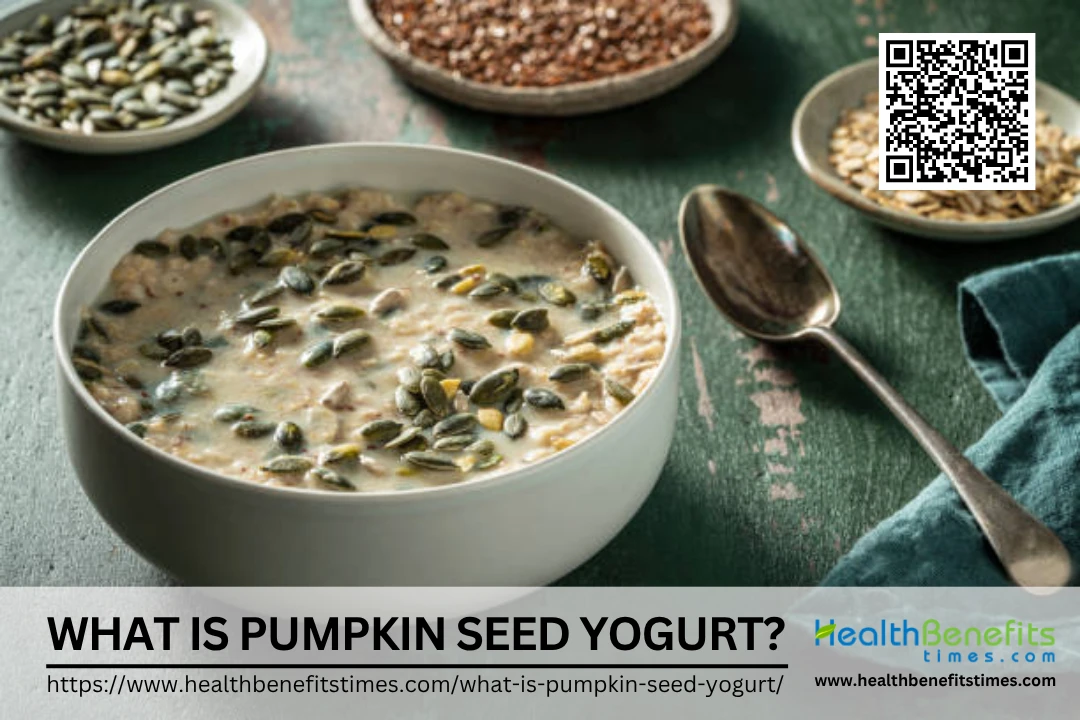
What is Pumpkin Seed Yogurt?
Pumpkin seed yogurt is a nutritious dairy or plant-based yogurt infused with pumpkin seeds, offering a rich source of protein, omega-3 fatty acids, fiber, and antioxidants. This yogurt is typically made by fermenting milk or non-dairy alternatives, followed by the addition of pumpkin seeds, which enhance both texture and nutrition. The seeds are either blended into the yogurt or sprinkled on top to provide crunch and flavor. The fermentation process involves adding live bacterial cultures to milk or plant milk, which convert lactose into lactic acid, thickening the yogurt. This simple process results in a probiotic-rich yogurt, often praised for its digestive and heart health benefits. Pumpkin seeds add significant dietary value, supporting immunity and providing essential nutrients such as zinc and magnesium. Additionally, adding seeds to yogurt improves fiber content, making it a digestive aid source. For those seeking heart health benefits, pumpkin seeds also support vascular health by increasing nitric oxide levels.
Key differences between traditional dairy yogurt and pumpkin seed yogurt
Here is a table that highlights the key differences between traditional dairy yogurt and pumpkin seed yogurt:
| Feature | Traditional Dairy Yogurt | Pumpkin Seed Yogurt |
| Base Ingredient | Milk (cow, goat, or sheep) | Milk (dairy or plant-based) or non-dairy alternatives |
| Key Nutrients | Protein, calcium, vitamins (B12, A), probiotics | Protein, fiber, omega-3 fatty acids, magnesium, antioxidants |
| Probiotics | Yes (live bacterial cultures) | Yes (if fermented) |
| Additional Ingredients | May contain added sweeteners, fruit, or flavorings | Pumpkin seeds, potentially other seeds, nuts, or flavorings |
| Health Benefits | Supports bone health, digestive health, and immunity | Promotes heart health, digestive health, immunity, and stress reduction |
| Texture | Creamy and smooth | Creamy with added crunch from pumpkin seeds |
| Lactose Content | Contains lactose (unless specified as lactose-free) | Low in lactose or lactose-free (depends on the base used) |
| Flavor | Tangy, slightly sour | Mildly sweet with a nutty crunch from pumpkin seeds |
| Suitable For | Vegetarians, some dairy-free (lactose-free options) | Vegans (if plant-based), lactose-intolerant individuals |
Nutritional Profile of Pumpkin Seed Yogurt
Pumpkin seed yogurt is a nutrient-dense, plant-based alternative to traditional dairy yogurt. Packed with protein, healthy fats, and essential vitamins and minerals, it offers a nutritious option for various dietary needs.
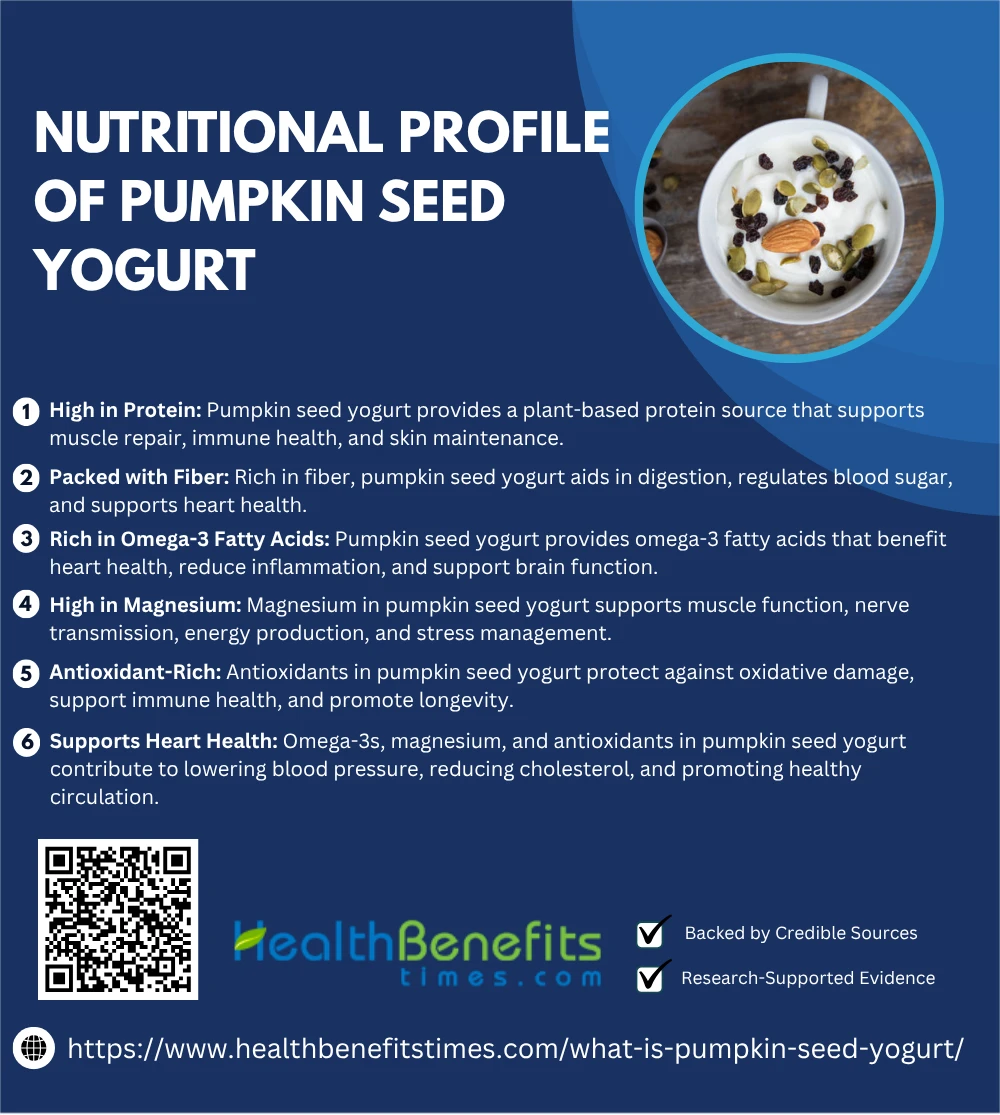
Pumpkin seed yogurt is a great source of protein, which is essential for various bodily functions such as muscle repair, immune support, and enzyme production. Protein also plays a key role in maintaining healthy skin and hair. The pumpkin seeds used in this yogurt variant are rich in protein, making it an excellent choice for individuals following a plant-based diet or for anyone seeking to increase their protein intake. In fact, pumpkin seeds contain up to 30% protein by weight, a significant contribution to the yogurt’s overall protein content. This makes it a powerful alternative to traditional dairy-based yogurts for vegetarians or vegans who need plant-based protein sources.
2. Packed with Fiber
One of the standout features of pumpkin seed yogurt is its fiber content, which is key for digestive health. Fiber helps regulate bowel movements, reduce constipation, and can even help manage blood sugar levels. Pumpkin seeds are an excellent source of both soluble and insoluble fiber, providing a substantial amount per serving when incorporated into yogurt. Fiber also helps in maintaining healthy cholesterol levels, making it an important part of heart health. For those seeking to improve their gut microbiome, adding fiber-rich foods like pumpkin seed yogurt is a great strategy.
3. Rich in Omega-3 Fatty Acids
Omega-3 fatty acids are essential fats that the body cannot produce on its own, so it must be obtained through diet. Pumpkin seeds are rich in ALA (alpha-linolenic acid), a type of omega-3 fatty acid that plays a crucial role in heart health, reducing inflammation, and supporting brain function. The inclusion of pumpkin seeds in yogurt enhances its omega-3 content, making it a heart-healthy option. These essential fatty acids help reduce bad cholesterol, improve blood circulation, and lower the risk of cardiovascular disease. Consuming foods like pumpkin seed yogurt, which are high in omega-3s, can contribute to long-term health benefits.
4. High in Magnesium
Magnesium is an essential mineral involved in over 300 biochemical reactions in the body, contributing to muscle function, nerve transmission, and energy production. Pumpkin seeds are one of the best natural sources of magnesium, making pumpkin seed yogurt an excellent option for individuals looking to boost their magnesium intake. Magnesium helps maintain healthy blood pressure levels and supports heart health by regulating the heart’s rhythm. It is also involved in converting food into energy, supporting overall bodily functions. Consuming magnesium-rich foods like pumpkin seed yogurt can contribute to improved relaxation and stress management.
5. Antioxidant-Rich
Pumpkin seeds are a rich source of antioxidants, which are compounds that help neutralize harmful free radicals in the body. This antioxidant content helps to protect cells from oxidative damage, which can contribute to chronic diseases such as cancer, heart disease, and age-related conditions. The antioxidants in pumpkin seeds, including vitamin E and carotenoids, also have anti-inflammatory properties that help reduce the risk of chronic inflammation. When added to yogurt, these antioxidants contribute to improved skin health, a strengthened immune system, and overall longevity. Incorporating antioxidant-rich foods like pumpkin seed yogurt into your diet is an effective way to combat oxidative stress and support long-term health.
6. Supports Heart Health
Heart health is greatly supported by the nutrients found in pumpkin seed yogurt, particularly its omega-3 fatty acids, magnesium, and antioxidants. These components help lower blood pressure, reduce cholesterol levels, and promote healthy circulation. The anti-inflammatory properties of omega-3s in pumpkin seeds also work to prevent the buildup of plaque in the arteries, a major factor in cardiovascular diseases. Pumpkin seed yogurt can be an excellent addition to a heart-healthy diet, providing both the nutritional benefits of yogurt and the added protection against heart disease offered by pumpkin seeds.
Health Benefits of Pumpkin Seed Yogurt
Pumpkin seed yogurt offers numerous health benefits, including promoting heart health, boosting immune function, supporting digestion with probiotics, and providing antioxidants, making it a valuable addition to a balanced, plant-based diet.
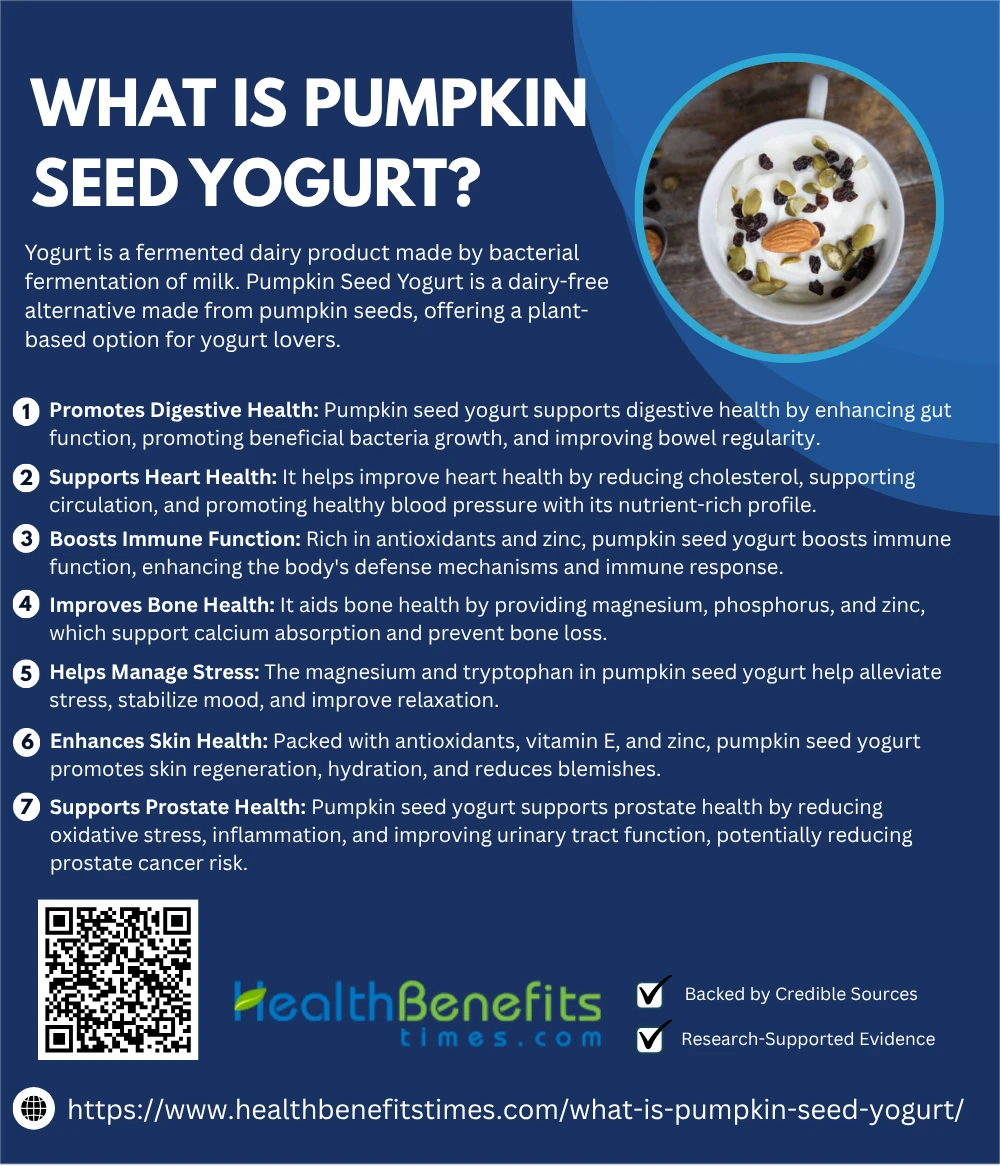
Pumpkin seed yogurt has gained attention for its potential to improve digestive health due to its rich nutritional profile. Pumpkin seeds contain bioactive compounds like cucurbitacins, which help in alleviating gastrointestinal discomfort and may even assist in eradicating intestinal parasites. Additionally, studies suggest that pumpkin seed oil supplementation can enhance yogurt’s nutritional benefits by promoting gut health and offering antioxidant properties. (1) Incorporating pumpkin seeds into yogurt enhances its digestibility and supports a healthy microbiome. The functional properties of pumpkin seed yogurt have shown promise in improving digestive function, particularly by promoting the growth of beneficial gut bacteria. (2) Furthermore, adding pumpkin seed-derived products to yogurt can elevate its fiber content, further promoting digestive health and bowel regularity. (3)
2. Supports Heart Health
Pumpkin seed yogurt offers a range of heart health benefits, thanks to the nutrient-dense profile of pumpkin seeds. These seeds are rich in magnesium, which has been linked to reduced risk of heart attacks and improved blood circulation. Additionally, pumpkin seed oil has demonstrated positive effects on vascular function, contributing to cardiovascular protection. (4) Regular consumption of pumpkin seed-fortified yogurt has been associated with improved cholesterol levels and better heart health overall. (5) Studies have also shown that it can positively influence blood pressure and improve heart rate variability in postmenopausal women. (3) Therefore, incorporating this functional yogurt into your diet can be an effective heart health strategy.
3. Boosts Immune Function
Pumpkin seed yogurt is a potent immune system booster. Rich in antioxidants, vitamins, and minerals like zinc, it supports immune function by enhancing the body’s defense mechanisms against infections. (5) Research has shown that pumpkin seed-fortified yogurt increases the activity of key immune cells, improving both innate and adaptive immunity. (6) Additionally, incorporating pumpkin seeds into yogurt has been associated with increased antioxidant activity, which further aids in immune defense. (1) The functional components of pumpkin seeds also stimulate the immune system by modulating immune responses, making it an excellent dietary addition to boost immunity. (7) This makes pumpkin seed yogurt a powerful tool for enhancing overall immune health.
4. Improves Bone Health
Pumpkin seed yogurt is a beneficial addition to any diet aimed at improving bone health. Pumpkin seeds are a rich source of magnesium, a key mineral known to strengthen bones and reduce the risk of osteoporosis. The combination of pumpkin seed powder with yogurt enhances calcium absorption and bone mineral density. (8) Additionally, adding pumpkin seeds to yogurt can help prevent bone loss by providing essential minerals like phosphorus and zinc, both important for maintaining bone strength. (9) These nutritional benefits make pumpkin seed yogurt a valuable dietary option for supporting bone health. (10)
5. Helps Manage Stress
Pumpkin seed yogurt is a functional food that can aid in stress management. Rich in magnesium, which has calming effects on the nervous system, it helps alleviate stress and promote relaxation. (11) Studies have shown that magnesium from pumpkin seeds contributes to better stress hormone regulation and enhanced mood stability. (12) The presence of antioxidants in pumpkin seed yogurt also helps reduce oxidative stress, a major contributor to anxiety. (6) Furthermore, pumpkin seeds contain tryptophan, an amino acid that aids in serotonin production, enhancing mood and emotional well-being. (1) This makes pumpkin seed yogurt an effective, natural way to manage stress.
6. Enhances Skin Health
Pumpkin seed yogurt is a nutrient-rich option for enhancing skin health. The combination of pumpkin seeds and yogurt offers a rich source of antioxidants, vitamin E, and essential fatty acids, which play a vital role in skin regeneration and protection against oxidative stress. (8) These nutrients help improve skin elasticity and hydration. (13) Additionally, the anti-inflammatory properties of pumpkin seed oil support skin healing and reduce the appearance of blemishes. (14) Furthermore, the zinc present in pumpkin seeds enhances collagen production, essential for skin repair. (15) This makes pumpkin seed yogurt a great choice for maintaining healthy and youthful skin.
7. Supports Prostate Health
Pumpkin seed yogurt is an excellent dietary choice for supporting prostate health. Pumpkin seeds are rich in zinc, a mineral known to contribute to prostate function and may help in reducing symptoms of benign prostatic hyperplasia. (16) The antioxidant properties of pumpkin seeds, particularly the presence of tocopherols, have been shown to reduce oxidative stress and inflammation in the prostate, potentially lowering the risk of prostate cancer. (8) Furthermore, pumpkin seed oil has been linked to improved urinary tract health, a key component of prostate well-being. (17) Incorporating pumpkin seed yogurt into the diet can be a valuable addition for maintaining a healthy prostate. (18)
How to Make Pumpkin Seed Yogurt at Home
Here’s a step-by-step guide to preparing pumpkin seed yogurt from scratch. The process involves creating the yogurt base first, and then infusing it with the benefits of pumpkin seeds.
- Gather all the required ingredients.
- Roast pumpkin seeds for enhanced flavor (if using raw seeds). Spread the seeds on a baking tray and roast at 350°F (175°C) for about 10-12 minutes, stirring occasionally until golden brown. Allow them to cool completely.
- After roasting, use a blender or food processor to grind the pumpkin seeds into a fine powder. This will help infuse the yogurt with the seeds’ nutrients and flavor.
- Pour the milk into a saucepan and heat it over medium heat. Stir occasionally to avoid scorching. Warm the milk to about 180°F (82°C). This step helps to denature the proteins, which ensures smooth yogurt texture.
- Remove the saucepan from the heat once it reaches 180°F. Let it cool to about 110°F (43°C), which is the optimal temperature for yogurt fermentation.
- If using store-bought yogurt as a starter, mix 2-3 tablespoons of yogurt with a small amount of warm milk. Stir well to dissolve.
- Blend the pumpkin seed powder with a little warm milk to create a smooth slurry. This helps distribute the pumpkin seed flavor evenly in the yogurt.
- Once the milk has cooled to 110°F, whisk the yogurt starter (or yogurt culture) into the milk mixture. Add the pumpkin seed slurry and vanilla extract, if desired. Stir everything together until fully incorporated.
- Pour the mixture into clean, sterilized glass jars or a container where you want the yogurt to set. Leave some space at the top for expansion during fermentation.
- Cover the jars with a lid or a clean cloth. The yogurt needs to be kept warm for several hours to ferment.
- Set the jars in a warm spot, such as an oven with just the light on, or a yogurt maker. Let it ferment for 4-12 hours depending on the desired thickness and tartness. The longer the fermentation, the tangier the yogurt will be.
- After 4-12 hours, the yogurt should be thickened. If it has reached your desired consistency, it is ready for refrigeration.
- You can taste the yogurt at this point to see if it’s tangy enough. If you prefer a thicker yogurt, let it ferment for a longer time.
- Once the yogurt has reached the desired flavor and consistency, place it in the refrigerator for at least 2 hours. This helps it set further and chill before serving.
- Store the pumpkin seed yogurt in the refrigerator for up to 7-10 days. You can enjoy it plain, or add sweeteners like honey or maple syrup, and top with granola, fruits, or more pumpkin seeds.
Commercial vs. Homemade Pumpkin Seed Yogurt
Here’s a table comparing Commercial and Homemade Pumpkin Seed Yogurt based on various factors:
| Aspect | Commercial Pumpkin Seed Yogurt | Homemade Pumpkin Seed Yogurt |
| Ingredients | Pre-packaged ingredients, often with preservatives and stabilizers. | Fresh, natural ingredients (milk, pumpkin seeds, starter culture). |
| Flavor | Consistent, but may include added sugars and artificial flavorings. | Can be customized with sweeteners, vanilla, or other flavorings. |
| Texture | Often smooth and creamy due to added thickeners. | Can vary, typically thicker if left to ferment longer. |
| Probiotic Content | Contains probiotics from commercial yogurt starters, but may not be as potent due to pasteurization. | Contains live probiotics from the starter culture, more active due to fresh preparation. |
| Sweeteners | Often contains added sugars or artificial sweeteners. | Can be made without added sugar or with natural sweeteners like honey. |
| Customization | Limited; fixed flavor and texture. | Fully customizable in terms of flavor, thickness, and sweetness. |
| Additives/Preservatives | Likely to contain preservatives and additives for shelf life. | No additives or preservatives, all-natural. |
| Preparation Time | Ready to eat with no preparation time required. | Requires several hours for fermentation (4-12 hours), plus cooling time. |
| Cost | Typically more expensive due to packaging and brand. | More affordable, especially in bulk (milk and seeds). |
| Shelf Life | Longer shelf life (up to 2-3 weeks). | Typically lasts 7-10 days when refrigerated. |
| Nutritional Control | Nutrients are fixed based on manufacturer. | Full control over the quality and quantity of ingredients. |
| Environmental Impact | Often comes in plastic packaging and is mass-produced. | Eco-friendly, especially if using glass containers and local ingredients. |
| Convenience | Very convenient, ready-to-eat right out of the container. | Less convenient, requires preparation time and care. |
Who Can Benefit from Pumpkin Seed Yogurt?
Pumpkin seed yogurt is perfect for vegans, lactose-intolerant individuals, and those seeking a dairy-free alternative. It’s also beneficial for anyone looking to boost plant-based protein intake or improve digestive health.
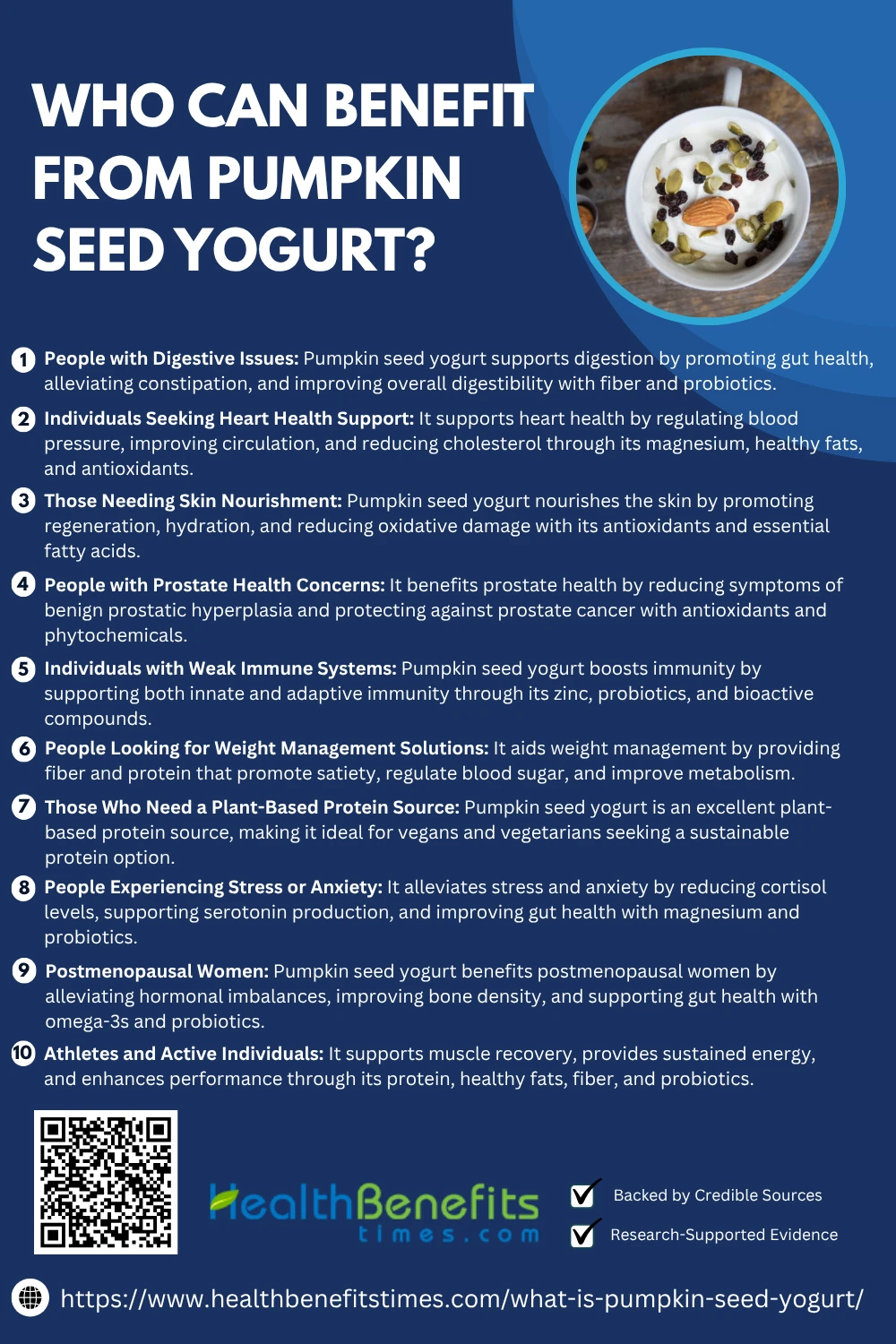
Pumpkin seed yogurt can be highly beneficial for those with digestive issues due to its rich content of fiber and probiotics. The fiber from pumpkin seeds supports regular bowel movements and alleviates constipation. Additionally, the probiotics in yogurt promote a healthy gut microbiota, which is crucial for digestive health. (8) Pumpkin seed oil also provides anti-inflammatory effects that can soothe gastrointestinal discomfort. (6) Moreover, incorporating pumpkin seeds into yogurt helps improve the overall digestibility of the meal, benefiting individuals with sensitive stomachs. (1)
2. Individuals Seeking Heart Health Support
Pumpkin seed yogurt offers significant benefits for heart health. The magnesium and healthy fats found in pumpkin seeds help regulate blood pressure and support overall heart function. (8) The combination of pumpkin seeds and yogurt can reduce cholesterol levels by promoting healthy fat intake and improving circulation. (3) Additionally, the antioxidants in pumpkin seeds, particularly vitamin E, contribute to reducing oxidative stress, which is linked to heart disease. (1) Consuming pumpkin seed yogurt regularly can be an effective strategy for individuals looking to support their cardiovascular health.
3. Those Needing Skin Nourishment
Pumpkin seed yogurt provides nourishment for the skin due to its high content of antioxidants and essential fatty acids. The vitamin E and zinc in pumpkin seeds are known to promote skin regeneration and reduce oxidative damage. Moreover, the fatty acids in pumpkin seeds contribute to skin hydration and elasticity. Pumpkin seeds also help in protecting the skin from inflammation and UV damage. This combination in yogurt makes it an excellent addition for those seeking better skin health. (3)
4. People with Prostate Health Concerns
Pumpkin seed yogurt is particularly beneficial for individuals with prostate health concerns, as pumpkin seeds are rich in compounds that support prostate function. The phytochemicals in pumpkin seeds can help regulate prostate size and reduce symptoms of benign prostatic hyperplasia. (16) Pumpkin seed oil is also known to alleviate inflammation and provide a natural alternative to conventional treatments for prostate issues. (8) Additionally, the antioxidants in pumpkin seeds may help protect against prostate cancer development. (17) Therefore, incorporating pumpkin seed yogurt can be an effective strategy for supporting prostate health. (2)
5. Individuals with Weak Immune Systems
Pumpkin seed yogurt can boost the immune system due to its rich content of zinc, vitamin A, and antioxidants. These nutrients support both innate and adaptive immunity, helping the body defend against infections. (5) Additionally, the probiotics in yogurt improve gut health, which is essential for immune function. (19) The bioactive compounds in pumpkin seeds also enhance the body’s resistance to infections. (1) Therefore, this combination helps strengthen the immune defenses, particularly for those with weakened immunity.
6. People Looking for Weight Management Solutions
Pumpkin seed yogurt can be an excellent choice for weight management. The combination of fiber from pumpkin seeds and protein from yogurt provides satiety, helping to control hunger and reduce overall calorie intake. (8) Studies show that pumpkin seeds help improve metabolism and support fat loss, especially when combined with yogurt. Additionally, the healthy fats in pumpkin seeds promote a feeling of fullness, aiding in weight control strategies. (1) This combination also helps regulate blood sugar levels, a crucial factor for effective weight management. (3)
7. Those Who Need a Plant-Based Protein Source
Pumpkin seed yogurt provides an excellent source of plant-based protein, making it ideal for vegetarians and vegans. Pumpkin seeds are rich in proteins, containing up to 36% protein content, which supports muscle building and overall health. (1) Additionally, plant-based yogurt made with pumpkin seeds can serve as a great alternative for those avoiding dairy products. This combination of ingredients offers significant nutritional benefits, including enhanced amino acid profiles. (20) Moreover, it supports those seeking sustainable, plant-derived proteins for a balanced diet.
8. People Experiencing Stress or Anxiety
Pumpkin seed yogurt can help alleviate stress and anxiety due to its high magnesium content, which has been shown to reduce cortisol levels and promote relaxation. (1) The tryptophan found in pumpkin seeds supports serotonin production, which helps improve mood and emotional balance. Additionally, probiotics in yogurt enhance gut health, which is linked to better mental well-being. (11) Consuming this functional food regularly may contribute to reducing anxiety and improving overall emotional health. (1)
9. Postmenopausal Women
Pumpkin seed yogurt is beneficial for postmenopausal women due to its rich nutrient profile. The omega-3 fatty acids in pumpkin seeds help alleviate symptoms associated with menopause, such as hot flashes and hormonal imbalances. (21) Additionally, pumpkin seeds provide zinc, which can improve bone density, a key concern during menopause. The probiotics in yogurt support gut health, enhancing digestion and overall well-being during this phase. (22) Furthermore, pumpkin seed oil is known for its anti-inflammatory properties, aiding in the reduction of postmenopausal discomfort. (23)
10. Athletes and Active Individuals
Athletes and active individuals can gain substantial benefits from pumpkin seed yogurt. Pumpkin seeds are a great source of protein and amino acids, which aid muscle recovery and repair after intense workouts. (24) The healthy fats and fiber help in sustained energy release during physical activity. Moreover, the probiotics in yogurt support gut health, which is essential for nutrient absorption and overall performance. This combination also promotes faster recovery and reduces muscle soreness, making it an ideal post-workout food.
How to Incorporate Pumpkin Seed Yogurt into Your Diet
Incorporating pumpkin seed yogurt into your diet is easy and versatile. Enjoy it in smoothies, parfaits, or as a snack, or use it in baking for a nutritious, plant-based boost.
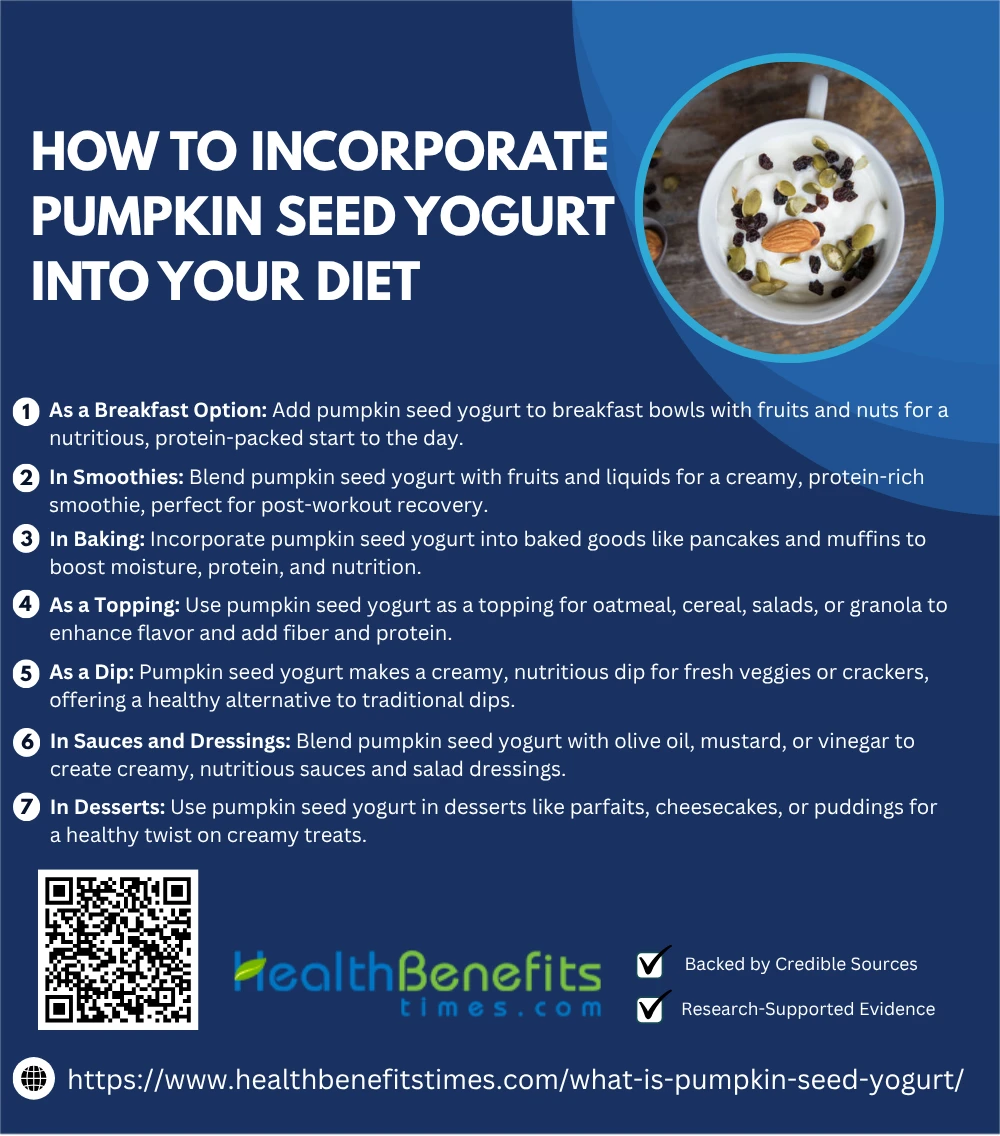
Pumpkin seed yogurt can be a fantastic addition to your breakfast, offering a nutritious, protein-packed start to your day. Combine a bowl of yogurt with fresh fruits like berries, banana, or apple slices, and top it off with a sprinkle of nuts for added crunch. You can also drizzle honey or maple syrup for sweetness. Not only does this breakfast provide probiotics from the yogurt, but it also delivers a healthy dose of omega-3 fatty acids, magnesium, and fiber from pumpkin seeds. This combination supports digestion and helps keep you full longer (Dabija et al., 2018), ensuring you start your day on the right foot. Plus, the antioxidant-rich pumpkin seeds help protect your cells from oxidative stress. (25)
2. In Smoothies
Pumpkin seed yogurt makes an excellent addition to smoothies, enhancing both flavor and nutritional value. Add a scoop of pumpkin seed yogurt to your smoothie along with fruits like mango, spinach, or berries, and blend it with almond milk or coconut water. This will provide you with a creamy texture and a boost of plant-based protein, making it ideal for post-workout recovery. The healthy fats from the pumpkin seeds help regulate blood sugar levels, while the probiotics in yogurt support gut health. If you’re looking to increase your smoothie’s nutrient density, try adding some pumpkin seed oil or ground seeds to amplify the benefits. (26) (27)
3. In Baking
Using pumpkin seed yogurt in baking is an easy way to enhance the nutritional profile of your favorite baked goods. Incorporate it into recipes for pancakes, muffins, or even bread for extra moisture and a subtle nutty flavor. This combination not only adds creaminess but also boosts the protein content, making it an excellent option for those seeking a healthy alternative to dairy products. You can replace traditional yogurt with pumpkin seed yogurt in many recipes to create a plant-based option that’s rich in essential amino acids and omega-3s, which are great for muscle recovery and overall health. To explore more recipes or variations, check out guides on pumpkin seed-based products and their health benefits. (28)
4. As a Topping
Pumpkin seed yogurt can be used as a delicious topping for various dishes. Try it on your morning oatmeal, cereal, or a fresh salad for a boost of creaminess and crunch. The yogurt’s tanginess pairs wonderfully with the sweetness of fruits, while the pumpkin seeds add a satisfying crunch. Whether used as a topping on savory or sweet dishes, it enhances the flavor and adds a good amount of fiber and protein to keep you full. This is especially helpful for maintaining energy levels throughout the day. You can also mix pumpkin seed yogurt into fruit bowls or granola for an added layer of flavor and texture. To make this even more beneficial, consider adding some nuts or chia seeds for extra protein and fiber. (29)
5. As a Dip
Pumpkin seed yogurt works as a creamy, nutrient-rich dip for fresh veggies or crackers. This savory dip is not only easy to prepare but also rich in protein and omega-3 fatty acids, making it a healthy alternative to traditional dips like sour cream or cream cheese. It pairs perfectly with crunchy vegetables such as carrots, cucumbers, and bell peppers. For added flavor, mix in some garlic, lemon juice, or herbs like dill and parsley. This dip can also serve as a great spread for wraps or sandwiches. If you’re looking to elevate the flavor, add pumpkin spice or cinnamon for a sweeter variation, making it versatile for both savory and sweet dishes. (25) (28)
6. In Sauces and Dressings
Pumpkin seed yogurt can be used to make healthy, creamy sauces and salad dressings. You can blend it with olive oil, mustard, or vinegar to create a simple vinaigrette or toss it into a creamy dressing for salads. This addition will not only make your dressings more nutritious, but also provide a smooth texture and rich flavor. The healthy fats from the pumpkin seeds help to regulate cholesterol levels, while the probiotics from the yogurt promote good digestion. For extra flavor, try adding garlic, fresh herbs, or a pinch of cayenne pepper to your sauces for a delicious kick. Pumpkin seed yogurt-based dressings are perfect for drizzling on leafy greens, roasted vegetables, or even pasta dishes. (27) (26)
7. In Desserts
Pumpkin seed yogurt can be used in various dessert recipes. Try it in parfaits, as a filling for cheesecakes, or even in creamy puddings. The yogurt’s natural tang, combined with the subtle nutty flavor of the pumpkin seeds, creates a unique flavor profile that pairs perfectly with sweet ingredients like fruit, chocolate, or maple syrup. This dessert option provides a healthy twist to traditional creamy desserts while adding protein, healthy fats, and antioxidants to the mix. To create a richer dessert, combine pumpkin seed yogurt with dark chocolate and fruits such as berries, creating a decadent yet healthy indulgence. The addition of pumpkin seeds also contributes fiber, making your dessert more filling. (26) (28)
Potential Drawbacks of Pumpkin Seed Yogurt
While pumpkin seed yogurt offers many benefits, it’s important to consider potential drawbacks, such as higher cost, limited availability, or possible added sugars in some commercial varieties. Balancing consumption is key.
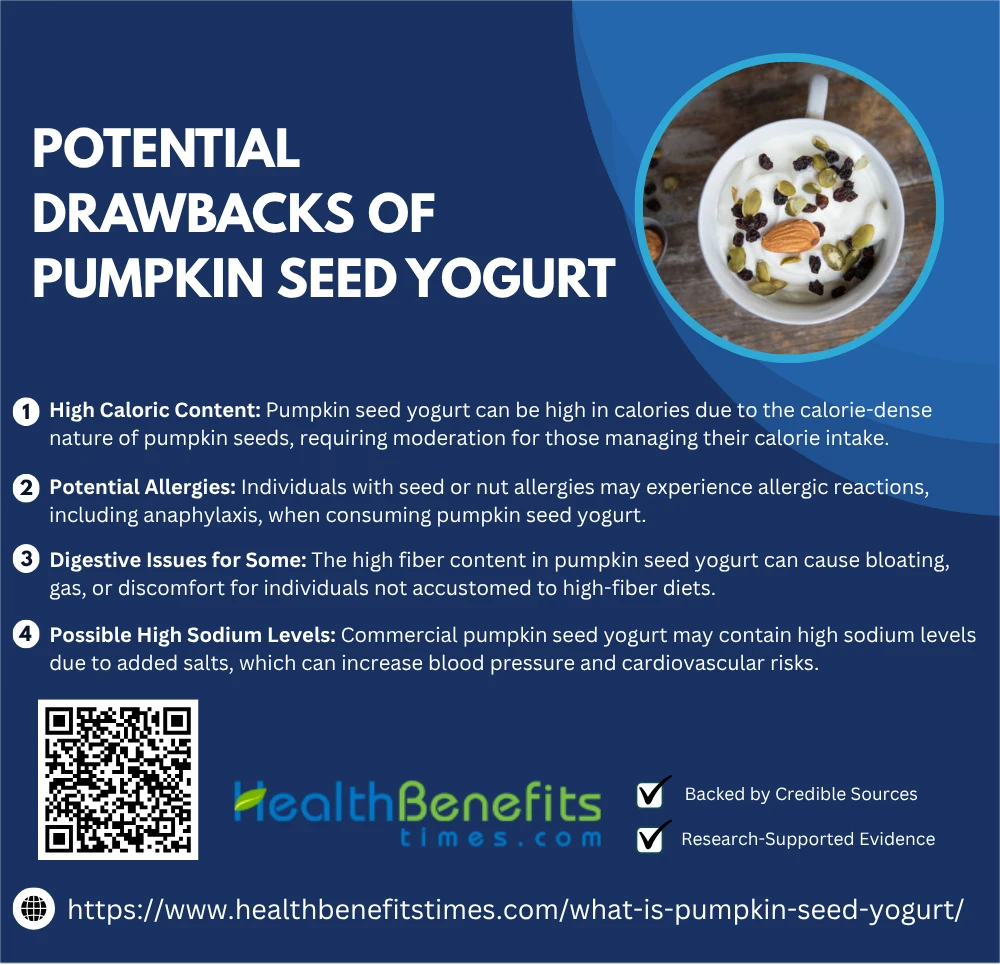
Pumpkin seed yogurt may contribute to high caloric content due to the naturally calorie-dense nature of pumpkin seeds. These seeds are packed with healthy fats and protein, which can significantly increase the energy value of the yogurt. While this makes the yogurt a nutritious option, individuals watching their calorie intake should consume it in moderation to avoid excess caloric consumption. (6) Additionally, the calorie count can be further amplified if added sweeteners or flavorings are included in the yogurt, making it essential to choose low-sugar versions for weight management purposes. (29) Despite these concerns, the combination of healthy fats and proteins can provide lasting energy and essential nutrients, making it a beneficial addition to a balanced diet when consumed in appropriate amounts. (3)
2. Potential Allergies
Consuming pumpkin seed yogurt may pose allergy risks for individuals sensitive to seeds. Pumpkin seeds are known to cause allergic reactions, including anaphylaxis, particularly in those who have a known allergy to seeds or nuts. (30) Symptoms such as hives or digestive distress can occur with even small amounts of pumpkin seed-based products. For people with seed allergies, it’s important to avoid pumpkin seed yogurt to prevent severe reactions. Always check for potential allergens before consuming pumpkin seed yogurt, especially for individuals with known sensitivities to seeds or nuts.
3. Digestive Issues for Some
While pumpkin seed yogurt offers various health benefits, it may cause digestive issues for certain individuals. The high fiber content in pumpkin seeds can lead to bloating, gas, or discomfort in individuals not accustomed to a high-fiber diet. (6) Additionally, those with sensitive stomachs may experience gastrointestinal disturbances due to the richness of the yogurt. Introducing pumpkin seed yogurt gradually into the diet can help minimize these effects. Furthermore, some may find the viscosity of yogurt with pumpkin seed additions too thick or difficult to digest. Therefore, individuals should monitor their response and adjust portion sizes accordingly. (28)
4. Possible High Sodium Levels
Pumpkin seed yogurt, particularly in its commercial forms, may lead to high sodium intake due to added salts for preservation and flavor enhancement. Excessive sodium can contribute to increased blood pressure and other cardiovascular issues. It’s important for consumers to choose low-sodium versions of pumpkin seed yogurt if they are concerned about their salt intake. Additionally, some brands may use sodium-based preservatives that could exacerbate this issue. (6) Therefore, consumers should always check labels for sodium content to ensure they are not unintentionally consuming excess sodium and opt for homemade versions for better control.
Conclusion
In conclusion, pumpkin seed yogurt is a nutritious and versatile plant-based alternative to traditional dairy yogurt. With its rich protein content, healthy fats, and a variety of essential vitamins and minerals, it offers numerous health benefits, including promoting heart health, supporting digestion, and boosting immune function. Ideal for vegans, lactose-intolerant individuals, and those seeking a dairy-free diet, pumpkin seed yogurt can be easily incorporated into daily meals. Whether enjoyed in smoothies, parfaits, or simply as a snack, it’s a delicious and sustainable option that aligns with a balanced, plant-based lifestyle. Give it a try and discover its numerous benefits!
Comments
comments