

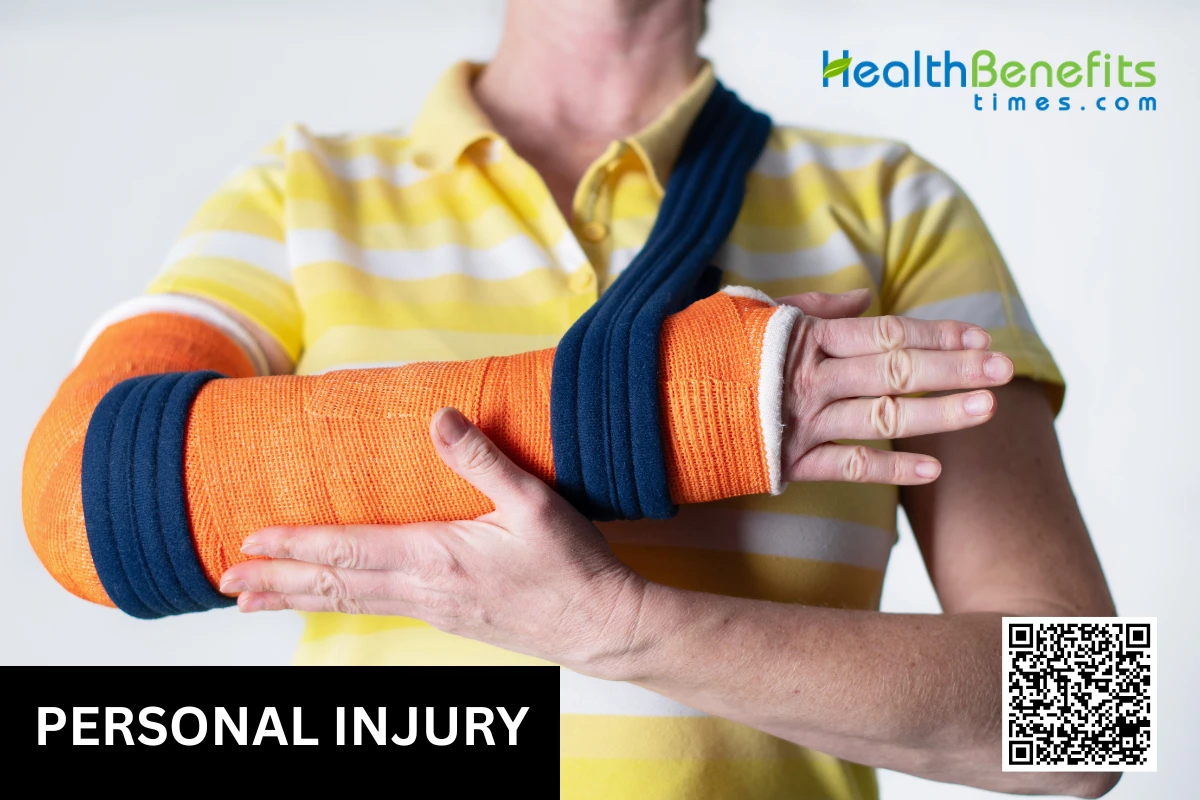
Physical consequences often turn into long-term conditions
You might assume that once your physical issues heal, the worst of your process is over. That’s not always the case. Often, trauma from a personal injury can turn into chronic pain and other long-term health problems that can limit your ability to work or live your life as usual. This is especially common with spinal damage and traumatic brain injuries.
When you’re dealing with nerve damage, the pain can last for a long time. Worse, sometimes problems like arthritis develop months or years later. And some people get addicted to painkillers and end up with an addiction.
If you’ve experienced an orthopedic injury, your range of motion might decrease permanently. For many who are unable to remain active, there’s an increased risk of obesity and cardiovascular disease. These life-changing consequences are exactly why people pursue lawsuits after being injured. Physically healing is the easy part. Paying mounting medical bills and living with a permanent disability or limitation can be challenging without financial compensation from a lawsuit.
Psychological harm can be equally debilitating
It’s easy to see how damaging physical pain can be, but many people underestimate the impact of psychological pain. After a serious injury, the body can get stuck in a state of stress, and that can cause long-term mental health issues.
Many people get diagnosed with post-traumatic stress disorder (PTSD) after a serious injury accident like a car crash, physical assault, a dog bite, or a workplace accident. Symptoms of PTSD can include flashbacks, constant hypervigilance, sleep problems, and intense emotions (or emotional numbness). It’s considered a disorder when these symptoms negatively impact a person’s life.
Chronic pain and a loss of independence after an accident can increase the risk of depression and anxiety. Since many people connect their identity to their physical abilities or profession, an injury can cause an identity crisis. The impact of an injury on mental health can’t be ignored. Psychological wellbeing needs to be a central part of the recovery process.
Financial stress can impact healing
Money issues are a common source of stress and can amplify the emotional impact of an injury. Between medical bills, lost wages, and household bills, financial trouble creates another layer of stress. The average time away from work after an injury is 10 days – nearly a full paycheck. For severe injuries, it’s often more. Since most people live paycheck to paycheck, even missing a couple of days can cause extreme financial stress.
Medical procedures like surgeries, physical therapy, specialist referrals, medications, and special testing can create significant debt. Even with insurance, patients find out the hard way that deductibles are high and many services just aren’t covered.
The bottom line is that financial pressure in the form of debt and lost wages keeps cortisol levels elevated, which will keep the body in a state of chronic stress and prolong the healing process. To heal physically and emotionally, it’s critical for injured parties to seek financial relief through a lawsuit.
It’s the only way to put an end to the financial stress.
Social relationships can shift
When an injury requires family members to take on caregiving roles, relationships can shift. Caregiving is linked to increased stress and poor health, including severe burnout. High levels of emotional stress, depression, and anxiety are common. Caregivers also experience social isolation and strained marriages and partnerships, even when their relationship is strong. Caregivers sometimes struggle with feelings of resentment toward the person they care for, even though it’s not intentional. This can permanently alter the relationship.
Sleep deprivation can prolong recovery
Sleep is a critical component in the healing process, but physical injuries commonly disrupt sleep patterns. Pain and anxiety can make it hard to fall asleep, and medication can interfere with the ability to get deep, restorative rest.
For people with severe chronic pain, insomnia is common. For others, medication creates restlessness at night that keeps them awake. No matter what causes poor sleep, the result is a weakened immune system and slow tissue repair.
The human body performs most of its cellular repair during sleep. That’s when human growth hormone is released to regenerate tissues and regulate inflammation. When sleep cycles are fragmented or disturbed, the body’s ability to restore itself is compromised. Over time, prolonged sleep deprivation can increase chronic pain, make mood disorders worse, and impair cognitive function.
In this state, daily life can be difficult to manage and remaining in that state might start to interfere with existing treatment plans. For example, a chronically sleep-deprived individual is more likely to skip or postpone important appointments than someone who is fully rested.
Long-term disability can redefine life trajectory
When an injury causes permanent disability, the individual might need to accept a lower-paying role or switch careers entirely. This means their injury has the potential to impact their ability to earn and save money over their entire lifetime.
Depending on the disability, expensive alterations might be required for daily living, like wheelchair ramps, special vehicles, or other assistive technology. Accepting these changes can be tough, and many people need counseling to adapt.
Recovery from an injury requires a holistic approach
A serious injury can impact a person’s life physically, mentally, financially, and emotionally. It can disrupt life plans and long-term goals, diminish sleep quality, and impose limitations that require long-term care. Because of this, recovering from an injury requires more than just medical attention to heal physical wounds.
Psychological support and legal guidance are equally important to restore overall wellbeing.
Comments
comments