


Addressing fatigue requires a multifaceted approach, including lifestyle modifications, dietary improvements, and medical intervention when necessary. (6) For instance, maintaining a balanced intake of micronutrients like iron, magnesium, and vitamin B12 is crucial in preventing deficiencies that lead to chronic exhaustion. (7) Similarly, regular physical activity has been found to enhance mitochondrial function, thereby boosting energy levels and reducing fatigue-related symptoms. (8) Ultimately, a holistic strategy that includes proper rest, mindful eating, and stress management is essential for overcoming fatigue and sustaining long-term vitality. (9)
Common Causes of Persistent Fatigue
Persistent fatigue can stem from various factors, including lifestyle habits, medical conditions, and environmental influences. Understanding these causes helps identify solutions for restoring energy and overall well-being.
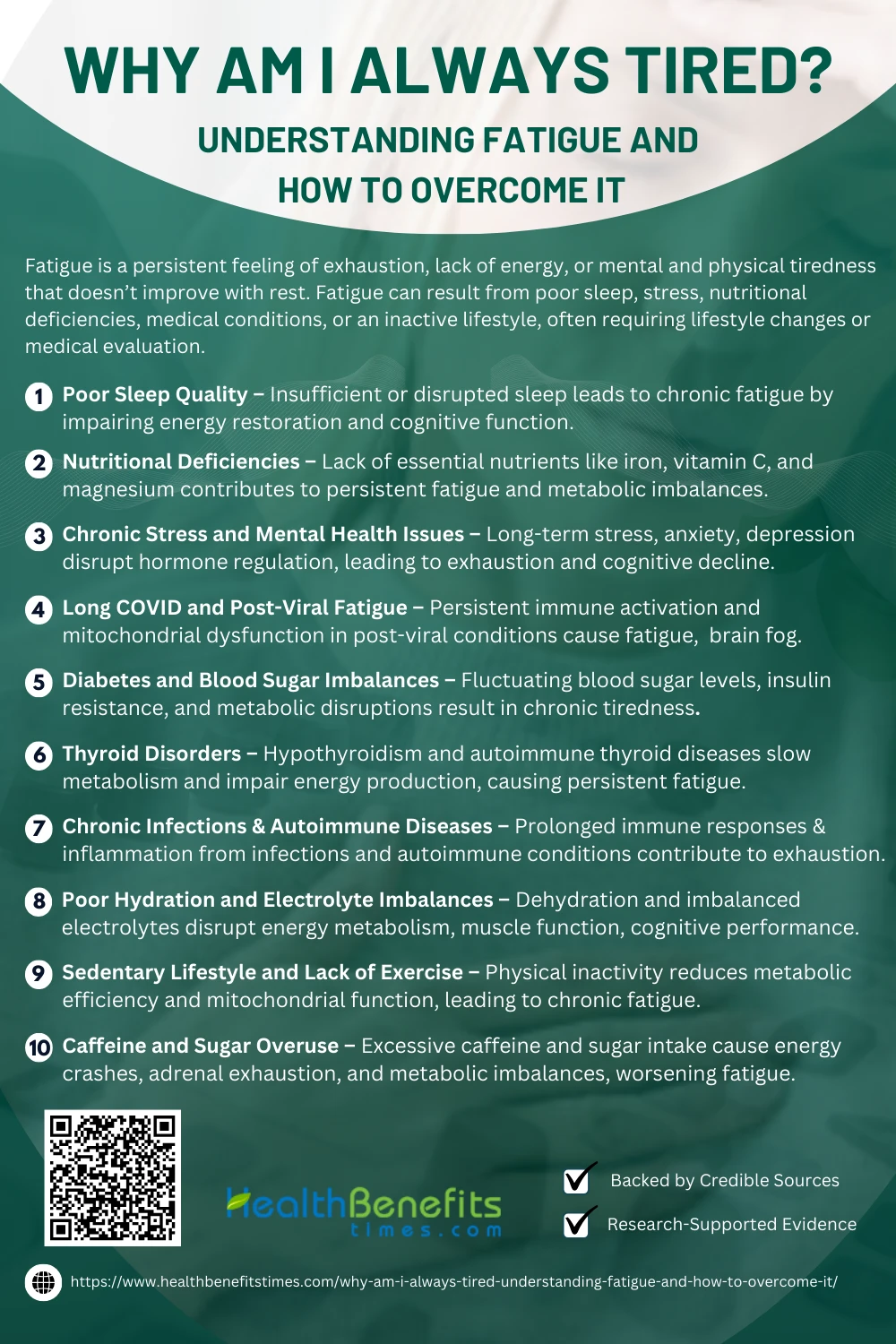
1. Poor Sleep Quality
Poor sleep quality significantly contributes to persistent fatigue, affecting overall health and daily functioning. Studies highlight that insufficient sleep disrupts the body’s ability to restore energy, leading to chronic tiredness and cognitive impairment. For instance, research shows that melatonin supplements can improve sleep quality and reduce fatigue. (10) Similarly, individuals with restless leg syndrome often experience disturbed sleep, exacerbating daytime fatigue. (11) A critical study found that neurological complications, such as those in sepsis survivors, can impair sleep and cause prolonged exhaustion. (12) Furthermore, research on sleep deprivation and fatigue confirmed the strong link between poor sleep and long-term energy depletion. (13) Lastly, pharmacological approaches to treating insomnia in cardiac patients have demonstrated significant improvements in energy levels, proving that sleep quality is a key determinant of fatigue reduction. (14)
2. Nutritional Deficiencies
Nutritional deficiencies are a primary cause of persistent fatigue, affecting physical and mental well-being. Iron deficiency anemia is one of the leading contributors, often manifesting as chronic tiredness and weakness. (15) Similarly, vitamin C deficiency can result in fatigue due to impaired iron absorption and energy metabolism. (16) Additionally, inadequate ribosomal function linked to poor nutrition hinders muscle activity and energy production, exacerbating fatigue. (17) Research also indicates that altered gut microbiota due to nutrient imbalances can lead to fatigue-related disorders, particularly in chronic illness patients. (18) Furthermore, long-term dietary inadequacies can affect neurological function, resulting in chronic exhaustion and cognitive decline. (19)
3. Chronic Stress and Mental Health Issues
Chronic stress significantly contributes to persistent fatigue by impairing the body’s ability to regulate stress hormones and maintain homeostasis. Research highlights that long-term stress disrupts brain function, leading to mental exhaustion and cognitive decline. (20) Psychological disorders like anxiety and depression exacerbate fatigue, often resulting in reduced motivation and prolonged recovery. (21) Studies further suggest that sustained mental strain in caregivers and professionals increases burnout and fatigue. (22) Nature-based interventions have been explored as rehabilitation strategies to counteract the debilitating effects of stress-induced fatigue. (23) Additionally, prolonged worry and emotional distress are found to have long-lasting physiological impacts, making fatigue a common outcome of persistent psychological strain. (24)
4. Long COVID and Post-Viral Fatigue
Long COVID and post-viral fatigue syndromes are increasingly recognized for their role in persistent exhaustion, affecting millions worldwide. Studies show that mitochondrial dysfunction is a key driver behind prolonged fatigue symptoms in long COVID patients. (25) Persistent immune activation following viral infections contributes to chronic fatigue, often mimicking myalgic encephalomyelitis/chronic fatigue syndrome. (26) Additionally, neuroinflammation is suspected to exacerbate post-viral fatigue, leading to cognitive impairments such as brain fog. (19) Research highlights that gut microbiota alterations post-infection may also play a role in sustaining fatigue symptoms. (27) Furthermore, disruptions in metabolic pathways and prolonged oxidative stress have been linked to fatigue persistence in COVID-19 survivors.(28)
5. Diabetes and Blood Sugar Imbalances
Diabetes-related blood sugar imbalances contribute significantly to persistent fatigue by disrupting metabolic processes and impairing cellular energy production. Insulin resistance leads to unstable glucose levels, causing exhaustion and decreased cognitive function. (29) Additionally, diabetic ketoacidosis can trigger severe fatigue due to electrolyte imbalances and dehydration. (30) Chronic hyperglycemia impacts muscle function, further exacerbating energy depletion. (31) Research highlights the role of renal dysfunction in diabetic fatigue due to electrolyte depletion. (32) Furthermore, cardiovascular risks associated with diabetes can increase fatigue, reducing physical endurance and performance.(33)
6. Thyroid Disorders
Thyroid disorders, particularly hypothyroidism, are a leading cause of persistent fatigue due to metabolic slowdown and impaired cellular energy production. Studies show that hypothyroidism results in reduced brain function and cognitive fatigue. (34) Chronic thyroid imbalances contribute to endocrine disruptions, affecting mood and energy levels. (35) Autoimmune thyroid diseases, such as Hashimoto’s thyroiditis, are linked to persistent exhaustion and neurological symptoms. (36) Research also highlights the impact of muscle metabolism dysfunction in hypothyroid patients, leading to muscle fatigue and weakness. (37) Additionally, central hypothyroidism can exacerbate chronic fatigue by affecting the body’s hormonal feedback mechanisms. (38)
7. Chronic Infections and Autoimmune Diseases
Chronic infections and autoimmune diseases contribute to persistent fatigue by triggering prolonged immune responses and systemic inflammation. Studies show that long COVID and other post-infectious syndromes cause enduring fatigue due to immune dysregulation. (39) Research highlights that viral infections can exacerbate autoimmune conditions, leading to worsening fatigue symptoms. (40) Persistent parasitic infections have also been identified as contributors to chronic fatigue, particularly in immunocompromised individuals. Autoimmune diseases such as myalgic encephalomyelitis/chronic fatigue syndrome (ME/CFS) often develop following infections, causing long-term exhaustion and cognitive impairment. (41) Additionally, inflammation-driven mitochondrial dysfunction in autoimmune disorders has been linked to persistent fatigue. (42)
8. Poor Hydration and Electrolyte Imbalances
Inadequate hydration and electrolyte imbalances can lead to persistent fatigue by impairing cellular energy production and neurological function. Hyponatremia, common in older adults, is strongly associated with fatigue and muscle weakness. (43) Chronic dehydration reduces blood volume, causing cardiovascular strain and reduced oxygen delivery to tissues. (44) Severe electrolyte imbalances, such as potassium and magnesium deficiencies, disrupt muscle contractions and contribute to exhaustion. (45) Research suggests that fluid imbalance can negatively affect cognitive function and energy metabolism. (43) Additionally, prolonged dehydration exacerbates chronic fatigue by impairing thermoregulation and cellular hydration.(45)
9. Sedentary Lifestyle and Lack of Exercise
A sedentary lifestyle significantly contributes to persistent fatigue by reducing metabolic efficiency and impairing cardiovascular function. Studies show that physical inactivity is linked to chronic fatigue due to decreased mitochondrial energy production. (46) Lack of exercise is associated with increased inflammation, further exacerbating fatigue symptoms. (47) Research highlights that individuals with limited physical activity experience more muscle loss and metabolic disruptions, worsening exhaustion. (48) Additionally, the association between sedentary behavior and fatigue is observed in various chronic diseases (50). (49) Moreover, prolonged sitting has been shown to negatively affect sleep quality, contributing to daytime fatigue. (50)
10. Caffeine and Sugar Overuse
Excessive consumption of caffeine and sugar leads to persistent fatigue due to metabolic crashes and adrenal exhaustion. Research highlights that high caffeine intake disrupts sleep cycles, contributing to chronic tiredness. (51) Studies show that energy drinks containing high sugar levels lead to insulin spikes and subsequent energy crashes. (52) Excess sugar consumption has been associated with increased inflammation and oxidative stress, which can worsen fatigue. (53) Moreover, caffeine overstimulation can lead to adrenal burnout, reducing the body’s ability to sustain energy levels. (54) Additionally, excessive caffeine consumption can cause dehydration, which further exacerbates fatigue symptoms (56). (55)
How to Identify the root cause of Your Fatigue
Identifying the root cause of fatigue requires tracking sleep, diet, and stress levels. Recognizing patterns and consulting a doctor for medical tests can help uncover underlying issues.
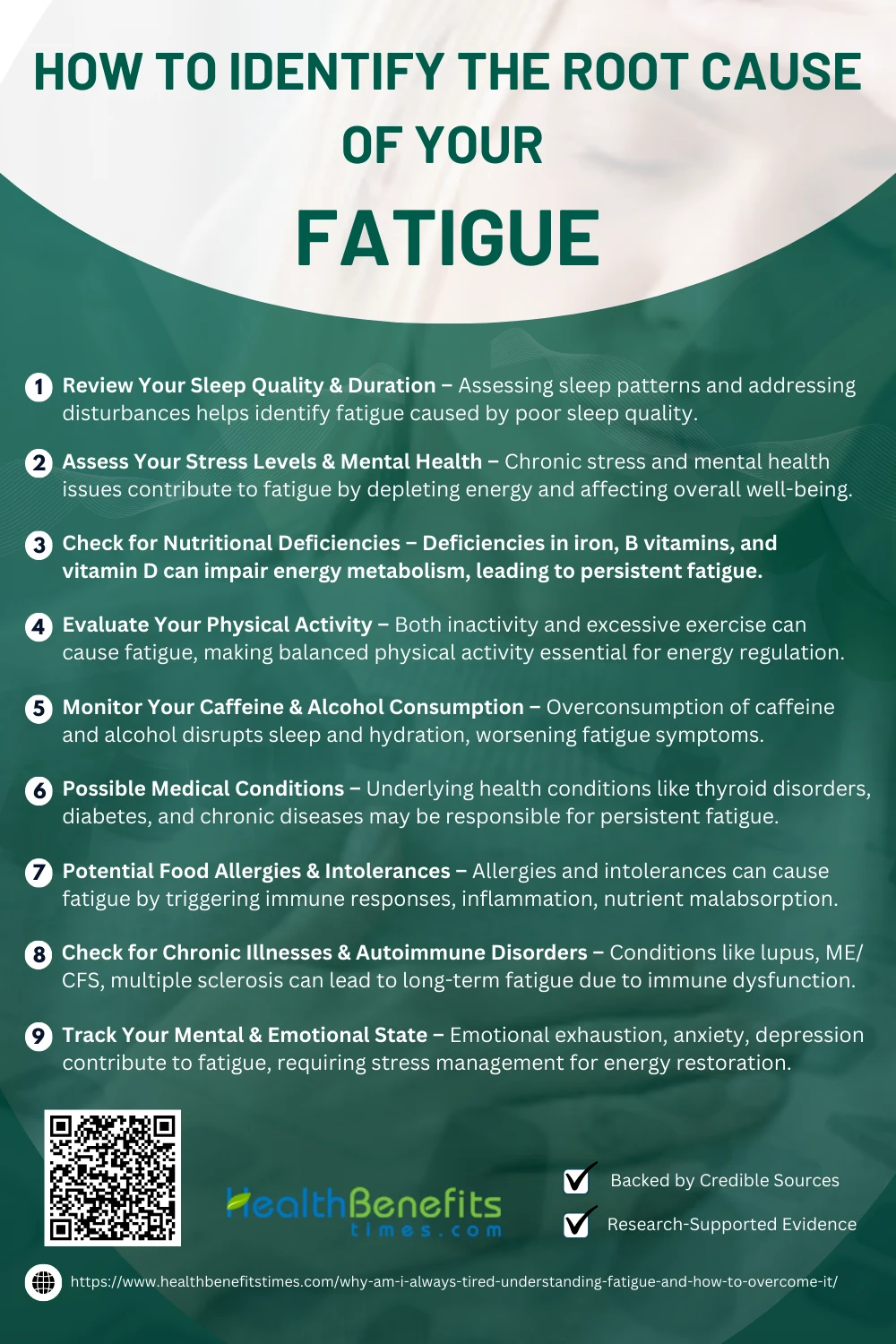
1. Review Your Sleep Quality & Duration
Sleep quality and duration play a crucial role in identifying the root cause of fatigue, as inadequate sleep can lead to severe physiological consequences, including prolonged wakefulness and circadian rhythm disturbances. (56) Evaluating sleep quality involves both subjective assessments and objective methods such as polysomnography and actigraphy, which provide reliable sleep parameter data. (57) Factors like pain, strenuous activity, and pre-existing medical conditions significantly impact sleep experiences, exacerbating fatigue. (58) Addressing lifestyle habits and underlying health issues can mitigate fatigue and improve sleep efficiency. (59)
2. Assess Your Stress Levels & Mental Health
Chronic stress and poor mental health are major contributors to fatigue, as prolonged exposure to stress activates the body’s alarm, resistance, and exhaustion stages, depleting energy levels. (60) Mental exhaustion can manifest as physical fatigue, affecting daily productivity and overall well-being. (61) Managing stress through relaxation techniques, social interactions, and a balanced diet helps combat fatigue effectively. (62) Engaging in activities like yoga, listening to music, and exercising can significantly reduce stress-related tiredness. (63)
3. Check for Nutritional Deficiencies
Nutritional deficiencies, particularly in iron, B vitamins, and vitamin D, are among the leading causes of persistent fatigue, affecting energy metabolism and red blood cell production. (64) Identifying deficiencies through blood tests helps pinpoint inadequate nutrient levels and guides dietary or supplement interventions. (65) Vitamin deficiency anemia, particularly due to low B12 and folate, can be diagnosed via comprehensive blood tests assessing red blood cell count and nutrient levels. (66) Addressing these deficiencies through a balanced diet and medical guidance can restore optimal energy levels and reduce fatigue. (67)
4. Evaluate Your Physical Activity
An imbalance in physical activity—either too little or excessive exercise—can contribute to fatigue, affecting energy levels and overall health. (68) Lack of exercise leads to reduced cardiovascular efficiency and muscle weakness, exacerbating tiredness. (69) Conversely, overtraining can lead to muscle fatigue, stress, and exhaustion if recovery periods are insufficient. (59) A balanced exercise routine, incorporating moderate physical activity, can help regulate energy levels and improve endurance. (70)
5. Monitor Your Caffeine & Alcohol Consumption
Excessive caffeine consumption can lead to dehydration, causing fatigue and dizziness due to its diuretic effects. (71) Similarly, alcohol disrupts sleep cycles and prevents deep sleep, leading to chronic tiredness. (72) Monitoring intake and staying hydrated can help mitigate fatigue symptoms. (59) Maintaining a balanced diet and limiting caffeine and alcohol intake promotes sustained energy levels throughout the day. (73)
6. Investigate Possible Medical Conditions
Chronic fatigue may indicate underlying medical conditions such as thyroid disorders, diabetes, chronic fatigue syndrome, or heart disease, requiring thorough medical evaluation. (59) Identifying fatigue-related causes involves lifestyle assessments, lab tests, and diagnostic screenings. (70) Fatigue may also stem from medication side effects or mental health issues such as depression. (68) Recognizing factors like sleep disorders and circadian disruptions further helps determine the root cause of persistent exhaustion. (74)
7. Look Into Potential Food Allergies & Intolerances
Food allergies and intolerances, such as gluten, lactose, and casein sensitivities, can contribute to chronic fatigue by triggering immune responses and inflammation. (75) Poor gut health and microbiome imbalances can exacerbate food intolerances, leading to nutrient malabsorption and energy depletion (82). (76) Conditions like celiac disease cause immune reactions that impair nutrient absorption, resulting in anemia and persistent fatigue. (77) Identifying allergens through elimination diets and testing can help manage symptoms and restore energy levels. (78)
8. Check for Chronic Illnesses & Autoimmune Disorders
Chronic illnesses and autoimmune disorders, such as lupus, multiple sclerosis, and rheumatoid arthritis, are leading causes of persistent fatigue due to immune system dysfunction. (79) Myalgic encephalomyelitis/chronic fatigue syndrome (ME/CFS) is another debilitating condition with unclear causes, possibly linked to infections and energy metabolism issues. (80) Diagnosing chronic fatigue involves ruling out other medical conditions through comprehensive lab tests and physical evaluations. (81) Managing autoimmune-related fatigue requires lifestyle adjustments, including prioritizing rest, proper nutrition, and regular physical activity. (82)
9. Track Your Mental & Emotional State
Emotional exhaustion and chronic stress significantly contribute to fatigue, often resulting from major life changes, financial stress, or caregiving responsibilities. (83) Mental health conditions such as depression, anxiety, and substance misuse disorders are also linked to persistent fatigue. (84) Prolonged emotional distress leads to mental and physical exhaustion, gradually depleting energy reserves. (85) Addressing underlying psychological stressors and implementing stress management strategies can help restore energy and well-being. (59)
Practical Strategies to Overcome Fatigue
Overcoming fatigue involves improving sleep, nutrition, exercise, and stress management. Implementing healthy habits and addressing underlying issues can restore energy levels and enhance overall well-being.
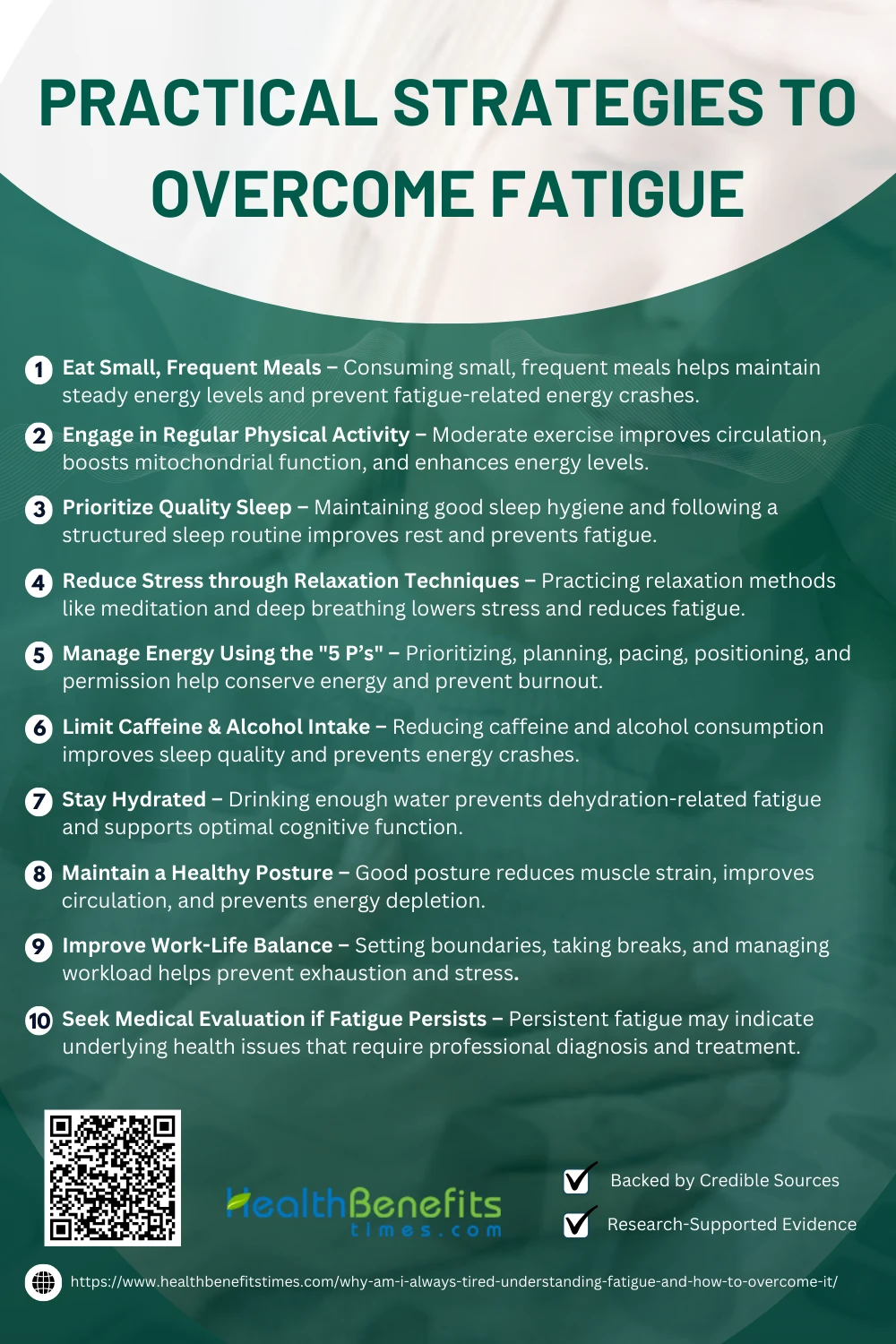
1. Eat Small, Frequent Meals
Eating small, frequent meals helps sustain energy levels by providing a steady nutrient supply to the brain, which has limited energy reserves. (86) A diet rich in whole grains, fruits, and healthy fats can further reduce fatigue and enhance stamina. (87) Studies suggest that consuming multiple smaller meals may help prevent energy crashes and maintain metabolic efficiency. (88) This approach also supports long-term vitality by stabilizing blood sugar levels and minimizing energy fluctuations.
2. Engage in Regular Physical Activity
Engaging in regular physical activity helps combat fatigue by boosting energy levels and improving overall bodily functions. (89) Exercise enhances oxygen circulation, supporting mitochondrial energy production and reducing exhaustion. (90) Even low-to-moderate intensity workouts, such as walking, can significantly improve stamina and reduce fatigue symptoms. (91) Additionally, regular activity lowers stress levels and improves sleep quality, further aiding in fatigue reduction. (92)
3. Prioritize Quality Sleep
Prioritizing quality sleep is essential for overcoming fatigue, as inadequate rest disrupts circadian rhythms and energy regulation. (56) Adults should aim for at least seven hours of sleep per night to maintain optimal cognitive and physical function. (93) Implementing the 10-3-2-1-0 sleep rule—limiting caffeine, food, and screen exposure before bed—can significantly enhance sleep quality. (94) Good sleep also supports immune function, hormone regulation, and metabolic efficiency, making it a crucial factor in sustained energy levels. (95)
4. Reduce Stress through Relaxation Techniques
Practicing relaxation techniques such as deep breathing, meditation, and yoga can significantly reduce stress and combat fatigue by activating the body’s relaxation response. (96) These techniques lower heart rate, blood pressure, and cortisol levels, helping to restore energy levels. (97) Engaging in mindfulness exercises and visualization further enhances relaxation, reducing stress-related exhaustion. (98) Prioritizing stress management through relaxation improves sleep quality and overall well-being, preventing chronic fatigue. (63)
5. Manage Energy Using the “5 P’s”
Managing energy using the 5 P’s—prioritizing, planning ahead, pacing yourself, positioning, and permission—helps overcome fatigue by optimizing daily activities and preventing burnout. (99) Prioritizing essential tasks conserves energy for meaningful activities, while pacing ensures sustainable effort without overexertion. (100) Proper positioning minimizes strain on muscles, reducing unnecessary energy depletion. (101) Lastly, granting oneself permission to rest prevents exhaustion and supports long-term well-being (109). (102)
6. Limit Caffeine & Alcohol Intake
Limiting caffeine and alcohol intake helps overcome fatigue by improving sleep quality and reducing energy crashes. The FDA recommends consuming less than 400 mg of caffeine per day, as excessive intake disrupts sleep and causes dependency-related fatigue. (103) Alcohol consumption, particularly within six hours of bedtime, interferes with sleep cycles and increases wakefulness at night. (104) Cutting back on caffeine and alcohol gradually can help restore natural energy levels and improve overall health. (63) Staying hydrated and choosing non-caffeinated alternatives further supports sustained energy throughout the day. (73)
7. Stay Hydrated
Staying hydrated is essential for overcoming fatigue, as even mild dehydration can lead to tiredness and reduced cognitive function. (73) Drinking enough water helps maintain energy levels and prevents dehydration-related symptoms like dizziness and weakness. (105) Hydration is especially important after exercise, as sweating depletes fluids and electrolytes needed for optimal performance. (63) While water alone won’t cure chronic fatigue, it plays a vital role in reducing its severity. (106)
8. Maintain a Healthy Posture
Maintaining a healthy posture helps reduce fatigue by minimizing muscle strain and improving oxygen circulation, which enhances energy levels and concentration. (107) Poor posture forces muscles to overcompensate, leading to unnecessary fatigue and discomfort. (108) Simple adjustments, such as aligning the spine and keeping shoulders relaxed, can prevent postural fatigue at work. (109) Regular movement breaks and ergonomic positioning also support long-term postural health. (110)
9. Improve Work-Life Balance
Improving work-life balance reduces fatigue by setting clear work hours, taking regular breaks, and prioritizing essential tasks to prevent burnout. (111) Scheduling time for physical activity and mental relaxation fosters sustained energy levels. (112) Establishing boundaries and avoiding excessive workload helps mitigate stress-induced exhaustion. (113) Implementing fatigue management strategies such as time-blocking and goal setting optimizes productivity without overwhelming mental and physical reserves. (114)
10. Seek Medical Evaluation if Fatigue Persists
Persistent fatigue may indicate an underlying medical condition such as chronic fatigue syndrome, thyroid disorders, or heart disease, requiring professional evaluation. (59) A doctor may order blood tests, hormone panels, and metabolic screenings to identify potential causes. (115) Consulting a healthcare provider helps determine whether lifestyle factors, medications, or medical conditions contribute to prolonged tiredness. (70) Early diagnosis and treatment can prevent worsening symptoms and improve overall energy levels. (116)
Lifestyle Changes for Sustained Energy and Long-Term Health
Sustaining energy requires long-term lifestyle changes, including balanced nutrition, regular exercise, quality sleep, and stress management. These habits support overall health and prevent chronic fatigue.
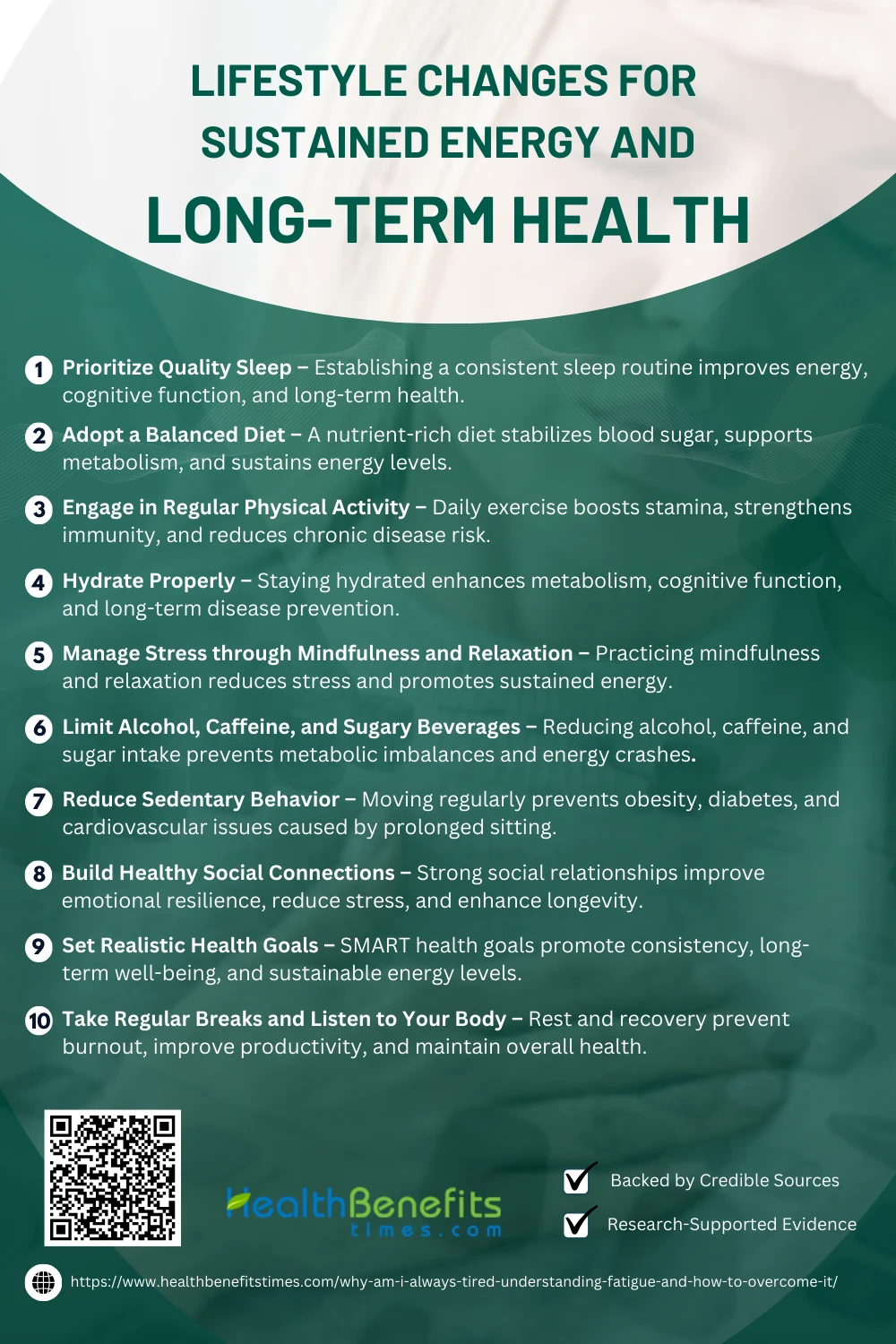
1. Prioritize Quality Sleep
Prioritizing quality sleep enhances sustained energy, cognitive function, and overall well-being by allowing the body to repair and restore itself. (117) Establishing a consistent sleep routine and reducing blue light exposure before bedtime improves sleep quality. (118) Optimal sleep duration, typically around seven hours, is linked to longevity and reduced health risks. (119) Following the 10-3-2-1-0 sleep rule—limiting caffeine, alcohol, and screen time before bed—promotes deeper rest and long-term health benefits. (94)
2. Adopt a Balanced Diet
Adopting a balanced diet rich in protein, fiber, and healthy fats helps sustain energy levels throughout the day by stabilizing blood sugar and supporting gut health. (120) Regular meals every three to four hours prevent energy crashes and enhance metabolic efficiency. (121) The Mediterranean diet, known for its longevity benefits, promotes heart health and long-term vitality. (122) A nutrient-dense diet reduces the risk of chronic diseases such as diabetes, heart disease, and cancer. (123)
3. Engage in Regular Physical Activity
Engaging in regular physical activity enhances sustained energy, improves cardiovascular health, and reduces the risk of chronic diseases like diabetes and heart disease. (124) At least 30 minutes of moderate exercise daily boosts stamina and mental well-being. (92) Consistent movement strengthens the immune system and lowers stress levels, contributing to long-term health. (125) Social benefits, such as improved mood and community engagement, further support lifelong wellness. (126)
4. Hydrate Properly
Proper hydration is essential for sustained energy and long-term health, as it supports metabolism, cognitive function, and temperature regulation. (127) Experts recommend drinking at least 8 glasses of water daily or using the body weight formula to determine individual hydration needs. (128) Chronic dehydration increases the risk of fatigue, kidney issues, and cardiovascular diseases. (129) Maintaining optimal hydration levels can promote healthy aging and disease prevention, reducing the likelihood of chronic illnesses. (130)
5. Manage Stress through Mindfulness and Relaxation
Practicing mindfulness and relaxation techniques reduces stress, enhances emotional resilience, and promotes sustained energy levels by calming the nervous system. (131) Mindfulness meditation decreases activity in the amygdala, lowering background stress levels and improving focus. (132) Long-term stress management through mindfulness prevents chronic illnesses like heart disease and high blood pressure. (133) Engaging in relaxation exercises like deep breathing and meditation improves psychological well-being and long-term health outcomes. (134)
6. Limit Alcohol, Caffeine, and Sugary Beverages
Limiting alcohol, caffeine, and sugary beverages promotes sustained energy and long-term health by preventing metabolic imbalances, sleep disturbances, and cardiovascular risks. (135) Excess caffeine intake, over 600 mg per day, contributes to bone loss, anxiety, and high blood pressure. Frequent consumption of sugary drinks increases the risk of obesity, type 2 diabetes, and heart disease. (136) Alcohol consumption exceeding six drinks per week is linked to long-term health risks, including liver disease and cardiovascular complications. (137) Energy drinks, which combine high caffeine and sugar, can exacerbate heart irregularities and dehydration. (138)
7. Reduce Sedentary Behavior
Reducing sedentary behavior enhances energy levels and prevents chronic diseases by incorporating at least 150 minutes of moderate-intensity exercise and muscle-strengthening activities twice weekly. (139) Prolonged sitting slows metabolism, increasing the risk of obesity, diabetes, and cardiovascular disease. (140) Standing and walking periodically during daily activities counteracts the adverse effects of inactivity. (141) A sedentary lifestyle also contributes to high blood pressure and metabolic syndrome, highlighting the importance of active habits. (142)
8. Build Healthy Social Connections
Building healthy social connections enhances emotional resilience, reduces stress, and promotes sustained energy by fostering a sense of belonging and support. (143) Engaging in meaningful relationships lowers the risk of chronic diseases like heart disease and stroke. (144) Spending quality time with family, volunteering, and joining community activities improve overall well-being. (145) Social support also contributes to a longer, healthier life by enhancing mood and reducing the impact of loneliness. (146)
9. Set Realistic Health Goals
Setting realistic health goals enhances sustained energy and long-term well-being by ensuring specific, measurable, and attainable objectives, such as exercising three times a week or maintaining a healthy BMI. (147) Breaking larger goals into smaller, manageable steps fosters long-term success. (148) Using the SMART criteria—Specific, Measurable, Attainable, Realistic, and Trackable—improves goal-setting effectiveness. (149) Long-term health objectives, such as improving sleep and managing stress, contribute to overall physical and mental well-being. (150)
10. Take Regular Breaks and Listen to Your Body
Taking regular breaks and listening to your body prevents burnout, enhances productivity, and promotes long-term health by reducing stress and improving energy levels. (151) Regular physical activity combined with adequate rest helps prevent chronic diseases like heart disease and diabetes while improving mental well-being. (124) Chronic stress without recovery increases the risk of sleep disorders, high blood pressure, and cognitive decline. (152) Rest days from intense physical activity allow muscle repair and optimal performance, supporting sustained energy. (153)
When to Seek Medical Help
Persistent fatigue lasting more than two weeks or accompanied by symptoms like weight loss, mood changes, or breathing difficulties requires medical evaluation. (72) Seek immediate help if fatigue is paired with chest pain, irregular heartbeat, or shortness of breath, as these could indicate serious conditions. (70) Fatigue can be an early warning sign of anemia, hypothyroidism, diabetes, or depression, warranting medical attention. (154) If exhaustion persists despite rest and lifestyle changes, it may be linked to chronic conditions like myalgic encephalomyelitis or kidney disease. (68) Consult a doctor if fatigue worsens, disrupts daily activities, or follows a recent infection. (155)
Conclusion
Understanding the causes of persistent fatigue is the first step toward reclaiming your energy and well-being. By identifying lifestyle factors, medical conditions, and environmental influences, you can take proactive steps to restore balance. Prioritizing quality sleep, maintaining a nutritious diet, staying active, and managing stress are essential for sustained energy. If fatigue persists despite these changes, seeking medical advice can help uncover underlying health issues. By making conscious lifestyle adjustments and addressing potential medical concerns, you can regain vitality and improve your overall quality of life.
Comments
comments