

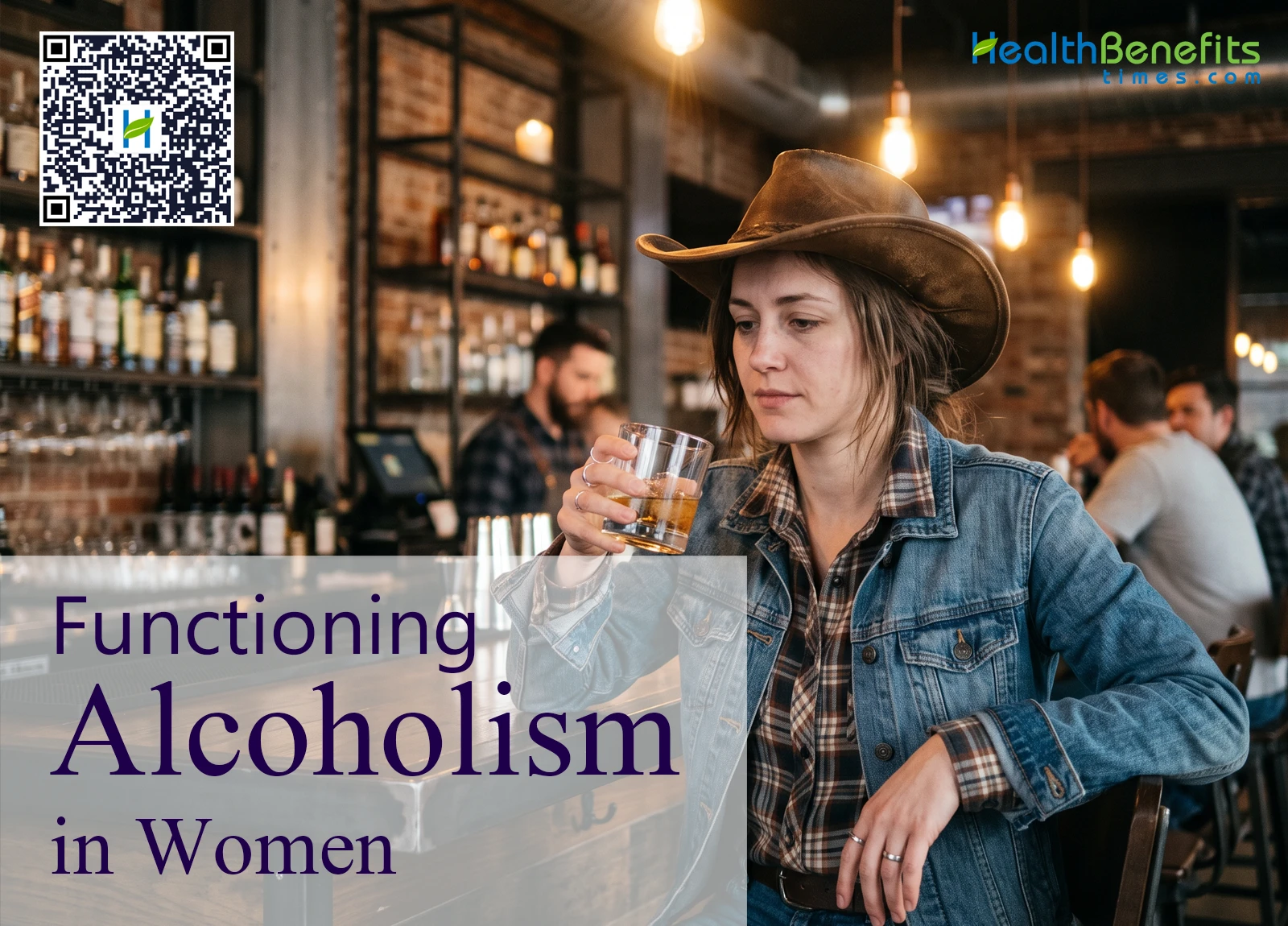
Often described as high-functioning alcoholism, this pattern isn’t a separate medical diagnosis. Instead, it refers to people who meet criteria for alcohol use disorder while continuing to function relatively well in everyday life. Recognizing the less obvious warning signs can help women seek support before drinking causes more serious consequences.
Drinking More Than Intended
Frequently consuming more alcohol than planned is one of the recognized symptoms of alcohol use disorder. A woman might intend to enjoy one glass of wine with dinner but routinely finish several, even after promising herself she would cut back.
When considering alcohol and your health, the ability to maintain a career or family responsibilities doesn’t necessarily indicate that drinking habits are harmless. Alcohol can affect sleep, blood pressure, liver function and mental well-being long before noticeable problems interfere with daily life.
Women are also generally more vulnerable than men to certain alcohol-related effects at comparable consumption levels because of differences in body composition and alcohol metabolism.
Repeatedly setting drinking limits and struggling to follow them deserves attention, particularly when alcohol consumption gradually increases over time.
Using Alcohol to Manage Stress
Relying on alcohol to unwind can become problematic when drinking feels necessary rather than optional. Women balancing professional responsibilities, caregiving and household demands may begin associating alcohol with relief from overwhelming schedules.
A nightly glass of wine isn’t automatically evidence of addiction. However, feeling unusually irritable, anxious or uncomfortable when alcohol isn’t available may suggest that drinking has become an important emotional coping mechanism.
Alcohol temporarily affects brain chemicals involved in relaxation, but its effects can contribute to rebound anxiety and disrupted sleep. This creates a difficult cycle in which drinking provides short-term relief while potentially worsening the symptoms that prompted it.
Women may also begin planning their evenings around alcohol, declining activities that interfere with drinking or feeling preoccupied with when they can have their next drink.
Keeping Drinking Habits Private
Concealing alcohol consumption can indicate growing discomfort with drinking habits. Some women minimize how much they consume, avoid discussing their drinking or deliberately drink alone to prevent others from noticing.
Others may maintain an entirely different public image. They might rarely drink at social events while consuming considerably more alcohol at home, making it difficult for friends and relatives to recognize a problem.
Secrecy can also involve hiding bottles, purchasing alcohol from different stores or becoming defensive when someone expresses concern.
Not every woman who drinks privately has alcohol use disorder. The more meaningful warning sign is a persistent effort to conceal consumption because of guilt, embarrassment or concern about how others might respond.
When secrecy accompanies increasing alcohol intake or unsuccessful attempts to cut back, professional assessment may be appropriate.
Experiencing Subtle Physical Changes
Alcohol-related symptoms can develop gradually, making them easy to attribute to stress, aging or an overly demanding schedule. Frequent nighttime awakenings, morning fatigue, headaches and digestive discomfort may accompany regular drinking.
Some women notice increased anxiety, irritability or difficulty concentrating, particularly after evenings involving alcohol. Others develop tolerance, meaning they need larger amounts to experience effects that previously occurred after fewer drinks.
Tolerance is a recognized symptom of alcohol use disorder, although it doesn’t establish a diagnosis by itself.
Physical dependence can also develop with sustained heavy drinking. Symptoms such as sweating, trembling, nausea or anxiety when alcohol wears off may indicate withdrawal.
Because alcohol withdrawal can become medically dangerous, women experiencing these symptoms should seek medical advice rather than attempting to stop abruptly without supervision.
Maintaining Success While Struggling
Professional achievement and family stability can sometimes make alcohol-related problems easier to dismiss. A woman who consistently meets deadlines, maintains relationships and manages household responsibilities may assume her drinking cannot be serious. However, alcohol use disorder is diagnosed according to patterns of behavior and their consequences, not employment status or outward appearance.
Continuing to drink despite recognizing physical or psychological problems is an important warning sign. So is spending increasing amounts of time drinking, recovering from alcohol’s effects or thinking about the next opportunity to consume it.
Some women compensate for these difficulties by working harder, maintaining strict routines or concealing exhaustion from colleagues and family members. Outward success doesn’t cancel out the potential health risks associated with problematic drinking.
When Drinking Becomes a Daily Routine
Regular drinking can gradually become so familiar that women stop questioning how often or why they consume alcohol. A cocktail while preparing dinner, wine during a television show or drinks after putting the children to bed may eventually feel like essential parts of the evening.
The frequency of drinking alone doesn’t determine whether someone has alcohol use disorder, but patterns deserve attention when alcohol becomes difficult to skip. Women who feel disappointed, restless or unusually preoccupied with drinking on alcohol-free days may be developing an unhealthy relationship with alcohol.
Keeping a drinking diary can help identify consumption patterns that are easy to underestimate. Recording the number of drinks, reasons for drinking and associated emotions provides a clearer picture of alcohol’s role in everyday life. It also helps women recognize whether drinking has shifted from an occasional pleasure to a habit that feels increasingly difficult to control.
Recognizing When Treatment Is Needed
Alcohol use disorder exists on a spectrum ranging from mild to severe. Women don’t need to experience job loss, relationship breakdown or a medical emergency before seeking professional guidance.
A healthcare provider can assess drinking patterns, discuss symptoms and recommend appropriate treatment. Options may include individual counseling, medication, peer support groups and structured addiction programs.
For women exploring rehab for women in Austin, TX, Orlando, FL or Raleigh, NC, evaluating medical supervision, mental health services and individualized treatment approaches can help identify appropriate care.
Treatment should also address coexisting concerns such as anxiety, depression or trauma when relevant. Women who have developed physical dependence may require medically supervised withdrawal before beginning ongoing treatment.
High-functioning alcoholism can remain overlooked precisely because daily life appears manageable. Recognizing changes in drinking habits, emotional dependence and physical well-being offers an opportunity to seek help before the consequences become more severe. A woman doesn’t have to lose control of her life to acknowledge that alcohol has become a problem.
Comments
comments