

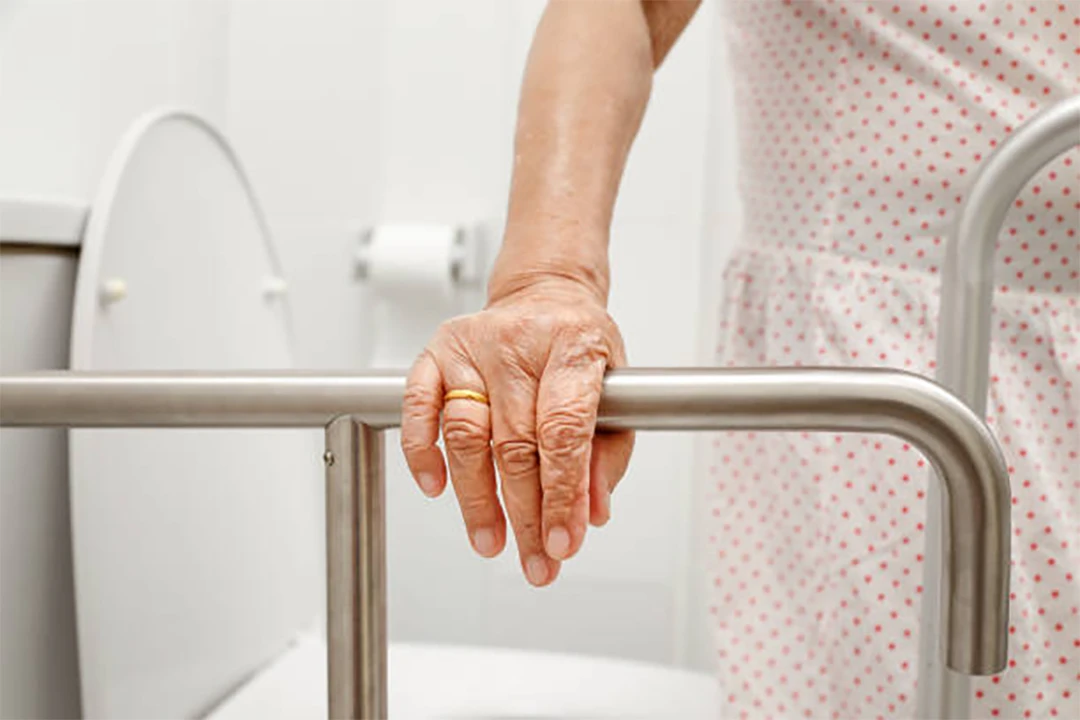
As we age, the way we interact with our environment changes significantly. Tasks that were once simple—getting out of bed, using the bathroom, or even walking down the hall—can become daily challenges. For older adults, maintaining mobility isn’t just about staying active; it’s central to preserving independence, dignity, and overall well-being. Safe mobility enables seniors to continue participating in their communities, managing self-care, and enjoying a higher quality of life.
Understanding the Connection Between Mobility and Wellness
Mobility is more than just movement—it’s a crucial indicator of overall health in older adults. Restricted movement can often lead to a domino effect of health concerns: muscle atrophy, balance issues, social isolation, and mental health decline.
According to studies from the World Health Organisation, physical inactivity is one of the leading risk factors for global mortality, especially among older populations. Maintaining mobility reduces the risk of falls—the leading cause of injury-related deaths in people over 65—and helps manage or prevent conditions such as osteoporosis, arthritis, and cardiovascular disease.
Moreover, safe mobility supports mental wellness. When individuals can move about with confidence, they are more likely to engage in social activities, fostering a sense of purpose and belonging that significantly contributes to emotional and psychological health.
Common Barriers to Safe Mobility in Later Life
There are a variety of obstacles that can hinder safe movement for the elderly:
- Physical limitations such as joint pain, muscle weakness, or neurological disorders like Parkinson’s disease
- Environmental hazards in the home, such as loose rugs, poor lighting, or stairs without proper handrails
- Inadequate access to suitable equipment or aids tailored to individual mobility needs
- A reluctance to use mobility aids due to stigma or lack of awareness about available solutions
Identifying and addressing these barriers is crucial for ensuring older adults can remain safe and self-reliant.
Practical Steps to Improve Safe Mobility
Fortunately, there are several proactive measures that can help older individuals and their caregivers support mobility safely:
Home Modifications
Adjusting the living environment is often the first and most effective step. This includes:
- Installing grab bars in bathrooms and beside toilets
- Removing trip hazards like loose mats or cluttered walkways
- Ensuring good lighting throughout the home
- Adding ramps or stairlifts where needed
Personalised Mobility Aids
From walking frames to shower chairs, personalised equipment can make everyday activities more manageable and safer. These tools are especially important in reducing falls and assisting with transitions between sitting and standing positions.
Care should be taken to select aids that match the user’s strength, balance, and lifestyle. A mobility assessment from a qualified professional can help guide these choices effectively.
Strength and Balance Exercises
Exercise programmes tailored for older adults—such as tai chi, water aerobics, or strength training—are essential for maintaining muscle tone and improving balance. Regular physical activity also helps with bone density and flexibility, both of which are vital in fall prevention.
Even low-impact exercises done at home can yield noticeable improvements in coordination and confidence when moving about.
The Role of Caregivers and Support Networks
Caregivers play a pivotal role in encouraging and facilitating safe mobility. Whether it’s by helping with daily routines, accompanying someone on walks, or ensuring proper use of equipment, their support can make all the difference.
Education and open communication are key. When caregivers understand the importance of mobility and the risks associated with inactivity, they are better positioned to advocate for and implement effective mobility solutions.
In this context, sourcing the right equipment becomes a vital aspect of care. Many families turn to providers that specialise in aged care, hospital, and disability equipment to find aids that are both functional and user-friendly. One such provider is this specialist in aged care and mobility aids, which offers a wide range of solutions designed to support safe and independent living.
Embracing a Holistic Approach to Ageing Well
Promoting mobility in later life isn’t just about installing rails or issuing walking sticks—it’s about creating an environment that values autonomy and supports holistic wellness. When mobility is prioritised, it empowers individuals to maintain control over their lives, contributing significantly to their happiness and self-esteem.
As we look ahead to an ageing population, families, communities, and policymakers alike must take mobility into account as a foundational aspect of elderly care. Encouraging physical activity, providing the right tools, and fostering supportive environments will ensure that our later years can be lived with dignity, safety, and vitality.
Comments
comments