

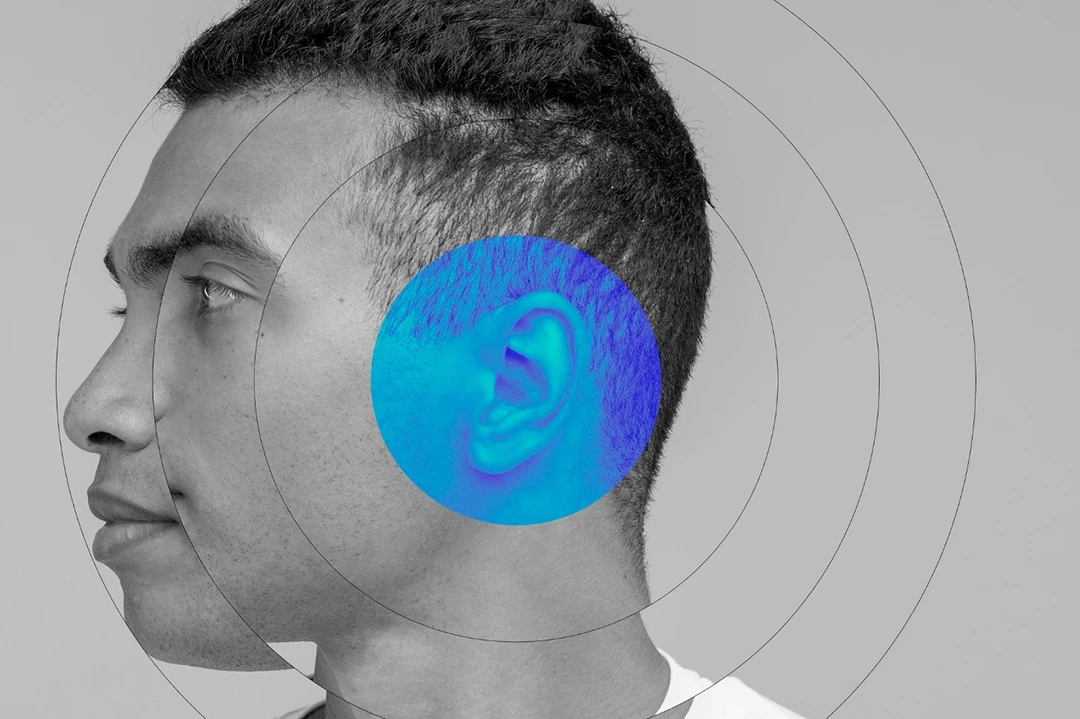
 Hearing loss is commonly associated with aging or heredity, and may happen on its own without any other ongoing medical conditions involved. However, some medical conditions can also cause hearing loss. While some of these conditions are more common in older adults, others are more likely to affect children and cause hearing loss at an early age.
If you have concerns about a medical condition associated with hearing loss, consider booking an appointment with an independent audiologist to examine your hearing. You can find more information about hearing loss, hearing exams, and how a hearing aid can help at TorontoHearing.ca.
Hearing loss may not be the primary symptom of every medical condition listed below, but each condition has been associated with hearing loss within medical research.
#1 Otosclerosis
Otosclerosis is a condition that involves abnormal bone growth in the middle or inner ear. Irregular bone remodelling is the result of a lifelong process wherein one tissue repeatedly restores itself, eventually interfering with the ability of sound to travel through your ear.
Otosclerosis can result in mild to severe hearing loss, although the condition rarely results in total deafness. Otosclerosis most often occurs in adults between the ages of 20 and 45. In addition to hearing loss, symptoms of otosclerosis include vertigo, balance issues, dizziness, and tinnitus.
#2 Traumatic Brain Injury (TBI)
Physical head injuries that involve damage to the middle ear or perforation of the eardrum can lead to permanent hearing loss. More visible wounds tend to take medical priority following a traumatic brain injury, and hearing loss may go undiagnosed following such an injury. In some cases, hearing loss can be mistaken for cognitive issues following TBI.
Traumatic brain injuries are the result of external force and may be caused by car crashes, traffic accidents, falls, falling objects, workplace accidents, and assault.
#3 Presbycusis
Presbycusis is a type of sensorineural hearing loss where the inner ear or hearing nerve becomes damaged, and refers to bilateral age-related hearing loss. Presbycusis is age-related hearing loss, and the most common type of hearing loss worldwide.
One of the most common symptoms of presbycusis is an impaired ability to understand high-frequency components of speech, meaning the individual may miss sounds, including voiceless consonants, such as “p,” “f,” “k,” “s,” and “ch.”
#4 Ménière’s Disease
Ménière’s Disease is a balance disorder caused by fluid building up in the inner ear. Ménière’s Disease’s causes severe spinning, known as vertigo, and may also impact hearing.
The fluid buildup that leads to vertigo and hearing loss may be the result of:
- Head injuries,
- Allergies,
- Abnormal immune system responses,
- Genetics,
- Fluid drainage caused by a blockage,
- Migraines,
- Or viral infection.
Adults in their 40s and 50s are most at risk for Ménière’s Disease. In addition to hearing loss, the disease can cause severe vertigo, resulting in nausea, vomiting, sweating, tinnitus, loss of balance, and consistent headaches.
Credit: Freepik via Freepik
#5 Acoustic Neuroma
Also known as vestibular schwannoma, acoustic neuromas are noncancerous tumours that form in the cranial nerve, specifically along the branches of the eighth cranial nerve, which connects the brain to the inner ear and controls both hearing and balance.
Acoustic neuromas occur within Schwann cells, which support nerve cells. While schwannomas can occur on any of the cranial nerves, they most commonly appear on acoustic neuromas. Neuromas are slow-growing, and many do not grow at all. However, they push against surrounding structures, compressing nerves attached to parts of the face that control speaking, eye movements, and other functions. Even non-growing acoustic neuromas lead to hearing loss and balance issues.
#6 Measles
Sensorineural hearing loss following a case of measles is one of the better-known causes of acquired hearing loss in children. Ear infections are common with measles. Permanent damage resulting from one of these infections is rarer, but it is a possibility.
Measles-induced hearing loss is a threat primarily to children under the age of five, and the best preventative action that parents can take is vaccination against measles. Hearing aids can be an effective treatment for children who have acquired hearing loss.
#7 Autoimmune Inner Ear Disease
Autoimmune disorders are the result of an abnormal autoimmune response where the body attacks itself. In this case, AIED is the result of the autoimmune system attacking cells in the inner ear that it has mistaken for a virus or bacteria.
Autoimmune inner ear disease is a relatively rare disease, affecting only 1% of people with hearing loss, but it can occur rapidly. Medical treatment is available to limit the impacts of AIED.
#8 Diabetes
Diabetes is a complex disorder. The condition is primarily associated with an excess in blood sugar, and a number of symptoms and disorders associated with the condition, including fatigue, blurry vision, and more frequent infections. Over time, diabetes also causes damage to blood vessels in the nerves.
Hearing loss is another potential complication that comes with diabetes, albeit an under-recognized one. Medical studies have found that adults with diabetes are twice as likely to experience hearing loss as those without. The correlation is significant enough that many adults with diabetes should consider getting their hearing tested regularly to monitor for hearing loss.
One potential cause for the relationship between diabetes and hearing loss is damage to the nerves and blood vessels in the inner ear. Diabetes is already known to damage blood vessels in the eyes, heart, and kidneys.
Other Causes of Hearing Loss
Ongoing medical conditions are not the only sources of hearing loss. Hearing loss is also commonly caused by exposure to very loud noise (either on an ongoing basis due to the nature of one’s employment or sudden bursts of loud noise) and the use of ototoxic drugs (including some cancer medications and antibiotics). Wax buildup can also cause temporary hearing loss, however, impacted wax can be medically removed using micro-suction or electronically-controlled flushing.
Hearing loss can be treated. Hearing aids will help restore your hearing and your confidence in social situations, at work, and at home. Hearing aids will improve your concentration and remove the stress and frustration that comes with trying to follow conversations in loud or busy environments.