

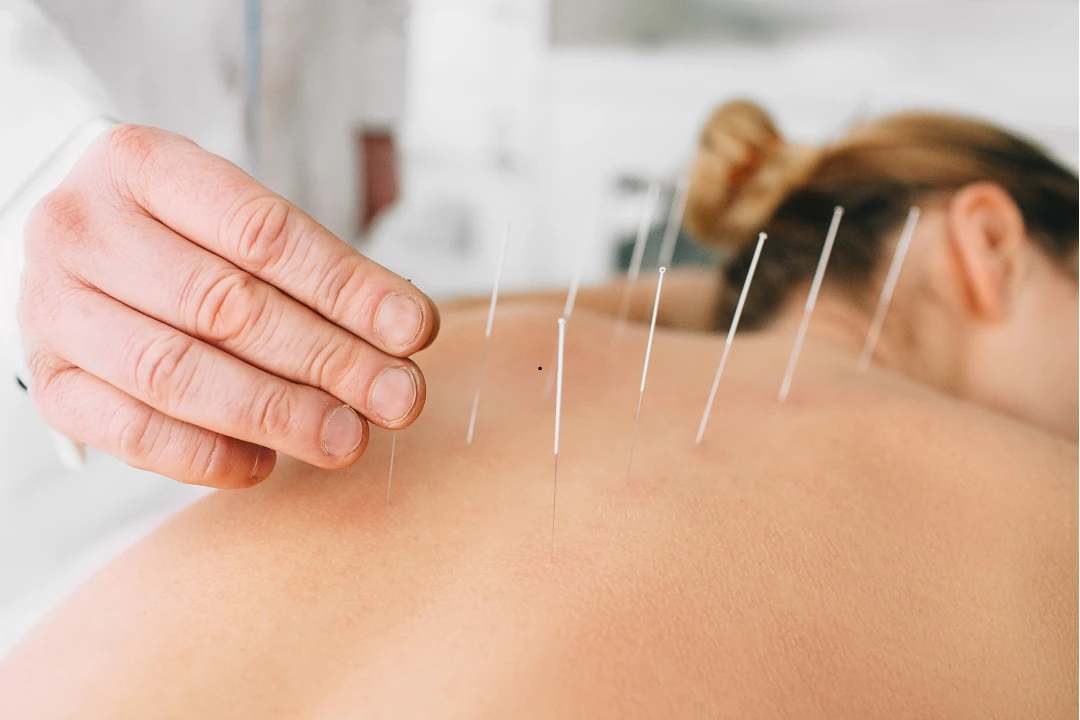
If you’re considering acupuncture in Ottawa but feel nervous or have questions, you’re not alone. Many first-time patients approach it with curiosity mixed with hesitation. Is it painful? Is it safe? Does it even work? These are natural concerns, especially when you’re about to try something rooted in both ancient traditions and modern science.
At its core, acupuncture involves inserting ultra-thin needles into specific points on the body. From a Traditional Chinese Medicine (TCM) perspective, this balances the flow of Qi—your body’s vital energy—along pathways called meridians. From a Western scientific perspective, acupuncture stimulates nerves, muscles, and connective tissues, triggering the release of natural painkillers and promoting healing responses.
This article will walk you through the nine most common concerns about acupuncture, using real-world explanations, research-backed evidence, and relatable examples. By the end, you’ll have the clarity needed to decide whether this therapy is right for you.
1. Does Acupuncture Hurt?
- The Truth About Pain: Acupuncture needles are hair-thin—about 20 times thinner than the needles used for blood tests. Most people barely feel the insertion.
- What It Feels Like: Some describe a dull ache, tingling, or heaviness around the area. In TCM, this sensation is called De Qi, considered a sign that the treatment is working.
- The Experience: Many patients find the process surprisingly relaxing, with some even dozing off mid-session.
Story: One Ottawa student shared that her fear of needles nearly kept her from trying acupuncture for exam-related migraines. After her first session, she laughed at how minimal the discomfort was and appreciated the calm environment.
2. Is Acupuncture Safe?
- When Done by Professionals: Acupuncture is very safe when performed by a licensed practitioner using sterile, single-use needles.
- Minor Side Effects: Mild bruising, slight soreness, or temporary fatigue may occur but typically resolve within 24 hours.
- Rare Risks: Serious complications are extremely rare and avoided when working with certified professionals.
Tip for Ottawa Residents: Always verify that your practitioner is registered with a recognized regulatory body in Ontario.
3. Does It Actually Work?
- Research Says Yes: According to the National Institutes of Health (NIH) and the World Health Organization (WHO), acupuncture is effective for conditions such as:
- Chronic pain (back, neck, arthritis)
- Migraines
- Post-surgical recovery
- The Science: Needles stimulate nerves, prompting the brain to release endorphins (the body’s natural painkillers) and improve circulation.
Local Relevance: With Ottawa’s active lifestyle—from skating on the Rideau Canal to weekend hiking in Gatineau Park—many residents seek acupuncture in Ottawa as a drug-free way to manage pain and support recovery.
4. How Does Acupuncture Work? (Scientifically & Philosophically)
- Traditional Chinese Medicine: Acupuncture balances Qi along meridians to restore harmony in the body.
- Western Medicine: Needle stimulation activates the nervous system, improving communication between the brain and body, reducing inflammation, and promoting tissue repair.
Think of it like this: TCM explains “why” in terms of energy flow, while modern science explains “how” in terms of biology and neurology.
5. What About Infections or Needle Reuse?
- Safety First: Licensed acupuncturists in Ottawa use pre-packaged, sterile, single-use needles. After treatment, these are disposed of in medical sharps containers.
- Zero-Tolerance Policy: This process eliminates risks of infection or cross-contamination.
If you ever feel unsure, it’s perfectly fine to ask your practitioner to show you how they open and dispose of needles—it’s part of informed healthcare.
6. How Many Sessions Will I Need?
- It Depends: Your condition, its severity, and your body’s response all matter.
- General Guidelines:
- Acute issues (like a sprained ankle): 2–4 sessions may bring relief.
- Chronic issues (like arthritis): Often 6–12 sessions are recommended, with maintenance afterward.
- Personalized Plans: Your practitioner will reassess progress at each stage.
Story: A Carleton University student managing stress-related insomnia noticed better sleep after four sessions, but continued with bi-weekly treatments during exams for ongoing balance.
7. Is It Covered by Insurance?
- Check Your Policy: Many extended health plans in Canada, including those in Ottawa, partially cover acupuncture.
- Requirements: Some plans require the acupuncturist to be licensed or for the service to be billed under a medical doctor or physiotherapist.
- Practical Step: Call your insurance provider before booking to avoid surprises.
8. What Should I Expect During a Session?
- Initial Visit: A detailed discussion of your health history, lifestyle, and goals.
- The Treatment:
- Needle insertion at carefully chosen points
- Needles remain for 20–30 minutes
- A calm setting often with soothing music
- Aftercare: Some patients feel energized, while others feel relaxed enough to nap afterward.
It’s not unusual to walk out of your appointment feeling lighter and clearer—mentally and physically.
9. Who Should Avoid Acupuncture?
- Consult Your Doctor First If You:
- Have a bleeding disorder
- Are taking blood thinners
- Have a pacemaker (some acupuncture involves mild electrical stimulation)
- Are pregnant (certain points may trigger uterine contractions)
- Responsible Practice: A trustworthy practitioner will ask about your medical history before starting treatment.
Conclusion: The Path to Wellness
Acupuncture may seem mysterious at first, but when the myths are stripped away, it reveals itself as a safe, science-backed, and time-honored therapy. For Ottawa residents, it’s an opportunity to combine traditional wisdom with modern wellness goals.
Key Takeaways:
- Acupuncture is not painful and is generally safe with licensed practitioners.
- It’s backed by research for chronic pain, migraines, and other conditions.
- Treatment plans are personalized, and insurance may cover part of the cost.
- Understanding both TCM philosophy and Western science helps bridge the gap.
If you’re curious, the best next step is to book a consultation. Clinics such as Physiocare Physiotherapy & Rehab Centre in Ottawa integrate acupuncture with physiotherapy in Ottawa, offering a holistic approach to pain relief and recovery.
Wellness is not about quick fixes—it’s about informed choices and sustainable care. Acupuncture, when understood and trusted, can be one of those empowering choices.
References
- National Institutes of Health – National Center for Complementary and Integrative Health (NCCIH)
- World Health Organization: Acupuncture: Review and Analysis of Reports on Controlled Clinical Trials
- Mayo Clinic: Acupuncture Overview
- Canadian Physiotherapy Association: Integrating Acupuncture in Clinical Practice