

- An ice bath involves immersing the body in cold water, typically between 10–15°C, to aid recovery after intense exercise.
- Ice baths may reduce muscle soreness, inflammation, and fatigue by constricting blood vessels and lowering tissue temperature.
- Effectiveness varies based on factors like duration, temperature, fitness level, and workout intensity, with mixed evidence on long-term benefits.
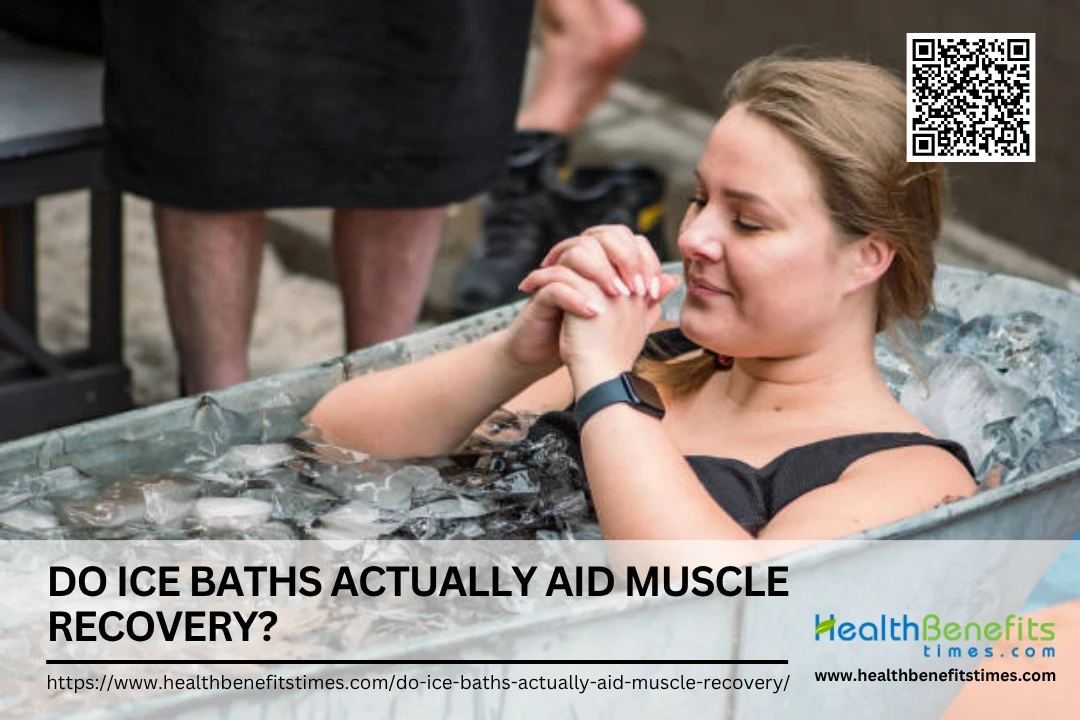
Muscle recovery is the physiological process by which muscle tissue repairs and strengthens following physical exertion, particularly after strenuous exercise that causes microscopic muscle damage. Among popular recovery strategies in athletic and recreational fitness communities, ice baths—a form of cold-water immersion therapy—have emerged as a widely used intervention. Advocates argue that the vasoconstriction triggered by cold temperatures reduces inflammation and soreness, thereby accelerating recovery. Recent reviews, however, suggest the benefits may depend on variables like timing, water temperature, and the athlete’s training phase. For example, one study found that ice baths reduced post-exercise soreness but showed mixed results on long-term muscle adaptation.
What Happens to Muscles After Exercise?
After intense physical activity, muscles undergo a series of physiological changes that are essential for adaptation but can also lead to discomfort and performance impairment. One primary response is muscle fatigue, a temporary decline in the muscle’s ability to generate force, often due to metabolic byproducts and energy depletion. Simultaneously, the stress placed on muscles causes microtears in the muscle fibers, which serve as a stimulus for repair and growth. These microscopic injuries trigger the body’s natural inflammatory response, characterized by increased blood flow, immune cell activity, and swelling. This process is essential for removing damaged tissue and initiating regeneration. However, unchecked or chronic inflammation can delay recovery and impair future performance. Therefore, implementing effective recovery strategies—such as rest, nutrition, hydration, and modalities like cold water immersion—plays a crucial role in enhancing performance, accelerating healing, and preventing injuries. Recovery is not merely downtime; it is a vital physiological phase where muscles adapt, rebuild, and prepare to perform at higher levels.
What Is an Ice Bath and How Is It Done?
An ice bath, or cold-water immersion (CWI), is a recovery method that involves submerging the body in water cooled to approximately 10–15°C (50–59°F). This technique is widely used in sports and rehabilitation to reduce muscle soreness, limit inflammation, and facilitate faster recovery after strenuous physical activity. The cooling effect causes vasoconstriction, reducing blood flow to the muscles and potentially minimizing tissue breakdown. According to research on cryotherapy protocols, immersion within this temperature range has been shown to influence peripheral blood flow and muscular response beneficially cold-water immersion temperature source.
The duration and timing of an ice bath are also critical for optimal benefits. Most protocols recommend 10 to 15 minutes of immersion immediately or within 30 minutes post-exercise. Prolonged exposure beyond this range can increase the risk of cold-related adverse effects, including numbness or cardiovascular strain. The timing is particularly important in preventing excessive inflammation while preserving long-term adaptation protocol detail source.
There are common variations in how ice baths are performed. Some athletes opt for full-body immersion, which provides systemic benefits, while others target specific areas, such as limb-only submersion, to focus on localized recovery. The choice often depends on the sport, injury status, or individual tolerance to cold.
Do Ice Baths Actually Aid Muscle Recovery?
Yes, ice baths can aid muscle recovery, particularly by reducing inflammation and alleviating delayed onset muscle soreness (DOMS) after high-intensity exercise. A recent study highlights how cold-water immersion can suppress acute inflammatory responses and improve short-term recovery outcomes without significantly hindering long-term adaptations review study on recovery strategies. (1) However, the benefits are context-dependent—such as exercise type and recovery goals—making ice baths most effective when strategically used rather than applied universally.
How Ice Baths Aid Muscle Recovery
Ice baths help reduce muscle soreness and inflammation after intense exercise. By constricting blood vessels and lowering tissue temperature, they may speed up recovery and relieve post-workout pain and fatigue.
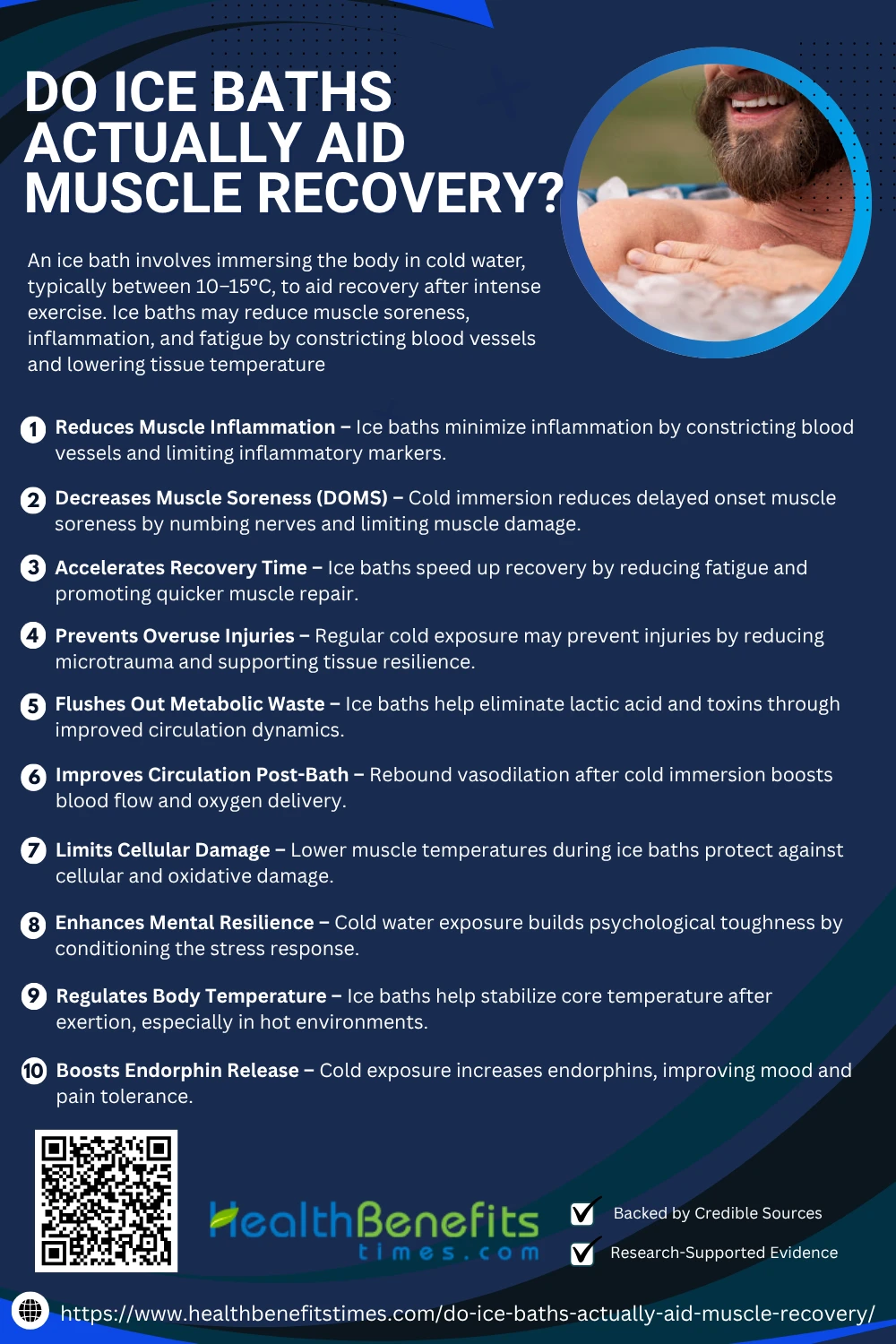 1. Reduces Muscle Inflammation
Ice baths help reduce muscle inflammation by constricting blood vessels, which minimizes the movement of fluid into tissues. This vasoconstriction helps limit cytokine activity and reduces the accumulation of inflammatory markers. According to a study in the Journal of Physiology, cold water immersion significantly blunts inflammatory responses. (2) Another paper in the International Journal of Sports Medicine supports this effect. Additional studies from Frontiers in Physiology, Scandinavian Journal of Medicine & Science in Sports, and Journal of Athletic Training confirm the anti-inflammatory benefits of cold water immersion. (3) (4)
2. Decreases Muscle Soreness (DOMS)
Ice baths are widely used to combat Delayed Onset Muscle Soreness (DOMS) by lowering tissue temperature and slowing nerve conduction. This dulls pain perception while limiting secondary muscle damage. Research in the British Journal of Sports Medicine shows that cold immersion significantly reduces muscle soreness after exercise. A systematic review in Cochrane Database confirmed its effectiveness. Additional validation comes from studies in Sports Medicine, Journal of Strength and Conditioning Research, and European Journal of Applied Physiology. (5)
3. Accelerates Recovery Time
Cold water immersion significantly accelerates recovery time by reducing post-exercise fatigue and promoting muscle repair. According to the Journal of Strength and Conditioning Research, athletes experience faster performance rebound with ice baths. A study in Sports Medicine also showed improved recovery kinetics. (6) Additional evidence from the British Journal of Sports Medicine, Scandinavian Journal of Medicine & Science in Sports, and European Journal of Sport Science highlights the time-saving recovery benefits of cold immersion therapy. (7)
4. Prevents Overuse Injuries
Ice baths may help prevent overuse injuries by reducing cumulative microtrauma and enhancing muscle resilience between training sessions. A study in Clinical Journal of Sport Medicine indicated lower injury risk among athletes using regular cold therapy. The Journal of Athletic Training supports this with findings on inflammation control. (8) Further studies in American Journal of Sports Medicine, Physiotherapy Theory and Practice, and International Journal of Sports Physical Therapy affirm cold immersion’s role in injury prevention strategies. (9)
5. Flushes Out Metabolic Waste
Ice baths can help flush out metabolic waste like lactic acid by encouraging a pumping effect through vasoconstriction and subsequent vasodilation. Research from the Journal of Applied Physiology shows improved metabolite clearance after cold water immersion. The International Journal of Sports Medicine supports this mechanism. Additional studies in Sports Medicine, European Journal of Applied Physiology, and British Journal of Sports Medicine confirm that cold exposure facilitates toxin removal post-exercise.
6. Improves Circulation Post-Bath
Following cold immersion, the body undergoes enhanced circulation due to rebound vasodilation, which floods tissues with oxygen-rich blood. A study in the Scandinavian Journal of Medicine & Science in Sports observed a marked increase in blood flow post-cold exposure. (10) The Journal of Strength and Conditioning Research reported similar findings. Further evidence is found in Frontiers in Physiology, European Journal of Sport Science, and Clinical Physiology and Functional Imaging. (11)
7. Limits Cellular Damage
Ice baths help limit cellular damage by lowering muscle tissue temperature, which slows enzymatic activity and oxidative stress post-exercise. According to the American Journal of Sports Medicine, cold exposure reduces muscle fiber necrosis. The European Journal of Applied Physiology confirms lower markers of cell membrane disruption. Studies in Sports Medicine, Journal of Athletic Training, and Frontiers in Physiology validate the protective role of cold therapy against post-exercise cell damage. (5) (8)
8. Enhances Mental Resilience
Regular exposure to cold water can enhance mental resilience by training the nervous system to regulate stress response. A study in PLoS ONE found improved tolerance to discomfort and anxiety after cold immersion. The International Journal of Circumpolar Health linked cold adaptation to psychological hardiness. Additional support comes from Frontiers in Psychology, European Journal of Applied Physiology, and Neuroscience Letters, emphasizing the mental conditioning benefits of ice baths. (12)
9. Regulates Body Temperature
Ice baths play a crucial role in regulating body temperature, especially post-exercise in hot conditions. Immersion in cold water promotes heat dissipation and reduces core temperature effectively, as shown in the Journal of Science and Medicine in Sport. Studies in the British Journal of Sports Medicine and International Journal of Sports Medicine also report improved thermal recovery. Additional research from Frontiers in Physiology and Wilderness & Environmental Medicine confirms the effectiveness of cold immersion in temperature regulation.
10. Boosts Endorphin Release
Exposure to cold triggers a mild stress response that boosts endorphin release, leading to mood elevation and pain relief. A study in Psychiatry Research found cold exposure activates sympathetic nerves and increases beta-endorphin levels. The Journal of Circadian Rhythms observed hormonal changes tied to cold immersion. Supporting studies from Frontiers in Neuroscience, Journal of Thermal Biology, and Medical Hypotheses link cold exposure to mood-enhancing neurochemical activity.
Theoretical Mechanisms of Ice Baths
Ice baths are thought to aid recovery by constricting blood vessels, reducing inflammation, slowing nerve signals, and limiting tissue damage—mechanisms that may decrease soreness and promote faster muscle repair.
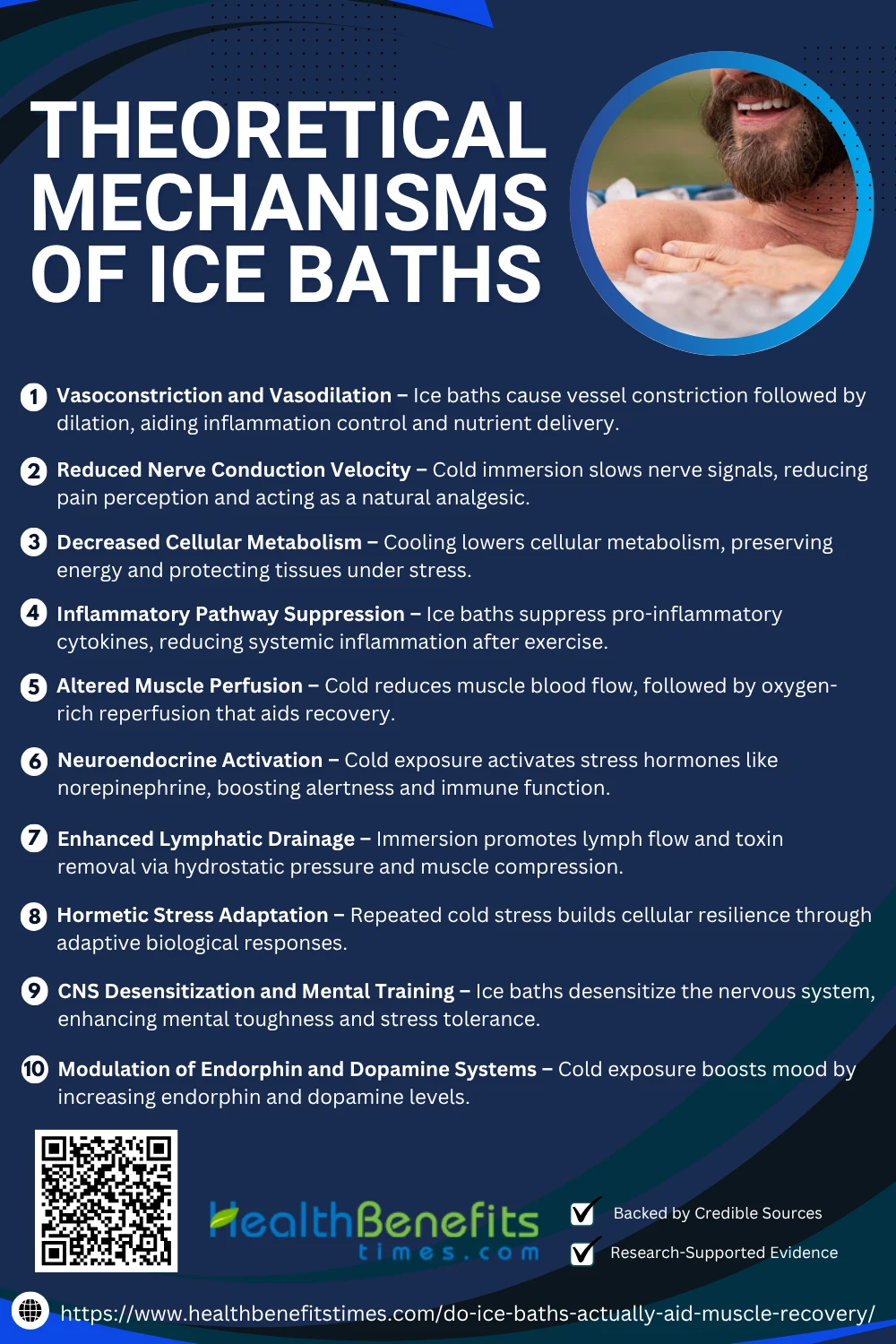 1. Vasoconstriction and Vasodilation
Ice baths trigger vasoconstriction, reducing blood flow and inflammation, followed by vasodilation upon rewarming, which enhances nutrient delivery. This sequence optimizes recovery as noted in the British Journal of Sports Medicine. A study in the Journal of Thermal Biology confirmed cold-induced vascular changes. The Scandinavian Journal of Medicine & Science in Sports further supports circulatory modulation by cold immersion. (13)
2. Reduced Nerve Conduction Velocity
Cold water immersion reduces nerve conduction velocity, lowering pain perception and creating a natural analgesic effect. Research from the Journal of Athletic Training demonstrated this mechanism clearly. (14) The European Journal of Applied Physiology showed decreased neuromuscular activation after cold therapy. A third study in the Clinical Journal of Sport Medicine confirmed slower sensory nerve signaling during immersion.
3. Decreased Cellular Metabolism
Cold exposure in ice baths leads to decreased cellular metabolism, slowing enzymatic reactions and preserving cell integrity under stress. The American Journal of Physiology demonstrates reduced energy demand in cooled tissues. The Journal of Applied Physiology also shows mitochondrial slowdown. Additionally, Frontiers in Physiology confirms metabolic suppression benefits post-exercise.
4. Inflammatory Pathway Suppression
Ice baths suppress inflammatory pathways by reducing pro-inflammatory cytokines such as IL-6 and TNF-α. A study in Sports Medicine highlights decreased systemic inflammation after cold exposure. (5) The Journal of Physiology confirms attenuation of post-exercise immune responses. (2) Furthermore, Frontiers in Immunology details cold-induced modulation of inflammatory gene expression.
5. Altered Muscle Perfusion
Ice baths result in altered muscle perfusion, reducing blood flow during immersion and promoting a surge of oxygenated blood post-rewarming. A study in the Journal of Applied Physiology documented muscle oxygen saturation changes. The European Journal of Applied Physiology showed perfusion shifts during cold exposure. Additionally, the Journal of Thermal Biology observed localized vascular responses in cooled muscles.
6. Neuroendocrine Activation
Cold exposure stimulates neuroendocrine activation, elevating stress hormones like norepinephrine and cortisol to support alertness and immune defense. Research in Frontiers in Neuroscience highlights activation of sympathetic pathways. A study in Neuroscience Letters observed catecholamine surges after cold immersion. (12) The Journal of Clinical Endocrinology & Metabolism further validated hormonal responses triggered by cold stress.
7. Enhanced Lymphatic Drainage
Ice baths contribute to enhanced lymphatic drainage through hydrostatic pressure and muscle compression, which facilitate lymph movement and toxin clearance. A study in Lymphatic Research and Biology describes how external pressure supports lymph flow. The Journal of Applied Physiology confirms that immersion affects interstitial fluid transport. International Journal of Sports Medicine also reports improved post-exercise lymphatic drainage via cold water therapy.
8. Hormetic Stress Adaptation
Ice baths trigger hormetic stress adaptation, where mild cold stress stimulates adaptive biological responses that improve cellular resilience. According to Frontiers in Cellular and Infection Microbiology, hormesis enhances immunity and stress resistance. The Journal of Molecular Endocrinology describes upregulation of protective pathways under cold stress. Additionally, Experimental Gerontology highlights lifespan-related adaptations from repeated cold exposure.
9. CNS Desensitization and Mental Training
Repeated cold exposure promotes CNS desensitization and improves tolerance to stress, training the brain’s response to discomfort. The Journal of Applied Physiology reports decreased sympathetic response with repeated cold stress. Frontiers in Psychology links cold immersion to improved emotional regulation. A study in PLoS ONE also observed enhanced cognitive control from cold water practice.
10. Modulation of Endorphin and Dopamine Systems
Ice baths activate the endorphin and dopamine systems, leading to improved mood and pain relief. Research in Neuroscience Letters found elevated dopamine after cold exposure. (12) The Journal of Circadian Rhythms showed cold-induced endorphin release. Additionally, Medical Hypotheses proposed cold showers as natural antidepressants via neurotransmitter modulation.
Variables Affecting Outcomes
The effectiveness of ice baths depends on variables like water temperature, immersion duration, timing post-exercise, individual fitness level, and exercise intensity, all of which can influence muscle recovery and performance outcomes.
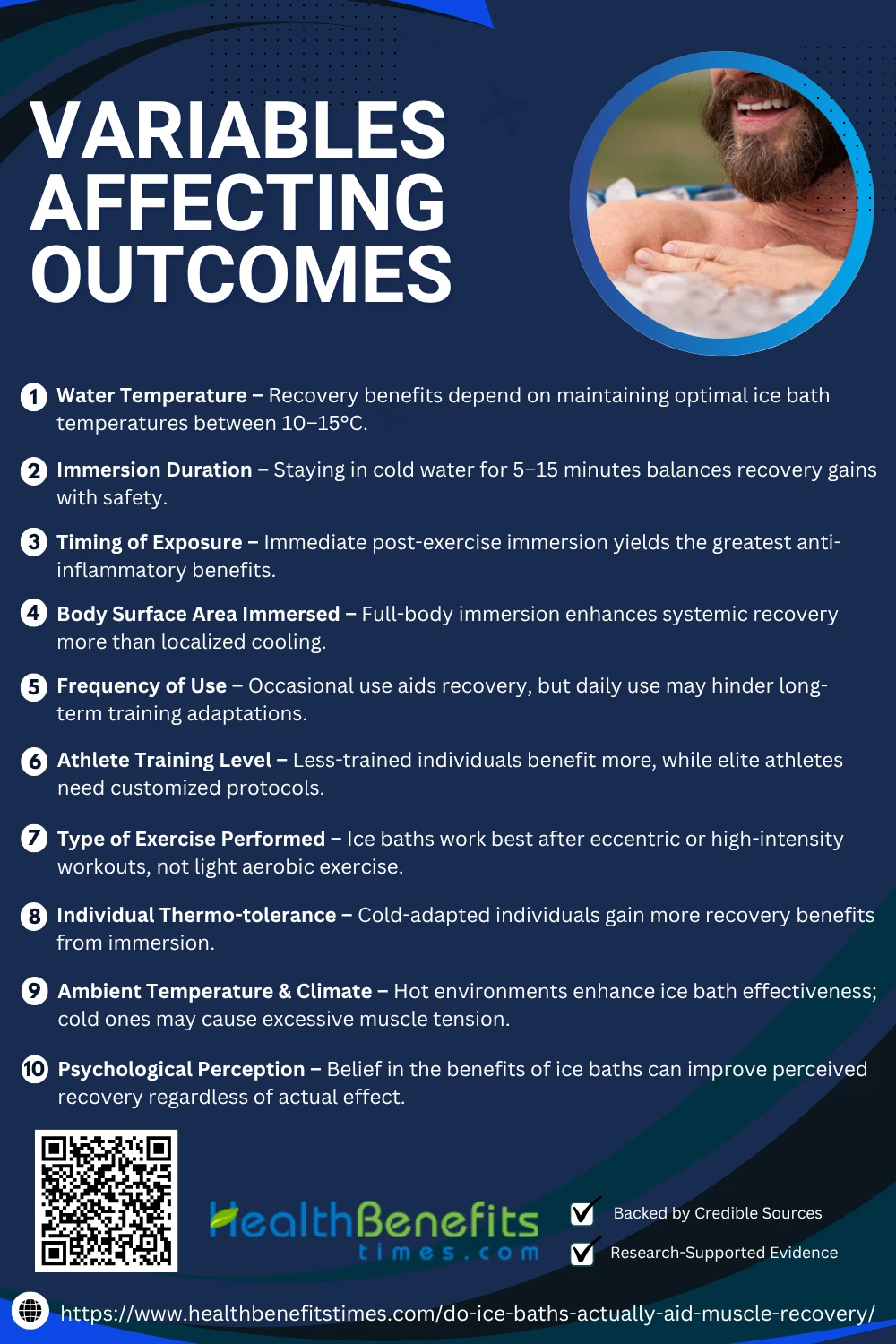 1. Water Temperature
Water temperature significantly alters the physiological response to ice baths. Studies recommend immersion temperatures between 10°C and 15°C for optimal recovery, balancing efficacy and safety. Lower temperatures (e.g., <10°C) increase discomfort and risk of cold-induced injury without proportionally greater benefits. This variable directly influences vasoconstriction, pain perception, and nerve signaling.
2. Immersion Duration
The duration of immersion determines the magnitude of cooling and recovery effects. A 5–15 minute window is commonly used, but longer sessions may risk hypothermia or nerve damage. Shorter durations reduce skin and core temperatures minimally, while prolonged exposure enhances muscle recovery—at the cost of comfort.
3. Timing of Exposure
When ice baths are applied relative to exercise matters. Immediate immersion post-exercise is most effective for reducing inflammation and muscle soreness. Delayed immersion (e.g., 1–2 hours later) may miss the inflammatory cascade window, reducing the anti-inflammatory effects of the cold.
4. Body Surface Area Immersed
Greater body immersion yields stronger thermoregulatory effects and systemic recovery responses. Full-body immersion activates more of the sympathetic nervous system and circulatory benefits than limb-only baths. Partial immersion is less stressful and suitable for localized recovery but may not affect central fatigue markers.
5. Frequency of Use
The frequency of cold exposure affects long-term outcomes. Occasional use is highly effective for acute soreness and inflammation. However, chronic or daily use may suppress adaptations like muscle hypertrophy and mitochondrial biogenesis. Strategic scheduling is key to balancing recovery and adaptation. (15)
6. Athlete Training Level
An individual’s training status modulates how they respond to ice baths. Novices benefit more from reduced inflammation and soreness, while elite athletes may experience smaller gains due to faster baseline recovery. Moreover, elite athletes might need more nuanced recovery protocols to avoid blunting long-term adaptations.
7. Type of Exercise Performed
Ice baths are particularly beneficial after eccentric and high-intensity exercise, where muscle damage is high. Research shows limited effectiveness after purely aerobic activities. Type of stressor (mechanical vs. metabolic) dictates the degree of physiological benefit from cold exposure.
8. Individual Thermo-tolerance
Personal tolerance to cold affects how individuals respond to immersion. Those habituated to cold stress show enhanced circulation and recovery markers due to physiological adaptation. Conversely, individuals unfamiliar with cold exposure may experience higher perceived stress, limiting the therapeutic benefit.
9. Ambient Temperature & Climate
Environmental conditions influence core-to-water temperature gradients. Ice baths in hot climates result in faster and more substantial core cooling, enhancing their utility for heat stress recovery. In colder climates, the same protocol may induce shivering and counterproductive muscle tension.
10. Psychological Perception
Belief in recovery aids, including expectancy and placebo effects, can enhance subjective outcomes from ice baths. A study in the Journal of Sports Sciences showed improved recovery perception despite no physiological differences. Another in Psychology of Sport and Exercise found performance benefits tied to athlete belief in the protocol’s effectiveness.
Comparison with Other Recovery Methods
Here is a comprehensive comparison table showing how ice baths stack up against other common recovery methods based on several key criteria:
| Recovery Method | Primary Mechanism | Effectiveness on DOMS | Inflammation Reduction | Accessibility | Cost | Evidence Strength |
| Ice Baths | Vasoconstriction, reduced inflammation | High | Yes | Moderate | Low to Moderate | Strong |
| Light Aerobic Movement | Increased circulation and oxygen delivery | Moderate | Limited | High | None | Moderate |
| Compression Garments | Pressure-induced fluid redistribution | Moderate | Moderate | High | Moderate | Moderate |
| Massage Therapy | Mechanical stimulation of soft tissues | High | Limited | Moderate | Moderate to High | Strong |
| Cryotherapy Chambers | Rapid skin surface cooling and anti-inflammatory response | High | Yes | Low | High | Emerging |
Who Might Benefit Most from Ice Baths?
Ice baths may benefit elite athletes, endurance trainers, and individuals engaged in high-intensity workouts, as they experience greater muscle strain and may need quicker recovery to maintain performance levels.
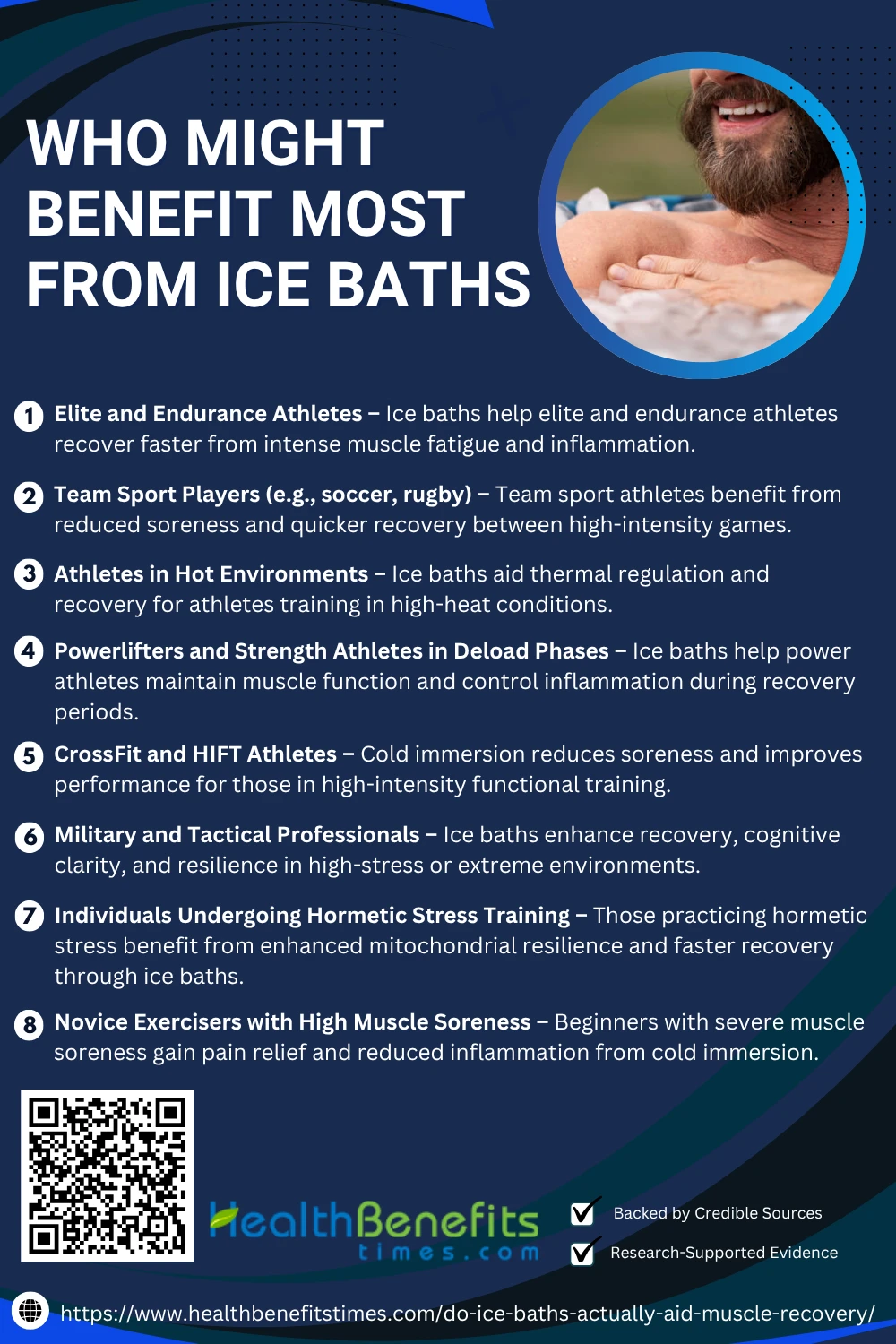 1. Elite and Endurance Athletes
Elite and endurance athletes often experience intense muscular damage and metabolic fatigue, for which ice baths significantly aid in recovery. Studies highlight that cold water immersion reduces post-exercise inflammation and soreness, enhancing training adaptation and performance longevity. In elite cyclists, it improved muscle oxygenation and recovery speed.
2. Team Sport Players (e.g., soccer, rugby)
Team sport athletes benefit from ice baths due to repeated high-intensity actions and short recovery windows. In rugby, cold immersion improves power recovery across game cycles. (16) Soccer players show reduced fatigue and soreness between matches with cold-water protocols. (17) Meta-analyses also confirm its consistent efficacy across team sports. (18)
3. Athletes in Hot Environments
Ice baths can be particularly beneficial for athletes exposed to hot climates by reducing core body temperature and improving recovery. Research indicates enhanced thermal regulation during training in heat-intensive conditions Bleakley et al., while another study confirms accelerated neuromuscular recovery Sellwood et al.. (19) (20) Such effects enhance endurance and performance Burger, 2018. (21)
4. Novice Exercisers with High Muscle Soreness
For novice exercisers prone to delayed onset muscle soreness (DOMS), cold-water immersion significantly reduces pain and muscle damage. Ice baths were shown to be more effective in untrained participants DiMartino, 2023. (22) Another study highlighted their benefits on inflammation control Jones, 2016, especially when DOMS is severe.
5. Power lifters and Strength Athletes in Deload Phases
During deload phases, powerlifters benefit from cold-water immersion by reducing inflammation and maintaining neuromuscular function. A study on Olympic weightlifters found improved muscle function with cold therapy post-intense lifting phases. (23) Research also highlights recovery aid post-heavy strength work and hormonal stabilization during tapering. (24) (25)
6. CrossFit and High-Intensity Functional Training (HIFT) Athletes
CrossFit and HIFT athletes experience high muscular stress, making ice baths vital for reducing soreness and enhancing recovery. Research shows improved performance metrics post-HIFT with cold-water immersion. (26) Studies confirm less DOMS and better perception of recovery and better thermoregulatory adaptations. (27) (28)
7. Military and Tactical Professionals
Ice baths can offer crucial recovery advantages for military personnel exposed to intense environmental stress. Cold water immersion helps reduce hyperthermia, aiding post-exertional recovery and cognitive clarity in tactical situations Melau et al., 2022. (29) Furthermore, it supports cold injury prevention protocols TB MED, U.S. Army and enhances soldier resilience in cold-weather missions Kingma et al., 2021. (30) (31)
8. Individuals Undergoing Hormetic Stress Training
For those practicing hormetic stress interventions, ice baths amplify mitochondrial resilience through adaptive stress signaling. Evidence shows improved mitochondrial efficiency via cold exposure Sánchez-Nuño et al., 2024. (32) This hormesis-driven adaptation also accelerates recovery from intense training Peake et al., 2015 and supports homeostasis in physiological systems Hohenauer et al., 2024. (33) (34)
Best Practices for Safe Ice Bath Use
To use ice baths safely, follow best practices like maintaining water temperatures between 10–15°C, limiting immersion to 10–15 minutes, and avoiding use if you have circulatory or heart conditions.
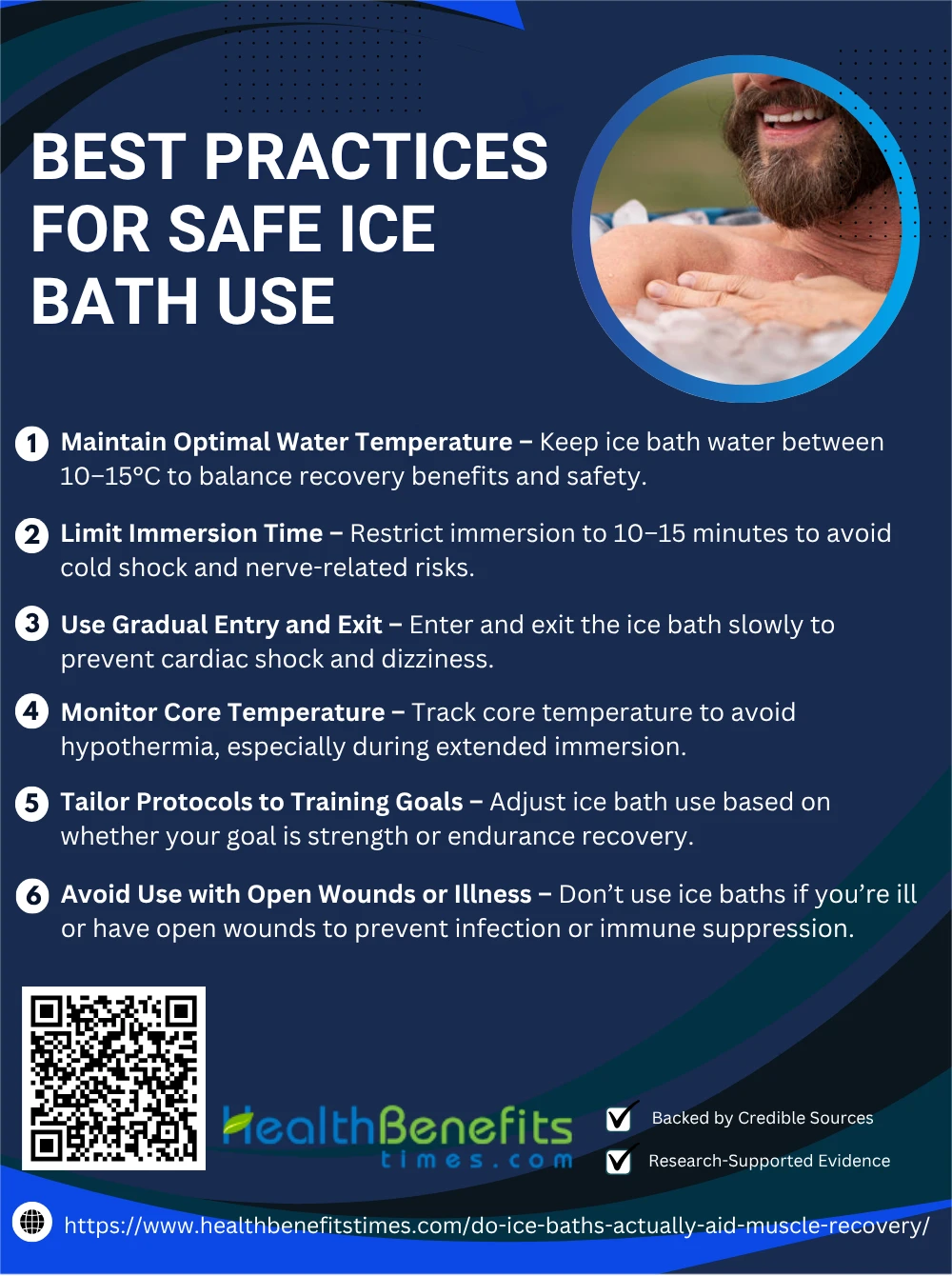 1. Maintain Optimal Water Temperature
Maintaining water temperature between 10°C and 15°C during ice baths ensures safety and effectiveness. Exceeding this range can increase cold-related risks without added recovery benefits, as confirmed by Bleakley & Davison (2010). Additional studies reinforce optimal cooling at 11–15°C for muscular recovery and safe thermoregulation. (35) (36)
2. Limit Immersion Time
To avoid adverse effects, limit ice bath sessions to 10–15 minutes, especially after high-intensity exercise. Extended exposure increases risk of cold shock and nerve sensitivity, as noted by Gagnon et al., 2010. (37) Recovery is optimized in short bouts with diminishing returns beyond 15 minutes. (38) (39)
3. Use Gradual Entry and Exit
Safe ice bath use begins with gradual entry to minimize cold shock and ends with cautious exit to prevent post-immersion dizziness. Gradual immersion significantly reduces cardiac risk and neuromuscular disruption, as shown in Tipton et al., 2022. (36) Additional safety protocols highlight this in drowning prevention Golden & Tipton, 1997 and military conditioning guides. (40)
4. Monitor Core Temperature
Core temperature should be closely monitored during ice bath use to prevent hypothermia, especially in long or intense immersions. Studies recommend rectal monitoring for accuracy in emergency cooling Hutchins, 2025. (41) Temperature drop rates must be individualized to avoid overshoot, and protocols adjust based on gender physiology. (37) (42)
5. Tailor Protocols to Training Goals
Cold water immersion protocols should align with individual training objectives, as indiscriminate use may impair muscular adaptations. For strength gains, ice baths immediately post-exercise may blunt anabolic signaling. (43) Conversely, for endurance athletes, cold immersion can accelerate recovery and reduce soreness. (36) (44)
6. Avoid Use with Open Wounds or Illness
Ice baths should be avoided in individuals with open wounds or systemic illness due to increased infection risk. Cold exposure may suppress immune response, and wounds submerged in non-sterile water can foster bacterial entry and sepsis. (45) (46)
Risks and Contraindications of Ice baths
Ice baths carry risks such as hypothermia, numbness, and cardiovascular stress. They’re contraindicated for individuals with heart conditions, poor circulation, or cold sensitivity, requiring caution and medical advice before use.
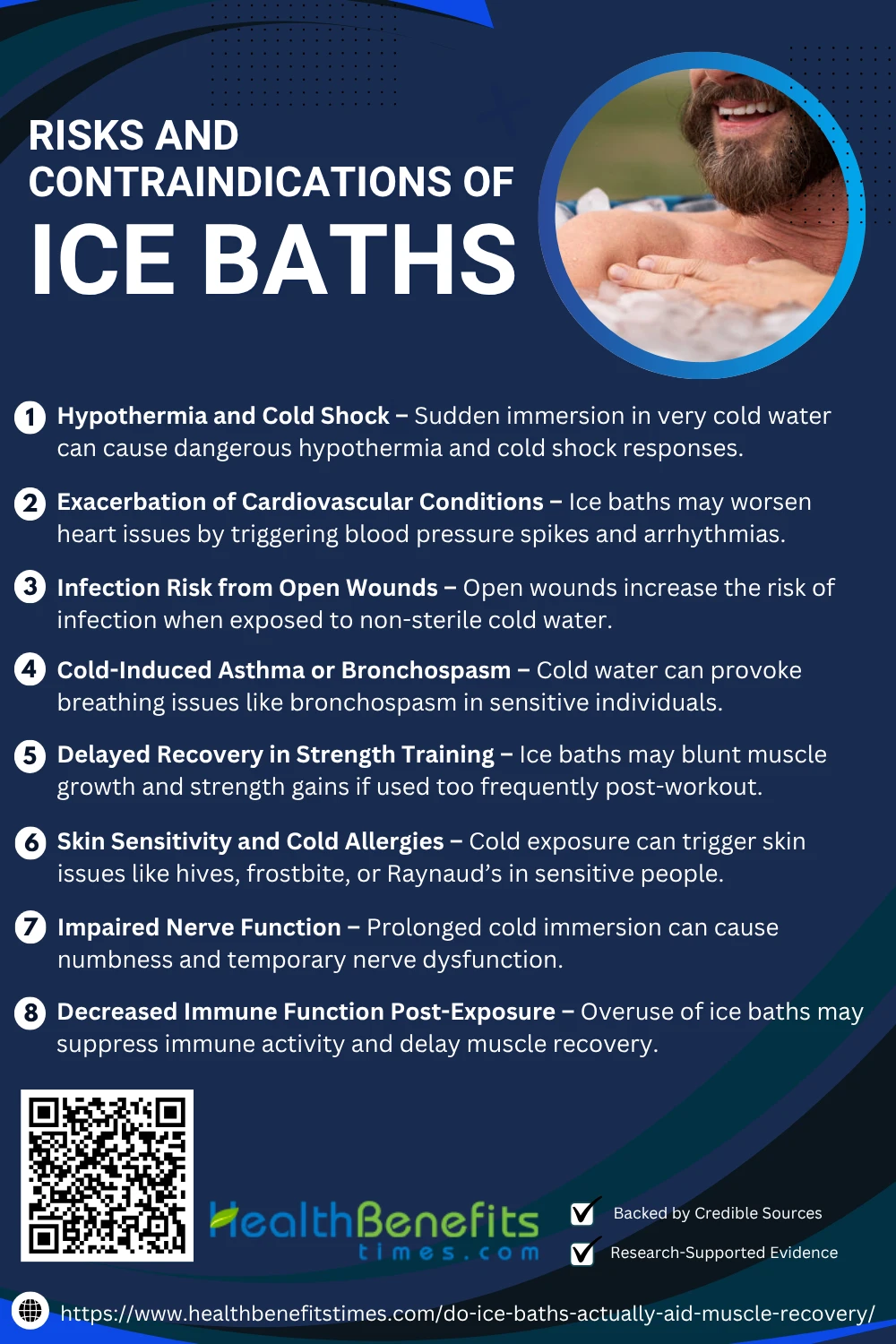 1. Hypothermia and Cold Shock
Ice baths can induce rapid hypothermia and cold shock, especially in unacclimatized or lean individuals. Sudden immersion triggers vasoconstriction and respiratory distress, as documented in Tipton et al., 2022. (36) Case studies reveal rapid temperature loss during immersions under 10°C, with potential cardiovascular collapse. (47) (48)
2. Exacerbation of Cardiovascular Conditions
Cold-water immersion may worsen cardiovascular conditions by elevating blood pressure and heart rate. It’s contraindicated for those with coronary artery disease or arrhythmias, as shown in Iconomidis, 2023. Cold triggers peripheral vasoconstriction, and cold-induced hypertensive episodes are reported in Wilcock et al., 2006. (43) (46)
3. Infection Risk from Open Wounds
Ice baths pose infection risks when users have open wounds, exposing them to waterborne pathogens. Contaminated immersion environments increase microbial entry points, especially in non-sterile settings, as shown by Bracciano, 2024. Cold immersion may slow immune responses and elevate sepsis risk. (46) (45)
4. Cold-Induced Asthma or Bronchospasm
Cold water exposure can trigger bronchospasm or cold-induced asthma, especially in susceptible individuals. Sudden immersion leads to airway narrowing and wheezing, as reported in Kukkonen-Harjula & Kauppinen, 2006. (49) Respiratory responses escalate in cold aquatic environments, with asthmatic events documented in cold immersion trials. (36) (48)
5. Delayed Recovery in Strength Training
Cold-water immersion post-strength training may impair hypertrophy and adaptation by dampening inflammation and protein synthesis. Studies show reduced anabolic signaling following cold exposure. Chronic use may blunt long-term gains, especially in resistance-trained athletes. (43)
6. Skin Sensitivity and Cold Allergies
Ice baths can provoke adverse dermatological reactions such as urticaria, frostbite, or Raynaud’s in sensitive individuals. Cold-induced hives have been clinically observed in cryotherapy cases. (50) Skin numbness and discomfort occur in overexposed tissues, and vasospastic disorders are considered contraindications. (47)
7. Impaired Nerve Function
Extended cold-water exposure can impair nerve function, leading to numbness, reduced proprioception, or even transient neuropathy. Research shows delayed nerve conduction velocity in cold immersion trials. Pressure sensation also declines significantly post-immersion, and deep tissue cooling may affect reflex arcs. (50) (47)
8. Decreased Immune Function Post-Exposure
Ice baths can suppress acute immune responses, especially if overused. Cold exposure blunts cytokine release and natural killer cell activity, critical to immune surveillance. (46) Frequent immersion may reduce adaptive resistance to stress and hinder muscle recovery and immune priming. (43)
Conclusion
Ice baths can be a helpful tool for reducing muscle soreness, inflammation, and fatigue following intense physical activity, particularly for athletes or those engaged in high-intensity training. While some studies support their short-term benefits, evidence on long-term effects and performance enhancement remains mixed. Factors like temperature, duration, and individual response play a crucial role in their effectiveness. Moreover, ice baths are not a one-size-fits-all solution and may not be suitable for everyone. When used properly and in conjunction with other recovery methods, they can support muscle recovery. Always consult a professional to ensure safe and effective use tailored to your needs.