

- Toothpaste is a gel or paste used with a toothbrush to clean teeth, remove plaque, and prevent dental problems.
- Charcoal toothpaste is often marketed for its whitening and detoxifying properties, but research reveals conflicting evidence about its safety and long-term oral health effects.
- Dental experts caution that frequent use may lead to enamel erosion, gum irritation, and lack of fluoride protection, raising concerns about its routine use.
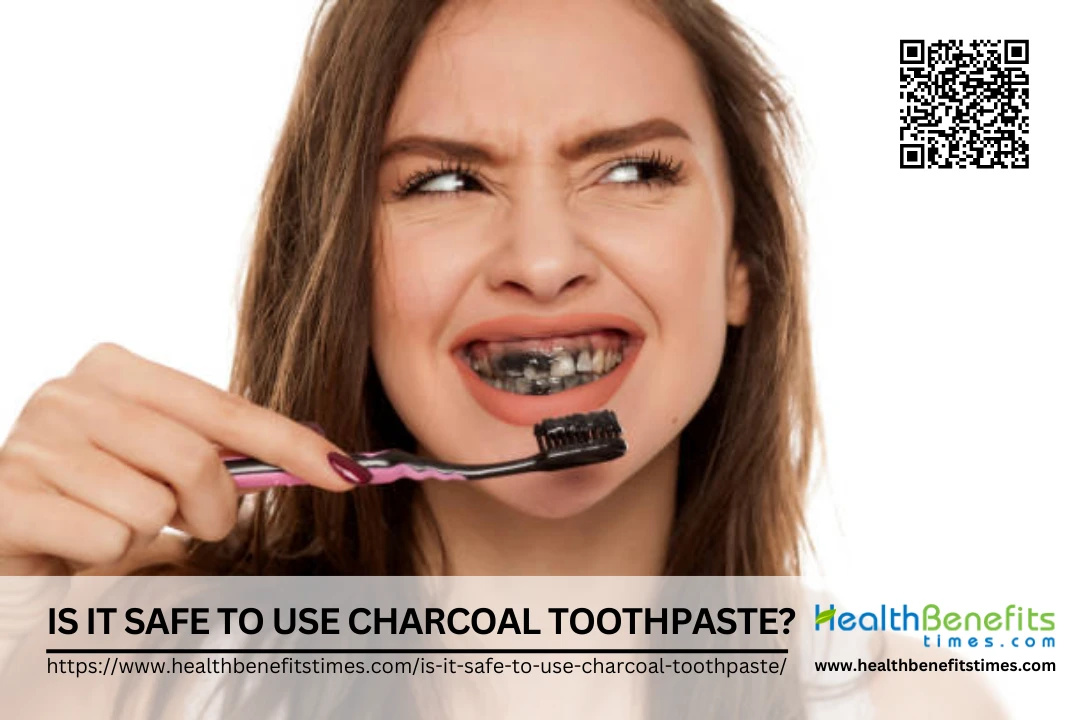
Toothpaste is a gel or paste used in conjunction with a toothbrush to maintain oral hygiene by removing dental plaque and food from teeth and delivering active ingredients to help prevent tooth decay and gum disease. Charcoal toothpaste, often advertised as a natural and effective tooth whitener, has sparked growing interest among health-conscious consumers. Promoted for its supposed detoxifying properties and ability to remove surface stains, it has flooded the shelves of both natural and mainstream health product aisles. However, scientific evidence raises questions about the actual safety and efficacy of these products. For instance, a 2024 clinical study found that charcoal-containing toothpaste showed minimal whitening effects and increased surface roughness of dental materials, suggesting potential long-term enamel abrasion. Additionally, a recent Brazilian clinical trial evaluating a toothpaste formulated with activated charcoal and herbal extracts found that while it was cosmetically acceptable, its overall effectiveness and safety were not significantly superior to conventional products.
What Is Charcoal Toothpaste?
Charcoal toothpaste is a dental hygiene product that typically contains activated charcoal as a primary ingredient, combined with a base of silica, glycerin, water, flavoring agents, and sometimes baking soda or calcium carbonate. It is designed to mechanically remove surface stains through abrasion and to absorb toxins and impurities due to the porous nature of activated charcoal. (1)
Historically, charcoal has been used for centuries in various cultures for medicinal and oral care purposes. Ancient Greek and Roman physicians recommended charcoal for dental cleaning, and in the 19th century, London pharmacists sold it for freshening breath and whitening teeth. (2)
Today, marketers claim charcoal toothpaste offers “natural” whitening, detoxification, and breath-freshening benefits. However, most of these claims lack sufficient clinical backing, and concerns have been raised regarding their safety and enamel abrasiveness.
Claimed health Benefits of Charcoal Toothpaste
Charcoal toothpaste is often marketed as a natural solution for oral care. Supporters claim it whitens teeth, removes stains, freshens breath, and detoxifies the mouth—offering an appealing alternative to conventional toothpaste.
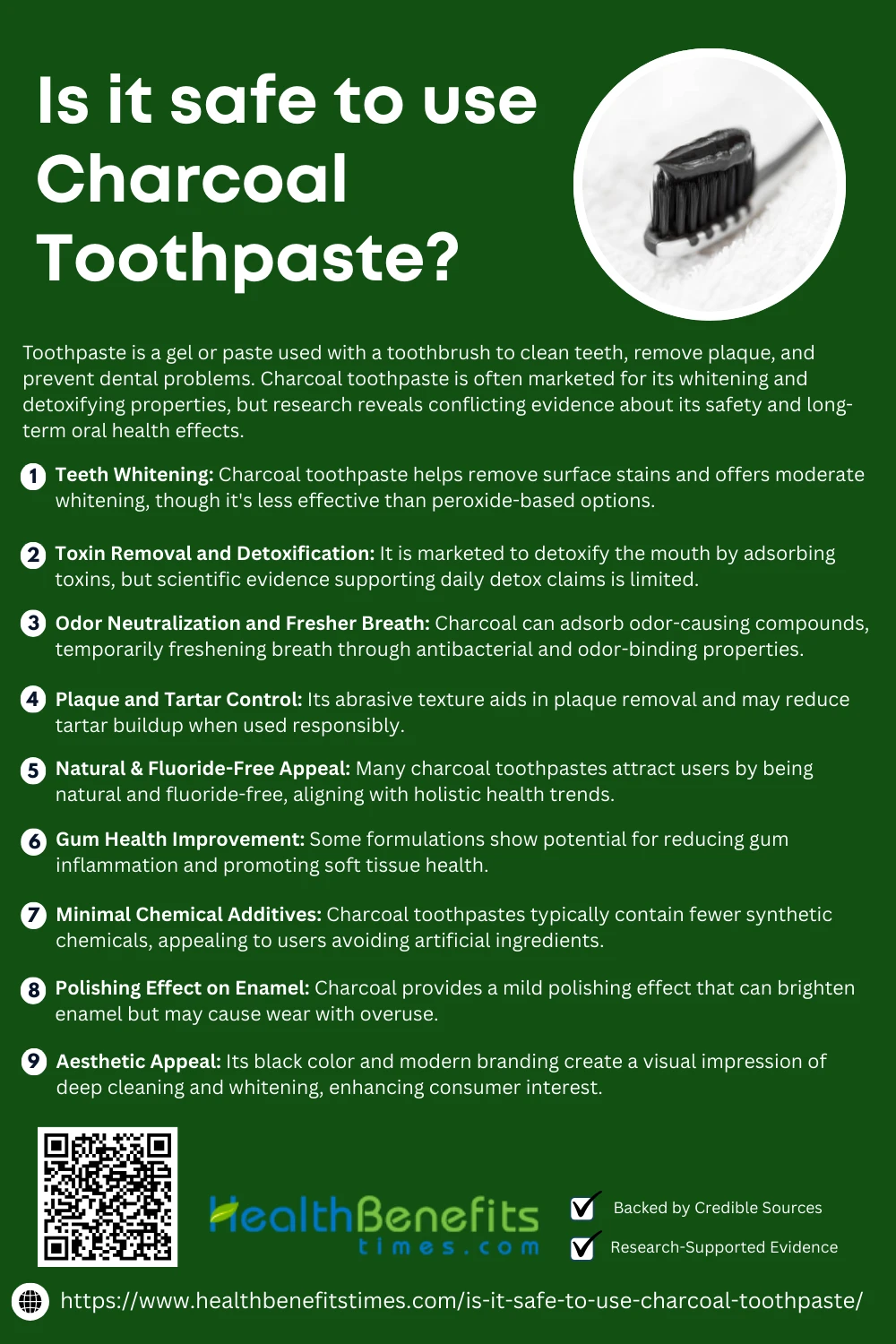 1. Teeth Whitening
Charcoal toothpaste is frequently promoted for its teeth-whitening capabilities due to its abrasive nature and high adsorption capacity. In vitro trials comparing multiple toothpaste types have shown that activated charcoal can remove surface stains caused by coffee, tea, or wine, although its effect is generally superficial. (3) A Colombian study noted moderate whitening efficacy with charcoal derived from coconut. However, its effect was inferior to peroxide-based products. (4) A randomized trial from UFC Brazil confirmed whitening with limited enamel damage. (5) Recent comparative analyses also highlighted its aesthetic appeal over functional superiority. (6)
2. Toxin Removal and Detoxification
Charcoal toothpaste is widely claimed to “detoxify” the mouth by adsorbing toxins, bacteria, and impurities through its porous carbon structure. Historically, activated charcoal has been used in emergency medicine for poison control due to its binding capacity. (7) In oral care, this translates into assumptions of oral detoxification. While the Gülhane Medical Journal supports its surface toxin adsorption capacity, researchers warn against equating emergency detox use with daily oral applications. (8) (9) A literature review in ScienceDirect critiques the misleading detox marketing practices of charcoal pastes. (10) Further, a Springer study underlines that detox claims lack consistent dental validation.
3. Odor Neutralization and Fresher Breath
Charcoal toothpaste is often promoted for its ability to combat halitosis and provide a fresher breath experience. Activated charcoal has been shown to adsorb volatile sulfur compounds (VSCs), which are the primary culprits behind oral malodor. According to Chhaliyil et al. (2021), charcoal exhibits strong microbial adsorptive properties that aid in reducing bad breath. (11) Additionally, Karaoğlanoğlu et al. (2022) highlight its antibacterial capabilities against odor-producing bacteria. (9) The study in the British Dental Journal notes charcoal toothpaste may temporarily mask odor. (12) Moreover, Stephen et al. (2011) explored toothpaste components’ impact on breath freshness, reinforcing the role of VSC neutralization. A more recent review by Mathur et al. (2024) also supports the long-lasting freshening effect attributed to charcoal’s odor-binding activity.
4. Plaque and Tartar Control
Charcoal toothpaste is also promoted for its purported ability to remove plaque and reduce tartar buildup. The abrasive nature of charcoal allows it to assist in the mechanical removal of plaque, as detailed in Polatoğlu (2023). Furthermore, Dicksit et al. (2015) argue that some over-the-counter products with charcoal claim to reduce both plaque and tartar effectively. (13) A clinical study by Butera et al. (2023) demonstrated improved plaque scores in participants using charcoal-based pastes. (14) Complementarily, Kumar et al. (2025) emphasized the importance of active ingredients like pyrophosphates in combination with charcoal. Lastly, Greenwall et al. (2019) noted that charcoal dentifrices, while not replacing fluoride toothpastes, may provide moderate aid in plaque control when used responsibly. (12)
5. Natural & Fluoride-Free Appeal
Charcoal toothpaste appeals to health-conscious consumers seeking natural oral care alternatives, especially those wishing to avoid fluoride. Many formulations omit synthetic additives, artificial sweeteners, and fluoride, aligning with holistic health preferences. A 2024 review confirmed most commercial charcoal products are fluoride-free and heavily marketed as natural. (15) This trend reflects rising skepticism over fluoride safety in some populations. Moreover, the SciELO Brazil study showed natural marketing claims were prevalent across online charcoal toothpaste advertisements. (16) Lastly, Fiorillo et al. (2020) observed a strong correlation between natural-labeling and consumer appeal in cosmetic dental products.
6. Gum Health Improvement
Charcoal toothpaste is believed to contribute to improved gum health through its antimicrobial and anti-inflammatory properties. A 2024 preprint review suggested that enzyme- and charcoal-enriched pastes may reduce gingival inflammation over prolonged use. A clinical study from UFC found that a charcoal-herbal formulation modestly enhanced gingival scores in 12-week trials. (5) Furthermore, research from Ehizele et al. (2025) compared oral hygiene outcomes, noting comparable gingival health effects between charcoal and nylon-bristle toothbrushes. (17) The Springer 2024 article reinforced that carbon-based products may aid in promoting soft tissue regeneration. However, long-term gum effects remain under investigation.
7. Minimal Chemical Additives
Charcoal toothpaste is often favored for its minimalist ingredient profile, appealing to consumers avoiding artificial additives like sodium lauryl sulfate, titanium dioxide, or synthetic sweeteners. A 2023 study highlighted that several formulations rely on natural binders and abrasives while excluding conventional foaming agents. (18) The MDPI review emphasized their simplicity compared to fluoride toothpastes. (19) Research by Marchan et al. (2023) confirmed the limited use of surfactants. (20) Studies from Wiley and SciELO Brazil reinforce the appeal of charcoal dentifrices as a low-chemical alternative. (21) (8)
8. Polishing Effect on Enamel
Charcoal toothpaste is marketed to offer a mild polishing action that enhances enamel brightness. An in vitro study by Islam et al. (2025) found that charcoal-based pastes improved enamel color without significant surface degradation. (3) This mechanical polishing stems from fine abrasives in charcoal powder, which smoothen the enamel surface. However, some experts warn against prolonged use due to the risk of enamel wear from excessive abrasiveness. (10) Supporting data from ResearchGate and SciELO note variations in polishing efficacy across different brands. (20) (21) A Wiley 2024 study also suggests that minimal additive products enhance enamel luster with reduced chemical interference. (22)
9. Aesthetic Appeal
Charcoal toothpaste owes much of its popularity to its bold visual aesthetic and strong consumer branding. The striking black color contrasts with white enamel, creating an impression of deep cleansing and freshness. (12) A 2024 Romanian study confirmed that users associated black-paste products with advanced whitening and modern appeal. (23) Market surveys show that aesthetic packaging significantly influences purchase decisions, particularly among younger consumers. The psychological association of color and cleanliness enhances its perceived effectiveness, as outlined in Andersson & Rehnström, 2023. Additionally, Maske et al. (2022) noted strong correlations between YouTube influencer endorsements and aesthetic-driven interest in charcoal whitening products. (24)
Is it safe to use Charcoal Toothpaste?
While charcoal toothpaste is widely marketed for whitening and detoxifying, safety concerns persist due to its abrasive nature and lack of fluoride. Studies have shown that prolonged use may erode enamel and increase dentin exposure. (3) The British Dental Journal warns of exaggerated claims with minimal regulatory oversight. (12) Springer Research cites insufficient evidence supporting long-term safety. (25) Additionally, SciELO Brazil highlights enamel roughening risks, and a Russian dental study concludes that non-fluoridated charcoal pastes may compromise oral health when misused. (16)
Potential Risks of Charcoal toothpaste
Despite its popularity, charcoal toothpaste carries several potential risks. Concerns include enamel erosion, gum irritation, and lack of fluoride, which may compromise long-term dental health and outweigh its whitening benefits.
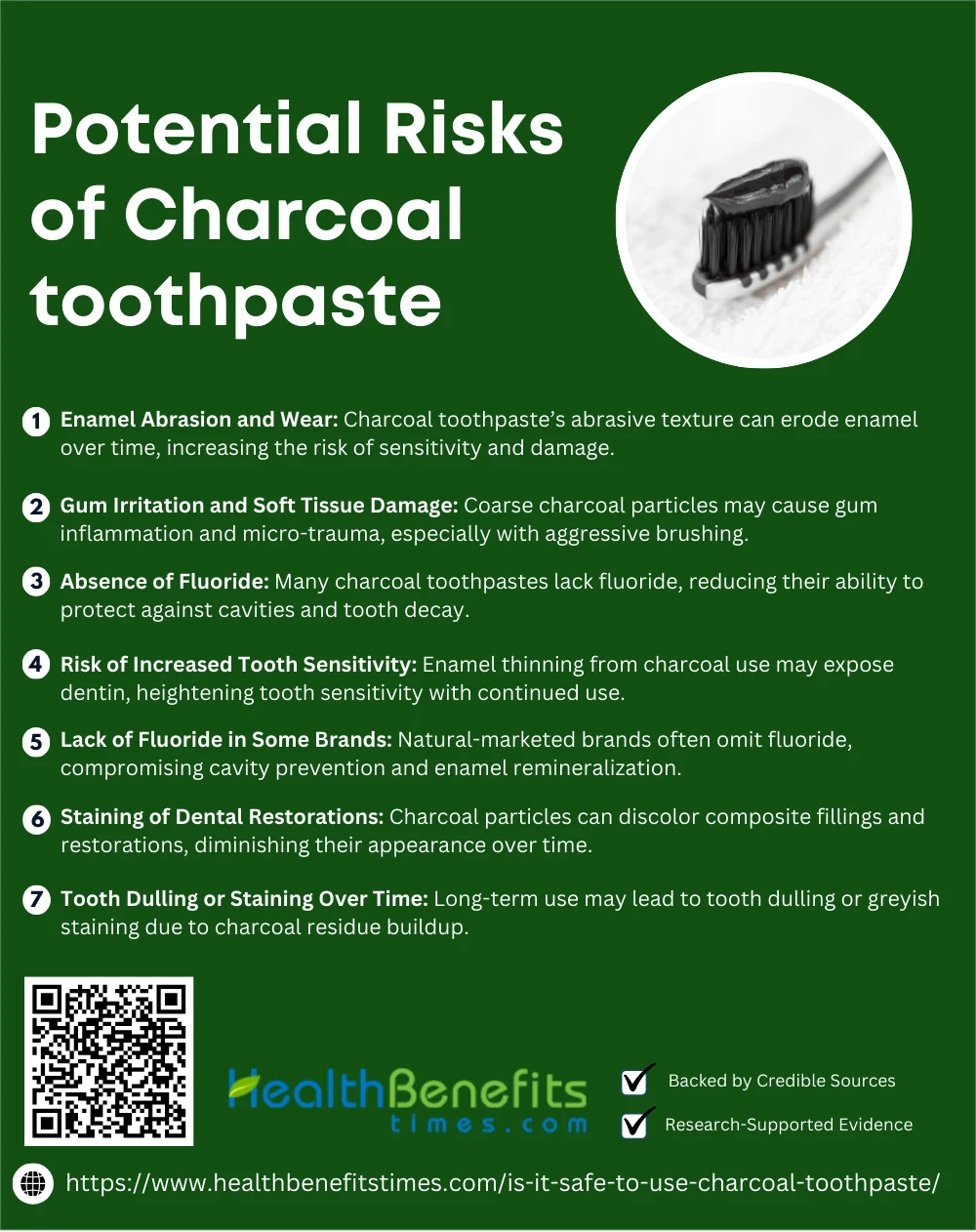 1. Enamel Abrasion and Wear
Charcoal toothpaste has a gritty texture due to its high abrasiveness, which may contribute to gradual enamel erosion when used frequently. Studies confirm that repeated brushing with charcoal-containing dentifrices increases enamel surface roughness, risking dentin exposure and tooth sensitivity (SciELO, 2024). Additional findings published in the Dentistry Journal and Springer’s comparative review support these claims, advising caution with long-term daily use. (3) (26)
2. Gum Irritation and Soft Tissue Damage
Charcoal particles in toothpaste can be abrasive enough to injure gingival tissues, particularly with vigorous brushing. Research by Thibodeaux (2024) observed reduced fibroblast viability linked to charcoal-based products. (27) Another study in JIGYAASA Journal noted gingival inflammation and microtrauma due to particle size. (28) Supporting evidence from Gülhane Medical Journal underscores the importance of clinical regulation and formulation refinement. (9)
3. Absence of Fluoride
One major concern with charcoal toothpaste is the frequent absence of fluoride, which is essential in preventing dental caries. A study published in Materials confirmed that most charcoal formulations lacked fluoride compounds, reducing remineralization effectiveness. (29) Similarly, the Gülhane Medical Journal reported increased risk of cavities due to fluoride omission. (9) A broader analysis in Caries Research echoed concerns about fluoride’s limited stability in charcoal formulations. (15)
4. Risk of Increased Tooth Sensitivity
Charcoal toothpaste’s abrasive properties can thin enamel, exposing dentin and triggering heightened tooth sensitivity. A study presented in AIP Conference Proceedings observed that whitening agents—including charcoal—commonly led to post-treatment sensitivity, especially with prolonged use. Additional concerns stem from the mechanical erosion reported in studies of charcoal particles and their enamel impact. Experts warn that sensitivity may intensify in individuals with pre-existing enamel defects.
5. Lack of Fluoride in Some Brands
Many charcoal toothpaste brands are marketed as natural alternatives, often excluding fluoride to align with “chemical-free” trends. However, this absence compromises the paste’s ability to prevent cavities. A study by Marchan et al. (2023) highlighted that most commercial charcoal toothpastes tested contained no fluoride. (20) Similarly, Karaoğlanoğlu et al. (2022) found fluoride omission in several brands. (9) These findings are reinforced by Thibodeaux (2024), warning about reduced remineralization efficacy. (27)
6. Staining of Dental Restorations
Despite claims of whitening, charcoal toothpaste may paradoxically stain composite restorations and other dental materials. A 2025 study in Restorative Dentistry & Endodontics revealed that charcoal-containing pastes increased surface roughness and led to statistically significant discoloration of resin composites over time. (30) These findings indicate that prolonged brushing with charcoal products may degrade aesthetic restorations rather than enhance them.
7. Tooth Dulling or Staining Over Time
Despite its whitening claims, prolonged use of charcoal toothpaste may result in tooth dulling and extrinsic staining, especially on restorations and enamel with surface irregularities. A report from the Saskatchewan Oral Health Coalition warned that activated charcoal could hasten discoloration rather than reduce it. Additionally, the Gülhane Medical Journal described potential buildup of charcoal particles leading to a greyish hue. (9) Findings from Borges et al., 2023 also confirmed long-term staining on bleached teeth immersed in colored drinks after charcoal use. (31)
Dentists’ Opinions and Recommendations
Dentists generally urge caution regarding the use of charcoal toothpaste due to concerns about enamel erosion, fluoride deficiency, and misleading marketing. The American Dental Association (ADA) does not endorse charcoal products, citing insufficient clinical evidence for long-term safety or effectiveness. (12) A study in PLOS ONE emphasizes the widespread preference among dental professionals for fluoride-based toothpastes over charcoal alternatives due to proven cavity prevention. (32) Meanwhile, Agbor-Ntoh et al. (2025) noted that only 7.4% of surveyed dentists recommend charcoal toothpaste in community health settings. (33) Additionally, Greenwall et al. (2019) documented widespread professional skepticism. (12) A 2023 review concluded that although some dentists acknowledge short-term cosmetic benefits, they discourage daily use and instead recommend safer, evidence-based formulations. (20)
Alternatives to Charcoal Toothpaste
If you’re seeking safer ways to whiten your teeth, there are effective alternatives to charcoal toothpaste. Options include ADA-approved whitening toothpastes, professional treatments, and gentler natural ingredients like baking soda.
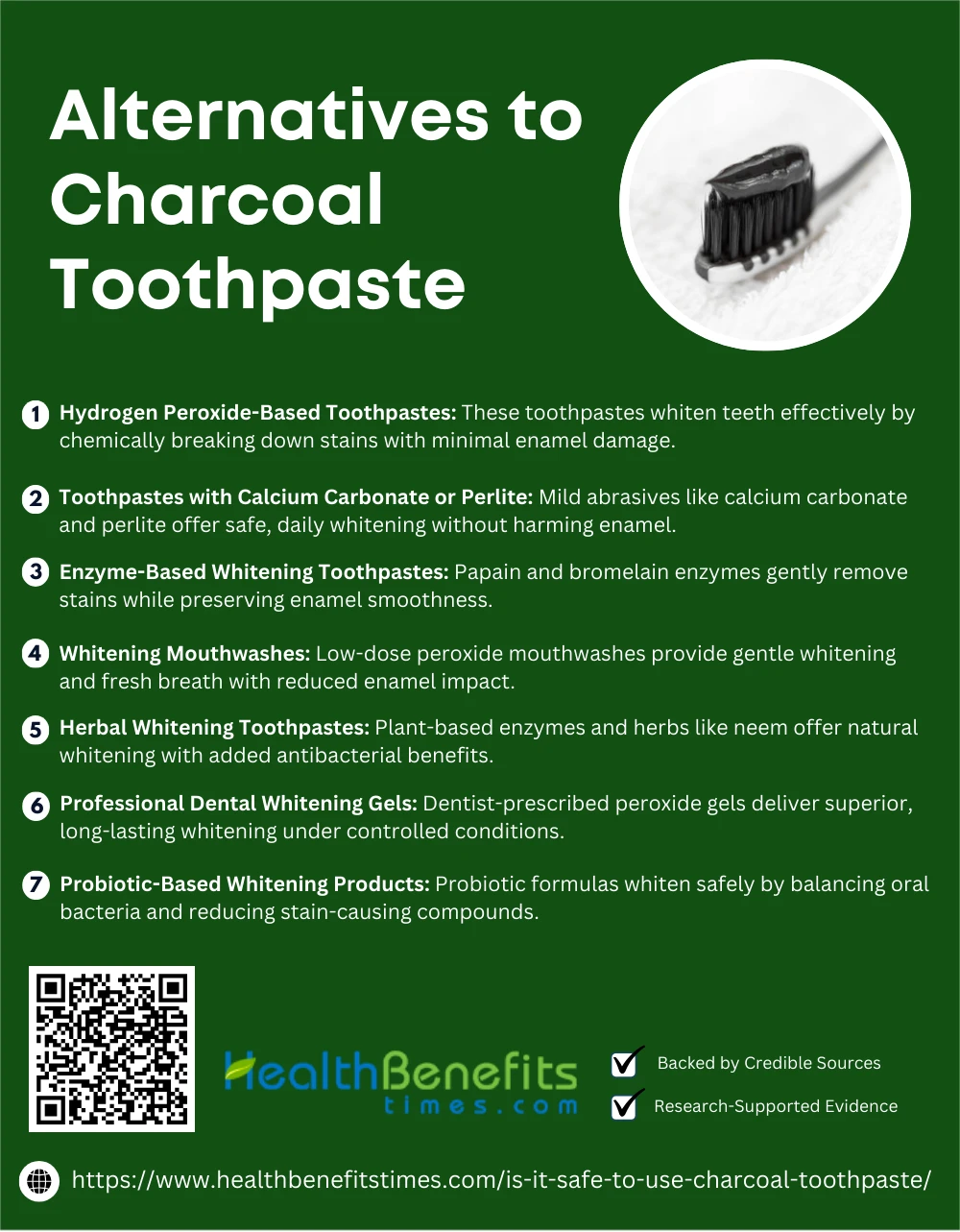 1. Hydrogen Peroxide-Based Toothpastes
Hydrogen peroxide-based toothpastes are widely recognized for delivering effective, evidence-based teeth whitening with minimal enamel abrasion. A recent comparative study confirmed superior whitening outcomes compared to charcoal-containing products. (3) Furthermore, peroxide compounds penetrate enamel to break down stains chemically rather than relying on abrasion. (34) Their safety and whitening efficacy are also validated in over-the-counter formulations.
2. Toothpastes with Calcium Carbonate or Perlite
Toothpastes formulated with calcium carbonate or perlite provide a safer and less abrasive whitening alternative to charcoal. These mild abrasives help polish enamel and remove surface stains without significant erosion. A 2025 clinical trial confirmed that calcium carbonate/perlite-based pastes achieved similar whitening results to charcoal, with lower enamel roughness. (35) These ingredients are commonly found in dentist-recommended, fluoride-containing formulations for daily safe use.
3. Enzyme-Based Whitening Toothpastes
Enzyme-based whitening toothpastes, especially those containing papain and bromelain, gently break down protein-based stains without damaging enamel. A 2024 in vitro study found enzyme pastes outperformed charcoal in removing tea stains while preserving surface smoothness. (36) Similar results were confirmed in a comparative study on stain removal efficacy. (37) Enzymatic agents were also reviewed as safe, bio-compatible whitening options in MDPI Dentistry Journal. (38)
4. Whitening Mouthwashes
Whitening mouthwashes containing low-dose hydrogen peroxide offer a gentler alternative to charcoal toothpaste for stain removal and breath enhancement. According to a 2025 clinical study, these mouthwashes maintained enamel integrity while improving shade uniformity post-bleaching. Compared to charcoal products, they cause significantly less surface roughness and are more compatible with enamel remineralization agents. (5) Many dental professionals recommend them for daily cosmetic care alongside fluoride toothpaste.
5. Herbal Whitening Toothpastes (e.g., Pineapple, Papaya Extracts)
Herbal whitening toothpastes enriched with papaya, pineapple enzymes, and neem offer gentle yet effective plaque removal and stain reduction. Papain and bromelain have demonstrated natural whitening effects. Neem’s antibacterial properties further support oral health. Compared to abrasive charcoal pastes, herbal agents are safer and reduce enamel wear over time. (18)
6. Professional Dental Whitening Gels (Prescribed Use)
Professional dental whitening gels, particularly those containing carbamide peroxide, are significantly more effective than charcoal toothpastes in achieving sustained whitening results. Studies confirm the superior bleaching power of peroxide-based gels. (39) Charcoal’s abrasive action risks enamel damage, while carbamide peroxide provides controlled, dentist-supervised treatment for safer outcomes. (19) (40)
7. Probiotic-Based Whitening Products
Probiotic-based toothpastes use beneficial bacteria like Streptococcus salivarius to inhibit plaque-forming microbes and support enamel-friendly whitening. According to Brookes et al. (2023), such formulations are gentler than abrasive charcoal pastes. (41) Research shows probiotics reduce volatile sulfur compounds, contributing to both fresher breath and stain prevention. A review on oral hygiene advancements highlighted their growing market as safe, natural whitening agents.
Tips If You Still Want to Use It
If you still prefer using charcoal toothpaste, take precautions. Limit usage, choose fluoride-containing formulas, avoid daily use, and watch for sensitivity. Always consult your dentist before making it a routine.
- Limit Use – Use no more than 2–3 times per week to reduce enamel abrasion risk.
- Alternate With Fluoride Toothpaste – Maintain cavity protection with fluoride-based toothpaste daily.
- Use Soft-Bristled Toothbrush – Avoid aggressive brushing to prevent enamel wear and gum irritation.
- Check for ADA Seal or Clinical Backing – Choose clinically-tested brands, not influencer-driven products.
- Consult Your Dentist – Always seek professional advice before making it part of your regular oral care routine.
- Avoid on Dental Restorations – Charcoal may stain composites and crowns.
- Do Not Use on Sensitive Teeth – If you experience discomfort, stop immediately.
Conclusion
Charcoal toothpaste has gained popularity for its natural appeal and whitening claims, but its safety remains a subject of concern among dental professionals. While it may help remove surface stains, its abrasive nature can damage enamel, irritate gums, and lacks the fluoride necessary to protect against cavities. Additionally, scientific support for its benefits is limited. If you choose to use charcoal toothpaste, it’s essential to do so with caution and under the guidance of a dentist. Safer and more effective alternatives are available, making it wise to weigh the potential risks before making charcoal toothpaste a part of your routine.