

- Roselle seeds are the small, nutrient-rich seeds of the Hibiscus sabdariffa plant, traditionally used in food, medicine, and industry.
- Backed by scientific studies, Roselle seeds exhibit antioxidant, anti-inflammatory, and cardiometabolic health benefits.
- Their bioactive compounds and versatile uses make them valuable for both dietary and nutraceutical applications.
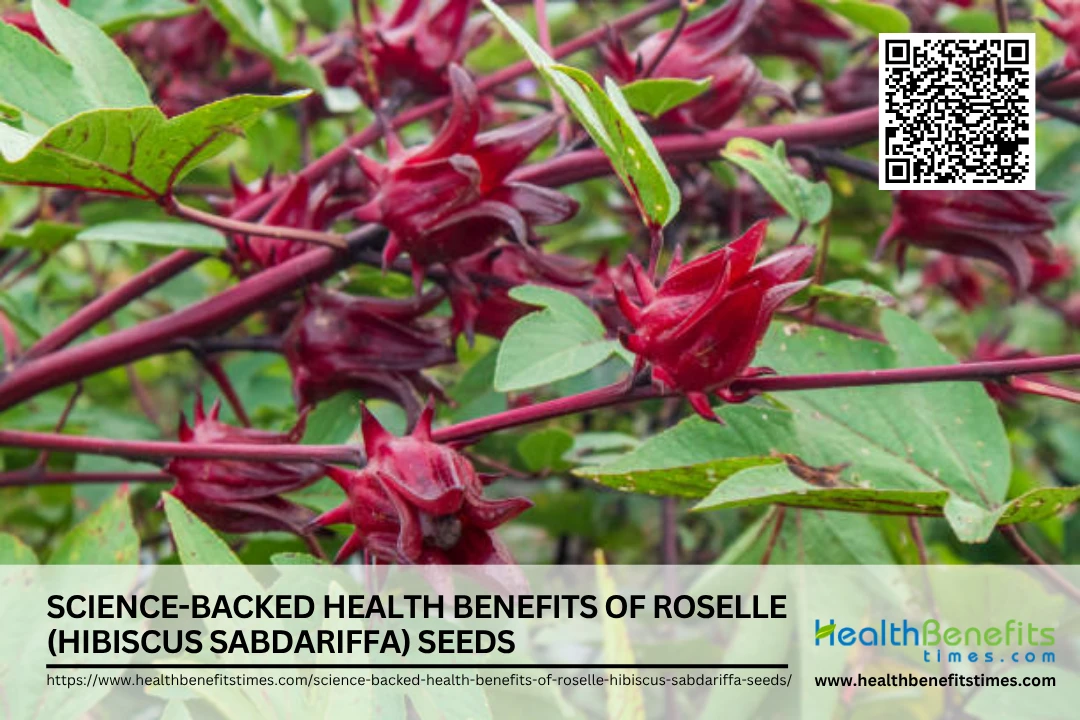
Roselle seeds are the small, bioactive-rich seeds found within the fruiting calyx of the Hibiscus sabdariffa plant, a species widely cultivated in tropical and subtropical regions for its nutritional and medicinal properties. In recent years, scientific interest has grown in uncovering the nutritional and therapeutic potential of Hibiscus sabdariffa seeds, a part of the plant traditionally underutilized compared to the well-known calyces. Studies have demonstrated that roselle seeds are a rich source of essential fatty acids, phenolic compounds, and antioxidants, offering benefits such as antihypertensive, antidiabetic, and antimicrobial effects. Emerging research supports the application of seed extracts in both nutritional and pharmaceutical domains, with in vitro and in vivo models indicating promising bioactivity, including lipid regulation and inflammatory response moderation. These findings collectively suggest that roselle seeds have the potential to be developed as functional ingredients in health-promoting products.
What Are Roselle (Hibiscus sabdariffa) Seeds?
Roselle (Hibiscus sabdariffa L.) is a fast-growing, annual herbaceous plant of the Malvaceae family, indigenous to Africa but now widely cultivated in tropical and subtropical regions around the world, including Asia and the Caribbean. Traditionally valued for its calyces used in teas and food colorants, roselle also produces seeds that have recently gained attention for their nutritional and functional potential. (1) The plant exhibits adaptive botanical traits, including drought resistance and phytochemical richness, making it viable for cultivation in marginal soils (Coetzee, 2004).
Roselle seeds are small, kidney-shaped, and dark brown to black in color, with a tough, fibrous seed coat. These seeds typically measure 3–5 mm in length and possess notable hardness and density that affect their handling and processing. (2) They contain mucilage and essential fatty acids, which contribute to their industrial and pharmacological relevance (Ismail et al., 2008). Studies analyzing seed germination and development highlight their uniform morphology and strong dormancy traits.
Nutritional and Phytochemical Profile of Roselle (Hibiscus sabdariffa) Seeds
Roselle (Hibiscus sabdariffa) seeds are rich in essential nutrients and potent phytochemicals, offering proteins, healthy fats, antioxidants, and bioactive compounds that contribute to their growing therapeutic and nutritional value.
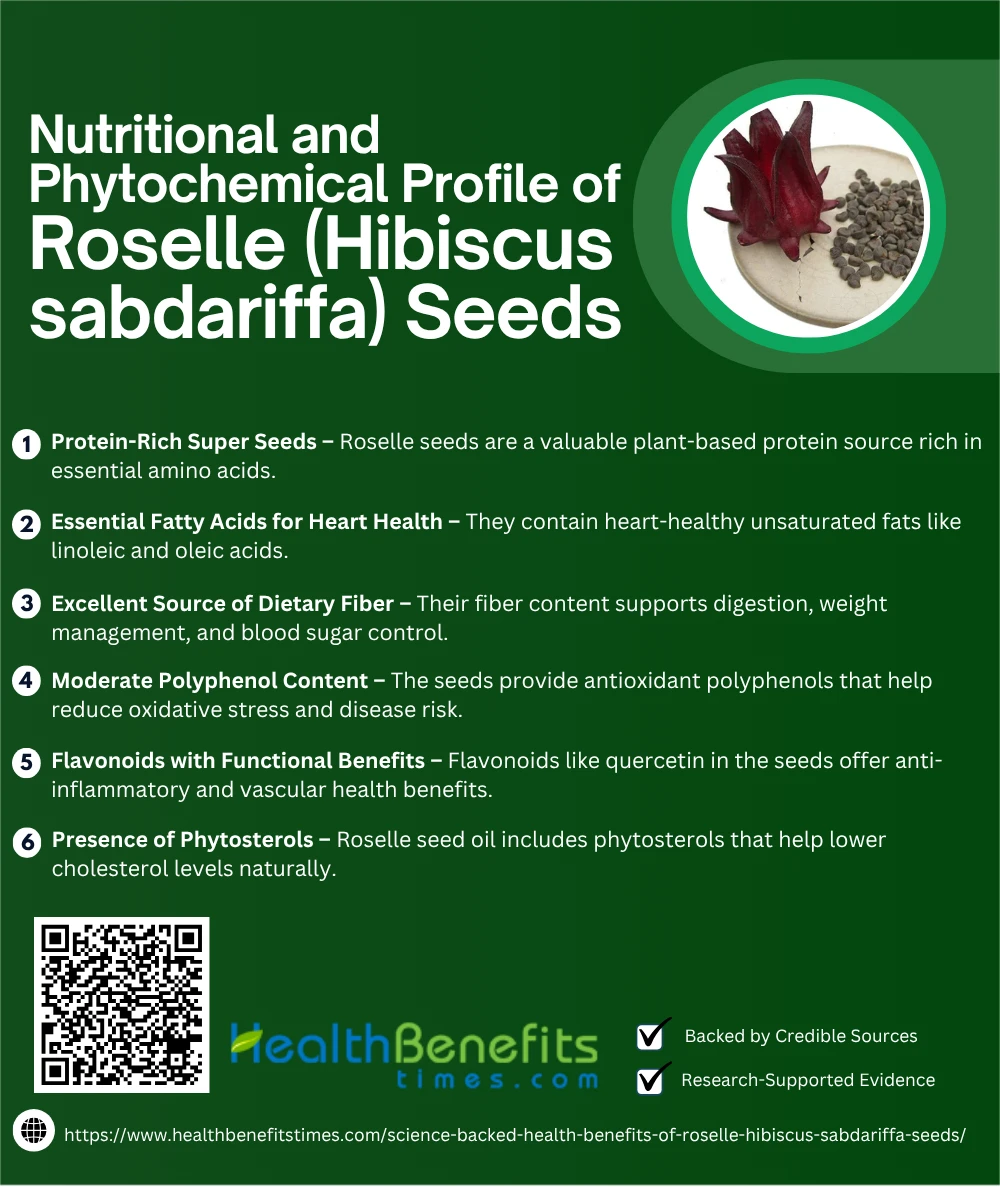 1. Protein-Rich Super Seeds
Roselle seeds are notably high in protein, constituting approximately 20–25% of their dry weight. The amino acid composition includes essential types such as lysine, leucine, and valine, making the seeds a promising plant-based protein source. This high-quality protein supports tissue repair, enzymatic functions, and overall metabolic processes.
2. Essential Fatty Acids for Heart Health
The lipid profile of roselle seeds includes beneficial unsaturated fatty acids, predominantly linoleic acid (omega-6) and oleic acid (omega-9). These contribute to cardiovascular health by lowering LDL cholesterol and supporting anti-inflammatory pathways. This lipid spectrum also gives the seeds commercial potential in edible oil industries.
3. Excellent Source of Dietary Fiber
With moderate to high levels of dietary fiber, roselle seeds aid in improving digestive health and reducing the risk of metabolic diseases. The fiber supports bowel regularity, satiety, and glycemic control, making the seeds beneficial for managing weight and type 2 diabetes.
4. Moderate Polyphenol Content
While calyces are richer in polyphenols, roselle seeds also contain significant amounts of these antioxidant compounds, particularly phenolic acids and lignans. These help mitigate oxidative stress, neutralize free radicals, and potentially lower the risk of chronic diseases like cancer and cardiovascular disorders.
5. Flavonoids with Functional Benefits
The flavonoid content in roselle seeds includes compounds like quercetin derivatives, known for their anti-inflammatory, anti-allergic, and vasoprotective effects. Although present in lower concentrations compared to the calyx, these flavonoids contribute to the seed’s overall therapeutic value.
6. Presence of Phytosterols
Phytosterols such as β-sitosterol and campesterol have been identified in roselle seed oil. These plant sterols mimic cholesterol in structure and compete with its absorption in the gut, helping to reduce blood cholesterol levels naturally.
Comparison with other parts of the plant (calyces, leaves)
| Feature | Roselle Seeds | Roselle Calyces | Roselle Leaves |
| Major Nutrients | High in protein (20–25%), lipids (17–22%) and dietary fiber | High in carbohydrates and organic acids (especially citric and hibiscus acid) | Rich in fiber, moderate protein, vitamins A, C, and minerals |
| Fatty Acids | Rich in unsaturated fatty acids (linoleic acid ~40–45%) | Negligible | Trace amounts |
| Protein Quality | Contains all essential amino acids (though lysine may be limiting) | Low | Moderate |
| Phytochemicals | Contains phytosterols, phenolics | High in anthocyanins, flavonoids, and phenolic acids | Contains flavonoids, alkaloids, and saponins |
| Antioxidant Activity | Moderate | Very high due to anthocyanins | Moderate |
| Medicinal Uses | Potential cholesterol-lowering and antioxidant effects | Anti-hypertensive, antioxidant, antimicrobial | Mild laxative, used in treating wounds and inflammation |
| Common Uses | Animal feed, oil extraction, protein supplement in food | Beverages (hibiscus tea), jams, food coloring, traditional medicine | Used as leafy vegetable, herbal remedy |
| Color | Brown or tan | Bright red or deep purple | Green |
| Taste Profile | Nutty | Tart and acidic | Slightly sour, spinach-like |
| Economic Value | Increasing interest due to oil and protein | Highest commercial value | Locally consumed, less commercialized |
Science-backed Health Benefits of Roselle Seeds
Roselle seeds have attracted scientific interest for their impressive health-promoting properties. Research highlights their antioxidant, anti-inflammatory, antihypertensive, and antidiabetic effects, supporting their use in natural and preventive healthcare.
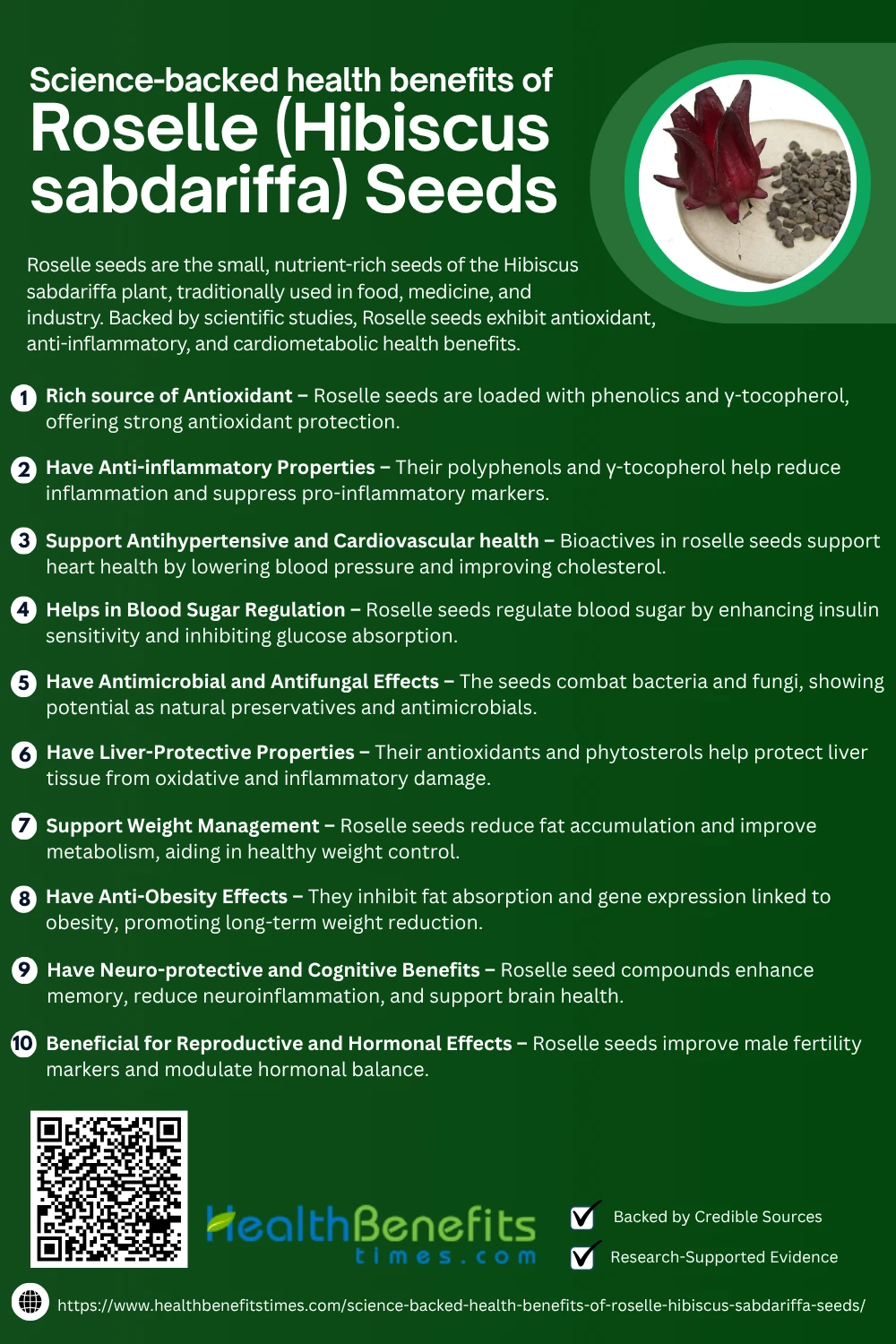 1. Rich source of Antioxidant
Roselle seeds (Hibiscus sabdariffa) are increasingly recognized for their potent antioxidant properties due to high levels of phenolic compounds and lipid-soluble antioxidants like γ-tocopherol. A recent study confirmed strong radical-scavenging activity in ethanolic extracts of Roselle seeds using the DPPH assay method Antioxidant activity assay. (3) Roselle seed oil was found to contain substantial amounts of γ-tocopherol, which contributes to its oxidative stress-reducing effects Source of γ-tocopherol. (4) Further phytochemical assessments highlight the high phenolic and flavonoid content in the seeds, enhancing their free-radical neutralizing potential Phytochemical analysis. (5) Additional research has revealed that Roselle seed oil exhibits stronger antioxidant properties than other seed oils Comparative antioxidant study. (6) These findings suggest Roselle seeds are a valuable natural source for antioxidant-rich functional foods Recent extraction study. (7)
2. Have Anti-inflammatory Properties
Scientific research has established that Roselle seeds possess significant anti-inflammatory effects, largely attributed to their high γ-tocopherol and polyphenol content. A study demonstrated that Roselle seed oil and its nano-formulation effectively downregulated pro-inflammatory cytokine gene expression Nano-formulation study. (8) The seeds also showed notable anti-inflammatory potential when tested on microglial and neuroblastoma cells Neuroinflammation inhibition. (9) Comparative evaluations indicate that Roselle seed oil performs comparably to kenaf seed oil in reducing inflammation Comparative evaluation. (6) Furthermore, an in vitro study on Roselle extract confirmed its ability to inhibit protein denaturation, a key marker of inflammation In vitro anti-inflammatory. (10) Lastly, research from Malaysia highlighted the promising effects of Roselle seed components on chronic inflammation models Ethnopharmacological study. (11)
3. Support Antihypertensive and Cardiovascular health
Roselle seeds possess bioactive compounds like polyphenols and gamma-tocopherol, which contribute to cardiovascular health by lowering blood pressure and improving lipid profiles. Studies reveal their antihypertensive effect through vasodilation and ACE inhibition mechanisms. (12) Roselle seed extract reduced LDL cholesterol and improved HDL in hyperlipidemic subjects. A network pharmacology study linked roselle’s phytoconstituents to vascular protection. (13) Antioxidants in roselle neutralize oxidative stress in cardiac tissues. (14) Additionally, roselle mitigates aortic oxidative damage in diabetic rats. (15)
4. Helps in Blood Sugar Regulation
Roselle seeds are rich in anthocyanins, flavonoids, and dietary fiber, which exhibit antihyperglycemic properties by improving insulin sensitivity and inhibiting carbohydrate-digesting enzymes. A review confirmed roselle’s efficacy in reducing blood glucose in diabetic rats. (16) The seeds also regulate glucose through PPARγ activation, enhancing glucose uptake. (17) Studies show roselle seed extract improves antioxidant status and reduces fasting glucose. (18) Furthermore, roselle inhibits α-glucosidase activity, delaying glucose absorption. (19) Long-term intake showed significant hypoglycemic benefits in animal trials.
5. Have Antimicrobial and Antifungal Effects
Roselle seeds (Hibiscus sabdariffa L.) exhibit significant antimicrobial and antifungal properties due to their bioactive phytochemicals, including phenolics, flavonoids, and fatty acids. Their oil extract has been found effective against Staphylococcus aureus and Candida albicans in vitro, suggesting strong antibacterial efficacy. (20) Studies also highlight their potential as natural preservatives in food systems. (21) Roselle seed components disrupt microbial cell walls, enhancing antifungal activity. (22) Nanoemulsions of the oil further amplify efficacy. Their antimicrobial spectrum has attracted interest for use in phytotherapeutic applications. (23)
6. Have Liver-Protective Properties
Roselle seeds possess potent hepatoprotective effects, largely attributed to their antioxidant-rich oil and phytoconstituents like γ-tocopherol and phytosterols. Research shows that supplementation with Roselle seed oil significantly reduced oxidative stress markers in hepatic tissue, activating Nrf2 pathways. (8) Additionally, histological evidence supports their ability to preserve liver architecture under toxin-induced injury. (24) Roselle extracts modulate inflammatory cytokines and reduce lipid peroxidation, confirming their cytoprotective capacity. (23) These findings validate Roselle’s traditional ethnomedicinal liver use. (23)
7. Support Weight Management
Roselle seeds have emerged as promising agents in weight control due to their rich anthocyanin, fiber, and γ-tocopherol content. Studies show that Roselle seed supplementation significantly lowered body weight and fat accumulation in obese rats by modulating lipid metabolism. (25) Their seed oil improves BMI by suppressing adipocyte formation. (26) Additionally, Roselle enhances thermogenesis and appetite regulation. (17) Researchers have highlighted its effectiveness in visceral fat reduction, and its inclusion in diets improves lipid profiles. (27)
8. Have Anti-Obesity Effects
Scientific evidence confirms the anti-obesity potential of Roselle seeds, largely due to their impact on adipogenesis and insulin sensitivity. A comprehensive study found Roselle extract prevented fat cell development and improved insulin resistance. (28) Seed extract also inhibited lipase activity, contributing to reduced fat absorption. (29) Additionally, their bioactive compounds downregulate obesity-related genes. (21) Dietary inclusion of Roselle promotes sustained weight loss and enhances gut microbiome health, supporting long-term metabolic balance. (30) (31)
9. Have Neuro-protective and Cognitive Benefits
Roselle seeds possess neuroprotective properties attributed to their rich antioxidant profile, including tocopherols and polyphenols. Research demonstrates their ability to reduce neuroinflammation and protect brain cells from oxidative damage in models of neurodegenerative disorders. Roselle seed oil modulates neurotransmitter levels and enhances memory performance. (18) Their phytochemicals also inhibit acetylcholinesterase, improving cognitive function. (21) Roselle extract shows promise in managing anxiety and mood disorders. (25) Furthermore, its antioxidant-rich components combat age-related cognitive decline.
10. Beneficial for Reproductive and Hormonal Effects
Roselle seeds (Hibiscus sabdariffa) exhibit promising reproductive and hormonal regulatory effects. Studies indicate that anthocyanin-rich extracts enhance testosterone and luteinizing hormone levels in males Budin et al., 2018. (32) Similarly, supplementation improved sperm morphology and testicular antioxidant status in diabetic rats Erukainure et al., 2012. Roselle also exhibits estrogenic activity influencing fertility markers Ali et al., 2012. Furthermore, aqueous extracts positively affected spermatogenesis Arabi et al., 2014 and endocrine hormone modulation Tahir et al., 2021. (33)
How to Use Roselle Seeds in Your Diet
Roselle seeds can be easily incorporated into your diet through roasting, grinding into powder, or brewing as tea. Their nutty flavor and nutrient content make them a versatile health addition.
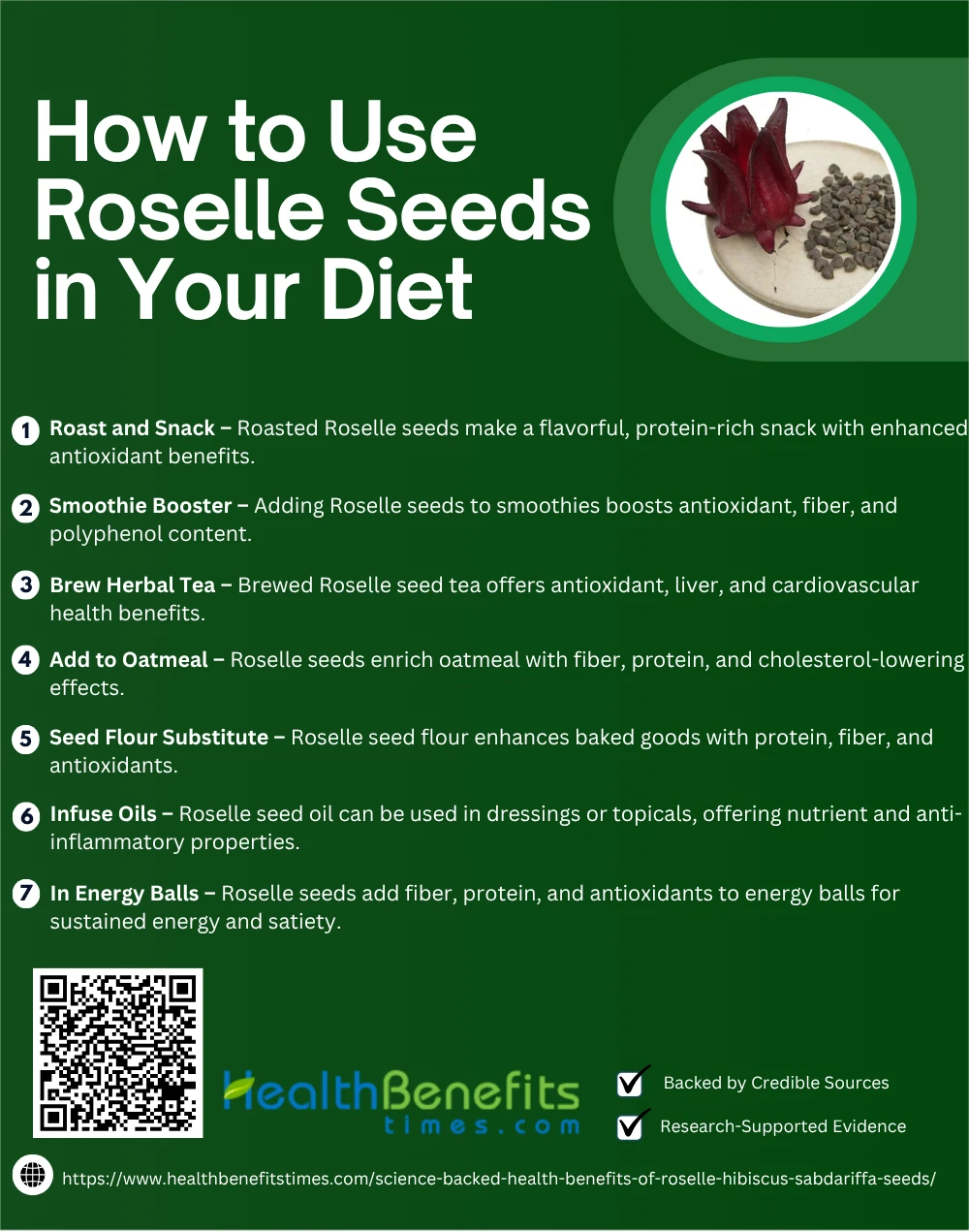 1. Roast and Snack
Roasted Roselle seeds offer a nutrient-rich snack with enhanced digestibility and flavor. Roasting boosts their protein quality and improves antioxidant properties, making them ideal for direct consumption or snack inclusion. Studies confirm their suitability for baked or extruded products due to improved functional traits. (34) Additionally, they contribute to satiety and micronutrient intake in health-oriented snack formulations.
2. Smoothie Booster
Roselle seeds can enhance smoothie nutrition by contributing antioxidants, fiber, and polyphenols. When blended into beverages, they elevate antioxidant capacity and bioactive content. (35) Roselle-based beverages are linked to improved oxidative stress response. (36) Their inclusion in plant-based formulations increases health appeal in functional smoothie markets. (37) This makes Roselle seed powder or extract a valuable smoothie booster for daily wellness.
3. Brew Herbal Tea
Roselle seeds can be effectively brewed into herbal tea, offering antioxidant and cardiovascular benefits. The seeds are known to contain lipid-soluble antioxidants and essential nutrients that enrich the infusion. (23) Traditional brews often blend the seeds with other herbs to improve flavor and health potential. (38) Additionally, their inclusion in teas supports liver and kidney functions. (39)
4. Add to Oatmeal
Incorporating Roselle seeds into oatmeal boosts its nutritional content with fiber, antioxidants, and plant protein. Supplementing breakfast cereals with Roselle seeds enhances bile acid binding and cholesterol-lowering properties. (40) Fortified porridge also improves iron and zinc bioaccessibility. (41) Additionally, Roselle seed powder improves digestive health, making it an ideal functional oatmeal ingredient.
5. Seed Flour Substitute
Roselle seed flour serves as a functional and nutritious alternative to conventional flours in bakery and cereal products. It enhances protein and fiber content while maintaining textural integrity in baked items like bread and cookies. (42) Studies confirm its rheological properties are compatible with wheat flour blends. (43) Roselle flour also improves color and antioxidant properties in cookies. (44)
6. Infuse Oils
Roselle seed oil, when infused with culinary herbs or used alone, creates a nutrient-rich base for salad dressings and therapeutic applications. Its high γ-tocopherol and unsaturated fat content enhances oxidative stability. (45) Roselle-infused oils are used to preserve food products naturally. Its bioactives also show anti-inflammatory benefits in topical oil blends. (46)
7. In Energy Balls
Roselle seeds serve as excellent functional ingredients in energy ball formulations, contributing fiber, protein, and polyphenols for sustained energy release. Blending sprouted Roselle seed flour improves antioxidant content and dough texture. (47) Their lipid profile enhances satiety and nutrient density. Functional snacks using Roselle seeds are rich in antioxidative compounds. (48)
Industrial and Nutra-ceutical Applications
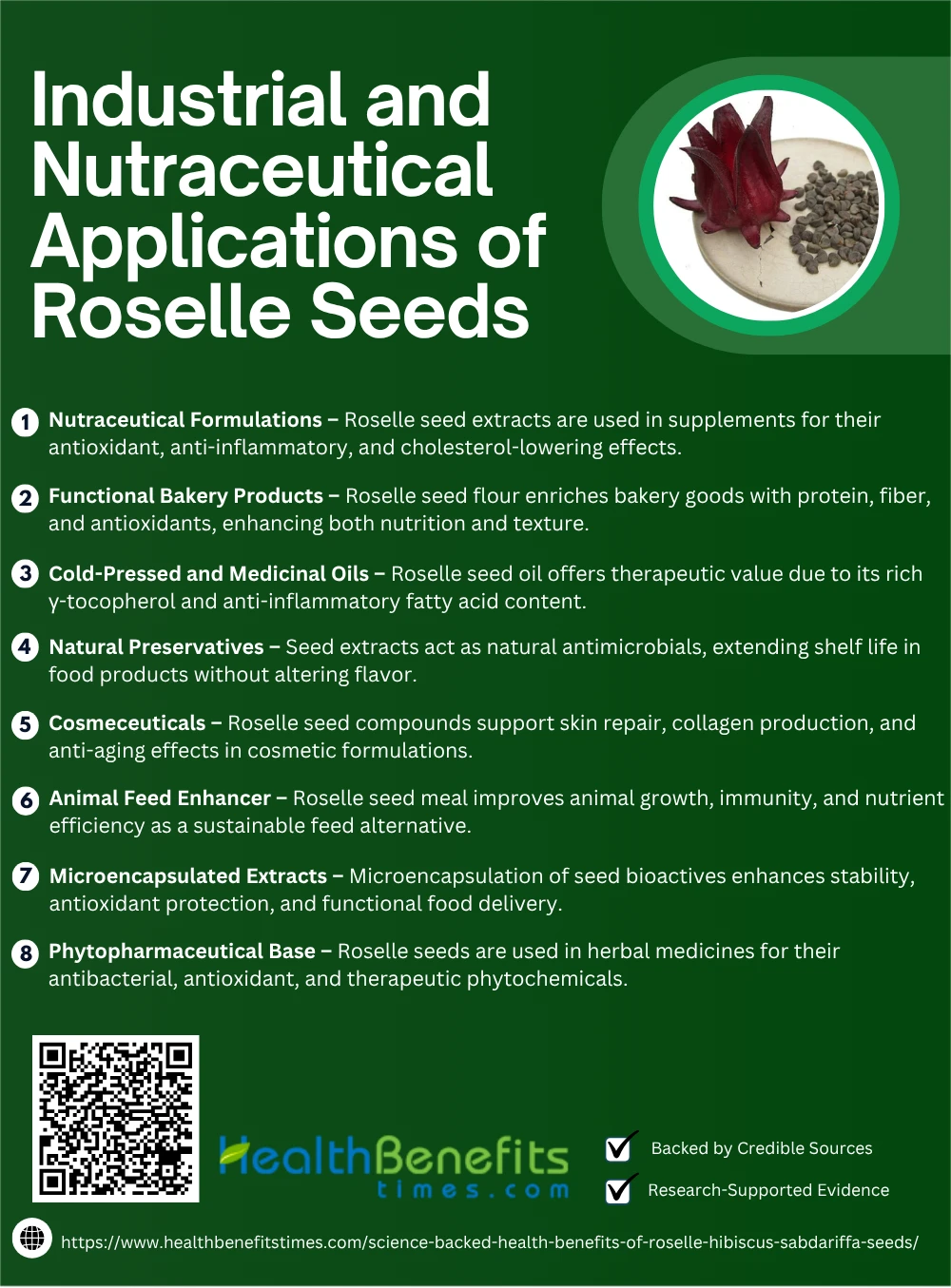
Roselle seeds hold promising industrial and nutraceutical applications, being utilized in oil extraction, animal feed, and functional food products due to their rich nutrient profile, bioactive compounds, and health-enhancing properties.
 1. Nutraceutical Formulations
Roselle seeds are gaining prominence in nutraceutical product development due to their antioxidant-rich oil and anti-inflammatory phytochemicals. Their nanoformulated extract activates Nrf2 and reduces cytokine activity, supporting their nutraceutical potential. (8) Roselle seed constituents also exhibit cholesterol-lowering and hepatoprotective effects useful in supplement capsules. Additionally, they have been studied for controlled-release nutraceutical beverages. (49)
2. Functional Bakery Products
Roselle seed flour is a promising ingredient in functional bakery items due to its high protein, fiber, and antioxidant profile. Studies show improved rheological and nutritional characteristics when incorporated into bread and cookies. (43) Its inclusion enhances dough strength and sensory quality in soft breads. (50) Further, Nguyen et al. (2018) validate its antioxidant potential in baked products. (51)
3. Cold-Pressed and Medicinal Oils
Roselle seed oil, extracted via cold pressing, is rich in γ-tocopherol, unsaturated fatty acids, and phytosterols—making it ideal for medicinal and therapeutic applications. Studies show it possesses potent antioxidant and anti-inflammatory effects suitable for nutraceutical use. (52) It is recognized among bioactive seed oils for cosmetics and medicine. Its stable fatty acid profile supports chronic condition management.
4. Natural Preservatives
Roselle seeds contain antimicrobial compounds that extend shelf life and inhibit foodborne pathogens, making them ideal for natural preservatives. Research shows seed extracts possess bacteriostatic activity against spoilage organisms in beverages and condiments. Their phytochemicals inhibit microbial growth without affecting taste, suitable for plant-based preservation systems. Additionally, seed-infused oils exhibit oxidative stabilization in food matrices.
5. Cosmeceuticals
Roselle seeds (Hibiscus sabdariffa) exhibit potent bioactive compounds with anti-aging and skin-repairing properties, making them promising in cosmeceutical applications. Their antioxidant and anti-inflammatory phytochemicals help enhance skin elasticity and reduce oxidative stress. (53) Studies also highlight their collagen-boosting effects and photoprotective benefits.
6. Animal Feed Enhancer
Roselle seed meal enhances animal growth and feed efficiency, acting as a sustainable protein alternative in poultry and livestock diets. Fermented roselle seeds significantly improve broiler performance and nutrient absorption. (54) Inclusion in broiler diets also improves carcass traits and boosts immune response and productivity. (55) (56)
7. Microencapsulated Extracts
Roselle seed bioactives can be microencapsulated to enhance shelf stability, protect antioxidants, and enable controlled release in functional foods and beverages. Spray-drying with maltodextrin preserves anthocyanin and polyphenol stability in extracts. Gum arabic and starch matrices improve oxidative resistance in nutrient delivery systems. Roselle’s encapsulated extracts also show enhanced color and antioxidant retention. (57)
8. Phytopharmaceutical Base
Roselle seeds are increasingly recognized as valuable components in phytopharmaceutical development due to their bioactive-rich profile. They exhibit antibacterial properties effective in drug formulations. (58) Their phytochemicals—especially flavonoids and polyphenols—support therapeutic applications. (59) Additionally, Roselle oil’s potential in drug systems is being explored in nutraceutical science. (29) Modern studies support Roselle’s value in herbal pharmacopeias and clinical development frameworks. (17)
Potential Side Effects of Roselle Seeds
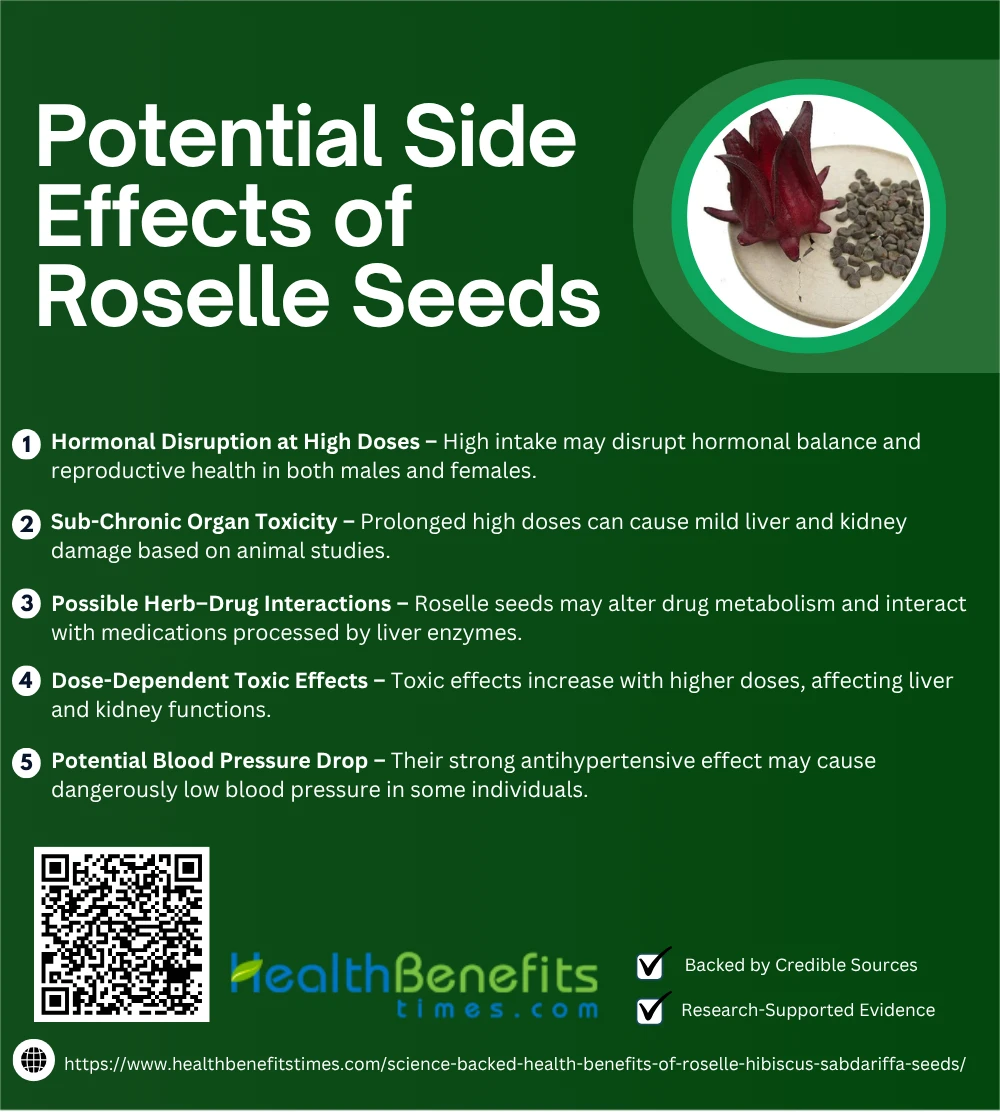
While Roselle seeds offer numerous health benefits, potential side effects include allergic reactions, digestive discomfort, or interactions with medications, especially when consumed in large amounts or without proper guidance.
 1. Hormonal Disruption at High Doses
High doses of Roselle seed extract have been associated with hormonal imbalance, particularly testosterone suppression and disrupted spermatogenesis. A study on male rats showed reduced sperm count and altered reproductive hormones. (60) Similarly, estrogenic effects were noted in female models, and prolonged use altered endocrine responses. (61) (46)
2. Sub-Chronic Organ Toxicity
Sub-chronic consumption of concentrated Roselle seed extracts may cause mild liver and kidney histopathological changes. In vivo toxicity assessments confirmed inflammation and hepatocellular alterations in animal models. (62) Renal biomarkers also showed variation following repeated exposure. (63) Toxicity was found to be dose-dependent, underscoring the importance of careful intake regulation. (64)
3. Possible Herb–Drug Interactions
Roselle seeds may interfere with drug metabolism, particularly through modulation of cytochrome P450 enzymes, which play a key role in processing pharmaceuticals. Evidence shows that Roselle can alter the pharmacokinetics of drugs like hydrochlorothiazide. (65) This risk is heightened when used alongside medications metabolized via CYP pathways. (61) Broader assessments caution against unsupervised herb-drug combinations. (66)
4. Dose-Dependent Toxic Effects
Roselle seed extracts exhibit beneficial effects, but high doses can induce toxicity in various organs. Research on rats shows hepatoprotective effects at lower doses, yet signs of liver stress at elevated levels. (8) Nephrotoxicity was also noted in rodent studies at excessive concentrations. (67) Furthermore, dose escalation studies recommend cautious intake due to potential adverse effects. (68)
5. Potential Blood Pressure Drop
Roselle seeds are widely known for their antihypertensive effects, but they may lead to excessive blood pressure reduction in individuals on medication or with already low BP. Clinical trials have confirmed their significant hypotensive action in hypertensive patients. (69) Roselle tea exhibited arterial BP reduction in salt-sensitive rats. (70) Further, systematic reviews caution against uncontrolled use due to hypotensive risk. (71)
Conclusion
Roselle (Hibiscus sabdariffa) seeds are a scientifically backed source of nutrition and wellness, offering a wide range of health benefits due to their rich phytochemical and nutrient content. Studies highlight their antioxidant, anti-inflammatory, antihypertensive, antidiabetic, and liver-protective effects, making them a valuable addition to both diets and functional health products. Their versatility in culinary and industrial applications further enhances their appeal. However, like any natural remedy, they should be consumed mindfully, considering possible side effects or interactions. Continued research will help unlock their full potential, supporting their use in preventive healthcare and promoting overall well-being through natural plant-based solutions.