

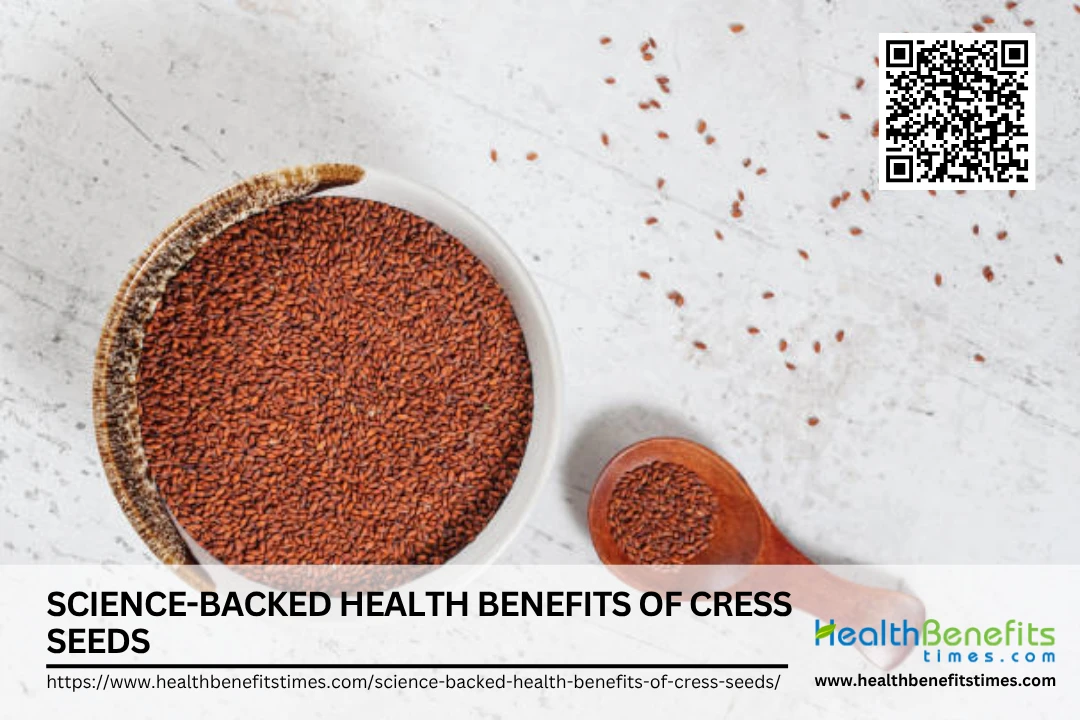
Cress seeds, scientifically known as Lepidium sativum, are fast-growing edible seeds from a plant in the cruciferous family, traditionally valued for their medicinal and nutritional properties in South Asia, the Middle East, and parts of Europe. They are rich in fiber, essential fatty acids, iron, and bioactive compounds that support human health. Over the past decade, cress seeds have drawn increasing scientific interest due to their diverse pharmacological properties and potential use in functional foods. Research has highlighted their antioxidant, antidiabetic, antimicrobial, and anti-inflammatory effects—attributed to their rich profile of flavonoids, glucosinolates, and essential minerals. Studies also suggest benefits for gastrointestinal health, menstrual regulation, and bone strengthening, particularly due to their high calcium and iron content. Furthermore, emerging literature supports their role in enhancing cardiovascular health and improving skin and hair vitality through oxidative stress modulation and improved lipid profiles. These multifaceted benefits make cress seeds a compelling topic of study in the context of natural, plant-based health interventions.
Nutritional Profile of Cress Seeds
Cress seeds are a powerhouse of nutrition, packed with essential vitamins, minerals, proteins, and antioxidants. Their rich nutrient profile supports overall health and makes them a valuable dietary addition.
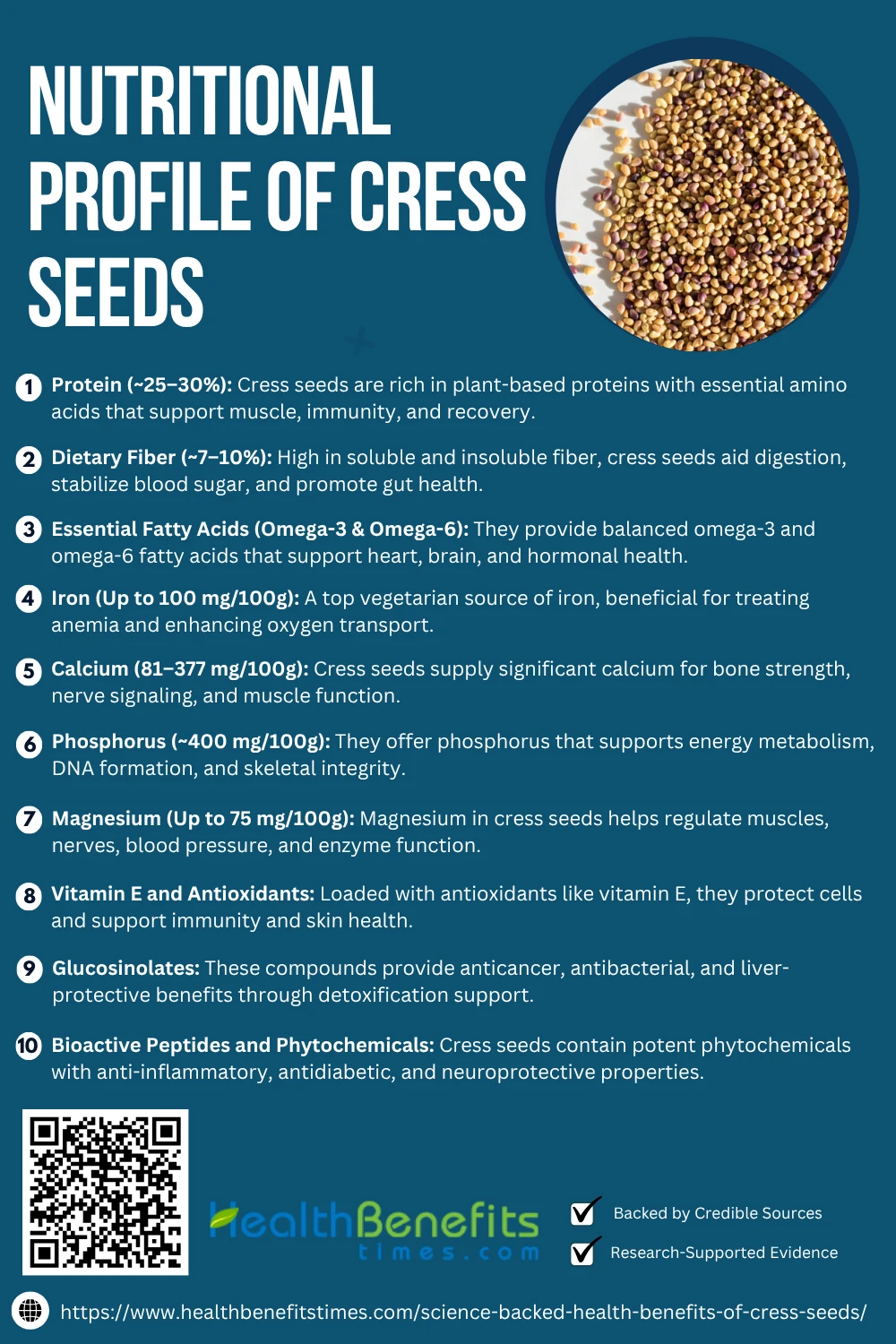 1. Protein (~25–30%)
Cress seeds are exceptionally rich in plant-based protein, containing up to 30g per 100g, which is higher than many grains and legumes. These proteins are made up of essential amino acids such as leucine, isoleucine, and lysine, which support muscle development, tissue repair, and immune function. This makes them an ideal supplement for vegetarians, athletes, and individuals recovering from illness.
2. Dietary Fiber (~7–10%)
Cress seeds contain high amounts of soluble and insoluble fibers, crucial for gut motility and metabolic regulation. Soluble fiber can form gels in the digestive tract, reducing glucose absorption and lowering blood sugar levels, while insoluble fiber adds bulk to stool and prevents constipation. Fiber also plays a role in maintaining a healthy gut microbiota.
3. Essential Fatty Acids (Omega-3 & Omega-6)
Cress seeds are a plant-based source of Omega-3 fatty acids, especially alpha-linolenic acid (ALA), which is known for its anti-inflammatory and cardioprotective effects. Omega-6 fatty acids like linoleic acid are also present, essential for cell membrane structure. The balance of these fatty acids contributes to brain function, cholesterol control, and hormonal balance.
4. Iron (Up to 100 mg/100g)
Cress seeds are among the richest vegetarian sources of iron, important for hemoglobin synthesis, oxygen transport, and cellular respiration. This makes them especially beneficial in the management of anemia, particularly in women and children. The bioavailability of iron is enhanced when consumed with vitamin C-rich foods.
5. Calcium (81–377 mg/100g)
High calcium content in cress seeds supports bone mineralization, nerve impulse transmission, and muscle contraction. Calcium is critical for preventing osteoporosis and maintaining cardiovascular health by aiding vascular contraction and dilation.
6. Phosphorus (~400 mg/100g)
Phosphorus is essential for energy metabolism (as a component of ATP), DNA/RNA synthesis, and bone integrity. Cress seeds provide a robust dose of phosphorus that works in synergy with calcium to promote skeletal strength.
7. Magnesium (Up to 75 mg/100g)
Magnesium helps regulate neuromuscular function, blood glucose levels, and blood pressure. It is a cofactor in more than 300 enzymatic reactions in the human body. A deficiency in magnesium is linked to fatigue, muscle cramps, and mental health disorders like anxiety.
8. Vitamin E and Antioxidants
Cress seeds contain potent antioxidants including vitamin E, flavonoids, and phenolic acids. These compounds protect cells from oxidative damage, enhance immune defense, and contribute to anti-aging effects on the skin. Antioxidants also help prevent chronic diseases such as cancer and atherosclerosis.
9. Glucosinolates
Glucosinolates are sulfur-containing compounds that get converted into isothiocyanates, known for their anticancer, antibacterial, and detoxifying effects. Found commonly in cruciferous vegetables, these phytochemicals in cress seeds support liver function and DNA repair pathways, offering protection from environmental carcinogens.
10. Bioactive Peptides and Phytochemicals
These include alkaloids, saponins, flavonoids, and other secondary metabolites with roles in inflammation reduction, blood sugar regulation, anti-allergic and neuroprotective functions. Research suggests these compounds have synergistic effects, enhancing the seeds’ role as a functional food and potential nutraceutical.
Key Science-Backed Health Benefits of Cress Seeds
Cress seeds offer a range of science-backed health benefits. From boosting immunity to improving digestion and blood health, their natural compounds contribute to various aspects of physical well-being and vitality.
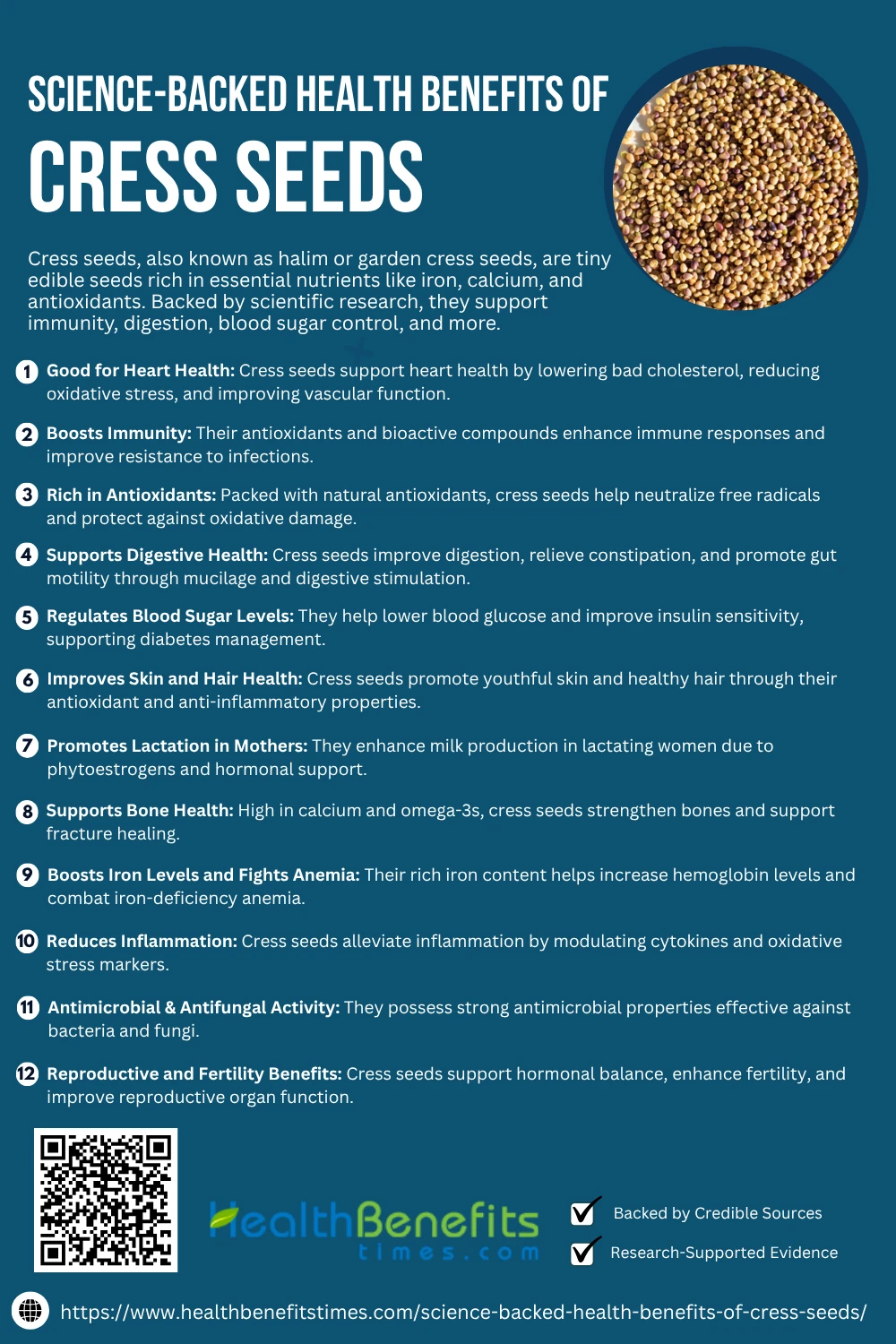 1. Good for Heart health
Cress seeds (Lepidium sativum) support cardiovascular health through their rich content of omega-3 fatty acids, magnesium, and antioxidants that help regulate lipid profiles and reduce oxidative stress. Studies show they improve heart function and reduce total cholesterol, LDL, and triglyceride levels while enhancing HDL. (1) Their cardioprotective action is further demonstrated in animal models. Rich in cardiac glycosides and flavonoids, they act as vasodilators and reduce platelet aggregation. (2) Additionally, cress seed extracts reduce atherosclerotic risk by improving endothelial function. (3) Their vitamin K content also plays a protective role by preventing arterial calcification. (4)
2. Boosts Immunity
Cress seeds (Lepidium sativum) enhance immune function through their rich supply of antioxidants, vitamin C, and bioactive phytochemicals that stimulate both innate and adaptive immune responses. Studies confirm their immunomodulatory action by increasing white blood cell counts and lymphocyte activation. (5) Their antioxidant-rich seed coat polysaccharides improve defense against pathogens. (6) Additionally, fermented milk fortified with cress enhances immune markers in rats . (7) Another study linked vitamin-rich cress oil to boosted humoral immunity. (8) A review by Baregama emphasizes their immunoprotective potential in traditional and clinical models. (4)
3. Rich in antioxidants
Cress seeds (Lepidium sativum) are a powerhouse of natural antioxidants, including polyphenols, flavonoids, and vitamin C, which help combat oxidative stress and prevent cellular damage. Their ethanolic extracts show high radical scavenging activity. (9) The seed mucilage also demonstrates protective effects in oxidative liver models. Additionally, cress seed gum has been used for extending food shelf life through its antioxidative potential. (10) It’s proven beneficial in wound healing by modulating antioxidant enzyme levels (Salem et al., 2024). A comprehensive review highlights their overall functional and antioxidant roles. (11)
4. Supports Digestive Health
Cress seeds (Lepidium sativum) have been traditionally used as a natural digestive tonic and scientifically recognized for their prokinetic and laxative properties. They stimulate intestinal motility and relieve constipation due to their mucilage content. (12) Studies confirm their effectiveness in gut cleansing and enhancing gastric secretion. (13) Their mild cholinergic stimulation promotes smooth bowel movement. (14)Traditional applications are supported by clinical data on their use as a gastrointestinal remedy. (15) Furthermore, cress mucilage is beneficial in modulating gut pH and microbiota. (16)
5. Regulates Blood Sugar Levels
Cress seeds (Lepidium sativum) demonstrate potent antidiabetic properties by lowering fasting blood glucose and improving insulin activity. Animal studies confirm their hypoglycemic effects, comparable to standard medications. (17)The seeds promote cellular glucose uptake and inhibit gluconeogenesis (Mishra et al., 2017). Their rich flavonoid and linolenic acid content enhances glycemic control. (18) Additionally, trials using cress-fortified diets in diabetic rats show significant glucose reduction. Reviews support their safe integration into diabetic nutrition plans. (19)
6. Improves Skin and Hair Health
Cress seeds (Lepidium sativum) are renowned for their antioxidant, anti-inflammatory, and vitamin-rich properties that benefit both skin and hair. Their high content of flavonoids, sulfur compounds, and vitamin C helps combat oxidative stress and aging-related skin issues. (16) Traditionally used for hair loss and dandruff in Iraqi medicine, the seeds also support scalp health. Cress-based formulations have shown effectiveness in improving dermal texture and hydration. Their antioxidant activity helps reduce skin inflammation and aging effects. (4) Additionally, herbal shampoos using cress seed oil improve hair strength and sheen. (20)
7. Promotes Lactation in Mothers
Garden cress seeds (Lepidium sativum) have demonstrated galactagogue activity, enhancing milk secretion in lactating women through hormonal modulation mechanisms. (21) The presence of phytoestrogens contributes to prolactin stimulation, supporting maternal breastfeeding efficacy. (22) In experimental studies, supplementation with cress extract improved lactation volume in rats. (23) Additionally, bioactive components like linolenic acid further aid lactogenic effects. Thus, cress seeds are a valuable adjunct in maternal nutrition. (24)
8. Supports Bone Health
Cress seeds are rich in calcium, phosphorus, and omega-3 fatty acids, making them effective in promoting bone regeneration and density, especially in osteoporotic conditions. (23) Their high flavonoid content contributes to antioxidant activity essential for bone matrix formation. (16) Healing effects were observed in bone fractures treated with cress extract in animal models. (22) Nutrient-rich formulations using processed cress seeds show promising bioavailability for skeletal health. (25) Recent studies confirm its role in osteogenic support via gene expression pathways. (9)
9. Boosts Iron Levels and Fights Anemia
Cress seeds (Lepidium sativum) are an effective natural remedy against iron-deficiency anemia due to their high bioavailable iron and protein content. Studies confirm they elevate hemoglobin and ferritin levels in anemic models. (26) Their use in dietary formulations has shown significant anemia-reduction effects. (27) Additional studies highlight their utility in immune and metabolic support and superfood status. (28) (29) Comprehensive reviews confirm these seeds support hematological health across age groups. (30)
10. Reduces inflammation
Cress seeds exhibit potent anti-inflammatory activity owing to their rich phenolic and flavonoid profile, including gallic and protocatechuic acids. (31) These compounds modulate cytokine levels and oxidative stress markers, reducing tissue inflammation and promoting healing. Application in wound treatments shows efficacy through reduced swelling and improved regeneration. (32) Additionally, garden cress seed extracts enhance antioxidant enzyme activity, essential for combating chronic inflammation and cellular damage. (31) Their therapeutic promise is supported by multiple in vivo studies.
11. Antimicrobial & Antifungal Activity
Garden cress seeds exhibit broad-spectrum antimicrobial and antifungal effects due to their bioactive constituents like glucosinolates and flavonoids. Studies demonstrate strong inhibitory activity against Candida albicans and Staphylococcus aureus. Ethanolic extracts have shown potent effects on fungal pathogens. (22) Cress leaf oil displays higher antifungal activity than seeds. (33) Review studies confirm cress’s strong antimicrobial profile and diverse therapeutic applications. (34) (16)
12. Reproductive and Fertility Benefits
Cress seeds (Lepidium sativum) are known to enhance reproductive health by modulating oxidative stress and restoring hormonal balance. In animal studies, cress seed oil protected ovarian tissue against acrylamide-induced damage, improving estrogen levels and reducing DNA abnormalities. (35) The seeds are traditionally used to regulate menstrual cycles and promote libido. (22) Additional research supports their role in improving testicular function and sperm count and treating fertility disorders. (28) (29) Their adaptogenic qualities make them valuable in reproductive wellness strategies. (30)
How to Use Cress Seeds in Daily Life
Incorporating cress seeds into your daily routine is simple and effective. These versatile seeds can be consumed in drinks, meals, or snacks to naturally boost your nutrition and overall health.
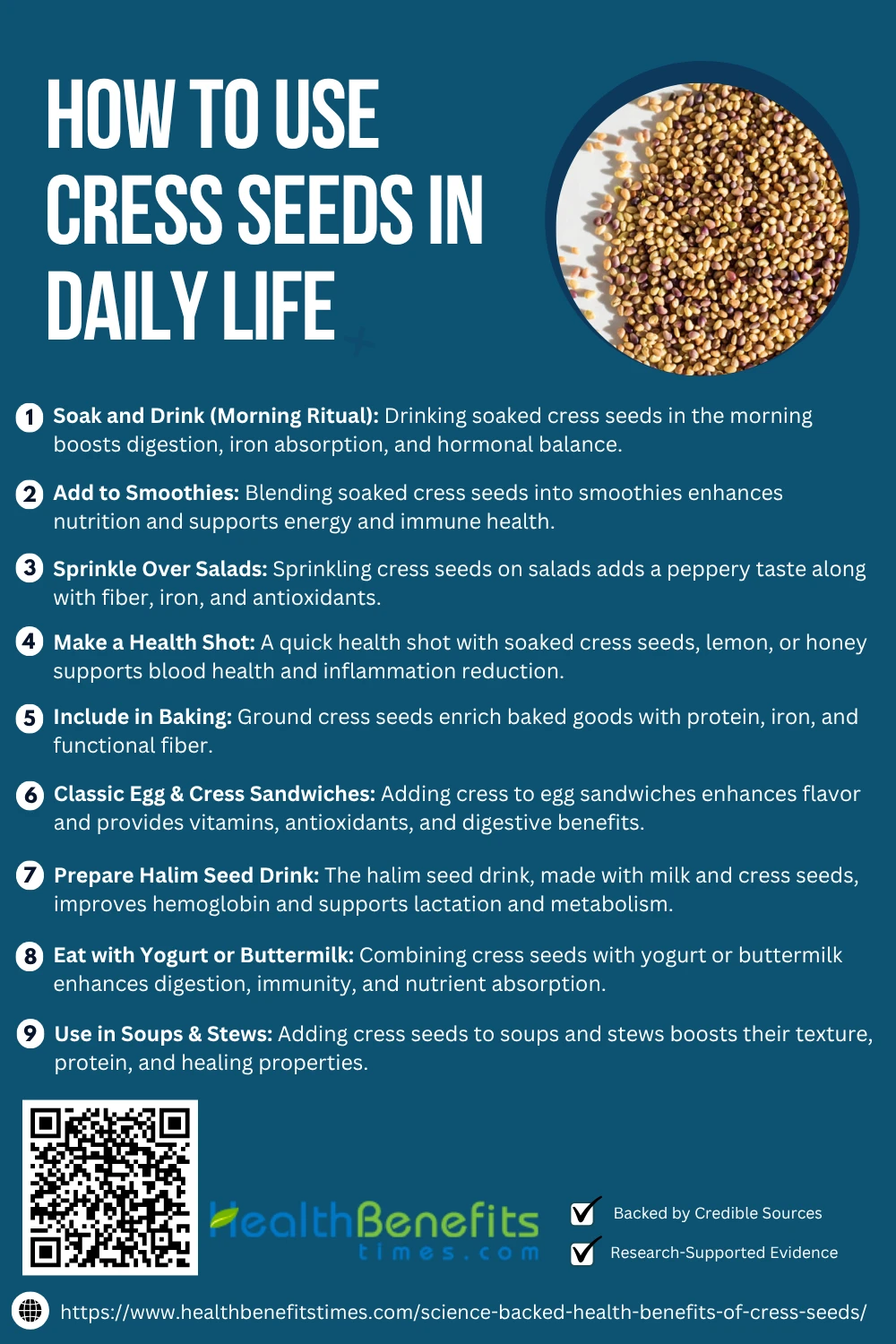 1. Soak and Drink (Morning Ritual)
Soaking garden cress seeds overnight activates mucilage and enhances nutrient absorption. This simple drink supports digestion, iron uptake, and hormone balance. (25) The swollen seed coat promotes gut lubrication. (22) Daily intake has shown therapeutic effects on anemia and inflammation. (16)
2. Add to Smoothies
Incorporating soaked garden cress seeds into smoothies enhances texture and boosts iron, protein, and omega-3 levels. Studies validate their nutritional value and antioxidant profile in blended beverages. (25) They aid in immune modulation and metabolism. (16) A balanced smoothie with cress can support anemia recovery and energy levels. (22)
3. Sprinkle Over Salads
Sprinkling garden cress seeds on salads boosts the dish’s iron, fiber, and antioxidant levels. Their peppery taste enhances flavor while delivering therapeutic nutrients. (16) Studies highlight their use in raw culinary formats like salads (Kumar et al., 2021). (36) This simple inclusion promotes immunity and gut health. (37)
4. Make a Health Shot
A cress seed health shot—made by soaking seeds in warm water and adding lemon or honey—is rich in iron, flavonoids, and phytoestrogens. This drink supports blood production and reduces inflammation. (25) Consuming it daily may help regulate metabolism and hormones, making it a simple wellness ritual. (22) (16)
5. Include in Baking
Garden cress seeds can be ground and added to baked goods to enhance protein, iron, and antioxidant content. Research supports their incorporation into multipurpose flours for breads and muffins. (38) Their nutty flavor and high fiber also improve texture and nutrition in functional bakery items and energy bars. (16) (22)
6. Use in Soups & Stews
Cress seeds act as thickeners and nutrient enhancers in soups and stews. Rich in iron, glucosinolates, and omega-3s, they complement legumes and vegetables. (37) Traditionally used in rural diets, they offer medicinal and nutritional value when slow-cooked. Adding powdered cress boosts protein and healing properties.
7. Classic Egg & Cress Sandwiches
Incorporating cress into a classic egg sandwich not only enhances flavor but also delivers significant nutritional value. Cress is rich in vitamin C, iron, and antioxidants, aiding immunity and detoxification. (39) Its bioactive compounds may have protective effects against inflammation. (19) Furthermore, cress promotes digestive health and detox pathways. (22)
8. Prepare Halim Seed Drink
A halim seed drink, made by soaking garden cress seeds in milk, is a functional beverage rich in iron, protein, and essential fatty acids. It boosts hemoglobin levels and supports lactation. (25) Germinated seeds increase nutritional bioavailability. (40) Its antioxidant potential also aids overall metabolic health. (41)
9. Eat with Yogurt or Buttermilk
Mixing garden cress seeds into yogurt or buttermilk enhances gut health and nutrient absorption. The mucilage from soaked seeds acts as a prebiotic, while the dairy medium delivers probiotics. Studies confirm improved functional food quality with added cress . (7) Combined, they support digestion, immunity, and metabolism.
Who Should Avoid Cress Seeds?
While cress seeds offer many health benefits, they may not be suitable for everyone. Certain individuals, including those with medical conditions or allergies, should exercise caution before consuming them.
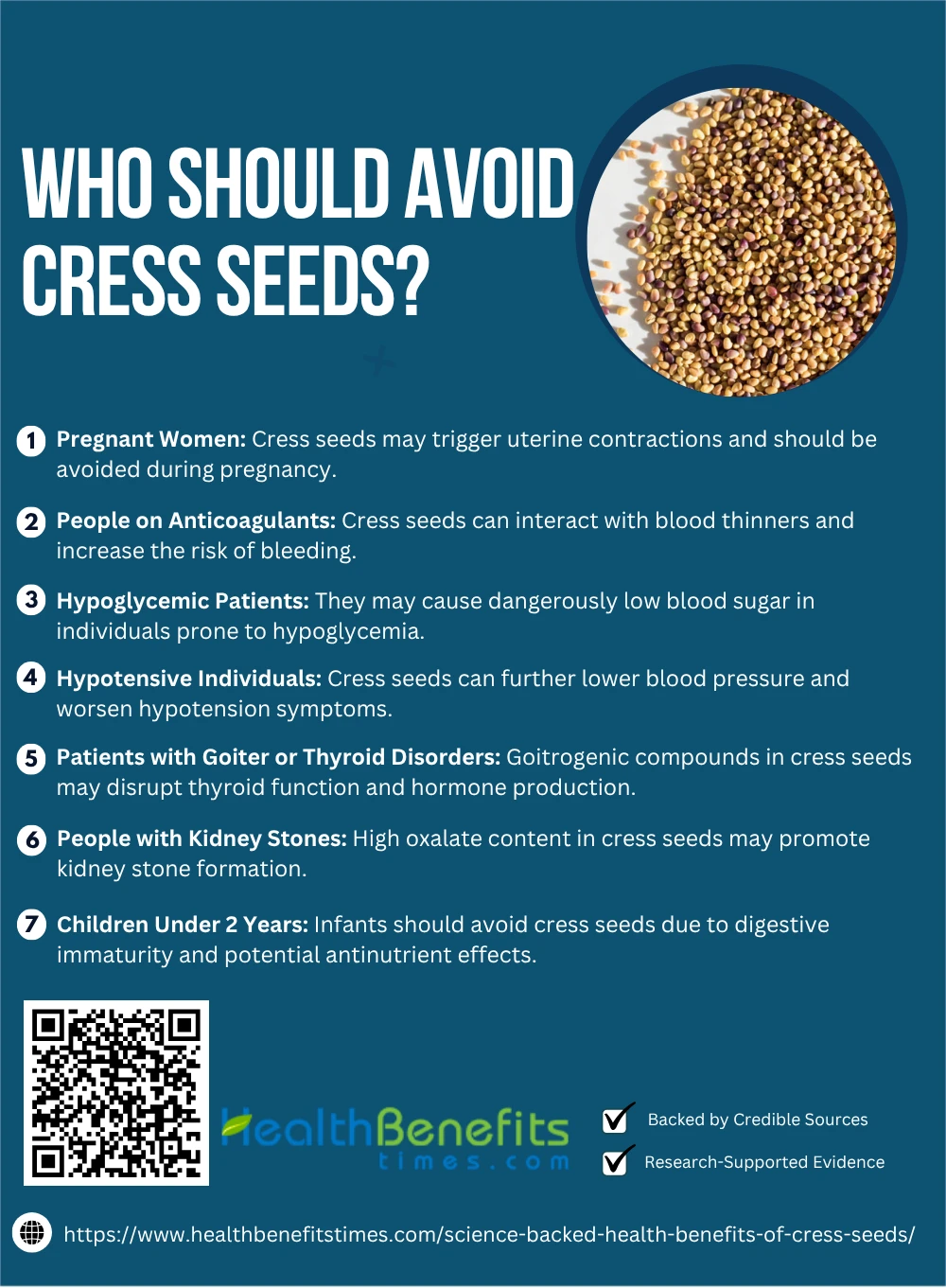 1. Pregnant Women
Cress seeds (Lepidium sativum) may stimulate uterine contractions and pose risks during pregnancy. Studies confirm their uterotonic potential, which could lead to miscarriage or premature labor in sensitive cases. (42) (43) As a precaution, pregnant women are advised to avoid their use in all forms.
2. People on Anticoagulants
Garden cress seeds may interact with anticoagulants like warfarin, increasing bleeding risk due to modulation of CYP enzymes or intrinsic anticoagulant properties. (44) Individuals on blood thinners should avoid cress seeds or consult a physician before use.
3. Hypoglycemic Patients
Cress seeds significantly lower blood glucose, posing a risk for hypoglycemic individuals. In streptozotocin-induced diabetic rats, cress seeds exhibited potent blood sugar-reducing effects. (43) Another study confirmed similar hypoglycemic potential through alpha-glucosidase inhibition. Thus, Adel & Sahar (2019) recommend cautious use for those with low blood sugar. (45)
4. Hypotensive Individuals
Due to their pronounced blood pressure-lowering properties, cress seeds may exacerbate hypotension. Studies show garden cress induces dose-dependent vasodilation, significantly reducing systolic pressure. (46) The seeds also exhibit diuretic actions, further reducing blood volume. Khoddami et al. (2017) underline this hypotensive risk. (43)
5. Patients with Goiter or Thyroid Disorders
Patients with thyroid disorders or goiter should avoid cress seeds due to their goitrogenic compounds, which interfere with iodine uptake in the thyroid gland. Studies have shown that watercress can inhibit thyroid peroxidase activity, impairing hormone synthesis, and promote goiter under iodine-deficient conditions. Additionally, cress consumption has been linked to thyroid inflammation and dysfunction in sensitive populations.
6. People with Kidney Stones
People prone to kidney stones should avoid cress seeds, as they contain high levels of oxalates, which can form insoluble calcium oxalate crystals—a primary component of most kidney stones. (47) Oxalates in cress can increase renal calcium excretion, enhancing stone risk. (48) Furthermore, oxalate-induced toxicity exacerbates kidney inflammation and dysfunction in susceptible individuals. (49)
7. Children Under 2 Years
Cress seeds, though nutritionally rich, pose safety concerns for children under 2 due to immature digestive and immune systems. Studies highlight potential contamination risks and bioactive compounds unsuitable for infants. (50) Infants are particularly vulnerable to microbial hazards found in sprouts, and antinutrients present in cress can impair nutrient absorption. (51)
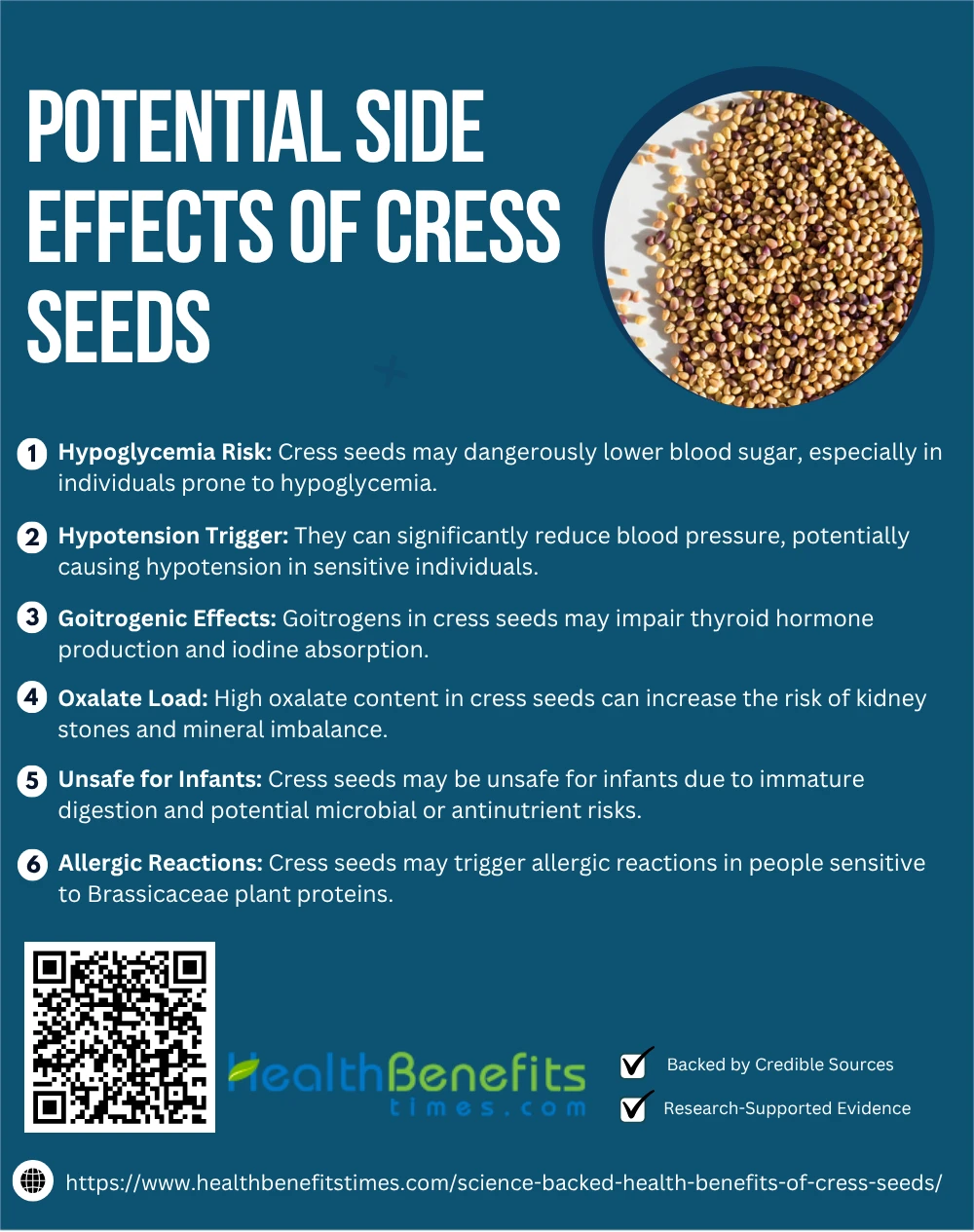
Potential Side Effects of Cress Seeds
Despite their health benefits, cress seeds may cause side effects when consumed in excess. Potential issues include digestive discomfort, allergic reactions, or interactions with medications and existing health conditions.
 1. Hypoglycemia Risk
Cress seeds exhibit potent hypoglycemic activity, posing a risk for individuals with low blood sugar. In animal studies, they significantly reduced glucose levels via α-glucosidase inhibition. Further experiments demonstrated insulin-like actions and enhanced glycogen storage—dangerous for those already prone to hypoglycemia. (52) (43)
2. Hypotension Trigger
Cress seeds lower blood pressure through vasodilatory and diuretic effects, which may trigger hypotension. Studies confirm systolic pressure reduction via calcium-channel modulation. (46) Their diuretic potential further reduces plasma volume, and antihypertensive activity is well-documented in rodent models. (43)
3. Goitrogenic Effects
Cress seeds contain goitrogenic substances that inhibit iodine uptake, potentially leading to thyroid dysfunction. These compounds reduce thyroid peroxidase activity, impairing hormone synthesis. Clinical studies affirm their impact on iodine metabolism under deficiency conditions, while Ghanati et al. (2024) observed thyroid inflammation linked to cress ingestion.
4. Oxalate Load
Cress seeds are rich in oxalates, increasing the risk of calcium oxalate kidney stone formation. Oxalate accumulation interferes with mineral absorption and crystallizes with calcium. (47) Chronic intake promotes renal stress and inflammation, while Costa et al. (2023) highlight their role in urinary oxalate elevation. (48) (49)
5. Unsafe for Infants
Cress seeds may be unsafe for infants due to immature metabolism and sensitivity to bioactive compounds. Studies indicate possible microbial contamination in sprouted seeds, posing risk for infant foodborne illness. Toxicity assessments warn of antinutrient accumulation in infants, and Tufail et al. (2024) confirm they are not ideal for early childhood nutrition. (51) (50)
6. Allergic Reactions
Although rare, allergic reactions to cress seeds have been documented due to cross-reactivity with other Brassicaceae allergens. Clinical reports associate cress with immunoglobulin E (IgE)-mediated hypersensitivity. Studies highlight immune responses to related plant proteins, and EFSA guidance classifies seed proteins as potential food allergens.
Conclusion
Cress seeds are a nutrient-dense superfood with a wide range of science-backed health benefits. From enhancing immunity and supporting digestion to improving blood health and promoting skin and hair wellness, these tiny seeds pack a powerful punch. Their natural richness in vitamins, minerals, and antioxidants makes them a valuable addition to a balanced diet. However, like any supplement or food, moderation is key, and individuals with specific health conditions should consult a healthcare provider before use. Whether soaked in water, added to meals, or blended into drinks, cress seeds offer a simple, natural way to boost your overall health.