

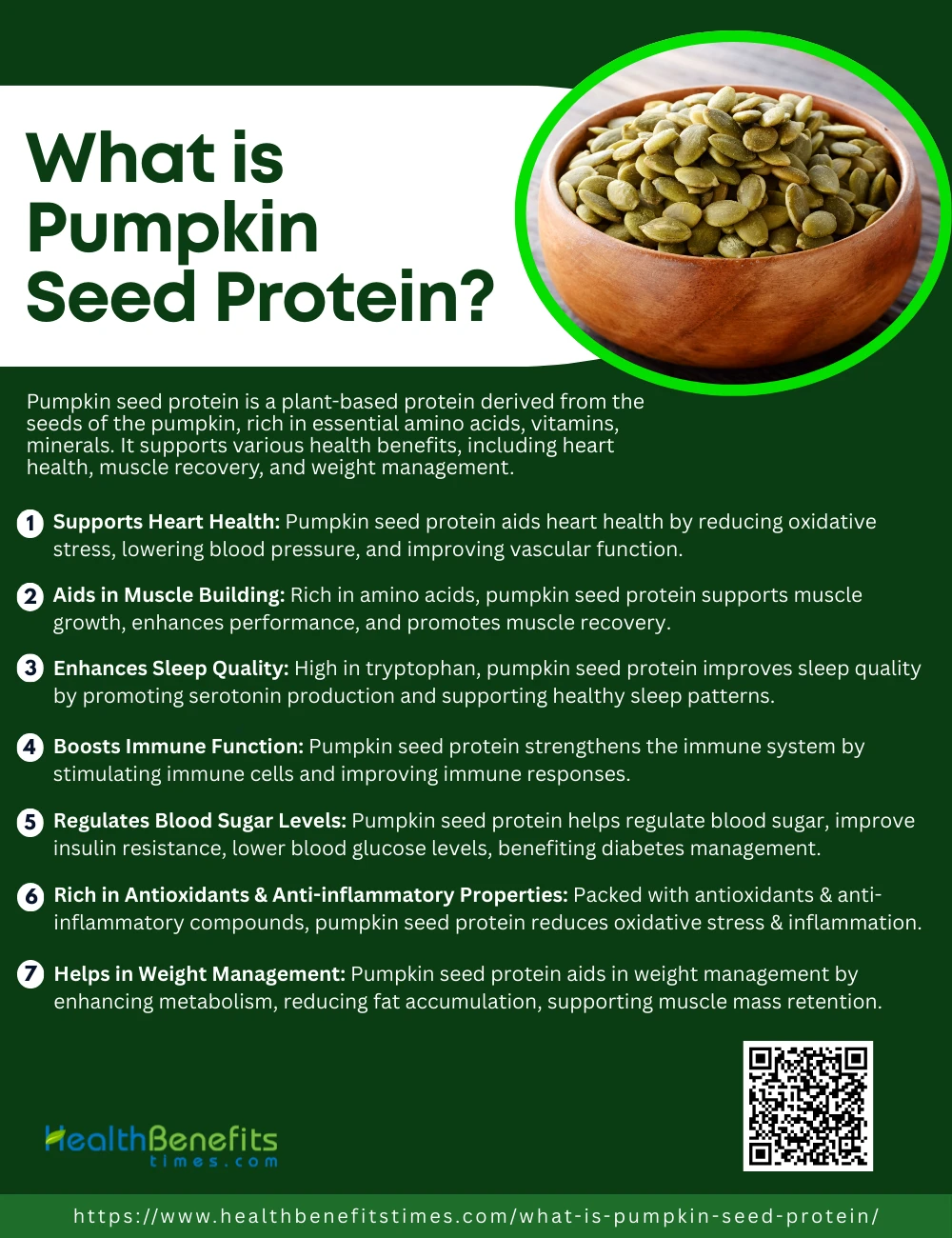
- Pumpkin seed protein is a plant-based protein derived from the seeds of the pumpkin, rich in essential amino acids, vitamins, and minerals.
- It supports various health benefits, including heart health, muscle recovery, and weight management.
- Pumpkin seed protein is a versatile dietary addition, suitable for vegetarians, vegans, and those seeking alternative protein sources.
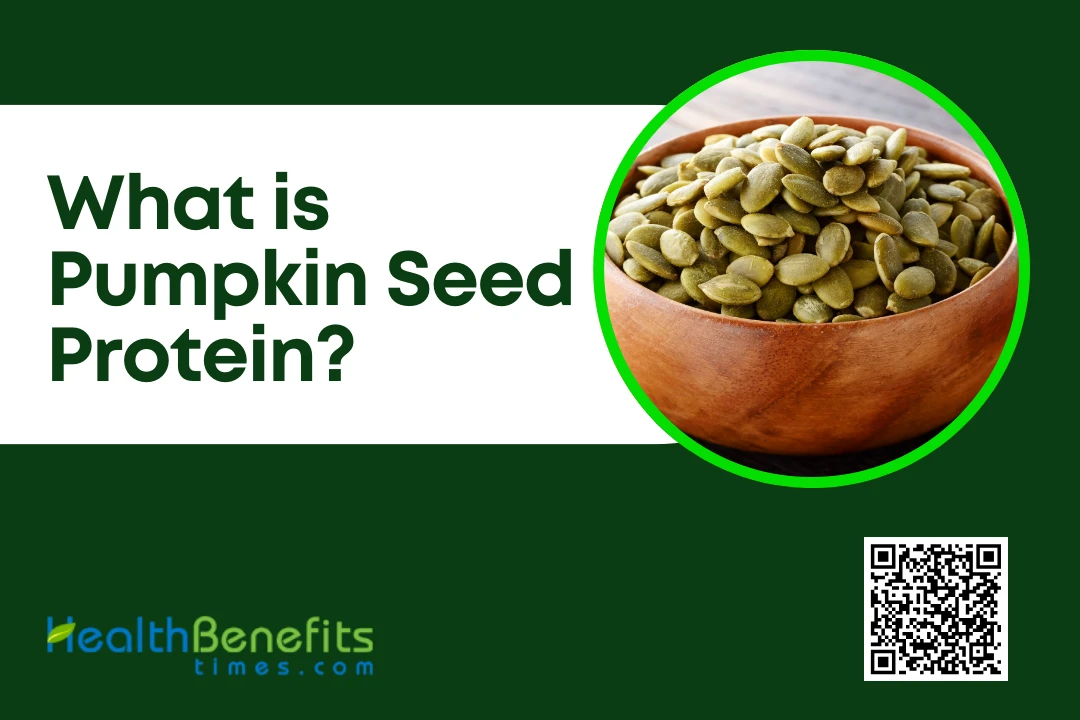
Pumpkin seed protein is a high-quality, plant-based protein derived from the seeds of the pumpkin (Cucurbitapepo). This protein is recognized for being a complete protein, containing all nine essential amino acids. Its origin dates back to ancient civilizations, particularly in the Americas, where it was consumed for its nutritional benefits. The protein is extracted through a cold-pressing method, where the seeds are first cleaned, dehulled, and then pressed to extract the oil. After oil extraction, the remaining pumpkin seed cake is processed to produce a high-protein powder. This protein powder is used in various food products, offering a rich source of amino acids and healthy fats. Due to its plant-based nature, it is highly digestible and free from common allergens found in other protein sources. Furthermore, pumpkin seed protein is known to have several health benefits, including improving heart health and supporting muscle development.
Nutritional Profile of Pumpkin Seed
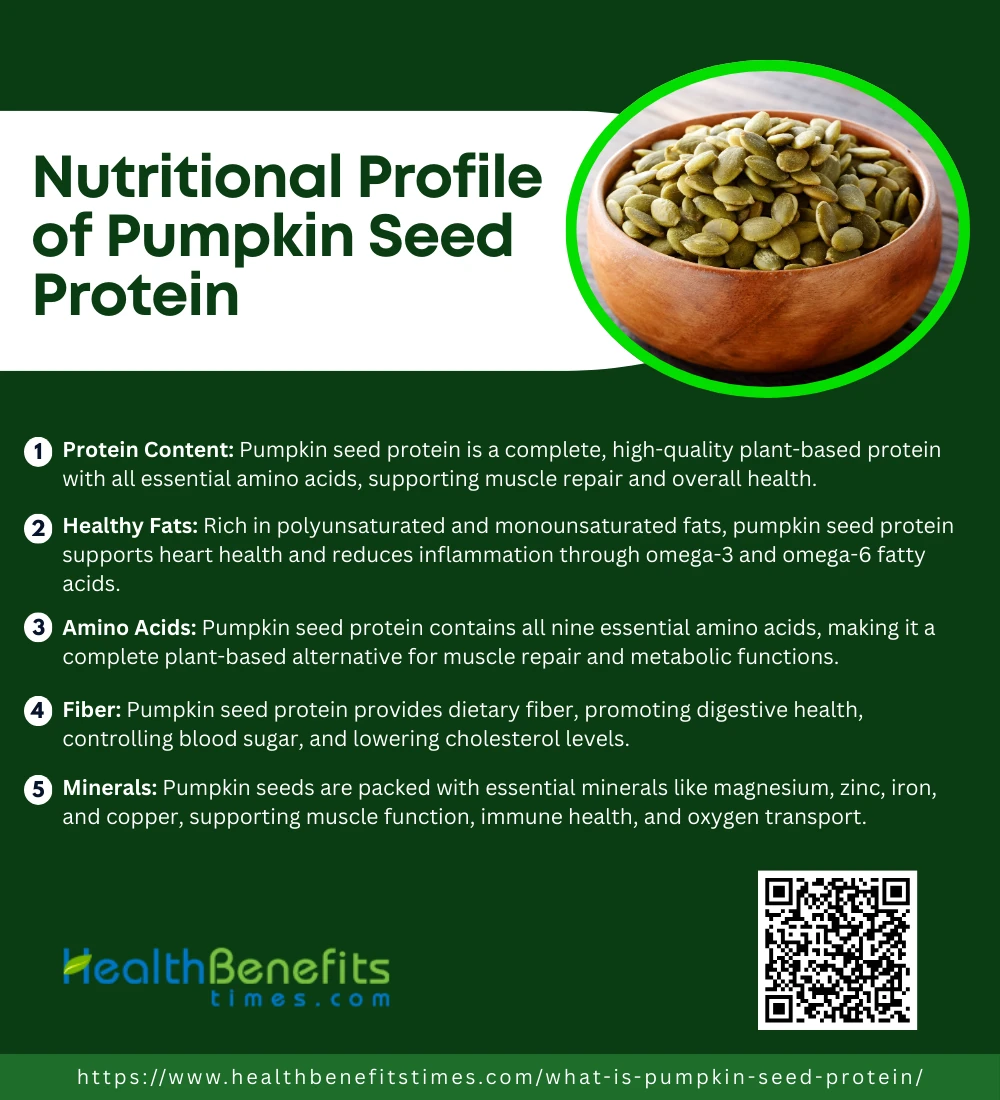
Pumpkin seed is a nutrient-dense seeds, offering a rich source of essential amino acids, vitamins, and minerals.
| Nutrient | Amount | Unit | %DV |
| Calories | 559 | kcal | — |
| Total Fat | 49 | g | 63% |
| Saturated Fat | 8.66 | g | 43% |
| Monounsaturated Fat | 16.2 | g | — |
| Polyunsaturated Fat | 21 | g | — |
| Cholesterol | 0 | mg | 0% |
| Sodium | 7 | mg | 0% |
| Total Carbohydrate | 10.7 | g | 4% |
| Dietary Fiber | 6 | g | 21% |
| Total Sugars | 1.4 | g | — |
| Protein | 30.2 | g | — |
| Vitamins | |||
| Vitamin A (RAE) | 1 | µg | 0% |
| Vitamin C | 1.9 | mg | 2% |
| Vitamin E (alpha-tocopherol) | 2.18 | mg | 15% |
| Vitamin K (phylloquinone) | 7.3 | µg | 6% |
| Thiamin (B₁) | 0.273 | mg | 23% |
| Riboflavin (B₂) | 0.153 | mg | 12% |
| Niacin (B₃) | 4.99 | mg | 31% |
| Vitamin B₆ | 0.143 | mg | 11% |
| Folate, DFE | 58 | µg | 15% |
| Pantothenic Acid (B₅) | 0.75 | mg | 15% |
| Choline, total | 63 | mg | 11% |
| Minerals | |||
| Calcium | 46 | mg | 4% |
| Iron | 8.82 | mg | 49% |
| Magnesium | 592 | mg | 141% |
| Phosphorus | 1230 | mg | 99% |
| Potassium | 809 | mg | 17% |
| Zinc | 7.81 | mg | 71% |
| Copper | 1.34 | mg | 149% |
| Manganese | 4.54 | mg | 197% |
| Selenium | 9.4 | µg | 17% |
| Amino Acids | — | ||
| Tryptophan | 0.576 | g | — |
| Threonine | 0.998 | g | — |
| Isoleucine | 1.28 | g | — |
| Leucine | 2.42 | g | — |
| Lysine | 1.24 | g | — |
| Methionine | 0.603 | g | — |
| Cystine | 0.332 | g | — |
| Phenylalanine | 1.73 | g | — |
| Tyrosine | 1.09 | g | — |
| Valine | 1.58 | g | — |
| Arginine | 5.35 | g | — |
| Histidine | 0.78 | g | — |
| Alanine | 1.48 | g | — |
| Aspartic Acid | 2.96 | g | — |
| Glutamic Acid | 6.19 | g | — |
| Glycine | 1.84 | g | — |
| Proline | 1.32 | g | — |
| Serine | 1.67 | g | — |
| Others | — | ||
| Water | 5.23 | g | — |
| Ash | 4.78 | g | — |
Source: (1)
Serving Size: 100 g
%DV calculated against FDA daily values for adults and children over 4 years. Nutrients without established daily values are indicated with.
Nutritional value Link: (1)
Health Benefits of Pumpkin Seed Protein
Pumpkin seed protein offers a range of health benefits, from supporting heart health and muscle recovery to providing antioxidants. Its anti-inflammatory properties make it a valuable addition to a balanced diet.
 1. Supports Heart Health
Pumpkin seed protein has gained recognition for its potential cardiovascular benefits, particularly in reducing oxidative stress and improving heart function. Research has shown that pumpkin seed extracts can help lower blood pressure and lipids, offering a natural remedy for heart health. (2) Furthermore, it has been demonstrated that regular consumption may help mitigate the harmful effects of arsenic exposure on heart and aorta tissues. (3) Studies have also explored how pumpkin seed oil aids cardiovascular health, offering anti-inflammatory properties. (4) Moreover, pumpkin seed oil’s antioxidant properties enhance vascular function, helping to prevent heart diseases. (5) These studies indicate a compelling link between pumpkin seed protein and heart health.
2. Aids in Muscle Building
Pumpkin seed protein is a valuable supplement for muscle building, providing a rich source of amino acids necessary for muscle repair and growth. It is particularly beneficial for athletes, as it helps to enhance physical performance and muscle strength. Research shows that incorporating pumpkin seeds into diets can aid in improving body composition and lean muscle mass. (6) Studies also suggest that pumpkin seed protein’s role in muscle development extends to its influence on hormonal balance, promoting testosterone levels which support muscle recovery and growth. (7) Furthermore, its high protein content, including essential fatty acids, helps in maintaining muscle mass during weight loss or intense training phases. (8) Research supports pumpkin seed protein as an excellent plant-based alternative for boosting muscle mass and strength in both recreational and professional athletes. (7)
3. Enhances Sleep Quality
Pumpkin seed protein has been found to improve sleep quality, mainly due to its high tryptophan content. Tryptophan is an amino acid that plays a key role in producing serotonin, which promotes better sleep Academia. Research also shows that minerals like zinc and magnesium in pumpkin seeds support healthy sleep patterns Academia. A study confirmed that consuming pumpkin seeds daily helped individuals sleep better and longer Academia. Moreover, pumpkin seed oil has been linked to better sleep outcomes. (9)
4. Boosts Immune Function
Pumpkin seed protein is known to enhance immune function, with several studies pointing to its immune-boosting properties. It has been shown to stimulate the body’s adaptive immunity Academia. The high zinc content in pumpkin seeds contributes significantly to improved immune cell function Academia. In animal studies, pumpkin seed powder enhanced both innate and adaptive immunity, highlighting its nutritional value for immune support. Moreover, it has been suggested that pumpkin seed supplementation could be a useful dietary intervention to improve immune responses in stressed populations. This emphasizes its role in supporting overall health and immunity. (10)
5. Regulates Blood Sugar Levels
Pumpkin seed protein has shown promise in regulating blood sugar levels. Several studies highlight its beneficial effects, particularly in managing diabetes. Research demonstrated that pumpkin seed powder can significantly lower blood glucose levels in diabetic mice. (10) Another study found that pumpkin seed protein improved insulin resistance and oxidative stress markers. (11) Additionally, clinical trials have shown that pumpkin seed consumption can lower postprandial glycemia. (11) These findings suggest pumpkin seed protein as a potential natural aid for diabetes management. (12)
6. Rich in antioxidants and anti-inflammatory properties
Pumpkin seed protein is rich in antioxidants and anti-inflammatory compounds, which contribute to its wide-ranging health benefits. Studies reveal that pumpkin seeds contain significant amounts of tocopherols and carotenoids, which are known for their antioxidant properties. (13) The anti-inflammatory effects of pumpkin seed oil have also been confirmed, showing potential in treating conditions like arthritis. (14) Pumpkin seed proteins have been linked to reduced oxidative stress and inflammation, particularly in conditions such as metabolic syndrome. (11) Additionally, pumpkin seed oil has demonstrated significant antioxidant activity. (15) These properties make pumpkin seed protein an excellent choice for overall health improvement.
7. Helps in weight management
Pumpkin seed protein is increasingly recognized for its role in weight management. Research indicates that pumpkin seed powder, when included in diets, can help in reducing weight and fat accumulation. (10) Studies have also shown its potential to regulate body fat by enhancing metabolism and reducing the formation of fat tissue. (7) Additionally, pumpkin seeds contribute to better insulin sensitivity, which aids in managing body weight. (16) Furthermore, pumpkin seed protein supports muscle mass retention while reducing overall body fat. (7) This makes pumpkin seed protein an effective natural component for weight management strategies. (17)
How to Incorporate Pumpkin Seed Protein into Your Diet
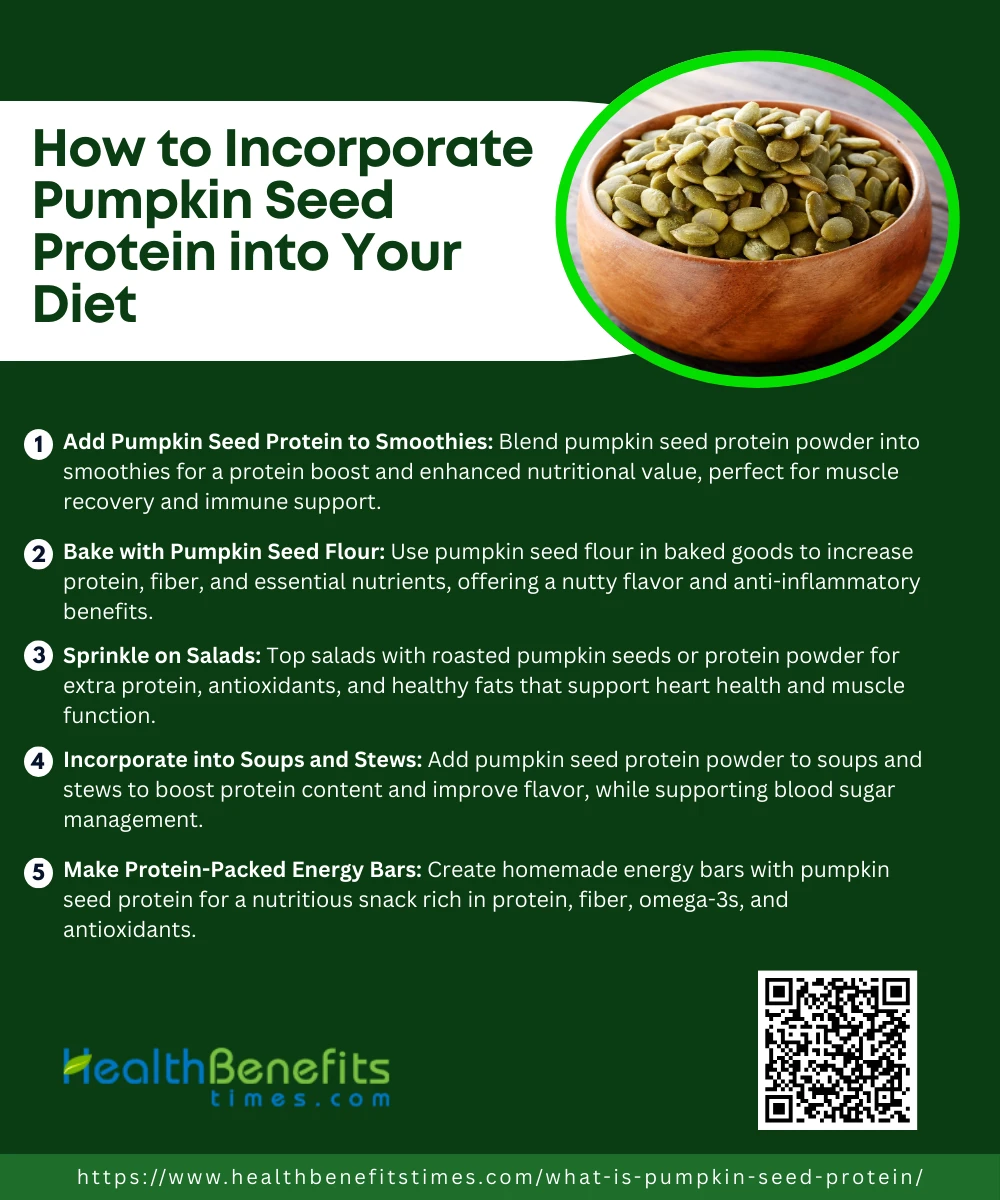
Incorporating pumpkin seed protein into your diet is simple and versatile. From smoothies to baked goods, this plant-based protein can enhance meals, providing a nutritious boost to your daily routine.
 #Add Pumpkin Seed Protein to Smoothies
Blend pumpkin seed protein into smoothies for a nutty flavor and amino acids that aid recovery and immunity. It’s a plant-based alternative to whey and can be mixed with fruits or seeds for added nutrition.
#Bake with Pumpkin Seed Flour
Replace part of regular flour with pumpkin seed flour to boost protein, fiber, and minerals in baked goods. It enhances texture, works for gluten-free recipes, and helps manage hunger.
#Sprinkle on Salads
Add roasted pumpkin seeds or protein powder to salads for crunch, antioxidants, and healthy fats. This boosts magnesium intake, supports muscle function, and provides a plant-based protein source.
#Incorporate into Soups and Stews
Pumpkin seed protein thickens soups and stews while adding plant-based protein and essential fats. It supports blood sugar control, nerve function, and enhances texture and flavor.
#Make Protein-Packed Energy Bars
Homemade bars with pumpkin seed protein, oats, nuts, and fruits make filling, healthy snacks. They aid muscle recovery, provide omega-3s, and keep you full longer for better weight management.
Potential Side Effects of Pumpkin Seed Protein
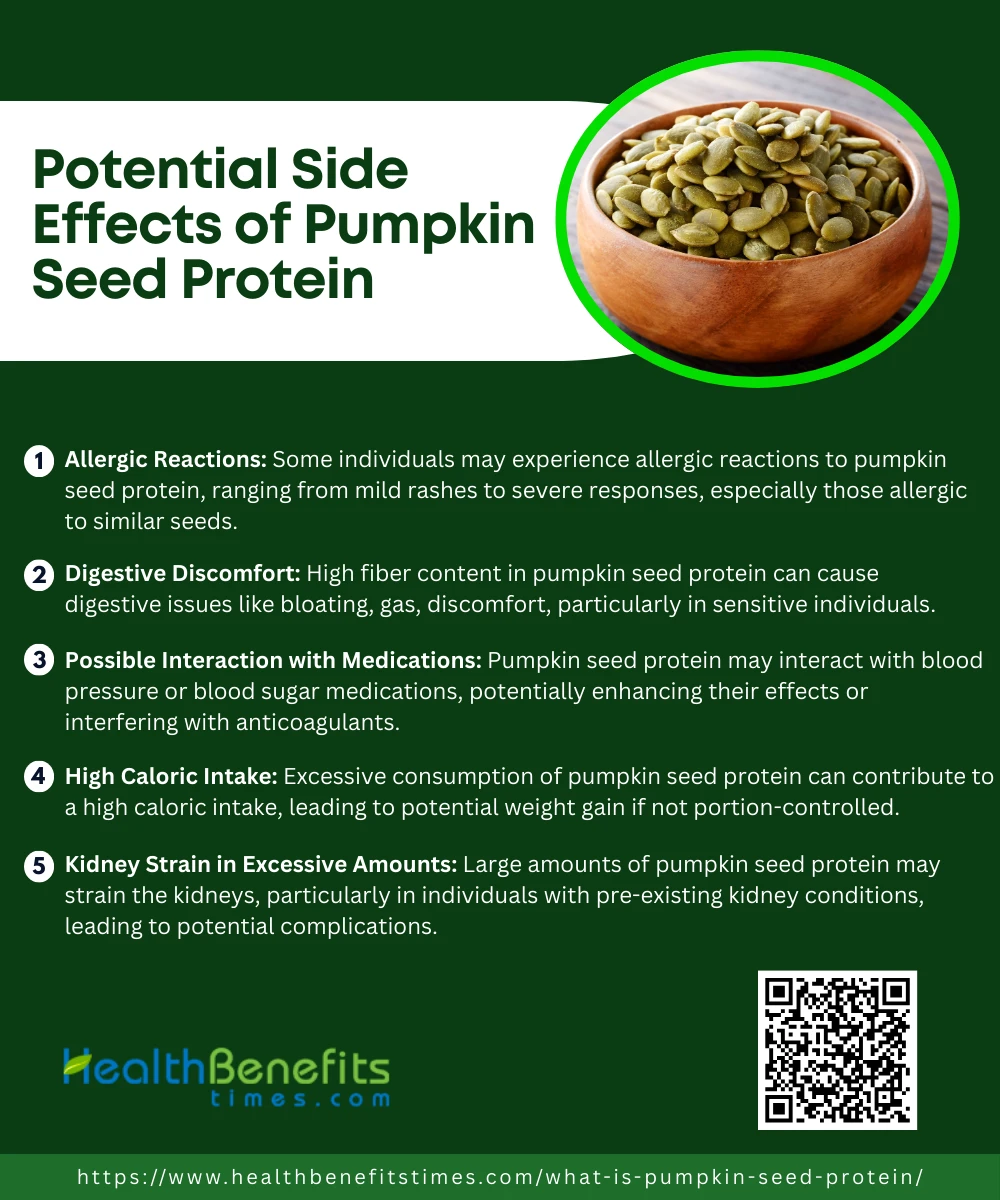 Diving into the less-discussed aspects of pumpkin seed protein, some users may experience mild digestive upset such as stomach discomfort, diarrhea, or nausea when large amounts are consumed, likely due to its high fiber and protein content interacting with gut sensitivity (1)(2). (18) (19) In rare cases, bioactive compounds including polyphenols and flavonoids can trigger itching, rash, or other allergic reactions, especially in individuals with seed or nut sensitivities (1)(4). (18) (20) Excessive intake of pumpkin seed protein isolate, which is rich in essential amino acids like lysine and leucine, could place extra strain on kidney function if fluid intake is inadequate, although typical dietary levels are generally safe (2)(5). (19) (21) Caution is advised for those taking lithium, as certain pumpkin seed constituents may slow the body’s elimination of the drug, potentially increasing side effects (1)(3). (18) (22) Pregnant or breastfeeding individuals should stick to food amounts rather than supplements, since there is insufficient evidence on safety at medicinal doses (1)(4). (18) (20) Overall, while pumpkin seed protein delivers valuable nutrients such as iron, magnesium, and zinc that support muscle and immune health being mindful of these potential side effects helps ensure a balanced and comfortable experience (2)(5). (19)(21)