

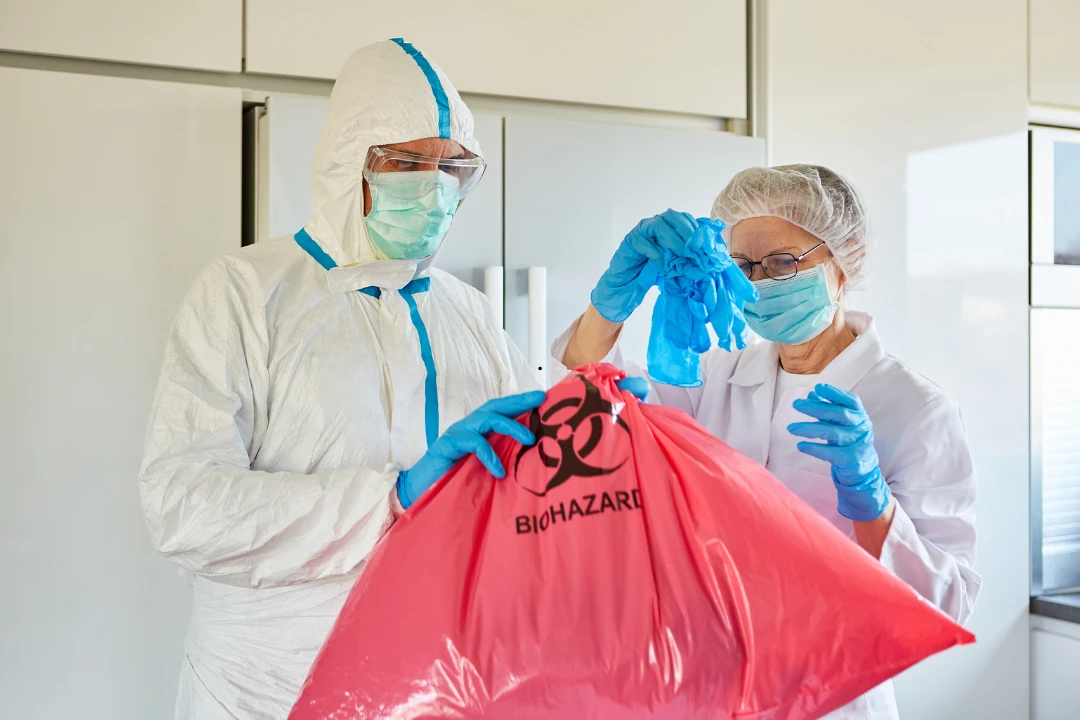
Medical waste is a serious concern for hospitals, clinics, laboratories, and even households that generate healthcare byproducts. If not handled properly, medical waste can pose significant risks to public health, sanitation workers, and the environment. In fact, improper disposal can lead to the spread of infectious diseases, contamination of soil and water, and severe regulatory penalties for healthcare facilities.
With growing awareness about sustainability and compliance, proper medical waste disposal has become more important than ever. In this blog, we’ll explore what medical waste is, why safe disposal matters, and key tips for ensuring compliance and safety in medical waste management.
What Is Medical Waste?
Medical waste, also called biomedical or healthcare waste, includes all waste generated during medical diagnosis, treatment, immunization, and research activities. It can come from hospitals, nursing homes, dental clinics, diagnostic labs, veterinary clinics, and even home healthcare settings.
Common Types of Medical Waste:
Infectious Waste – Materials contaminated with blood, body fluids, or cultures (e.g., used bandages, swabs, or laboratory samples).
Sharps – Needles, syringes, scalpels, and other sharp objects that can puncture the skin.
Pathological Waste – Human tissues, organs, and animal carcasses from research.
Pharmaceutical Waste – Expired or unused medicines, antibiotics, and vaccines.
Chemical Waste – Disinfectants, solvents, and lab reagents.
Radioactive Waste – Waste from radiotherapy or lab research involving radioactive materials.
Each category requires a specific method of collection, handling, and disposal to ensure safety and compliance with regulations.
Why Proper Medical Waste Disposal Is Important
Public Health Protection: Improper disposal can spread infections such as hepatitis B, hepatitis C, and HIV.
Environmental Safety: Medical waste can contaminate water, soil, and air if not treated correctly.
Legal Compliance: Healthcare facilities must follow strict local, state, and federal regulations. Non-compliance can lead to fines, legal action, and reputational damage.
Workplace Safety: Proper disposal prevents needlestick injuries and protects healthcare workers, waste handlers, and the community.
Tips for Safe and Compliant Medical Waste Disposal
1. Segregate Waste at the Point of Generation
The first and most important rule is to segregate waste where it is generated. Medical waste should never mix with general waste. Use color-coded bins and bags according to regulatory guidelines.
Red Bags: Infectious waste.
Yellow Bags: Pathological and pharmaceutical waste.
Blue/White Containers: Sharps.
Black Bags: General non-hazardous waste.
Proper segregation reduces the risk of cross-contamination and ensures that each type of waste is treated correctly.
2. Use Proper Containers and Labeling
All medical waste should be stored in strong, leak-proof, and puncture-resistant containers. Sharps must always go into rigid, clearly labeled sharps containers. Bags and containers should carry biohazard labels so handlers know the risks involved.
Labeling should include:
- Type of waste
- Date of collection
- Facility details (if applicable)
This practice enhances traceability and compliance.
3. Train Staff and Caregivers Regularly
Improper handling often results from a lack of training. All healthcare workers, including janitorial and support staff, should receive proper training on:
- Waste segregation
- Safe handling of sharps
- Use of protective equipment
- Emergency procedures for spills or exposure
Regular refresher training sessions keep staff updated on new regulations and reinforce best practices.
4. Store Waste Safely Before Disposal
Medical waste should not sit around for long periods. Storage areas should be secure, ventilated, and away from food or public access.
- Infectious waste should not be stored for more than 48 hours in warm climates.
- Sharps containers should be sealed and disposed of once they reach three-quarters full.
- Limiting storage time reduces the risk of infection and pest infestation.
5. Work With Licensed Waste Disposal Companies
Healthcare facilities should always partner with licensed and certified medical waste disposal companies. These service providers collect, transport, and treat waste using approved methods such as incineration, autoclaving, chemical disinfection, or microwaving.
Working with professionals ensures compliance with local and federal laws while minimizing risks.
6. Follow Sharps Disposal Protocols
Sharps account for a large number of healthcare-related injuries each year. To minimize risks:
- Never recap used needles.
- Dispose of sharps immediately after use in puncture-proof containers.
- Seal and replace containers when they are three-quarters full.
- Place sharps containers near points of use for convenience.
7. Manage Pharmaceutical Waste Responsibly
Expired or unused medicines should never be flushed down the toilet or discarded with general waste. Pharmaceutical waste must be segregated and sent to authorized facilities for incineration or specialized disposal.
For households, many local pharmacies and healthcare providers run “take-back” programs for unused medications.
8. Adopt Eco-Friendly Waste Treatment Options
Modern medical waste disposal focuses not only on safety but also on sustainability. Autoclaving (steam sterilization), microwaving, and advanced chemical treatments are eco-friendlier than traditional incineration. Facilities should adopt greener options where possible to minimize environmental impact.
9. Use Personal Protective Equipment (PPE)
Staff handling medical waste must wear protective gear, including gloves, masks, goggles, and gowns. PPE reduces exposure risks from accidental spills, splashes, or airborne pathogens.
10. Monitor Compliance With Regular Audits
Conduct periodic audits of waste management processes to ensure adherence to regulations. Internal monitoring helps identify gaps in segregation, labeling, storage, or staff practices. External audits by regulatory agencies further ensure accountability.
11. Educate Patients and Home Caregivers
With the rise of home healthcare, more patients generate medical waste outside hospitals. Home caregivers should be educated on safe disposal of used syringes, bandages, and medication. Many cities provide special collection bins for household sharps to prevent injuries during waste collection.
12. Keep Records and Documentation
Regulatory authorities often require detailed documentation of medical waste handling, transportation, and disposal. Facilities should maintain records of waste quantities, treatment methods, and disposal dates. This not only ensures compliance but also helps optimize waste management systems.
Final Thoughts
Medical waste disposal is not just a legal requirement—it is a critical responsibility for protecting public health and the environment. By segregating waste correctly, using proper containers, training staff, and partnering with licensed disposal companies, healthcare providers can minimize risks and ensure compliance.
For households managing medical waste through home care, proper sharps disposal, safe storage, and participation in take-back programs are essential.
Ultimately, safe medical waste disposal creates a healthier environment, safeguards communities, and reflects a facility’s commitment to responsible healthcare practices. With the right systems and training in place, both professionals and individuals can play their part in reducing the dangers associated with medical waste.