

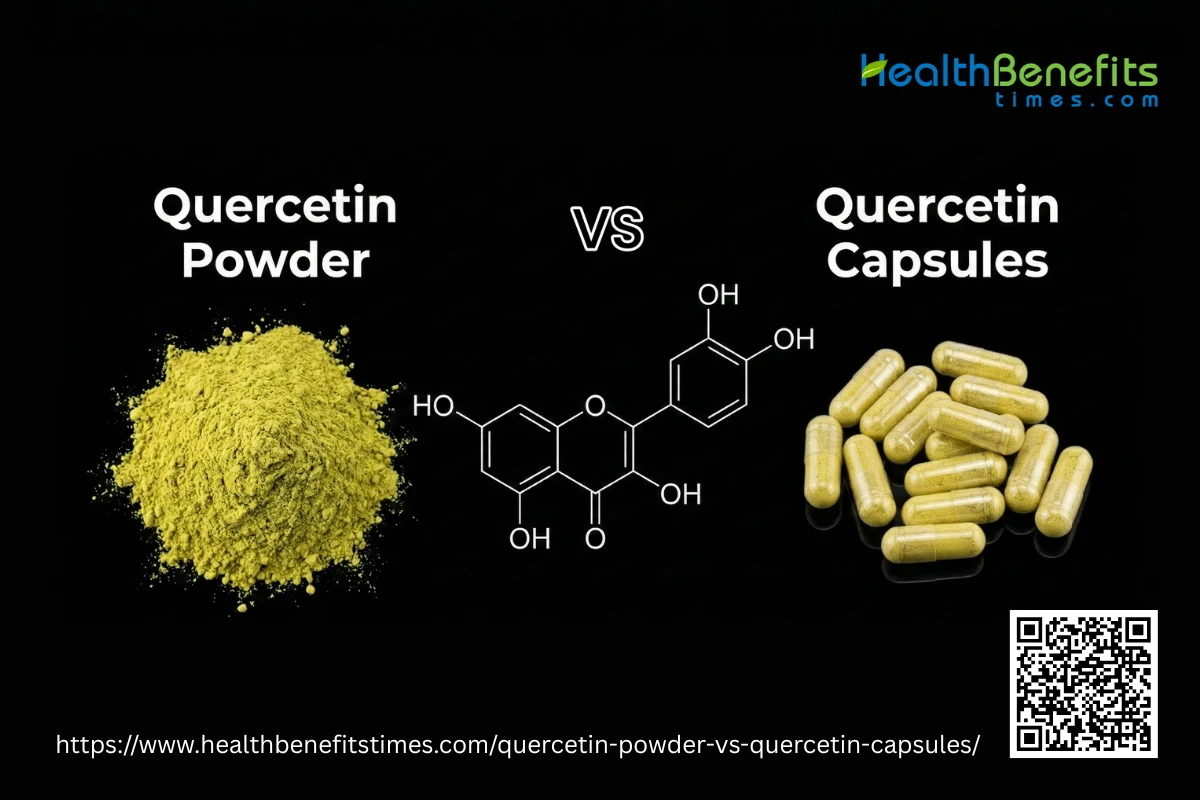
Quercetin has emerged as one of the most talked-about dietary supplements in recent years, gaining recognition for its potential health benefits ranging from immune support to anti-inflammatory properties. As more people incorporate this flavonoid antioxidant into their wellness routines, a common dilemma arises: should you choose quercetin powder or quercetin capsules? Whilst both forms deliver the same fundamental compound, the differences between them extend far beyond simple packaging. Understanding these distinctions can help you make an informed decision that aligns with your health goals, lifestyle preferences, and budget considerations.
Understanding Quercetin: A Brief Overview
Before delving into the powder versus capsule debate, it’s worth understanding what quercetin actually is. This plant pigment belongs to a group of compounds called flavonoids, found naturally in numerous fruits, vegetables, and grains. Onions, apples, berries, and green tea are particularly rich sources. However, obtaining therapeutic amounts through diet alone can be challenging, which is why many people turn to supplements. Quercetin is celebrated for its antioxidant properties, its potential to support cardiovascular health, and its role in managing allergic responses and inflammation.
Bioavailability and Absorption
One of the most critical factors when comparing quercetin powder and capsules is bioavailability—how well your body can absorb and utilise the compound. Quercetin, in its natural form, has notoriously poor bioavailability, with some studies suggesting only a small percentage is absorbed by the body.
Quercetin Powder offers certain advantages in this regard. When taken as a powder, particularly when mixed with fats or other substances that enhance absorption, you have greater control over how you consume it. Many users combine quercetin powder with coconut oil, olive oil, or incorporate it into smoothies with yoghurt or nut butter, potentially improving absorption. Quercetin in powder form also allows for easier combination with other supplements known to enhance quercetin bioavailability, such as bromelain or vitamin C.
Quercetin Capsules, conversely, come pre-formulated, often with added ingredients specifically designed to enhance absorption. Many high-quality capsule formulations include piperine (from black pepper) or other bioavailability enhancers. Whilst this convenience is valuable, you have less flexibility in adjusting the formula to your specific needs. However, reputable manufacturers have extensively researched optimal combinations, potentially offering superior absorption compared to powder mixed haphazardly at home.
Dosage Precision and Flexibility
Achieving the correct dosage is paramount when supplementing with any compound, and this is where significant differences emerge between powder and capsules.
Quercetin Capsules excel in dosage precision. Each capsule contains a pre-measured amount, typically ranging from 250mg to 1000mg, eliminating guesswork and ensuring consistency. This standardisation is particularly important for those following specific therapeutic protocols or working with healthcare practitioners who recommend exact dosages. The convenience factor cannot be overstated—you simply take the prescribed number of capsules without measuring or preparation.
Quercetin Powder offers unparalleled flexibility in dosage adjustment. You can measure precisely to the milligram using digital scales, gradually increase or decrease your intake, or split doses throughout the day more easily. This flexibility proves invaluable for those sensitive to supplements who need to start with minimal amounts and slowly build up. However, this approach requires more effort, proper measuring tools, and a certain level of discipline to maintain consistency. For those without precise scales, achieving accurate dosing can be challenging and may lead to wastage or inadvertent over-consumption.
Convenience and Portability
Modern lifestyles demand convenience, and supplement choices often hinge on practical considerations beyond pure efficacy.
Quercetin Capsules are undeniably more convenient for most users. They’re discreet, portable, and require no preparation. You can carry them in your bag, take them at work, or whilst travelling without any special equipment or consideration. They’re tasteless and odourless, sliding down with water in seconds. For those with busy schedules or frequent travellers, capsules represent the path of least resistance.
Quercetin Powder demands more commitment. You’ll need to measure it, mix it with something suitable, and potentially deal with the taste, which can be quite bitter. Portability is limited unless you pre-portion servings into small containers. However, for those who take supplements at home as part of a morning routine—perhaps blending a nutrient-dense smoothie or preparing a health tonic—powder integrates seamlessly into existing habits and may actually feel less like “taking medicine” and more like preparing nourishment.
Taste and Palatability
The sensory experience of taking supplements shouldn’t be underestimated, as unpleasant tastes can undermine adherence to supplementation regimes.
Quercetin Powder has a distinctly bitter, somewhat astringent taste that many find unpleasant. Whilst this can be masked in strongly flavoured smoothies, juices, or foods, some people remain sensitive to the aftertaste. On the positive side, those who prefer to avoid swallowing pills or have difficulty with capsules appreciate being able to incorporate the powder into foods or beverages. Creative users have developed recipes—from energy balls to salad dressings—that effectively hide the bitterness whilst maintaining the supplement’s integrity.
Quercetin Capsules eliminate the taste issue entirely. The coating ensures you don’t experience the bitter flavour, making adherence significantly easier for those sensitive to taste. This represents a considerable advantage for many users, particularly those who find powder forms objectionable enough to skip doses or discontinue use altogether.
Cost Considerations
Economic factors often influence supplement choices, particularly for compounds like quercetin that are typically taken daily over extended periods.
Quercetin Powder generally offers better value for money. When comparing equivalent quantities, powder typically costs substantially less per serving than capsules. You’re essentially paying only for the active ingredient and minimal packaging, without the additional manufacturing costs associated with encapsulation. For those taking higher doses or supplementing long-term, these savings accumulate significantly. However, powder may be wasted if measurement is imprecise or if the product degrades before use—something more likely with larger quantities.
Quercetin Capsules command a premium price, reflecting the additional manufacturing processes, standardisation, quality control, and often proprietary formulations with bioavailability enhancers. Whilst more expensive per serving, they eliminate waste through precise dosing and typically come with longer shelf stability when properly stored. For occasional users or those taking lower doses, the price difference may be negligible and worth paying for the convenience factor.
Purity and Additives
What else you’re consuming alongside quercetin deserves consideration, particularly for those with sensitivities, allergies, or preference for minimal additives.
Quercetin Powder can be remarkably pure, with some products containing nothing but quercetin extracted from plant sources. This appeals to purists and those avoiding fillers, binders, or coatings. However, quality varies significantly between manufacturers, and some may include anti-caking agents or other processing aids. Reading ingredient labels carefully is essential.
Quercetin Capsules necessarily contain additional ingredients. The capsule shell itself may be gelatin (animal-derived) or vegetable-based (cellulose). Beyond the shell, capsules typically contain fillers, flow agents, or binding substances to ensure consistent manufacturing. Many also include the aforementioned bioavailability enhancers. High-quality manufacturers minimise unnecessary additives, but capsules will never be as pure as unadulterated powder. However, for some users, the additional ingredients that enhance absorption justify their presence.
Storage and Shelf Life
Proper storage affects potency, making this a practical consideration for infrequent users or those purchasing in bulk.
Quercetin Powder requires careful storage to prevent degradation. Exposure to light, moisture, and air can compromise quality over time. Powder must be kept in airtight containers, preferably opaque and stored in cool, dry places. The larger surface area exposed to environmental factors makes powder potentially more vulnerable than capsules, though proper storage largely mitigates these concerns.
Quercetin Capsules offer better protection against environmental degradation. The capsule shell provides an additional barrier against moisture and oxidation, potentially extending shelf life. Individual blister packaging offers even greater protection than bulk bottles. This makes capsules more forgiving for those who may not maintain optimal storage conditions or who take longer to consume a product.
Making Your Decision
Choosing between quercetin powder and capsules ultimately depends on your individual circumstances, preferences, and priorities. Capsules suit those who value convenience, precise dosing, taste-free consumption, and portability. They’re ideal for busy professionals, frequent travellers, or anyone who finds measuring powders inconvenient or off-putting.
Powder appeals to those seeking better value, maximum purity, dosage flexibility, and integration into existing food preparation routines. It’s perfect for health enthusiasts who enjoy creating nutritious smoothies, those with difficulty swallowing capsules, or people requiring very specific dosage adjustments.
Neither option is inherently superior—both can be effective when sourced from reputable manufacturers and used consistently. Consider starting with capsules if you’re new to quercetin supplementation, as they offer an easy entry point. Once familiar with how your body responds, you might experiment with powder for potential cost savings or greater control. Alternatively, some users keep both forms available, using capsules for convenience when travelling and powder for daily home use.
Whatever you choose, prioritise quality, ensure proper storage, maintain consistency in your supplementation routine, and consult healthcare professionals regarding appropriate dosages for your specific health goals. With these considerations in mind, both quercetin powder and capsules can serve as valuable additions to a comprehensive approach to health and wellbeing.