

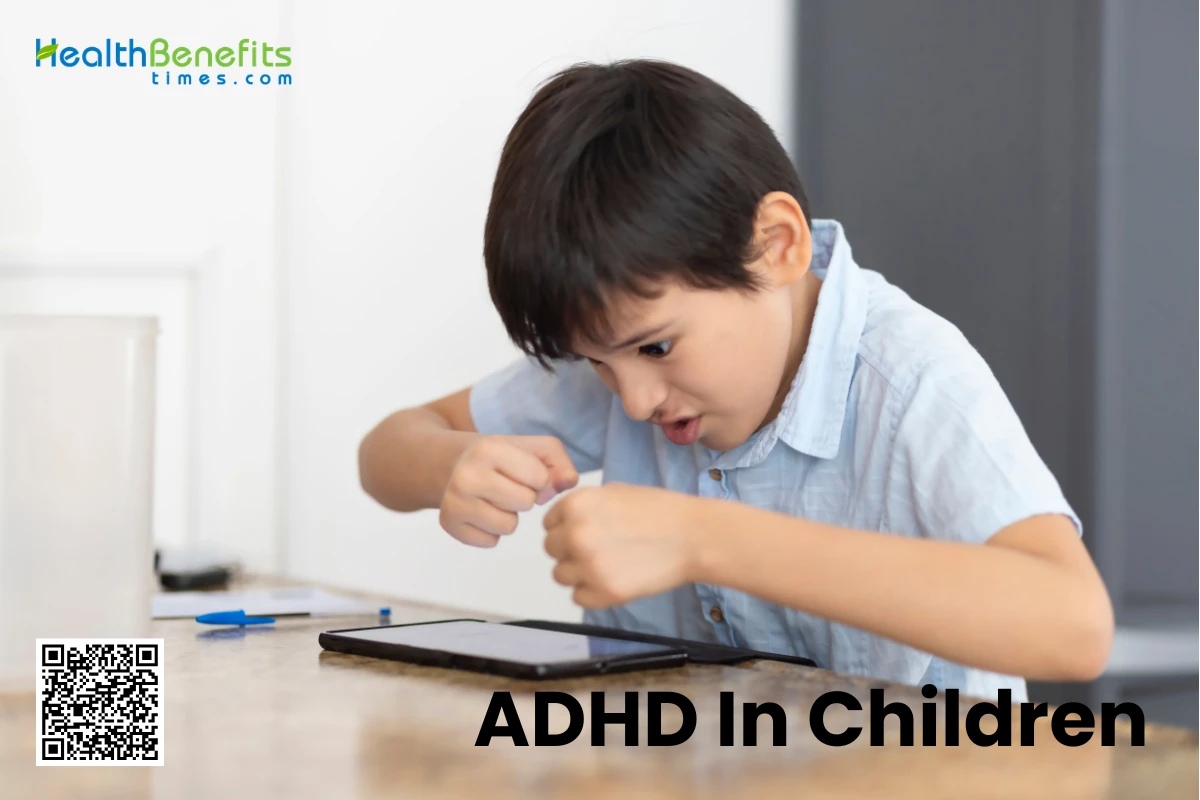
Signs of ADHD in children every parent should know include persistent difficulties with attention, impulsive behaviour and levels of activity that are noticeably higher than expected for their age.
Many parents wonder at some point whether their child’s behaviour is simply a phase or something that may need closer attention. Childhood is naturally full of energy, curiosity and occasional distraction, which can make it difficult to recognise when something is not quite typical.
Research suggests that around 5% of school-aged children in the UK are affected by ADHD, making it more common than many people realise. Understanding the difference between normal development and potential signs of ADHD can help parents feel more confident about when to seek guidance.
Difficulties with attention and focus
One of the most recognisable signs of ADHD in children is ongoing difficulty maintaining attention. This may present as a child frequently losing track of tasks, becoming easily distracted or appearing not to listen when spoken to directly. It is not simply a matter of boredom or lack of interest, as these patterns tend to persist even during activities the child enjoys.
Children with attention difficulties may struggle to follow instructions, especially when they involve multiple steps. Homework can become a daily challenge, not necessarily because the child lacks ability, but because sustaining focus long enough to complete tasks feels overwhelming. Teachers may report that the child often appears to be daydreaming or switching between activities without finishing them.
Studies indicate that children with ADHD are significantly more likely to experience academic difficulties compared to their peers, often due to challenges with concentration rather than intelligence.
Hyperactivity that goes beyond typical energy
Most children are active, particularly at younger ages, but hyperactivity linked to ADHD tends to be more intense and less easily controlled. This might include constant fidgeting, an inability to remain seated when expected or excessive talking that interrupts others.
In structured environments such as classrooms, this can become especially noticeable. A child may find it difficult to sit still during lessons or may frequently leave their seat without permission. At home, parents might observe that their child seems to be in constant motion, even during activities that usually encourage calm behaviour.
It is important to recognise that hyperactivity is not always about running or climbing. In some children, particularly as they grow older, it may present as an internal sense of restlessness rather than obvious physical movement.
Impulsive behaviour and emotional responses
Impulsivity is another key sign of ADHD and can affect how children interact with others. This might involve interrupting conversations, speaking out of turn or acting without considering consequences. These behaviours are not intentional acts of defiance, but rather a difficulty in regulating responses.
Emotionally, children with ADHD may react quickly and intensely to situations. They can become frustrated more easily, struggle with patience or find it hard to wait their turn. This can sometimes lead to difficulties in friendships, as other children may not always understand these reactions.
Research shows that children with ADHD are more likely to experience social challenges, with some studies suggesting that up to 50% encounter difficulties forming or maintaining peer relationships.
Disorganisation and forgetfulness
Another common sign is a pattern of disorganisation that goes beyond occasional messiness. Children may frequently lose items such as school materials, forget homework or struggle to keep track of their belongings.
This can extend to daily routines. Getting ready for school, completing chores or managing simple responsibilities may require constant reminders. While many children need some level of guidance, those with ADHD often need significantly more support to stay on track.
This ongoing disorganisation can sometimes be misunderstood as carelessness, but it is more accurately linked to difficulties with executive functioning, which affects planning, memory and organisation.
When behaviour is consistent across settings
A key factor in recognising ADHD is consistency. The signs are not limited to one environment or situation. If a child shows similar patterns of inattention, hyperactivity or impulsivity at home, at school and in social settings, it may indicate something more than situational behaviour.
Teachers are often among the first to notice these patterns, as they can compare a child’s behaviour with that of their peers in a structured setting. Open communication between parents and educators can be invaluable in building a clearer picture.
How signs may change with age
As children grow, the way ADHD presents can evolve. Hyperactivity may become less obvious, while difficulties with focus, organisation and emotional regulation may continue. This is why early recognition is important, as it allows children to develop strategies that support them over time.
In some cases, it is possible you might have a teenager with ADHD whose earlier signs were overlooked or attributed to personality traits. At this stage, challenges may appear as difficulty managing schoolwork, poor time management or increased frustration with responsibilities.
Recognising these patterns later is still valuable, as support can make a meaningful difference at any age.
When to consider professional advice
If the signs described are persistent, noticeable and impacting your child’s daily life, it may be worth seeking professional advice. Early assessment can help clarify whether ADHD is present or whether other factors may be contributing to the behaviour.
ADHD assessments for children are designed to provide a comprehensive understanding of a child’s strengths and challenges. These assessments often involve input from parents, teachers and healthcare professionals to ensure an accurate and balanced view.
Seeking support does not mean labelling a child in a negative way. Instead, it provides an opportunity to better understand their needs and to put appropriate strategies in place.
Supporting your child at home
While professional guidance is important, there are also practical ways parents can support children showing signs of ADHD. Clear routines, simple instructions and consistent expectations can help create a more manageable environment.
Breaking tasks into smaller steps can make them feel less overwhelming, and positive reinforcement can encourage progress. It is also helpful to recognise and build on a child’s strengths, whether that is creativity, energy or problem-solving ability.
Patience plays a significant role. Children with ADHD are not choosing to behave in a certain way, and understanding this can help reduce frustration for both parent and child.
Recognising the importance of early awareness
Being aware of the signs of ADHD allows parents to respond thoughtfully rather than reactively. What may initially appear as challenging behaviour can often be better understood as part of a broader pattern that requires support.
Early recognition can lead to earlier intervention, which in turn can improve outcomes in education, relationships and overall wellbeing. By paying attention to consistent patterns and seeking advice when needed, parents can help ensure their child receives the understanding and support they deserve.
Ultimately, recognising the signs is not about finding fault, but about opening the door to the right kind of help at the right time.