


Lower blood sugar, clinically known as hypoglycemia, is a medical condition where the body lacks sufficient circulating glucose to maintain normal cellular function. In clinical practice, this state is diagnosed when blood glucose concentrations drop below 70 milligrams per deciliter (mg/dL) 1. Because glucose serves as the primary energy source for the brain, a significant deficit rapidly disrupts neurological processes, leading to physical symptoms such as tremors, sweating, and acute confusion. While hypoglycemia is most frequently a complication of diabetes treatments—specifically insulin therapy—it can also develop in individuals without diabetes due to prolonged fasting, heavy alcohol consumption, or specific metabolic disorders 2. Immediate intervention with fast-acting carbohydrates is required to stabilize circulating glucose levels and prevent severe clinical outcomes, including seizures or loss of consciousness.
Causes of Lower Blood Sugar
1. Diabetes Medication Excess
The most common cause of hypoglycemia is taking too much insulin or certain oral diabetes medications, such as sulfonylureas. These drugs artificially increase insulin levels, causing the body to remove too much glucose from the bloodstream.
2. Dietary Imbalances
Skipping meals, eating later than usual, or consuming fewer carbohydrates than planned after taking diabetes medication disrupts the critical balance between circulating insulin and available glucose.
3. Unplanned Physical Activity
Engaging in strenuous or prolonged exercise without adjusting food intake or medication increases the body’s energy demands. Physical activity also makes muscle cells more sensitive to insulin, which rapidly depletes blood sugar stores.
4. Excessive Alcohol Consumption
Drinking heavy amounts of alcohol, especially without eating, impairs liver function. The liver prioritizes processing the alcohol over releasing stored glucose (glycogen) into the bloodstream, triggering a sudden drop in blood sugar.
5. Severe Organ Dysfunction
Advanced liver conditions, such as severe hepatitis or cirrhosis, severely limit the liver’s capacity to produce and release glucose. Similarly, chronic kidney disease can alter how the body clears medications, allowing insulin to remain active in the bloodstream for too long 3.
6. Hormonal Deficiencies
Disorders affecting the adrenal or pituitary glands can lead to a lack of essential hormones, such as cortisol and growth hormone. Because these hormones naturally stimulate glucose production, their absence impairs the body’s ability to maintain normal blood sugar levels during fasting 4.
7. Insulin-Producing Tumors
In rare instances, a tumor in the pancreas called an insulinoma causes the body to overproduce insulin. This creates a persistent state of hyperinsulinemia, driving blood sugar levels dangerously low even in individuals who do not have diabetes 5.
Symptoms of Lower Blood Sugar
1. Shaking, Sweating, and Rapid Heartbeat
As blood glucose drops, the body releases adrenaline to stimulate emergency energy reserves. This sudden hormone surge directly causes physical tremors, profuse sweating, and an abnormally fast heart rate.
2. Sudden Hunger and Nausea
The brain detects the energy deficit and triggers powerful, urgent biological signals for food consumption, which can sometimes be accompanied by an upset stomach or feeling of sickness.
3. Anxiety and Irritability
The release of stress hormones intended to stabilize blood sugar frequently alters mood, resulting in unexplained nervousness, restlessness, or a sudden short temper.
4. Dizziness and Headaches
An initial reduction in the optimal energy supply to the central nervous system often presents as acute lightheadedness, a feeling of unsteadiness, or a dull, persistent headache.
5. Confusion and Difficulty Concentrating
When the brain is significantly deprived of glucose, cognitive function actively deteriorates. This produces observable confusion, disorientation, delayed reactions, and an inability to maintain focus on standard tasks.
6. Slurred Speech and Blurred Vision
Advanced glucose deprivation impairs motor control and visual processing pathways. These neurological disruptions cause symptoms that closely mimic alcohol intoxication, including clumsy speech and double or blurry eyesight.
7. Loss of Coordination
Severe energy depletion in the nervous system leads to pronounced muscle weakness and erratic body movements, making walking or completing basic physical tasks highly difficult.
8. Seizures and Loss of Consciousness
In the most critical stages of hypoglycemia, the brain completely lacks the necessary fuel to sustain baseline electrical activity. This acute medical emergency can trigger sudden convulsions, total unresponsiveness, or a coma if blood sugar is not restored immediately.
 How to Lower Blood Sugar Naturally
1. Regular Physical Activity and Exercise
How it may help
Physical activity lowers blood sugar by increasing insulin sensitivity, meaning the body needs less insulin to move sugar into cells for energy 6. Additionally, muscle contractions during exercise allow cells to absorb and use blood sugar for energy without insulin, helping maintain stable levels naturally 7.
What research says
Clinical guidelines conclude adults should engage in at least 150 minutes of moderate-intensity aerobic exercise each week. Research confirms regular physical activity significantly lowers A1C levels, a measure of long-term blood sugar, and improves how the body processes glucose to reduce the risk of complications 8.
How to use it safely
To exercise safely, check your blood sugar before starting, especially if you take glucose-lowering medications. Stay hydrated, wear protective footwear, and always keep a fast-acting carbohydrate, like fruit juice or glucose tablets, nearby in case your blood sugar drops during your activity.
Potential precautions or side effects
The primary risk is a dangerous drop in blood sugar called hypoglycemia, especially for those taking insulin 9. Stop exercising immediately if you feel dizzy, confused, or unusually shaky.
2. Reaching and Maintaining a Healthy Body Weight
How it may help
Excess body weight, particularly around the abdomen, makes cells less responsive to insulin. Losing this extra weight reduces insulin resistance, allowing the body’s natural insulin to effectively move sugar from the bloodstream into cells, thereby maintaining healthier blood sugar levels 10.
What research says
Clinical studies show that losing just five to seven percent of total body weight significantly improves blood sugar control and delays or prevents the onset of type 2 diabetes 11. Sustained weight management is scientifically proven to reduce long-term blood sugar levels and associated health risks 12.
How to use it safely
Focus on steady weight loss of one to two pounds per week through balanced eating and exercise 13. Avoid extreme diets. Work with a healthcare provider to develop a safe, individualized weight loss plan that monitors your blood sugar regularly.
Potential precautions or side effects
Severe calorie restriction can cause nutrient deficiencies, muscle loss, and dangerously low blood sugar levels, particularly if you are taking medications that lower blood glucose 14.
3. Managing Daily Carbohydrate Intake
How it may help
The body breaks down carbohydrates into glucose, which directly increases blood sugar levels. Managing the amount of carbohydrates eaten prevents sudden spikes in blood glucose and reduces the demand on the body’s insulin, allowing it to maintain more stable blood sugar levels naturally 15.
What research says
Clinical evidence demonstrates that carbohydrate restriction consistently lowers long-term blood glucose measurements, known as A1C levels 16. Health authorities conclude that individualized carbohydrate management is a highly effective dietary strategy for improving overall glycemic control and reducing the need for glucose-lowering medications.
How to use it safely
You should spread your carbohydrate intake evenly across daily meals to prevent drastic blood sugar fluctuations. Choose nutrient-dense, complex carbohydrates like vegetables and whole grains instead of refined sugars. Work with a healthcare provider to establish appropriate daily targets.
Potential precautions or side effects
Severely restricting carbohydrates can cause fatigue, nutrient deficiencies, and dangerously low blood sugar (hypoglycemia), particularly if you are actively taking insulin or other diabetes medications.
4. Increasing Dietary Fiber
How it may help
Dietary fiber, particularly the soluble type, is not digested by the body. Instead, it forms a gel in the digestive tract that slows down digestion and carbohydrate absorption. This process prevents sudden blood sugar spikes and helps maintain steady glucose levels naturally 17.
What research says
Clinical reviews confirm that a high-fiber diet significantly reduces both fasting blood glucose and long-term A1C levels 18. Public health organizations conclude that consistent fiber intake improves natural insulin sensitivity and substantially lowers the risk of developing type 2 diabetes.
How to use it safely
You should increase your fiber intake gradually over several weeks to let your digestive tract adjust. Aim to consume 20 to 35 grams daily through whole foods like vegetables, beans, and oats, while drinking plenty of water to aid digestion 19.
Potential precautions or side effects
Adding fiber too quickly often causes bloating, gas, and stomach cramps. Eating high-fiber foods without drinking adequate water can cause severe constipation or intestinal blockages 20.
5. Getting Enough Quality Sleep
How it may help
Poor sleep increases stress hormones like cortisol, which directly raise blood sugar levels and cause cells to resist insulin. Getting sufficient rest restores normal hormone balance, reduces cortisol production, and allows the body to effectively use natural insulin to clear glucose from the bloodstream 21.
What research says
Clinical studies demonstrate that sleeping fewer than seven hours per night chronically impairs glucose tolerance and significantly increases type 2 diabetes risk 22. Research concludes that restoring adequate sleep duration directly improves insulin sensitivity and lowers fasting blood sugar measurements naturally.
How to use it safely
You should aim for seven to eight hours of continuous sleep each night. Establish a consistent sleep schedule, keep your bedroom dark and cool, and avoid electronic screens or caffeine near bedtime to support natural sleep cycles 23.
Potential precautions or side effects
Relying on over-the-counter or prescription sleep medications can cause daytime drowsiness, dependency, or complex sleep behaviors. Always consult a doctor for chronic insomnia instead of self-medicating 24.
6. Managing Stress Levels
How it may help
Stress triggers the release of hormones like cortisol and adrenaline, which reduce insulin sensitivity and cause the liver to release stored sugar into the blood 25. Lowering stress decreases these hormone levels, allowing the body’s natural insulin to function efficiently and keep blood sugar stable.
What research says
Clinical studies conclude that chronic psychological stress is directly linked to higher blood sugar levels and an increased risk of type 2 diabetes 26. Research shows that utilizing stress management programs and relaxation techniques consistently lowers long-term glucose measurements and improves overall blood sugar control 27.
How to use it safely
You should incorporate basic relaxation techniques into your daily routine, such as deep breathing, gentle yoga, or meditation. Set aside dedicated time for hobbies and physical activity to naturally relieve tension. Speak with a healthcare provider if your stress feels unmanageable.
Potential precautions or side effects
Do not substitute basic relaxation exercises for professional psychiatric care. Severe or persistent anxiety and depression require formal medical evaluation and treatment from a qualified healthcare provider 28.
7. Drinking Sufficient Water for Hydration
How it may help
When the body is well-hydrated, the bloodstream contains more water volume, which naturally dilutes the concentration of glucose 29. Sufficient water intake also supports kidney function, allowing the kidneys to effectively filter out excess blood sugar and excrete it through urine rather than retaining it.
What research says
Clinical studies show that habitual water intake is inversely associated with the risk of developing hyperglycemia 30. Research confirms that adequate hydration lowers vasopressin—a hormone linked to insulin resistance—and significantly improves fasting blood sugar and overall glycemic control in individuals with diabetes 31.
How to use it safely
You should drink plain water consistently throughout the day, even before you feel thirsty, to maintain steady hydration 32. Choose water over sugar-sweetened beverages or sodas to avoid adding excess carbohydrates to your diet.
Potential precautions or side effects
Drinking extreme amounts of water rapidly causes dangerous water intoxication. Individuals with kidney disease or heart failure must consult a doctor to determine safe daily fluid limits 33.
8. Choosing Foods with a Low Glycemic Index
How it may help
The Glycemic Index (GI) measures how quickly foods raise blood sugar. Foods with a low GI are digested and absorbed more slowly, which prevents rapid spikes in blood glucose. This allows for a more gradual, sustained rise in blood sugar, reducing the overall workload on the body’s insulin-producing system 34.
What research says
Clinical research concludes that a low-GI diet significantly improves long-term blood sugar management and reduces the risk of cardiovascular disease in people with diabetes 35. Evidence supports using the glycemic index as an effective tool to assist in achieving better glucose control compared to higher-GI dietary patterns.
How to use it safely
You should prioritize whole foods, such as non-starchy vegetables, legumes, and whole grains, which typically have a lower GI. Combine low-GI carbohydrates with healthy fats or proteins during meals to further slow-down sugar absorption and stabilize blood glucose levels after eating.
Potential precautions or side effects
Focusing only on the GI can be misleading, as some high-fat foods have a low GI. Always consider the total calorie and nutrient content of your food choices.
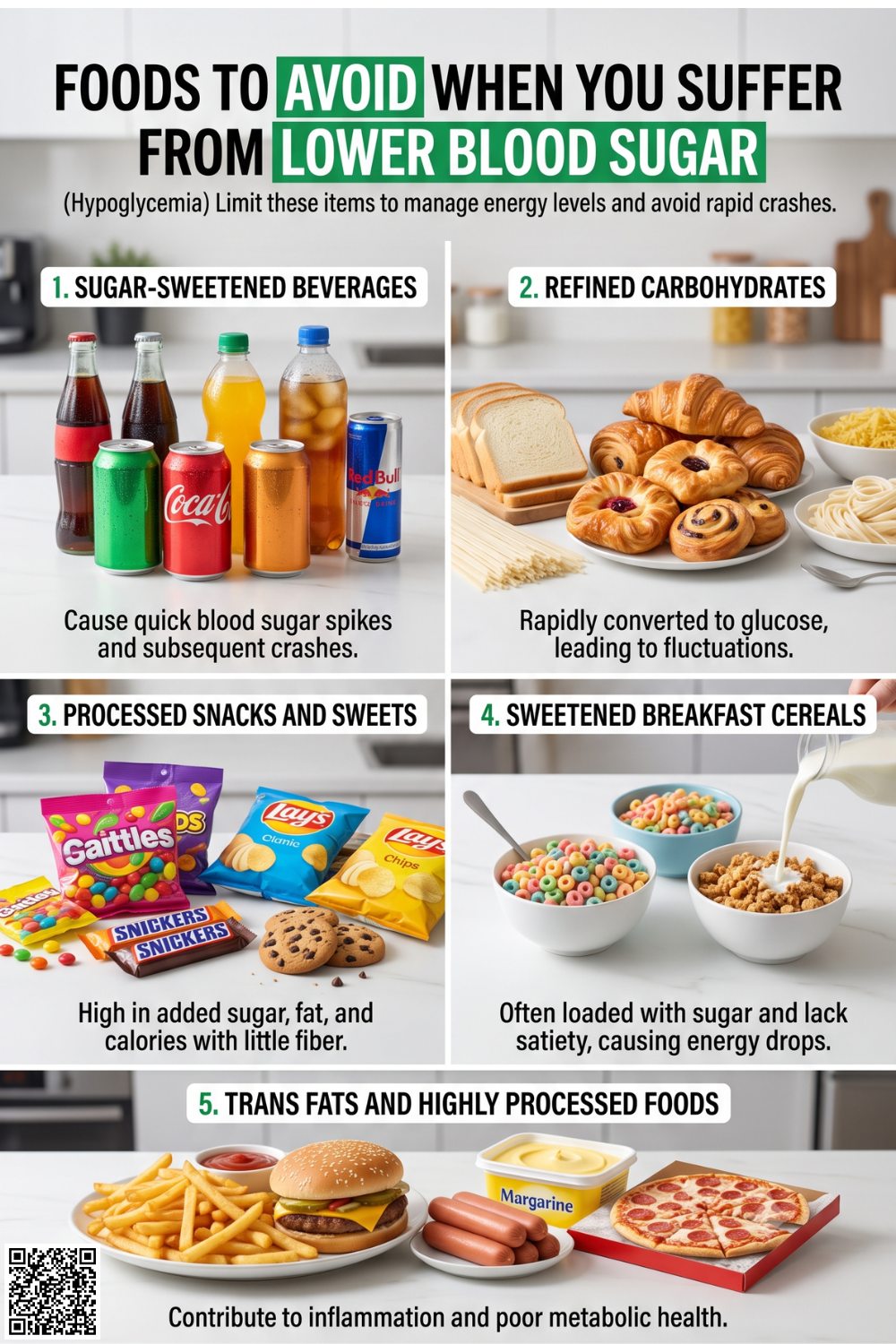 Foods to Avoid When Managing Blood Sugar
1. Sugar-Sweetened Beverages
Sodas, energy drinks, and fruit juices contain high amounts of added sugars, causing immediate, significant increases in blood glucose levels and insulin demand 36.
2. Refined Carbohydrates
Foods like white bread, white rice, and pasta made from refined flour are digested quickly, leading to rapid blood sugar increases compared to whole-grain alternatives.
3. Processed Snacks and Sweets
Cookies, pastries, and candy are typically high in refined sugars and unhealthy fats, which disrupt glucose control and contribute to unwanted weight gain.
4. Sweetened Breakfast Cereals
Many commercial cereals contain excessive added sugar and low fiber, resulting in blood sugar spikes shortly after consumption early in the day.
5. Trans Fats and Highly Processed Foods
These fats increase insulin resistance and inflammation, which impairs the body’s natural ability to effectively process and clear sugar from the bloodstream 37.
When To See a Doctor Regarding Blood Sugar Management
1. Persistent High or Low Readings
Seek medical advice if your blood glucose readings consistently fall outside your target range, as this may require adjustments to your medication or treatment plan 38.
2. Symptoms of High Blood Sugar
Contact your doctor if you notice frequent urination, extreme thirst, unexplained fatigue, or blurred vision, which often indicate sustained elevated glucose levels 39.
3. Severe Hypoglycemia
Seek immediate emergency care for symptoms of severely low blood sugar, such as confusion, dizziness, weakness, or loss of consciousness, especially if you take insulin.
4. Difficulty with Lifestyle Changes
Consult a professional if you struggle to maintain healthy eating habits or regular physical activity, as they can provide personalized guidance to support your goals.
5. Foot or Skin Problems
See a doctor promptly if you develop sores, cuts, or infections that are slow to heal, as these may signal complications related to blood sugar control 40.