


Lactose intolerance is a digestive condition characterized by the body’s inability to fully break down lactose, the primary sugar naturally found in milk and dairy products. This condition occurs when the small intestine fails to produce a sufficient amount of lactase, the specific digestive enzyme required to absorb this sugar 1. Without adequate lactase, unabsorbed lactose travels directly into the large intestine, where normal intestinal bacteria ferment the sugar, producing excess gas and drawing extra fluid into the bowels 2. This bacterial fermentation directly causes uncomfortable physical symptoms such as severe abdominal bloating, cramps, excessive gas, and diarrhea which typically begin within two hours after consuming dairy 3. While the condition is not physically dangerous, it is highly common worldwide, frequently developing as individuals age and their bodies naturally decrease enzyme production over time 4.
Causes of lactose intolerance
1. Natural Enzyme Decline (Primary Lactose Intolerance)
The most common cause is a natural, genetically programmed decrease in lactase production that occurs as individuals grow older. While infants produce high levels of this digestive enzyme to process breast milk, production typically drops sharply after early childhood for a large percentage of the global population, leaving adults unable to fully digest significant amounts of dairy 3.
2. Intestinal Injury or Illness (Secondary Lactose Intolerance)
This form develops when the small intestine is physically damaged by severe gastrointestinal conditions, such as celiac disease, Crohn’s disease, or prolonged bacterial infections. Additionally, intensive medical treatments, including abdominal radiation therapy or specific chemotherapy protocols, can directly damage the delicate intestinal lining, temporarily or permanently halting the normal production of digestive enzymes 3.
3. Genetic Inheritance (Congenital Lactose Intolerance)
In rare instances, infants are born with a specific inherited genetic mutation passed down from both parents that completely prevents the body from manufacturing any lactase. These infants experience dangerous, life-threatening diarrhea and severe dehydration immediately after consuming breast milk or standard cow’s milk formula, requiring specialized lactose-free nutrition from the moment of birth 4.
4. Premature Birth (Developmental Lactose Intolerance)
Infants born prematurely sometimes experience a temporary inability to digest lactose because the enzyme-producing cells within their small intestines are not yet fully developed. This temporary deficiency typically resolves independently over a short period as the infant matures and the digestive system naturally begins to produce adequate, stable levels of lactase 3.
Symptoms of lactose intolerance
1. Abdominal Bloating
When undigested lactose enters the large intestine, normal gut bacteria ferment the sugar, producing excess gas that causes the stomach to physically expand, feel uncomfortably full, and appear visibly swollen 3.
2. Diarrhea
Unabsorbed lactose acts as an osmotic agent, drawing extra water and fluid directly into the large intestine, which rapidly results in loose, watery bowel movements typically occurring within thirty minutes to two hours after consuming dairy 3.
3. Abdominal Pain and Cramps
The rapid buildup of trapped gas and excess intestinal fluid severely stretches the walls of the colon, triggering sharp, painful cramps and aching that are primarily located in the lower stomach and umbilical area 3.
4. Excessive Gas (Flatulence)
The bacterial fermentation of undigested dairy sugars continuously releases large amounts of hydrogen, methane, and carbon dioxide gases into the lower digestive tract, leading to frequent, uncomfortable, and sometimes foul-smelling flatulence 3.
5. Nausea and Vomiting
The sudden, overwhelming accumulation of intestinal gas and delayed digestive processing can trigger strong feelings of sickness or an upset stomach, which occasionally escalates to active vomiting in individuals with severe enzyme deficiencies 3.
6. Stomach Rumbling and Gurgling
The accelerated movement of combined liquid and gas passing through the distressed digestive tract frequently creates loud, highly noticeable rumbling, growling, or gurgling noises originating directly from the bowels 3.
Natural treatments for lactose intolerance
1. Gradual Introduction of Small Dairy Amounts
How it may help
Gradually consuming small quantities of dairy allows the digestive system to safely adapt. This controlled exposure helps beneficial bacteria in the large intestine adjust to breaking down milk sugars more efficiently, which significantly reduces the severity of gas, bloating, and diarrhea over time 5.
What research says
Clinical research confirms that most individuals with lactose intolerance can comfortably digest up to 12 grams of lactose—roughly the amount found in one cup of milk—without experiencing severe symptoms 5. Introducing these small amounts consistently helps modify the intestinal environment, effectively improving long-term digestive tolerance 6.
How to use it safely
Begin by consuming tiny portions of dairy directly alongside solid meals, rather than on an empty stomach, to naturally slow the digestive process 5. Slowly increase the daily portion size over several weeks while carefully monitoring your physical symptoms for any sudden discomfort.
Potential precautions or side effects
If you have a diagnosed cow’s milk protein allergy rather than an enzyme deficiency, consuming even tiny amounts of dairy can trigger severe, life-threatening immune reactions 7.
2. Consumption of Yogurt
How it may help
Yogurt contains live bacterial cultures that naturally produce lactase, the specific enzyme required to digest dairy sugars. These beneficial bacteria actively break down the lactose present in the yogurt before and during human digestion, significantly reducing the amount of undigested sugar that reaches the colon to cause gas and bloating 5.
What research says
Clinical research confirms that individuals with lactose intolerance can digest yogurt far more comfortably than standard milk. Medical experts conclude that the specific live bacteria found in yogurt successfully survive stomach acid and continue breaking down lactose within the intestines, directly preventing severe digestive symptoms 8.
How to use it safely
Select plain, unflavored yogurts that explicitly state they contain “live and active cultures” on the label. You should prioritize Greek yogurt, as the extensive commercial straining process naturally removes a significant portion of the lactose-heavy liquid whey, making it much easier for your body to digest 5.
Potential precautions or side effects
Avoid heavily processed, heat-treated, or frozen yogurts, because extreme temperatures destroy the helpful digestive enzymes. Additionally, consuming flavored yogurts with high amounts of added sugar can separately trigger diarrhea 5.
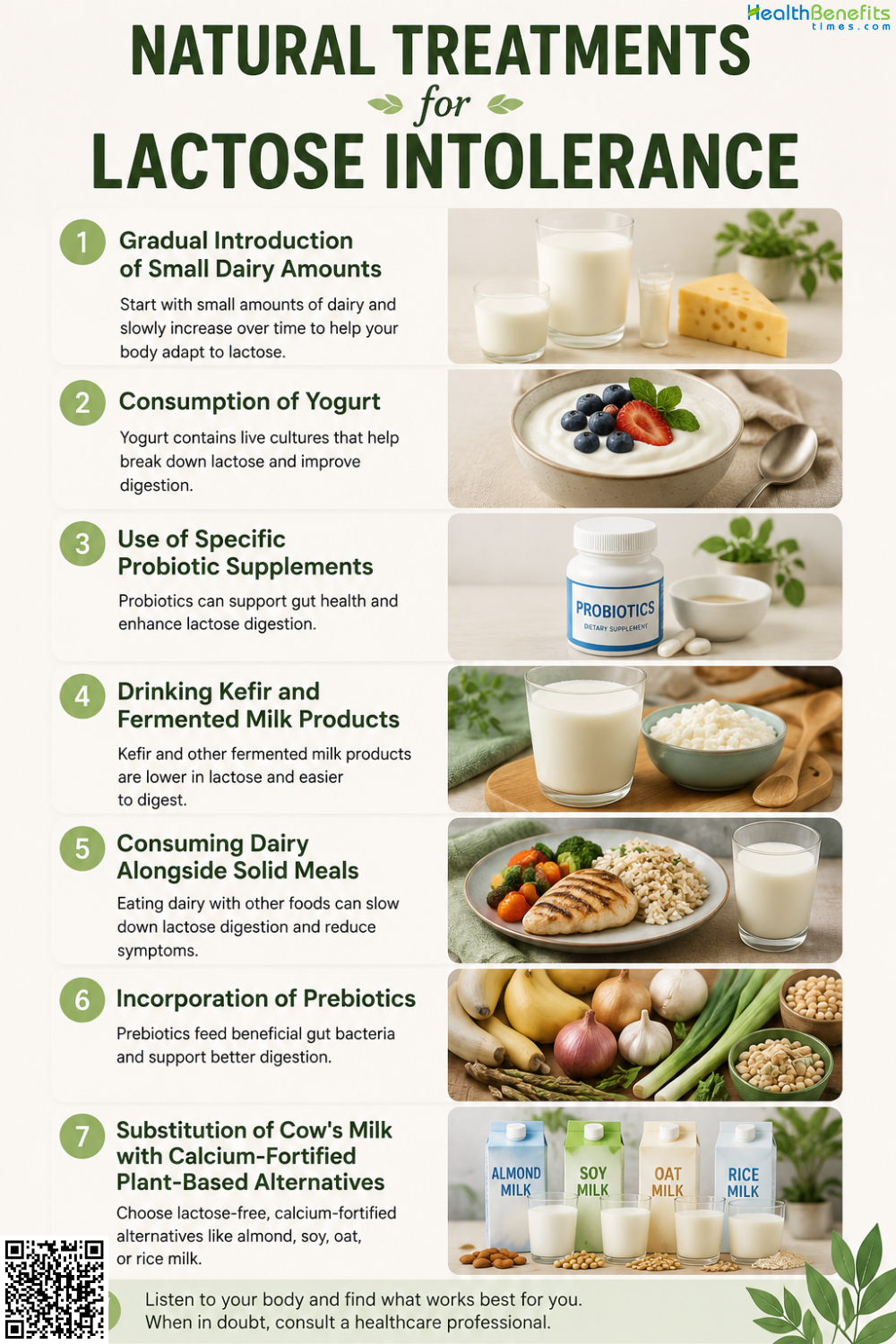
3. Use of Specific Probiotic Supplements
How it may help
Specific probiotic strains, such as Lactobacillus acidophilus and Bifidobacterium, produce beta-galactosidase, the bacterial equivalent of human lactase. Introducing these live bacteria into the digestive tract helps break down lactose directly within the intestines, preventing the sugar from fermenting and producing excessive gas, bloating, and diarrhea 9.
What research says
Systematic reviews and clinical trials demonstrate that specific probiotic strains significantly reduce the overall severity of adult lactose intolerance. Medical research confirms that daily supplementation actively decreases total abdominal symptom scores, particularly minimizing the occurrence of cramping, diarrhea, and severe flatulence following dairy consumption 10.
How to use it safely
Select high-quality supplements explicitly containing Lactobacillus acidophilus or Bifidobacterium strains. Take the probiotic once daily exactly as directed on the product label. Consistent, long-term use is typically necessary to successfully establish and maintain adequate levels of these beneficial bacteria within your gastrointestinal tract 11.
Potential precautions or side effects
While generally safe for healthy individuals, people with weakened immune systems or severe illnesses should strictly avoid live probiotics, as they can cause rare but dangerous systemic infections 12.
4. Drinking Kefir and Fermented Milk Products
How it may help
Kefir is a fermented milk beverage created by adding yeast and live bacterial cultures to milk. During the fermentation process, these microbes break down a significant portion of the lactose before consumption. The remaining live bacteria continue digesting lactose inside the gut, preventing severe bloating and gas 13.
What research says
Clinical studies demonstrate that consuming kefir significantly improves overall lactose digestion compared to standard cow’s milk. Medical research confirms that the dense concentration of live microbes in fermented milk directly reduces the severity of abdominal cramping, excessive flatulence, and sudden diarrhea in adults with diagnosed lactose intolerance 13.
How to use it safely
Start by drinking very small amounts, such as one-quarter cup daily, to observe how your digestive system reacts. Gradually increase your intake as tolerated. Always select plain, unsweetened kefir, as excess added sugars can independently trigger diarrhea and worsen digestive discomfort 5.
Potential precautions or side effects
Because kefir contains live, active microbes, individuals with severely weakened immune systems should strictly avoid fermented products to prevent the risk of rare, dangerous systemic infections 12.
5. Consuming Dairy Alongside Solid Meals
How it may help
Consuming dairy products with solid food physically slows the rate at which the stomach empties its contents into the small intestine. This delayed release gives the body’s limited supply of lactase enzymes more time to effectively break down the lactose, preventing large amounts of undigested sugar from triggering severe symptoms 5.
What research says
Clinical guidelines establish that combining lactose with other macronutrients, particularly fats and complex carbohydrates, significantly improves overall digestion. Medical authorities conclude that slowing gastric transit time directly reduces the severity of sudden bloating, excessive gas, and acute diarrhea in individuals with limited lactase production 5.
How to use it safely
Instead of drinking a glass of milk on an empty stomach, incorporate small amounts of dairy directly into your regular meals. Drink milk with dinner or add a slice of cheese to a sandwich to naturally slow digestion and minimize physical discomfort 5.
Potential precautions or side effects
Even when combined with solid meals, consuming excessively large portions of dairy at one time can still overwhelm your available digestive enzymes and trigger severe gastrointestinal distress 5.
6. Incorporation of Prebiotics
How it may help
Prebiotics are non-digestible plant fibers that act as specialized food for the beneficial bacteria already living in the large intestine. By feeding these specific microbes, prebiotics stimulate their growth and enhance their natural ability to digest lactose, directly reducing the bacterial fermentation responsible for severe gas and bloating 8.
What research says
Clinical studies demonstrate that targeted prebiotic fibers, such as galacto-oligosaccharides, effectively improve lactose tolerance. Medical researchers conclude that consistently consuming these fibers successfully shifts the intestinal microbiome to favor lactose-digesting bacteria, which significantly decreases overall abdominal pain, cramping, and sudden diarrhea in adults with severe lactase deficiencies 8.
How to use it safely
Introduce prebiotic-rich foods, such as garlic, onions, bananas, and oats, slowly into your daily meals. If you choose to use commercial prebiotic supplements, strictly follow the dosing instructions on the label. You must increase your daily fiber intake gradually to allow your digestive tract time to adapt 5.
Potential precautions or side effects
Consuming large amounts of prebiotics too quickly can temporarily worsen symptoms, causing severe bloating, abdominal cramps, and excessive gas as gut bacteria rapidly ferment the sudden influx of fiber 8.
7. Substitution of Cow’s Milk with Calcium-Fortified Plant-Based Alternatives
How it may help
Plant-based beverages naturally contain absolutely no lactose. Completely replacing dairy milk with these alternatives prevents the digestive system from encountering the problematic sugar, thereby entirely eliminating the root cause of gas, bloating, and diarrhea while still providing liquid nutrition 5.
What research says
Clinical guidelines establish that completely substituting cow’s milk with plant-based alternatives is a highly effective dietary strategy for managing lactose intolerance. Medical authorities emphasize that consuming commercially fortified versions is crucial to maintain healthy bone density, providing necessary calcium and vitamin D levels 5.
How to use it safely
Replace cow’s milk with soy, almond, or oat beverages in your daily diet. You must carefully read the nutrition label to verify the product is explicitly fortified with calcium and vitamin D. Select unsweetened varieties whenever possible to avoid excess sugars 5.
Potential precautions or side effects
Verify you do not have food allergies to soy or tree nuts before switching. Additionally, recognize that many plant-based beverages contain significantly less dietary protein than standard cow’s milk 5.
Foods to Avoid When You suffer from lactose intolerance
To effectively manage lactose intolerance and prevent severe gastrointestinal distress, individuals must strictly limit or completely avoid foods containing high concentrations of lactose and hidden dairy derivatives.
1. Fluid Cow’s Milk
Regular cow’s milk contains the highest concentration of lactose, rapidly overwhelming limited lactase enzymes and triggering immediate, severe abdominal bloating and diarrhea 5.
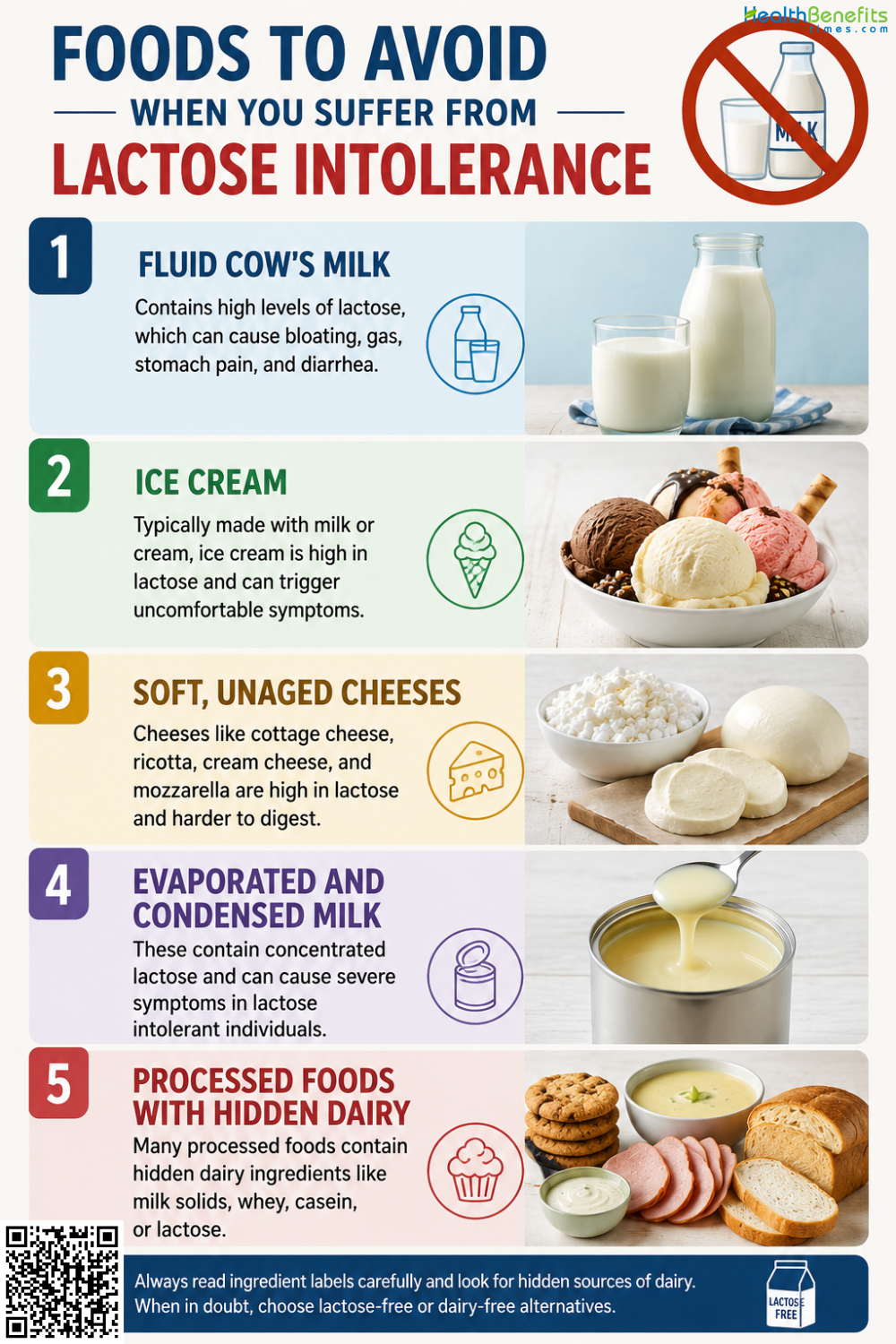
2. Ice Cream
Ice cream combines high lactose levels with excess sugars, which draw additional fluid into the intestines and significantly worsen acute symptoms of cramping and watery diarrhea 5.
3. Soft, Unaged Cheeses
Unlike aged cheeses, soft varieties like ricotta, cottage cheese, and cream cheese retain substantial liquid whey, delivering high doses of undigested lactose directly to the colon 5.
4. Evaporated and Condensed Milk
Commercial processing removes water from these canned products, heavily concentrating the remaining milk sugars and making them exceptionally difficult for a deficient digestive system to process 14.
5. Processed Foods with Hidden Dairy
Manufactured items, including baked goods and instant soups, frequently contain added whey, milk byproducts, or dry milk powder that induce sudden, unexpected gastrointestinal flare-ups 5.
When to see Doctor when you suffer from lactose intolerance
While most individuals safely manage lactose intolerance through routine dietary adjustments, specific clinical warning signs require immediate professional evaluation to rule out more serious gastrointestinal diseases. Medical assessment is essential when symptoms become severe, present unusually, or threaten overall nutritional health.
1. Unintentional Weight Loss
Experiencing sudden weight loss alongside digestive issues suggests a more severe malabsorption disorder, such as celiac disease, requiring immediate clinical testing 3.
2. Gastrointestinal Bleeding
Lactose intolerance never causes internal bleeding; discovering blood in the stool indicates a potentially dangerous inflammatory bowel disease necessitating urgent medical care 3.
3. Symptoms Unrelated to Dairy
If severe bloating and diarrhea persist even after strictly eliminating all lactose, a doctor must evaluate for other underlying digestive conditions 15.
4. Nutritional Deficiencies
Individuals experiencing extreme fatigue or bone weakness after eliminating dairy must consult a physician to prevent long-term calcium and vitamin D deficiencies 5.
5. Severe Abdominal Pain
While mild cramping is expected, debilitating abdominal pain is not a standard symptom and requires immediate medical evaluation to identify potential intestinal emergencies 3.