

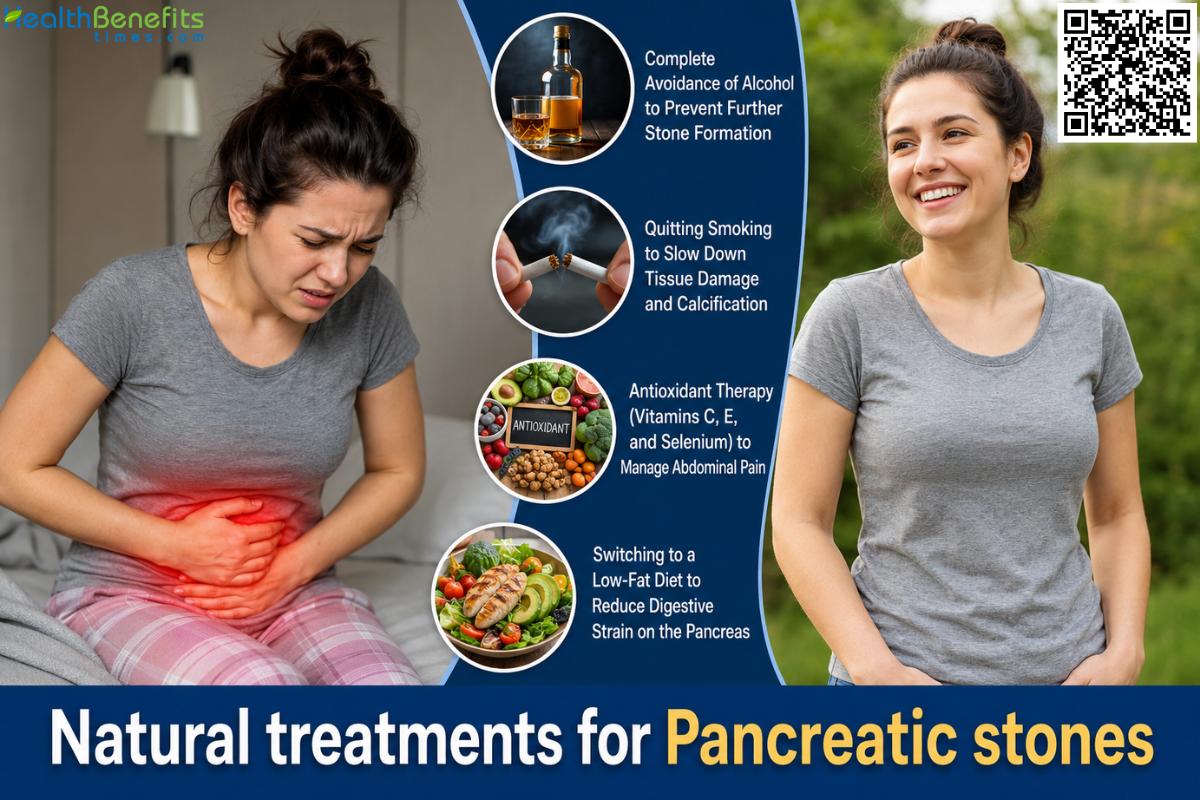
Pancreatic stones, medically known as pancreatolithiasis, are hardened mineral deposits that develop inside the ducts of the pancreas. The pancreas is a vital organ that produces digestive juices and regulates blood sugar. These stones are primarily composed of calcium carbonate and occur as a frequent complication of chronic pancreatitis, a disease involving progressive, long-term inflammation 1. Stone formation begins when sustained inflammation depletes specific protective proteins in the pancreatic fluid, allowing calcium to crystallize into solid masses over time 2. Once formed, the stones physically obstruct the main ducts and trap digestive enzymes inside the organ. This blockage dramatically increases internal pressure, directly causing severe abdominal pain, disrupting food digestion, and inflicting further permanent damage to the tissue 3. To relieve this pressure and restore normal function, patients typically require medical interventions such as endoscopic extraction, shock-wave lithotripsy to fragment the deposits, or surgical removal 4.
Causes of Pancreatic stones
1. Long-Term Alcohol Abuse
Heavy and prolonged alcohol consumption is the most common trigger for pancreatic stone formation in developed nations. Alcohol metabolism produces toxic byproducts that directly damage the pancreas, leading to chronic inflammation 5. This continuous damage reduces the organ’s ability to secrete a protective molecule called pancreatic stone protein (PSP), which normally prevents calcium from solidifying 6. Without sufficient PSP, calcium carbonate easily crystallizes inside the ducts to form stones.
2. Genetic Mutations
Specific inherited genetic defects can disrupt normal pancreatic function and cause stones, even in children or individuals who do not consume alcohol 7. Mutations in genes such as the cystic fibrosis transmembrane conductance regulator (CFTR) and SPINK1 alter the flow and chemical makeup of digestive juices 8. These alterations make the pancreatic fluid more acidic and prone to forming thick protein plugs, which eventually calcify into hard mineral deposits.
3. High Blood Calcium Levels (Hypercalcemia)
Conditions that cause excessively high calcium in the bloodstream, particularly overactive parathyroid glands (hyperparathyroidism), directly increase the calcium concentration within pancreatic secretions . This oversaturation speeds up the chemical process where calcium binds with other minerals to form solid masses within the pancreatic ducts 9.
4. Pancreatic Duct Strictures
Physical narrowing or scarring of the pancreatic ducts, known as strictures, prevents the smooth drainage of digestive juices. When the fluid stagnates behind a stricture, the trapped proteins and minerals have more time to cluster together, creating an ideal environment for stone development.
5. Nutritional Deficiencies (Tropical Pancreatitis)
In certain tropical geographic regions, severe malnutrition combined with environmental factors contributes to a specific form of chronic disease known as tropical pancreatitis. This condition aggressively damages the pancreas at a young age and is highly associated with the formation of large, numerous pancreatic stones.
6. Idiopathic Causes
In a significant number of cases, stones form as a result of chronic pancreatitis for which no clear underlying lifestyle, genetic, or metabolic trigger can be identified. Despite extensive medical testing, the exact origin of the inflammation and subsequent calcification in these individuals remains unknown.
Symptoms of Pancreatic stones
1. Severe Abdominal Pain
The most common and debilitating symptom is intense, long-lasting pain in the upper abdomen that frequently radiates directly to the back. This pain occurs because the stones physically block the main pancreatic duct, trapping digestive fluids and causing an extreme buildup of internal pressure within the organ.
2. Fatty, Foul-Smelling Stools (Steatorrhea)
When hardened stones prevent the pancreas from releasing necessary digestive enzymes into the small intestine, the body loses its ability to properly break down and absorb dietary fats. Consequently, undigested fat passes continuously through the digestive tract, resulting in bowel movements that are excessively oily, pale, difficult to flush, and unusually foul-smelling 10.
3. Unintended Weight Loss and Malnutrition
Because the obstructed digestive enzymes cannot process food efficiently, the intestines fail to absorb essential nutrients and calories from meals. This persistent failure to absorb nutrition (malabsorption) causes individuals to experience rapid, unexplained weight loss and severe vitamin deficiencies, even when their daily food intake remains normal.
4. Onset or Worsening of Diabetes
The presence of stones and the resulting chronic inflammation progressively destroy the specialized cells in the pancreas responsible for producing insulin. As insulin production drops, the body can no longer regulate blood sugar effectively, leading to the development of a specific condition called pancreatogenic diabetes (Type 3c diabetes) or causing severe complications in existing blood sugar control.
5. Jaundice (Yellowing of Skin and Eyes)
In certain cases, a large pancreatic stone or significant tissue swelling from the surrounding inflammation can physically press against the nearby common bile duct. This compression blocks the normal flow of bile from the liver, forcing a yellow waste product called bilirubin to accumulate in the bloodstream and tissues, which visibly turns the skin and the whites of the eyes yellow.
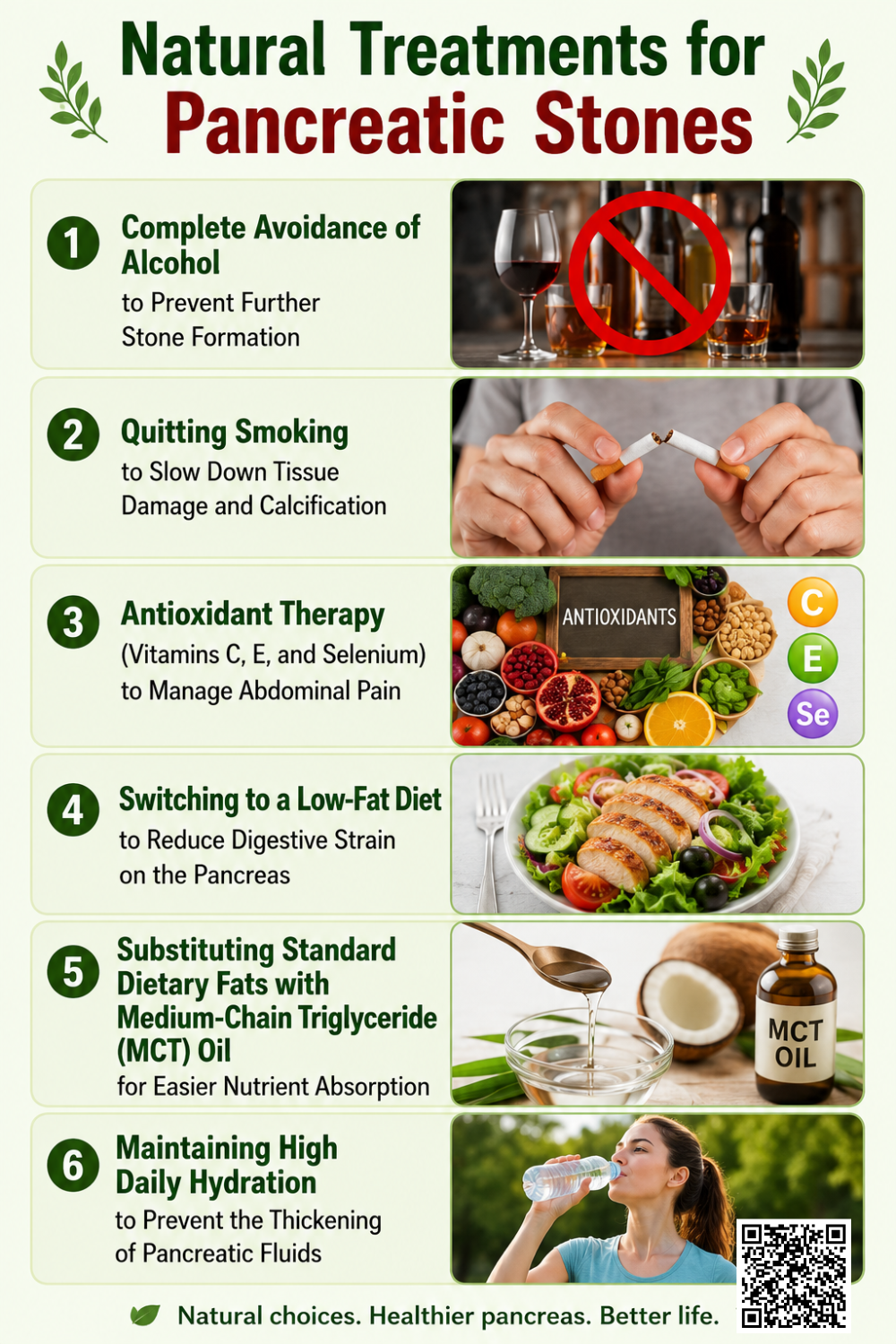 Natural Treatments for Pancreatic Stones
1. Complete Avoidance of Alcohol to Prevent Further Stone Formation
How it may help
Alcohol directly damages the pancreas by altering digestive fluids, making them thick and prone to forming protein plugs that calcify into hard stones. Completely eliminating alcohol stops the continuous chemical injury to the organ, prevents existing stones from rapidly growing, and allows the remaining healthy tissue to function without further toxic stress.
What research says
Clinical studies conclude that absolute alcohol abstinence significantly reduces the frequency and severity of abdominal pain attacks associated with chronic pancreatitis and pancreatic stones 11. Furthermore, long-term research confirms that quitting alcohol entirely slows the overall progression of the disease and significantly improves long-term survival rates among patients.
How to use it safely
To implement this lifestyle change effectively, you must eliminate all forms of alcohol, including beer, wine, and spirits. If you have a history of heavy drinking, do not stop abruptly on your own; consult a healthcare provider to manage the transition through a medically supervised detoxification program 12.
Potential precautions or side effects
Stopping alcohol suddenly after heavy use can trigger dangerous withdrawal symptoms, including severe tremors, rapid heartbeat, hallucinations, or life-threatening seizures, requiring immediate professional medical intervention 13.
2. Quitting Smoking to Slow Down Tissue Damage and Calcification
How it may help
Toxins in cigarette smoke directly increase inflammation and stress within the pancreas, speeding up the process where healthy tissue turns into scar tissue and calcium stones. Quitting smoking removes these toxic chemicals, halting this rapid damage and slowing the progression of stone formation.
What research says
Clinical studies identify cigarette smoking as a major, independent risk factor for developing chronic pancreatitis and calcification 14. Research concludes that continued smoking aggressively accelerates stone formation, whereas stopping completely significantly slows disease progression and lowers the risk of pancreatic cancer 15.
How to use it safely
To successfully quit smoking, you should work with a healthcare provider to create a structured cessation plan. Utilize evidence-based tools such as nicotine replacement patches or gums, prescription medications, and behavioral counseling to manage physical cravings and mental triggers safely 16.
Potential precautions or side effects
When you stop smoking, expect temporary nicotine withdrawal symptoms, including irritability, anxiety, difficulty concentrating, and increased appetite 17. These normal side effects safely peak within the first few weeks.
3. Antioxidant Therapy (Vitamins C, E, and Selenium) to Manage Abdominal Pain
How it may help
Chronic pancreatic inflammation creates harmful molecules called free radicals, which cause severe oxidative stress and trigger intense nerve pain. Antioxidants like vitamins C, E, and selenium neutralize these dangerous molecules. By reducing oxidative stress, this therapy helps calm inflammation and eases the abdominal pain associated with pancreatic stones 18.
What research says
Clinical reviews indicate that combined antioxidant therapy may safely reduce pain severity and decrease the need for strong pain medications in patients with chronic pancreatitis. However, research concludes that while antioxidants offer noticeable pain relief, they do not dissolve existing pancreatic stones or cure the underlying disease 19.
How to use it safely
You should only take antioxidant supplements under direct medical supervision. Your doctor will recommend specific, clinically tested amounts of vitamins and selenium. Do not attempt to guess your dosage with over-the-counter pills, as your specific requirements depend on your current nutritional deficiencies 20.
Potential precautions or side effects
Excessive doses are dangerous. High vitamin C causes diarrhea, too much vitamin E increases bleeding risks, and severe selenium toxicity leads to hair loss and nerve damage 21.
4. Switching to a Low-Fat Diet to Reduce Digestive Strain on the Pancreas
How it may help
Eating fats strongly stimulates the pancreas to release digestive enzymes. When stones block the ducts, this stimulation builds pressure and causes intense pain. A low-fat diet reduces the organ’s workload, lowering internal pressure, preventing painful flare-ups, and managing greasy stools caused by poorly digested fats 22.
What research says
Clinical guidelines emphasize that restricting dietary fat effectively minimizes post-meal abdominal pain and controls steatorrhea in chronic pancreatitis patients. However, researchers caution against overly strict fat restriction, as it can worsen pre-existing malnutrition; instead, fat intake should be tailored to individual tolerance levels.
How to use it safely
To implement this diet, limit your daily fat intake as advised by a clinical dietitian. Focus on lean proteins, whole grains, and vegetables. You should eat small, frequent meals throughout the day rather than large portions, which prevents overwhelming your compromised digestive system.
Potential precautions or side effects
Severely limiting fats increases your risk of unintended weight loss and deficiencies in essential fat-soluble vitamins (A, D, E, and K), requiring careful medical monitoring.
5. Substituting Standard Dietary Fats with Medium-Chain Triglyceride (MCT) Oil for Easier Nutrient Absorption
How it may help
Normal dietary fats require pancreatic enzymes for digestion. When stones block these enzymes, standard fats remain undigested. Medium-chain triglyceride (MCT) oil bypasses this process because the intestines absorb it directly without needing pancreatic enzymes. Substituting regular fats with MCT oil provides essential calories without straining the pancreas.
What research says
Clinical guidelines support using MCT oil for patients experiencing severe fat malabsorption due to chronic pancreatitis. Research confirms that replacing standard fats with MCTs helps reduce fatty stools, promotes healthy weight gain, and improves overall nutritional status in patients suffering from severe pancreatic enzyme deficiency.
How to use it safely
You should use MCT oil strictly under the guidance of a clinical dietitian. Start with small amounts, such as one teaspoon per meal, and gradually increase the dose. Mix it into prepared foods, as high cooking heat destroys its nutritional structure.
Potential precautions or side effects
Consuming too much MCT oil too quickly frequently causes severe stomach cramps, nausea, and diarrhea. It also lacks essential fatty acids, requiring careful dietary balancing.
6. Maintaining High Daily Hydration to Prevent the Thickening of Pancreatic Fluids
How it may help
Dehydration causes pancreatic secretions to become abnormally thick. This highly concentrated fluid promotes the formation of protein plugs, which eventually calcify into solid stones. Maintaining optimal hydration keeps these digestive juices thin and flowing smoothly, reducing blockages and preventing new stones from developing.
What research says
Clinical guidelines emphasize that adequate fluid intake is essential for managing chronic pancreatitis and preventing painful flare-ups. Research confirms that poor hydration directly worsens pancreatic inflammation and increases the viscosity of digestive fluids, making patients significantly more susceptible to duct obstructions.
How to use it safely
You should consistently drink clear fluids throughout the day, prioritizing plain water. Keep a water bottle nearby to encourage steady sipping rather than gulping large amounts at once. Avoid sugary sodas and heavily caffeinated beverages, as they can actively worsen dehydration.
Potential precautions or side effects
If you have underlying kidney disease or heart failure, consult your doctor before significantly increasing your fluid intake, as excessive water can dangerously overload your system 23.
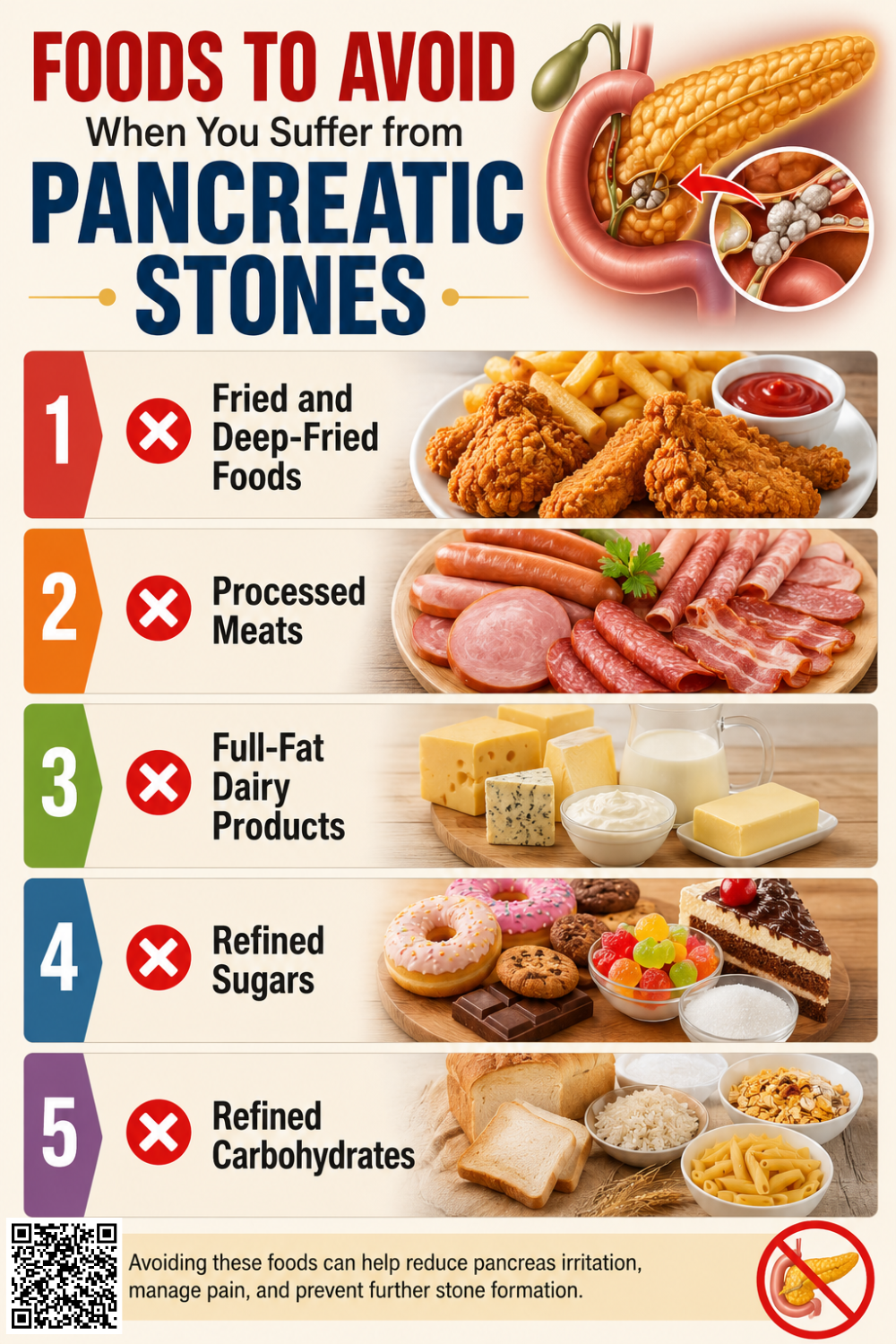 Foods to Avoid When You Suffer from Pancreatic Stones
1. Fried and Deep-Fried Foods
High fat content forces the pancreas to overwork, triggering severe pain when ducts are physically blocked by stones.
2. Processed Meats
Sausages and bacon contain excessive saturated fats that exacerbate tissue inflammation and overwhelm compromised digestive capabilities.
3. Full-Fat Dairy Products
Whole milk, butter, and heavy cream demand significant enzyme production, leading to painful internal pressure and severe malabsorption.
4. Refined Sugars
Because a calcified pancreas struggles to produce insulin, consuming high-sugar sweets drastically increases the risk of developing diabetes.
5. Refined Carbohydrates
White bread and pastries lack fiber and spike blood sugar rapidly, placing unnecessary metabolic stress on a damaged pancreas.
When To See a Doctor When You Suffer from Pancreatic Stones
1. Unmanageable Abdominal Pain
Seek immediate care if you experience intense, unrelenting upper abdominal pain that radiates to your back, signaling a severe duct blockage or acute inflammation 24.
2. Jaundice (Yellowing of Skin and Eyes)
You should visit a doctor promptly if your skin or eyes turn yellow, which indicates that tissue swelling or a large stone has blocked the bile duct.
3. Rapid, Unexplained Weight Loss
Consult a healthcare provider if you lose weight rapidly without trying, as this demonstrates severe nutritional malabsorption caused by a lack of digestive enzymes.
4. High Fever and Chills
Seek emergency medical attention if you develop a high fever alongside chills, which frequently signals a dangerous, life-threatening infection within the damaged pancreatic tissue.
5. New Diabetes Symptoms
See a doctor if you experience extreme thirst or frequent urination. These symptoms indicate the stones have permanently damaged the specialized cells that produce insulin.