

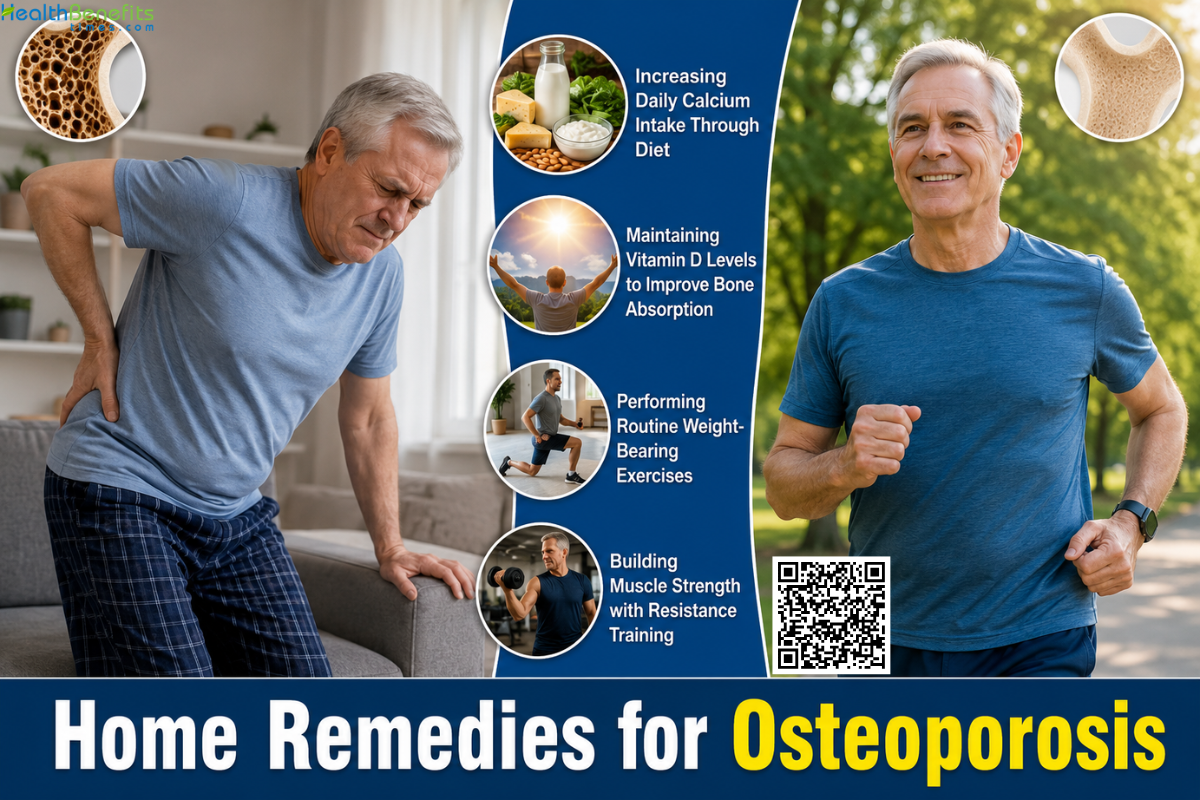
Osteoporosis is a progressive skeletal condition where bones become abnormally thin, weak, and more likely to break. It occurs when the body loses too much bone tissue, produces too little new bone, or both, which disrupts the natural cycle of bone remodeling. When the cellular breakdown of old bone outpaces the formation of new tissue, the internal structure loses its density and vital microarchitecture, leaving the bones extremely porous and fragile 1. This severe reduction in bone strength drastically increases a person’s susceptibility to unexpected fractures, most frequently occurring in the hip, spine, and wrist. Because this structural deterioration happens gradually and without obvious physical pain, osteoporosis is medically recognized as an asymptomatic, silent disease. It often remains entirely undetected until a minor fall, a sudden bump, or a routine daily movement results in a debilitating broken bone 2.
Causes of Osteoporosis
1. Advanced Age
As the human body grows older, the natural cycle of bone remodeling becomes unbalanced. The cellular process of breaking down old bone begins to outpace the formation of new bone tissue, leading to a steady, progressive loss of overall structural density and skeletal strength over time 3.
2. Hormonal Deficiencies
A significant drop in vital sex hormones is a major driver of severe bone loss. For women, the rapid decline of estrogen production during menopause removes essential biological protections for bone mass, dramatically accelerating the disease 4. For men, abnormally low levels of testosterone can similarly compromise skeletal density and increase fracture risks.
3. Long-Term Medication Use
Prolonged treatment with certain prescription medications can directly deteriorate bone health. Glucocorticoids, which are powerful anti-inflammatory steroids, rapidly impair the body’s ability to create new bone cells and accelerate bone breakdown, making this the most frequent drug-induced cause of the condition 5.
4. Inadequate Nutrition
The human skeletal system relies entirely on specific dietary nutrients to maintain a rigid, hard structure. A chronic deficiency in dietary calcium directly limits new bone mineralization, while insufficient vitamin D prevents the digestive system from properly absorbing the calcium that is consumed 6.
5. Underlying Medical Conditions
Various systemic illnesses and chronic diseases can severely interfere with normal bone metabolism. Health issues such as celiac disease (which prevents nutrient absorption), chronic kidney disease, and hyperthyroidism (an overactive thyroid gland) disrupt internal mineral balances and frequently lead to secondary bone deterioration.
6. Harmful Lifestyle Habits
Daily behavioral choices significantly impact long-term skeletal integrity. A prolonged sedentary lifestyle lacking weight-bearing physical activity, routine tobacco smoking, and heavy alcohol consumption all actively suppress healthy bone formation and drastically increase the likelihood of developing highly porous, fragile bones 7.
Symptoms of Osteoporosis
1. Severe Back Pain
Sudden, severe, or persistent back pain is often the first noticeable physical symptom. This localized discomfort is generally caused by tiny, undetected fractures or the structural collapse of the weakened bones within the spine 8.
2. Loss of Height
A gradual but measurable decrease in overall physical height is a primary clinical indicator. Because fragile spinal bones compress and flatten under the body’s natural weight, individuals can gradually lose an inch or more of their original adult stature.
3. Stooped Posture
The development of a visibly hunched or forward-leaning posture indicates advanced structural changes. This curving of the upper back occurs when the front edges of weakened spinal bones collapse, permanently forcing the upper spine to tilt forward 9.
4. Fragility Fractures
Bones that break under remarkably low pressure are the most definitive symptom of the condition. These unexpected injuries frequently happen in the hip, wrist, or spine following a very minor fall from a standing height, a simple bump, or even basic daily movements like coughing or bending.
 Home Remedies for Osteoporosis
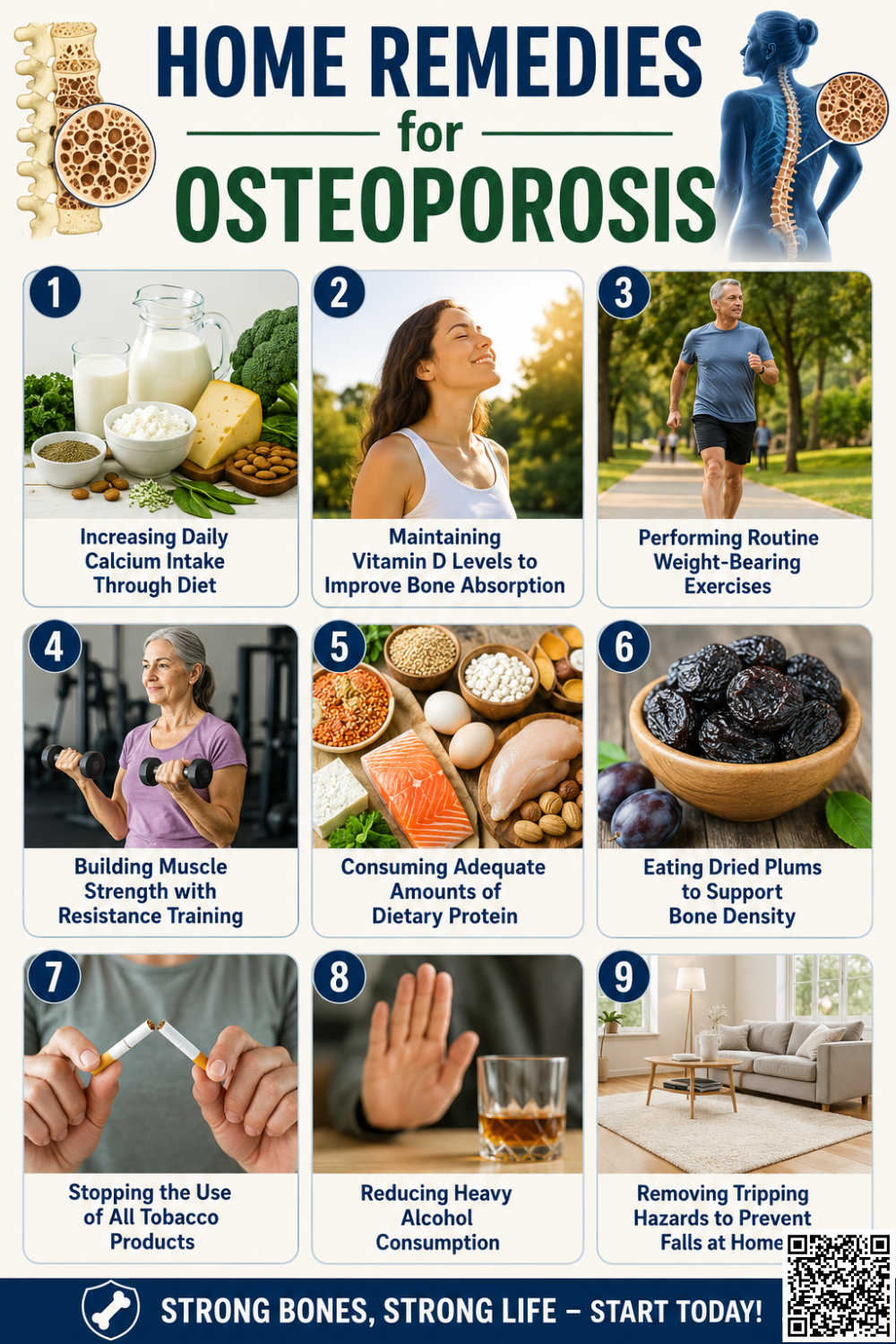
1. Increasing Daily Calcium Intake Through Diet
How it may help
Calcium serves as the primary structural building block for the human skeleton. Consuming an adequate amount of calcium through daily meals provides the essential minerals needed to maintain bone density. This strictly prevents the body from extracting stored calcium directly from existing bones to support other necessary cellular functions 10.
What research says
Clinical evidence concludes that a consistent dietary intake of calcium significantly slows the natural rate of progressive bone loss in older adults. Studies confirm that maintaining recommended calcium levels, particularly alongside adequate vitamin D, effectively reduces the overall risk of suffering sudden fragility fractures 11.
How to use it safely
You should aim for a total daily intake of 1,000 to 1,200 milligrams. Prioritize natural food sources like dairy products, dark leafy green vegetables, and calcium-fortified beverages. Space your dietary consumption throughout the day, because your body absorbs smaller amounts of calcium much more efficiently 12.
Potential precautions or side effects
Consuming excessive amounts of calcium can lead to severe constipation and significantly increase your risk of developing painful kidney stones. You should never exceed 2,000 milligrams daily.
2. Maintaining Vitamin D Levels to Improve Bone Absorption
How it may help
Vitamin D acts as a biological key that allows the digestive system to absorb calcium effectively. Without sufficient levels of this essential nutrient, the human body cannot extract enough dietary calcium to build or maintain a rigid skeletal structure, regardless of how much calcium is consumed 13.
What research says
Clinical research confirms that maintaining optimal vitamin D levels prevents severe bone softening and slows structural deterioration. Studies consistently demonstrate that older adults with adequate vitamin D concentrations experience a significant reduction in bone mass loss and a measurable decrease in unexpected bone fractures 14.
How to use it safely
You should obtain vitamin D through brief, safe sunlight exposure and foods like fatty fish, egg yolks, or fortified milk. For most adults, a daily intake of 600 to 800 international units is recommended. Consult your doctor to check your blood levels before taking supplements.
Potential precautions or side effects
Taking excessive vitamin D supplements can cause dangerously high calcium levels in your blood, which may lead to severe nausea, muscle weakness, and permanent kidney damage.
3. Performing Routine Weight-Bearing Exercises
How it may help
Weight-bearing physical activity forces the skeletal system to work against natural gravity. This mechanical stress directly stimulates specialized cells to produce new bone tissue. Over time, this biological reaction thickens the structural density of the bones, making them significantly stronger and less prone to breaking under pressure 15.
What research says
Clinical evidence concludes that consistent weight-bearing exercise effectively halts the progression of bone density loss in older adults. Studies confirm that patients who maintain regular physical activity routines exhibit measurably higher bone mass and experience a significant reduction in the overall risk of fall-related fractures 16.
How to use it safely
You should engage in moderate activities like brisk walking, dancing, or stair climbing for about thirty minutes on most days. Always begin slowly to let your body adjust. Consult your doctor to design a safe routine tailored to your current bone strength.
Potential precautions or side effects
You must strictly avoid high-impact activities like jumping, as well as rapid spinal twisting. These sudden physical forces can easily cause immediate fractures in severely weakened bones.
4. Building Muscle Strength with Resistance Training
How it may help
Resistance training involves contracting muscles against external weights or elastic bands. As muscles strongly contract, they pull on the attached bones. This physical tension directly stimulates bone-building cells to create new tissue, which actively increases skeletal density and slows the progressive loss of structural bone strength 16.
What research says
Clinical research confirms that targeted resistance training effectively improves bone mineral density in highly vulnerable areas like the hip and spine. Studies conclude that building muscle mass significantly enhances physical balance and overall stability, which directly prevents the dangerous falls that frequently cause unexpected fragility fractures.
How to use it safely
You should begin with very light free weights, resistance bands, or simple bodyweight exercises under professional supervision. Gradually increase the resistance as your muscles adapt. Always focus on maintaining slow, controlled movements to safely strengthen your core and leg muscles.
Potential precautions or side effects
You must strictly avoid lifting excessively heavy weights or performing sudden, jerky movements. Bending your spine forward while lifting can cause severe compression fractures in weakened back bones 16.
5. Consuming Adequate Amounts of Dietary Protein
How it may help
Dietary protein forms approximately fifty percent of the skeletal volume. Consuming adequate protein provides the essential amino acids required to build new bone tissue. It also actively improves how the intestines absorb calcium and supports the surrounding muscles that protect the skeleton from physical impact 17.
What research says
Clinical studies confirm that a higher dietary protein intake effectively prevents significant bone density loss in older adults. Research concludes that protein’s positive structural effects on skeletal remodeling are most beneficial when consistently combined with an adequate daily intake of dietary calcium.
How to use it safely
You should consume roughly 0.8 to 1.2 grams of protein per kilogram of your body weight daily. Space your portions evenly across your meals. Focus on lean sources like poultry, fish, eggs, dairy, and beans, while always ensuring optimal calcium intake 18.
Potential precautions or side effects
Consuming excessive protein without sufficient calcium may slightly increase calcium excretion. Patients with chronic kidney disease must strictly limit daily protein consumption under professional medical supervision.
6. Eating Dried Plums to Support Bone Density
How it may help
Dried plums contain unique nutritional compounds that actively suppress the cellular breakdown of existing bone tissue. By providing high levels of vitamin K and natural antioxidants, they reduce internal inflammation and directly stimulate the specific biological processes responsible for building new, structurally sound bone mass 19.
What research says
Clinical trials consistently demonstrate that eating dried plums effectively prevents bone density loss, particularly in postmenopausal women. Research concludes that daily consumption significantly improves bone mineral density in the spine and arms, fundamentally slowing the structural deterioration directly associated with the condition 20.
How to use it safely
You should consume fifty to one hundred grams of dried plums, which is roughly five to ten prunes, daily to support skeletal health. Begin with just two or three a day to let your digestive system adjust, and always drink plenty of water.
Potential precautions or side effects
Eating too many dried plums rapidly can cause severe gas, stomach cramps, and diarrhea due to their high fiber and sorbitol content. Always monitor your overall daily sugar intake.
7. Stopping the Use of All Tobacco Products
How it may help
Dried plums contain unique nutritional compounds that actively suppress the cellular breakdown of existing bone tissue. By providing high levels of vitamin K and natural antioxidants, they reduce internal inflammation and directly stimulate the specific biological processes responsible for building new, structurally sound bone mass.
What research says
Clinical trials consistently demonstrate that eating dried plums effectively prevents bone density loss, particularly in postmenopausal women. Research concludes that daily consumption significantly improves bone mineral density in the spine and arms, fundamentally slowing the structural deterioration directly associated with the condition.
How to use it safely
You should consume fifty to one hundred grams of dried plums, which is roughly five to ten prunes, daily to support skeletal health. Begin with just two or three a day to let your digestive system adjust, and always drink plenty of water.
Potential precautions or side effects
Eating too many dried plums rapidly can cause severe gas, stomach cramps, and diarrhea due to their high fiber and sorbitol content. Always monitor your overall daily sugar intake.
8. Reducing Heavy Alcohol Consumption
How it may help
Reducing heavy alcohol consumption directly preserves normal bone growth. Excessive drinking physically interferes with the body’s natural cellular process of rebuilding bone tissue. It also alters important hormone levels and limits how well the digestive system absorbs calcium. Limiting alcohol intake directly halts these destructive biological effects 21.
What research says
Clinical studies confirm that chronic heavy alcohol consumption severely decreases bone mineral density and significantly increases the lifetime risk of unexpected fragility fractures, especially in the hip. Research concludes that excessive drinking structurally compromises the inner meshwork of bones, making strict moderation necessary to protect skeletal integrity 22.
How to use it safely
You should limit your alcohol consumption to no more than one standard drink daily for women, or two daily for men. If you do not currently drink alcohol, medical professionals strongly advise against starting. Seek professional support if you have difficulty reducing your daily intake.
Potential precautions or side effects
Quitting heavy alcohol use abruptly can cause severe withdrawal symptoms, including dangerous tremors or seizures. You must consult a doctor for a medically supervised plan to safely stop drinking 23.
9. Removing Tripping Hazards to Prevent Falls at Home
How it may help
Because osteoporosis leaves bones highly fragile, physically preventing falls is the most direct way to avoid unexpected broken bones. Removing environmental hazards from living spaces eliminates the traumatic physical impacts that easily fracture weakened skeletal structures, particularly the hips and spine 24.
What research says
Clinical research confirms that systematic home modifications significantly reduce the frequency of dangerous falls among older adults. Studies conclude that clearing walkways and improving lighting directly lower the incidence of debilitating fragility fractures, effectively protecting patients with severely reduced bone density from sudden traumatic injuries 25.
How to use it safely
You should immediately clear all floor clutter, secure loose rugs with double-sided tape, and safely tape down exposed electrical cords. Ensure every hallway is brightly lit, and install sturdy grab bars in your bathroom near the shower to maintain physical stability.
Potential precautions or side effects
Do not attempt to install heavy grab bars yourself. Always hire a professional to ensure safety fixtures are securely anchored to safely support your full body weight.
 Foods to Avoid When You suffer from Osteoporosis
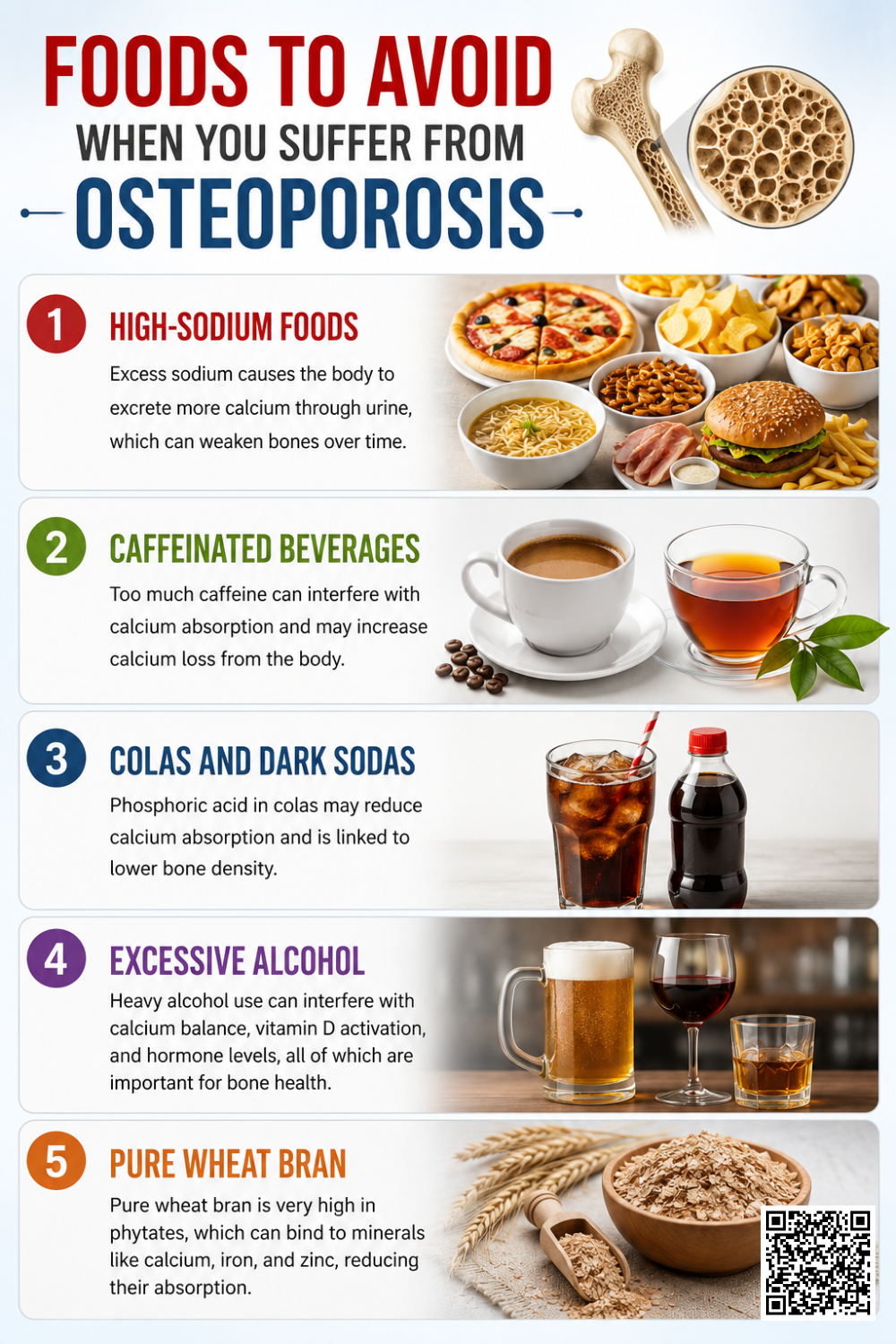
1. High-Sodium Foods
Excessive salt forces the kidneys to excrete vital calcium through urine, directly reducing the mineral supply needed to maintain strong bone density 26.
2. Caffeinated Beverages
Consuming heavy amounts of caffeine slightly decreases intestinal calcium absorption and accelerates calcium loss, which progressively weakens the skeletal structure over time 27.
3. Colas and Dark Sodas
Dark carbonated sodas contain high levels of phosphoric acid, which alters the body’s mineral balance and actively promotes the breakdown of bone tissue 28.
4. Excessive Alcohol
Heavy alcohol consumption severely disrupts cellular bone remodeling and prevents the stomach from properly absorbing dietary calcium, leading to highly porous bones.
5. Pure Wheat Bran
Raw wheat bran contains high levels of phytates, which chemically bind to dietary calcium in the digestive tract and directly prevent its physical absorption.
When To see Doctor when you suffer from Osteoporosis
1. Sudden Back Pain
Severe, unexplained back pain often indicates an undetected spinal fracture that requires immediate clinical evaluation to prevent further damage.
2. Noticeable Height Loss
Losing an inch or more of physical stature strongly signals collapsing spinal bones, which requires an urgent medical assessment to adjust treatment.
3. Minor Impact Fractures
Breaking a bone after a simple trip or mild bump is a definitive sign of severe skeletal weakness requiring immediate professional intervention.
4. Changes in Posture
Developing a visibly hunched or forward-leaning curve in the upper back indicates progressive spinal collapse, necessitating prompt clinical review.
5. Starting New Medications
Being prescribed oral steroids or strong anti-inflammatory drugs requires a medical consultation, as these medications rapidly accelerate dangerous bone deterioration.