

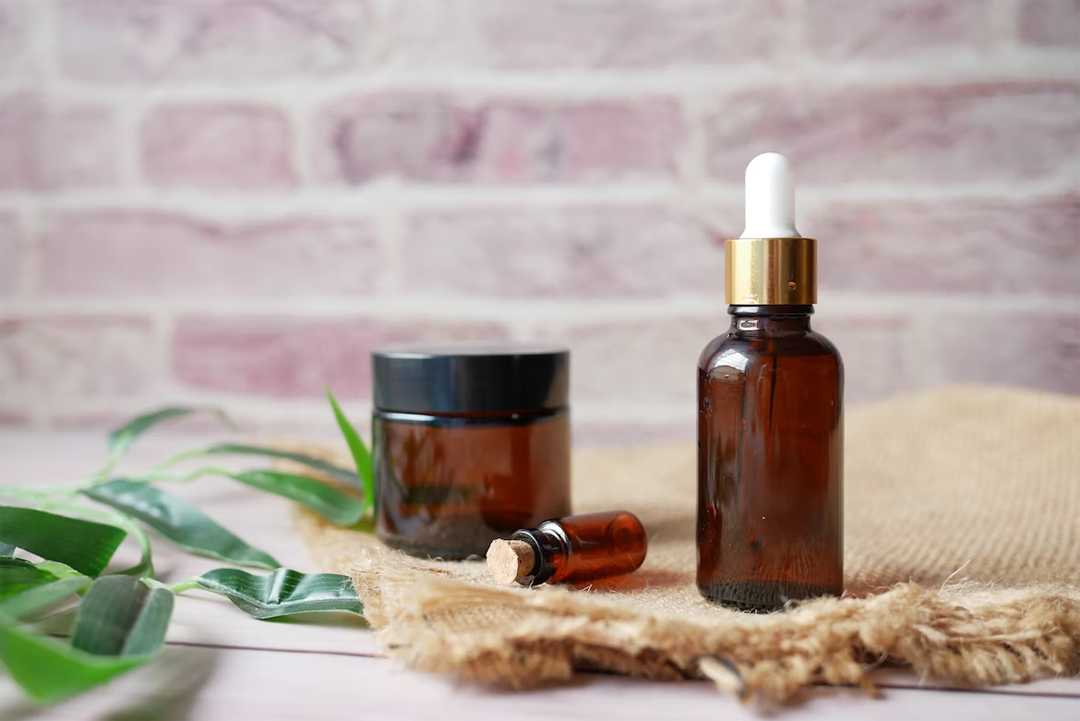
Discover the endless benefits of essential oils beyond aromatherapy. These versatile products can help relieve anxiety, nourish your skin, and be used in DIY cleaning products. Interested in crafting your own essential oils? Look no further. Feel like an essential oil maker. Learn everything you need to know about the process and follow our step-by-step guide to get started today.
What is the best oil to make homemade essential oil?
Creating your own essential oils can be a limitless experience. With a variety of plants to choose from, it’s easy to get overwhelmed. But don’t worry, by focusing on the benefits offered by each plant, you can narrow down your options.
Here’s a comprehensive list of plants that yield essential oils to improve your well-being:
- For Better Sleep: Lavender, Bergamot, Clary Sage, Chamomile
- To Reduce Anxiety: Orange, Rose, Lemon, Lavender
- To Wake Up and Increase Focus: Peppermint, Sweet Orange, Rosemary, Lemon
- To Boost Your Mood: Lavender, Lemongrass, Peppermint, Ylang-ylang
- To Reduce Acne: Lemon, Cinnamon, Tea Tree
- To Reduce Skin Aging: Rose, Jojoba, Carrot Seed, Tangerine
Don’t worry if you’re not particularly good with plants. The plant identifier app will help you to distinguish similar herbs and flowers. The LiLy – Plant Identification app is useful for both professional gardeners and those who just grow flowers in a pot. If the plant gets sick, this app for iPhone will be able to recognize the disease. Moreover, an app for plants can give advice on what needs to be done to eliminate the disease. Plant apps can become both your main and additional tools in determining the condition of plants.
Important Essential Oil Tips
Get the most out of your DIY essential oils by using fresh plant material instead of dried. Harvest in the morning after the dew dries and discard any unhealthy herbs. Chop your plants to increase oil yield, and use at least 3-4 cups of material for a few teaspoons of oil. For best results, use distilled water to prevent contamination. Save money and enjoy the benefits of homemade essential oils.
What do you use to make essential oils at home?
- A wide-mouthed jar (like a Mason jar).
- Carrier oils such as jojoba, sweet almond, or fractionated coconut oil.
- A dropper or pipette for measuring the oils.
- Fresh flowers, herbs, spices, or citrus peels.
- A dark-colored glass bottle for storing the finished product.
- A funnel (optional).
- An unbleached cheesecloth, muslin, or fine gauze
- plastic food storage bags
- A mortar and pestle (or wooden mallet).
What is the best method to make essential oils?
This is a fairly simple, fast, and reliable method for obtaining oils. Given all these qualities, it can be called the best.
- Simply add the plant material to your crockpot and cover it with water, filling up to ¾ of the crockpot. Place the lid upside down to allow for steam to condense and fall back into the pot.
- Heat the water on high until hot, then turn it down to low and simmer for 3-4 hours.
- Once cooked, let it cool and transfer it to the fridge overnight.
- Once your crockpot of infused water has chilled overnight, remove it from the fridge and you’ll see a layer of oil sitting on top. These oils are full of DIY goodness!
- Carefully skim the oil from the water, quickly working as the oil will start to melt.
- Transfer the oil to a labeled bottle, being sure to leave any water-based liquid behind.
- To remove the residual liquid, gently heat the oil until the liquid steams away. Don’t overheat as this could decrease the potency of the oil.
- Store your precious oils in a colored glass container, away from heat and light.
Extracting Oils Using Oils or Alcohol
Extracting essential oils from plant material is an easy process using either olive or canola oil, or ethyl alcohol.
- Gather your materials and choose your preferred liquid.
- Pour a portion into a non-metal container, enough to coat the bottom, and then cover your plant material completely.
- To make your essential oils stronger, leave the container aside for 24 to 48 hours in a safe and secure location. It’s important to keep it away from children and pets, and in a spot where it won’t be accidentally knocked over.
- Once enough time has passed, strain your mixture by pouring it through a strainer into another container of the same size. Your mixture should have some fragrance, but for more potent oils, rinse the initial container and add more plant material.
- To get the perfect strength for your essential oil, repeat the process and let it sit for 24-48 hours before straining it.
- Do this until the scent is very strong. Typically, it takes 6-8 rounds of treatment to produce a great batch of essential oils.
- After finishing, pour the oil into sealed bottles and store them in a cool, dark spot in your home. Proper storage is crucial for maintaining the quality of your oils.
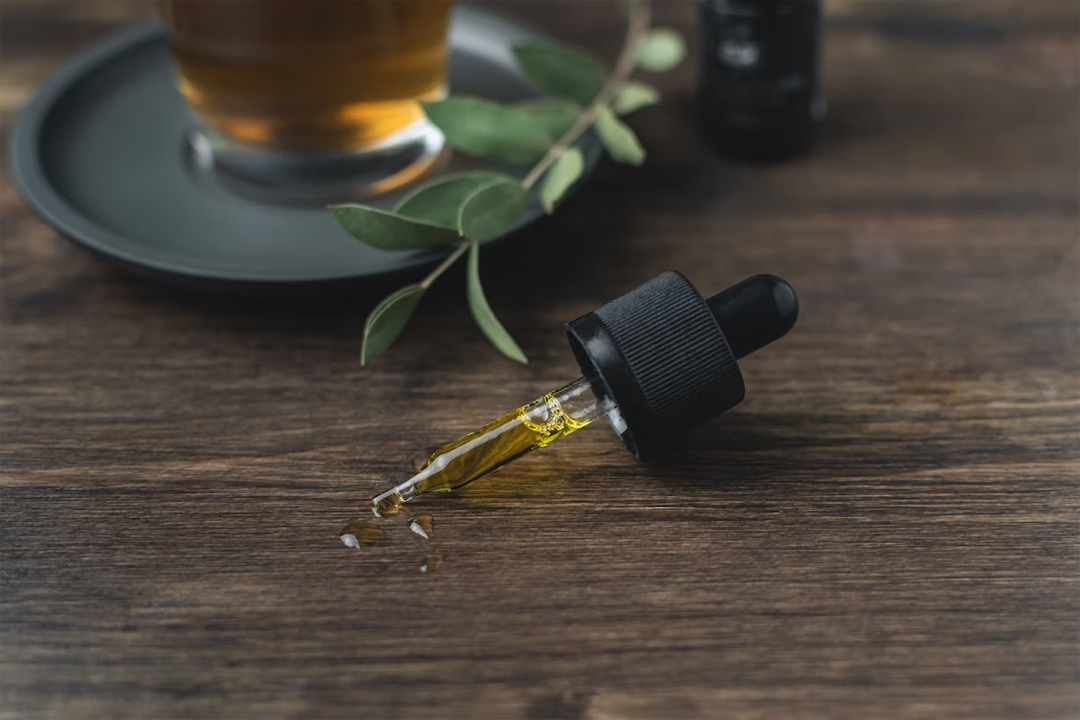 Multicooker method
How to make essential oil using the steam method using a slow cooker:
- To make the most of your crockpot, it’s best to use distilled water. This ensures that any harmful chemicals in tap water won’t interfere with your cooking. When steeping plant material in water, fill the crockpot up to about three-quarters and gently add the plant material on top. It’s that easy!
- For best results, simmer over low heat for a full 24 hours. This slow-cooking method will give your dish maximum flavor and tenderness.
- After 24 hours, turn off the crockpot and open it up.
- Leave it alone and allow the oils to fully extract from the plants. After 2-3 weeks, you’ll notice visible oil on the surface of the water.
- Collect this oil and transfer it to a dark, glass container.
- For optimal effectiveness, cover the container with cloth and let it rest for 24 hours.
Conclusion
Making your own essential oils is an incredibly satisfying and rewarding experience. Whether you use the crockpot, steamer, or multicooker method, it’s important to be mindful of the safety considerations and remember to store them in a cool, dark place. The result will be pure, natural essential oils that you can enjoy for months!