

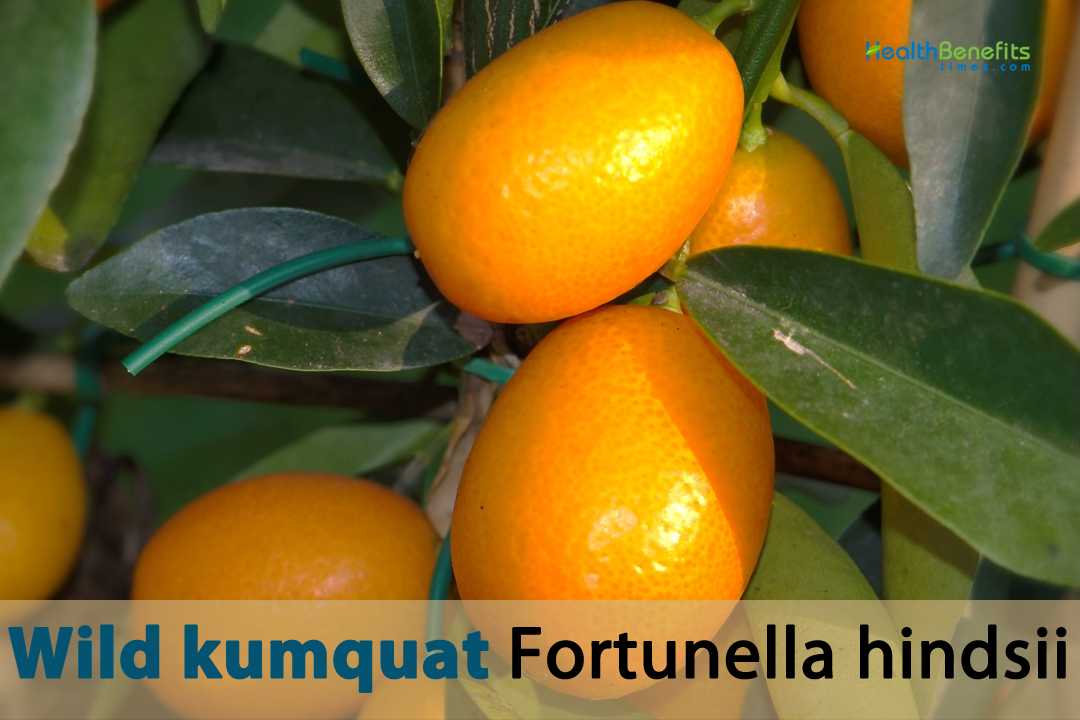
| Wild kumquat Quick Facts | |
|---|---|
| Name: | Wild kumquat |
| Scientific Name: | Fortunella hindsii |
| Origin | Parts of Southeast Asia, including regions of China, Vietnam, Laos, and Thailand |
| Colors | Initially green turning to orange as they mature |
| Shapes | Small oval or spherical shaped fruit resembling tiny oranges, measuring about 2-4 centimeters (0.8-1.6 inches) in length |
| Taste | Peel is typically bitter and the flesh is sweet or tart |
| Major nutrients | • Vitamin C • Fiber • Vitamin A • Vitamin E • Potassium • Folate • Calcium • Phosphorous • Trace Minerals • Calories |
| Health benefits | Rich in Vitamins, Improved Digestion, Weight Management, Healthy Skin, Eye Health, Blood Sugar Regulation, Heart Health, Boost Immunity, Bone Health, Improved Oral Health, Stress Relief, Reduce risk of Kidney Stones |
| Name | Wild kumquat |
|---|---|
| Scientific Name | Fortunella hindsii |
| Native | Native to parts of Southeast Asia, including regions of China, Vietnam, Laos, and Thailand |
| Common Names | Marumi kumquat, Nagami kumquat, Oval kumquat, Calamondin, Calamonding, Calamondin orange, Calamansi, Kalamansi, Chinese kumquat, Golden kumquat, Kumquat calamondin, Philippine lime, Acid orange, Djeruk kebo, Kunci, Kumquat kaffir, Kumquat cumquat, Kumquat kangaroo, Kumquat tangerine, Kumquat lime, Kumquat citrus, Kumquat mandarin, Kumquat small round, Kumquat round, Kumquat oval, Kumquat calamansi, Kumquat golden orange, Kumquat mini orange, Kumquat tangerine, Kumquat lemon, Kumquat key lime |
| Name in Other Languages | Albanian: Kumkuati i egër Amharic: Y’amērikā komkuaṭ (የአሜሪካ ኮምኩአት) Arabic: Kumkwat (كمكوات), Kumkwat barriyya (كمكوات بريّة) Armenian: Tsaghkazgin (Ծաղկազգին), Tsaghkagin bezemari (Ծաղկագին բեզեմարի) Assamese: Jangali kumkot (যংগলী কুমকোট) Azerbaijani: Qara kumkvat Bengali: Janta kumkuṭa (য়ান্টা কুমকুট), Jangali kumkot (জংগলী কুমকোট) Bodo: Jangli kumkot (जांगली कुमकोट) Bosnian: Divlji kumkvat Bulgarian: Div kumkvat (Див кумкват) Burmese: Wam̆ṫasaim̆I (ဝမ်းသားအီးမီး), Wam̆ṫasaim̆i thīhu (ဝမ်းသားသီဟူး) Chamorro: Kumkwat di manimalu Chichewa: Masuku Chinese: Jīn jú (金桔), Shān gān (山柑), Gǒu jú (枸桔), Shan ju, Shan jin gan, Shan jin ju, Shan ju, Shan jie Croatian: Divlji kumkvat Czech: Divoký kumkvát Danish: Vild kumquat Dutch: Kumquat, Wilde kumquat English: Wild kumquat, Hong Kong kumquat, Formosan kumquat, Taiwanese kumquat, Pea-sized kumquat, Hong Kong wild kumquat, dwarf kumquat Estonian: Metsik kumkvaat Fijian : Kundru Filipino: Kalamansi (Calamondin) Finnish: Villikumkvatti French: Kumquat, Kumquat sauvage, Kumquat de Hong Kong Garhwali: Jangli kumkat (जंगली कुमकट) Georgian: Ṭk’bili kumkvati (ტკბილი კუმკვატი) German: Kumquat, Wilder Kumquat, Hongkong-Kumquat, Chinesische Kumquat Greek: Koumkouát (Κουμκουάτ), Ágria koumkouát (Άγρια κουμκουάτ) Gujarati: Jhankhar (ઝાંખર) Hawaiian: Kanikawa Hebrew: Kumkuat (קומקואט), Kumkuat bar (קומקואט בר) Hindi: Kumkwat (कुमक्वाट), Jangalī kumkwāṭ (जंगली कुमक्वाट) Hungarian: Vadkumkvát, Icelandic: Villt kumquat Indonesian: Jeruk kebo, Kumquat liar or Jeruk kebo Italian: Kumquat, Kumquat selvatico Japanese: Kunkei (クンケイ), Yasei kumakuwatto (野生クマクワット), Mame kinkan, Mame kinkan, Honkon yasei kinkan (ホンコン野生キンカン) Kannada: Sāmānya nāriṅja (ಸಾಮಾನ್ಯ ನಾರಿಂಜ), Kāḍu nāraṅgi (ಕಾಡು ನಾರಂಗಿ) Kashmiri: Bhla (بھلہ) Kazakh: Dalalay kumkvat (Далалай кумкват) Khasi: Sohphoh kynbat Khmer: Koury khlèch (កូរ្យខ្លិច) Kinyarwanda: Inkwaanziko Konkani: Jongli kunkvat (जॉंगली कुंकवट) Korean: Geumgyul (금귤), Yasaeng geumgyul (야생 금귤) Kumaoni: Jangli kumkat (जंगली कुमकट) Kyrgyz: Tamchy kumkvat (Тамчы кумкват) Lao: Nu mǭ la phāp (ໜູ່ມໍລະພາບ) Latin: Fortunella sylvestris Latvian: Meža kumkvats Lepcha: Zaangli koomkavaat (ਜ਼ਾਂਗੱਲੀ ਕੂਮਕਵਾਟ) Liberia: Kɔmwata Lithuanian: Laukinis kumkvatas Macedonian: Div kumkvat (Див кумкват) Maithili: Jangli kumkat (जंगली कुमकट) Malay: Limau kikit Malayalam: Cinna nāraṅṅa (ചിന്ന നാരങ്ങ), Vila nāraṅṅa (വിളനാരങ്ങ) Mandarin Chinese: Yěshēng jīnjú (野生金桔) Manipuri: Khwaijeng Lamchong (ꯈꯝꯆꯁ ꯁꯍꯒꯤꯀ) Maori: Kūmara kumquat Marathi: Vankataphal (वनकटफळ) Mizo: Mualpho Mongolian: Galzuu baavgai (Галзуу баавгай) Mongolian Cyrillic: Galzuu baavgai (Галзуу баавгай) Montenegrin: Divlji kumkvat (Дивљи кумкват) Naga: Junglui Nepali: Junero kumaḍa (जुनेरो कुमकट), Jangalī kumaḍa (जङ्गली कुम्कट) Norwegian: Vill kumquat Odia: Bana kamala (ବନ କମଳ) Polish: Dziki kumkwat Portuguese: Quinoto, Kumquat selvage, cunquate-da-montanha, cunquate-de-hong-kong Punjabi: Jangalī kamakōṭa (ਜੰਗਲੀ ਕਮਕੋਟ) Romanian: Kumquat sălbatic Russian: Kumkvat (Кумкват), Dikaya kumkvat (Дикая кумкват) Samoan: Lumukutu Sanskrit: Vanaphala (वनफल) Santhali: Jangli Kumkot (ଜଙ୍ଗଲୀ କୁମ୍କୋଟ) Santali: Jangli kumkot (जंगली कुमकोट) Serbian: Divlji kumkvat (Дивљи кумкват) Sesotho: Kummuru Sierra Leone: Wild kumkwat Sinhala: Makku kumu (මක්කු කුමු), Mahe kamuku (මහේ කමුකු) Slovak: Divoký kumkvát Slovenian: Divji kumkvat Somali: Kumquat Yar Spanish: Kumquat, Kumquat salvaje Swahili: Kikombe, Kumkwat wa porini Swazi: Ikwathwala Swedish: Vild kumquat, Viljeg kumkvat Tigrinya: Kemeqwṭ Tahitian: Pomelos wīru Tajik: Kumkvati beshar (Кумквати бешар) Tamil: Kaṭṭu nārattai (காட்டு நாரத்தை), Paruthi kungu (பருத்தி குங்கு) Telugu: Vana nāriṃja (వన నారింజ), Panasa kunkada (పనస కుంకడా) Thai: Makham piak (มะขามเปียก), Ma-khok (มะคอก) Tibetan: Sku mkha’u tshogs (སྐུ་མཁའུ་ཚོགས) Tongan: Komakotu Tulu: Kāḍu nāraṅgi (ಕಾಡು ನಾರಂಗಿ) Turkish: Kumkuat, Yabani kumkuat Turkmen: Çöl kumquat Uganda: Ekitemba Ukrainian: Dykyi kumkvat (Дикий кумкват) Urdu: Jangalī kumkwāṭ (جنگلی کمکوٹ) Uzbek: Vahshi kumkvat Vietnamese: Quả quất, Quả tứ quý hoang dã Xhosa: Iqwashu Yiddish: Wilda kumkuat (ווילדער קומקואט) Yoruba: Osan Kumquat Zulu: Ikwathwala |
| Plant Growth Habit | Small, spiny, citrus fruit-bearing, evergreen shrub or small tree |
| Growing Climates | Well-draining, loamy or sandy soils are ideal for kumquat |
| Soil | 8 to 15 feet (2.4 to 4.5 meters) |
| Plant Size | Fibrous root system. This system consists of a dense network of fine, thread-like roots that originate from the base of the plant’s stem and extend outwards into the soil |
| Root | Fibrous root system that consists of a dense network of fine, thread-like roots that originate from the base of the plant’s stem |
| Stem | As the plant gets older, the main stem thickens and stiffens. Many branches grow from the main stem |
| Bark | Typically rough and textured. It is not smooth like the bark of some other tree species but rather has a slightly pebbled or fissured surface |
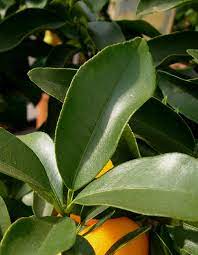
| Leaf | Leaves are typically elliptical in shape, with a slightly pointed tip and a rounded base. The size of wild kumquat leaves can vary, but they are generally small, measuring about 2-5 centimeters (0.8-2 inches) in length |
| Flowering season | February and April |
| Flower | Flower has five white, petal-like structures known as petals. Just beneath the petals, there are five greenish or yellowish sepals. Stamens are the male reproductive organs of the flower and consist of a slender stalk called the filament and a pollen-producing structure called the anther |
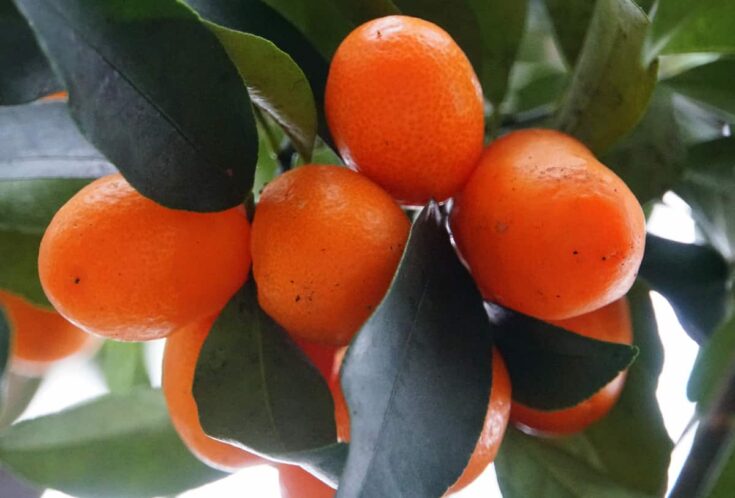
| Fruit Shape & Size | Small oval or spherical shaped fruit resembling tiny oranges, measuring about 2-4 centimeters (0.8-1.6 inches) in length |
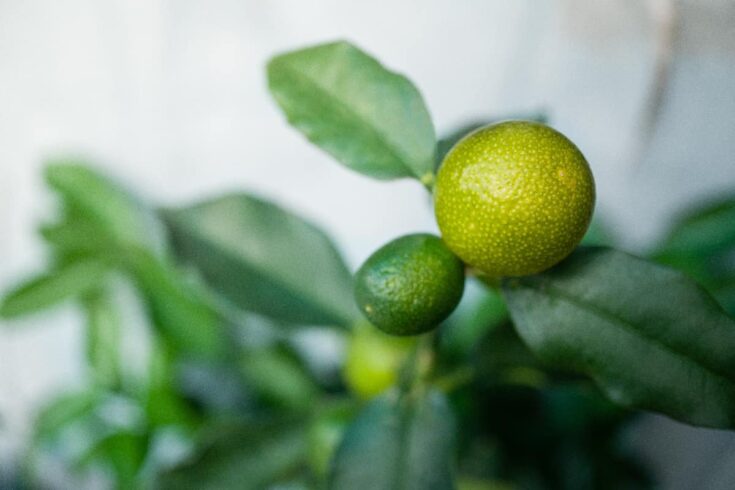
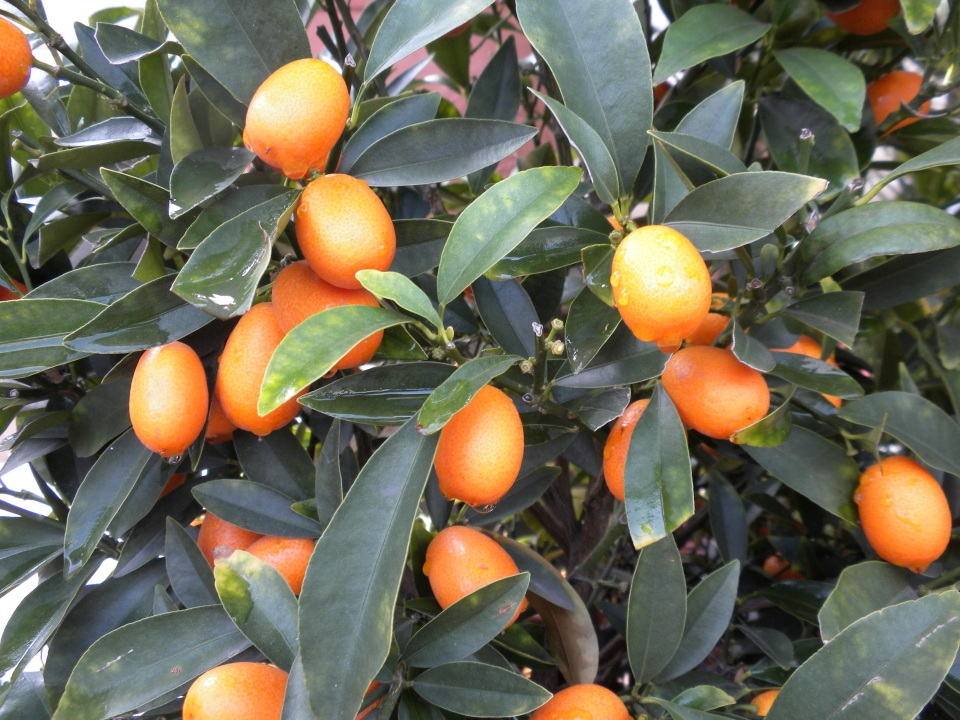
| Fruit Color | Initially green turning to orange as they mature |
| Fruit Skin | Thin and edible |
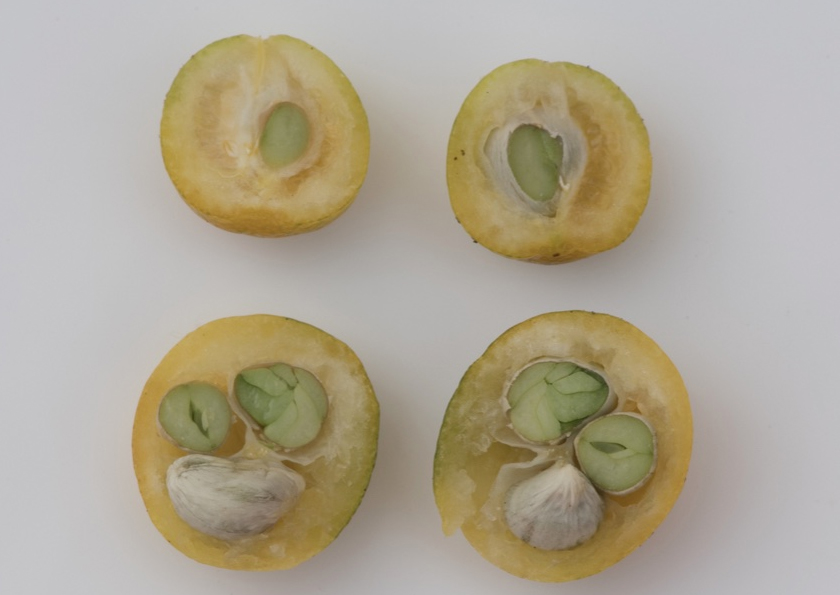
| Seed | Relatively small, typically less than 5 millimeters in size. They are oval or elliptical in shape and can vary slightly in size and shape |
| Flavor/Aroma | Fresh, zesty, and slightly sweet citrus fragrance with a hint of tartness |
| Taste | Peel is typically bitter and the flesh is sweet or tart |
| Plant Parts Used | Fruits, peels, leaves, woods, seeds |
| Propagation | By seeds, cutting, Grafting |
| Lifespan | Can live 20 to 30 years or more |
| Season | April and June |
| Major Nutrition |
|
| Available Forms |
|
| Health benefits |
|
Plant Description
Wild kumquat is a small evergreen bush or small tree that grows between 8 and 15 feet (2.4 to 4.5 meters) tall. It has thorns and grows citrus fruits. It grows best in places with average daytime temperatures between 26°C and 37°C, but it can handle temperatures from 12°C to 40°C. The plant grows well in both full sun and light shade. Kumquats grow best in sandy or loamy soils that drain well. Their health depends on good drainage, because they can get root rot if the soil stays too wet. In warmer parts of the world, it is grown as a yard plant. It can also be grown as a shrub and as a houseplant. The stems are full of sharp points. Fortunella hindsii is not only used in cooking, but also as an ornamental plant. Its glossy leaves and small, pretty fruits can add beauty to parks and landscapes. Wild kumquat plants can get aphids, scale insects, and citrus canker, which are common fruit pests and diseases. To keep plants healthy, they need to be cared for properly and kept free of pests.
Appropriate growing environment of Wild kumquat
Wild kumquats are well-suited to specific growing environments that mimic their natural habitat in Southeast Asia. They thrive in subtropical to tropical climates and require certain conditions for optimal growth. Here are the key elements of an appropriate growing environment for wild kumquats:
- Climate: Wild kumquats grow best in subtropical to tropical areas that are warm and wet. They like places where winters are mild and summers are warm and muggy. They are sensitive to frost, so you shouldn’t put them in places where it stays cold or freezes for a long time.
- Temperature: The best temperatures for wild kumquats are between 68°F and 100°F (20°C and 38°C). They can handle temperatures that are higher or lower for short times, but they usually do best in this range. In the winter, keep the frost away from them.
- Sunlight: Wild kumquats need a lot of sun to grow and bear good fruit. They like to be in full sun, which means they need at least 6 to 8 hours of direct sunshine every day. For healthy growth and fruit output, they must be put in a sunny spot.
- Soil Type: Kumquats grow best in sandy or loamy soils that drain well. They don’t like wet or heavy clay grounds, which can cause their roots to rot. For their health, good drainage is very important.
- Soil pH: Wild kumquats grow best in soils with a pH between 5.5 and 7.5, which is slightly acidic to neutral. If you need to, you can change the pH of the soil by adding organic matter or other soil amendments.
- Watering: For wild kumquats to grow, they need enough and constant water, especially during the growing season. They like to be watered often and deeply, but they can’t handle too much water. Putting mulch around the plant’s base can help keep the soil wet.
- Humidity: Wild kumquats are used to living in wet places, so they usually like it when it’s more humid. If you live in a dry area and want to grow them, you could use a fan or mist the leaves to raise the humidity around the plant.
- Protection from Wind: Wild kumquat trees have thin stems that can get broken by strong winds and their fruits can fall off. Planting them near a windbreak or other natural barrier can help avoid damage from the wind.
- Fertilization: A balanced, slow-release citrus fertilizer should be used regularly to feed wild kumquats. Follow the instructions from the maker for how much to use and when.
- Spacing: Leave enough space between wild kumquat trees to let air flow and growth happen properly. Depending on the type and how it grows, 8 to 10 feet is usually a good distance between them.
- Pruning: Regular pruning can help the tree keep its shape, improve air flow, and get rid of dead or sickly limbs. Cut back the tree when it’s not growing.
- Pests and Disease Management: Keep an eye out for aphids, scale insects, and citrus greening disease (HLB), which are common citrus pests and diseases. Use the right methods to get rid of pests and diseases as needed.
Roots
The roots of wild kumquats are made of fibers. This system is made up of a dense network of thin, thread-like roots that start at the base of the plant’s stem and spread out into the dirt. These roots spread out in all directions and hold the plant in place. They also take in water and nutrients from the soil. Wild kumquats have the usual dicot fibrous root system, but the exact structure and depth of the roots can change depending on things like the type of soil, the weather, and how old the plant is. In soils that drain well, the root system may go deep to find water, while in soils that don’t drain well, it may spread out more horizontally.
Stem
The wild kumquat has a core woody structure called the main stem or trunk, from which the branches and leaves grow. It can be different sizes and thicknesses based on how old the plant is. As the plant gets older, the main stem thickens and stiffens. Many branches grow from the main stem of a wild kumquat plant. The plant’s leaves, flowers, and fruits grow from these stems. When the trees are young, the twigs may be a little bit bendy. Branches of wild kumquat trees often have thorns or spines. These thorns can be different sizes, but most of them are sharp. They are the plant’s natural defense against animals and can make it hard to handle the plant.
Bark
The bark of a wild kumquat is often rough and bumpy. It isn’t smooth like the bark of some other trees. Instead, it has a surface that is a little bit pebbled or cracked. The texture can be a little different based on how old the plant is and what the weather is like. The bark can be anywhere from light brown to greyish brown, and as the tree gets older, it may get darker and more worn. The color can also be affected by things like how much sun it gets and what kind of soil it grows in. Along the stem of a wild kumquat plant, the thickness of the bark changes. It is usually bigger where the stem or trunk is and thinner where the branches and twigs are. The cork cambium or phellogen, which is the top layer of the bark, keeps making new layers of protective tissue all the time.
Lenticels are small, corky holes or openings in the bark that let gas move between the inside of the plant and the outside air. They look like small dots or lines on the bark and are very important for the tree to breathe. As a wild kumquat plant grows, the bark may change in how it feels. The bark on younger roots and branches may be smoother, while the bark on older parts of the plant tends to have more cracks, crevices, and furrows. When the bark is cut or broken, it can smell like citrus just like the leaves do. This smell is typical of citrus species and is often used to tell them apart.
Leaves
On the stems of a wild kumquat, the leaves are set up in pairs. This means that one leaf grows from one side of the stem, and then the next leaf grows from the opposite side, and so on. This design makes sure that each leaf gets enough light. The shape of a wild kumquat leaf is usually oval, with a pointy tip and a round base. They are simple leaves, which mean they only have one leaf blade. Compound leaves, on the other hand, have more than one leaflet. Wild kumquat leaves can be different lengths, but they are usually between 2 and 5 cm (0.8 and 2 inches) long. The length and width are about the same, and the leaves aren’t as wide as those of some other citrus types.
The tops of wild kumquat leaves are usually dark green, while the bottoms are lighter green. The dark green color comes from chlorophyll, which is the pigment that makes photosynthesis happen. Wild kumquat leaves generally have small, sharp teeth along the edge, called serrations or teeth. This can be a little different on different leaves. Like the leaves of other plants with two sets of leaves, the leaves of wild kumquats have a network of tubes that carry water, nutrients, and sugars. The main lines are easy to see and usually run in the same direction. From the main veins, smaller veins branch off to make a reticulate (net-like) design. A leaf stalk called a petiole connects each leaf to the plant’s stem. With the help of the petiole, the leaf can move and turn itself to get the most sunlight. The top side of a wild kumquat leaf is usually smooth and shiny, while the bottom side is usually a bit paler and may have small hairs or trichomes, especially along the midrib. When you crush or rub wild kumquat leaves, they give off a nice citrus scent. This smell is typical of citrus trees and can help you tell them apart.
Flower
People think that wild kumquat flowers are wonderful because they have both male and female parts in the same flower. This lets them self-pollinate, though animals often help them cross-pollinate with other plants. The petals of a normal wild kumquat flower are white and look like petals. Most of the time, these petals have an oval or elliptical shape and are arranged in a whorl or star form. They are what make the flower look like it does. Just below the flowers are five sepals that are greenish or yellowish. Sepals protect the flower bud as it grows, and they are usually less noticeable than the petals.
There are a lot of stamens inside the circle of petals and sepals. Stamens are the male sexual parts of a flower. They are made up of a thin stalk called the filament and a structure called the anther that makes pollen. Pollen grains are in the anthers. The pistil, which is the female reproductive system, is the long, thin part in the middle of the flower. Most pistils have three parts: the stigma, the style, and the ovary. The sticky tip of the pistil, which often has a few small lobes, is called the stigma. It lets sperm in and is a very important part of the pollination process. A thin tube called the style links the stigma to the ovary. It gives pollen a way to get from the stigma to the egg. The base of the pistil, which is swollen, is the ovary. It has one or more ovules that can turn into seeds when they are fertilized. Wild kumquat flowers smell like lemon and are very pretty. This smell helps bring bees and other animals to the flowers.
Fruits
Most wild kumquat fruits are small, ranging between 0.8 and 1.6 inches (2 to 4 cm) in length. They look like small oranges because they are oval or round. As fruits ripen, they change color. They are green when they are young, but as they get older, they turn orange. When the fruit turns green, it’s ready to eat and has the most sugar. The thin, tasty peel or skin is on the outside of a wild kumquat fruit. The peel is sweet, but the inside is sour, which is different from most citrus fruits. You can eat the peel with the meat or use it to cook or bake.
Wild kumquats have a juicy, clear meat under the peel. The flesh has small, edible seeds, but there are usually fewer of them and they are smaller than the seeds in bigger citrus fruits. The meat is juicy and tastes sour and tangy. Wild kumquats are different because the peel is sweet and the meat is sour. When eaten whole, the sweet and sour flavors work together to make a unique and pleasant taste.
Seeds
Most wild kumquat seeds are less than 5 millimeters long, which is not very big. They are oval or elliptical in shape, and each seed can be a little different in size and form. Most of the time, the color is light to medium brown. The exact shade of brown can be a little different based on things like how old the fruit is. Each seed has a seed coat or outer shell that keeps it safe. This seed coat is thin and flexible, which makes it easy to break when the seed is chewed or crushed. Wild kumquat seeds have the embryo, which is the young plant in its earliest stage of growth, inside the seed coat.
 Leaves-of-Wild-kumquat
 Closer-view-of-fruit-of-Wild-kumquat
 Immature-fruits-of-Wild-kumquat
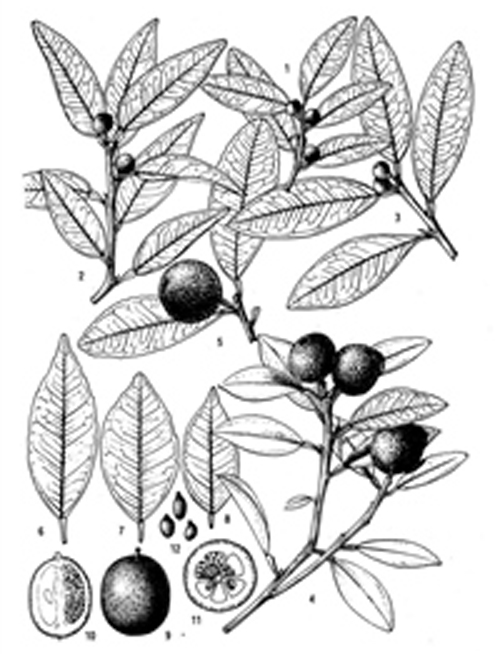 Plant-Illustration-of-Wild-kumquat
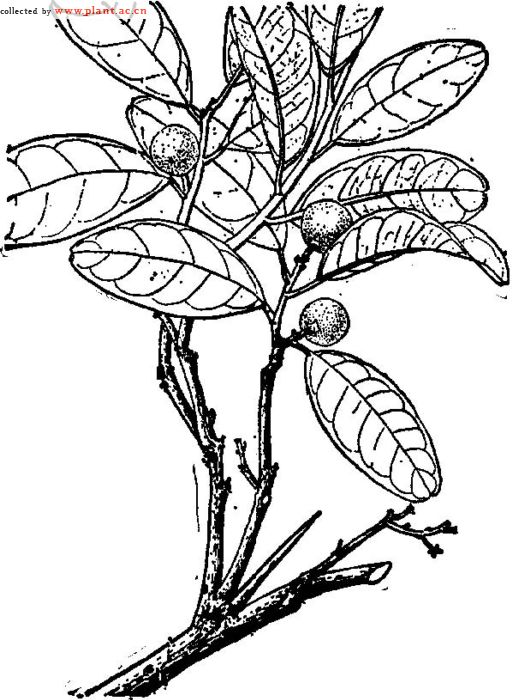 Sketch-of-Wild-kumquat
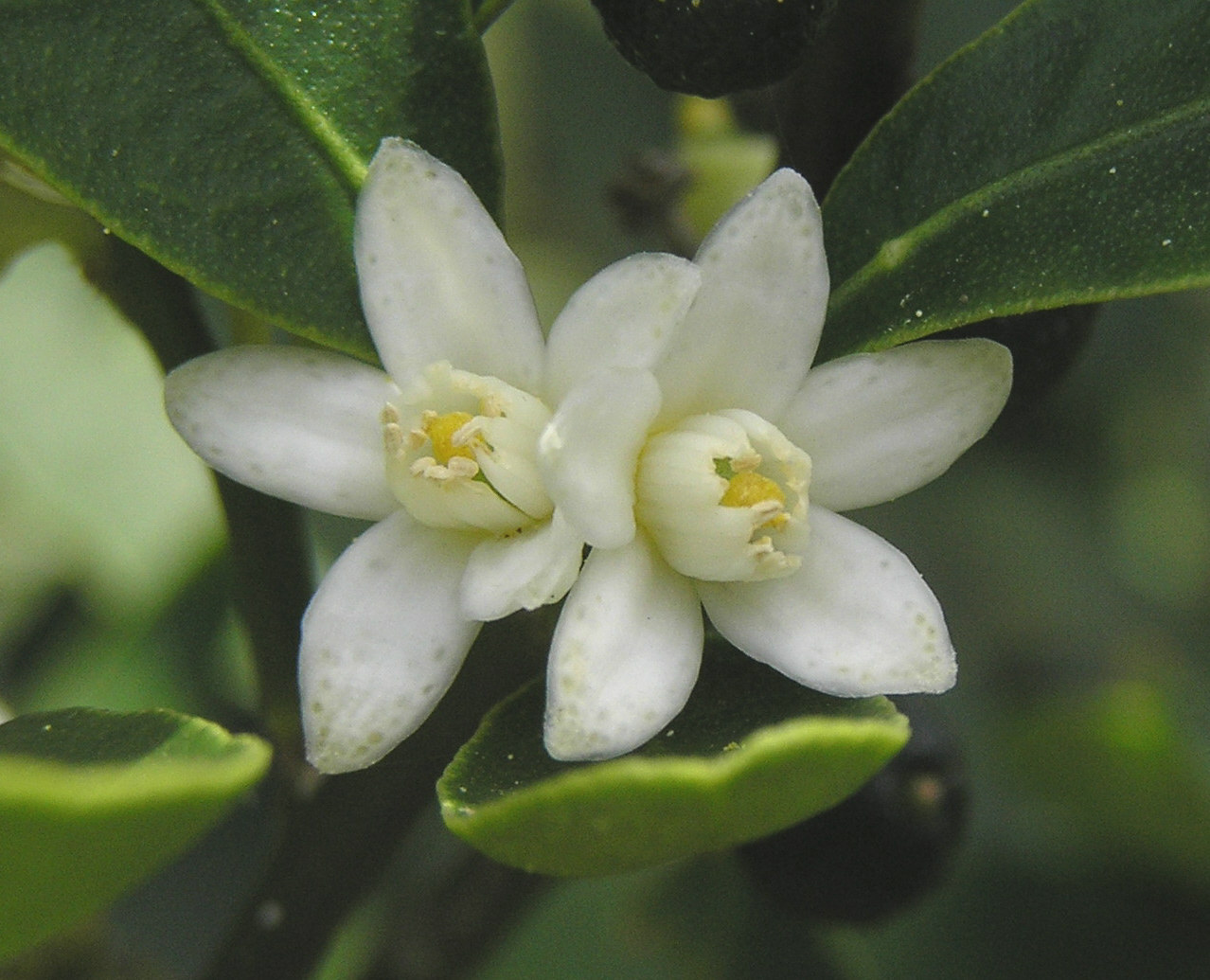 Flower-of-Wild-kumquat
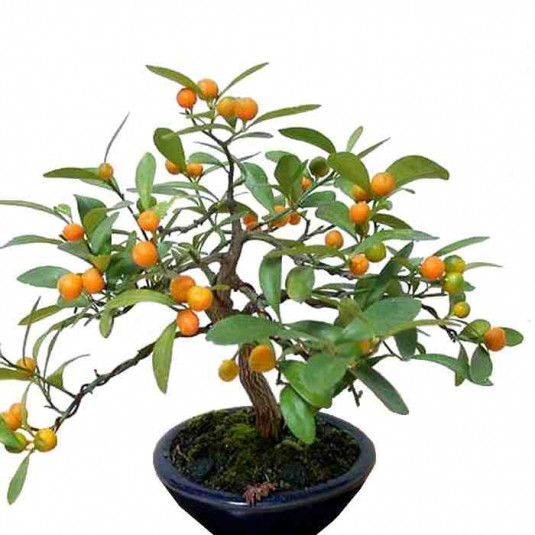 Wild-kumquat-plant-grown-on-pot
 Half-cut-Wild-kumquat-fruits-showing-seeds
 Ripe-fruits-of-Wild-kumquat
Health benefits of Wild kumquat
Wild kumquats, scientifically known as Fortunella species, are small citrus fruits that are known for their unique flavor and potential health benefits. Here are some health benefits of wild kumquats in detail:
1. Rich in Vitamins
Vitamins, especially vitamin C, can be found in wild kumquats. One hundred grams of wild kumquats can give you more vitamin C than you need in a day. Vitamin C is important for building up the immune system, keeping the skin healthy, and helping wounds heal.
2. Antioxidant Properties
Antioxidants like flavonoids and carotenoids are found in high amounts in wild kumquats. These antioxidants help protect the body’s cells from damage caused by free radicals. This lowers the risk of chronic diseases like cancer and heart disease.
3. Improved Digestion
Wild kumquats have a lot of dietary fibre, which helps with digestion by keeping the bowels moving regularly and avoiding constipation. It also helps keep the bacteria in the gut healthy.
4. Weight Management
Wild kumquats are low in calories and have fibre, which can help you control your weight by making you feel full and lowering the amount of calories you eat overall.
5. Healthy Skin
Wild kumquats have vitamin C and other antioxidants that help keep the skin healthy. They can help lower the signs of aging, protect the skin from UV damage, and boost collagen production for smoother, younger-looking skin.
6. Eye Health
Carotenoids like lutein and zeaxanthin, which are found in wild kumquats, are good for eye health. They might make it less likely that you’ll get cataracts or retinal degeneration as you get older.
7. Anti-Inflammatory
The anti-inflammatory properties of wild kumquats can help lower swelling in the body. Chronic inflammation is linked to heart disease, diabetes, and gout, among other health problems.
8. Blood Sugar Regulation
Some studies show that chemicals in kumquats may help control the amount of sugar in the blood. This could be helpful for people who have diabetes or are at risk of getting it.
9. Heart Health
Wild kumquats can help keep your heart healthy because they have antioxidants and can lower inflammation and keep your blood sugar in check. They might make heart diseases less likely to happen.
10. Boosted Immunity
Vitamin C is well-known for its ability to help the defense system. Wild kumquats can help improve the immune system and lower the risk of getting sick by eating them often.
11. Bone Health
Minerals like calcium, which is important for keeping bones strong and healthy, are found in wild kumquats. Osteoporosis can be avoided by getting enough calcium in your diet.
12. Aid in Respiratory Health
Wild kumquats are known for having a pleasant smell, and they are often used in traditional medicine to treat coughs and congestion. When breathed in, the essential oils in wild kumquats may help to calm the breathing system.
13. Improved Oral Health
Chewing on wild kumquat leaves or putting them in toothpaste can help keep your teeth healthy. The leaves are antibacterial and may help prevent gum disease and teeth.
14. Natural Stress Relief
The smell of wild kumquats, especially the oils made from their leaves, may help calm and relieve stress. Using kumquat essential oil in aromatherapy can help people feel less anxious and more relaxed.
15. Reduced Risk of Kidney Stones
Some study shows that eating wild kumquats on a regular basis may make it less likely that you will get kidney stones. The citric acid in kumquats can raise the amount of citrate in your pee, which stops some kinds of kidney stones from forming.
16. Better Iron Absorption
Wild kumquats have a lot of vitamin C, which can help the body absorb non-heme iron better. Non-heme iron is found in plant-based foods. This is especially helpful for people who eat a meatless or vegetarian diet.
17. Natural Detoxification
Wild kumquats are diuretics, which mean that they can make you pee more. This can help the body get rid of toxins and waste, which is good for cleansing and kidney health.
18. Cognitive Function
Some compounds in wild kumquats, like flavonoids and antioxidants, have been looked at to see if they could help support cognitive function and lower the chance of age-related decline in cognitive function.
19. Anti-Allergenic Properties
There may be chemicals in wild kumquats that help people with allergies. Some people could have fewer allergic responses if they took these compounds.
Culinary uses of Wild kumquat
Wild kumquats, like their cultivated counterparts, can be used in a variety of culinary applications due to their unique sweet-tart flavor and aromatic qualities. Here are some culinary uses of wild kumquats:
- Fresh Snack: There may be chemicals in wild kumquats that help people with allergies. Some people could have fewer allergic responses if they took these compounds.
- Salads: You can add wild kumquats to salads by slicing or chopping them. Their tangy taste can liven up green salads, fruit salads, and salads made with grains.
- Marmalades and Preserves: Many marmalades, jams, and preserves are made with wild kumquats. Because they are small and have thin skin, they are good for these sweet spreads.
- Candied Kumquats: Wild kumquats can be turned into candy by cooking them in sugar syrup until they become clear. You can put these sweetened kumquats on top of desserts or drinks.
- Sauces and Chutneys: Wild kumquats can be used to make sauces and chutneys that are either sweet or savory. They go well with meat, chicken, or seafood, and they can also be used to flavor sauces for desserts.
- Baking: Use wild kumquats in baked items like bread, cakes, muffins, scones, and scones. You can cut them into small pieces or use them as a filling.
- Dressings and Marinades: You can make tangy salad dressings or marinades for meat, tofu, or veggies by squeezing the juice out of wild kumquats.
- Cocktails and Beverages: Wild kumquats can be blended or used as a garnish in drinks like mojitos, margaritas, and sangrias. They can also be added to water or tea to make it taste better.
- Sorbet and Ice Cream: By pureeing wild kumquats and adding them to sorbet or ice cream recipes, you can make a fruity and refreshing dessert.
- Infused Oils and Vinegars: Wild kumquats can be used to add a unique citrusy flavor to olive oil or vinegar by using their peels or slices.
- Sushi and Sashimi: Kumquats can be added to sushi or sashimi meals to make them look and taste more interesting.
- Salsa: You can make a zesty salsa with chopped wild kumquats, red onion, cilantro, and jalapeo. This salsa goes well with grilled fish or chicken.
- Pickling: Wild kumquats can be pickled to make a sauce that is tangy and tasty. Just cut them into thin slices and pickle them in vinegar, sugar, and spices. Wild kumquats that have been pickled can be used to decorate sandwiches, salads, and cheese trays.
- Syrups: You can make your own syrups with wild kumquats. Simmer them with sugar and water to make sweet and citrusy syrup that can be drizzled over pancakes, waffles, or treats.
- Smoothies: Wild kumquats add a burst of lemon flavor to smoothies. Their tartness can go well with the sweetness of other fruits to make a drink that is both tasty and refreshing.
- Candied Peel: Wild kumquat peel can be turned into candy by blanching it in hot water and then cooking it in sugar syrup until it turns candy-like. The candied peel can be used to decorate cookies, cakes, or drinks.
- Wild Kumquat Liqueur: Make your own kumquat liquor by soaking wild kumquats in vodka or brandy and adding sugar. You can drink this liquor on its own or use it to make cocktails.
- Fruit Compotes: Wild kumquats can be cooked with apples or pears to make a tasty fruit sauce that can be used to top yogurt, oatmeal, or ice cream.
- Wild Kumquat Salsa: Mix chopped wild kumquats with things like tomatoes, red onion, cilantro, and jalapeo to make a colorful salsa. This salsa can be used as a dip for tortilla chips or with grilled meats or fish.
- Ceviche: Add freshly chopped wild kumquats to seafood ceviche to give it an extra citrusy and acidic flavor.
- Wild Kumquat Vinaigrette: Wild kumquats, olive oil, vinegar, honey, and Dijon mustard can be mixed together to make tasty vinaigrette that can be used on salads or as a marinade for veggies that will be grilled.
- Fruit Leather: Wild kumquats can be blended into a smooth paste, and then the paste can be spread thinly on a baking sheet to dry and make homemade fruit leather.
- Stir-Fries: Use sliced wild kumquats in stir-fry dishes to add a burst of citrusy flavor to the mix.
- Gourmet Desserts: Wild kumquats add a unique and sophisticated citrus twist to gourmet desserts like tarts, panna cotta, and custards.
Different uses of Wild kumquat
Wild kumquats, like their cultivated counterparts, have a variety of uses beyond just culinary applications. Here are different uses of wild kumquats:
- Aromatherapy: Aromatherapy uses the oil made from the peels of wild kumquats because it smells good and makes people feel better. It is often used in diffusers, massage oils, and bath products to help people rest and feel less stressed.
- Decorative Uses: People sometimes grow wild kumquat trees for their beauty. Their shiny leaves, fragrant flowers, and small, brightly colored fruits can make gardens and fields look better.
- Traditional Crafts: In some countries, the dried peels of wild kumquats are used in traditional arts and crafts, like making garlands or wreaths. They can be used for crafts because they are colorful and smell good.
- Natural Dyes: Wild kumquat peels have been used as natural dyes because they contain colors. Depending on how they are dyed, they can be different shades of orange, yellow, or green.
- Wildlife Attraction: Wild kumquat trees can draw animals like birds and insects that may eat the fruit or live in the tree. They can add to the variety of life in wild places.
- Educational Purposes: Wild kumquats are sometimes used to teach, especially in the fields of biology and gardening. They give kids a hands-on way to learn about fruit-bearing trees and what makes them unique.
- Research and Conservation: Scientists and conservationists study and try to protect wild kumquats and other citrus species. They are important genetic resources for breeding projects that are trying to create new kinds of citrus.
- Landscaping and Windbreaks: Wild kumquat trees can be used to make windbreaks or bushes because they have thick leaves and can handle certain weather conditions.
- Wildlife Food Source: In their natural environments, wild kumquat seeds are food for many different kinds of wildlife. This helps keep local ecosystems healthy.
- Natural Insect Repellent: If you dilute wild kumquat essential oil and put it on your skin or use it in a diffuser, it may work as a natural bug repellent. Its smell can keep bugs like mosquitoes and flies from coming near.
- Floral Arrangements: Wild kumquats have small, colorful fruits that can be used to add a unique and colorful touch to flower arrangements and table centerpieces. They give flower arrangements a touch of brightness and fun.
- Potpourri: Wild kumquat leaves that have been dried can be added to potpourri to give it a citrusy smell. You can use potpourri to freshen up a room or put it in sachets and put them in closets and boxes.
- Herbal Teas: Add dried or fresh slices of wild kumquat to herbal drinks. They can give your tea blends a bright, zesty flavor and may have health benefits from the chemicals in the fruit.
- Household Cleaners: Wild kumquats are naturally acidic, and this can be used to clean. Their juice or zest can help get rid of spots, cut through grease, and give homemade cleaning solutions a nice smell.
- Companion Planting: In farming, wild kumquat trees can be placed near other plants to help them grow better. Their presence can keep away some pests or bring good bugs to the garden, which is good for the crops close.
- Fragrance Products: Wild kumquats have a citrusy smell that can be used to make candles, room sprays, and other fragrance products that make a place smell clean and energizing.
- Craft Cocktails: Wild kumquats can be put on top of craft drinks to make them look exotic and pretty. You can float them in drinks or use them as a twist to give a burst of flavor and scent.
- Natural Cleaning Scrub: When dried and ground into a powder, the peels of wild kumquats can be used as a natural grit cleaner. It can be used to clean cooking and bathroom surfaces when mixed with water or vinegar.
- Gifts and Souvenirs: Wild kumquats that have been dried or made into jams, preserves, or oils can be packaged as unique gifts or souvenirs for tourists and guests that come from the area.
- Food Garnish: Wild kumquat slices or wedges can be used to decorate a wide variety of foods, such as desserts, seafood, and chicken, and make them look better.
Side effects of Wild kumquat
While wild kumquats are generally safe to eat and have numerous potential health benefits, there can be side effects or considerations to keep in mind, especially if consumed in excessive amounts or by individuals with specific health conditions. Here are some potential side effects and considerations associated with wild kumquats:
- Allergic Reactions: Citrus foods, like wild kumquats, can cause allergies in some people. There are many different kinds of allergic responses, from mild ones like itching and hives to more serious ones like trouble breathing. If you think you might have an allergy, you should see a doctor right away.
- Gastrointestinal Upset: If you eat a lot of wild kumquats or their peels at once, you might get stomach cramps, diarrhea, or acid reflux. The key is moderation.
- Dental Health: Acidic foods, like wild kumquats, can wear down tooth enamel over time. If you want to keep your mouth clean, you should rinse it with water after eating acidic veggies.
- Interactions with Medications: Talk to your doctor if you are taking any medicines, especially ones that could be affected by citrus compounds. Citrus fruits, like wild kumquats, can combine with some medications and make them less effective or even make them hurt you.
- Weight Gain: Even though wild kumquats are low in calories, eating too many of them, especially when they are pickled or stored with sugar, can make you gain weight because of the extra calories and sugar.
- Kidney Stones: Some people who have had kidney stones in the past or who are more likely to get them may need to limit how many wild kumquats they eat. Oxalates, which are found in the food, can cause certain kinds of kidney stones to form.
- Citrus Dermatitis: Some people can get a skin disease called citrus dermatitis from touching wild kumquats and their peels. This can make your skin itch or break out in a rash, especially if you are in the sun (this is called phyto-photodermatitis).
- Digestive Sensitivity: When they eat high-fiber foods like wild kumquats, people with sensitive digestive systems may feel stomach pain. It’s best to eat them in balance and pay attention to how your body reacts.
- Pesticide Residues: If you eat wild kumquats from places whose pesticide use you don’t know about, there may be pesticide remains on them. This risk can be cut down by washing the fruit well or picking organic options.
- Diabetes: Even though wild kumquats might help control blood sugar, people with diabetes should watch their blood sugar levels when they eat them because they still have natural sugars.
References:
https://www.itis.gov/servlet/SingleRpt/SingleRpt?search_topic=TSN&search_value=506402#null
https://gd.eppo.int/taxon/FOLHI
https://tropical.theferns.info/viewtropical.php?id=Fortunella+hindsii
http://tn-grin.nat.tn/gringlobal/taxon/taxonomydetail?id=235
https://plants.usda.gov/home/plantProfile?symbol=FOHI