

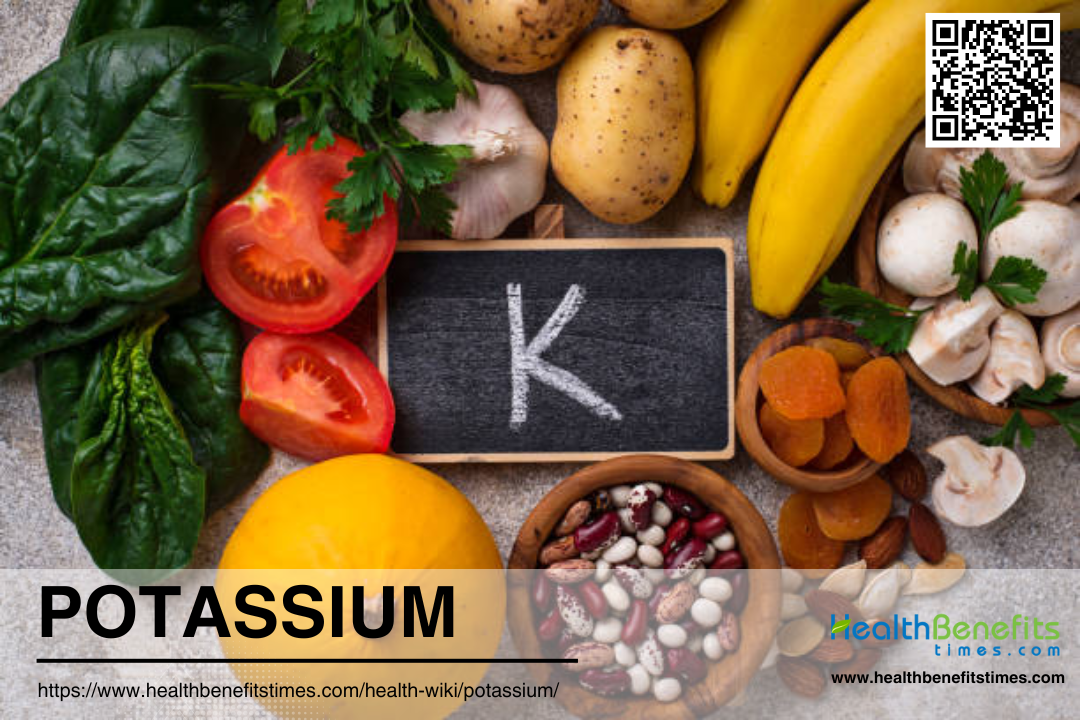
Potassium is an essential nutrient that plays a critical role in both plant and human physiology. In plants, potassium is vital for growth and development, influencing processes such as protein synthesis, carbohydrate metabolism, and enzyme activation. It also helps plants tolerate abiotic stresses like drought and salinity by maintaining ion homeostasis and regulating osmotic balance. In humans, potassium is crucial for maintaining cellular function, particularly in regulating cell membrane potential through the sodium-potassium ATPase pump. Adequate potassium intake is associated with lower blood pressure and reduced risks of cardiovascular diseases, including stroke and myocardial infarction. Potassium also supports bone health and reduces the risk of kidney stones. Despite its importance, modern diets often fall short in potassium intake, highlighting the need for increased consumption of potassium-rich foods like fruits and vegetables. Understanding the mechanisms of potassium homeostasis and its bioavailability from dietary sources is essential for optimizing health outcomes.
Chemical Properties of Potassium
It is highly reactive and belongs to Group IA of the periodic table, sharing this group with lithium, sodium, rubidium, and cesium. Potassium is one of the most abundant elements in the Earth’s crust and is found in various rock-forming minerals such as micas, feldspars, and clay minerals. There is some debate regarding the precise atomic weight of potassium, with some studies suggesting that the currently accepted value of 39.102 might be slightly too high. Essential for life, potassium is also present in living organisms, playing a crucial role in biological processes.
Common sources of potassium
It is abundantly found in many foods, making it easy to incorporate into a balanced diet. Below are some common sources of potassium:
1. Food Sources
Key potassium-rich foods include bananas, oranges, spinach, and potatoes. For instance, potatoes contribute significantly to potassium intake, accounting for 8% of the total potassium consumption in a study of Australian adults. Similarly, fruits and vegetables are major sources of potassium globally, with starchy roots and tubers like potatoes providing up to 80% of dietary potassium in some regions. In the American diet, white potatoes and fruits are notable contributors to potassium intake.
2. Supplements
Potassium gluconate is a common supplement form, and studies have shown that its bioavailability is comparable to that of potassium from food sources like potatoes. In clinical trials, potassium supplements have been used to manage conditions such as hypertension, demonstrating their importance in health management. Additionally, potassium supplements are often recommended in rehydration therapies for conditions like diarrhea, where potassium loss needs to be replenished.
Functions of Potassium in Body
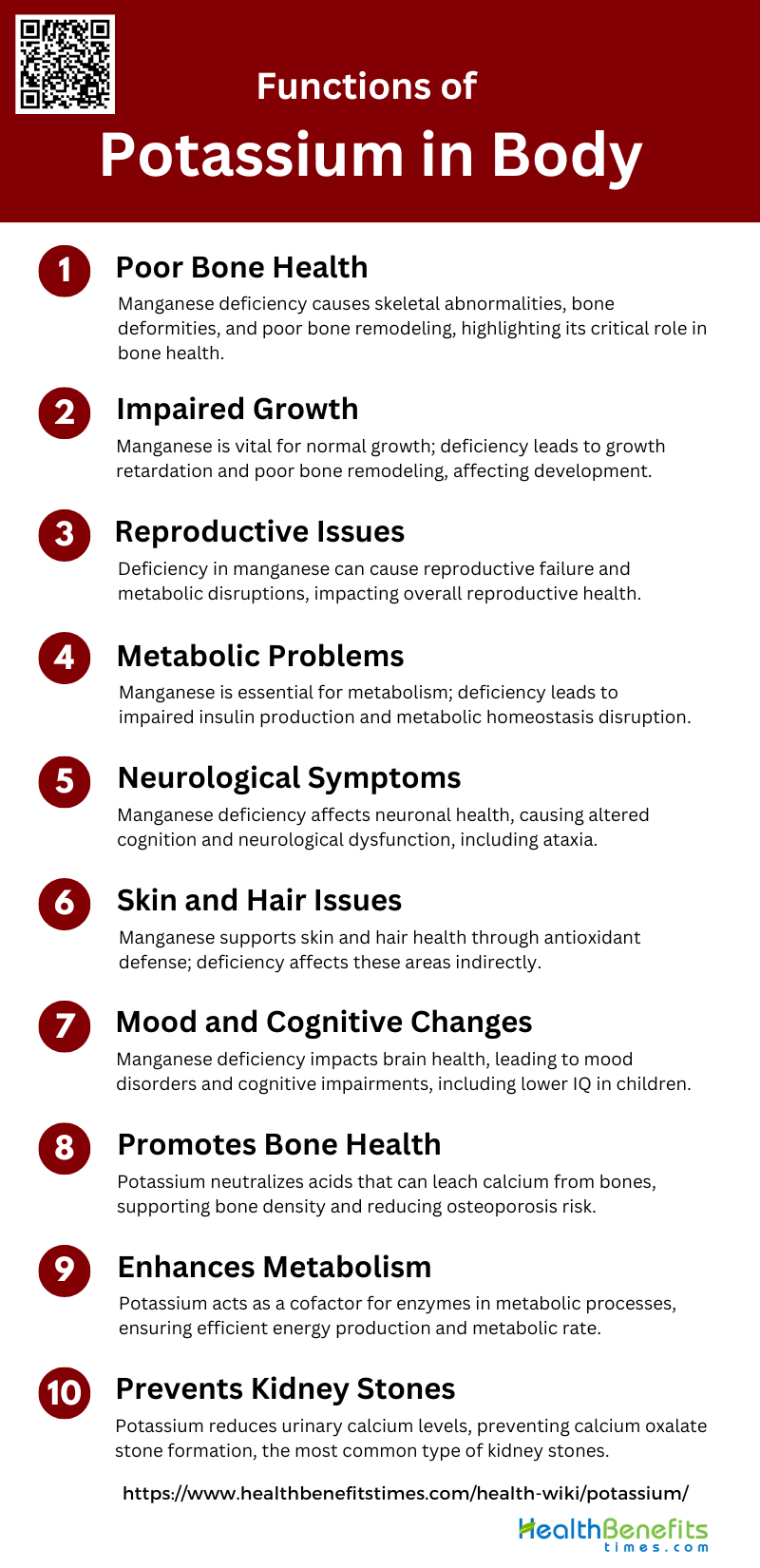
It helps regulate fluid balance, muscle contractions, and nerve signals, contributing to overall health and well-being. Below are some key functions of potassium in the body:
1. Regulates Fluid Balance
This balance is essential for maintaining cellular function and overall homeostasis. Potassium helps to control the osmotic pressure and the movement of water between cells and their surrounding environment, which is vital for processes such as nutrient transport and waste removal. Proper fluid balance is also important for maintaining blood pressure and preventing conditions such as dehydration and edema.
2. Supports Nerve Function
It helps to generate and transmit electrical impulses along nerves, which are necessary for communication between the brain and different parts of the body. Potassium ions move in and out of nerve cells, creating electrical gradients that facilitate the transmission of nerve signals. This process is critical for muscle contractions, reflexes, and the overall coordination of bodily functions. Disruptions in potassium levels can lead to neurological issues such as muscle weakness, cramps, and even paralysis.
3. Facilitates Muscle Contractions
It helps to regulate muscle contractions by maintaining the proper electrical charge across muscle cell membranes. During muscle contraction, potassium ions move out of the cells while sodium ions move in, creating an electrical impulse that triggers the contraction. This process is essential for activities ranging from simple movements to complex athletic performance. Imbalances in potassium levels can lead to muscle fatigue, cramps, and in severe cases, life-threatening cardiac arrhythmias.
4. Maintains Heart Health
It helps to control the heart’s rhythm and ensures that it beats in a regular and coordinated manner. Potassium ions are involved in the repolarization phase of the cardiac cycle, which is necessary for the heart to prepare for the next beat. Adequate potassium levels help to prevent arrhythmias and other cardiac issues. Both hyperkalemia (high potassium levels) and hypokalemia (low potassium levels) can have serious implications for heart function, potentially leading to conditions such as arrhythmias and cardiac arrest.
5. Aids in Nutrient Transport
It works with sodium to create an electrochemical gradient across cell membranes, which is essential for the active transport of various nutrients, including glucose and amino acids. This gradient is maintained by the sodium-potassium pump, a vital cellular mechanism that uses ATP to exchange sodium and potassium ions across the cell membrane. Proper nutrient transport is crucial for cellular metabolism, energy production, and overall cellular health.
6. Balances pH Levels
It acts as a buffer, neutralizing excess acids in the body and helping to maintain a stable pH level. This balance is crucial for enzyme function, metabolic processes, and overall homeostasis. The kidneys play a significant role in regulating potassium levels and, consequently, the acid-base balance by excreting or retaining potassium as needed. Imbalances in potassium can lead to metabolic acidosis or alkalosis, conditions that can disrupt normal bodily functions.
7. Supports Kidney Function
The kidneys are responsible for maintaining potassium homeostasis by regulating its excretion and reabsorption. Potassium is filtered by the kidneys and either excreted in the urine or reabsorbed into the bloodstream, depending on the body’s needs. This regulation is crucial for maintaining overall electrolyte balance and preventing conditions such as hyperkalemia or hypokalemia. Proper kidney function is essential for the excretion of excess potassium, and any impairment in kidney function can lead to dangerous levels of potassium in the blood.
8. Promotes Bone Health
A diet high in potassium-rich fruits and vegetables has been associated with higher bone mineral density and a reduced risk of osteoporosis. Potassium helps to maintain a favorable pH balance in the body, which is essential for preserving bone mass. By reducing the acid load, potassium helps to prevent the breakdown of bone tissue and supports overall skeletal health.
9. Enhances Metabolism
Potassium is involved in various metabolic processes, including the metabolism of carbohydrates and proteins. It acts as a cofactor for several enzymes that are essential for metabolic reactions. Potassium helps to regulate the activity of these enzymes, ensuring efficient energy production and utilization. Adequate potassium levels are necessary for maintaining metabolic rate and supporting overall energy balance. Deficiencies in potassium can lead to metabolic disturbances, reduced energy levels, and impaired physical performance.
10. Prevents Kidney Stones
High levels of urinary calcium can lead to the formation of calcium oxalate stones, the most common type of kidney stones. Potassium citrate, a form of potassium, is often used as a treatment to prevent kidney stones by increasing urinary pH and reducing calcium excretion. This helps to create an environment that is less conducive to stone formation, thereby reducing the risk of developing kidney stones.
Recommended Daily Intake
Understanding the recommended daily intake of essential nutrients is crucial for maintaining optimal health. Potassium, in particular, plays a vital role in various bodily functions, including muscle contractions and nerve transmission.
1. General Guidelines
The recommended daily intake of potassium varies by age and physiological condition. For adults, the estimated daily intake is around 4,000 mg, while for pregnant women, it remains the same, and for lactating women, it increases to 4,400 mg to account for potassium loss through breast milk 3. For children and adolescents, the intake ranges from 1,100 to 4,000 mg/day, depending on their age and body mass. Infants aged 0 to under 4 months should receive 400 mg/day, primarily through breast milk, and this increases to 600 mg/day for those aged 4 to under 12 months. These guidelines emphasize the importance of consuming potassium-rich foods, as supplemental intake beyond these values does not provide additional health benefits.
2. Factors Influencing Potassium Needs
Age is a significant factor, with infants and children requiring lower amounts compared to adults due to differences in body mass and growth rates. Gender also plays a role; for instance, men generally have higher potassium needs compared to women, partly due to differences in body composition and metabolic rates. Health conditions such as hypertension, diabetes, and chronic kidney disease (CKD) can alter potassium requirements. For example, individuals with hypertension or at risk of stroke benefit from higher potassium intake to help manage blood pressure. Conversely, CKD patients often need to limit potassium intake to avoid hyperkalemia, although this can vary depending on the stage of the disease. Therefore, personalized dietary recommendations are crucial for managing potassium intake effectively.
Health Benefits of Potassium
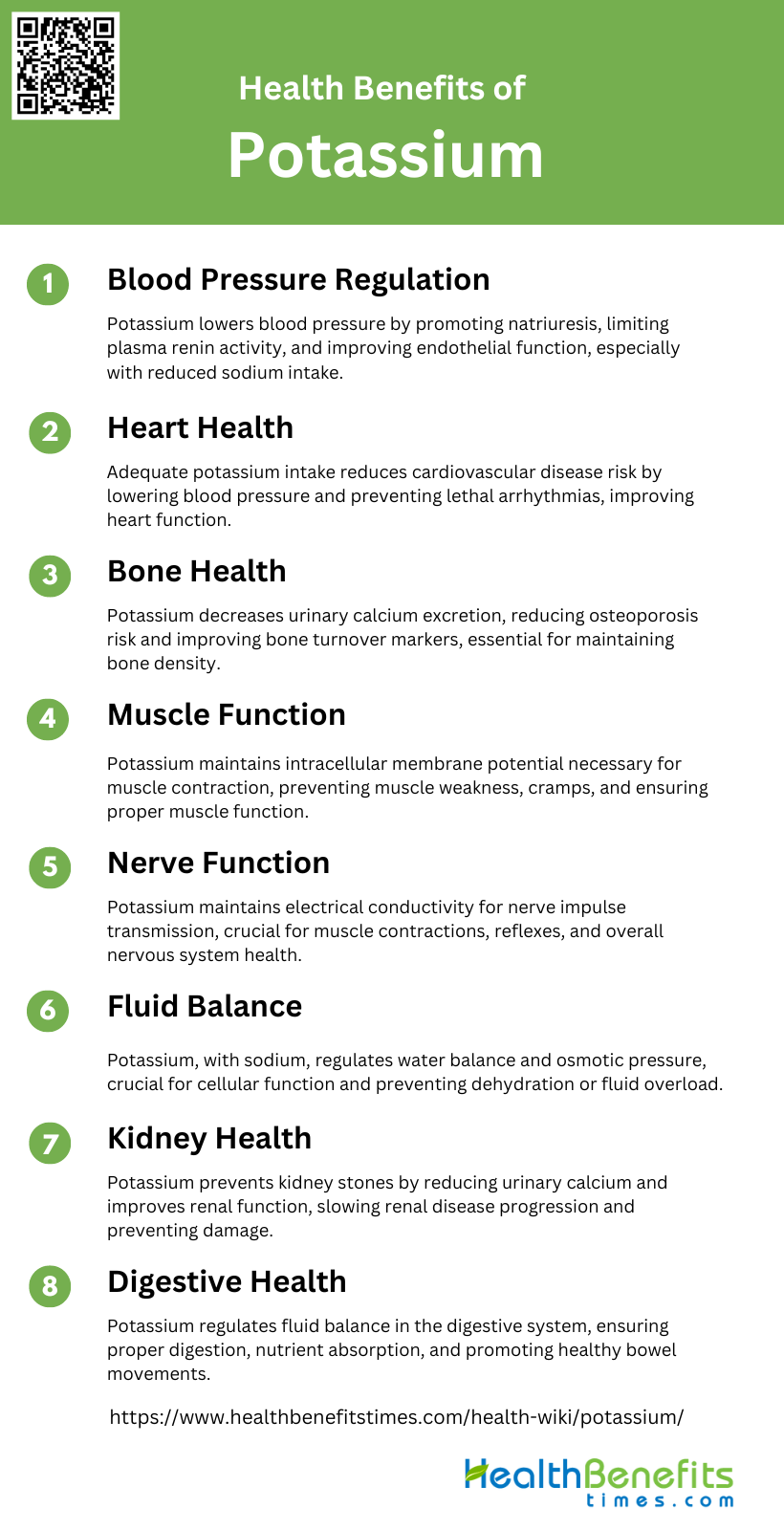
Potassium is a vital mineral that offers numerous health benefits, playing a key role in maintaining overall well-being. It helps regulate fluid balance, supports muscle function, and promotes healthy nerve activity. Below are some of the primary health benefits of potassium:
1. Blood Pressure Regulation
Studies have shown that increasing potassium intake can lower blood pressure in both hypertensive and normotensive individuals. This effect is particularly significant when combined with reduced sodium intake, as potassium helps to counteract the blood pressure-raising effects of sodium. The antihypertensive effect of potassium is attributed to its ability to promote natriuresis, limit plasma renin activity, and improve endothelial function.
2. Heart Health
This is primarily due to its blood pressure-lowering effects and its role in reducing the risk of lethal ventricular arrhythmias in patients with ischemic heart disease, heart failure, and left ventricular hypertrophy. Increasing potassium intake can also improve endothelial function and arterial compliance, further contributing to cardiovascular health.
3. Bone Health
Potassium has a protective effect on bone health. It helps to reduce urinary calcium excretion, which in turn decreases the risk of osteoporosis and kidney stones. Potassium bicarbonate, in particular, has been shown to improve bone turnover markers, indicating a positive effect on bone health. Adequate potassium intake is essential for preventing age-related bone loss and maintaining overall bone density.
4. Muscle Function
It helps to maintain the intracellular membrane potential, which is necessary for muscle contraction. Potassium deficiency can lead to muscle weakness and cramps, while adequate intake supports the proper functioning of smooth, skeletal, and cardiac muscles. This is crucial for overall physical performance and preventing muscle-related issues.
6. Nerve Function
It helps to maintain the electrical conductivity of the brain and nerve cells, facilitating the transmission of nerve impulses. Adequate potassium levels ensure that nerve cells can communicate effectively, which is crucial for muscle contractions, reflexes, and overall nervous system health. Potassium deficiency can lead to neurological issues, including tingling and numbness.
7. Fluid Balance
This balance is crucial for cellular function and overall homeostasis. The kidneys tightly regulate potassium levels to ensure that fluid balance is maintained, preventing issues such as dehydration or fluid overload.
8. Kidney Health
Potassium is beneficial for kidney health. It helps to prevent the formation of kidney stones by reducing urinary calcium excretion. Additionally, a high-potassium diet can slow the progression of renal disease and prevent renal vascular, glomerular, and tubular damage. Potassium supplementation has been shown to improve renal tubular function and increase water absorption in the distal part of the nephron.
9. Digestive Health
Adequate potassium levels can prevent issues such as constipation and bloating. Additionally, potassium’s role in muscle function extends to the smooth muscles of the gastrointestinal tract, promoting healthy bowel movements and overall digestive function.
Potassium Deficiency
Potassium deficiency can lead to significant physiological and metabolic disturbances, including impaired glucose and insulin metabolism, reduced capacity for urea synthesis, and increased ammonia levels, as well as elevated blood pressure due to sodium retention. In plants, potassium deficiency adversely affects growth and development, reducing biomass, photosynthetic efficiency, and overall crop yield and quality.
Common causes of potassium deficiency
Diuretic therapy is a prevalent cause, as it increases potassium excretion through urine, especially when combined with high salt diets or metabolic alkalosis. Additionally, gastrointestinal losses due to conditions like diarrhea or excessive vomiting can lead to significant potassium depletion. Certain medications, such as those affecting the adrenal or renal systems, can also induce hypokalemia by altering potassium homeostasis. Moreover, dietary potassium deficiency, common in modern diets, can exacerbate conditions like hypertension and salt sensitivity.
Signs and symptoms of low potassium levels
Low potassium levels, or hypokalemia, can manifest through a variety of signs and symptoms that affect multiple body systems. Common symptoms include fatigue, muscle cramps, and irregular heartbeats, which can escalate to more severe conditions such as muscle weakness, paralysis, and cardiac arrhythmias if potassium levels drop significantly. Hypokalemia can also lead to gastrointestinal issues like constipation and vomiting, and in severe cases, it can cause respiratory difficulties and metabolic acidosis. The condition is often associated with underlying causes such as inadequate dietary intake, excessive loss through the gastrointestinal tract or kidneys, and certain medical treatments or conditions. Proper diagnosis and timely treatment are crucial to prevent the potentially life-threatening complications associated with severe potassium deficiency.
How potassium deficiency is diagnosed and treated
Symptoms can range from muscle weakness and fatigue to severe conditions like cardiac arrhythmias and paralysis. Treatment involves potassium supplementation, which can be administered orally or parenterally, with dosages tailored to the severity of the deficiency and the patient’s overall health status. Careful monitoring is essential to avoid complications such as hyperkalemia, especially in patients with renal insufficiency.
Potassium Overdose
Potassium overdose, whether through oral ingestion or intravenous administration, can lead to severe hyperkalemia, posing significant risks of cardiac toxicity and requiring urgent medical intervention. Effective management strategies include aggressive medical therapy to shift potassium into cells, early decontamination, and in some cases, haemodialysis , although its additional benefit in patients with normal renal function remains unclear.
Possible causes of excessive potassium levels
Excessive potassium levels, or hyperkalemia, can arise from several causes. One primary cause is reduced renal excretion, often due to acute or chronic kidney disease, which impairs the body’s ability to eliminate potassium effectively. Over-supplementation or excessive dietary intake of potassium, although less common, can exacerbate hyperkalemia, especially when renal function is compromised. Additionally, certain medications, such as angiotensin-converting enzyme inhibitors and potassium-sparing diuretics, can interfere with potassium homeostasis, leading to elevated serum potassium levels. Other contributing factors include conditions that cause a shift of potassium from the intracellular to the extracellular space, such as tissue breakdown in rhabdomyolysis or hypoaldosteronism.
Signs and symptoms of Potassium Overdose
Potassium overdose can lead to a range of serious signs and symptoms, primarily affecting the cardiovascular and neuromuscular systems. Cardiovascular manifestations include significant electrocardiographic abnormalities and acute changes that can result in life-threatening cardiac arrhythmias or even cardiac arrest. Neuromuscular symptoms often present as general muscular weakness and ascending paralysis, which can impair motor function and, in severe cases, lead to flaccid paralysis. Gastrointestinal symptoms such as nausea, vomiting, and paralytic ileus are also common, and severe cases may result in local mucosal necrosis and perforation. Prompt medical intervention is crucial to manage these symptoms and prevent fatal outcomes.
How to manage and treat high potassium levels
Managing and treating high potassium levels, or hyperkalemia, involves a multifaceted approach. Immediate treatment for severe hyperkalemia includes the administration of intravenous calcium gluconate to stabilize cardiac membranes, followed by insulin-dextrose therapy and diuretics to reduce serum potassium levels rapidly. Chronic management focuses on eliminating predisposing factors such as high potassium intake and medications that increase potassium levels, like renin-angiotensin-aldosterone system inhibitors, although newer potassium binders may allow continued use of these beneficial medications. Regular monitoring of serum potassium is crucial, especially in patients with chronic kidney disease, diabetes, or heart failure, to prevent recurrence and manage the condition effectively. Further research is needed to establish standardized treatment protocols and improve patient outcomes.
Myths and Facts about Potassium
Potassium is an essential mineral that plays a crucial role in various bodily functions. However, there are several myths and misconceptions surrounding potassium intake, especially for individuals with certain health conditions.
Debunking common misconceptions about potassium
Many people believe that potassium intake must be strictly limited for everyone, especially those with kidney issues, but this is a misconception. In reality, dietary potassium restriction should be individualized based on a person’s specific health needs and conditions. Another common myth is that high-potassium foods should always be avoided, but food preparation methods and overall dietary patterns play a significant role in managing potassium levels. Additionally, serum potassium levels are influenced by various factors beyond just dietary intake, such as medications and hydration status. Understanding these nuances can help debunk myths and promote a more balanced approach to potassium consumption.
Highlighting important facts and lesser-known information of Potassium
Potassium is a vital mineral that supports numerous bodily functions, including muscle contractions, nerve signals, and fluid balance. It’s essential for maintaining heart health and preventing strokes. Interestingly, while many associate potassium with bananas, other foods like potatoes, beans, and spinach are also rich sources. Additionally, potassium helps counteract the adverse effects of sodium, making it crucial for blood pressure regulation. Understanding these facts can help debunk common misconceptions and highlight the importance of potassium in a balanced diet.