

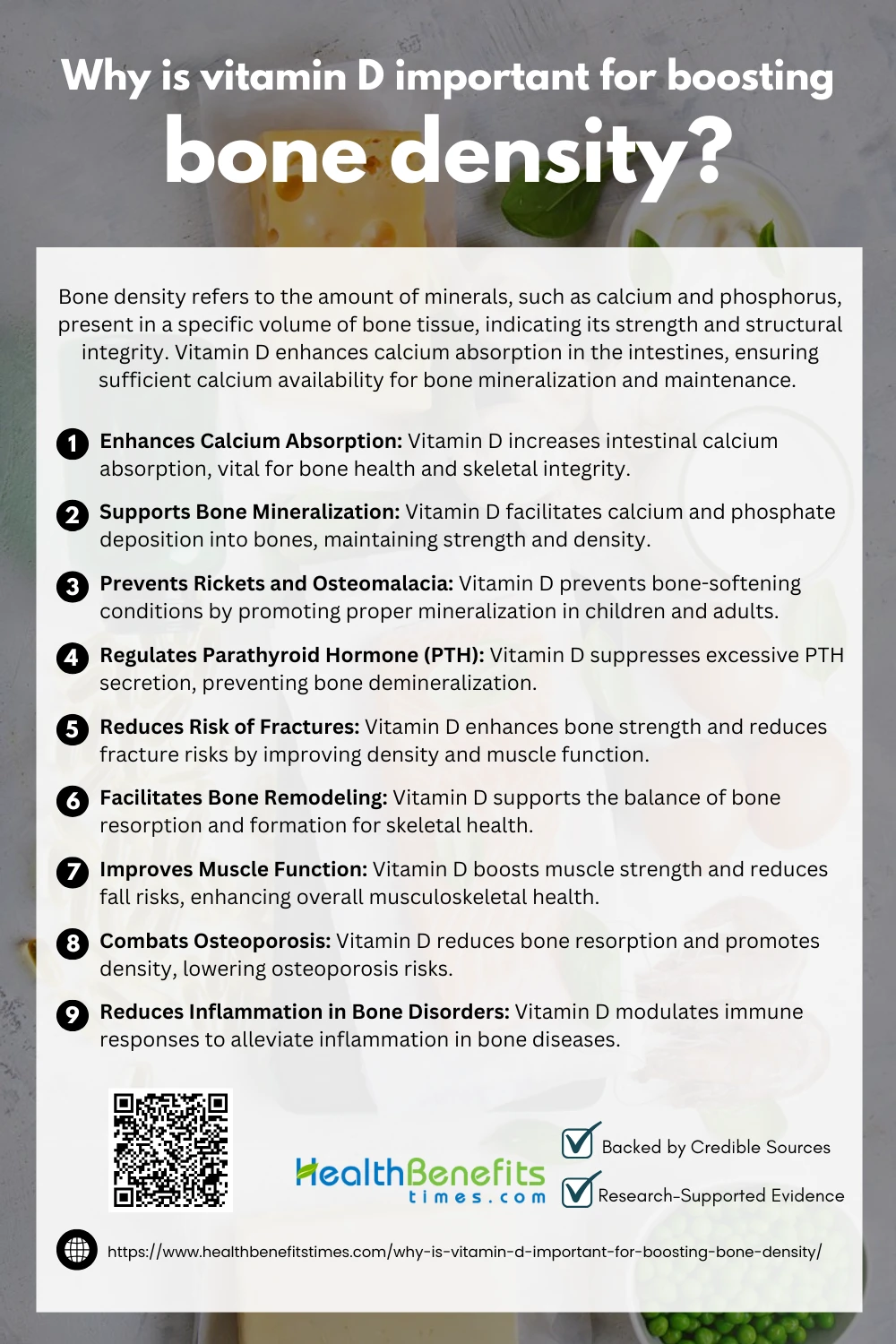
- Bone density refers to the amount of minerals, such as calcium and phosphorus, present in a specific volume of bone tissue, indicating its strength and structural integrity.
- Vitamin D enhances calcium absorption in the intestines, ensuring sufficient calcium availability for bone mineralization and maintenance.
- Adequate vitamin D levels are crucial for preventing bone-related disorders like osteoporosis and rickets, which are characterized by weakened bones and increased fracture risk.
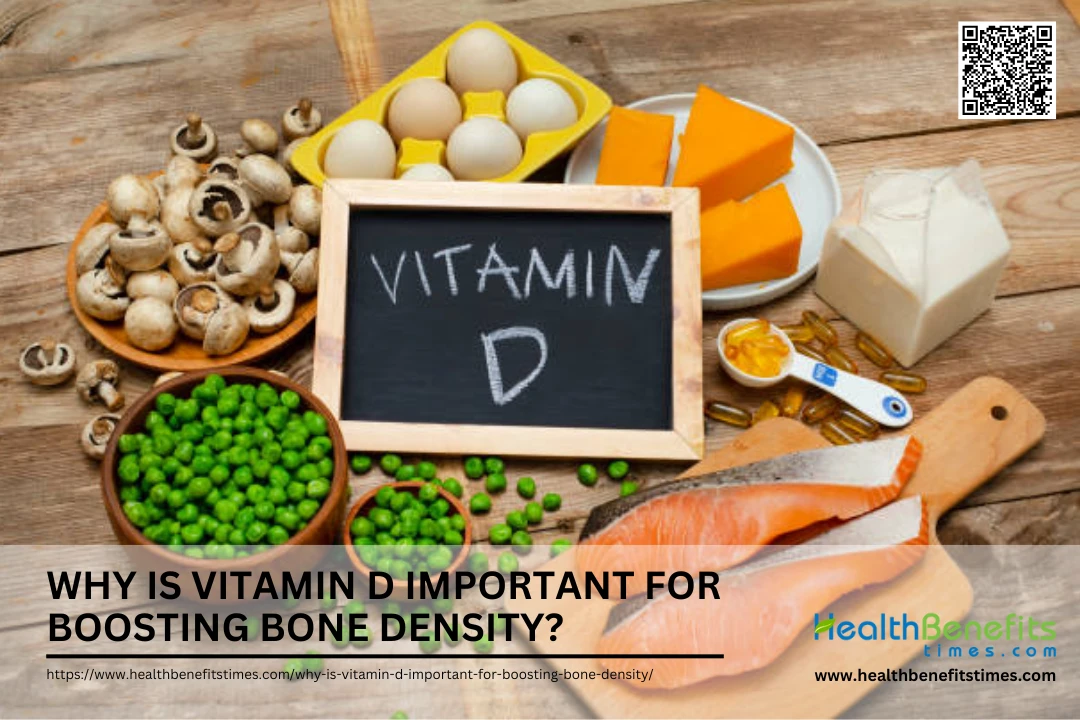
Bone density, a measure of the amount of mineral content in bones, is crucial for assessing bone strength and overall skeletal health. Maintaining optimal bone density is vital to prevent conditions like osteoporosis and fractures, which are particularly prevalent in aging populations. Vitamin D plays a pivotal role in enhancing bone mineral density by regulating calcium and phosphorus levels in the body. 1 Adequate vitamin D intake facilitates the absorption of calcium in the intestines and reduces calcium loss through the kidneys. 2 This dynamic nutrient also aids in the mineralization of bone tissue, ensuring bone strength and resilience. 3 Deficiencies in vitamin D have been linked to decreased bone density and a higher risk of fractures. 4 Furthermore, supplementation of vitamin D has shown significant promise in improving bone density among diverse populations, including postmenopausal women and individuals with chronic illnesses. 5 The synergistic effect of vitamin D with other micronutrients like calcium underscores its importance in bone health maintenance. 6 Research continually emphasizes the critical role of vitamin D in preventing bone-related diseases and improving overall skeletal health 7 8
What is Vitamin D?
Vitamin D, often referred to as the “sunshine vitamin,” is a crucial nutrient synthesized in the skin through exposure to ultraviolet light and obtained from dietary sources such as fatty fish and fortified foods (8). {% %} It plays a vital role in calcium homeostasis and bone health, facilitating the absorption of calcium and phosphorus in the gut. 9 Additionally, vitamin D has non-skeletal roles, including modulation of the immune system and anti-inflammatory effects, which are critical for overall health. 10 Its deficiency is linked to a range of health issues such as osteoporosis, rickets in children, and increased susceptibility to infections. 11 Vitamin D’s active form, 1,25-dihydroxyvitamin D, acts as a hormone, influencing cellular proliferation and differentiation. 12 Furthermore, maintaining optimal vitamin D levels has been shown to support cardiovascular and neurological health. 13 Despite its importance, vitamin D deficiency is widespread due to limited sun exposure and dietary inadequacies. 14 Effective supplementation and sunlight exposure are vital strategies to address global insufficiency. 15 Understanding the dynamics of vitamin D metabolism and function continues to be a subject of extensive research. 16
Why is vitamin D important for boosting bone density?
Vitamin D plays a pivotal role in enhancing bone density by regulating calcium and phosphate metabolism, which are critical for bone mineralization and strength. Research has shown that Vitamin D increases intestinal calcium absorption, thus boosting bone mineral density (BMD) and reducing fracture risk. 2 17 Studies highlight its synergistic effect with trace elements in improving bone health, particularly in postmenopausal women and individuals with osteoporosis (source). Furthermore, Vitamin D metabolites play a protective role against osteoporosis in children and adolescents by enhancing bone strength. 18 19 Research supports that supplementation significantly reduces stress fractures in athletes, emphasizing its preventive benefits. 20 Moreover, Vitamin D’s interaction with genetic markers has shown to influence BMD across different demographics. 21 22 5
1. Enhances Calcium Absorption
Vitamin D plays a critical role in enhancing calcium absorption by facilitating the active transport of calcium ions through the intestinal lining, ensuring the mineral is adequately absorbed for bone health. This process is mediated through Vitamin D receptors in the intestines, which increase the synthesis of calcium-binding proteins, such as calbindin, vital for calcium uptake. 23 24 Supplementation has been proven effective in improving serum calcium levels, especially in populations with Vitamin D inadequacy. 25 26 Research highlights that dietary Vitamin D3 significantly improves calcium absorption efficiency in various physiological conditions. 27 28 Specific interactions between Vitamin D and intestinal proteins demonstrate its pivotal role in calcium homeostasis. 29 30 This underscores the indispensable function of Vitamin D in promoting calcium absorption for skeletal integrity. 31
2. Supports Bone Mineralization
Vitamin D plays an essential role in bone mineralization, a critical process that ensures bones are strong and resilient. It promotes calcium absorption in the intestines, which provides the necessary raw material for bone formation. 32 Vitamin D facilitates the deposition of calcium and phosphate into the bone matrix, which is essential for maintaining bone density and strength (36). 33 Research has also shown that Vitamin D deficiency can lead to impaired bone mineralization, resulting in conditions such as osteomalacia in adults and rickets in children. 34 Furthermore, Vitamin D works synergistically with other vitamins and minerals to regulate bone remodeling, a process necessary for repairing microdamages and maintaining structural integrity. 35 It also enhances the synthesis of bone-specific proteins like osteocalcin, further supporting mineral deposition. 36 37 38 39 It is evident that maintaining optimal Vitamin D levels is critical for bone mineralization and overall skeletal health. 34
3. Prevents Rickets and Osteomalacia
Vitamin D is crucial in preventing rickets in children and osteomalacia in adults, conditions caused by impaired bone mineralization due to insufficient calcium and phosphate. Research shows that adequate Vitamin D levels enhance calcium absorption and its deposition into bones, promoting strong skeletal structure. 40 Without adequate Vitamin D, bones can become soft and fragile, leading to skeletal deformities in children and bone pain in adults. 41 Studies emphasize that Vitamin D supplementation can reverse early symptoms of rickets and prevent osteomalacia by improving calcium homeostasis. 42 Additionally, Vitamin D deficiency has been associated with increased fracture risk and chronic musculoskeletal pain, further underlining its importance in maintaining bone integrity. 43 For populations at risk, such as those with limited sun exposure or dietary intake, targeted Vitamin D interventions are critical. 44 45 46 47
4. Regulates Parathyroid Hormone (PTH)
Vitamin D plays a critical role in regulating parathyroid hormone (PTH), a key hormone involved in calcium and phosphate homeostasis. Research highlights that adequate Vitamin D levels suppress excessive PTH secretion, maintaining optimal bone health and reducing risks associated with secondary hyperparathyroidism. 48 This regulation is particularly vital in preventing bone demineralization and associated disorders like osteomalacia. Studies demonstrate that Vitamin D directly influences PTH secretion by interacting with Vitamin D receptors in parathyroid cells. 29 Vitamin D’s effect on calcium absorption reduces the physiological demand on PTH to maintain calcium levels, thereby preventing its overproduction. 49 50 Furthermore, Vitamin D supplementation has been shown to significantly lower PTH levels in patients with Vitamin D deficiency. 51 52 53 54
5. Reduces Risk of Fractures
Vitamin D is instrumental in reducing the risk of fractures by promoting calcium absorption, improving bone density, and enhancing muscle function, which minimizes falls and related injuries. Studies have shown that individuals with adequate Vitamin D levels experience a significantly reduced risk of hip and other fragility fractures. 55 Supplementation of Vitamin D combined with calcium has been proven effective in older adults, helping to maintain bone strength and prevent osteoporosis-related fractures. 56 Additionally, Vitamin D facilitates bone mineralization, providing structural integrity that lowers fracture susceptibility. 57 Clinical research highlights its role in reducing falls, which are a leading cause of fractures in elderly populations. 58 In patients with chronic conditions like kidney disease, Vitamin D supplementation improves bone health outcomes by addressing secondary hyperparathyroidism. 59 The synergistic effect of Vitamin D with dietary elements like magnesium further enhances bone resilience. 60 61 62 63
6. Facilitates Bone Remodeling
Vitamin D is pivotal in facilitating bone remodeling, a continuous process that balances bone resorption and formation to maintain skeletal health. Research demonstrates that Vitamin D enhances the activity of osteoblasts and osteoclasts, the cells responsible for bone turnover, ensuring optimal structural integrity. 2 Its role in promoting the absorption of calcium and phosphate underpins the mineralization necessary for new bone formation 64 Studies also show that Vitamin D deficiency impairs remodeling, increasing the risk of osteoporosis and fractures 65 Moreover, Vitamin D metabolites regulate the expression of genes involved in bone metabolism, supporting efficient repair and regeneration. 66 67 Furthermore, combining Vitamin D with other nutrients such as magnesium has been shown to optimize the remodeling process 68 Experimental models underscore its ability to accelerate bone formation and regeneration in critical-size defects. 68 69 68
7. Improves Muscle Function
Vitamin D plays a vital role in improving muscle function by enhancing muscle strength, reducing the risk of falls, and supporting overall musculoskeletal health. Studies have demonstrated that Vitamin D promotes muscle protein synthesis and influences calcium handling within muscle cells, crucial for muscle contraction and strength. 55 In older adults, Vitamin D supplementation has been linked to better muscle performance and a decreased risk of sarcopenia (77). {% %} Research shows that Vitamin D deficiency is associated with muscle weakness and increased fall risk, emphasizing the importance of maintaining adequate levels 70 Vitamin D also directly affects muscle cell function by activating Vitamin D receptors, which regulate the expression of genes involved in muscle growth and repair. 71 Clinical trials underscore its ability to improve outcomes in conditions such as chronic musculoskeletal disorders. 72 This makes Vitamin D an indispensable nutrient for sustaining muscle health and preventing age-related muscle decline 73 74
8. Combats Osteoporosis
Vitamin D plays a crucial role in combating osteoporosis by enhancing calcium absorption and promoting bone mineralization, both of which are critical for maintaining bone density. It directly supports the function of osteoblasts and osteoclasts, the cells involved in bone remodeling, ensuring skeletal strength. 19 Research has shown that Vitamin D deficiency is a significant risk factor for osteoporosis, as insufficient levels can lead to increased bone resorption and decreased bone formation. 75 Supplementation with Vitamin D, especially when combined with calcium, has been proven to reduce the incidence of fractures in older adults. 76 Additionally, Vitamin D influences the expression of genes related to bone metabolism, providing a molecular basis for its therapeutic benefits in osteoporosis management. 77 78
9. Reduces Inflammation in Bone Disorders
Vitamin D is instrumental in reducing inflammation in bone disorders by modulating immune responses and promoting bone healing. Studies have shown that Vitamin D directly inhibits the production of pro-inflammatory cytokines, such as TNF-α and IL-6, which are implicated in conditions like rheumatoid arthritis and osteoarthritis. 79 By activating Vitamin D receptors (VDRs) in immune and bone cells, it enhances the resolution of inflammation and supports tissue repair. 2 Research highlights its role in mitigating chronic inflammation in diseases such as ankylosing spondylitis, where Vitamin D supplementation has been linked to improved patient outcomes. 80 81 82 In autoimmune bone diseases, Vitamin D improves bone quality by modulating immune responses and reducing tissue destruction. 83 Furthermore, it synergizes with calcium to combat inflammatory-driven bone loss, ensuring enhanced mineral metabolism. 84 85 86
 Vitamin D Deficiency: Causes and Symptoms
Vitamin D deficiency arises from a combination of lifestyle and physiological factors and manifests through a variety of symptoms that affect overall health. Below are the main causes and symptoms:
Causes:
- Insufficient Sunlight Exposure: Limited exposure to sunlight can impair Vitamin D synthesis in the skin. 87
- Poor Dietary Intake: Inadequate consumption of Vitamin D-rich foods like fatty fish or fortified products. 88
- Impaired Absorption: Conditions like celiac disease or Crohn’s disease that hinder nutrient absorption . 89
- Liver or Kidney Disorders: These affect the conversion of Vitamin D into its active form. 90
- Use of Certain Medications: Long-term use of anticonvulsants or glucocorticoids can interfere with Vitamin D metabolism. 91
Symptoms:
- Bone Pain and Weakness: Often leading to conditions like osteomalacia or rickets. 87
- Muscle Weakness: Resulting in an increased risk of falls, especially in older adults.88
- Fatigue and Low Energy: Commonly associated with general health decline.89
- Increased Risk of Fractures: Particularly in individuals with pre-existing bone health issues. 90
- Impaired Immune Function: Leading to increased susceptibility to infections. 91
How to Maintain Optimal Vitamin D Levels
Maintaining optimal Vitamin D levels is essential for bone health, immune support, and overall well-being. Strategies to achieve this include regular sunlight exposure, consumption of Vitamin D-rich foods, and supplementation when necessary. Studies have shown that sunlight is a primary source for Vitamin D synthesis, highlighting the importance of outdoor activities. 2 Dietary sources like fatty fish and fortified products play a critical role in meeting Vitamin D needs for those with limited sun exposure. 92 93
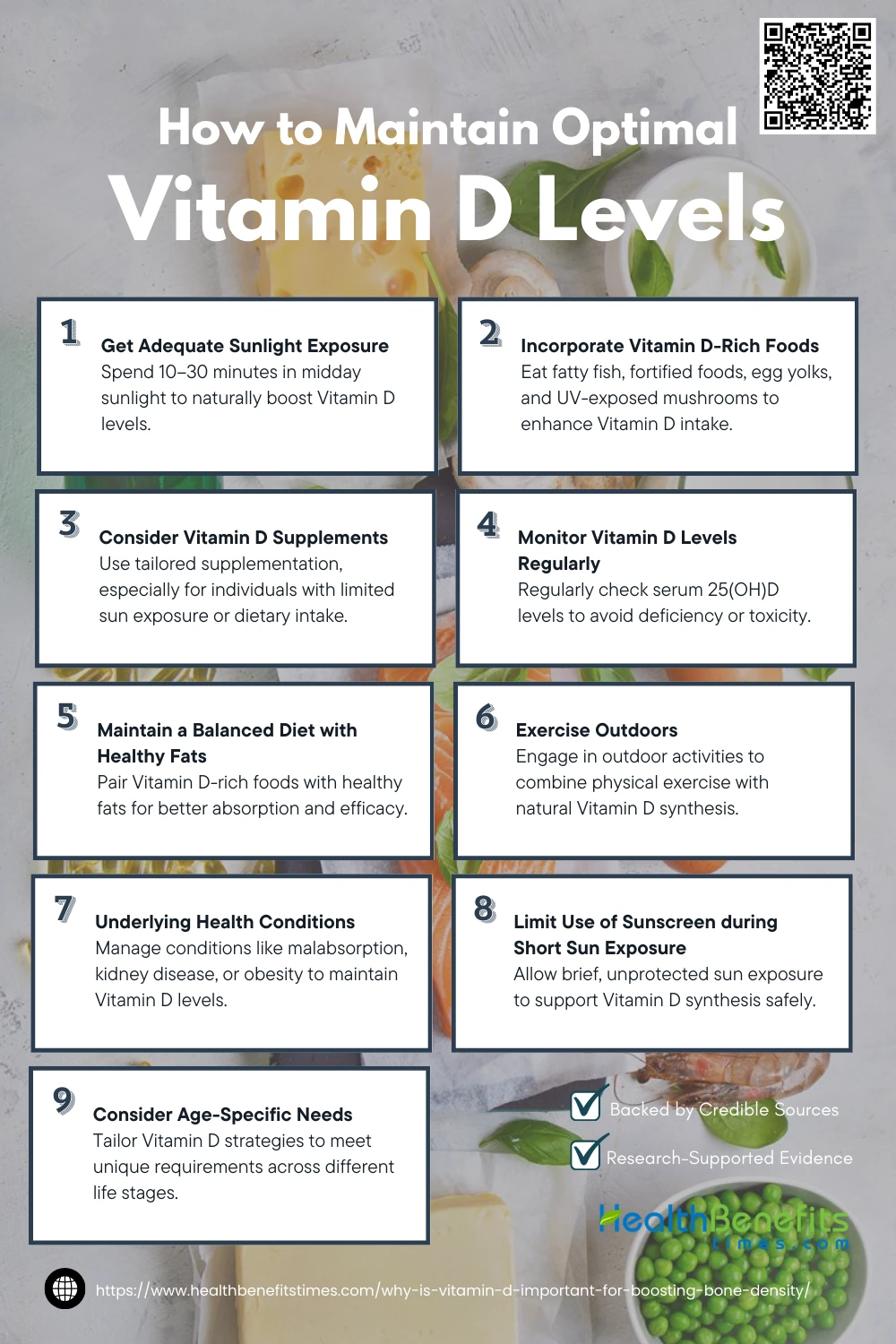
1. Get Adequate Sunlight Exposure
Sunlight exposure is a natural and effective way to maintain optimal Vitamin D levels, as the skin synthesizes Vitamin D3 upon exposure to UVB rays. Research indicates that spending 10–30 minutes in the sun, depending on skin type and geographical location, can significantly boost Vitamin D production. 92 Studies also highlight that midday sunlight provides the highest UVB intensity, making it the most efficient time for Vitamin D synthesis. 94 However, factors like sunscreen use, clothing, and latitude affect the amount of Vitamin D generated, necessitating tailored sunlight exposure guidelines. 95 2 Additionally, Vitamin D production from sunlight does not carry the risk of overdose, making it a safe and sustainable method for long-term health (source). Recent findings suggest that combining moderate sunlight exposure with Vitamin D-rich diets ensures optimal outcomes. 96
2. Incorporate Vitamin D-Rich Foods into Your Diet
To maintain optimal vitamin D levels, incorporating vitamin D-rich foods into your diet is crucial. Fatty fish like salmon, mackerel, and tuna are among the most potent natural sources of vitamin D and can effectively raise serum 25(OH)D concentrations. 97 Fortified foods such as milk, cereals, and orange juice also contribute significantly to dietary vitamin D intake, especially in regions with limited sunlight exposure. 98 While dietary sources alone may not always suffice, the inclusion of fortified options can bridge this gap. 99 Additionally, consuming egg yolks and mushrooms exposed to ultraviolet light provides a natural way to enhance vitamin D intake. 100 These strategies align with recommendations for dietary intake and food fortification to combat vitamin D deficiency. 101 Moreover, integrating such foods into daily meals has been supported as a sustainable approach to maintaining adequate vitamin D levels, according to a 102 103
3. Consider Vitamin D Supplements
In maintaining optimal vitamin D levels, supplements play a critical role, especially for individuals with limited sun exposure or dietary intake. Vitamin D supplements, including D2 and D3, have been found effective in increasing serum 25(OH)D levels. 104 Studies suggest that supplementing with 800–2000 IU/day of vitamin D3 can sustain sufficient levels for bone and immune health. 105 For specific populations, such as the elderly or those with chronic conditions, tailored dosing ensures optimal absorption and effectiveness. 106 Furthermore, balancing dose levels to avoid toxicity is crucial, with evidence from showing safe upper limits at 4000 IU/day for adults. 107 Recent reviews underline the importance of form (D2 vs. D3) and administration routes in personalized vitamin D strategies, as noted in 117. {% %} Lastly, addressing patient-specific needs through supplementation is a core recommendation to mitigate deficiency-related riskS. 108
4. Monitor Vitamin D Levels Regularly
Regular monitoring of vitamin D levels is essential to maintain optimal health and prevent deficiencies or excesses. Measuring serum 25(OH)D levels helps diagnose vitamin D insufficiency and guide supplementation strategies. 108 Monitoring becomes particularly important for individuals taking high-dose supplements or those at risk of malabsorption, such as the elderly or individuals with gastrointestinal disorders. 109 Maintaining serum levels within the recommended range (30-50 ng/mL) reduces the risk of osteoporosis and supports bone health. 110 The Endocrine Society recommends annual testing for at-risk individuals to ensure supplementation efficacy and avoid toxicity. 111 For those with chronic conditions, regular monitoring helps tailor dosages to achieve stable vitamin D status. 112 Finally, integrating monitoring into public health strategies is critical for addressing widespread insufficiency. 113
5. Maintain a Balanced Diet with Healthy Fats
To maintain optimal vitamin D levels, consuming a balanced diet with healthy fats is essential as vitamin D is fat-soluble, requiring dietary fats for absorption. Incorporating fatty fish like salmon and mackerel, which are both sources of vitamin D and healthy fats, is highly beneficial. 114 Additionally, fortified foods paired with dietary fats can further optimize vitamin D levels. 115 Holick (2011) explains that balanced fat intake ensures consistent serum vitamin D levels, reducing deficiency risks. 116 Moreover, pairing vitamin D with foods like eggs and fortified dairy enhances its absorption due to their intrinsic fat content. 117 Lastly, combining calcium-rich foods with healthy fats amplifies both vitamin D and calcium efficacy. 118
6. Exercise Outdoors
Exercising outdoors is an excellent way to maintain optimal vitamin D levels, as sunlight exposure stimulates the skin’s production of vitamin D. Engaging in outdoor activities during peak sun hours (10 a.m. to 3 p.m.) has been shown to effectively increase serum 25(OH)D levels. 107 Outdoor athletes generally maintain higher vitamin D levels compared to their indoor counterparts. 119 Additionally, sunlight-derived vitamin D enhances physical performance. 120 Outdoor leisure activities among the elderly are particularly effective for maintaining adequate levels. 121 122 Finally, athletes and military personnel benefit from tailored outdoor training schedules to optimize immunity and vitamin D levels. 123
7. Address Underlying Health Conditions
Addressing underlying health conditions is critical for maintaining optimal vitamin D levels, as various disorders can impair vitamin D metabolism. Conditions like chronic kidney disease and gastrointestinal malabsorption often require tailored vitamin D supplementation to ensure adequate serum 25(OH)D levels. 124 Research indicates that individuals with autoimmune diseases or obesity may have a higher risk of vitamin D deficiency, necessitating specific interventions. 102 Chronic diseases, such as diabetes and cardiovascular disorders, also demand precise management of vitamin D levels to improve outcomes. 117 The role of vitamin D in mitigating inflammation and supporting immune function is especially significant in these conditions. 125 For individuals with liver or bile duct disorders, vitamin D absorption may be impaired, requiring proactive measures like using bioavailable forms of vitamin D 126 Understanding these intricate relationships helps formulate precise strategies to combat deficiency and promote health 127 104
8. Limit Use of Sunscreen during Short Sun Exposure
Limiting sunscreen use during short periods of sun exposure can support vitamin D synthesis while minimizing risks of overexposure. Research shows that even brief, direct exposure to sunlight without sunscreen can significantly boost serum 25(OH)D levels. 128 While sunscreens block most UVB radiation, moderate, unprotected exposure enables sufficient vitamin D production without leading to sunburn. 129 Evidence suggests that brief UVB exposure, particularly during midday hours, contributes to maintaining adequate vitamin D levels. 130 However, individuals with fair skin or at higher risk of sun damage should use low-SPF sunscreens or limit unprotected exposure to 10–15 minutes. 131 Safe UV exposure practices, such as incremental exposure during low-UV index times. 132 Research also indicates that limited sunscreen use balances UV protection with vitamin D needs. 133 Finally, Holick (2020) suggests that allowing minimal sunscreen-free exposure can be a practical approach to addressing vitamin D insufficiency while mitigating skin cancer risks. 134
9. Consider Age-Specific Needs
Maintaining optimal vitamin D levels requires age-specific strategies, as vitamin D metabolism and requirements vary across the lifespan. Adolescents need increased intake due to rapid skeletal development. 97 For adults, maintaining serum 25(OH)D levels through dietary sources and supplementation is crucial to prevent deficiencies. 135 Older adults, who experience reduced skin synthesis of vitamin D, often require higher supplementation to mitigate risks of osteoporosis. 136 Pregnant women benefit from targeted vitamin D supplementation to support fetal development. 137 Seasonal variability in sunlight necessitates tailored vitamin D intake during winter months. 138 Additionally, dietary patterns and fortification strategies can address age-specific requirements effectively. 139
 Risks of Excessive Vitamin D
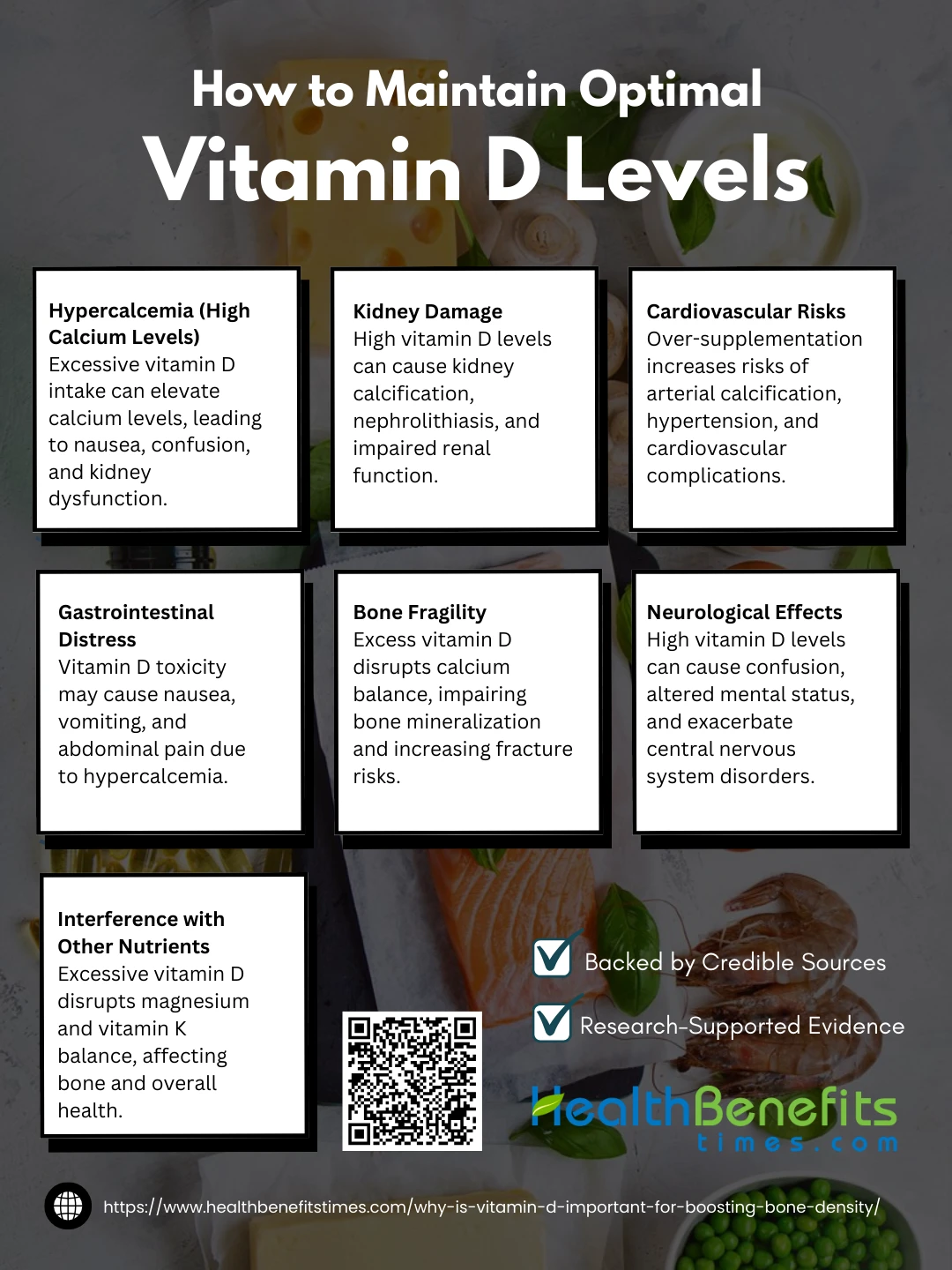
Excessive vitamin D intake can lead to hypercalcemia, characterized by elevated calcium levels in the blood, causing symptoms such as nausea, kidney dysfunction, and cardiovascular complications. Prolonged high doses can result in vascular calcification and kidney damage, increasing the risk of renal failure. 140 Additionally, gastrointestinal distress, including nausea and abdominal pain, is a common symptom of vitamin D toxicity. 141
- Hypercalcemia (High Calcium Levels)
Excessive intake of vitamin D is a well-established cause of hypercalcemia, where elevated calcium levels lead to symptoms like nausea, confusion, and kidney dysfunction. This condition arises due to excessive production of 25(OH)D and its binding to vitamin D receptors. 142 Hypercalcemia from prolonged supplementation increases risks of nephrolithiasis and calcification in tissues. 143 Furthermore, case reports link fortified food products and high-dose supplements to critical hypercalcemia episodes, emphasizing the need for cautious dosing. 144 - Kidney Damage
Excessive vitamin D intake poses significant risks of kidney damage, particularly through hypercalcemia-induced calcification and impaired renal function. Elevated calcium levels can lead to nephrolithiasis and progressive renal impairment. 145 Vitamin D toxicity is especially concerning in patients with chronic kidney disease, where the metabolism of vitamin D is already compromised. 146 Studies show that high-dose supplementation increases the risk of kidney calcification, further reducing renal filtration efficiency. 147 In pediatric nephrology, excessive vitamin D has been linked to irreversible kidney damage due to calcification. 148 Additionally, overuse in clinical settings underscores the need for caution, particularly with activated analogs in vulnerable populations. 149 - Cardiovascular Risks
Excessive vitamin D levels can increase cardiovascular risks, potentially leading to arterial calcification and heightened blood pressure. High doses of vitamin D may disrupt calcium balance, contributing to vascular calcification. 150 Epidemiological data also connect excessive vitamin D supplementation with elevated coronary artery disease risk. 151 Additionally, excessive vitamin D levels might exacerbate cardiovascular conditions by influencing endothelial function. 152 Moderation is key to avoid the paradoxical increase in cardiovascular risk. 153 Furthermore, the link between over-supplementation and higher arterial stiffness underscores the need for careful vitamin D management. 154 - Gastrointestinal Distress
Excessive vitamin D intake can lead to gastrointestinal distress, including symptoms like nausea, vomiting, and abdominal pain, commonly linked to hypercalcemia. Such conditions are often the result of prolonged supplementation. 141 High doses of vitamin D may also exacerbate gastrointestinal inflammation and discomfort in susceptible individuals. 155 Additionally, studies have linked vitamin D toxicity to increased intestinal motility and related disorders. 156 Other findings show that such disturbances can complicate conditions like lactose intolerance. 157 Prolonged high levels of vitamin D may lead to severe intestinal discomfort and require medical intervention. 158 - Bone Fragility
Excessive vitamin D intake can paradoxically lead to bone fragility, primarily by disrupting calcium and phosphorus balance, which impairs bone mineralization. Studies show that high levels of vitamin D are linked to increased risk of fractures due to weakened bone matrix. 159 Prolonged over-supplementation has also been correlated with reduced bone mineral density and heightened fracture risks. 160 - Neurological Effects
Excessive vitamin D intake has been linked to neurological effects, including confusion, altered mental status, and, in severe cases, coma, due to hypercalcemia-induced toxicity. Studies highlight that elevated vitamin D levels can exacerbate risks of central nervous system disorders, such as multiple sclerosis and other demyelinating diseases. 161 Additionally, prolonged over-supplementation may impact neuroinflammation and neuronal function. 162 - Interference with Other Nutrients
Excessive vitamin D intake can interfere with other nutrients, such as magnesium and vitamin K, by disrupting their balance in the body. High levels of vitamin D can lead to increased calcium absorption, which may suppress magnesium levels and impair bone health. 141 Additionally, excessive vitamin D can inhibit vitamin K-dependent processes, affecting proper bone mineralization. 163
 Conclusion
In conclusion, vitamin D is essential for maintaining bone health, preventing disorders like osteoporosis, and supporting overall physiological functions such as immune response and muscle strength. Adequate vitamin D levels facilitate calcium and phosphate metabolism, enhancing bone mineralization and structural integrity. While sunlight exposure and dietary intake are primary sources, supplementation is often necessary for individuals at risk of deficiency. However, excessive vitamin D intake poses significant health risks, including hypercalcemia, kidney damage, and cardiovascular complications, underscoring the importance of balanced consumption. By combining tailored sunlight exposure, a nutrient-rich diet, and regular monitoring, individuals can achieve optimal vitamin D levels for long-term health and wellness.