Health Benefits
    Facebook Twitter Instagram
    Friday, December 5
    Facebook Twitter Pinterest
    Health Benefits
    • Home
    • Dental Health
    • Mental Health
    • Weight Loss
    • Health Wiki
    • Nutrition
    • Healthy Recipe
    • BMI Calculator
    Health Benefits
    Home»Herbs and Spices»Health benefits of Aletris (white colic-root)
    Herbs and Spices

    Health benefits of Aletris (white colic-root)

    By SylviaJuly 4, 2017Updated:September 25, 2017No Comments4 Mins Read
    Facebook Twitter Pinterest LinkedIn Tumblr Email

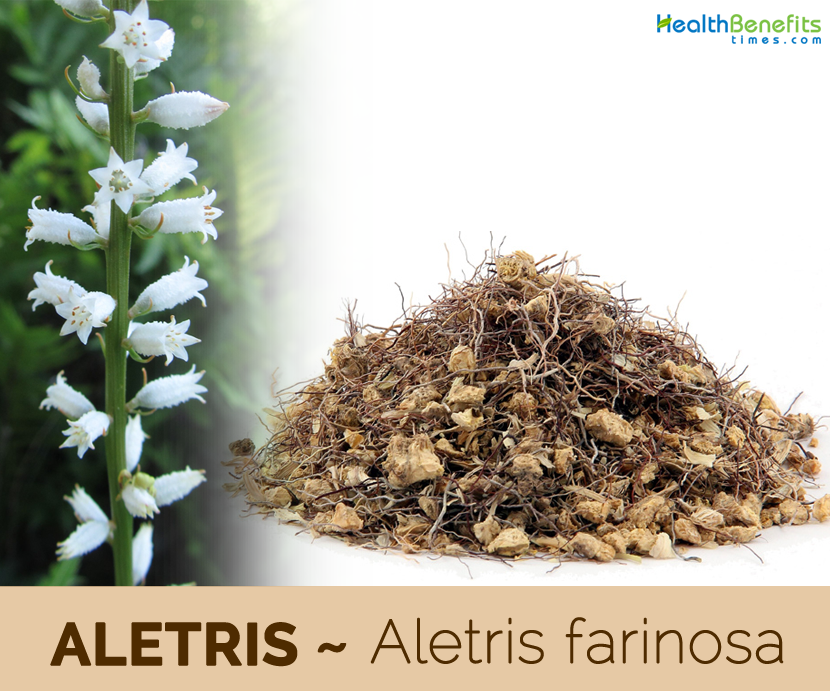
    Aletris

    Aletris farinosa, commonly known as Unicorn root , stargrass , whitetube stargrass , crow corn , Ague grass , Aloerot , Devil’s-bit , colic root , ague root , starwort , blazing star , mealy starwort , huskwort is a plant species native to North America and is distributed widely throughout the continent. Three other species of aletris, Aletris aurea Walt, A. lutea Small, and A. obovata Nash, bear much resemblance to A. farinosa and are frequently collected with the latter. It is a perennial herb spreading by means of underground rhizomes and forming rosettes of leaves.

    Plant Description

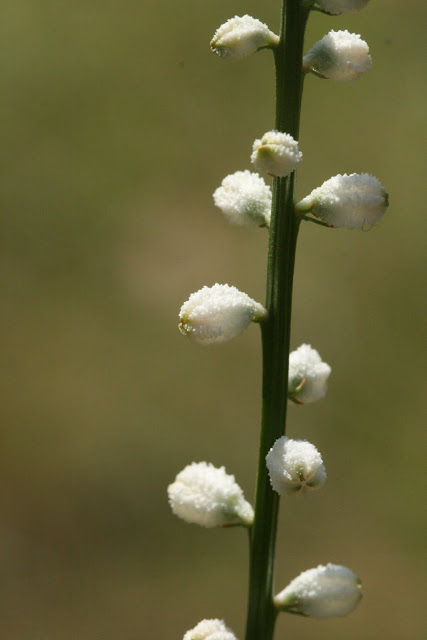
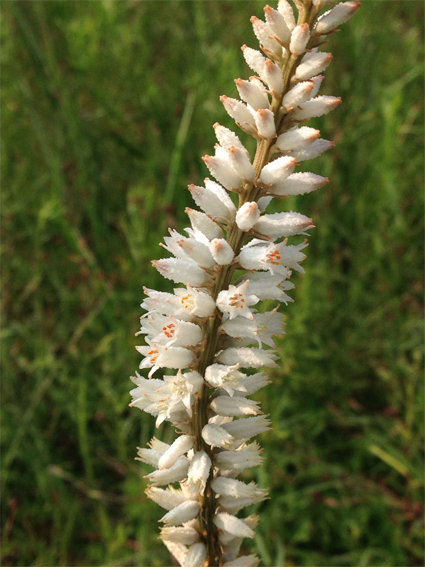
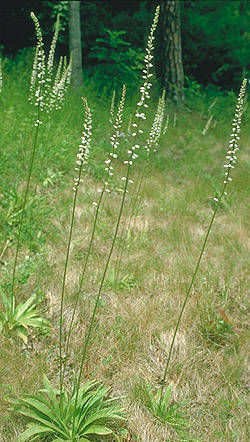
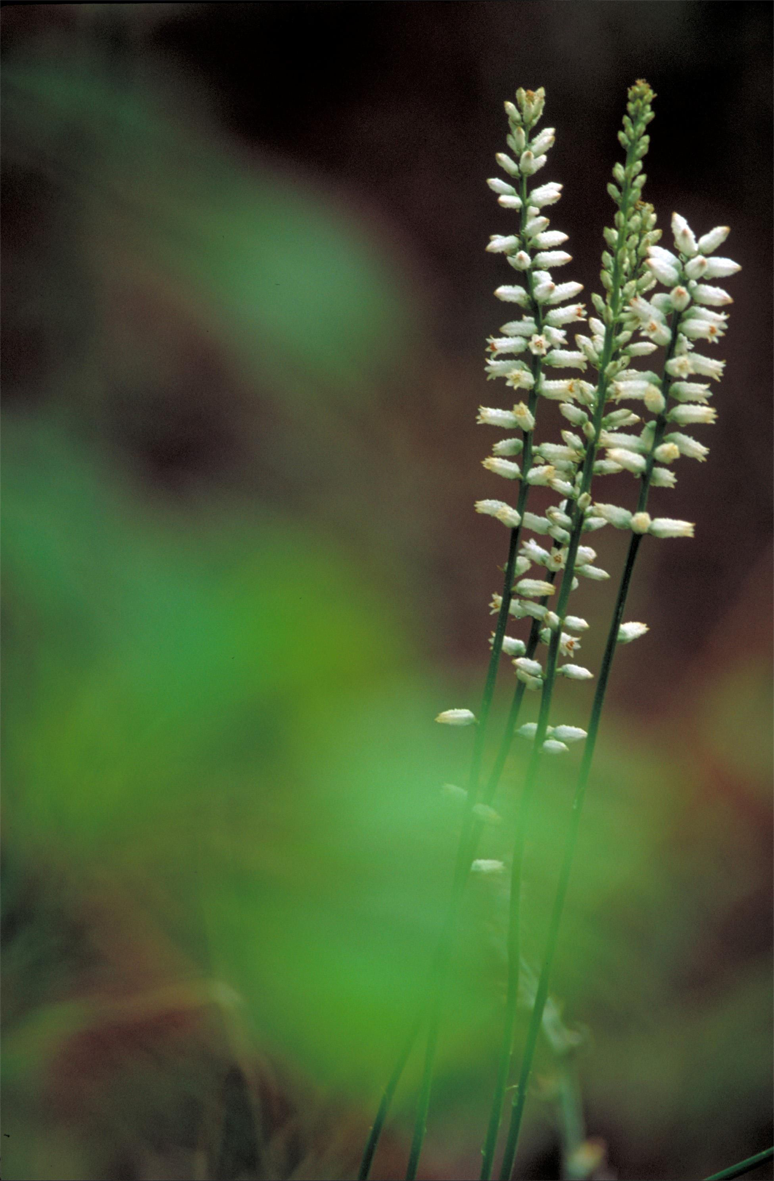
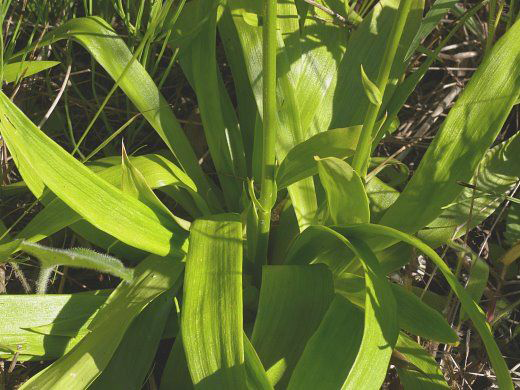
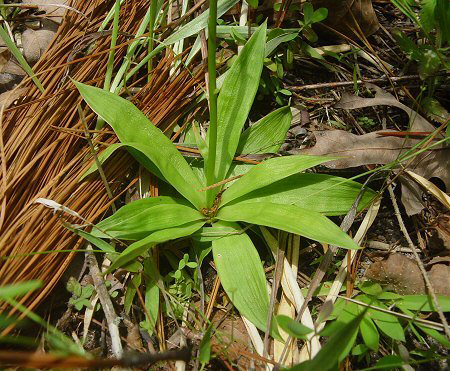
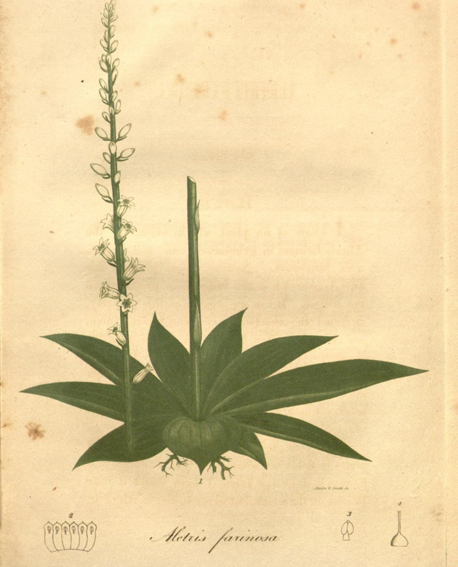
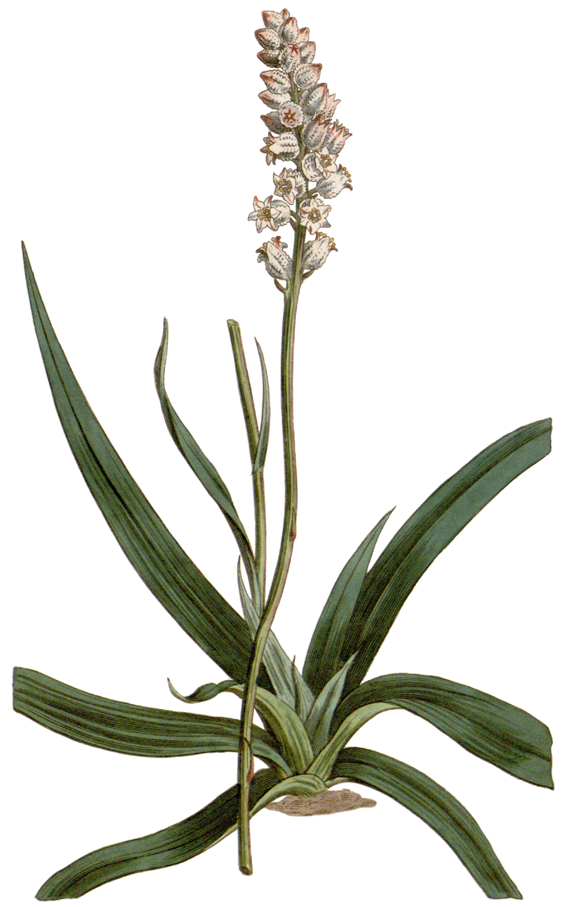
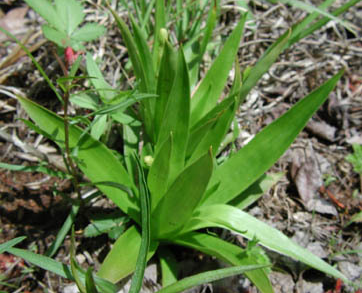
    Aletris is a low-growing, spreading perennial herb, with tuberous cylindrical, somewhat horizontal root, having many fibers from its lower surface. The plant grows in grassy or sandy woodlands, in dry or moist peats, sands and gravels, especially on the seashore.  No stem is found in this plant. Leaves are lanceolate, acute, ribbed, sessile, or slightly sheathing at base, smooth and flat, pale colored, thin and coriaceous. Flower-stem are simple with remote scales, 1 to 3 feet high, topped with a spiked raceme of short-stalked, white, bell-shaped oblong flowers that blooms from May to August. The outer surface of these has a mealy frosted appearance. Fruit is an ovate, tapering, coriaceous capsule, enclosed in a persistent envelope. Seeds are numerous, ovate, ribbed, albuminous, fleshy, and oily.

    History

    Aletris is actually a North American plant which is recognized throughout the world in traditional folk medicine. Aletris occurs in dry, generally sandy soil from Maine to Minnesota, Florida, and Tennessee. It had been used by American Indians in the Carolinas as an antidiarrheal tea and in Appalachia for the management of rheumatisms and as a tonic and a sedative. It has been included in laxatives and has been used as an anti-flatulent (hence the name “colic root”) and antispasmodic. The roots and rhizomes are collected in the fall and dried for preservation.

    Aletris Image Gallery
    Aletris-Buds Aletris-Buds
    Aletris-Flower Aletris-Flower
    Aletris-flower-on-the-plant Aletris-flower-on-the-plant

    Aletris-Flowers Aletris-Flowers
    Aletris-Leaves Aletris-Leaves
    Aletris-Plant Aletris-Plant

    Aletris-plant-Illustration Aletris-plant-Illustration
    Drawing-of-Aletris-plant Drawing-of-Aletris-plant
    Small-Aletris-plant Small-Aletris-plant

    Traditional Medicinal uses of Aletris

    • It is use in treating cases of habitual miscarriages.
    • Used for gynecological disorders or ‘female complaints’ in the US including dysmenorrhea, amenorrhea and prolapsed vagina complaints.
    • It also promotes the appetite and is used in the treatment of diarrhea, rheumatism and jaundice.
    • In large doses the fresh root is somewhat narcotic, emetic and cathartic.
    • Decoction of the root is a bitter tonic and has been used for expelling flatulence and for various uterine disorders.
    • It is used in the treatment of colic, though small doses, especially of the fresh root can cause hypo gastric colic.
    • Root contains diosgenin, which has both anti-inflammatory and oestrogenic properties.
    • Tea of the leaves has been used in the treatment of colic, stomach disorders, dysentery and bloody dysentery.
    • Aletris was used to treat dysmenorrhea and relieve symptoms of menopause.
    • Aletris can help relieve undesired symptoms of menopause such as hot flashes and vaginal dryness.
    • Aletris may help relieve joint, muscle and tendon pain, and may also relieve constipation, diarrhea, gas and colic.

    Precautions

    • The fresh root is mildly poisonous causing abdominal discomfort.
    • It’s best to avoid using colic root if you are pregnant or breast-feeding.
    • Avoid in patients with a known allergy or hypersensitivity to true unicorn root, its constituents, or members of the Liliaceae family.
    • Avoid in patients with inflammatory or infectious gastrointestinal conditions, as unicorn root may irritate the gastrointestinal tract.

    Dosages

    • The dried powdered root, 5 to 10 grains.
    • Saturated tincture, 5 to 15 drops in water.
    • Fluid extract, 1/2 to 1 drachm

    References:

    http://pfaf.org/User/Plant.aspx?LatinName=Aletris+farinosa

    https://www.itis.gov/servlet/SingleRpt/SingleRpt?search_topic=TSN&search_value=42769#null

    http://davesgarden.com/guides/pf/go/56480/

    https://www.drugs.com/npp/aletris.html

    http://www.botanical.com/botanical/mgmh/u/unitru02.html

    http://www.theplantlist.org/tpl1.1/record/kew-294692

    https://plants.usda.gov/core/profile?symbol=alfa2

    https://en.wikipedia.org/wiki/Aletris_farinosa

    http://www.illinoiswildflowers.info/prairie/plantx/colic_root.html

    https://www.virtualmediclinic.com/library/aletris

    http://www.registrelep-sararegistry.gc.ca/species/speciesDetails_e.cfm?sid=214

    76%
    76%
    Awesome

    Comments

    comments

    A Herbs and Spices
    Share. Facebook Twitter Pinterest LinkedIn Tumblr Email
    Previous ArticleHealth benefits of Grains of Paradise
    Next Article Health Benefits of Capers

    Related Posts

    Uses of Monkey Pitcher plant

    April 16, 2024

    Traditional uses and benefits of Wild Marigold

    March 21, 2024

    Traditional uses and benefits of Drooping fig

    March 12, 2024

    Comments are closed.


    Aletris Facts

    Aletris (white colic-root) Quick Facts
    Name: Aletris (white colic-root)
    Scientific Name: Aletris farinosa
    Origin North America
    Shapes Ovate, tapering, coriaceous capsule, enclosed in a persistent envelope
    Taste bitter-sweet soapy taste
    Name Aletris
    Scientific Name Aletris farinosa
    Native North America
    Common Names Unicorn root , stargrass , whitetube stargrass , crow corn , Ague grass , Aloerot , Devil’s-bit , colic root , ague root , starwort , blazing star , mealy starwort , huskwort
    Name in Other Languages English: Ague, agueroot, colicroot, crow-corn, mealy star-grass, mealy starwort, unicorn-root, white colicroot, white star-grass, white colicroot, colicroot, mealy stargrass, unicorn root, white stargrass, white-tubed colicroot
    French: Alétris farineux
    Swedish: Mjöllilja
    Plant Growth Habit Low-growing, spreading perennial herb
    Growing Climate Grassy or sandy woodlands, in dry or moist peats, sands and gravels, especially on the seashore
    Plant Size 1 m in height
    Root Tuberous cylindrical, somewhat horizontal root
    Leaf Lanceolate, acute, ribbed, sessile, or slightly sheathing at base, smooth and flat, pale coloured, thin and coriaceous.
    Flower 1 to 3 feet high, topped with a spiked raceme of short-stalked, white, bell-shaped oblong flowers
    Flowering Season May to August
    Fruit Shape & Size Ovate, tapering, coriaceous capsule, enclosed in a persistent envelope
    Seed Numerous, ovate, ribbed, albuminous, fleshy, and oily
    Taste Bitter-sweet soapy taste
    Plant Parts Used Root, dried rhizome

    Aletris Scientific Classification

    Scientific Name: Aletris farinosa

    Rank Scientific Name & (Common Name)
    Kingdom Plantae (Plants)
    Subkingdom Tracheobionta (Vascular plants)
    Infrakingdom Streptophyta  (land plants)
    Superdivision Spermatophyta (Seed plants)
    Division Magnoliophyta (Flowering plants)
    Class Liliopsida (Monocotyledons)
    Subclass Liliidae
    Order Liliales
    Family Liliaceae (Lily family)
    Genus Aletris L. (colicroot)
    Species Aletris farinosa L. (white colicroot)
    Synonyms
    • Aletris alba Michx.          
    • Aletris lucida Raf.
    Categories
    • Beverages (78)
    • Dairy (28)
    • Dental Health (15)
    • Equipment (5)
    • Essential OIls (196)
    • Facts (2,939)
    • Foods (255)
    • Fruits (516)
    • Giveaway (1)
    • Grains and Cereals (36)
    • Health & Beauty (763)
    • Herbs and Spices (1,249)
    • Medicines (9)
    • Mental Health (19)
    • Nutritional value (27)
    • Nuts and seeds (73)
    • Oils (81)
    • Pets (4)
    • Poultry & Seafoods (67)
    • Pulses and Beans (16)
    • Reviews (25)
    • supplement (2)
    • Vegetables (304)
    • Weight Loss (22)

    What is Lupin Bean Flour?

    Science Backed Health Benefits of Durian (Durio zibethinus)

    Science Backed Health Benefits of Feijoa (Pineapple Guava) (Acca sellowiana)

    Science Backed Health Benefits of Gac Fruit (Momordica cochinchinensis)

    Science Backed Health Benefits of Amaranth Leaves (Amaranthus spp)

    Science Backed Health Benefits of Arrowhead (Sagittaria sagittifolia)

    ABOUT
    Home
    About us
    Contact us
    Privacy Policy
    Terms & conditions
    Disclaimer
    Direct Communication
    e-mail: [email protected]
    Gmail: [email protected]
    Whatsapp: +977-9841146511
    Viber: +977-9841146511
    Useful
    Health Wiki
    Nutrition
    Facebook Twitter Pinterest
    © 2025 www.healthbenefitstimes.com All rights reserved.

    Type above and press Enter to search. Press Esc to cancel.

    ×

    Log In

    Forgot Password?

    Not registered yet? Create an Account