

 Some people talk about weight constantly, but most people avoid the topic completely. The social stigma against openly discussing weight can make it confusing to understand when your weight is really a problem, and when you it’s time to think about weight loss. Here we’ll discuss some measures of weight and how, if necessary, you can lose weight in a healthy, sustainable way.
Measuring Weight Status
Most people decide it’s time to go on a diet because they don’t like how they look in a mirror or a picture, or because they have some sort of health scare. Others step on a scale and see a number they never wanted or expected to see. All of those are perfectly valid reasons to start thinking more seriously about your weight and health, but how do medical professionals determine if you are at a healthy weight?
Weight (in Pounds or Kilos)
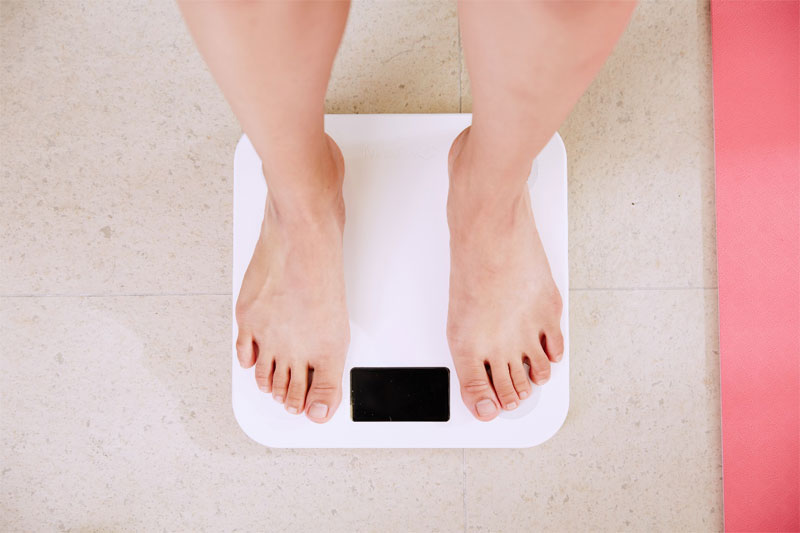
The most straightforward way to measure weight is with a scale that shows how much you weigh in pounds or kilograms. However, this is not a very useful measurement.
While it may be helpful to know if you, individually, have gained or lost weight for weight tracking purposes, weight alone cannot be used to determine weight status. This is because a person that is six feet tall should weigh significantly more than their five-foot-tall friend.
Body Mass Index
Body mass index (BMI) is the most common screening tool for obesity. It is a formula that uses your weight and height to estimate whether you are at a healthy weight for your stature.
The BMI formula was first developed in the 1830s by a Belgian scientist and has now been used for over 100 years as an estimate of patients’ weight status. Part of the reason BMI has been so widely adopted is the simplicity of the equation: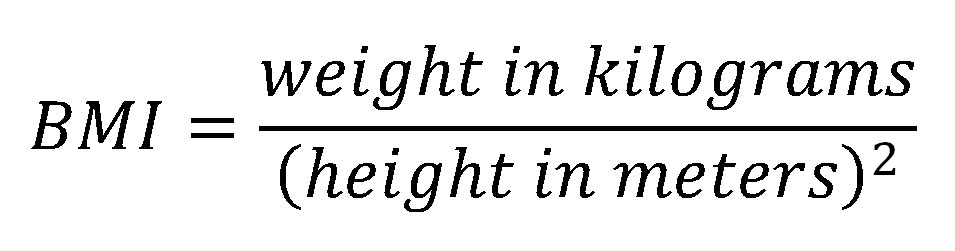
A healthy BMI is 18.5-24.9 kg/m2, while a BMI of 25-29.9 kg/m2 is overweight and a BMI of 30 or more kg/m2 is considered obese.
Patients with a BMI in the overweight or obese range have a higher risk of lifestyle diseases like heart disease, high blood pressure, type 2 diabetes, arthritis and some types of cancer.
However, BMI can only be used as an estimate of health status because it does not take into account important factors like muscle mass, fat mass and hydration. As a result, health professionals should always corroborate BMI status with another piece of data.
Additional exams could include other body measurements, such as skinfold measurements, waist circumference, blood tests or DEXA, or lifestyle risk assessments, such as family history or a discussion of your diet and exercise patterns.
Waist Circumference & Waist Hip Ratio
Waist circumference is another common, easy measurement of weight status. For both men and women, a larger-than-average waist circumference is associated with worse health outcomes, largely due to visceral fat accumulation. Visceral fat, which causes a belly, builds-up in and around your organs and negatively affects long-term health outcomes.
Women are at increased risk if their waist measures more than 35 inches (89cm) around, while men can have a waist of up to 40 inches (102cm) in circumference before they need to worry. However, waist circumference measurements do not provide a simple dichotomy of high- vs. low-risk. A 2007 analysis by de Koning et. al found that each additional centimeter of fat around your waist translates to a 2% increase in risk of cardiovascular events.
Waist hip ratio (WHR) is an even stronger predictor of health. Women should aim for a WHR ≤ 0.85, while men want a WHR ≤ 0.90 to avoid increased risk of obesity-related illness. Interestingly, many experts consider this simple, two-measurement assessment is a better predictor of long-term health outcomes than the more-popular BMI classification.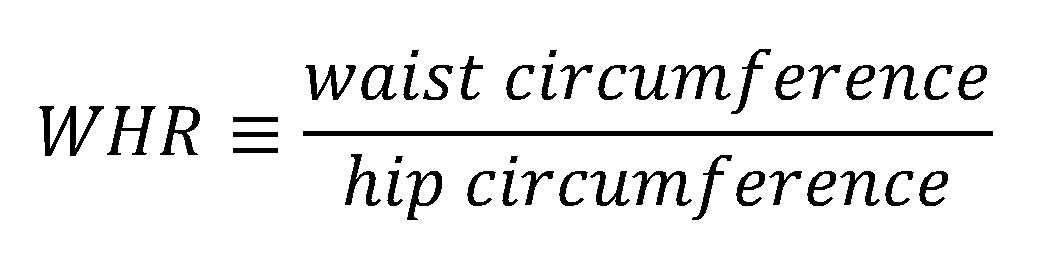
Want to measure your waist circumference or waist-hip ratio at home? Wrap a tape measure around your natural waist (the point where your side creases when you bend sideways) and – if you’re measuring WHR – the widest part of your hips and record the measurements. If you don’t have a flexible tape measure at home, you can also wrap a string around your body so it’s snug but not tight, mark the point on the string and then measure the string with a hard ruler or meter stick.
Function
Last but not least, function is an important indicator of health & weight status. Like previous measurements on this list, day-to-day functioning should always be viewed in combination with other data but it is a useful, holistic factor in the assessment of an individual’s overall health.
Special measures of function that are proven indicators of long-term health include:
- Walking speed
- Grip strength
- Ability to stand up unassisted (from sitting)
If you are having trouble with, or tiring easily from, day-to-day activities, it may indicate that your weight or other health problems are preventing you from reaching your full potential. Consider speaking with a doctor if your daily function is significantly impaired.
Weight Loss Options
If you or your doctor has determined that you should lose some weight, the most likely place to start is with lifestyle changes such as diet and exercise. However, if you’ve already tried losing weight on your own and have not achieved the success you hoped for, it may be time to talk to a professional.
Lifestyle Modifications
Sustainable lifestyle changes are the best weight loss option for people who are at a healthy weight or only slightly overweight, or those who have not tried losing weight previously. These changes can also benefit heavier individuals, but you or your doctor may also want to add another layer of support.
There are three main lifestyle factors that can be modified to support weight loss:
- Diet
Barring any medical conditions, what you eat is the most important factor in weight management. Focus on eating more whole foods and fewer processed foods. Choose whole grains (whole wheat pasta/bread, brown rice) over simple carbs (white bread/rice), aim for at least five servings of fruits & vegetables a day and select lean protein sources (chicken breast, lean beef, tofu, eggs) when possible.
- Exercise
Incorporating more physical activity into your daily routine will improve your health and help you lose weight. If you are not currently active, build-up slowly to 150-300 minutes per week of moderate activity (e.g. walking, leisurely biking, gardening) or 75-150 minutes per week of vigorous activity (e.g. running, swimming laps, hiking). Some research has shown that additional exercise provides even more benefits for health and weight loss.
- Rest & Relaxation
Many people think that weight loss is about doing more, but it’s also important to take time to do less. Sleep-deprived are more likely to crave unhealthy foods, and tend to have more trouble losing weight due to hormonal changes. Cortisol – the stress hormone – also triggers the body to retain fat. Therefore, it’s important to sleep for 7-9 hours most nights and do your best to manage daytime stress as you work towards weight loss.
Medical Weight Loss
If you have already tried losing weight on your own and have not achieved the results you want or need, consider speaking to your doctor about weight loss.
Your doctor may:
- Screen you for underlying medical problems
Certain medical conditions can cause dramatic weight fluctuations. If you are overweight or obese, your doctor may screen you for hypothyroidism and/or polycystic ovary syndrome – both of which can cause unwanted weight gain.
- Recommend you to a specialist
Wellness experts, such as dietitians and physical therapists, can help you establish a plan to achieve your weight loss goals faster. Your doctor can recommend helpful experts and your insurance may even cover the consultations in your primary care doctor refers you.
- Offer prescription weight loss medication
Weight loss medication such as phentermine or Qsymia can help overweight and obese patients beat cravings and lose weight faster. However, these medications cannot be taken forever and cause a wide range of side effects, so it’s important to speak with your doctor before taking these pills.
- Talk with you about weight loss surgery
A final option may be weight loss surgery. This would be the most dramatic and most permanent option, so only you and your doctor can decide whether this is a good treatment for you.
If you are concerned about your weight, consider these at-home measures of weight status and, if necessary, don’t be shy about speaking to your doctor about weight loss. He or she has a wide range of tools to help you lose weight in a healthy and sustainable way, and is also able to assess the true impact of your weight on your overall health.