

| Avaram Senna Quick Facts | |
|---|---|
| Name: | Avaram Senna |
| Scientific Name: | Senna auriculata |
| Origin | India, Sri Lanka, Nepal, Bhutan, Bangladesh, Myanmar, Thailand, Malaysia, Indonesia, Cambodia and Vietnam |
| Colors | Initially green turning to brown or tan as they mature |
| Shapes | Elongated, cylindrical, and slightly curved legume or pod measuring about 7 - 11 cm long |
| Taste | Bitter or slightly astringent |
| Major nutrients | • Anthraquinones • Tannins • Flavonoids • Alkaloids • Saponins • Polysaccharides |
| Health benefits | Digestive Health, Skin Health, Weight Management, Blood Sugar Control, Kidney Health, Liver Health, Urinary Tract Infections, Menstrual Health, Respiratory Health, Treats Constipation, Fever-Reducing Properties, Hair Care |
| Name | Avaram Senna |
|---|---|
| Scientific Name | Senna auriculata |
| Native | Wide range of countries in South Asia including India, Sri Lanka, Nepal, Bhutan, Bangladesh, Myanmar, Thailand, Malaysia, Indonesia, Cambodia and Vietnam |
| Common Names | Downy Cassia, Golden Shower Cassia, Avaram Senna, Avaram Thanneer, Ranawar Senna, Golden Cassia, Wild Senna, Kowdi Kirai, Indian Senna, Indian Laburnum, Matara Senna, Tangedi, Golden Shower Senna, Yellow Senna, Matura Kuri, Matura Sena, Tanner’s Cassia, Matara Tea Plant, Senna Flower, Avarampoo, Tanners’ Senna, Taravada, Ranawara, Avaram Balli, Ranawari |
| Name in Other Languages | Arabic: Senna (سنا), Senna Al Adhan (سنا الأذن), kasia ‘adhinia (كاسيا أذينية) Bengali: Tarubar (তরুবর) Burmese: Mangsihpang (မင်းသီးပင်), Si Mang Si Hkrei (သီမင်းသီးခြောက်), Pait-thin:hkat (Peikthingat) Chinese: Jīnhuā juémíng (金花决明), Ěr huán juémíng (耳环决明), Er ye jue ming (耳叶决明) Dutch: Auriculairsenna, Oorring Senna, Oorbelkassie English: Avaram Senna, Matara-tea, Tanner’s cassia, Matara tea, Styptic weed, Tanners’ cassia, Tarwar Hindi: Tarwar (तरवार) Filipino: Alibangbang French: Séné d’Auriculaire, Avaram German: Auriculariensenna, Auricular Senna Greek: Kassía aurikoúlata (Κασσία αυρικούλατα) Gujarati: Ranwara (રંવરા), Āvaḷa (vanaspati) (આવળ (વનસ્પતિ) Hebrew: Senna auriculata (סנה אוריקולטה) Hindi: Tarwar, avarum, alleetangedi, anwale, arsual, aval, avara, Avaram, avarice, avartaki, mera katangeedu, tangedu, tangeedu bark, taroda, tarwad, tarwar Indonesian: Gandarusa, Kembang Sejahtera, Kembang sepatu Irula: Aveeramaram Italian: Senna Auriculata Japanese: Indo hama oboko (インドハマオボコ), Mimisen’na (ミミセンナ) Kannada: Aavare (ಆವರೆ), Taḷipaṭa (ತಾಳಿಪಟ), Aavaru (ಆವರು), Taali Hoo (ತಾಳಿ ಹೂ), Āvakire (ಆವಕಿರೆ) Konkani: Tarvad (टारवड) Korean: Senna ou (센나 오우) Malay: Pokok Kucing, Pokok kelor Malayalam: Aavara (ആവാര), Paanni (പാന്നി), Puvaram poo (പുവരംപൂ), Aaveeram (ആവര), Avaram, Avarampoovu, Aviram, Ponnavara, Uorathakara Marathi: Tarwad (तरवड), Tarawad (तरावड), Tarod (तरोड) Myanmar: Peikthingat Nepali: Tārāgurja (तारागुर्ज) Odia: Ghaghu (ଘାଘୁ), Tenda (ଟେଣ୍ଡା) Portuguese: Senna Auriculada, Avúl Punjabi: Aavara (ਆਵਰਾ), Avari (ਅਵਰੀ) Russian: Aurkulyarnaya senna (Ауркулярная сенна), Senna ushastaya (Сенна ушастая), Senna indiyskaya (Сенна индийская) Sanskrit: Arka (अर्क), Avartaki (अवर्तकि), Svarnapatti, Rajavriksha Sinhala: Kohombaṭa (කෝඹට), Koṣ (කොස), Avara (අවරා), Pola (පොල), raṇavarā (රණවරා) Somali: Iyo Spanish: Senna Auriculada Swahili: Mti Wa Kupaka, Mkoza, Mlonge wa masikio Tagalog: Sensa Tamil: Aavaram (ஆவாரை), Konrai (கொன்றை), Aavaram Senna (ஆவாரம் சென்னா), Avarai, Avaram (ஆவாரை), Ranawara Telugu: Tangedu (తంగేడు), Tangedu Kaaya (తంగేడు కాయ), Merakatangedu, Merikatangaru, Merka tangedu, Tamgedu (తంగేడు), Tangar, Tangedu, Tangera, Tanghedu Thai: Takhrai (ตะไคร้), Takhrai Chai (ตะไคร้ชัย), Bai marum (ใบมะรุม) Turkish: Kulaklı senna Urdu: Tarwar (تڑوار), Avari (اوڑی), Tarood Vietnamese: Trinh Nữ Hoàng Cung, Rau màu đỏ |
| Plant Growth Habit | Much branched large shrub or small tree |
| Growing Climates | Dry deciduous forests, scrublands, grasslands, roadside verges, agricultural fields, coastal areas, woodland and wooded grassland, dry regions and tropical forests |
| Soil | Thrives best in organically rich, dry moist but well-drained soil. It can tolerate many soil types, including saline |
| Plant Size | Up to 7 meters tall. The bole can be 20cm in diameter |
| Root | Single, thick primary taproot that serves as the central anchoring structure for the plant and helps it access water and nutrients from deeper soil layers |
| Stem | Semi-woody stem that contains both soft, herbaceous tissue and some woody tissue. It is smooth and reddish brown in color |
| Bark | Greenish or brownish-green and is relatively smooth when young turning to rougher slightly fissured or scaly appearance |
| Leaf | Compound leaf containing multiple leaflets that are elongated and have an oblong or lanceolate shape with pointed tips |
| Flowering season | April to June |
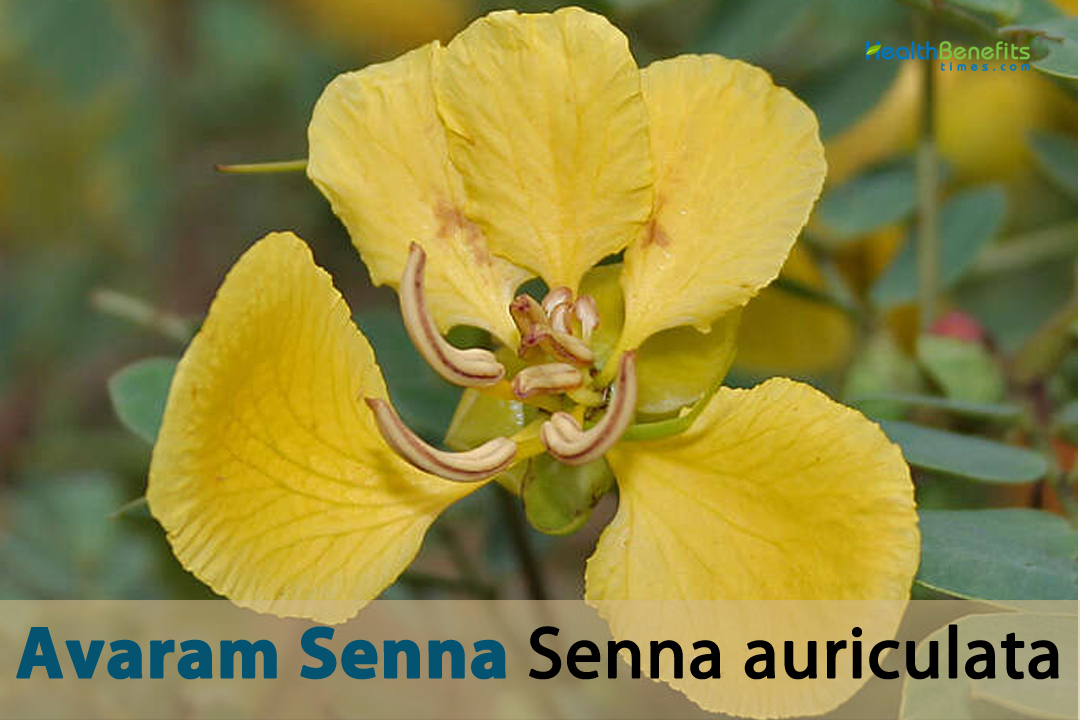
| Flower | Flowers are bright yellow having butterfly-like shape with five petals arranged in such a way that they resemble the wings of a butterfly |
| Fruit Shape & Size | Elongated, cylindrical, and slightly curved legume or pod measuring about 7 – 11 cm long and contains about 10 – 20 seeds |
| Fruit Color | Initially green turning to brown or tan as they mature |
| Fruit weight | 2 to 5 grams per pod |
| Fruit Skin | Flat and elongated, often brown or brownish-green when mature |
| Seed | Typically small, flat, and round in shape. They have a circular or disc-like appearance |
| Flavor/Aroma | Mildly floral and somewhat honey-like |
| Taste | Bitter or slightly astringent |
| Plant Parts Used | Roots, barks, leaves, flowers, seeds, gum |
| Propagation | By seeds, semi-hardwood cuttings, root division |
| Lifespan | Up to 10-15 years or even longer in the right environment |
| Season | June to August |
| Varieties |
|
| Major Nutrition |
|
| Available Forms |
|
| Health benefits |
|
Plant Description
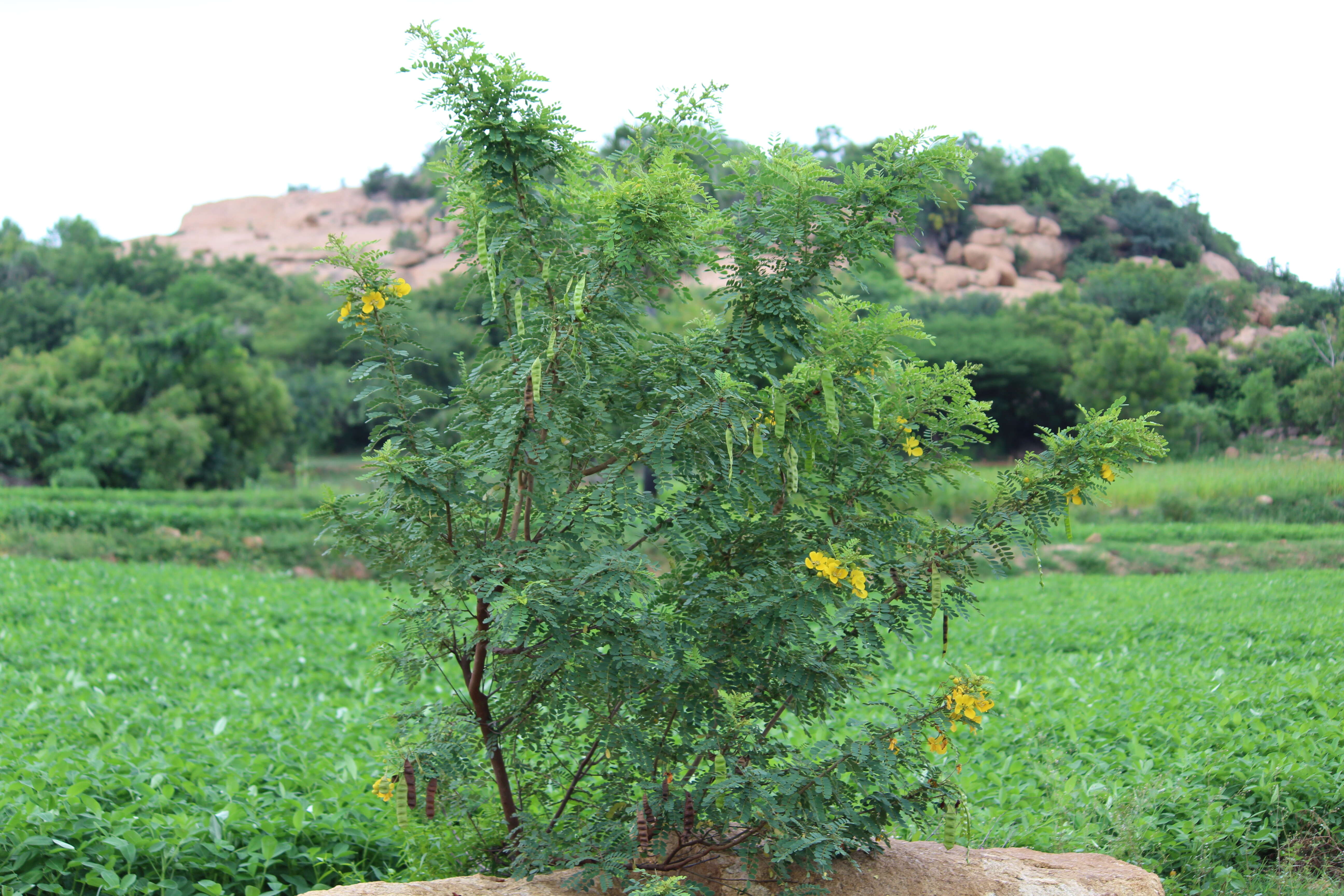
Avaram Senna is a big shrub or small tree with many branches that can grow up to 7 meters tall. The bole can be 20 cm across. Its bark is a smooth, cinnamon-brown color, and its branchlets are very rough. This plant grows in dry deciduous forests, scrublands, grasslands, roadside edges, farmland, coastal areas, woodlands and wooded grasslands, dry areas, and tropical forests. The best soil for it is one that is dry, wet, but well-drained. It can grow in a lot of different types of soil, even salty ones. It is a plant that can be used for many things, including making food and drugs and supplying a wide range of goods. The southern part of India used to get a lot of tannins from it. People grow the plant in India, Ghana, and Tanzania, and it is often grown just for looks.
Decoctions made from the root are used to treat fevers, diabetes, urinary tract problems, and constipation. The leaves can help you go to the bathroom. For people with diabetes, the dried flowers and flower buds can be used instead of tea. People also think it makes the skin look better. If you have chronic purulent conjunctivitis, you can also put the powdered seed on your eyes. People in Africa say that the bark and seeds can help with gout, rheumatism, eye problems, herpes, and diabetes. It’s a nitrogen-fixing plant, which means that it pulls nitrogen from the air and puts it into the soil. This makes the earth healthier and helps crops grow.
Appropriate growing environment for Avaram Senna
Avaram Senna is a tropical and subtropical plant commonly found in India and other parts of Asia. To cultivate Avaram Senna successfully, you’ll need to provide it with the appropriate growing environment. Here are some key considerations:
- Climate: The Avaram Senna plant does best in tropical and subtropical areas. It likes it when it’s between 20°C and 35°C (68°F and 95°F). Even though it can handle some cold, you should keep it away from frost.
- Sunlight: It likes being in the sun. Make sure it gets at least 6 to 8 hours of strong sunlight every day. Place it somewhere that will get a lot of sunshine.
- Soil: Avaram Senna likes dirt that drains well. It works best with sandy loam or loamy soil that has a lot of organic matter in it. Around 6.0 to 7.5 is the pH range for the soil. It should be slightly acidic to neutral.
- Watering: Once it’s established, Avaram Senna can handle drought, but it needs to be watered often during the blooming season. Once the dirt starts to get dry, give it a lot of water. But don’t water too much, because that can cause root rot. During the dormant time, water less.
- Fertilization: During the growth season, which is usually spring and summer, you can give the plant a balanced, slow-release fertilizer. Don’t give your plants too much nitrogen, as it can help the leaves grow faster than the flowers.
- Pruning: Cut back the plant as needed to shape it and get rid of any parts that are dead or sick. Pruning can also make plants grow bushier and produce more flowers.
- Pests and Diseases: The Avaram Senna plant is usually not affected by most pests and diseases. But watch out for spider mites, mealy bugs, and aphids. If you find any bugs, get rid of them right away with the right pesticides or insecticidal soap.
- Propagation: Avaram Senna can be grown from either seeds or clippings. Most of the time, seeds work best. To get more seeds to grow, soak them in water for a few hours before planting.
- Container Gardening: If you live somewhere where winters are cold, you might want to grow Avaram Senna in a pot that you can bring inside during the winter. Make sure the jar can drain well.
- Mulching: Putting mulch around the base of the plant can help keep the soil wet, keep it at the right temperature, and stop weeds from growing.
Roots
The Avaram Senna plant usually starts to grow with a single, thick main taproot that goes deep into the ground. The taproot helps the plant get water and nutrients from lower layers of soil and acts as its main support structure. Most of the time, this main taproot is thicker and stronger than the secondary roots.
As the plant grows older, it makes a network of secondary flexible roots that grow from the main taproot. Compared to the main taproot, these secondary roots are smaller, finer, and more numerous. They cover the top layers of earth and spread out horizontally, making it easier for the plant to take in water and nutrients.
Stem
Avaram Senna is a bush with stems that are partly woody. This means that the stem has some woody tissue and some soft, grass tissue. The older the plant is, the woodier it becomes. As the plant grows older, the bark on the outside of the stem gets thicker and tougher. If the stem is older, the bark may look rough and be a slightly dark to gray background color. As the plant grows, the stem’s structure might change. Young stems are usually more bendable and green. As they get older, they get stronger and may start to feel a little like wood.
Bark
Bark changes color as it gets older. The bark on young twigs and branches is usually smooth and greenish or brownish-green. The bark gets rougher and more wrinkled as the plant ages, especially on the older stems and branches. It might start to look a little cracked or scaly. Especially when compared to the bark of older trees, the skin is pretty thin. It’s not as rough or thick as the bark on bigger trees and shrubs.
Sometimes you may see lenticels, which are small, raised spots on the bark. There are holes or pores in the bark called lenticels that let gases move between the inside of the stem and the outside world. The bark covers the whole stem and branches and follows the pattern of the stem’s branches. In older parts of the plant, it stands out more and has a rougher feel.
Leaves
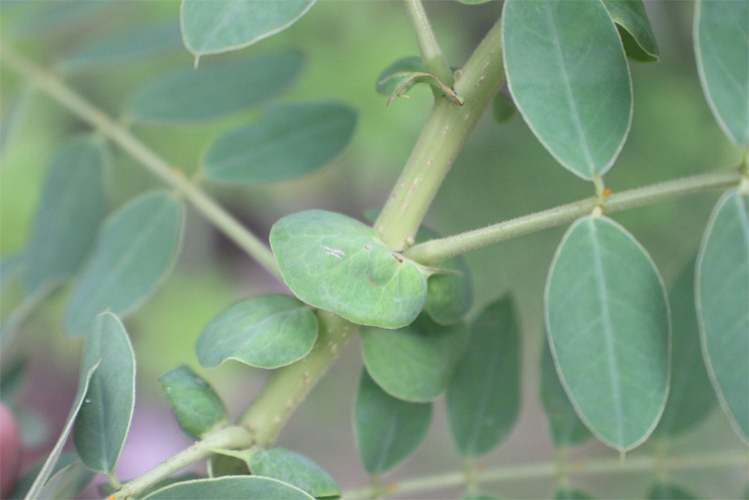
Most leaves are compound, which means that they have more than one leaflet grouped along a central stalk called the petiole. The leaves are long and have sharp points at the ends. They can be oblong or lance-shaped. There are different numbers of leaflets on each complex leaf, but they are usually between 10 and 20 or more. Along the center petiole, the leaflets are arranged in pairs. Each leaflet is pretty small. The leaflets are usually smooth and feel like leather. They are usually green, which helps the plant do photosynthesis well. The leaves have a big midrib (central vein) that runs down the middle of them. From the midrib, smaller lateral veins branch off. These lines hold the leaf together and carry water and nutrients all over the leaf.
Most of the time, the edges of the leaves are smooth, but in some types or situations, they may have small grooves or teeth along the edges. The leaflets are connected to the petiole in a way that is opposite or sub-opposite to each other. This means that they are across from each other or slightly spaced out along the petiole. Even though the leaflets can be different sizes, most of them are small to fairly large. Each leaflet is only a few centimeters long. The leaves are arranged in a way that lets them get the most sunlight, which makes photosynthesis work well.
Flowers
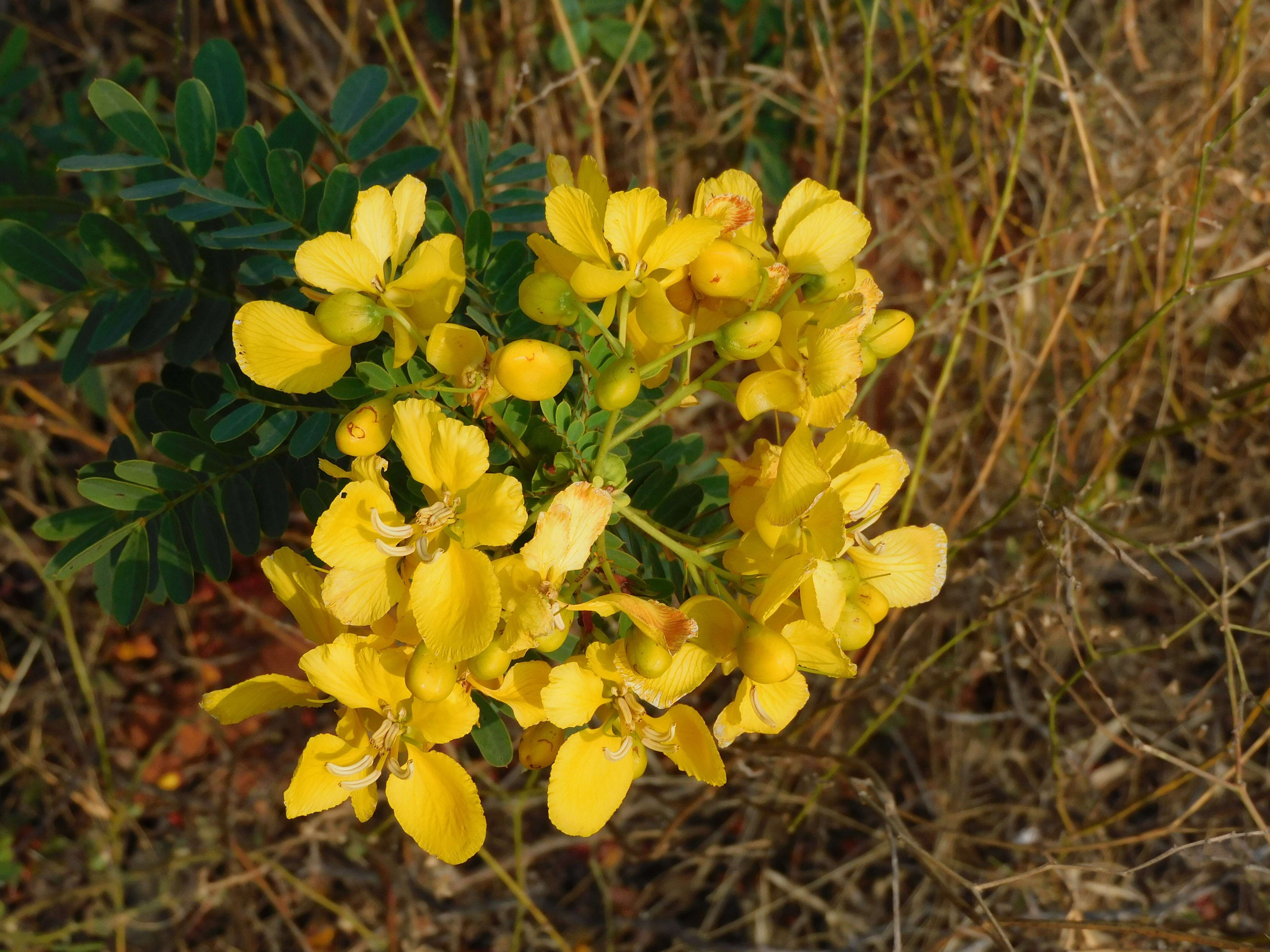
Most of the time, Avaram Senna flowers grow in groups, called racemes. A raceme is an inflorescence that doesn’t branch out and has single flowers connected to a stem in the middle. The flowers are a bright yellow color that stands out. There are five petals on an Avaram Senna flower that are grouped in a way that makes them look like butterfly wings. Usually, these petals are long and pointy, which gives the flower a unique look. Each flower has five leaves. The three smaller petals at the bottom also overlap with the two bigger flowers at the top. The shape of the butterfly wings comes from the way these petals are arranged.
Five small, green structures that look like leaves circle the base of each flower. They protect the flower bud before it opens. When the flower is in bud, the sepals usually cover the petals. Flowers have ten stamens, which are the male parts that reproduce. These stamens have threads and anthers that make pollen. The female fertile part of the flower is called the pistil. It has one thin style on top of which is a stigma, which is where mating happens. After the flower has been pollinated, the pistil makes the seed pods grow. There are dark spots on the leaves of some flowers that help the nectar get to the right spot. Pollinators, like bees and butterflies, can use these marks to find the food source inside the flower. Bees and other pollinators are drawn to flowers because they smell nice and slightly sweet.
Fruits
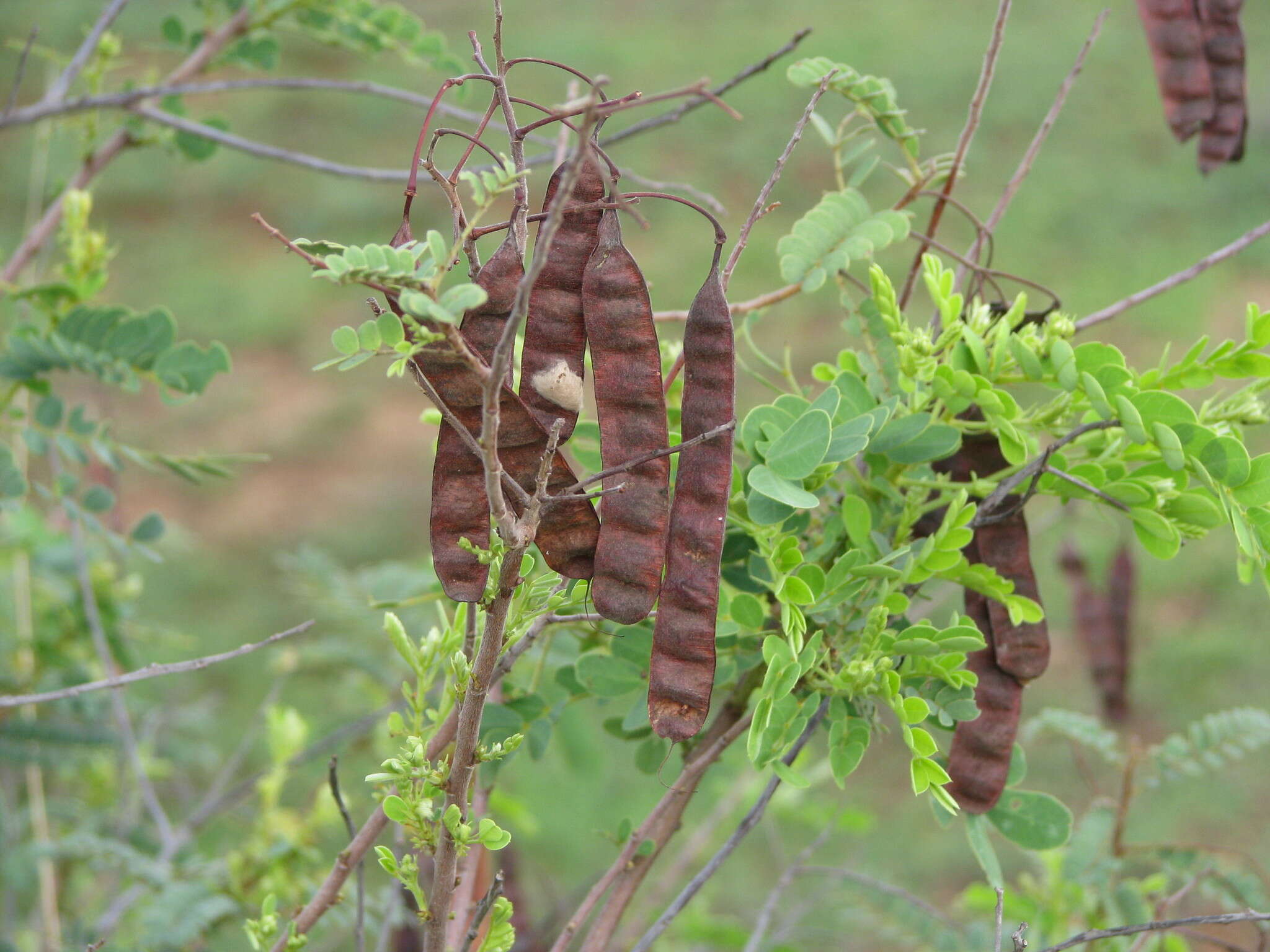
The fruit is a pod or legume. Legumes are long, pod-like structures that split open to release seeds when they are ready. It can be any length, but most of the time it’s between 5 and 10 centimeters (2 to 4 inches). The pods are long, round, and slightly curled. Their shape is thin and tube-like. Once pods are fully grown, they change color. They are green at first, but turn dark or tan as they ripen and dry. Pods are juicy and fleshy when they are young, but tough and dry when they are older. Along one side of the pod, there is a straight line or stitch. When the pod is fully grown and ready to release its seeds, this gap will show you where it will split open.
Seeds
Seeds are usually small, flat, and round. It looks like they are round or disc-shaped. A lot of the time, seeds are brown or dark brown. Although seeds come in a range of sizes, most are small, measuring between 4 and 6 millimeters (0.16 and 0.24 inches) across. The outside of seeds is usually smooth and doesn’t have any noticeable bumps or lines on it.
The seed still has a scar from where it was connected to the placenta of the fruit. This is called the hilum. The hilum is usually near the middle of the flat seed and looks like a small, slightly raised point. The seed coat, also called the seed coat membrane, is the seed’s outer layer of defense. The seed coat is very thin and smooth.
Varieties of Avaram Senna
Avaram Senna is often informally referred to by different names or descriptions based on these variations in various regions. Here are a few examples of such variations:
- Senna auriculata var. auriculata: This is the most common and well-known type of Senna auriculata. It has bright yellow flowers and the healing qualities that are typical of Avaram Senna.
- Senna auriculata var. bicapsularis: This type is distinguished by fruits that have two capsules. In some places, this fruit feature may help you tell it apart from the normal type.
- Senna auriculata var. latifolia: People can tell this type of Avaram Senna apart from other types because its leaves are bigger. Different species of leaves can have different shapes and sizes.
- Senna auriculata var. smalliana: In some places, this variation can be told apart from the normal type because its leaves and flowers are smaller.
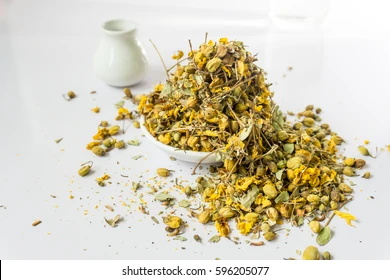 Dried-Avaram-Senna
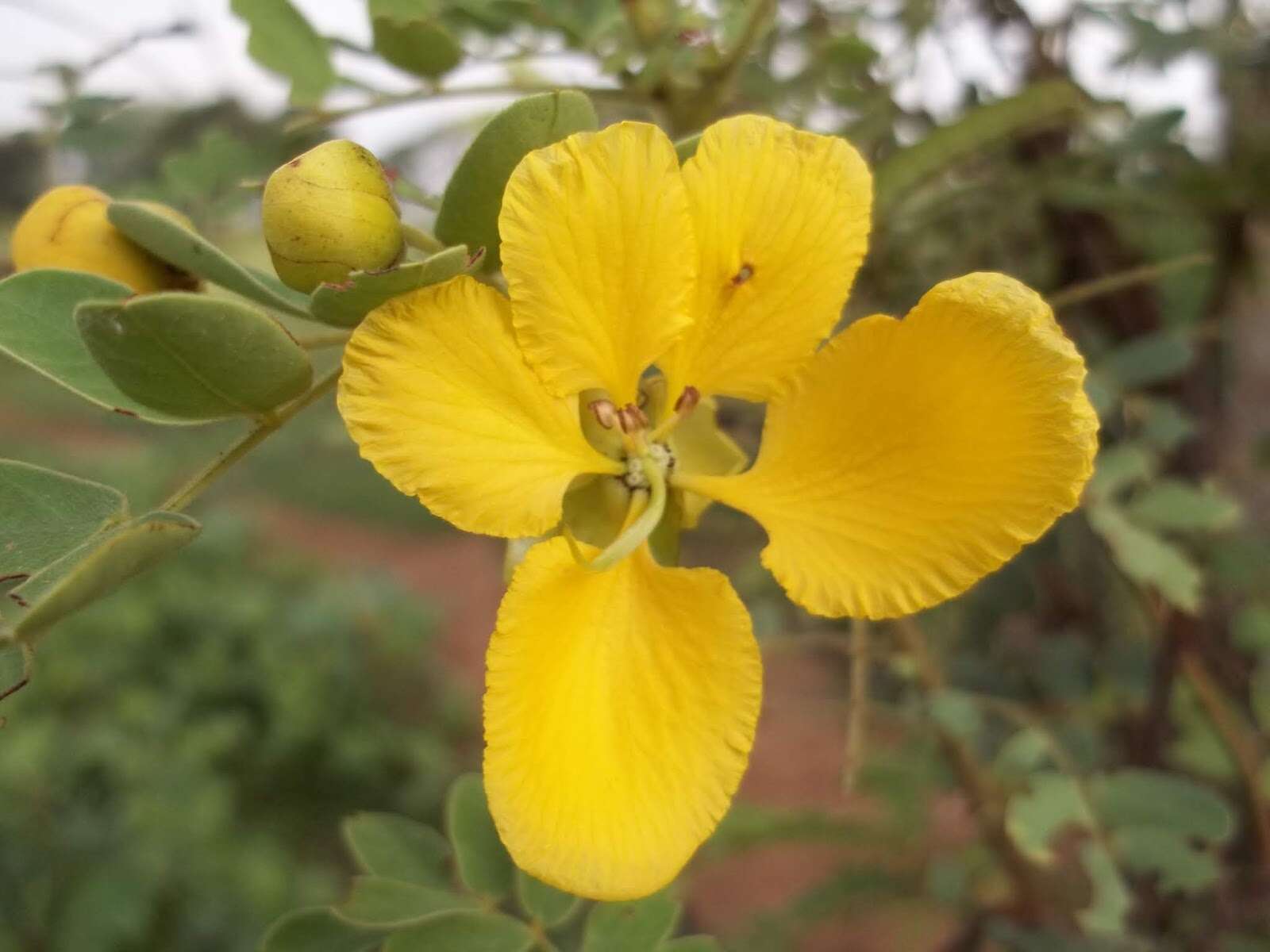 Closer-view-of-flower-of-Avaram-Senna
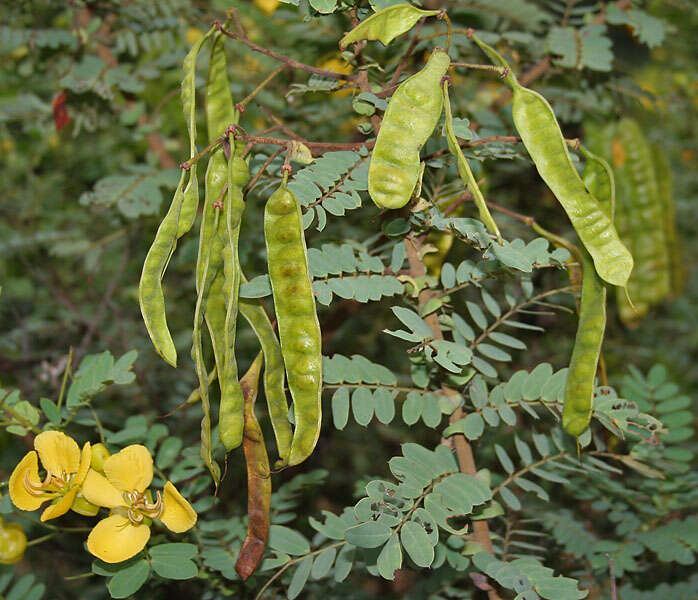 Immature-fruits-of-Avaram-Senna
 Branches-of-Avaram-Senna
 Flowers-of-Avaram-Senna
 Mature-fruits-of-Avaram-Senna
 Avaram-Senna-plant
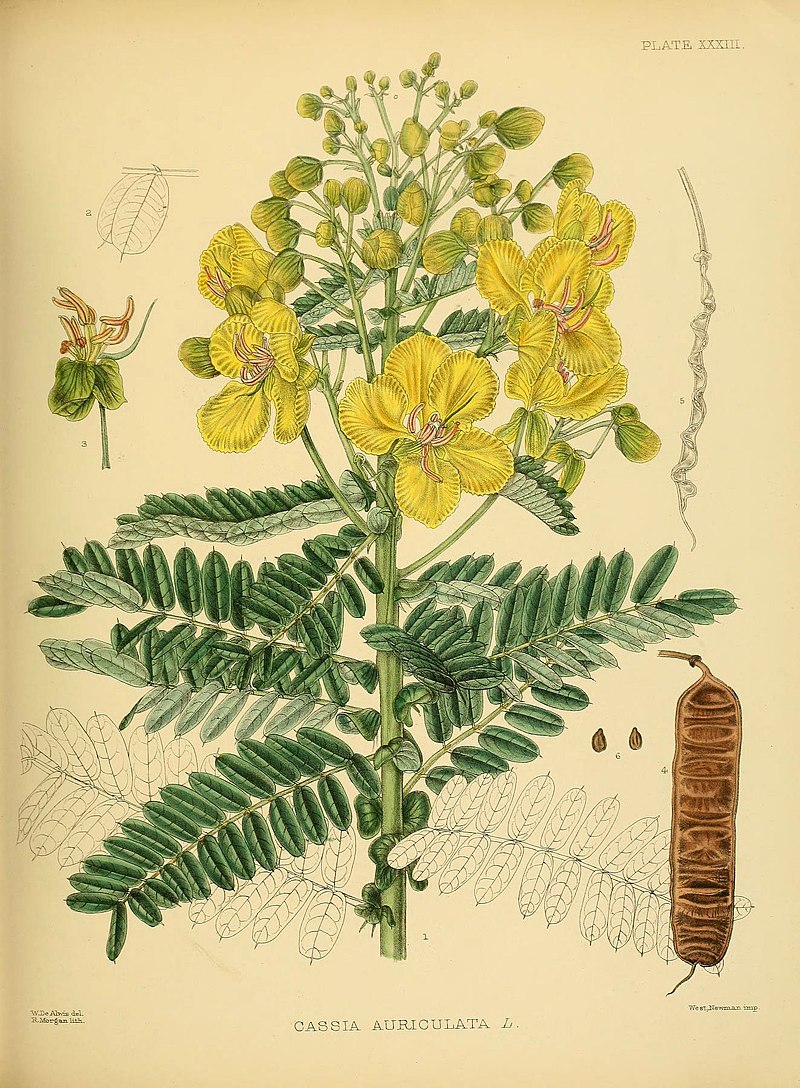 Plant-Illustration-of-Avaram-Senna
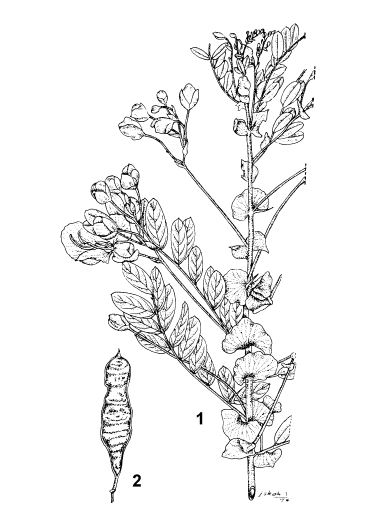 Sketch of Avaram Senna
 Avaram-Senna-plant-growing-wild
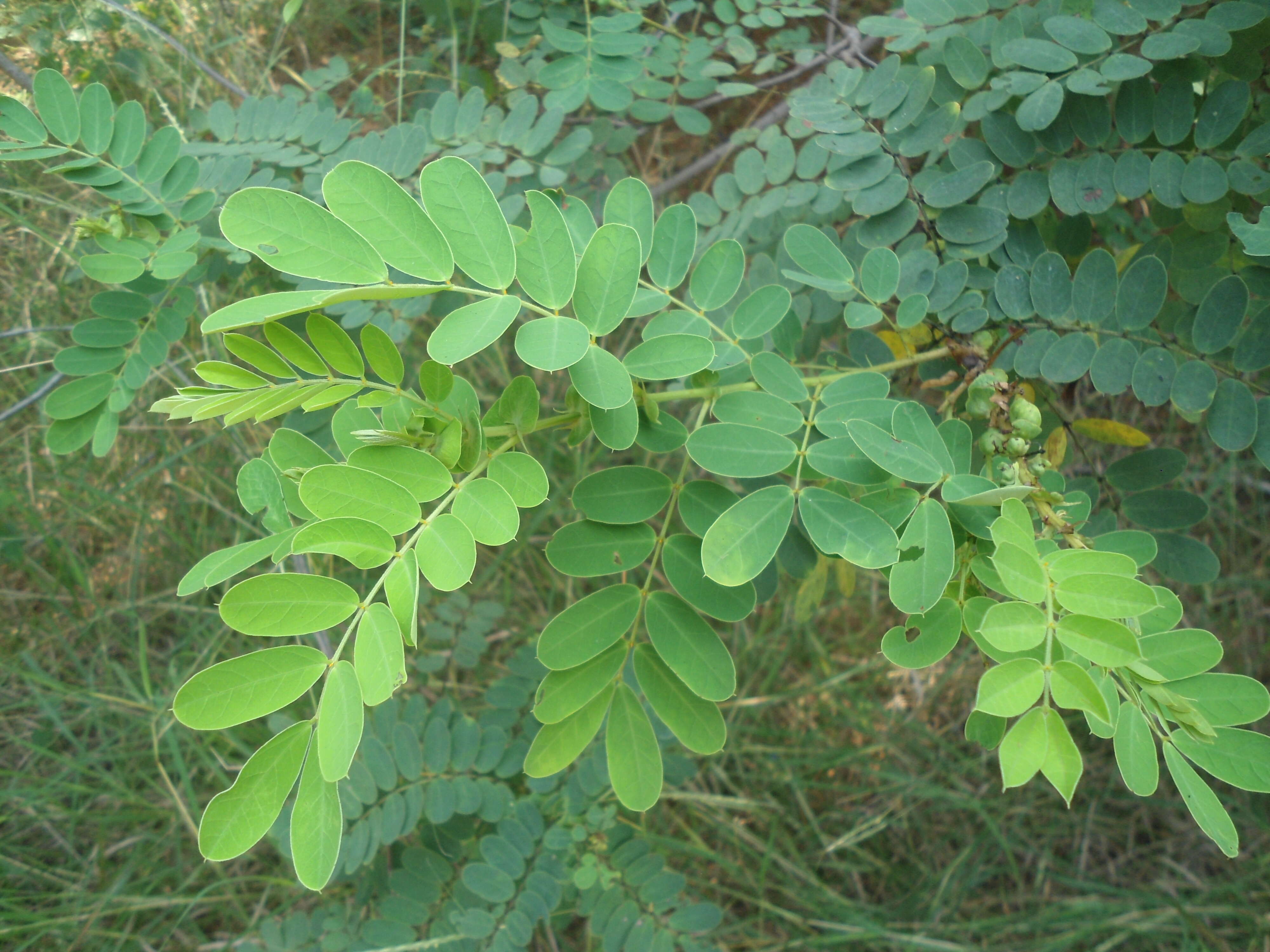 Leaves-of-Avaram-Senna
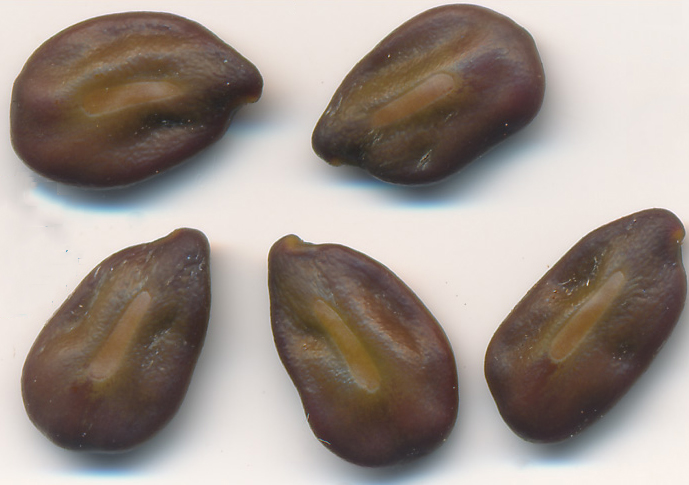 Seeds-of-Avaram-Senna
Health benefits of Avaram Senna
Avaram Senna, scientifically known as Senna auriculata has been traditionally used in Ayurvedic and Siddha medicine systems for its various health benefits. Here are some detailed health benefits of Avaram Senna:
1. Diuretic Properties
Some people know that Avaram Senna can help you pee more by making you pee more. People who have swelling or high blood pressure may benefit from this because it helps get rid of extra fluid and lowers blood pressure respectively.
2. Detoxification
The laxative and diuretic qualities of Avaram Senna can help the body get rid of toxins and waste by flushing them out of the digestive and urinary tracts.
3. Digestive Health
Avaram Senna is often used as a weak laxative to help people who are having trouble going to the bathroom regularly. It helps soften the stool and make it easier to pass, so people who have occasional or long-term constipation can use it.
4. Anti-Inflammatory
Some studies show that Avaram Senna might be able to reduce inflammation, which could be helpful for people with inflammatory diseases like arthritis or inflammatory bowel disease.
5. Antioxidant Activity
Antioxidants, such as flavonoids and tannins, found in the plant can help protect cells from the damage that free radicals do. This might be good for your health and well-being in general.
6. Skin Health
Avaram Senna is sometimes put on the skin as a paste or a plaster to treat different skin problems. People think it has antimicrobial qualities that can help fight skin infections and speed up the healing of wounds.
7. Weight Management
Because it makes you go to the bathroom and makes you pee a lot, Avaram Senna is sometimes used in detox and weight loss programs. It may help the body get rid of extra water weight and waste.
8. Blood Sugar Control
Some research papers have shown that Avaram Senna may help keep blood sugar levels in check. But more study needs to be done in this area to find out if it works for managing diabetes.
9. Kidney Health
The diuretic effect of Avaram Senna may be good for kidney health because it helps get rid of waste through pee and lowers the risk of getting kidney stones.
10. Anti-Aging
By fighting free radicals, which can cause wrinkles and fine lines, the antioxidants in Avaram Senna may help keep the skin from falling out too soon.
11. Liver Health
It’s possible that Avaram Senna is good for liver health because it helps the liver get rid of toxins and clean itself out. This might help the liver work better in general.
12. Urinary Tract Infections (UTIs)
Avaram Senna can make you pee more because it is a diuretic. This may help get rid of harmful bacteria in the urinary system. This might help keep urinary tract infections away or make them easier to deal with.
13. Menstrual Health
Avaram Senna is sometimes used to help women with their periods and keep their cycles regular. It can also help women who have trouble going to the bathroom during their periods because it has mild laxative properties.
14. Respiratory Health
People who practice traditional medicine have used Avaram Senna to ease the signs of lung diseases like asthma and bronchitis. People think it can help clear mucus out of the lungs by making you cough.
15. Antimicrobial Properties
Some pathogens can’t grow in Avaram Senna, which means that it might be able to help with mild infections, like skin infections, when applied directly.
16. Treats Constipation
Avaram Senna is a good way for both adults and children to avoid constipation. This means that this flower naturally helps people who are constipated because it is a cleanser. If you have trouble going to the bathroom and haven’t found a natural solution that works for you, keep drinking tea made from Avaram senna flower. You will notice change right away. Just the way it is, Avaram Senna Flower Tea helps the process of making bowel movements easier. If you have trouble going to the bathroom, drinking tea every morning can help. Tea is a great cleanser.
17. Antipyretic (Fever-Reducing) Properties
In some countries, Avaram Senna has been used for a long time to bring down fevers. It might help bring down body temperature when you have a fever.
18. Anti-Cancer Potential
Some preliminary research shows that chemicals found in Avaram Senna may have the ability to fight cancer, especially breast and cervical cancer cells. But more in-depth study is needed in this area.
19. Hair Care
Some people use Avaram Senna as a natural hair conditioner to make their hair smoother and help it grow. When put on the head, it’s thought to make hair follicles stronger and get rid of dandruff.
20. Anti-Anxiety and Relaxation
Avaram Senna is sometimes used as a light sedative or relaxant in traditional herbal medicine. This can help lower stress and make you feel calmer.
Culinary uses of Avaram Senna
Avaram Senna has culinary uses, particularly in certain South Indian cuisines. Here are some culinary uses of Avaram Senna:
- Flavoring Agent: Avaram Senna flowers are sometimes added to South Indian food to make it taste better. They can be used to add a light floral scent to recipes like biryani or rice pilaf.
- Tea: You can make plant tea with Avaram Senna flowers and leaves. People in South India often drink this tea because they think it is good for them in many ways. You can simmer the dried flowers or leaves in hot water to make tea. If you want, you can add sugar or spices.
- Desserts: Flowers are added to some traditional Indian sweets and treats so they look nice. You can sprinkle them on top of sweets like payasam or kesari to make them look better and give them a mild floral taste.
- Floral Decorations: In Indian food, Avaram Senna flowers are sometimes used for decoration. You can use them to decorate salads and desserts or to make complicated flower designs on plates for special occasions.
- Natural Coloring: The leaves of the Avaram Senna plant can be used to color food naturally. When used in cooking, they can give food a yellowish-orange color.
- Flavor Infusion: In some regional cuisines, cooking oils or ghee are mixed with Avaram Senna flowers or leaves to give foods like rice, curries, or lentils a light herbal taste.
- Traditional Preservatives: People in the past used Avaram Senna leaves as a natural way to keep foods fresh for longer in some traditional recipes.
Different Uses of Avaram Senna
Avaram Senna is a plant that has been used for various purposes in traditional medicine and other applications. Here are some different uses of Avaram Senna:
- Hair Care: You can use the leaves of Avaram Senna to make your hair grow faster and feel better. They are often found in items for taking care of hair.
- Animal Fodder: For its nutritional value, Avaram Senna is sometimes fed to animals as food.
- Natural Dye: The leaves and flowers of Avaram Senna can be used to naturally color clothes a yellow color.
- Herbal Baths: Some people put Avaram Senna flowers and leaves in their baths to make them smell nice and possibly help with skin problems.
- Water Purification: In the past, the seeds of Avaram Senna were used to clean water and make it clear.
- Ornamental Plant: People sometimes grow Avaram Senna as an ornamental plant because of its pretty yellow flowers, and it can also be used in gardening.
- Ayurvedic Face Packs: To make Ayurvedic face packs, Avaram Senna powder is sometimes mixed with other herbs. People think that these packs can help clean and refresh the face.
- Gargle Solution: When mixed with water, Avaram Senna leaves can be gargled to help sore throats and mouth ulcers feel better.
- Eye Care: In traditional medicine, an eye wash made from Avaram Senna leaves is used to clean and calm red eyes.
- Traditional Rituals: In some cultures, the flowers and leaves of the Avaram Senna plant are used as gifts in religious events and rituals.
- Natural Shampoo: You can make your own shampoo from leaves and flowers. The paste or infusion is put on the head to clean and condition the hair.
- Mouthwash: Making tea or decoctions from Avaram Senna flowers and leaves is used as a natural mouthwash to clean your teeth and improve your breath.
- Soil Improvement: As green manure, Avaram Senna plants can be grown to make the land more fertile and stable.
Side effects of Avaram Senna
Avaram Senna, like many herbal remedies, can have side effects and potential risks when used improperly or excessively. Here are some of the possible side effects associated with Avaram Senna:
- Diarrhea and Abdominal Cramps: Avaram Senna is known to help with constipation. If you eat too much of it or for a long time, it can cause diarrhea, cramps in your stomach, and a lot of bowel movements.
- Dehydration: If you take Avaram Senna and have frequent diarrhea, you could become dehydrated if you don’t drink enough fluids to make up for the fluid loss.
- Electrolyte Imbalance: If you use Avaram Senna as a laxative for too long or too often, it can throw off the body’s balance of fluids, which can cause you to lack minerals like potassium.
- Dependence: People who use Avaram Senna on a daily basis to help them go to the bathroom may become dependent on it, which means their digestive system needs it to work properly.
- Stomach Irritation: Some people who take Avaram Senna may get stomach pain, feel sick, or throw up after taking it.
- Diarrhea during Pregnancy: Women who are pregnant shouldn’t use Avaram Senna, especially in the early stages of pregnancy, because it can make the uterus tighten, which could be bad for the baby.
- Allergic Reactions: It is possible to be allergic to Avaram Senna, but it doesn’t happen very often. Itching, rashes, or swelling may be signs.
- Low Blood Sugar: Avaram Senna has been used for a long time to lower blood sugar. People with diabetes should be careful and closely watch their blood sugar levels while using it.
- Drug Interactions: While taking Avaram Senna, some medicines, like diuretics and heart medicines, might not work as well or cause problems when mixed together.
- Excessive Weight Loss: Too much and long-term use of Avaram Senna to lose weight can sometimes cause unhealthy weight loss and nutritional deficits.
References:
https://www.itis.gov/servlet/SingleRpt/SingleRpt?search_topic=TSN&search_value=820809#null
https://npgsweb.ars-grin.gov/gringlobal/taxon/taxonomydetail?id=313459
https://pfaf.org/User/Plant.aspx?LatinName=Senna+auriculata
https://www.nparks.gov.sg/florafaunaweb/flora/6/1/6126
https://en.wikipedia.org/wiki/Senna_auriculata
http://www.flowersofindia.net/catalog/slides/Tanner’s%20Cassia.html
https://indiabiodiversity.org/species/show/231118
https://plantingman.com/avaram-senna-auriculata-herb-garden/
https://tropical.theferns.info/viewtropical.php?id=Senna+auriculata
http://www.flowersofindia.net/catalog/slides/Tanner’s%20Cassia.html