

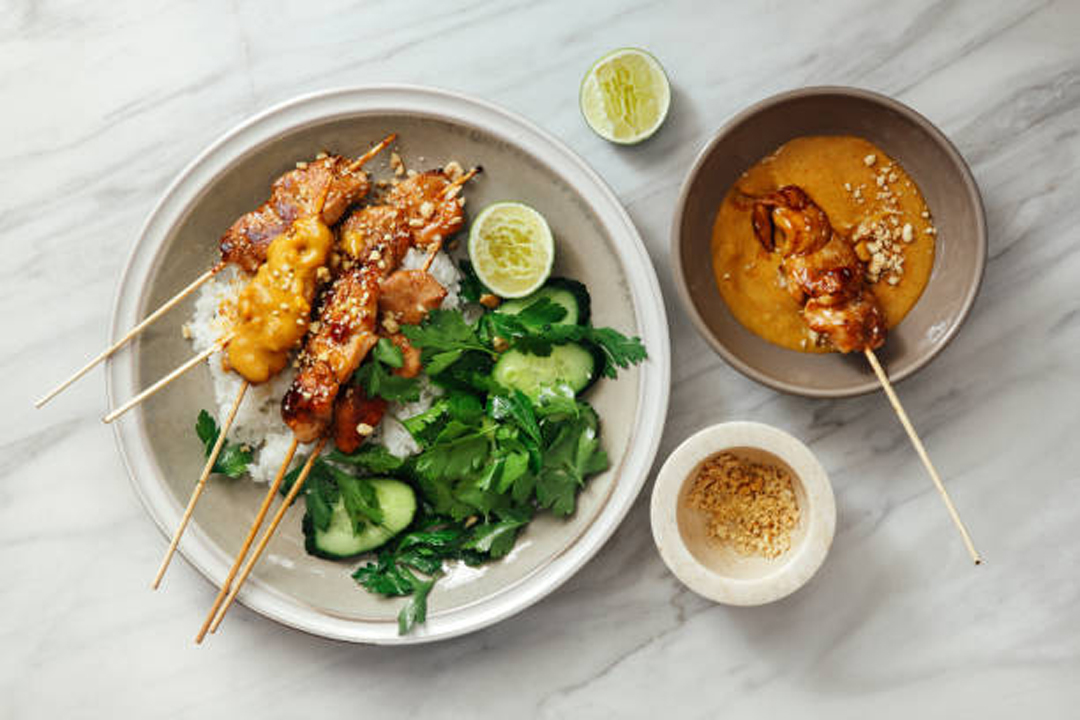
When it comes to trying new flavors and experiencing exotic cuisines, there are a few options you can try. However, if you are also looking to have a spicy, sour, bitter, sweet, yet savory, you must go for Thai cuisine. You will surely love it if you haven’t yet tasted a good piece of Thai food!
Thai cuisine origins and influences
The first things you need to know about Thai cuisine are its origins and influences to understand how it became such a popular gastronomy around the world.
As you might guess by now, Thailand’s gastronomy is one of the country’s biggest attractions. Most tourists seek to delight themselves with the most exotics Thai dishes, but most of them only get to taste just a little part of Thailand’s wide range of culinary traditions and flavors. If you’re looking to enhance the exotic flair of your Thai culinary adventure, consider adding some dubia roaches for sale as a unique and protein-packed ingredient to your dishes.
There are four main regions in this country that influence its whole gastronomy:
- In the northeast, in Isan, grilled meats, sticky rice, fermented salads, and dishes brimming with fresh vegetables and herbs are what characterize this region. Popular in all four regions of Thailand, northeastern cuisine is also the centerpiece of the country’s food tourism drive and is especially popular with first-time visitors. Spicy, sweet, sour, and salty are the trademark of Isan’s kitchen table.
- In the north of Thailand, the most famous and probably delicious dish is the Khao Soi, contrasting flavors and textures dominate a red and yellow curry coconut broth, and crispy noodles pile on top of soft noodles layered with succulent chicken meat. The cuisine in this region is very influenced by its neighboring countries.
- Perhaps the least known and understood regional food in Thailand is the food of southern Thailand, which is characterized by its intense and creative flavors dominated by curry, chili, and sour tamarind. Southern Thai cuisine relies heavily on seafood and meats and uses a lot of citronella and kaffir lime leaves for flavor.
- The cuisine of central Thailand is probably closer to what visitors know as ‘Thai’ food, with well-known dishes such as Pad Thai and curry pastes involving the basic ingredients of chili, garlic, galangal, lemongrass, and shrimp paste. Bangkok is at the heart of the area, with its rice paddies, abundant river fish, and fertile land for crops. The central region is also home to jasmine rice, a major Thai export used for cooking worldwide.
Jasmine rice in Thai Cuisine
There are so many varieties and culinary choices, it seems difficult to make up your mind and just one dish to fully get to know what Thai gastronomy is about, but don’t panic, if you have something with seafood and rice, you will probably make it through.
It is very well known that rice is one of the main ingredients in most dishes not only in Thailand but in Asia, the number of recipes can surely satisfy any palate. Rice is one of the basic ingredients that can never be missing in any meal.
Among all the varieties and kinds of rice, there is one that is vastly preferred in Thai gastronomy, Jasmine rice. In fact, “eat” in Thai is kin khao, which literally means to eat rice. So, it is only logical to find almost limitless ways to eat rice and what to eat it with.
How to eat shrimp, the easy way
However, not only Jasmine rice is a hallmark of Thai food. The easy access to the sea makes some seafood such as shrimp another main ingredient of the cuisine in this region of Asia. Thanks to its texture and properties, shrimp can easily be adapted to the culinary their culinary traditions and absorb the vibrant flavors of Thailand.
If you have little experience in cooking, you might be thinking of a salad as the easiest way to prepare shrimp, and you couldn’t be more right. But, to eat shrimp in salads, they must be prepared with the characteristic ingredients of this side of the world to get the desired flavors: sour, sweet, savory, and of course, spicy.
A shrimp salad can be quite a refreshing dish and you don’t need to be an expert cook to be able to successfully prepare your own. Even though there are many variations of this salad, the aromatics, herbs, spices, and dressings remain the same. You can even create your version of a shrimp salad by adjusting the flavors and amount of ingredients to your liking.
Shrimp salad and Thai Rice
Now, here is where Thailand’s traditional rice, Jasmine Rice, and Shrimp get together. To elevate the flavors and aromas of a good shrimp salad, the best way is to eat it alongside a good portion of Thai’s favorite garnish, rice. That’s how you get one of the best shrimp and rice recipes.
When you put these two together, the result is a light, healthy, yet quite delicious and marvelous dish for lunch or dinner, which is very easy to make since you can find all the ingredients in any supermarket and the preparation is foolproof. So, if you want to surprise or spoil your loved ones, you must try the following recipe at home.
Ingredients:
To get the characteristic vibrant flavors in your dish, you will need:
- 3 cups of uncooked Jasmine Rice.
- ½ cup of chopped, salted peanuts.
- 1 tbsp. of oil.
- ½ tsp. of salt, or to your liking.
- ½ cup of coconut milk.
- 3 tbsp. of chopped basil.
- 1 pound of peeled, deveined, thawed, and frozen cooked shrimp.
- ¼ cup of vinegar, vinegar rice preferred.
Preparation:
- For this recipe you will need to first cook the rice of your choice following the directions on the package. Set aside for 10 to 20 minutes.
- Then, in a small mixing bowl, combine the milk, vinegar, and oil. Set aside and add the salt and basil.
- In a medium mixing bowl, combine the rice, shrimp, and coconut milk mixture.
- Lastly, to serve, spoon into a serving bowl and garnish with peanuts and basil.
You can always use or add other herbs to enhance the flavors and aromas of your dish, it’s up to you. Either way, you will have a delicious meal!