Health Benefits
    Facebook Twitter Instagram
    Friday, December 5
    Facebook Twitter Pinterest
    Health Benefits
    • Home
    • Dental Health
    • Mental Health
    • Weight Loss
    • Health Wiki
    • Nutrition
    • Healthy Recipe
    • BMI Calculator
    Health Benefits
    Home»Herbs and Spices»Health Benefits of Cotton Lavender
    Herbs and Spices

    Health Benefits of Cotton Lavender

    By s mSeptember 18, 2019Updated:September 18, 2019No Comments3 Mins Read
    Facebook Twitter Pinterest LinkedIn Tumblr Email

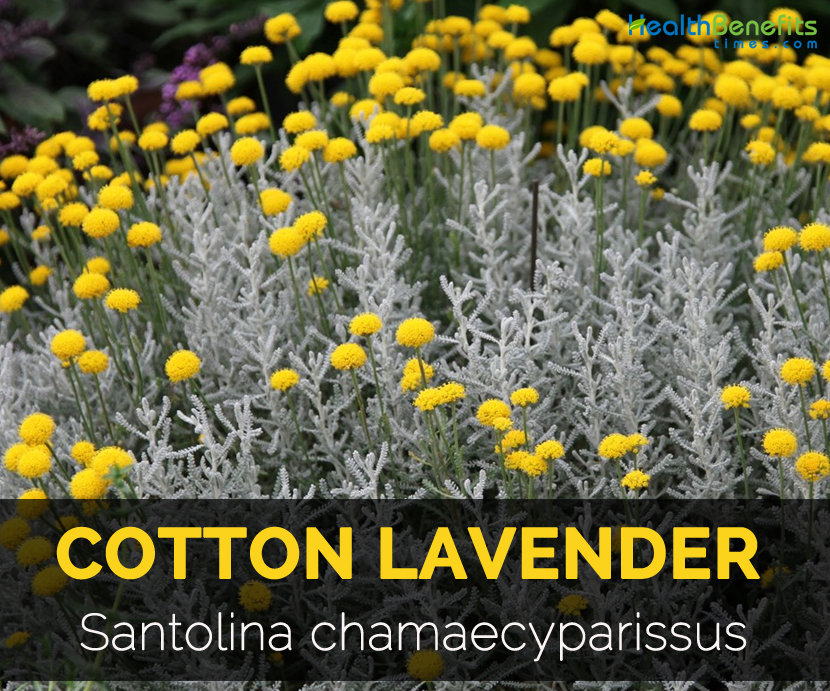
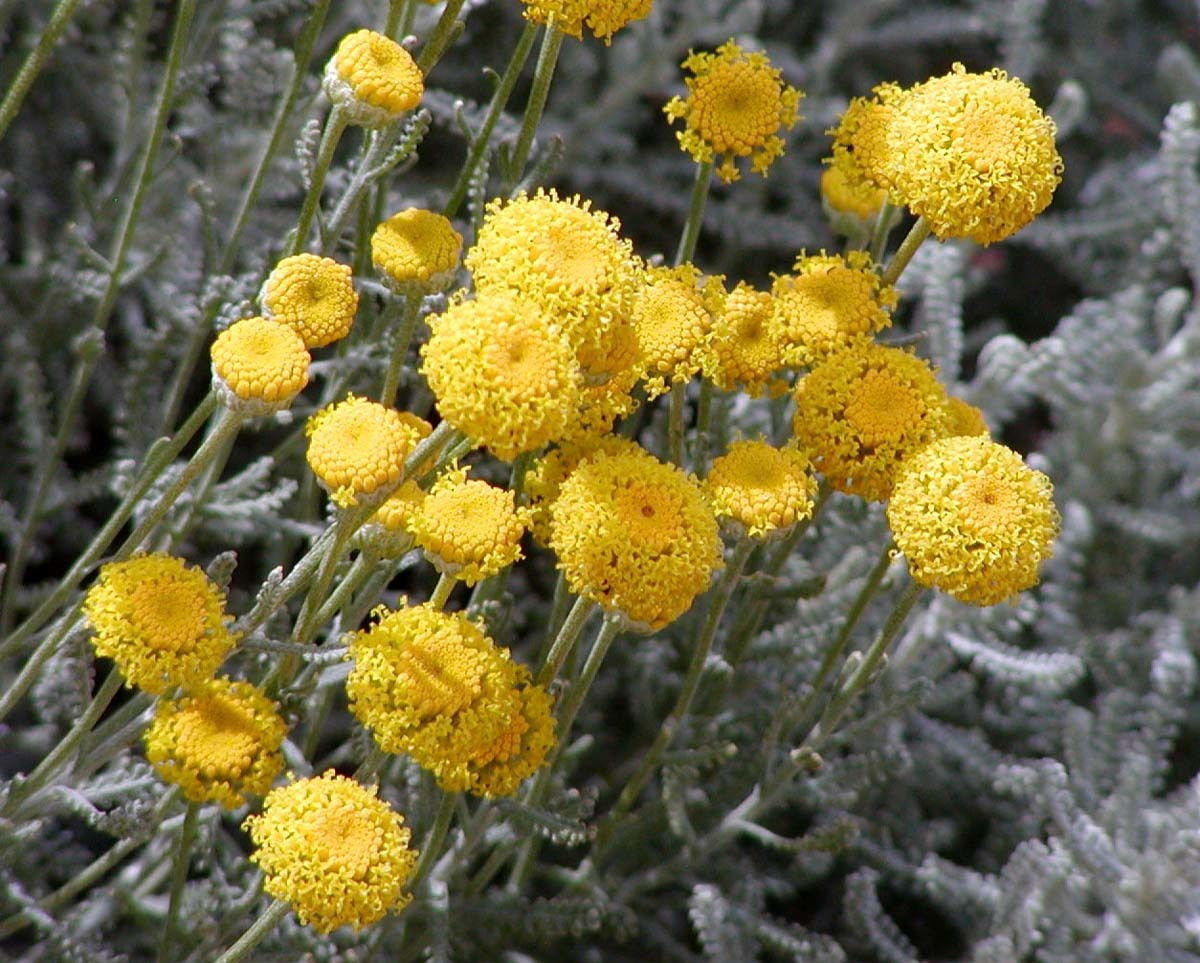
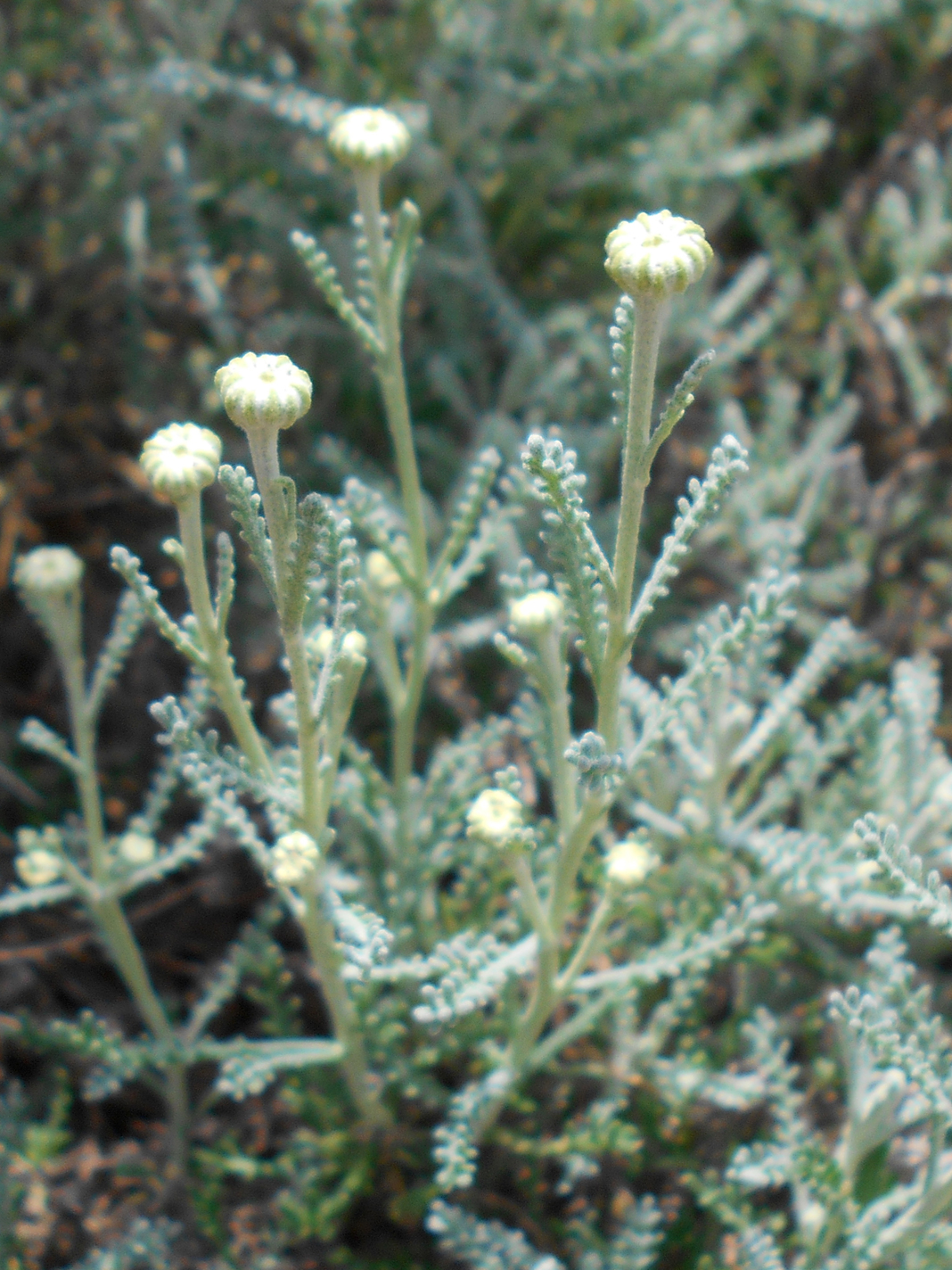
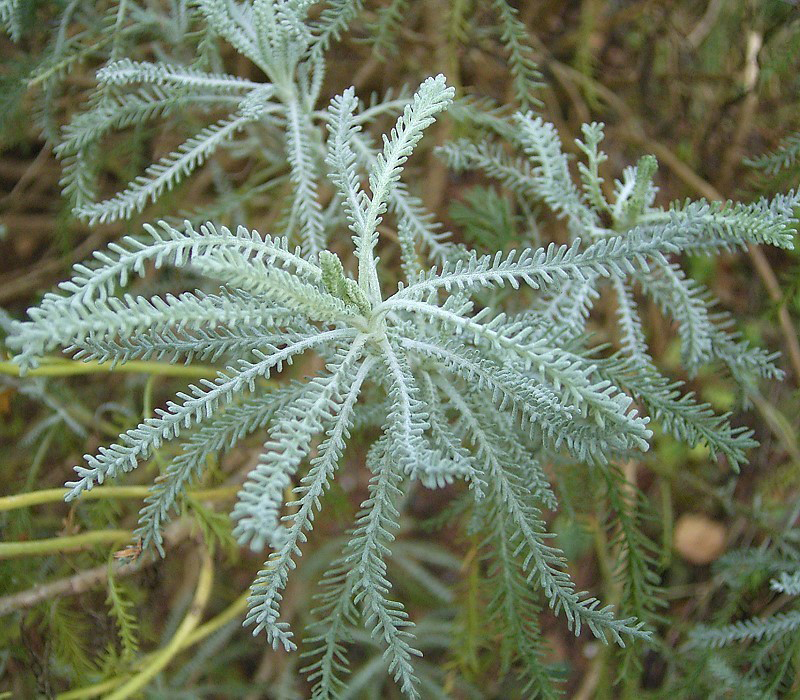
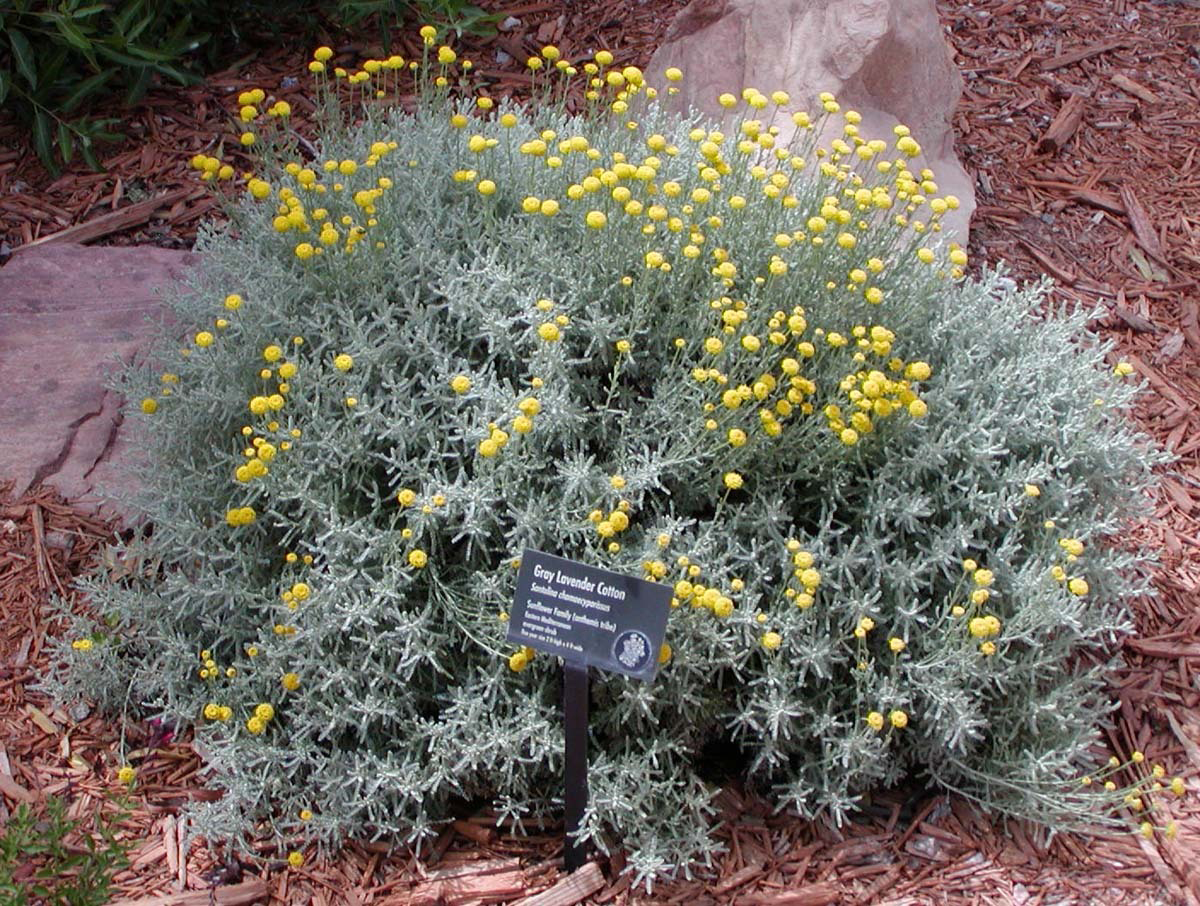
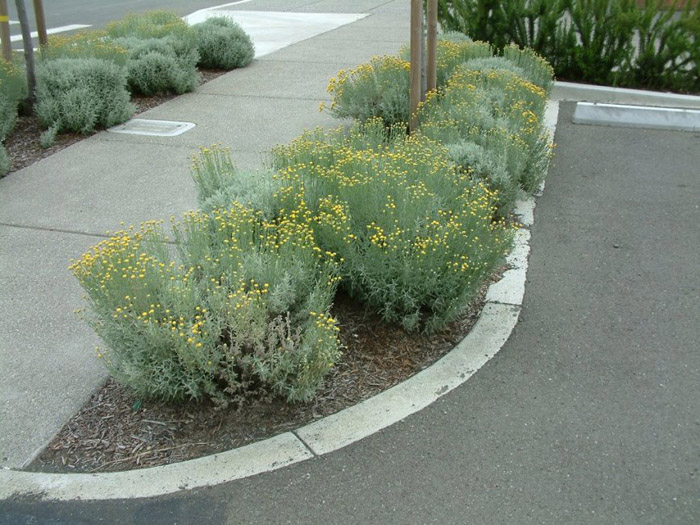
    Santolina genus belongs to family Asteraceae and is represented by more than 10 species which is widely distributed in Mediterranean area. It is an endemic species to North Africa growing naturally in forests and steppe pastures. The species is a bushy, green or ashy sub-shrub which grows to the height of 0.3 meters and spreads upto 0.4 meters. Stems are woody having floriferous branches erect in tuft, bare and thickened at apex. Leaves are pinnately divided with rough texture and musky fragrance. Lower leaves are linear-cylindrical having short and obtuse segments. Bracts are ovate to oblong. Outer corollas are tube-styled ovary. Flowerheads are yellow, discoidal and homogamous. The flowers are dried and used to make chamomile tea. Flowers bloom in early summer from May to June. Other common names for Cotton Lavender are Abrótano Hembra, Cipresillo, Brótano, Fausse Sanguenitte, Guardarropa, Garde-Robe, Lavande-Coton, Santolina, Santolina chamaecyparissus, Santoline Argentée, Santoline and Santoline Blanche.

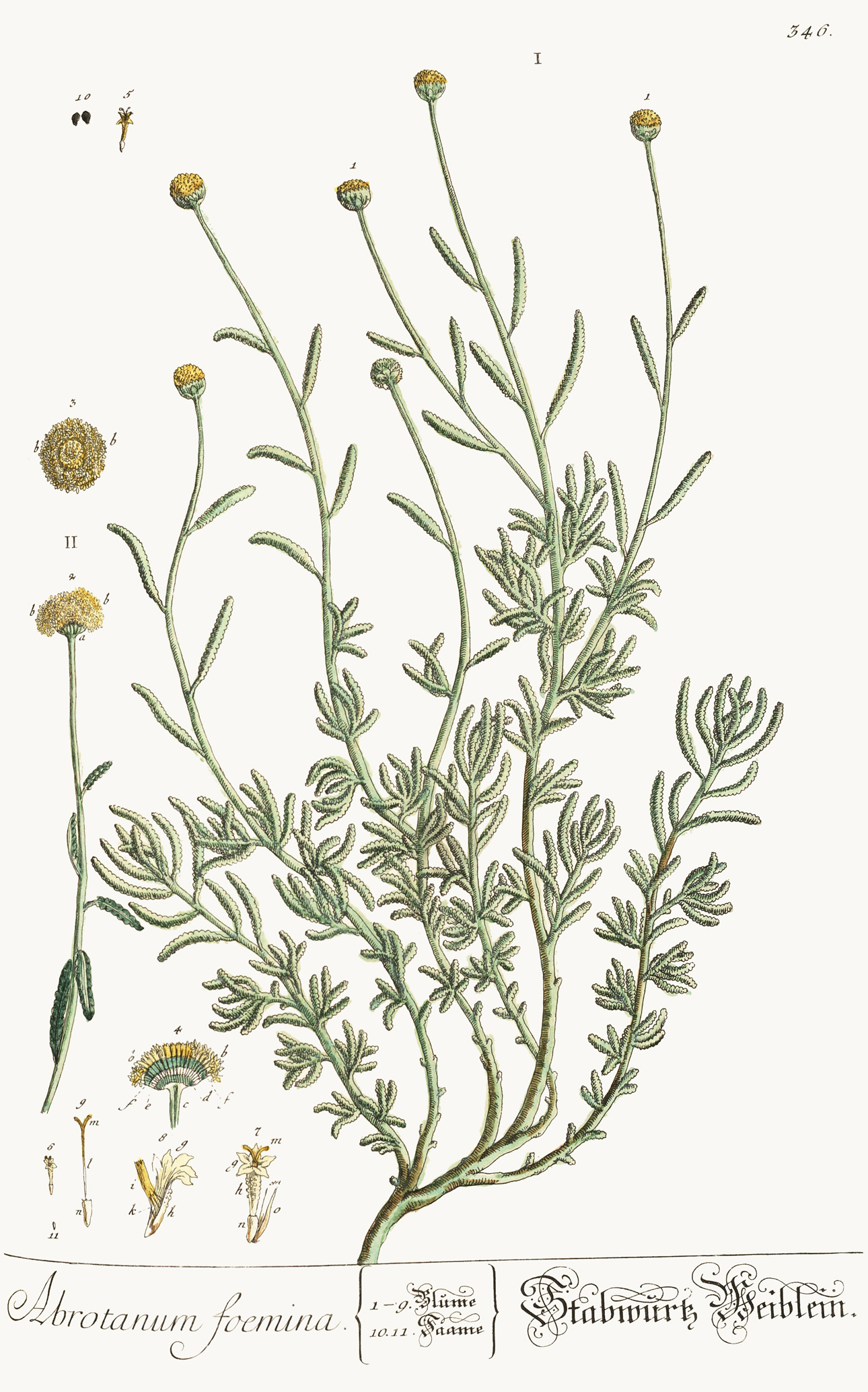
    Cotton-Lavender-bloom Cotton-Lavender-flower-buds Cotton-Lavender-leaves Cotton-Lavender-plant Cotton-Lavender-plantation Plant-illustration-of-Cotton-Lavender
    [Show thumbnails]

    Health Benefits of Cotton Lavender

    1. Treats indigestion

    Tea prepared from Cotton Lavender is helpful for those experiencing indigestion. The intake of herbal tea promotes the production of digestive juices and enzymes and provides relief from upset stomach effectively.

    1. Alleviate jaundice

    Jaundice refers to yellowing of skin as well as conjunctiva of eyes-the mucous membrane which covers peepers. It is a common symptom associated to liver. Traditional healers use Cotton Lavender for jaundice.

    1. Ease muscle spasms

    Women are bothered by PMS few days before their monthly period arrives. Add Cotton Lavender to manage one of the pesky nuisances that PMS brings i.e. muscle spasms. It also helps with bloating.

    1. Relief from joint inflammation

    Apply the pounded aerial parts of Cotton Lavender on joints to ease pain and inflammation. It is also effective for dealing with muscles which feels sore and achy.

    1. Prevent insect bites

    The pounded aerial parts of Cotton Lavender acts as insect repellant due to the strong odor that they emit when pounded.

    Traditional uses

    • Use it internally as a vermifuge or treating poor indigestion and menstrual problems.
    • Apply finely grounded to the insect stings or bites to ease pain.
    • Apply it to the wounds to hasten healing process by promoting the formation of scar tissue.
    • It lowers inflammation and also promotes digestion.
    • It stimulates menstrual problems and also expels intestinal parasites.

    • Stimulates uterus (menstrual problems), liver (jaundice), expel intestinal parasites
    • Use it externally as a wash for stings, skin inflammation, minor wounds, scab and ringworm.
    • Rub the herb for rheumatism and painful joints.

    Culinary uses

    • Use the aromatic leaves for sauces, broths and grain dishes.
    • Use it to flavor meat and fish dishes, soups and sauces.

    Precautions

    • The leaves cause a severe rash on sensitive skins.
    • Avoid the use by children and pregnant women.
    • Lavender cotton is toxic in cases of pregnancy and suckling, might result abortion.

    References:

    https://www.itis.gov/servlet/SingleRpt/SingleRpt?search_topic=TSN&search_value=38354#null

    https://pfaf.org/user/plant.aspx?latinname=Santolina+chamaecyparissus

    https://www.missouribotanicalgarden.org/PlantFinder/PlantFinderDetails.aspx?taxonid=277227&isprofile=0&

    https://en.wikipedia.org/wiki/Santolina_chamaecyparissus

    http://www.naturalmedicinalherbs.net/herbs/s/santolina-chamaecyparissus=cotton-lavender.php

    http://www.herbgarden.co.za/mountainherb/herbinfo.php?id=54

    https://www.botanical-online.com/en/medicinal-plants/lavender-cotton-properties

    https://www.healthybuilderz.com/medicinal-benefits-lavender-cotton/

    74%
    74%
    Awesome

    Comments

    comments

    C Herbs and Spices
    Share. Facebook Twitter Pinterest LinkedIn Tumblr Email
    Previous ArticleFacts about Bear’s Breeches
    Next Article Moving Forward – The Road To Sobriety & A Life Free Of Alcohol Addiction

    Related Posts

    Uses of Monkey Pitcher plant

    April 16, 2024

    Traditional uses and benefits of Wild Marigold

    March 21, 2024

    Traditional uses and benefits of Drooping fig

    March 12, 2024

    Comments are closed.


    Cotton Lavender Quick Facts
    Name: Cotton Lavender
    Scientific Name: Santolina chamaecyparissus
    Origin Mediterranean area (southern Europe and northern Africa)
    Name Cotton Lavender
    Scientific Name Santolina chamaecyparissus
    Native Mediterranean area (southern Europe and northern Africa)
    Common/English Name Lavender cotton, Gray santolina
    Name in Other Languages German: Zypressenkraut;
    English: Lavender cotton, Cotton lavender;
    Swedish: Grå helgonört
    Plant Growth Habit Semi-woody, tender sub-shrub
    Soil Poor to moderately-fertile, well-drained soil
    Plant Size 2 feet tall, 3 feet wide
    Stem Woody
    Leaves Pinnately divided, grey-green
    Flowering Season Summer (July to August)
    Flower Bright yellow, 3/4-inch wide

    Cotton Lavender Scientific Classification

    Scientific Name: Santolina chamaecyparissus

    Rank Scientific Name & (Common Name)
    Kingdom Plantae  (Plantes, Planta, Vegetal, plants)
    Subkingdom Viridiplantae (Green plants)
    Infrakingdom Streptophyta (Land plants)
    Superdivision Embryophyta
    Division Tracheophyta  (Vascular plants, tracheophytes)
    Class Magnoliopsida
    Order Asterales
    Family Asteraceae  (Sunflowers, tournesols)
    Genus Santolina L. (Lavender cotton)
    Species Santolina chamaecyparissus L. (Lavender cotton)
    Synonyms
    • Abrotanum foemina Garsault
    • Athanasia squarrosa (L.) L.
    • Oedera squarrosa (L.) Anderb. & K.Bremer
    • Relhania latifolia Compton
    • Relhania recurva DC.
    • Relhania squarrosa (L.) L’Hér.
    • Relhania squarrosa var. brevifolia Harv.
    • Relhania squarrosa var. squarrosa
    • Santolina brevicaulis Jord.
    • Santolina brevidentata Stokes
    • Santolina brevifolia Jord. & Fourr.
    • Santolina chamaecyparissus f. chamaecyparissus
    • Santolina chamaecyparissus subsp. chamaecyparissus
    • Santolina chamaecyparissus var. chamaecyparissus
    • Santolina chamaecyparissus var. mariolensis O.de Bolòs & J.Vigo
    • Santolina chamaecyparissus var. ruscinonensis Rouy
    • Santolina chamaecyparissus var. teucrietorum O.de Bolòs & J.Vigo
    • Santolina chamaecyparissus var. villosissima (Poir.) DC., 1838
    • Santolina dentata Moench
    • Santolina diversifolia Jord. & Fourr.
    • Santolina ericoides hort.
    • Santolina ericoides hort. ex Poir.
    • Santolina glabrescens Jord. & Fourr.
    • Santolina homophylla Jord. & Fourr.
    • Santolina incana Poir., 1805
    • Santolina intricata Jord. & Fourr.
    • Santolina linearifolia Jord. & Fourr.
    • Santolina lobata Jord.
    • Santolina marchii P.V.Arrigoni
    • Santolina microcephala Jord. & Fourr.
    • Santolina pallida Salisb.
    • Santolina pecten Rouy
    • Santolina provincialis Jord. & Fourr.
    • Santolina rigidula Jord. & Fourr.
    • Santolina ruscinonensis Rouy
    • Santolina sericea Jord. & Fourr.
    • Santolina squarrosa L.
    • Santolina squarrosa Willd.
    • Santolina valida Jord. & Fourr.
    • Santolina villosissima Poir.
    Categories
    • Beverages (78)
    • Dairy (28)
    • Dental Health (15)
    • Equipment (5)
    • Essential OIls (196)
    • Facts (2,939)
    • Foods (255)
    • Fruits (516)
    • Giveaway (1)
    • Grains and Cereals (36)
    • Health & Beauty (763)
    • Herbs and Spices (1,249)
    • Medicines (9)
    • Mental Health (19)
    • Nutritional value (27)
    • Nuts and seeds (73)
    • Oils (81)
    • Pets (4)
    • Poultry & Seafoods (67)
    • Pulses and Beans (16)
    • Reviews (25)
    • supplement (2)
    • Vegetables (304)
    • Weight Loss (22)

    What is Lupin Bean Flour?

    Science Backed Health Benefits of Durian (Durio zibethinus)

    Science Backed Health Benefits of Feijoa (Pineapple Guava) (Acca sellowiana)

    Science Backed Health Benefits of Gac Fruit (Momordica cochinchinensis)

    Science Backed Health Benefits of Amaranth Leaves (Amaranthus spp)

    Science Backed Health Benefits of Arrowhead (Sagittaria sagittifolia)

    ABOUT
    Home
    About us
    Contact us
    Privacy Policy
    Terms & conditions
    Disclaimer
    Direct Communication
    e-mail: [email protected]
    Gmail: [email protected]
    Whatsapp: +977-9841146511
    Viber: +977-9841146511
    Useful
    Health Wiki
    Nutrition
    Facebook Twitter Pinterest
    © 2025 www.healthbenefitstimes.com All rights reserved.

    Type above and press Enter to search. Press Esc to cancel.

    ×

    Log In

    Forgot Password?

    Not registered yet? Create an Account