Health Benefits
    Facebook Twitter Instagram
    Friday, December 5
    Facebook Twitter Pinterest
    Health Benefits
    • Home
    • Dental Health
    • Mental Health
    • Weight Loss
    • Health Wiki
    • Nutrition
    • Healthy Recipe
    • BMI Calculator
    Health Benefits
    Home»Fruits»Know about the Cowa Mangosteen
    Fruits

    Know about the Cowa Mangosteen

    By s mDecember 6, 2019Updated:December 6, 2019No Comments2 Mins Read
    Facebook Twitter Pinterest LinkedIn Tumblr Email

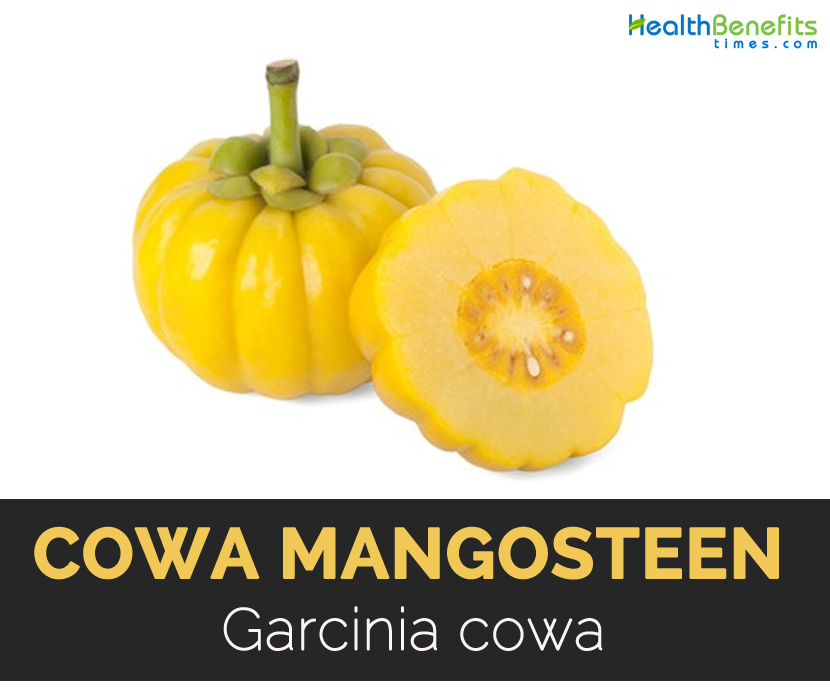
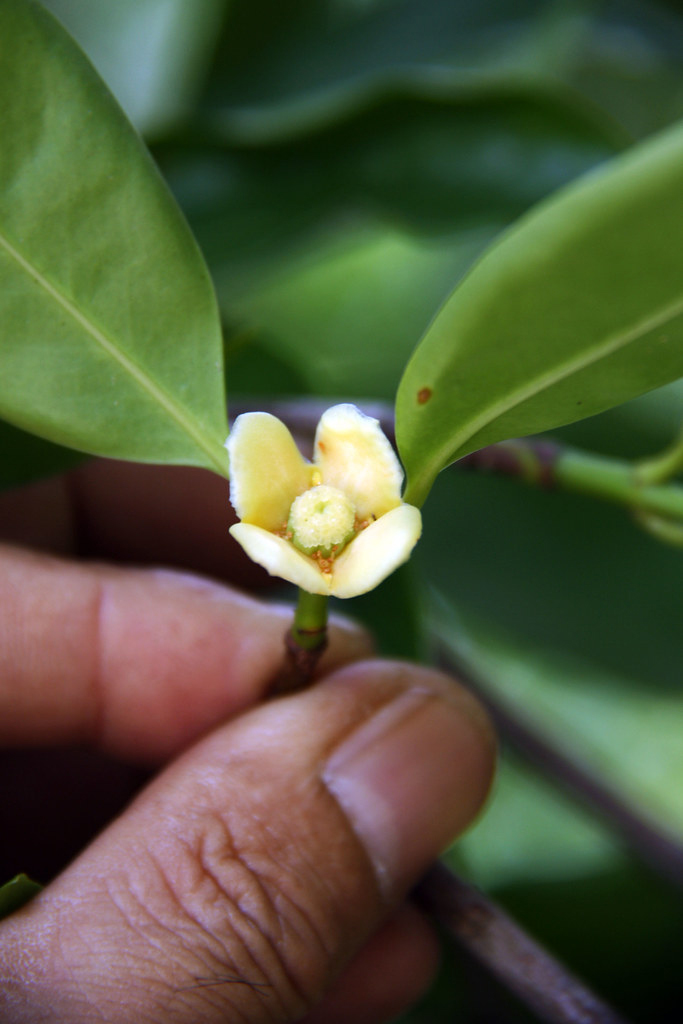
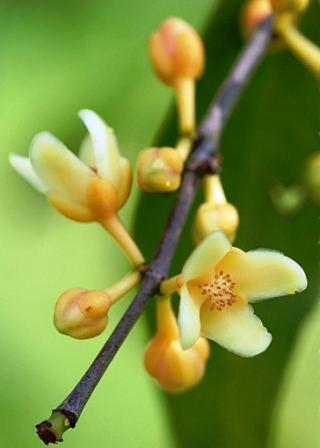
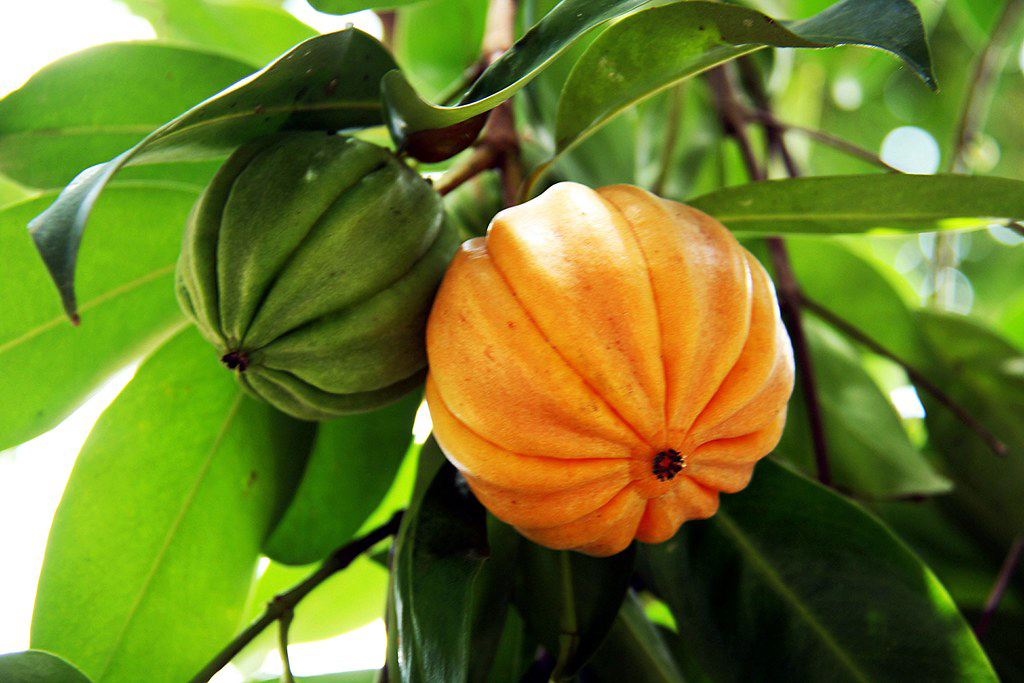
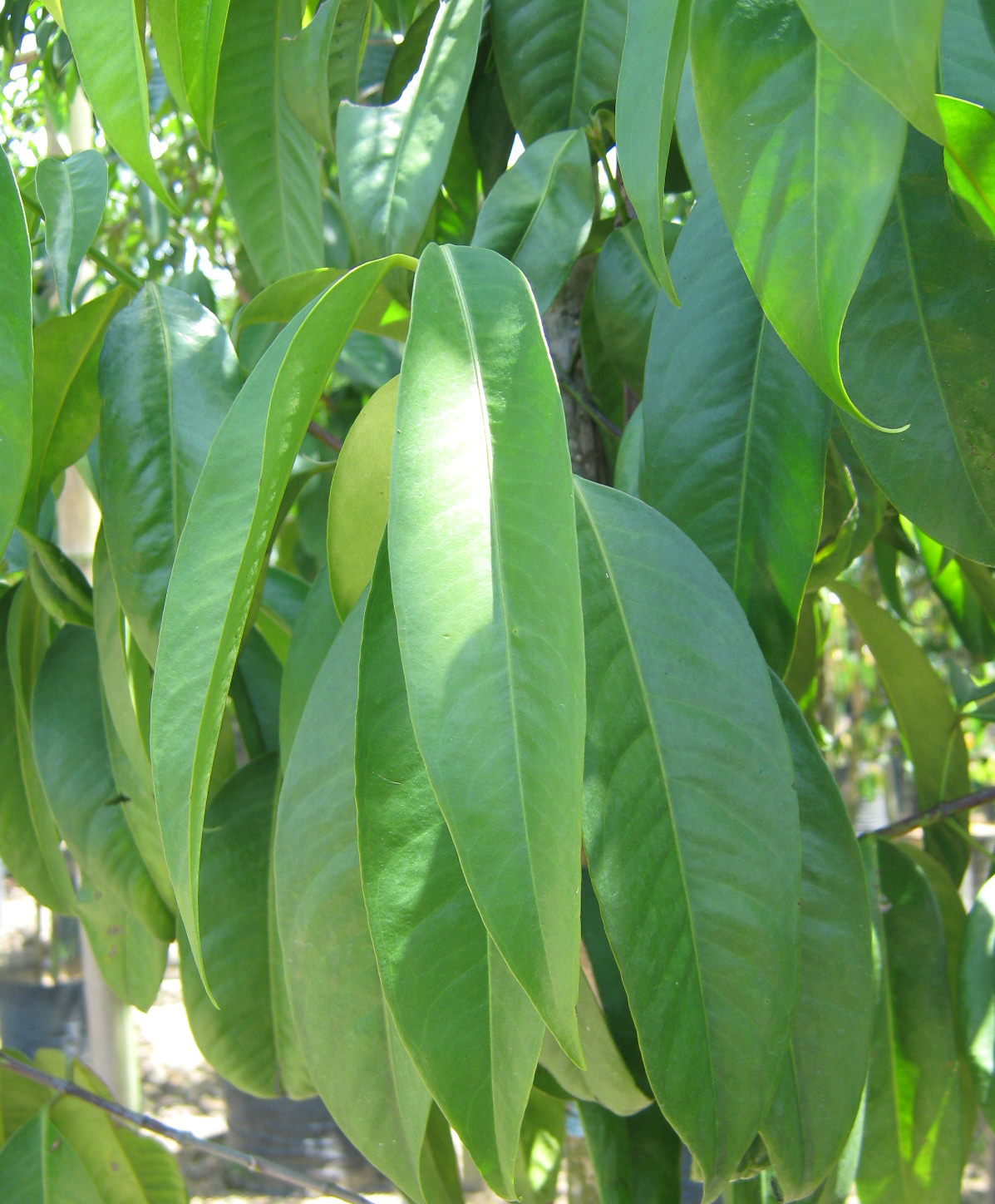
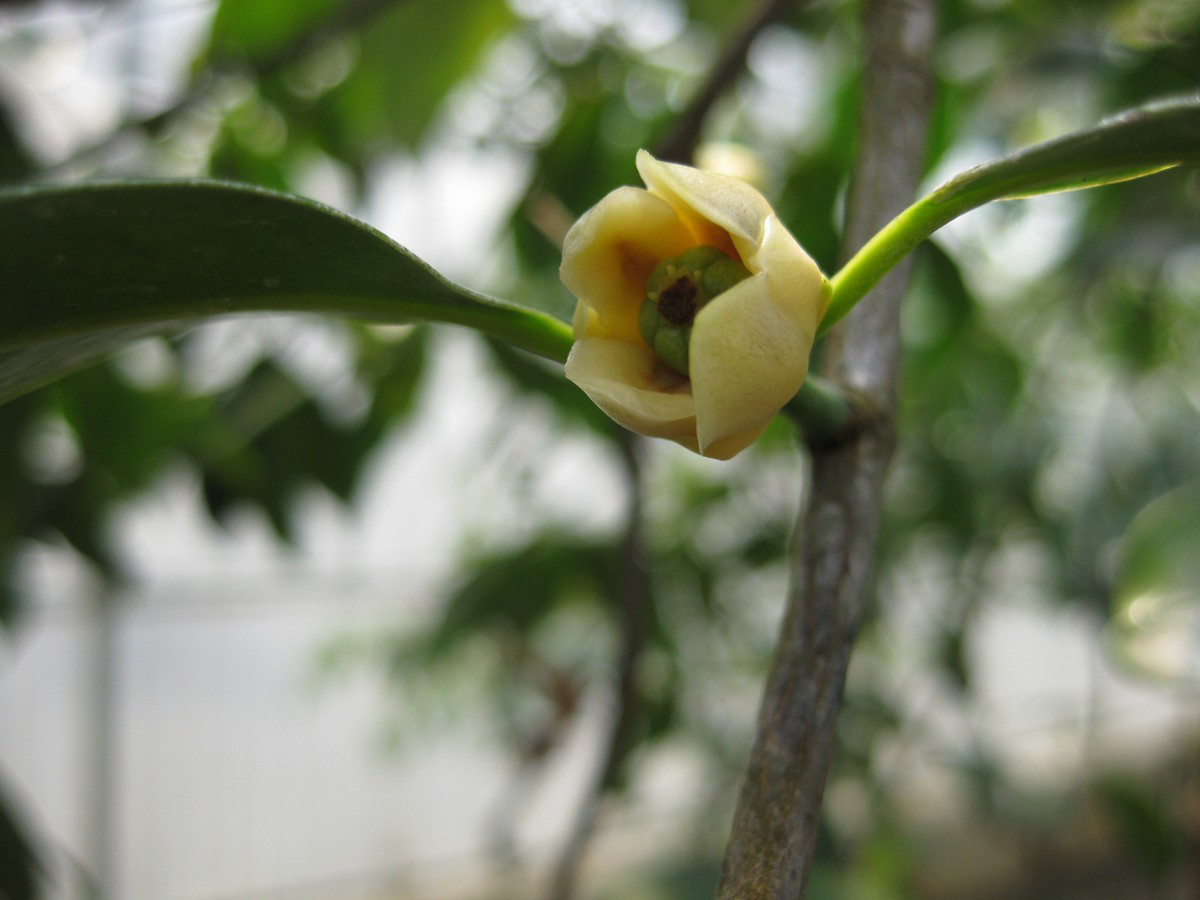
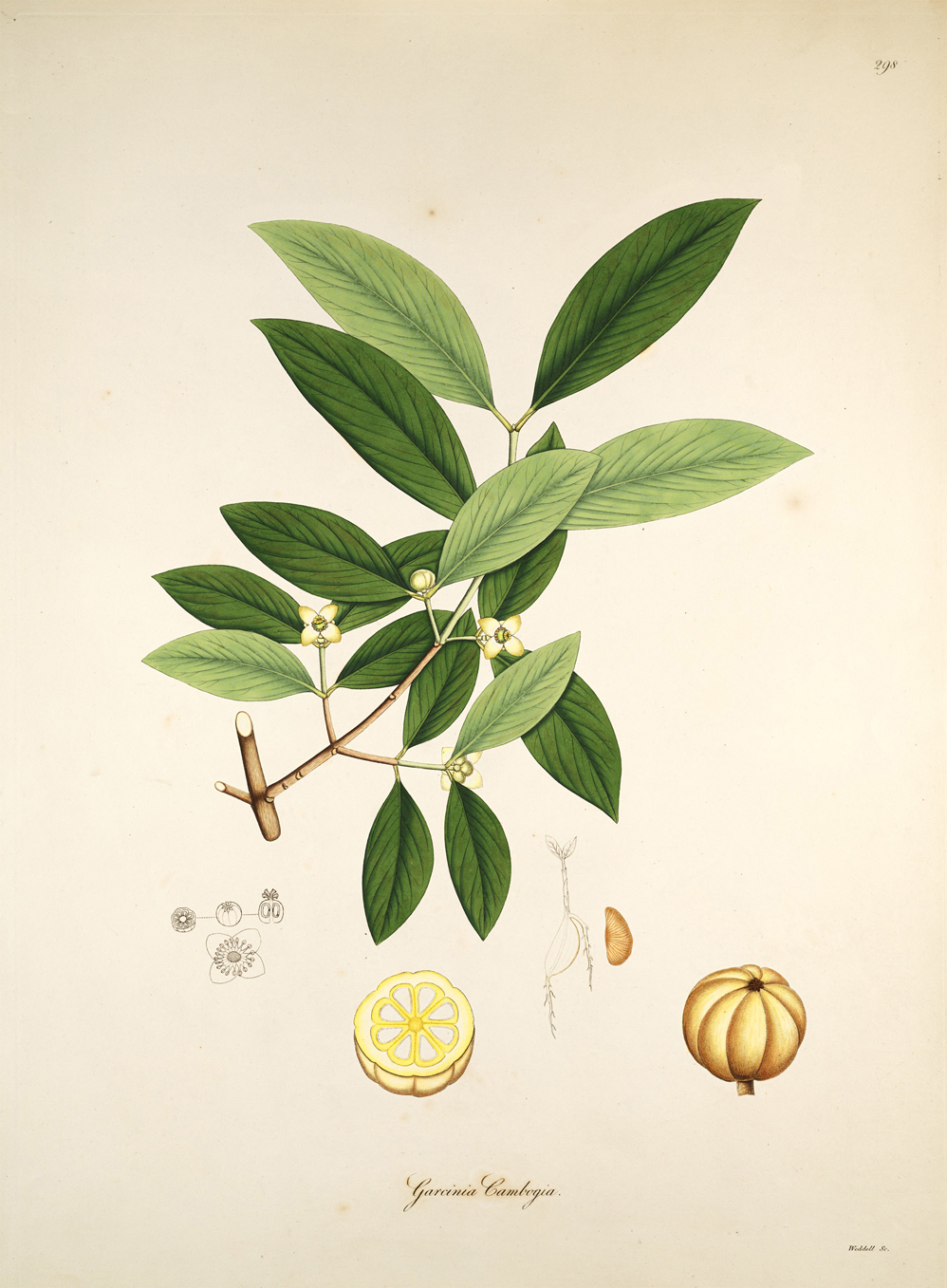
    The genus Garcinia belongs to Clusiaceae family. The trees are small to medium sized reaching to the height of 30 meters and widely distributed in the tropical regions of the world. Cowa Mangosteen is inherent to East India, Myanmar, Nepal, Thailand, Laos, Kampuchea, Northern Peninsular Malaysia and Vietnam. It is also found in Anadaman, Nicobar Islands and South and West Yunnan in China. This evergreen tree has the bole of 15-20 cm diameter. The bark is dark brown with lemon yellow exudates. Leaves are simple, entire, opposite, 6-15 by 2.5-6 cm, broadly lanceolate to lanceolate-elliptic, thick, glossy green and tapering to both ends. Male flower have four yellow peals which is flushed with pink. Female flowers are solitary, axillary with staminodes united in lower half. Fruits are oblique, sub-globose-globose and 5–6 × 4–5 cm in diameter. Fruits are green when young and turn dull orange or yellow when matured. Seeds are large, trigonous and embedded in pale orange pulp.

    Cowa-Mangosteen-flower Cowa-Mangosteen-flower-with-buds Cowa-Mangosteen-fruits Cowa-Mangosteen-leaves Cowa-Mangosteen-opening-flower Plant-illustration-of-Cowa-Mangosteen
    [Show thumbnails]
    Traditional uses

    • Bark is used as antipyretic and antimicrobial agent.
    • Fruits and leaves are used to improve blood circulation, relieve cough, indigestion and fever.
    • The sun dried fruit slices are used to treat dysentery in Eastern India.
    • Fruit and leaves have been used for indigestion and improvement of blood circulation.

    Culinary uses

    • Fruits are made into preserves and jams.
    • The sun dried sliced pieces are used to add flavor in various Malay cuisines.
    • In Myanmar, Malaysia and Thailand, young leaves and tender leafy shoots are used as vegetables.
    • In Thailand, young leaves are consumed cooked. It is also cooked with fish.
    • In Vietnam, fruits are used to impart acidic flavor to fish and crab dishes.

    References:

    https://www.itis.gov/servlet/SingleRpt/SingleRpt?search_topic=TSN&search_value=21483#null

    https://www.japsonline.com/admin/php/uploads/1426_pdf.pdf

    https://shodhganga.inflibnet.ac.in/bitstream/10603/6470/9/09_chapter%201.pdf

    http://tropical.theferns.info/viewtropical.php?id=Garcinia+cowa

    https://www.jircas.affrc.go.jp/project/value_addition/Vegetables/054.html

    85%
    85%
    Awesome

    Comments

    comments

    C Fruits
    Share. Facebook Twitter Pinterest LinkedIn Tumblr Email
    Previous ArticleFacts about Sago Palm
    Next Article Facts about Paradise Tree

    Related Posts

    Health benefits of Chinese Sumac

    March 6, 2024

    Health benefits of Crofton weed

    March 5, 2024

    Facts about Chinese Glory Bower

    February 18, 2024

    Comments are closed.


    Cowa Mangosteen Quick Facts
    Name: Cowa Mangosteen
    Scientific Name: Garcinia cowa
    Origin East India (Assam, Bengal, Mizoram, Bihar and Orissa), Nepal, Myanmar, Kampuchea, Thailand, Laos, Vietnam and northern Peninsular Malaysia
    Colors Dull orange or yellow
    Shapes Subglobose, 2.5-6 cm
    Flesh colors Pale orange
    Taste Sour
    Name Cowa Mangosteen
    Scientific Name Garcinia cowa
    Native East India (Assam, Bengal, Mizoram, Bihar and Orissa), Nepal, Myanmar, Kampuchea, Thailand, Laos, Vietnam and northern Peninsular Malaysia
    Common/English Name Cowa, Cowa Mangosteen
    Name in Other Languages Burmese: Madow, Toungdalai;
    India: Kangach, Cuithekera, Kujithekera (Assamese), Kau (Bengali), Cowa (Hindu), Bhava, Chenhek ( Mizoram );
    Indonesia: Kemenjing, Ki Ceuri ( Java );
    Japanese: Kowa Ganboji;
    Malaysia: Kandis;
    Nepalese: Kaphal;
    Philippines: Pildis (Pampanggan), Paninginen (Sambali), Bilukau (Tagalog);
    Thai: Cha Muang (Central Thailand), Ka Muang, Muang Som (Southern);
    Vietnamese: Dọc, Tai Chua;
    Assamese: Kangach, Cuithekera, Kujithekera;
    Bengali: Kau;
    Chinese:  Yun shu (云树), Yun nan shan zhu zi (云南山竹子);
    Hindi: Cowa;
    Thai: Cha muang  (ชะมวง), Ka muang (กะมวง), Muang som (มวงส้ม);  
    Vietnamese: Dọc, Tai chua
    Plant Size 8-12 meters tall
    Leaf Oblong, thick, 6-15 by 2.5-6 cm
    Fruit shape & size Subglobose, 2.5-6 cm
    Fruit color Dull orange or yellow
    Pulp Pale orange
    Fruit Taste Sour

    Cowa Mangosteen Scientific Classification

    Scientific Name: Garcinia cowa

    Rank Scientific Name & (Common Name)
    Kingdom Plantae (Plants)
    Subkingdom Viridiplantae  (Green plants)
    Infrakingdom Streptophyta  (Land plants)
    Superdivision Embryophyta
    Division Tracheophyta  (Vascular plants, tracheophytes)
    Class Magnoliopsida
    Order Malpighiales
    Family Clusiaceae
    Genus Garcinia L. (Saptree)
    Species Garcinia indica (Thouars) Choisy (Garcinia)
    Synonyms
    • Cambogia crassifolia Blanco
    • Garcinia cambogia Roxb.
    • Garcinia cornea Roxb.
    • Garcinia cornea Roxb. ex Sm.
    • Garcinia dioica Sm.
    • Garcinia kydia Roxb.
    • Garcinia lobulosa Wall.
    • Garcinia roxburghii Wight
    • Garcinia umbellifera Roxb. ex Wall.
    • Garcinia umbellifera Wall.
    • Garcinia wallichii Choisy
    • Oxycarpus gangetica Buch.-Ham.
    • Oxycarpus gangetica Buchanan-Hamilton
    • Stalagmitis cowa (Roxb.) G. Don.
    • Stalagmitis kydiana G.Don
    Categories
    • Beverages (78)
    • Dairy (28)
    • Dental Health (15)
    • Equipment (5)
    • Essential OIls (196)
    • Facts (2,939)
    • Foods (255)
    • Fruits (516)
    • Giveaway (1)
    • Grains and Cereals (36)
    • Health & Beauty (763)
    • Herbs and Spices (1,249)
    • Medicines (9)
    • Mental Health (19)
    • Nutritional value (27)
    • Nuts and seeds (73)
    • Oils (81)
    • Pets (4)
    • Poultry & Seafoods (67)
    • Pulses and Beans (16)
    • Reviews (25)
    • supplement (2)
    • Vegetables (304)
    • Weight Loss (22)

    What is Lupin Bean Flour?

    Science Backed Health Benefits of Durian (Durio zibethinus)

    Science Backed Health Benefits of Feijoa (Pineapple Guava) (Acca sellowiana)

    Science Backed Health Benefits of Gac Fruit (Momordica cochinchinensis)

    Science Backed Health Benefits of Amaranth Leaves (Amaranthus spp)

    Science Backed Health Benefits of Arrowhead (Sagittaria sagittifolia)

    ABOUT
    Home
    About us
    Contact us
    Privacy Policy
    Terms & conditions
    Disclaimer
    Direct Communication
    e-mail: [email protected]
    Gmail: [email protected]
    Whatsapp: +977-9841146511
    Viber: +977-9841146511
    Useful
    Health Wiki
    Nutrition
    Facebook Twitter Pinterest
    © 2025 www.healthbenefitstimes.com All rights reserved.

    Type above and press Enter to search. Press Esc to cancel.

    ×

    Log In

    Forgot Password?

    Not registered yet? Create an Account