

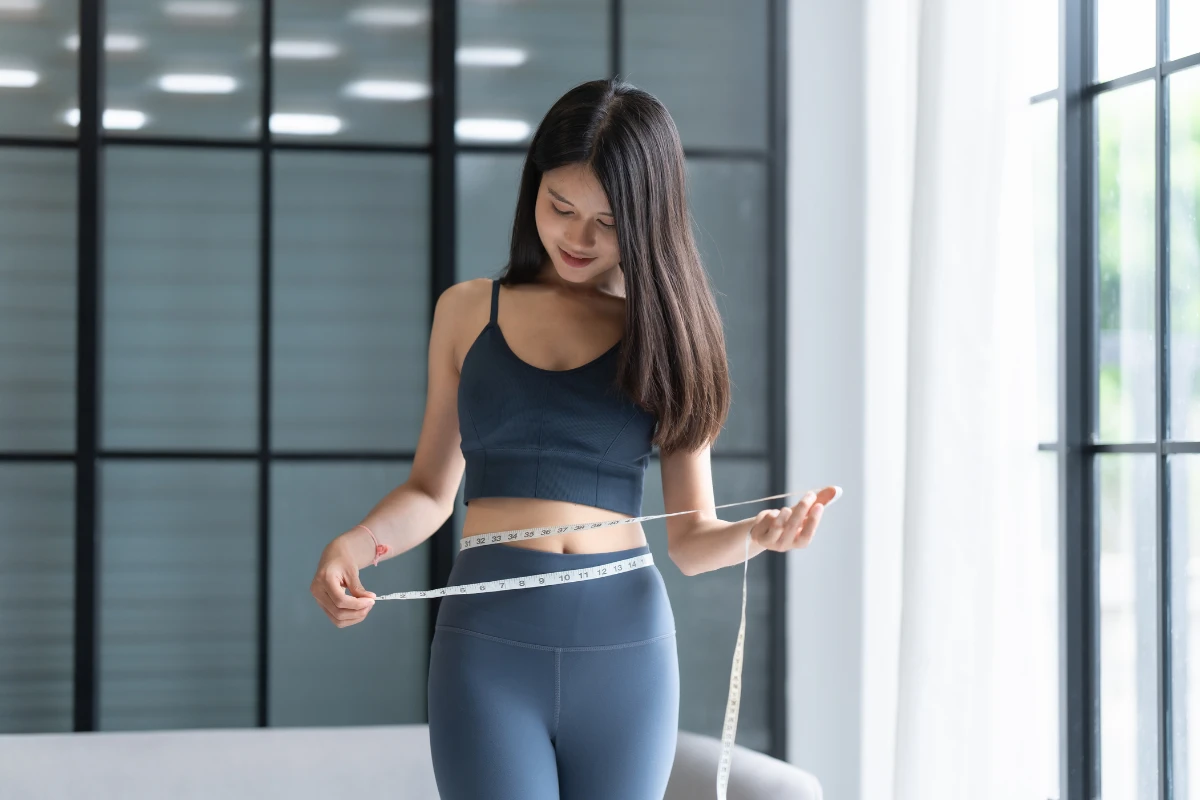
 Struggling to lose weight? You’re not alone. With countless fad diets and quick fixes flooding the market, it’s easy to feel overwhelmed. But the truth is simple: sustainable weight loss boils down to a calorie deficit—burning more calories than you consume—and fitness exercises are one of the most effective ways to achieve this. Unlike restrictive diets, which often lead to rebound weight gain, regular physical activity builds muscle, boosts metabolism, and improves overall health. To maximize results, consider partnering with a fitness coach who can guide you with evidence-based strategies.
Why Fitness Exercises Outperform Diets Alone
While diet plays a role in weight loss, exercise offers unique benefits that dieting can’t match. First, it increases non-exercise activity thermogenesis (NEAT), the calories burned through daily movement (e.g., walking, gardening). Second, strength training builds lean muscle, which raises your resting metabolic rate (RMR)—meaning you burn more calories even at rest. A 2021 study in Obesity Reviewsfound that combining aerobic exercise with strength training led to 20% greater fat loss than dieting alone over 6 months.
Top Fitness Exercises for Weight Loss
Not all exercises are created equal. Here are the most effective types to include in your routine:
1. Aerobic Exercise: The Calorie-Torching Foundation
Activities like running, cycling, swimming, or brisk walking elevate your heart rate, burning significant calories during and after workouts (thanks to excess post-exercise oxygen consumption, or EPOC). Aim for 150–300 minutes of moderate-intensity aerobic exercise weekly. For beginners, start with 30 minutes of brisk walking 5 days a week.
2. Strength Training: Build Muscle, Burn Fat Long-Term
Lifting weights or using resistance bands builds muscle, which is metabolically active tissue. A 155-pound person can burn 112 calories in 30 minutes of weightlifting—more than walking! Focus on compound movements (squats, lunges, push-ups) that target multiple muscle groups, as they burn more calories and improve functional strength.
3. High-Intensity Interval Training (HIIT): Maximize Efficiency
HIIT alternates short bursts of intense effort (e.g., sprinting) with brief recovery periods. A 20-minute HIIT session can burn as many calories as 40 minutes of steady-state cardio. Research shows HIIT also reduces visceral fat (the dangerous belly fat linked to disease) more effectively than traditional cardio.
4. Compound Movements: Full-Body Fat Loss
Exercises like deadlifts, burpees, and kettlebell swings engage multiple joints and muscles, making them highly efficient for calorie burn. They also improve coordination and balance, reducing injury risk.
The Science of a Sustainable Workout Plan
To avoid burnout, follow these principles:
- Consistency Over Intensity: Aim for 4–5 workouts weekly, mixing aerobic, strength, and flexibility work.
- Progressive Overload: Gradually increase weight, reps, or duration to keep challenging your body.
- Rest and Recovery: Muscles repair and grow during rest, so include 1–2 rest days and prioritize 7–9 hours of sleep.
Common Mistakes to Avoid
- Skipping Strength Training: Relying only on cardio can lead to muscle loss, slowing metabolism.
- Overtraining: Exercising too much without rest increases cortisol (stress hormone), which promotes fat storage.
- Ignoring Nutrition: Even the best workouts won’t compensate for a poor diet. Pair exercise with whole foods (lean proteins, veggies, whole grains) and stay hydrated.
Why a Private Fitness Coach Makes All the Difference
While free online workouts are accessible, a fitness coach 健身教練tailors your plan to your unique needs—age, fitness level, injuries, and goals. They can:
- Correct form to prevent injury (e.g., in squats or planks).
- Adjust intensity based on your energy levels.
- Provide accountability to keep you motivated.
- Integrate nutrition tips to align with your exercise routine.
A fitness coach also helps you set realistic goals, like losing 1–2 pounds weekly, and tracks progress beyond the scale (e.g., improved energy, better sleep).
Final Thoughts
Fitness exercises are a powerful tool for weight loss, but success lies in consistency, variety, and smart planning. By combining aerobic, strength, and HIIT workouts, prioritizing recovery, and avoiding common pitfalls, you’ll create a sustainable routine. For personalized guidance, don’t hesitate to consult a private fitness coach 私人健身教練—they’ll turn your weight loss goals into lasting results. Remember: the journey to a healthier you is a marathon, not a sprint. Start small, stay patient, and celebrate every step forward.