

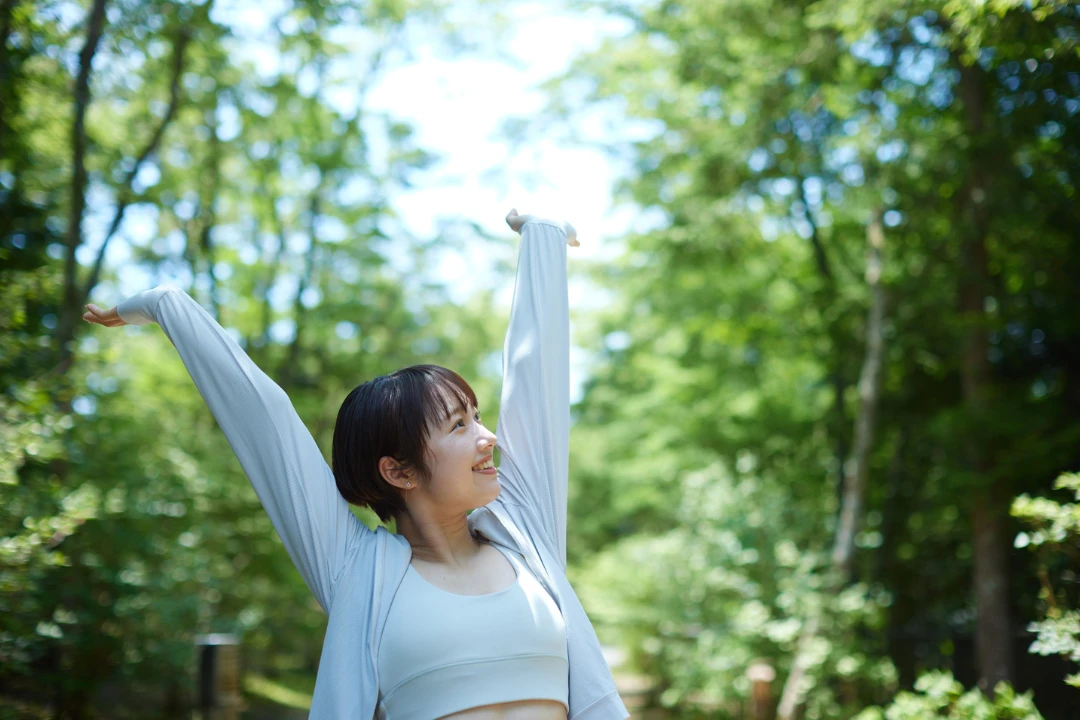
Stress is more than an agitated feeling. It’s a physiological cascade dominated by cortisol, which is your body’s primary stress hormone. Elevated cortisol keeps you on high alert, but your health pays the price when levels stay too elevated for too long. Neuroscience shows that one of the most effective ways to lower your stress hormone is as simple as stepping outside. Here are eight science-backed ways that nature helps reset your system.
1. Nature Calms the Fight-or-Flight Response
Your brain interprets urban chaos as a constant low-level threat. Sirens, traffic and crowded sidewalks can all prime the amygdala — your brain’s fear center — keeping you on edge. Studies have shown that people experience a reduction in stress after exposure to nature, with four times as many people seeking nature interactions following the pandemic.
Nature also helps calm pain sensations. When you walk through nature, you may experience less intense perceptions of pain and anxiety. The visual impact or the scent of nearby plants can assist, as essential oils from plants like mint, eucalyptus and lavender can stimulate the olfactory senses, which may lower stress and stabilize mood.
2. Trees Support Immune Function
When you constantly feel stressed, your immune system also wears out, and you may feel sick. Plants have healing properties like antimicrobial and antifungal compounds, which can boost your immune system and improve your resilience to environmental contaminants. When your body is stronger, you can handle stress better and maintain your health.
3. Outdoor Spaces Restore Mental Energy
Cognitive fatigue builds when you juggle endless notifications, multitasking and background noise. Indoors, adults and children spend more time on screens. Going for a walk or being in a natural area can improve your mental health and reduce the risk of anxiety and depression through less screen time.
According to 2016 research, green environments allow your attention to reset and refocus through an idea scientists call “attention restoration theory.” Combine this with a digital detox and switch off your devices for more time outdoors to enhance focus and memory as nature gently engages your brain without overstimulating it. Your phone may constantly send you reminders and notifications, but nature simply whispers, “Breathe.” With clarity, you can better process stress and naturally lower your cortisol levels.
4. Greenery Activates the Parasympathetic Nervous System
Your nervous system balances your experiences of the world around you, and high-stress situations like work and emotional turmoil activate the sympathetic nervous system, which is geared at “doing.” This is your stress state, and it has its uses if you’re running from a sabertooth tiger or your boss.
However, the parasympathetic nervous system is designed to calm you down once the threat has passed. Its function is to rest and digest, which brings relaxation. Chronic dysregulation can occur when your natural ability to regulate homeostasis between the two systems is affected, leaving you stuck in a doing or fighting mode.
Seeing trees and shrubs can trigger deeper breathing, which helps to stimulate the vagus nerve and release stress. Downshifting gears slows your heart rate and steadies breathing, so you start applying the brakes in life and process information and triggers more intentionally.
5. Parks Foster Physical Activity
In a world that’s becoming more sedentary, your life may be deficient in movement. Park environments encourage walking, running, and physical activities like playing ball or throwing a Frisbee. One massive benefit of physical activity and exercise is that it triggers the release of feel-good hormones that balance out cortisol. While you could hit the gym for a full workout, engaging in yoga, tai chi, or other activities in a park setting enhances the overall effect for improved health and mental wellness.
6. Urban Greenery Alleviates Depression and Anxiety
Research proves that when you live in an urban area that has no greenery, you are 44% more likely to be diagnosed with anxiety and 33% more likely to experience depression than people who live near parks or have tree-lined streets. Adults aren’t the only ones to experience this either, and cities with no parks or playgrounds tend to develop children who are socially isolated.
Imagine a childhood without a park and trees for you to climb with friends. Greenery boosts mood and slows down the business of life, letting kids and adults unwind.
7. Forests Improve Sleep
When you’re stressed, you sleep poorly. Excess cortisol triggers wakefulness, which disrupts your circadian rhythm, so you struggle to fall or stay asleep. In turn, not sleeping will raise your stress even more and cause even worse insomnia.
Walking among trees or forest bathing is known to boost sleep quality, calm your senses and balance your hormones. It’s a combination of seeing greenery, smelling the forest and being in that natural “green-light” environment that contributes to easing your mind so you can rest better.
8. Green Time Habits
While you can hike for hours, you can also get small, consistent doses of greenery for micro-boosts throughout the day. Think of green time as part of your stress-management toolkit. You can try the following:
- Spend 20 minutes in the park over lunch to lower cortisol.
- Take a 40-minute forest walk to stabilize mood and hormones.
- Watch trees from your window or balcony daily.
- Crush fresh herbs between your fingers for an aromatherapy boost.
- Stand barefoot on soil or grass daily for a grounding session.
Green Spaces for Health
Stress is part of life, but living in a chronic state of high cortisol is optional. There will always be little spikes, like your manager giving you a last-minute project before the weekend or your kids needing to complete an assignment by tomorrow morning. If you’re feeling the pressure much more often, though, it’s time to make a change.
Neuroscience confirms what people intuitively know. Time in green spaces helps calm you, boost clarity and better health. Alongside professional recommendations, make outdoor moments like going to the park or admiring the trees on your street part of your routine to give your body and mind the reset they need.