

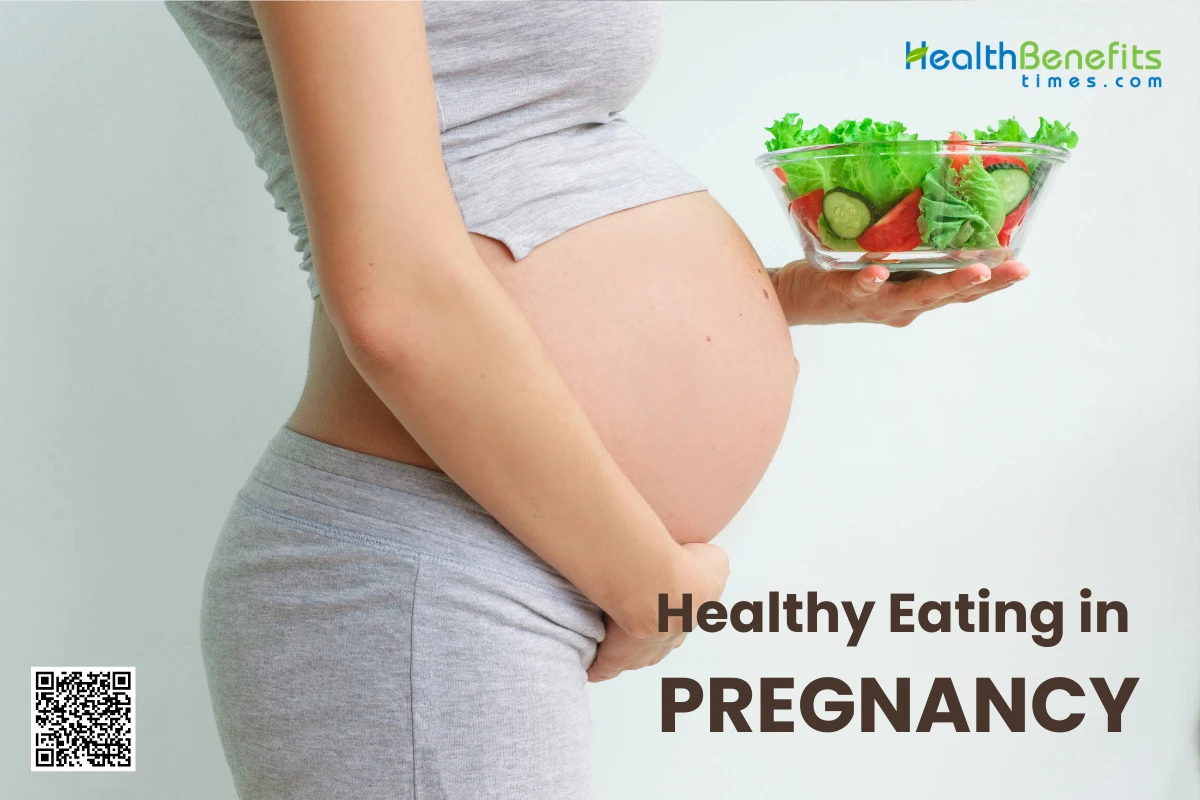
 Pregnancy is one of the most transformative times in a woman’s life; physically, emotionally, and nutritionally. What you eat during these months doesn’t just fuel your own body; it becomes the foundation of your baby’s development. With all the excitement and advice that surrounds pregnancy, understanding what healthy eating truly means can help you feel more confident and balanced each day.
If you’re looking to support your wellbeing with the right nutrition, including the use of a trusted pregnancy multivitamin; here’s a guide that brings together science, simplicity, and self-care.
1. Learning Pregnancy Nutrition Requirements
This is because during pregnancy, the nutrient needs of your body automatically rise to cater to your own needs as well as those of the baby. During early pregnancy, you will require additional protein to help build tissues, more iron to aid in the formation of red blood cells, and additional folate to assist in the growth of the neural tube within the body.
The standard pregnancy diet involves:
- Whole grains provide steady energy.
- Low-calorie sources of protein such as eggs, fish, poultry, tofu, and legumes.
- Nuts, avocado, oil, and seeds contain healthy fats.
- Antioxidants, fibre, and Vitamin rich colourful fruits and vegetables.
As much as you should always make whole foods your base, there is a likelihood that specific nutrients are more difficult to obtain in food. Is there a pregnancy multivitamin that can help address nutritional deficiencies and provide the necessary vitamins and minerals throughout each trimester?
And on these days (especially when you feel sick in the morning or are just averse to food in any manner), this is also very useful, as it makes eating as tricky as you would wish.
2. Creating a Balanced Plate at Every Stage
With every trimester, you will change, and this can be reflected in your eating:
A) First trimester: Soft and Easy
Nausea or even fatigue may be associated with early pregnancy. Pay attention to small and frequent meals that have mild flavours.
Try:
- Banana, spinach, yogurt, and oats smoothies.
- Toast, fruit butter, and sliced fruit.
- Pumpkin or lentil soups.
It is also important to stay hydrated; take some water, herbal teas, or coconut water occasionally. In case you have a small appetite, a pregnancy vitamin pill should keep you fed with vitamins like folic acid, iodine, and vitamin D in these critical early weeks.
B) Second Trimester: Strength and Growth
With the restoration of your energy, it is now time to eat more nutrient-rich food that would promote the rapid development of your baby.
Add in:
- Food items rich in iron include beans, red meat, and leafy greens.
- High-calcium dairy or fortified plant-based milks.
- Snacks such as trail mix, hummus with veggies, or wholegrain crackers.
Now that your baby is growing fast, the bones, brain, and organs are developing rapidly, and regular nutrition and supplementation are essential partners at this stage.
C) Third Trimester: Vigour and Cosiness
It is then that you require additional calories and fibre to maintain a healthy digestion. Select low-carb options and drink plenty of fluids.
Go for:
- Sweet potatoes, brown rice, and quinoa.
- Fruits such as oranges, berries, and watermelons are hydrating and should be drunk.
- Veggies and wholegrains that contain fibres.
If you feel tired or experience heartburn, eating small meals and engaging in light exercise can help. Continue your pregnancy multivitamin regimen, which helps support your baby’s development, including brain and immune development, throughout the last trimester.
4. Healthy and Intelligent Supplementation
Alternatively, one should base their supplement selection on the TGA (Therapeutic Goods Administration) standards, which cover safety, quality, and dosage.
The typical contents of a pregnancy multivitamin that meets quality and safety standards are:
- The suggested folic acid and iron content.
- Liquid, light, and absorbable ingredients.
- No artificial colours, preservatives or other unnecessary additives.
Another helpful method of absorption is to take your supplement with a meal, which can help decrease the risk of mild stomach discomfort.
In case of doubts, it is always better to discuss your specific needs with your healthcare professional or pharmacist, particularly if you have special dietary requirements or are taking other medications.
5. Mindful Eating: Food Beyond Nutrition
It is not only about healthy eating during pregnancy but also about healthy relationships with food. Instead of aiming for perfection, focus on how food feels.
These are some of the conscious ways that can be used to balance:
- Savour your food at a slow pace to aid in digestion.
- Follow your body’s cues and eat when you’re hungry and stop when you’re full.
- Prepare in advance with homemade and healthy meals on active days.
- Be good to yourself – each meal is a fresh chance to feed yourself, not a challenge of self-control.
The slightest preparation goes a long way. Certain wellness brands also offer customised nutrition plans or pre-assembled bundles of nutrients to make your routine easier, so that pregnancy nutrition feels not intimidating but empowering.
Embracing the Journey with Confidence
Ultimately, healthy eating in pregnancy is about listening to your body, being prepared, and being kind to yourself. You are growing a whole human—that’s a big job! By focusing on a balanced intake of nutritional foods and supporting your nutritional needs with a reliable pregnancy multivitamin, you are doing the very best for yourself and your baby.
Feel confident in your choices. Every healthy choice you make is a small act of love and nourishment. This journey is yours, and with simple, informed steps, you can move through it with great balance and joy.