Health Benefits
    Facebook Twitter Instagram
    Friday, December 5
    Facebook Twitter Pinterest
    Health Benefits
    • Home
    • Dental Health
    • Mental Health
    • Weight Loss
    • Health Wiki
    • Nutrition
    • Healthy Recipe
    • BMI Calculator
    Health Benefits
    Home»Herbs and Spices»Know about Hoary Stock
    Herbs and Spices

    Know about Hoary Stock

    By s mMarch 13, 2018Updated:March 13, 2018No Comments2 Mins Read
    Facebook Twitter Pinterest LinkedIn Tumblr Email

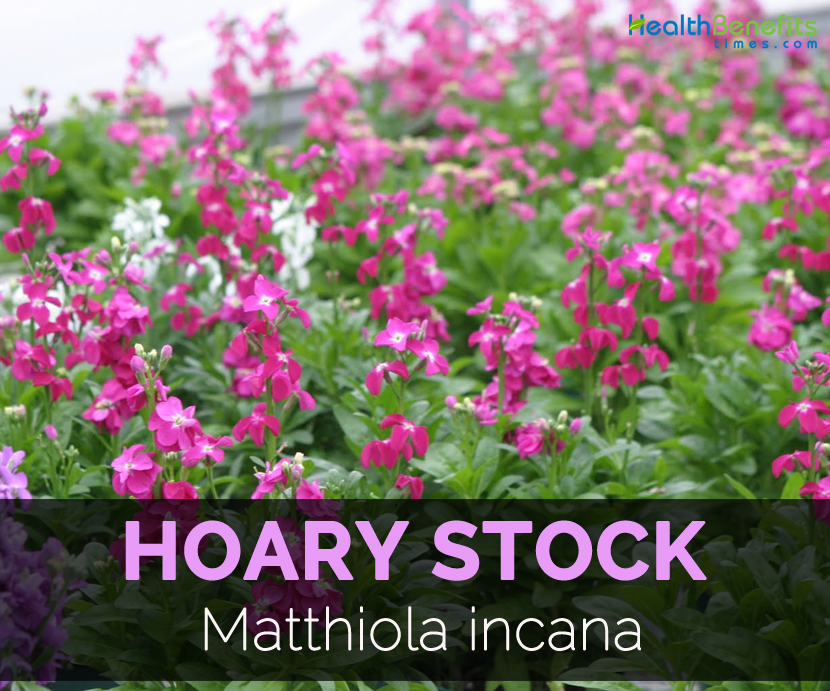
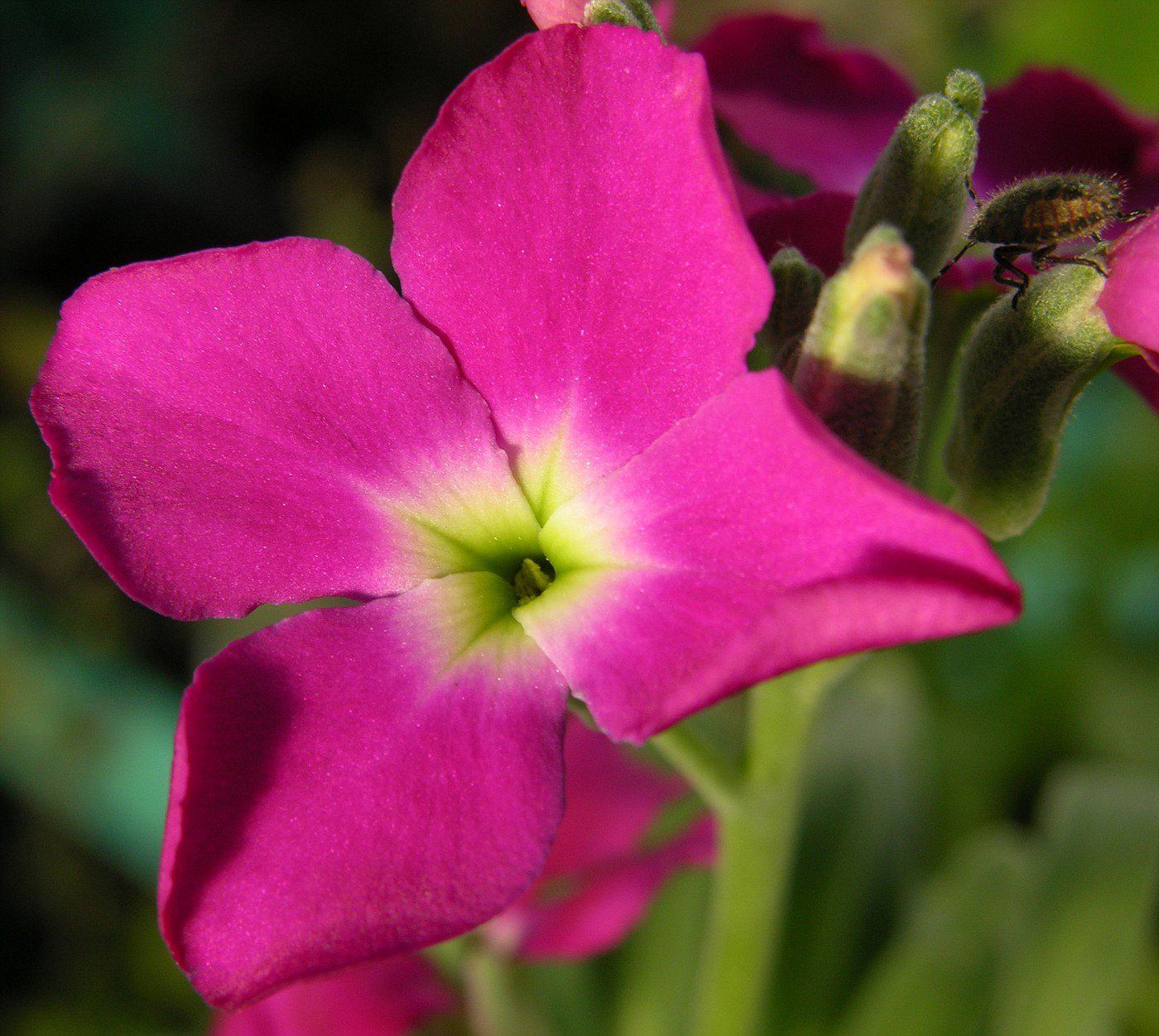
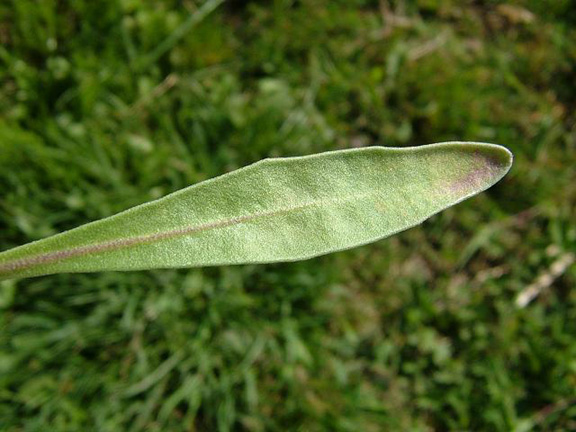
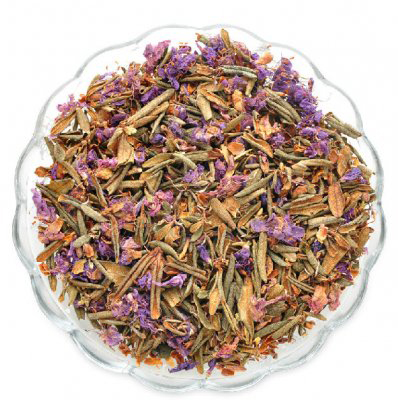
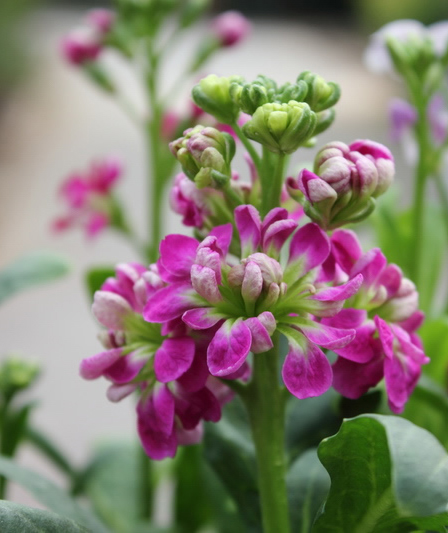
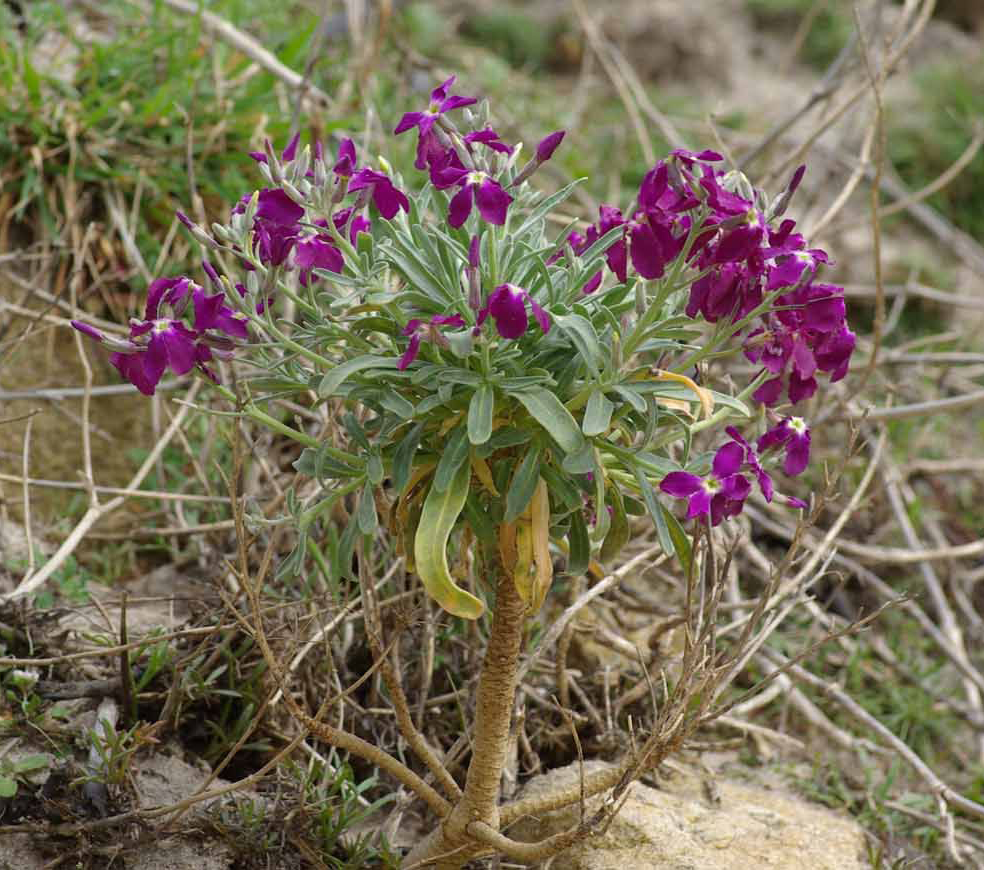
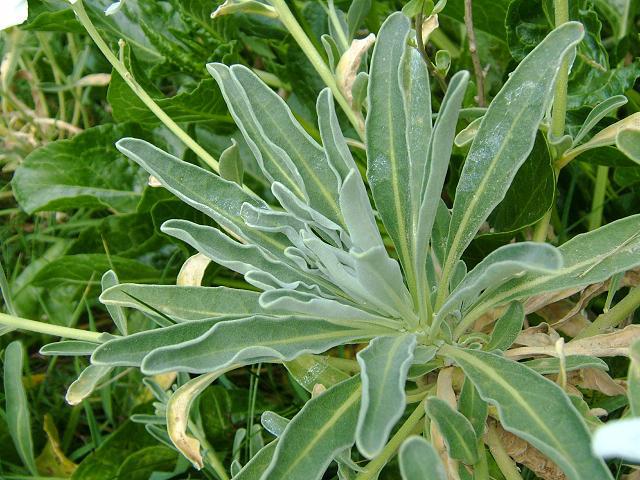
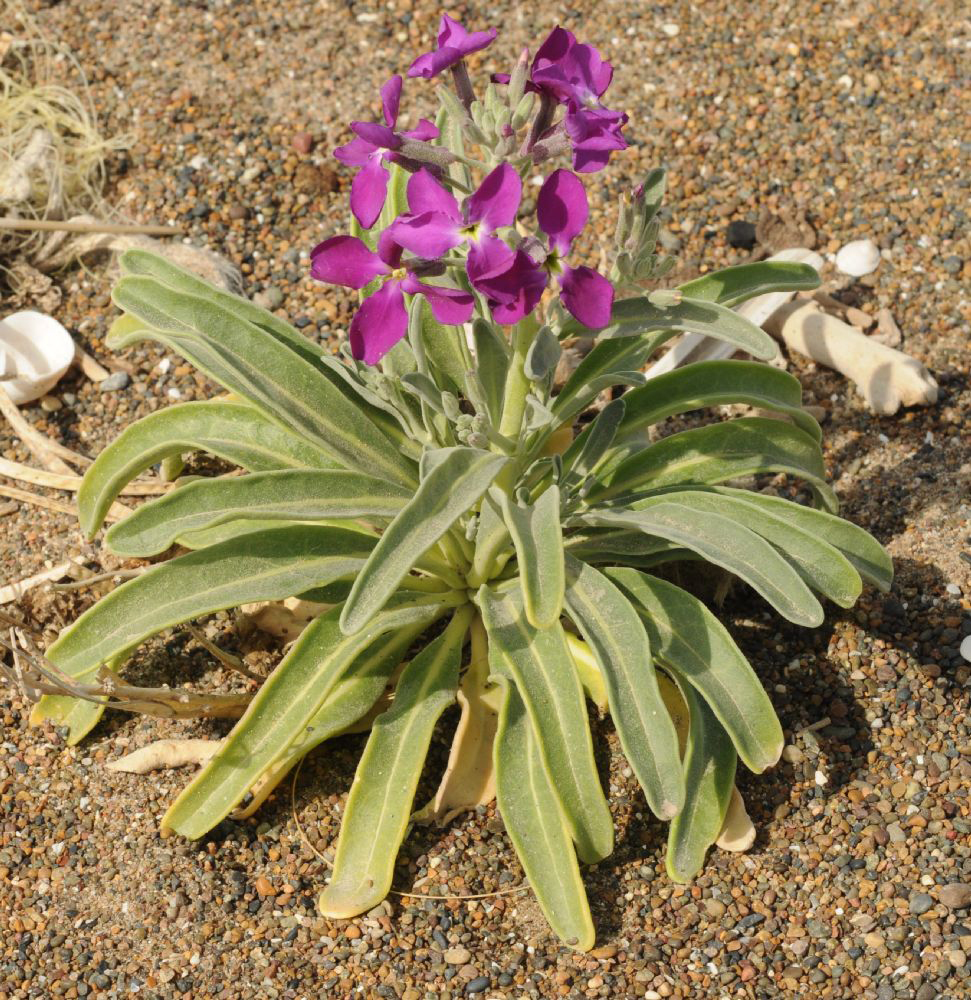
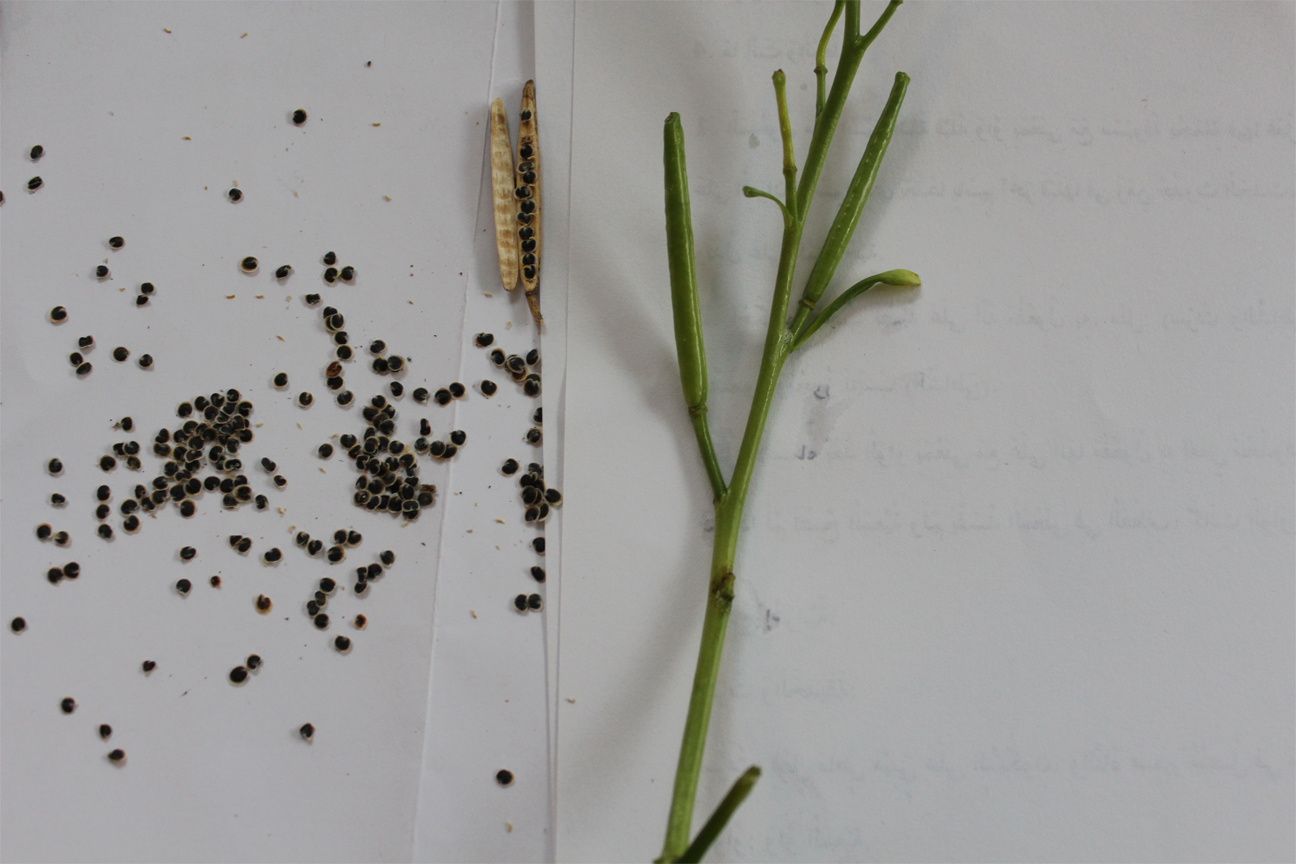
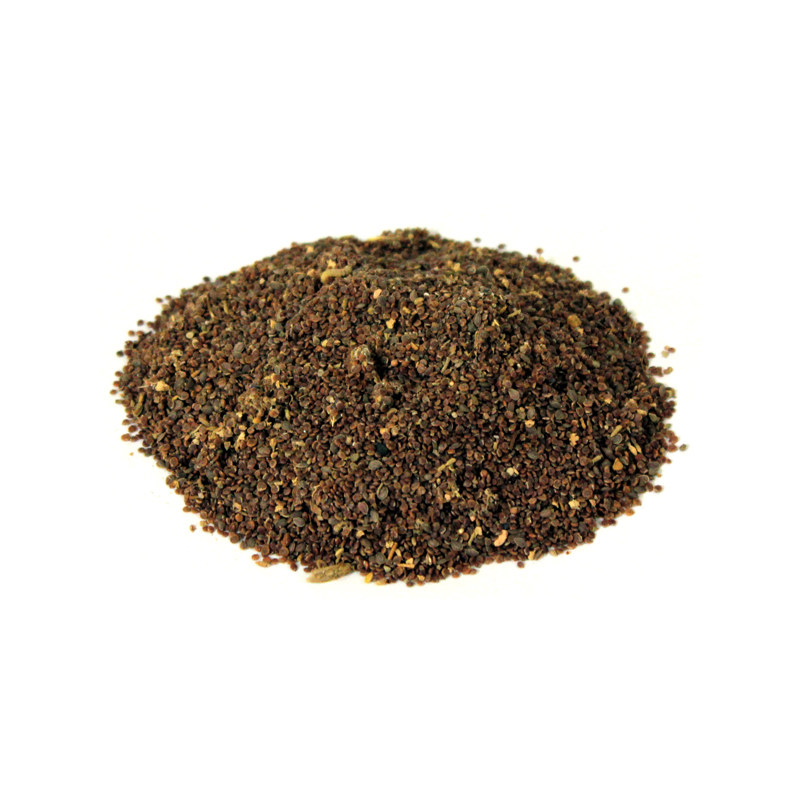
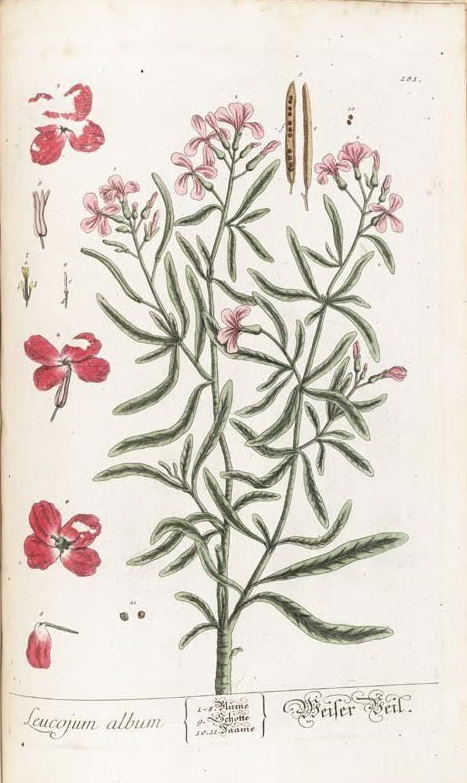
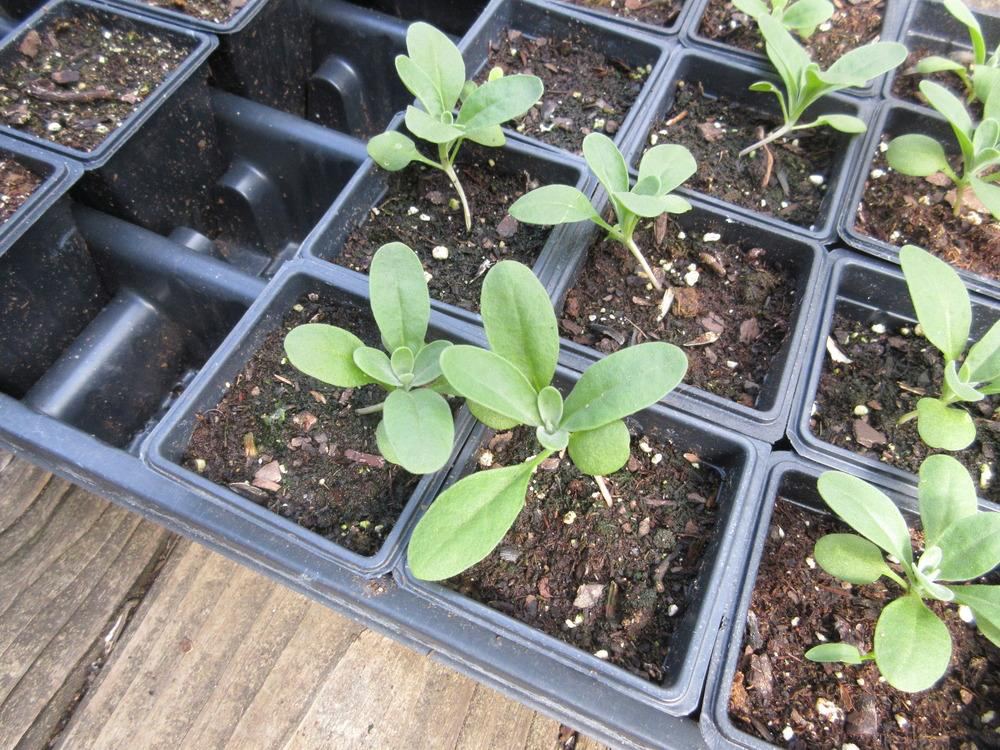
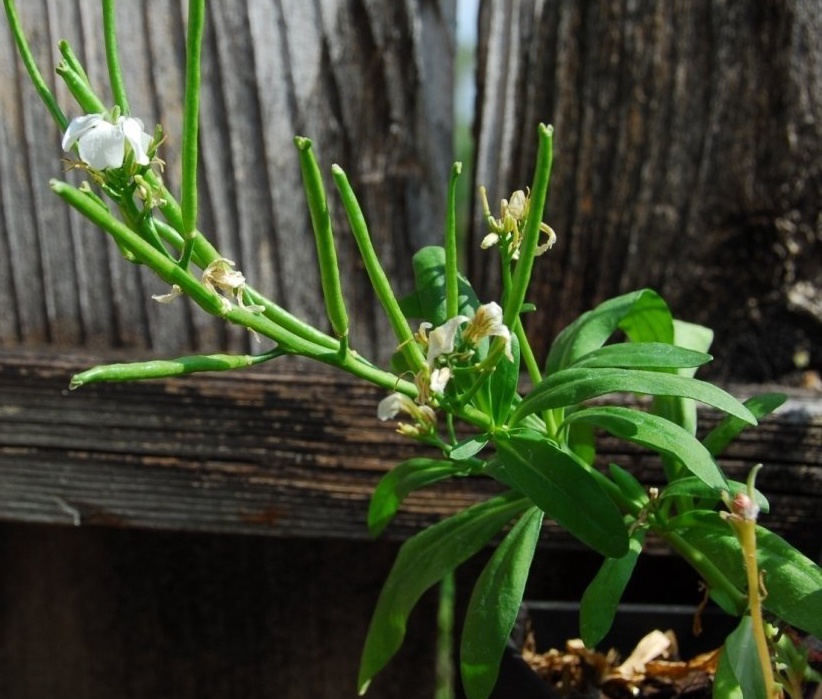
    Hoary stock (Matthiola incana) is a biennial or perennial tomentose herb growing 15 to 75 cm high. Hoary stock is also commonly known as Brampton Stock, Gillyflower, Common Stock, Hoary Stock, Imperial Stock, Stock, Gilli-flower, Brompton Stock, Stock, July Flower, Garden Stock and Tenweek Stock. It is unbranched or has sparingly basal branching. Basal leaves are rosulate and cauline leaves are sessile or shortly petiolate, 3 to 16 cm long, 1 to 2 cm broad, oblanceolate with apex rounded and attenuate base. The racemes are 10 to 30 flowered. Sepals measure 10 to 15 by 2 to 3 mm, linear-lanceolate to narrowly oblong. Petals are pink, purple, violet, red or white about 20 to 30 by 7 to 15 mm, obovate to ovate, rounded or emarginated apex, long clawed. There are 7 to 9 stamens and filaments about 5 to 8 mm, style 1 to 5 mm and 2 to 4 mm anthers. Stigma is erect, sessile and bilobed. The seed pods or siliquae measures 2.5 to 4 mm wide, 10 to 15 cm long and is pubescent to glandular. Seeds are brown, winged, sub-orbicular and measures 2 mm across.

    Close-up-Hoary-stock-flower Close-view-of-Hoary-stock-leaves Dried-Hoary-stock Flower-bud-of-Hoary-stock Hoary-stock-flower Hoary-stock-leaves Hoary-stock-plant Hoary-stock-pods-with-seeds Hoary-stock-seeds Illustration-of-Hoary-stock Seedlings-of-Hoary-stock Seed-pods-of-Hoary-stock
    [Show thumbnails]

    Traditional uses

    The infusion is used for treating cancer and if mixed with wine, it acts as an antidote to poisonous bites.                                                                                       

    How to Eat         

    Flowers are consumed as a vegetable or used as a garnish in sweet desserts.

    References:

    https://www.itis.gov/servlet/SingleRpt/SingleRpt?search_topic=TSN&search_value=23249#null

    https://davesgarden.com/guides/pf/go/1386/

    https://www.pfaf.org/USER/Plant.aspx?LatinName=Matthiola+incana

    60%
    60%
    Awesome

    Comments

    comments

    H Herbs and Spices
    Share. Facebook Twitter Pinterest LinkedIn Tumblr Email
    Previous ArticleKnow about the Sweet Alyssum
    Next Article Facts about Honeysuckle (Japanese Honeysuckle)

    Related Posts

    Uses of Monkey Pitcher plant

    April 16, 2024

    Traditional uses and benefits of Wild Marigold

    March 21, 2024

    Traditional uses and benefits of Drooping fig

    March 12, 2024

    Comments are closed.


    Facts of Hoary stock

    Hoary Stock Quick Facts
    Name: Hoary Stock
    Scientific Name: Matthiola incana
    Origin It is native to the coastal areas of southern and western Europe. It has been introduced into the New World and Australia.
    Colors Brown
    Shapes Sub-orbicular, winged, 2 mm across
    Name Hoary Stock
    Scientific Name Matthiola incana
    Native It is native to the coastal areas of southern and western Europe. It has been introduced into the New World and Australia.
    Common/English Name Brampton Stock, Gillyflower, Common Stock, Hoary Stock, Imperial Stock, Stock, Gilli-flower, Brompton Stock, Stock, July Flower, Garden Stock, Tenweek Stock
    Name in Other Languages Czech: Fiala Šedivá;
    Eastonian: Aedlevkoi;
    Esperanto: Matiolo Nuda;
    Finnish: Välimerenleukoija, Tarhaleukoija;
    French: Girofl ée, Voilier Grisâtre, Mattiole Blanchâtre, Violier;
    German: Weisslichgraue Levkoje, Garten-Levkoje;
    Hungarian: Kerti Viola, Szagos Viola, Nyári Viola;
    Peru: Alhelí;
    Polish: Lewkonia Letnia;
    Portuguese: Goivo-Encarnado, Goiveiro-Encarnado;
    Slovašcina: Šeboj, Fajgelj, Sorta’;
    Slovencina: Fiala Sivá;
    Swedish: Gillyfl ower, Lövkoja;
    Turkey: Yalancı Şebboy;
    Welsh: Murwyll Lledlwyd, Murwyll Coesbren;
    Chinese: Zǐluólán (紫罗兰);
    Danish: Vinterlevkøj;
    Dutch: Violier;
    Spanish: Alhelí
    Plant Growth Habit Biennial or perennial tomentose
    Soil Well-drained, moist, fertile
    Plant Size 15 to 75 cm high
    Leaves Oblanceolate, 3 to 16 cm long, 1 to 2 cm broad
    Flower Purple, pink, violet, red or white, 2-4 cm across
    Seed Sub-orbicular, brown, winged, 2 mm across

    Hoary Stock Scientific Classification

    Scientific Name: Matthiola incana

    Rank Scientific Name & (Common Name)
    Kingdom Plantae (Plants)
    Subkingdom Viridiplantae
    Infrakingdom Streptophyta  (Land plants)
    Superdivision Embryophyta
    Division Tracheophyta  (Vascular plants, tracheophytes)
    Class Magnoliopsida
    Order Brassicales
    Family Brassicaceae  (Mustards, moutardes, crucifers)
    Genus Matthiola W.T. Aiton (Stock)
    Species Matthiola incana (L.) W.T. Aiton ( Tenweeks stock)
    Synonyms
    • Cheiranthus albus Mill.
    • Cheiranthus annuus L.
    • Cheiranthus coccineus Mill.
    • Cheiranthus fenestralis L.
    • Cheiranthus graecus Pers.
    • Cheiranthus hortensis Lam.
    • Cheiranthus incanus L.
    • Cheiranthus viridis Ehrh.
    • Hesperis aestiva Lam.
    • Hesperis fenestralis (L.) Lam.
    • Hesperis glabra Kuntze, 1891
    • Hesperis incana (L.) Kuntze
    • Hesperis violaria Lam.
    • Hesperis violiaria Lam., 1789
    • Leucoium incanum Moench
    • Mathiolaria annua (L.) Chevall.
    • Matthiola annua (L.) Sweet
    • Matthiola fenestralis (L.) R.Br.
    • Matthiola incana subsp. annua (L.) Bonnier, 1912
    • Matthiola incana var. alba R.Br.
    • Matthiola incana var. alba R.Br. ex DC., 1821
    • Matthiola incana var. coccinea R.Br.
    • Matthiola incana var. coccinea R.Br. ex DC., 1821
    • Matthiola incana var. fruticosa Rouy & Foucaud, 1893
    • Matthiola incana var. purpurea R.Br.
    • Matthiola incana var. purpurea R.Br. ex DC., 1821
    • Matthiola incana var. variegata DC., 1821
    • Matthiolaria annua (L.) Chevall., 1827
    • Microstigma incanum Britton
    Categories
    • Beverages (78)
    • Dairy (28)
    • Dental Health (15)
    • Equipment (5)
    • Essential OIls (196)
    • Facts (2,939)
    • Foods (255)
    • Fruits (516)
    • Giveaway (1)
    • Grains and Cereals (36)
    • Health & Beauty (763)
    • Herbs and Spices (1,249)
    • Medicines (9)
    • Mental Health (19)
    • Nutritional value (27)
    • Nuts and seeds (73)
    • Oils (81)
    • Pets (4)
    • Poultry & Seafoods (67)
    • Pulses and Beans (16)
    • Reviews (25)
    • supplement (2)
    • Vegetables (304)
    • Weight Loss (22)

    What is Lupin Bean Flour?

    Science Backed Health Benefits of Durian (Durio zibethinus)

    Science Backed Health Benefits of Feijoa (Pineapple Guava) (Acca sellowiana)

    Science Backed Health Benefits of Gac Fruit (Momordica cochinchinensis)

    Science Backed Health Benefits of Amaranth Leaves (Amaranthus spp)

    Science Backed Health Benefits of Arrowhead (Sagittaria sagittifolia)

    ABOUT
    Home
    About us
    Contact us
    Privacy Policy
    Terms & conditions
    Disclaimer
    Direct Communication
    e-mail: [email protected]
    Gmail: [email protected]
    Whatsapp: +977-9841146511
    Viber: +977-9841146511
    Useful
    Health Wiki
    Nutrition
    Facebook Twitter Pinterest
    © 2025 www.healthbenefitstimes.com All rights reserved.

    Type above and press Enter to search. Press Esc to cancel.

    ×

    Log In

    Forgot Password?

    Not registered yet? Create an Account