

Protein isn’t just for athletes and the crowd at the health club. Protein is essential for supporting muscle growth and maintenance, healthy metabolism, and health as you grow and age.
A diet rich in protein paired with simple health actions can improve your mood, cognitive function, metabolism, and overall health. Learn about protein’s role in the body and how to incorporate more into your diet to begin experiencing the benefits.
Essential Amino Acids Only Found in Protein are Required for Human Life
The human body can do a lot of amazing things, but it cannot make nine essential amino acids. This means that you must get them from food, specifically protein. Protein is made up of amino acids, which your body uses to make immune cells, enzymes, hormones, and tissues.
Protein is available in dietary form as plant and animal proteins. Animal proteins include meat, fish, dairy, eggs, and poultry, while plant proteins include beans, lentils, nuts, tofu, and quinoa. In general, your body digests these proteins best with foods that are minimally processed.
The body cannot store protein, like it does fat and carbohydrates, so establishing your high protein meal plan is essential. As your body breaks down protein, it delivers essential amino acids to your organs and tissues.
Protein Supports Brain Health and Cognitive Function
The human brain is a powerful muscle, and protein is its preferred energy source. The amino acids in protein create neurotransmitters, responsible for memory, mood, focus, and sleep. If you skip protein, you’ll likely feel it in all of these areas almost immediately.
Reduce brain fog and improve every facet of your life today with nutritional protein. Immediately, you’ll quell hunger and enjoy long-term satiety with protein-focused meals. As you go about your day, you’ll have better memory recall and mood.
If you want to perform better at work, school, and in your relationships, look no further than protein. As you age, consistent cognitive support through protein is a requirement.
Keep your mind sharp and memory solid to reduce the risk of cognitive decline and dementia. Additionally, increased muscle mass and tone have been associated with better outcomes in aging, including reduced risk of Alzheimer’s disease.
Metabolic Function is Efficient and Stable with a Protein-Rich Diet
Just like your vehicle requires the right fuel to run efficiently, so does the human body. Appropriate protein intake for your age and size helps stabilize blood glucose. This means you’ll experience consistent energy levels throughout your day and support lean muscle mass.
When you eat a meal rooted in protein, you’ll enjoy steady energy for hours without post-meal sluggishness. Generally, feeling tired after a meal is a good sign that you haven’t eaten enough protein.
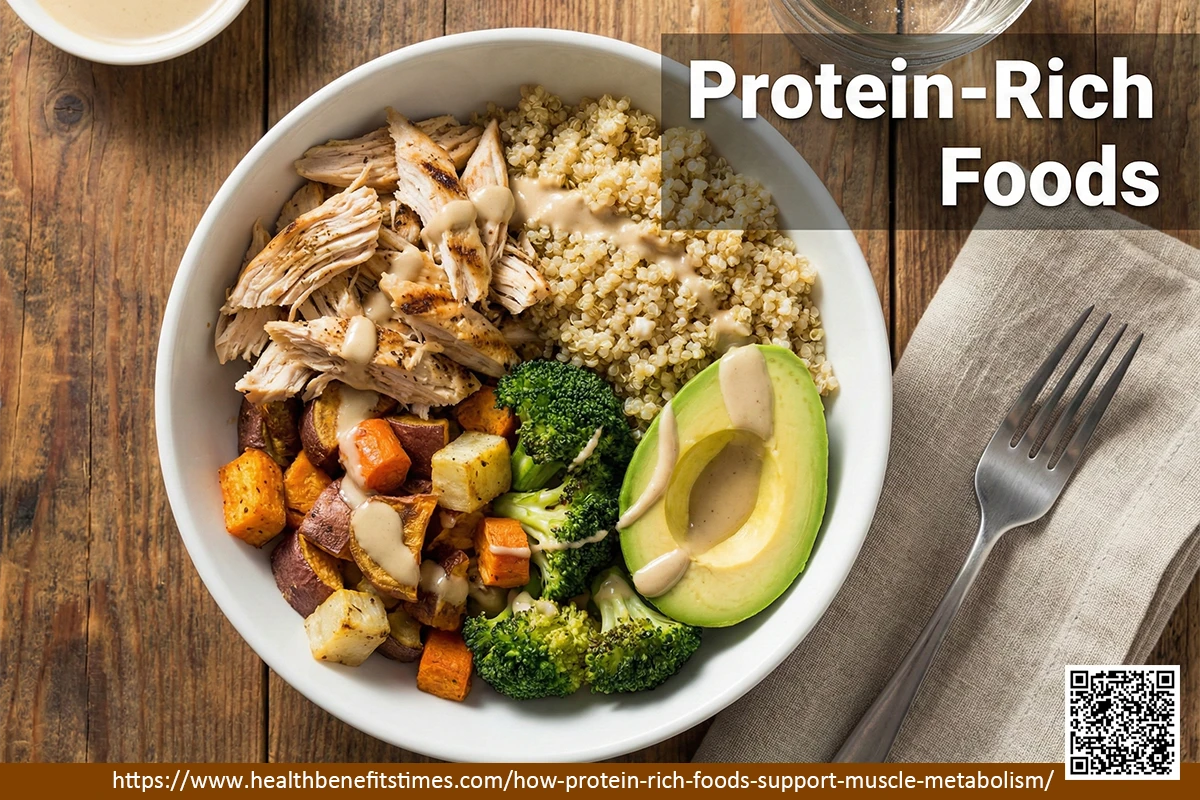
Swap your usual sandwich for a protein bowl of shredded chicken, quinoa, roasted vegetables, and avocado. This powerful bowl showcases essential macronutrients that fuel your body and mind without spiking glucose levels. A meal that offers complete proteins and fiber-rich carbohydrates, along with satisfying, healthy fat, supports digestion and efficient energy levels.
Protein Unlocks the Thermic Effect of Food for Weight and Energy Management
Dig into the science and understand the thermic effect of food and its role in the body. Simply put, the thermic effect of food is the amount of energy your body expends to process food. Protein requires the most energy to digest, meaning it can help you manage weight.
If you’re interested in losing weight, a diet higher in protein offers double the benefit. Protein keeps you fuller for longer, reducing the temptation to snack or overeat. The thermic effect of protein requires about 20-30% of protein calories, so more calories are burned at each meal.
When you eat more protein at each meal, your body can build and maintain muscle while burning calories efficiently. Over time, you can improve your metabolic rate through protein-rich nutrition and increased muscle mass, improving lifelong weight management.
Heal, Recover, and Rebound More Quickly with Protein-Focused Meals
An injury takes longer to recover from when your health isn’t at its best. Support your body’s health today and position it to rebound from future injuries with a protein-rich diet. The same amino acids that support muscles, bones, and tissues come to the rescue when an injury enters your timeline.
Prevention is key, and protein helps improve bone mass, which starts to decline in your 30s. Improve calcium absorption with every meal, pairing protein with a direct calcium source. At breakfast, this might be eggs and Greek yogurt, while lunch could be tuna salad and cottage cheese.
Your immune system is also reliant on protein for combating seasonal sicknesses and infections. Prepare for cold season by upping your protein intake, exercising to support muscle mass, and sleeping for more efficient metabolism. If you’re preparing for or recovering from a planned procedure, protein can help you heal faster and better.
Incorporate Protein at Every Meal for a Healthier, Happier Life
When the star of your meal is protein, you position your meal to support the hours and days ahead. Choose protein as your primary source of nutrition to support muscle growth and maintenance for cognitive and physical benefits. The steady source of energy that protein provides will ensure you have the stamina for busy workdays and fun weekends.
As you age, your protein-rich diet will combat the mental and physical signs of aging that could otherwise sideline you. Instead, you’ll have a well-nourished brain, strong bones, and muscle tone to carry you into your golden years with ease.