

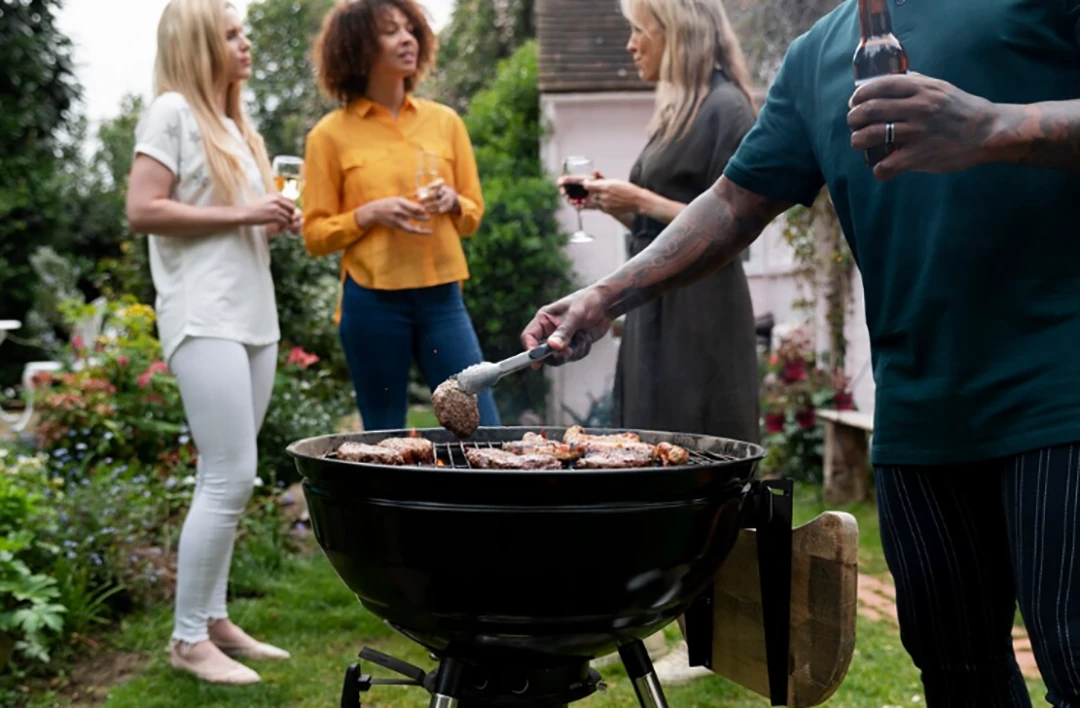
Barbecuing has to be America’s favorite pastime. According to one survey, at least 70% of all American households own at least one grill, making outdoor cooking a common practice. However, as much as you might want to, you can’t just fire up the grill and begin barbecuing in your backyard. You need to go through the proper zoning regulations and, most importantly, meet the Homeowners Association (HOA) requirements.
The HOA determines what type of outdoor cooking is allowed, whether it’s a grill or a solar-powered generator from a reliable brand like Jackery, and where you are permitted to place it. It’s necessary to understand these regulations before you begin. This article will help you understand how to build an outdoor cooking area while remaining compliant with the HOA.
Do You Need HOA Approval to Install a Barbecue Grill in Your Backyard?
For those who are unfamiliar, the Homeowners Association determines planned development, bylaws, and governs a housing authority. This includes outdoor cooking areas.
That is why it is essential to consult with your local HOA and ensure compliance. Some HOAs allow for basic portable grills. However, if you plan to make a permanent outdoor cooking setup, you may need proper authorization.
Here’s When Approval from the HOA is Necessary:
There are certain conditions when the approval becomes necessary, such as:
Adding a Permanent Barbecue Area:
If you are planning on introducing a permanent outdoor cooking area or a BBQ grill, it is always necessary to consult with the local Homeowners Association. This can include permanent grills, permanent countertops, or other outdoor installations that will be enclosed within the cooking area. The good news is that most states allow permanent outdoor barbecue areas so long as they are installed in accordance with their listing, applicable codes, and the manufacturer’s instructions.
Read this article to know more details: https://www.whitefordlaw.com/news-events/barbecues-grilling-and-your-community-association-local-rules-you-need-to-know?
The reason why the HOA is involved in the setup of outdoor cooking areas is that these are going to modify your property and, in turn, affect the entire neighborhood’s aesthetic.
Installing an Outdoor Kitchen:
If you are not just installing a basic cooking space but planning to build a full outdoor kitchen, you must also consult with your local HOA and their Covenants, Conditions, and Restrictions (CC&Rs).
This means that setups involving multiple appliances, cabinetry, or permanent landscaping must be reviewed by the HOA for approval. Extensive property modifications are always scrutinized to ensure they comply with community standards.
In the case of outdoor kitchens, you will generally have to bring in gas, water, and electricity, all of which demand permits approved by the city.
Installing an Electric Grill with Permanent Wiring:
Some homeowners prefer an electric BBQ outdoor grill because the smoke from traditional grills is one of the major causes of fires. It is also one of the major reasons why HOAs reject outdoor cooking area applications. However, if you are installing an electric grill with permanent wiring, you will also have to get the HOA’s permission. This is because you will need to install dedicated electrical circuits or outlets that link to your outdoor cooking area. As this involves modifying the utility lines, you will need to obtain the proper permits and undergo inspections.
Again, there are several rules that you must adhere to, even beyond the HOA’s bylaws. For instance, according to NFPA Code 1, outdoor cooking appliances, including electric grills, must be placed at least 10 ft (3 m) away from any structure. This prevents the risk of fire to your property.
Application Steps and Considerations
To ensure your outdoor cooking project is completed in a timely and efficient manner, it is necessary to undergo the HOA approval process. Here is a brief overview of what you can expect. However, please note that specific regulations may vary by state or locality.
Review HOA Regulations:
Before you begin the process of building an outdoor kitchen area, you must first review the HOA regulations thoroughly. This involves reviewing the Declaration of Covenants, Conditions, and Restrictions, commonly referred to as CC&Rs.
This is a set of rules and guidelines that govern a property within a community and are legally binding for homeowners. It usually covers a wide range of maintenance- and aesthetic-related standards that you must adhere to, including what you can and can’t do with your outdoor space. You need to understand architectural guidelines in particular, and any restrictions on outlook, equipment, or structures. If necessary, you can reach out to your local HOA and get the written guidelines to study. In turn, you will have to submit an ’architectural request.’
Prepare Documentation:
The next step is to prepare all necessary documents while adhering to your Homeowners Association’s guidelines. Remember, you cannot begin work without obtaining formal approval from the HOA.
Documentation is the first step, so be thorough in your approach. Some of the necessary documents you will have to prepare include detailed descriptions and drawings of the intended structures, their dimensions, the cooking equipment you will install, and specifications of the equipment. You may also be required to indicate the location of the cooking area, i.e., its distance from nearby properties and neighboring structures.
You should submit your application as early as you can because the HOA will need time to review your documents. You may have to wait anywhere from 30 to 60 days to hear back from them.
When are Applications Rejected?
Even well-prepared and well-documented applications can be rejected by the HOA. However, do not fret. If this happens, you should know how to navigate the situation effectively. For instance, you should first assess the exact reason for denial, which will be outlined in the denial form.
Some of the most common reasons why your application may be denied include non-compliance with existing architectural guidelines, a lack of necessary documentation, potential obstruction of neighbors’ views, safety concerns, or potential conflicts with local regulations.
That being said, many Homeowner Associations are willing to offer homeowners a chance to resubmit or appeal their application. Some minor concerns, such as material type or placement of the cooking area, can be negotiated on your end. Even with minor adjustments, you can enhance your chances of approval.
Planning Your Outdoor Barbecue Area
If you get approval on your application, you can begin working on your outdoor cooking area. Ideally, you want a cooking area that is easy to use, functional, and yet safe. Here is a step-by-step guide you can follow for a seamless project:
Layout
To have an outdoor cooking area approved quickly, you should first work on the layout. The layout provides an outline of where the items will be placed and in what format. If you have this foundation set, you can create an efficient cooking space for yourself.
The first thing you want to consider is the layout of your cooking equipment. For example, the grill should be the focal point, whereas secondary equipment should be positioned within reach. You also want to ensure that you adhere to HOA guidelines and place your cooking equipment at least 10 feet away from any nearby structures.
Next, you want to have a dedicated preparation area where you can prep your food without interference. You should also dedicate an area for waste disposal or convenient waste recycling.
Supporting Facilities
Your outdoor cooking area is more than just the grills and pans; it also requires the right supporting facilities to function well.
For instance, you should consider adding a canopy to the outer area. This will provide protection from the sun and outdoor elements so you can enjoy your outdoor cooking experience.
At the same time, you should consider storage solutions that allow you to keep your cleaning supplies, serving dishes, and utensils, etc. The more organized you are, the easier it will be to utilize your cooking space.
And since this is a cooking area, you will need cold storage for perishable ingredients like meats, vegetables, and dairy. This means you need to have an outdoor refrigerator nearby that can store your cooking items.
Finally, you want to enhance the overall experience by adding lighting and entertainment. This is perfect for outdoor cooking areas that will be used at night as well.
Mosquito and Fly Prevention Tips
Since you’ll be setting up a cooking space in the outdoor area, you also need to be prepared for insect control, especially during the rainy and warm seasons when mosquitoes are at an all-time high! To protect yourself against mosquitoes, flies, and other outdoor insects, here are a few tips we offer:
- Try the ’water bag method,’ a traditional pest control technique that involves filling transparent plastic bags with water and dropping four to six coins in each bag. Hang these bags around the cooking space, and they will naturally deter insects. The liquid causes simple light refraction, which tends to confuse nearby houseflies, keeping them away.
- In case you are skeptical of this method, there are certainly other steps you can take. For example, you can set up a fan and strategically position it to help disperse any flying insects in the area.
- Lighting citronella candles or using insect-repellent aromatherapy candles is also an option you can explore to ensure that insect activity remains low when you are outdoors.
Finally, remember that cooking waste tends to attract insects, flies, and outdoor rodents; therefore, it is essential to keep your outdoor cooking area clean at all times. Clear away any food waste that might attract insects.
Power Supply for Electric Grills: Wiring vs. Portable Power Station
The fact is that outdoor cooking has evolved considerably, and people are moving away from traditional grill setups. Instead, people are investing in electric outdoor grills that are convenient and do not have the same environmental impact.
The primary issue is that you need to figure out how you will power your electric grill. In this regard, there are two methods you can employ:
Fixed Wiring Solution:
The most obvious option to explore is to invest in fixed wiring. This means connecting with your utility provider and getting a permanent electrical installation that connects to your outdoor cooking area.
This typically involves the installation of 120V/240V waterproof electrical outlets that can be positioned outdoors. However, as we discussed above, any changes to the utility lines require the proper permits and strict compliance with the code. Without these regulations in place, it is actually quite easy for electrical hazards to occur!
Advantages
- Stable power connection
- Unlimited power for cooking equipment
- No concerns about battery life
- Long-term reliability
- Increased property values
Disadvantages
- Higher up-front wiring costs
- Permits are necessary
- Lengthy installation time
- Risk of grid-related power outages
- HOA re-approval may be necessary
Portable Power Station Solutions
Portable power stations are all the rage these days. They offer flexible alternatives for outdoor cooking areas that incorporate electric grills. These typically include pure sine wave technology that can handle sensitive outdoor cooking equipment.
Energy is supplied to the portable power station from a portable solar panel and stored in the battery units, which can later be used for cooking, cleaning, lighting, and other purposes. You can find suitable power stations, such as the Jackery Explorer series, that are ideal for outdoor cooking applications.
Advantages
- Can supply power to electric grills and accessories
- Feasible & flexible
- No installation required
- No need for HOA re-approval
Disadvantages
- Limited power capacity
- Lengthy recharge time, depending on the model
- Not suitable for heavy-duty equipment
Jackery Explorer 2000 Plus Portable Power Station for Your Outdoor BBQ
In case you are looking for a suitable portable power station for your electric grill, the Jackery Explorer 2000 Plus Portable Power Station is a good choice. Jackery has become a household name across America, with brilliant products that offer energy independence and reliability for outdoor use.
This model is more than enough to power your cooking essentials, including your electric grill. For safe cooking, it’s essential to choose a model with sine wave technology, which ensures clean, stable power; this model fits the bill. The best thing is that if you plan to expand your outdoor cooking space or want to power heavy-duty equipment, this model also offers the option to expand up to 6000W/25kWh.
All of that, paired with its long-lasting battery, fume-free energy production, and no-wiring-required operation, means you will have a safe and HOA-compliant cooking experience.
Final Thoughts
Creating the perfect outdoor cooking space can truly feel like a dream, but it is entirely possible as long as you strike a balance between HOA compliance and smart planning. Follow the guide we provided above, and you will be ready with BBQ for the outdoor kitchen!
And when you are looking for a portable power station, don’t forget to check out Jackery’s range of solutions.