

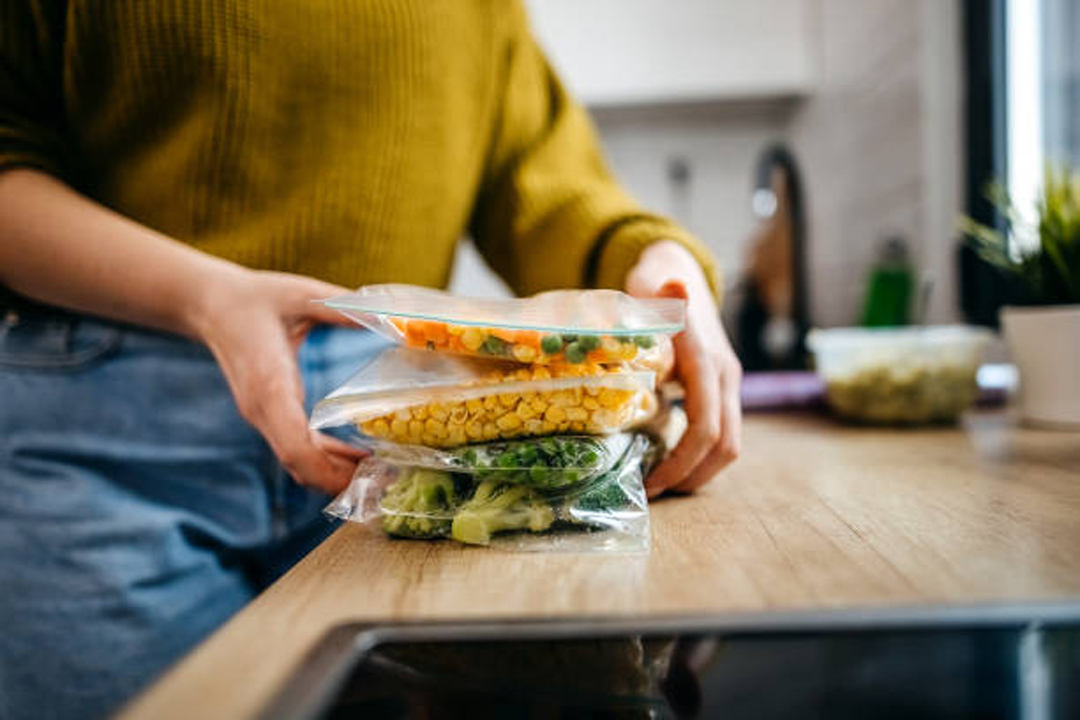
Establishing a healthy food brand can be an excellent business venture with the recent increase in fitness and healthy living trends. Like any start-up business, building a cohesive brand can be quite intimidating, especially when choosing eye-catching and high-quality materials that are cost-effective for product presentation and marketing.
Hence, many business owners use poly bags as their go-to packaging material. They are effective for product presentation and packaging cost reduction.
Poly bags are generally transparent plastic bags synthesized from resin pellets (usually from ethylene or propylene). Because of their transparency, flexibility, and durability, polybags are popularly used for packaging various products.
Suppose your target market is the health-conscious segment who lead wellness-oriented lifestyles. In that case, chances are that this group of people is also mindful of the quality and values of the brands they utilize. With the vast array of poly bags in the food industry, it is essential to consistently prioritize keeping your food products safe and fresh to gain customer loyalty and retention.
The type of poly bag best suited for your brand would depend on the type/s of food you are hoping to market. Generally, you would need to choose food-grade poly bags, which, as the name suggests, refer to plastics deemed suitable for contact with consumable foods or drinks.
Food-grade plastics should meet the safety criteria issued by a regulatory organization (such as the Food and Drug Administration) and have the following shared features:
- Chemically safe, meaning the plastic material must not have the potential for seeping into the food item.
- With high wear resistance, to act as a protective barrier against surface mechanical damage.
- With dimensional stability or flexibility, to be able to withstand stretch.
- With thermal stability.
These are all vital to ensuring that the packaging does not affect your food items’ flavor, color, and odor.
Some types of poly bags are denser compared to others. More specifically, LDPE (Low-Density Polyethylene) poly bags are more flexible and used for lightweight food products such as leafy vegetables, sandwiches, salads, chips, and baked goods. HDPE (High-Density Polyethylene) poly bags are denser and more durable, making them ideal for heavier food products or items purchased in bulk, such as root crops and fruits.
Sustainable poly bags are a great option if you aim to reduce your brand’s carbon footprint. Plant-based poly bags use starch materials as substitutes for traditional synthetic polymers. These custom poly bags have the same durability and affordability as their synthetic counterparts, ticking the boxes of staying within your budget while maintaining the integrity of your food products from storage to your customers’ shelves and being an eco-friendly brand. Using reliable plant-based poly bags is most likely to expand your customer base, as many consumers are now becoming more mindful of the environmental impacts of their purchases.
Poly bags can also be customized to a more precise size to suit your product. You can reduce waste and packaging costs by avoiding undersized or oversized bags for your products. Suppliers usually offer free samples of their available poly bag sizes upon request or special discounts for made-to-order sizes. Some suppliers may even allow this with no minimum production requirement needed. Learn more about custom poly bags.
You can also opt for other poly bags, such as stand-up pouches or gusseted poly bags. Gusseted poly bags have enlarged bottoms and pleats along the sides, allowing them to accommodate heavier or bulkier objects. These bags are great for exhibiting your products without worrying about spillage because they can stand upright when filled.
Quite ironically, poly bags, such as vented poly bags or perforated produce bags, have holes to permit air to pass freely. These bags’ breathability helps extend the shelf life of certain food products, such as root crops, which can be damaged when air and moisture are trapped inside the poly bag.
Say you have secured your supply of poly bags, another aspect that you would also need to tackle is how to seal them to ensure the integrity of your healthy food items. Just as it was in choosing the suitable material for your poly bag, selecting the best method of sealing your poly bags is just as crucial to preserving the freshness of your products and protecting them from contamination and spoilage.
The most popular methods for sealing poly bags are heat sealing or using twist ties or tape. You can use plastic twist ties, nylon cable ties for one-time closure, and wire twist ties for products that may need to be opened and closed multiple times. There are also poly bags with built-in seals, such as zip locks, which are fastened with a slider through interlocking plastic grooves and ridges at the top of polybags. High-quality ziplock bags are one of the best options for resealable packaging. Lip and tape bags, also known as “peel and seal” bags, are resealable food bags that feature a strong adhesive strip that is then peeled, and an extension of the bag (the ‘lip’) is folded over to this adhesive to quickly and conveniently seal it.
Finally, the finishing touch – product labeling. There are various options for displaying information about your product on its packaging. You could design an eye-catching label and print them on stickers. You might want to make the most of the transparent feature of your poly bags, print your product information on a card, and insert it into a conspicuous space inside your poly bags before sealing them. Another way you could insert your printouts is by using a variety of poly bags called “header bags.” These are display bags with a transparent body and a sealed top with printed brand information. If you plan to market a ready-made product, boost your presentation by including the nutritional information and ingredients you want your product to be known for on your printouts. Another cost-efficient way to customize your product packaging is by printing your brand logo or product label with attractive artwork or graphics on your poly bags. Poly bags may also be customized according to your preferred color specifications.