

- A high-protein diet emphasizes consuming protein-rich foods—such as lean meats, dairy, legumes, and nuts—to constitute a significant portion of daily caloric intake.
- This approach can aid weight loss by enhancing satiety, thereby reducing overall calorie consumption.
- Additionally, it helps preserve lean muscle mass during weight loss, which is crucial for maintaining a healthy metabolism.
 Weight loss is defined as the reduction of total body mass through the loss of fat, fluid, and lean mass, often achieved through dietary and lifestyle changes. (1) A high-protein diet has gained recognition for its role in weight management and fat reduction due to its unique effects on metabolism, satiety, and muscle preservation. Research highlights that high-protein diets promote satiety and reduce overall calorie intake, which are critical for successful weight management. (2) Compared to standard-protein diets, high-protein diets are shown to facilitate greater fat loss and metabolic improvements, particularly in individuals with obesity and metabolic syndrome 3. (3) Additionally, such diets enhance thermogenesis, increasing the body’s calorie-burning potential, and preserving lean body mass, which is often lost during caloric restriction. (4) Studies also indicate that high-protein intake contributes to sustained weight maintenance following initial loss, further reducing the risk of rebound weight gain. (5) The physiological benefits of high-protein diets include better blood sugar control and lipid profile improvement, making them an effective strategy in managing long-term health risks. (6) Their impact on appetite regulation is critical, with evidence showing that protein-rich diets suppress hunger hormones, thus improving adherence to dietary regimens. (7) Finally, high-protein diets have demonstrated enhanced muscle protein synthesis, which aids in fat-free mass retention during weight loss, emphasizing their safety and efficacy in diverse populations. (8)
Definition and Components of High-protein diet
A high-protein diet is characterized by a protein intake exceeding the standard dietary recommendations, typically above 25-30% of total caloric intake. (9) Key components include lean meats, fish, eggs, dairy, legumes, and plant-based proteins. (10) These diets promote satiety, muscle preservation, and metabolic benefits, particularly in weight management. (3) Protein’s role in thermogenesis and appetite suppression enhances energy balance. (6) High-protein diets also preserve muscle mass during caloric deficits and support kidney health in appropriate contexts. (11) (12)
How a High-Protein Diet Supports Weight Loss
Protein plays a crucial role in weight loss by boosting metabolism, reducing appetite, and preserving muscle mass. It increases feelings of fullness, helping to control calorie intake, and supports fat burning through thermogenesis. Including high-protein foods in your diet can enhance weight loss efforts, improve body composition, and promote sustainable results.
1. Reduces Hunger Hormones
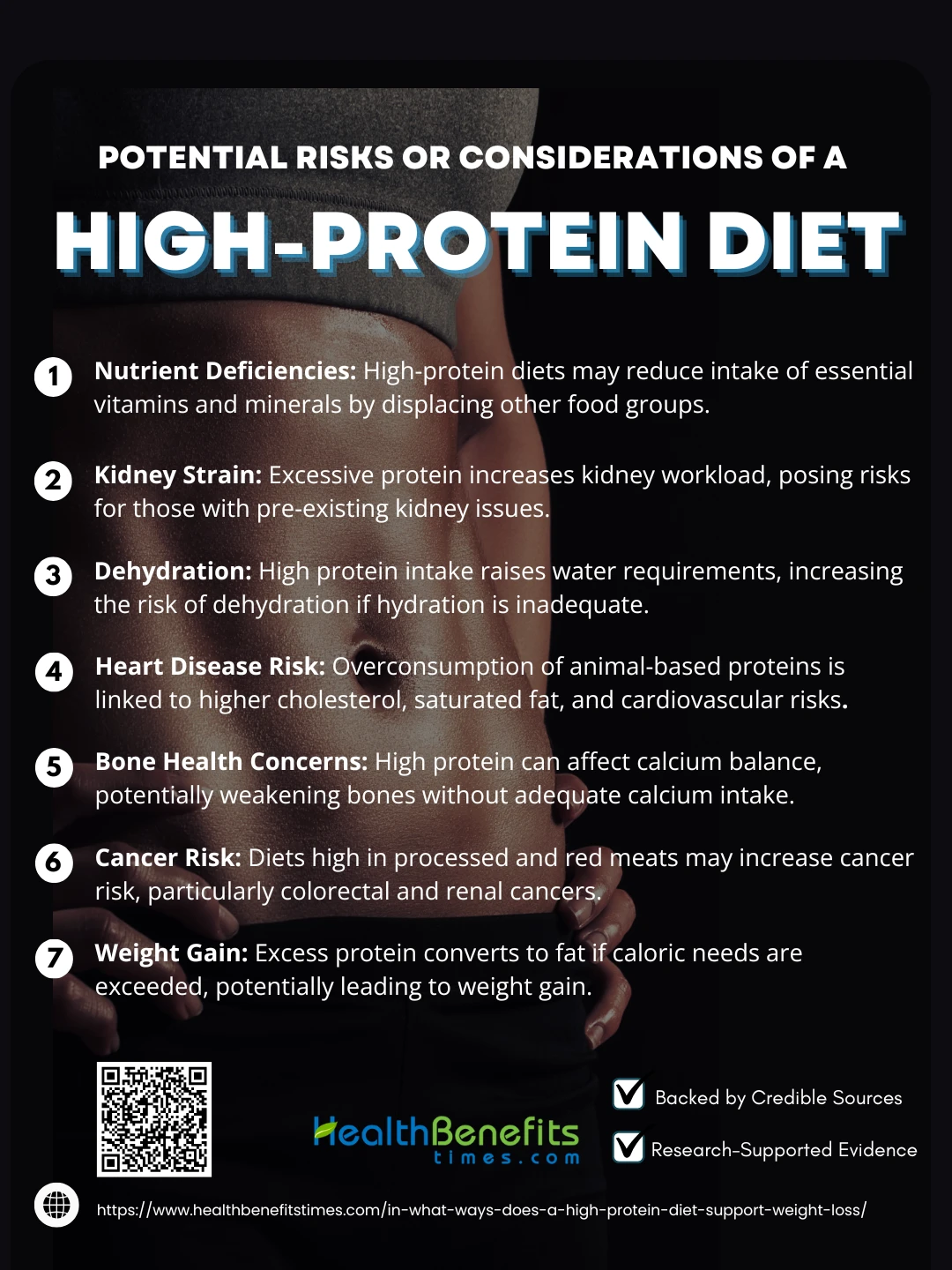
A high-protein diet effectively reduces hunger hormones and promotes satiety, supporting weight loss and appetite control. Increased protein intake has been shown to lower levels of ghrelin, the primary hunger hormone, while enhancing the production of satiety hormones like GLP-1, peptide YY, and cholecystokinin. (13) Research highlights that high-protein meals significantly suppress postprandial hunger, attributed to hormonal shifts. (14) This approach has both metabolic and appetite advantages. (15) These effects make high-protein diets a practical strategy for managing weight.
2. Increases Satiety
A high-protein diet significantly enhances satiety, helping to manage appetite and reduce overall caloric intake. Protein-rich foods increase satiety to a greater extent than carbohydrates or fats by influencing hormones like GLP-1, peptide YY, and ghrelin. (16) These hormonal changes promote feelings of fullness, as observed in studies that rated protein as the most satisfying macronutrient. (17) Protein also reduces levels of hunger-inducing hormones and stabilizes blood sugar, further enhancing satiety. (18) (19) This effect helps regulate energy intake effectively. (20)
3. Boosts Energy Expenditure
A high-protein diet significantly boosts energy expenditure by increasing the body’s thermic effect of food (TEF) and maintaining lean muscle mass. Protein-rich diets enhance resting energy expenditure (REE) compared to low-protein diets, as observed in controlled studies. (21) Protein metabolism requires more energy, contributing to increased calorie burn. (22) Additionally, protein supports muscle repair, indirectly elevating energy expenditure. (23) Studies show that higher protein intake influences brain regions associated with energy regulation, like the hypothalamus. (24) This effect, combined with its satiating properties, makes protein crucial for weight management.
4. Preserves Lean Muscle Mass
A high-protein diet plays a critical role in preserving lean muscle mass, especially during weight loss. Studies show that high protein intake can help maintain fat-free mass even in calorie-restricted conditions. (25) Protein supports muscle protein synthesis, minimizing muscle breakdown during weight loss. (26) Gradually increasing protein intake significantly enhances muscle retention. (27) High-protein diets are essential for achieving body composition goals. (13)
5. Improves Metabolic Rate
A high-protein diet enhances metabolic rate through increased thermogenesis and lean muscle preservation. Protein-rich foods raise diet-induced thermogenesis (DIT), contributing to a 30% boost in energy expenditure compared to 5–10% for carbohydrates or fats. (28) Additionally, protein intake supports resting metabolic rate (RMR) by preserving lean muscle mass during weight loss. (29) This metabolic enhancement occurs even during rest, including sleep. (13) Proteins also catalyze metabolic processes as enzymes, speeding up cellular reactions. (30) Optimal protein consumption aids weight management and long-term energy balance. (21)
6. Reduces Cravings and Late-Night Snacking
A high-protein diet effectively reduces cravings and late-night snacking by regulating hunger hormones and increasing satiety. Research shows that increasing protein intake to 25% of total calories reduces cravings by 60% and late-night snacking by 50%. (19) Protein suppresses hunger hormones like ghrelin while boosting satiety hormones such as peptide YY and GLP-1. (14) Consuming protein-rich snacks before bed further aids muscle repair and prevents nighttime hunger pangs. (31)
7. Facilitates Fat Loss Over Muscle Loss
A high-protein diet effectively facilitates fat loss while preserving muscle mass during weight loss. Protein boosts metabolism and thermogenesis, ensuring more calories are burned from fat stores. (13) Studies show protein consumption during calorie deficits prevents lean body mass loss, a key advantage in weight management. (32) Adequate protein intake helps regulate hunger and supports fat loss by maintaining high satiety levels. (33) This makes protein a cornerstone of effective fat loss programs.
8. Increases Dietary Satisfaction
A high-protein diet increases dietary satisfaction by enhancing satiety and reducing overall calorie consumption. Protein promotes feelings of fullness more effectively than fats or carbohydrates, as it influences hunger-regulating hormones like ghrelin and GLP-1. (16) Studies indicate that protein-rich meals provide prolonged satiety, helping with portion control and reduced cravings. (34) This is especially beneficial under calorie-restricted conditions where satisfaction is critical for adherence. (35) Additionally, high-protein diets are linked with better weight management outcomes, making them a sustainable dietary approach. (13)
 Practical Tips for Following a High-Protein Diet
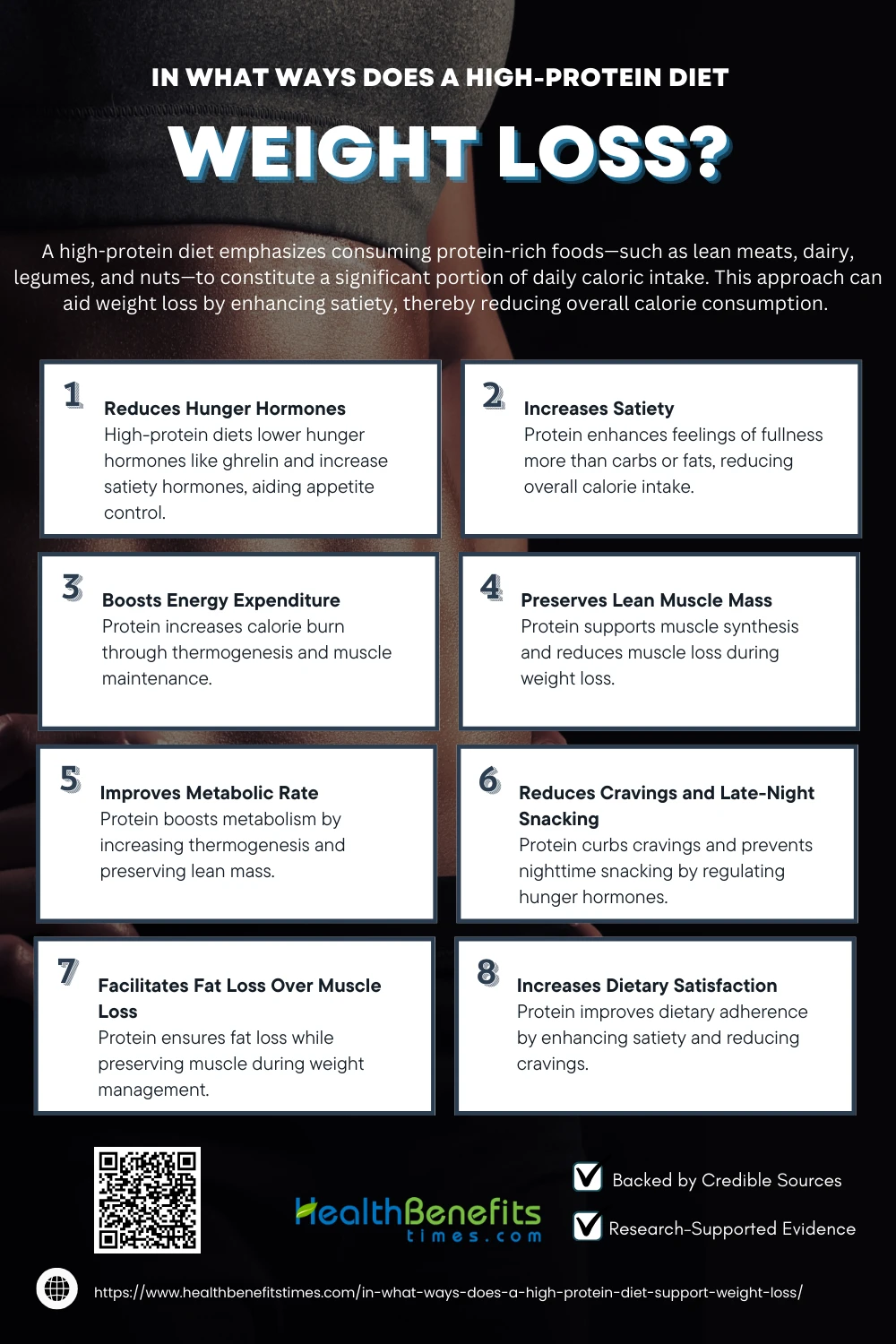
1. Plan Your Meals Ahead
Planning meals ahead is essential for successfully following a high-protein diet. It ensures balanced nutrition by incorporating diverse sources like lean meats, beans, and eggs. (36) Tracking protein intake helps meet dietary goals effectively. (34) Organizing meals around work and fitness routines further optimizes energy levels. (18)
2. Incorporate Plant-Based Proteins
Incorporating plant-based proteins into a high-protein diet is a sustainable and nutritious approach. Foods like lentils, beans, and quinoa provide essential amino acids while reducing reliance on animal sources. (37) Edamame and nuts are excellent for snacks, delivering healthy fats alongside protein. (38) Including diverse plant-based proteins ensures balanced nutrition and supports dietary satisfaction. (39)
3. Stay Hydrated
Staying hydrated is crucial when following a high-protein diet, as increased protein intake can elevate water demand for kidney function and metabolic processes. (40) Dehydration risks are higher, as protein metabolism produces urea, which requires water for excretion. (41) Staying hydrated also supports overall metabolic efficiency and nutrient absorption. (35)
4. Avoid Processed Proteins
Avoiding processed proteins is vital in a high-protein diet to reduce health risks like heart disease and high cholesterol. (18) Processed meats are high in saturated fats and sodium, which can harm overall health. (36) Incorporating plant-based proteins can further improve dietary quality. (42)
5. Balance Macronutrients
Balancing macronutrients in a high-protein diet ensures optimal health and long-term sustainability. Aim for 40% protein, 30% carbs, and 30% healthy fats to maintain energy and nutritional balance. (43) Avoid extreme carb restriction, as it may lead to nutrient deficiencies and digestive issues. (18)
6. Track Your Progress
racking your progress is essential for maintaining a high-protein diet effectively. Regular tracking helps identify overconsumption, which can lead to adverse health effects. (44) Additionally, tracking can highlight areas needing adjustment to balance nutrient intake effectively.
7. Combine with Exercise
Combining a high-protein diet with exercise enhances body composition and muscle recovery. Systematic strength training with adequate protein intake improves fat-free mass while reducing fat mass. (45) Protein aids muscle repair after workouts, promoting strength and recovery. (46) Post-workout protein timing is critical for optimizing results. (47)
 Potential Risks or Considerations of a High-Protein Diet
1. Nutrient Deficiencies
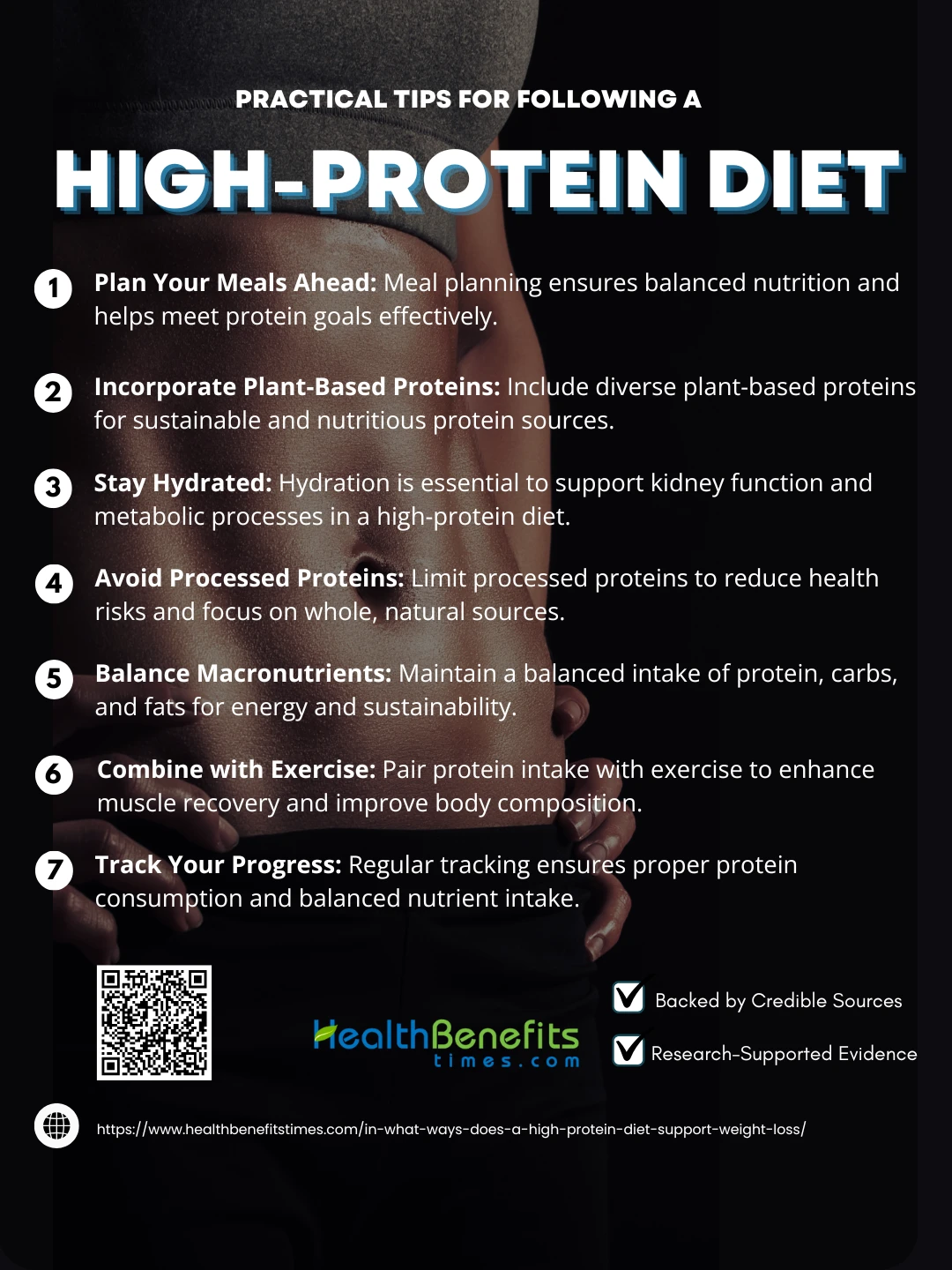
A high-protein diet can lead to nutrient deficiencies by displacing essential food groups, reducing intake of vitamins such as A, C, D, and folate, as well as minerals like calcium and magnesium. (48) These deficiencies arise due to the exclusion of fruits, vegetables, and whole grains, which provide vital micronutrients. (49) Such imbalances may compromise immune function and bone health. (50)
2. Kidney Strain
Excessive protein intake can strain the kidneys by increasing their workload to filter urea and other byproducts of protein metabolism. In individuals with pre-existing kidney conditions, this strain may exacerbate damage, potentially leading to proteinuria or kidney stones. (51) High-protein diets like the carnivore diet have been linked to impaired kidney function in the long term. (52) While healthy individuals may tolerate high protein intake, caution is advised. (53)
3. Dehydration
High-protein diets increase the risk of dehydration by elevating the body’s need for water to excrete nitrogenous waste products like urea. (54) Insufficient hydration while consuming high protein can lead to kidney stress and fatigue. (18)
4. Heart Disease Risk
Excessive protein consumption, especially from animal sources, is linked to increased heart disease risk due to elevated cholesterol and saturated fat intake. (55) Diets with over 22% of daily calories from protein may accelerate atherosclerosis development. (56) Chronic overconsumption could lead to cardiac amyloidosis, impacting heart function. (57) Limiting processed and red meats is vital for reducing cardiovascular risks. (58)
5. Bone Health Concerns
Excess protein intake may affect bone health by increasing urinary calcium excretion, potentially leading to calcium imbalance and bone resorption. (59) Animal-based proteins, in particular, have been associated with reduced bone density and higher fracture risks compared to plant-based proteins. (60) However, adequate calcium intake can mitigate these effects and even support bone health by promoting serum IGF-1 levels, which enhance bone formation. (61)
6. Cancer Risk
High-protein diets, especially those rich in processed and red meats, have been associated with an increased risk of certain cancers like colorectal and renal cell carcinoma. (62) The risk arises from elevated IGF-1 levels and exposure to carcinogenic compounds during meat processing. (63) However, plant-based protein sources may mitigate this risk. (64)
7. Weight Gain
Excessive protein intake can contribute to weight gain when consumed beyond caloric needs, as surplus protein converts to fat. (65) Long-term studies link high animal protein consumption to increased body fat and obesity risk. (66) Balancing macronutrients and incorporating plant-based proteins can mitigate these effects. (18)
 Conclusion
In conclusion, high-protein diets offer significant benefits for weight loss and overall health by enhancing satiety, preserving lean muscle mass, and boosting metabolism. These diets effectively regulate hunger hormones, improve energy expenditure, and support fat loss while maintaining muscle during caloric restriction. However, to maximize these benefits, it is crucial to balance macronutrients, incorporate diverse protein sources, and maintain proper hydration. While generally safe for healthy individuals, potential risks such as nutrient deficiencies, kidney strain, or cardiovascular concerns highlight the importance of moderation and tailoring dietary approaches to individual needs and health conditions.