

- Deep breathing is a relaxation technique that involves slow, controlled breaths to reduce stress and promote calmness.
- It activates the parasympathetic nervous system, lowers cortisol levels, and reduces the “fight-or-flight” response.
- Regular practice improves focus, emotional stability, and overall well-being by calming the mind and relaxing the body.
Deep breathing, also known as diaphragmatic or belly breathing, is a technique that focuses on slow, deliberate breaths to promote relaxation and improve physiological functions 1. (1)
In today’s fast-paced world, stress has become a ubiquitous challenge, affecting millions globally. The practice of deep breathing has garnered scientific attention as a natural and effective tool to combat stress 2. (2) Deep breathing activates the parasympathetic nervous system, commonly referred to as the “rest and digest” system, which counteracts the fight-or-flight response triggered by stress 3. (3) Studies have demonstrated its ability to lower cortisol levels, reduce heart rate, and enhance emotional resilience. (4) Furthermore, deep breathing promotes mindfulness and a sense of control, essential in managing anxiety and stress in daily life. (5) As a simple, accessible, and cost-free method, it has become a cornerstone of many stress management practices. (6) By engaging the vagus nerve, deep breathing induces physiological calmness, which is instrumental in restoring balance during periods of heightened stress. (7)
What is Stress?
Stress is the body’s natural response to perceived threats or demands, encompassing physical, emotional, and psychological reactions. (8) It occurs when an individual feels overwhelmed or unable to cope with life’s challenges, triggering the release of stress hormones like cortisol and adrenaline. (9) While stress can be a short-term motivator, prolonged exposure can lead to health issues such as anxiety, depression, and cardiovascular problems. (10) Understanding the mechanisms behind stress is crucial to developing effective management strategies. (11)
Managing stress is essential for maintaining both physical and mental well-being. Chronic stress has been linked to weakened immune function, increased risk of chronic diseases, and impaired cognitive performance. (12) Effective stress management techniques, such as mindfulness, exercise, and relaxation practices, can improve resilience and enhance overall quality of life Stress Management Techniques. Moreover, addressing stress is vital for fostering healthy relationships and workplace productivity, as unmitigated stress often results in interpersonal conflicts and reduced efficiency. (13) By adopting proactive stress management practices, individuals can lead healthier, more balanced lives.
How Deep Breathing reduce stress levels?
Deep breathing reduces stress by activating the body’s relaxation response, which lowers heart rate, reduces blood pressure, and decreases levels of stress hormones like cortisol. By focusing on slow, deep breaths, the mind shifts away from anxious thoughts, promoting a sense of calm and improving overall mental clarity.
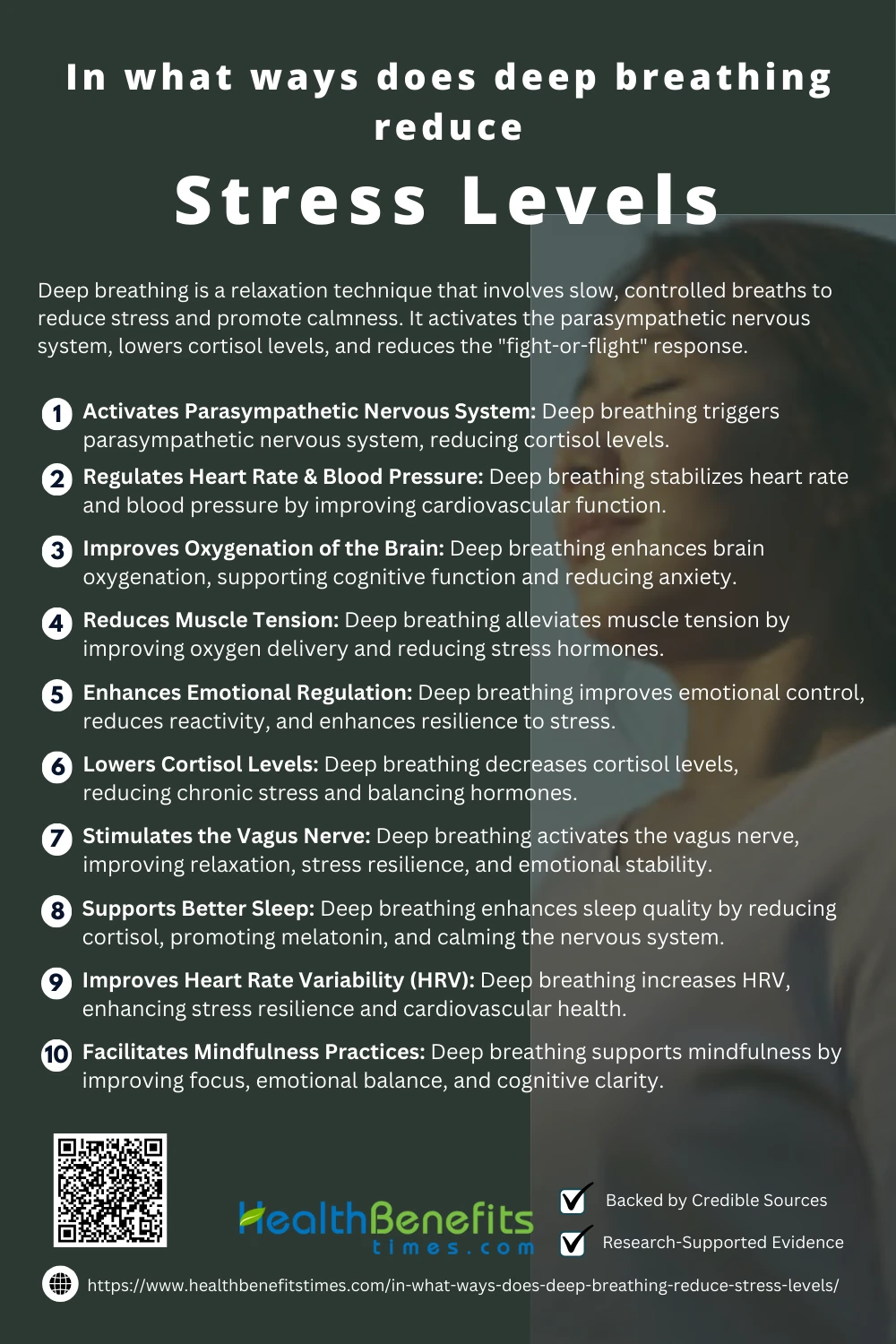 1. Activates the Parasympathetic Nervous System
Deep breathing significantly reduces stress levels by activating the parasympathetic nervous system, which promotes relaxation and lowers the body’s fight-or-flight response. Research shows that slow breathing stimulates the vagus nerve, enhancing parasympathetic tone and reducing cortisol levels. (14) (15) Studies also highlight its role in improving heart rate variability and emotional regulation. (16) (17) Integrating such techniques into daily routines enhances mental and physical well-being. (18)
2. Regulates Heart Rate and Blood Pressure
Deep breathing effectively reduces stress by regulating heart rate and blood pressure, activating the parasympathetic nervous system to counteract stress responses. Research indicates that slow breathing improves cardiovascular function, stabilizing heart rate variability and reducing hypertension. (17) (19) It also decreases stress hormone levels and enhances emotional resilience. (20) Such practices promote overall mental and physical well-being. (21)
3. Improves Oxygenation of the Brain
Deep breathing effectively reduces stress by enhancing oxygenation in the brain, stabilizing the autonomic nervous system, and lowering cortisol levels. Studies demonstrate that slow, deep breathing boosts oxygen saturation in the blood, supporting cerebral function and reducing anxiety. (22) Additionally, slow breathing promotes increased oxygen delivery to brain regions associated with emotional regulation. (23) Research reveals that this technique enhances vagal nerve activity, fostering relaxation and mental clarity. (24) Improved oxygen supply during deep breathing correlates with reduced symptoms of stress and anxiety. (25) Furthermore, the increased oxygenation supports cognitive performance and reduces mental fatigue. (17)
4. Reduces Muscle Tension
Deep breathing reduces stress and muscle tension by activating the parasympathetic nervous system, which promotes relaxation and lowers stress hormones. Research indicates that deep breathing reduces muscular tightness by slowing heart rate and enhancing oxygen delivery to tissues. (26) Studies show a significant reduction in muscle tension and improved circulation following deep breathing exercises. (27) Additionally, it improves respiratory efficiency, further reducing muscular fatigue. (28) Controlled breathing techniques have also been shown to significantly decrease muscle rigidity and stress-related discomfort. (29)
5. Enhances Emotional Regulation
Deep breathing enhances emotional regulation by activating the parasympathetic nervous system, reducing emotional reactivity, and improving cognitive control. Studies show that slow breathing exercises reduce negative emotional responses and increase self-regulation capacity. (30) It has also been found that deep breathing reduces emotional distress and enhances resilience. (31) Furthermore, slow breathing techniques improve vagal tone, promoting relaxation and better emotional responses. (14) Finally, mindfulness-based breathing exercises have been shown to reduce cortisol levels, improving emotional resilience. (32)
6. Lowers Cortisol Levels
Deep breathing significantly lowers cortisol levels, the body’s primary stress hormone, by enhancing parasympathetic nervous system activity and reducing sympathetic overdrive. Research demonstrates that deep breathing exercises effectively decrease cortisol levels in both saliva and serum. (33) Another study highlights the role of structured breathing exercises in controlling cortisol surges during stressful events. (34) Mindfulness-based breathing techniques have shown sustained cortisol reductions over time. (35) Moreover, slow deep breathing exercises are linked to improved hormonal balance and reduced chronic stress. (36)
7. Stimulates the Vagus Nerve
Deep breathing stimulates the vagus nerve, triggering the parasympathetic nervous system and promoting relaxation. Research shows that longer exhalations activate the vagus nerve, reducing stress and anxiety. (37) Auricular stimulation combined with deep breathing enhances vagal tone and stress resilience. (38) Studies also reveal that controlled breathing patterns positively affect vagus nerve activity. (15) Slow breathing practices effectively lower heart rate and improve stress recovery by modulating vagal activity. (39) Additionally, self-regulated breathing enhances vagal nerve efficiency, improving emotional and physiological responses. (17)
8. Supports Better Sleep
Deep breathing supports better sleep by reducing stress hormone levels, calming the nervous system, and promoting relaxation. Research shows that diaphragmatic breathing reduces cortisol and enhances melatonin production, improving sleep quality. (40) Slow breathing exercises alleviate insomnia and improve sleep efficiency. (41) Additionally, mindful breathing reduces nighttime awakenings and supports a restful sleep cycle. (42) Regular practice of breathing exercises also reduces symptoms of sleep disorders. (43)
9. Improves Heart Rate Variability (HRV)
Deep breathing enhances Heart Rate Variability (HRV), a key indicator of autonomic nervous system balance, by promoting vagal nerve activity and reducing sympathetic arousal. Research highlights that slow, deep breathing significantly increases HRV, improving emotional stability and stress resilience. (44) Diaphragmatic breathing is shown to immediately improve HRV markers, enhancing cardiovascular efficiency. (45) Controlled breathing also modulates HRV frequency bands linked to stress recovery. (46) Studies confirm that HRV biofeedback via deep breathing reduces stress-induced arrhythmias. (47) Furthermore, mindfulness-oriented deep breathing practices sustainably increase HRV, improving psychological resilience. (48)
10. Facilitates Mindfulness Practices
Deep breathing facilitates mindfulness practices by enhancing focus, reducing emotional reactivity, and promoting physiological relaxation. Research shows that mindful breathing exercises decrease anxiety and improve cognitive clarity. (49) Diaphragmatic breathing reduces automatic negative thoughts, fostering a mindful state. (25) Additionally, it stabilizes attention and emotional balance, crucial for mindfulness. (18) Studies highlight the synergistic effects of breath control and meditation on mindfulness. (17)
Popular Deep Breathing Techniques
Discover the power of deep breathing techniques to reduce stress, improve focus, and enhance overall well-being. Explore popular methods like diaphragmatic breathing, box breathing, and alternate nostril breathing for a calmer mind and body.
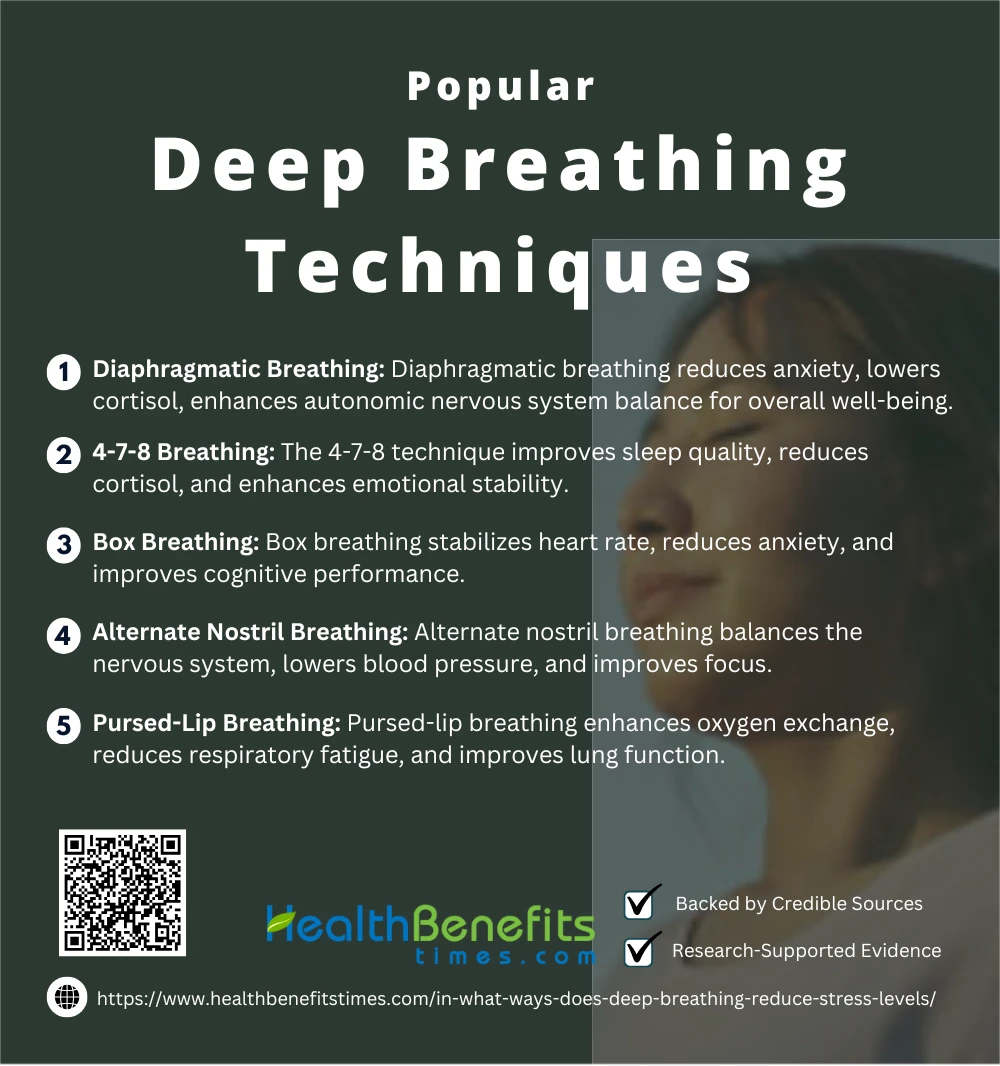 1. Diaphragmatic Breathing
Diaphragmatic breathing, also known as abdominal breathing, involves deep inhalations using the diaphragm to maximize oxygen intake and promote relaxation. Studies show it reduces anxiety and cortisol levels while improving mental focus. (50) It enhances autonomic nervous system balance. (51) Research highlights its benefits in managing chronic conditions like hypertension and asthma. (52) Regular practice improves emotional regulation and promotes overall well-being. (53)
2. 4-7-8 Breathing
The 4-7-8 breathing technique involves inhaling for 4 seconds, holding for 7 seconds, and exhaling for 8 seconds, effectively reducing stress and promoting relaxation. Research highlights its efficacy in improving sleep quality and emotional stability. (54) This method has been shown to lower cortisol levels and anxiety. (55) Studies indicate improved heart rate variability (HRV) and parasympathetic activity. (56) Additionally, it aids in managing pain and improving sleep after surgeries. (41) The technique also supports better emotional resilience and reduces symptoms of insomnia. (57)
3. Box Breathing
Box breathing, also known as square breathing, involves inhaling, holding, exhaling, and holding again, each for equal counts, typically four seconds. This technique enhances mental clarity, reduces anxiety, and stabilizes heart rate. (58) Research indicates its efficacy in reducing insomnia and improving sleep quality. (41) Box breathing is particularly beneficial in high-stress environments to improve emotional regulation. (59) Studies also demonstrate improved cognitive performance and reduced cortisol levels. (57)
4. Alternate Nostril Breathing (Nadi Shodhana)
Alternate Nostril Breathing (Nadi Shodhana) balances the autonomic nervous system, reduces anxiety, and improves focus. Research highlights its role in reducing stress and promoting mental clarity. (60) Studies reveal improvements in cardiovascular function and reduced blood pressure. (61) Nadi Shodhana also enhances oxygen efficiency and boosts respiratory function. (62) It fosters emotional balance and reduces symptoms of anxiety and depression. (63) Regular practice can improve brain function and cognitive performance. (64)
5. Pursed-Lip Breathing
Pursed-lip breathing involves inhaling slowly through the nose and exhaling gently through pursed lips, which helps improve oxygen exchange, reduce shortness of breath, and increase lung function efficiency. It enhances breathing patterns and reduces anxiety. (65) Studies also reveal improved pulmonary function and reduced respiratory fatigue. (66) Pursed-lip breathing significantly decreases hyperinflation in lung diseases. It also contributes to better oxygen saturation and overall relaxation. (67) (68)
Deep Breathing and Mind-Body Connection
Deep breathing strengthens the mind-body connection by activating the parasympathetic nervous system, reducing stress, and enhancing emotional balance. Research shows it improves focus and reduces anxiety (67). (69) Studies highlight its ability to regulate cortisol and inflammatory responses. (70) Deep breathing practices also improve sleep quality and emotional resilience. (71) Research indicates its role in managing post-traumatic stress disorder (PTSD) symptoms. (72) Additionally, consistent practice enhances neural pathways linked to relaxation and emotional regulation. (14)
Practical Applications and Tips
Deep breathing is a powerful and versatile tool with numerous practical applications across mental, emotional, and physical health domains. Below is a detailed list of its practical uses and effective tips for implementation:
1. Stress Reduction and Anxiety Management
Deep breathing activates the parasympathetic nervous system, which counters the “fight-or-flight” response caused by stress. Research indicates that consistent deep breathing practice can lower cortisol levels, reducing physical and emotional stress symptoms. Techniques like 4-7-8 breathing and box breathing are particularly effective in high-pressure situations.
- Tip: Practice deep breathing in a quiet environment for 5–10 minutes daily to reduce stress levels. (43)
2. Enhanced Focus and Concentration
Deep breathing improves oxygenation of the brain, enhancing focus, cognitive clarity, and productivity. Studies show that regular deep breathing increases working memory capacity and reduces mental fatigue, making it particularly effective for students and professionals working under tight deadlines.
- Tip: Use box breathing (inhale, hold, exhale, hold for equal counts) before important tasks or meetings. (73)
3. Emotional Regulation and Mental Health
Deep breathing helps in managing emotional reactivity, reducing symptoms of anxiety, panic attacks, and depression. Research suggests that techniques like diaphragmatic breathing and alternate nostril breathing (Nadi Shodhana) can stabilize mood and improve emotional resilience.
- Tip: Combine deep breathing with mindfulness meditation for better emotional control. (74)
4. Improved Sleep Quality
Deep breathing before bedtime promotes relaxation and reduces hyperactivity in the nervous system, making it easier to fall and stay asleep. Techniques like the 4-7-8 breathing method are effective in reducing symptoms of insomnia and improving sleep cycles.
- Tip: Practice deep breathing for 10 minutes before bed in a dark, quiet space. (41)
5. Cardiovascular and Respiratory Health
Structured deep breathing exercises are known to improve heart rate variability (HRV), regulate blood pressure, and increase oxygen saturation in the blood. These benefits contribute to overall cardiovascular health and reduce the risk of heart disease.
- Tip: Practice pursed-lip breathing for respiratory efficiency, especially for individuals with chronic obstructive pulmonary disease (COPD). (75)
6. Pain Management
Deep breathing reduces the perception of pain by promoting relaxation and triggering the release of endorphins, the body’s natural painkillers. It is commonly used in pain management protocols for conditions such as chronic pain, migraines, and post-surgical recovery.
- Tip: Use deep breathing during painful episodes or while undergoing medical procedures. (43)
7. Enhancing Athletic Performance
Athletes often use deep breathing techniques to improve lung capacity, increase oxygen efficiency, and enhance mental focus during training or competitions. Techniques like diaphragmatic breathing and rhythmic breathing improve stamina and reduce fatigue.
- Tip: Practice deep breathing during warm-up and cool-down sessions. (73)
Challenges and Limitations
While deep breathing offers numerous benefits, it’s not without challenges. Issues like inconsistent practice, difficulty focusing, and underlying health conditions can limit its effectiveness, making it essential to address these obstacles for optimal results.
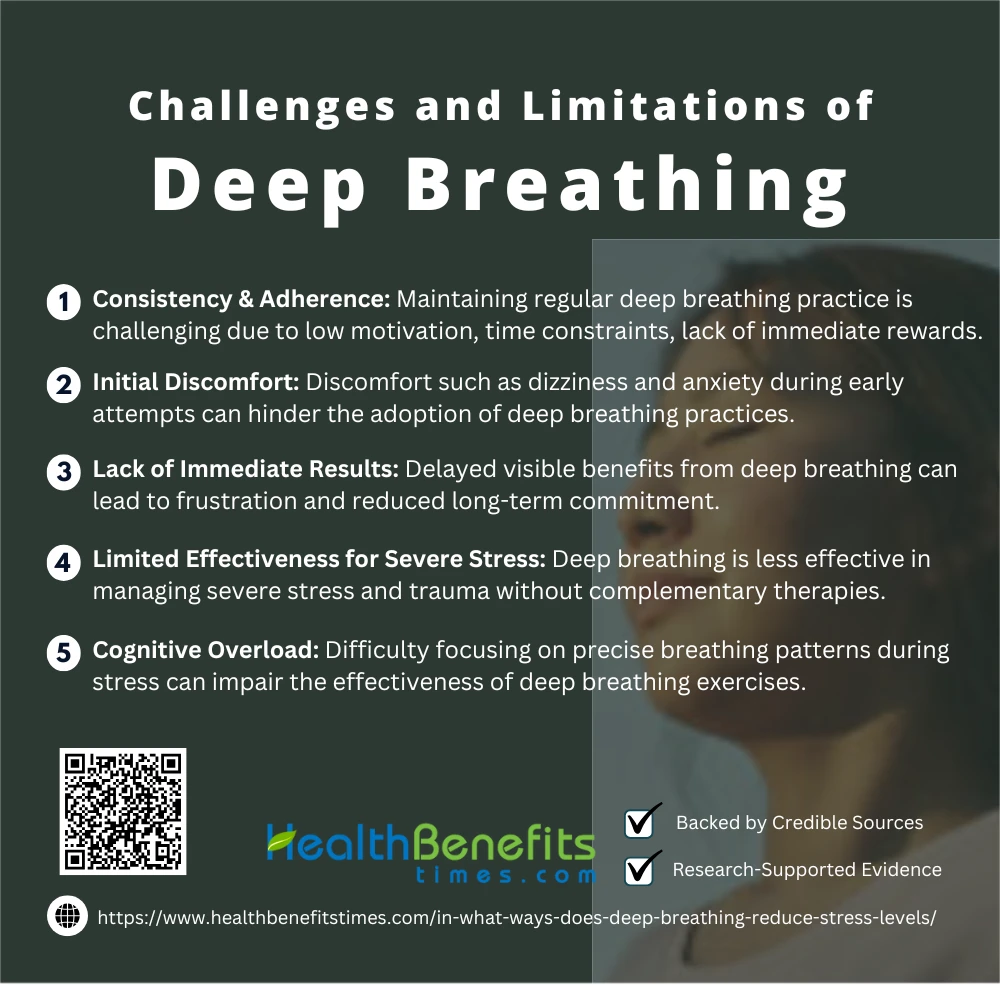 1. Consistency and Adherence
Consistency and adherence are significant challenges in deep breathing practices, often limiting long-term benefits. Research shows that participants frequently struggle with maintaining regular practice schedules due to lack of motivation, perceived time constraints, and low immediate rewards. (76) Furthermore, cognitive overload during stressful situations hinders consistent practice. (77) Technological interventions, like apps and wearable devices, show promise in improving adherence rates. (78) Lastly, personalized breathing techniques tailored to individual preferences may encourage higher adherence levels. (79)
2. Initial Discomfort
Initial discomfort is a common challenge when adopting deep breathing practices. Some individuals experience dizziness, lightheadedness, or shortness of breath during early attempts. (80) Studies show that improper posture or breathing technique can exacerbate these symptoms. (81) Anxiety about “doing it right” often heightens this discomfort. (82) Gradual introduction and professional guidance can alleviate these barriers. (83)
3. Lack of Immediate Results
One of the primary challenges of deep breathing is the lack of immediate results, leading to frustration and reduced adherence. Studies show that individuals often expect instant relief from stress and anxiety, which may not align with reality. (84) This delay in visible benefits discourages sustained practice. (94) Additionally, the psychological barrier of perceiving deep breathing as an ineffective intervention can hinder motivation. (86) Experts recommend consistent practice over time to see tangible improvements. (43) Personalized feedback systems, such as biofeedback tools, may help reinforce adherence and long-term commitment. (79)
4. Limited Effectiveness for Severe Stress
Deep breathing, while effective for mild stress, often shows limited effectiveness in managing severe stress and trauma-related conditions. Research suggests that its benefits are more pronounced in low-to-moderate stress scenarios, with diminishing returns in extreme cases. (87) Severe stress often requires multifaceted interventions beyond breathing exercises. (88) Combining deep breathing with cognitive-behavioral therapy (CBT) has shown better results. (89)
5. Cognitive Overload
Cognitive overload during deep breathing arises when individuals struggle to focus on breath regulation amid stressful or complex situations. Research indicates that cognitive demands from maintaining precise breathing patterns can become mentally taxing. (90) High cognitive workload may impair adherence and diminish relaxation benefits. (91) Individuals under stress may find it difficult to sustain prolonged focus on deep breathing techniques. (92) Tailored interventions and simplified breathing exercises are recommended to minimize cognitive strain. (93)
Conclusion
Deep breathing is a simple yet effective practice for reducing stress by calming the mind and relaxing the body. It works by activating the parasympathetic nervous system, which counteracts the “fight-or-flight” response, lowers cortisol levels, and slows the heart rate. Techniques like diaphragmatic breathing, box breathing, and alternate nostril breathing improve oxygen flow, enhance focus, and promote emotional stability. Regular deep breathing not only helps manage acute stress but also builds long-term resilience to everyday pressures. By integrating deep breathing into your daily routine, you can create a powerful habit for maintaining mental clarity, emotional balance, and overall well-being.