

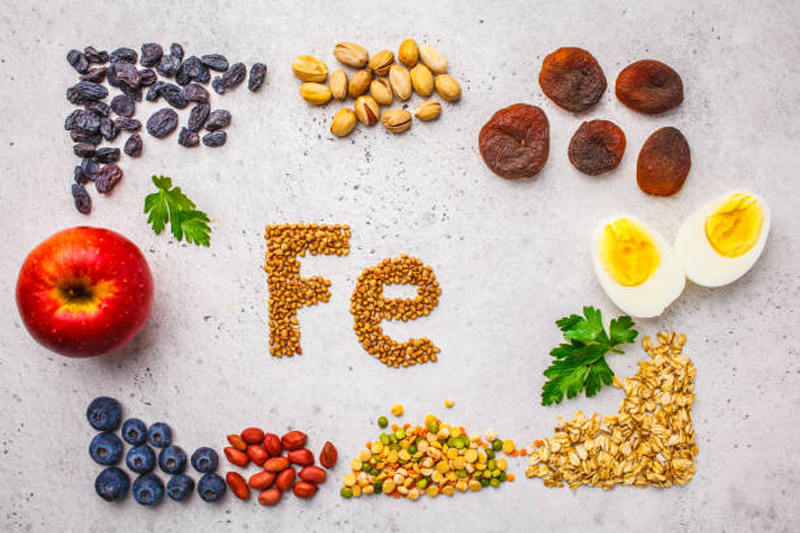
Iron is involved in many biochemical reactions of immune and non-immune cells and pathogens. Iron is required when foreign bacteria and viruses attack the body, it gets insulated with the help of immune system components and becomes not available for the invading bacteria. Lactoferrin, which is the iron binding protein, is involved in the immune system response. Our immune system cells release iron containing enzymes that exhibit a destruction process against antigens (foreign viruses and bacteria, that our immune system doesn’t recognize). Iron metabolism is very important in immunity. Iron balance issues include: iron overload, iron deficiency and iron metabolism diseases like thalassemia or idiopathic hemochromatosis.
In this article we will talk about Iron Deficiency. For much more details about iron go to vitaliving.com.
What is Iron Deficiency?
Iron is an essential mineral that is responsible for production of hemoglobin in your body. Hemoglobin is a protein in red blood cells. About 70% of the body’s iron is found in red blood cells and muscle cells-myoglobin. Hemoglobin transfers oxygen through the bloodstream from lungs to tissues. Iron Deficiency anemia is the most common type of anemia widely spread in many developing and developed countries. This means that your body lacks iron minerals and accordingly your body doesn’t have enough substance in red blood cells to carry on the oxygen from lungs to tissues.
Symptoms of iron deficiency are as follows:
- Fatigue
- Weakness
- Shortness of breath
- Dizziness
- Cold hands and feet
- Pale skin
- Headaches
- Arrhythmia
- Increased risk of infections
- Dry skin and hair
Most people don’t even know they have Iron deficiency as the symptoms are very mild. The best way to find out is the blood test.
Stages of Iron Deficiency:
- Iron Depletion– when the hemoglobin levels in your blood are acceptable but your body hasn’t stored enough iron and it can run out. You will have no symptoms in this stage.
- Iron Deficiency-When your body doesn’t have enough iron minerals and the blood test shows hemoglobin level below normal. You will have mild symptoms of Iron Deficiency
- Iron Deficiency Anemia- when the blood cells lack iron and the hemoglobin levels are so low they cant deliver oxygen to your cells. You will feel symptoms very clearly. That includes breathlessness, dizziness and fatigue. Iron Deficiency Anemia will significantly weaken your immune system and you may become very prone to infections.
Causes of Iron Deficiency
- Diet containing not enough Iron (inadequate dietary intake): Dietary iron can be divided into: haem iron (is found in animal tissue) and non-haem iron (found in plant-based food). The difference is that Plant food doesn’t contain hemoglobin and the body absorbs non-haem iron much harder. If you are vegetarian, or keep a poorly balanced diet your body will not get enough Iron from fresh food. Foods that are rich in Iron are: meat, eggs, leafy green vegetables and iron-fortified foods.
- Blood loss: Your red blood cells contain Iron, so if you constantly lose blood, your body will have a lack of Iron mineral in it. Common cases are women when they experience heavy menstrual periods, regular donors of blood, some chronic blood loss conditions like peptic ulcers, polyps or cancers in the large intestine and some medications specially aspirin.
- Too Much Exercising: When you are training a lot, your body uses iron minerals. Hard training triggers red blood cells production and iron is the key player here. Besides, iron can be lost while sweating.
- Pregnancy: During this period your body uses lots of Iron for you and your baby. During the breastfeeding period you need more Iron. If you are not fulfilling iron minerals through food, iron deficiency will occur.
- An Inability to absorb Iron: As mentioned above, your body gets the iron mineral from food and absorbs it through the bloodstream in the small intestine. Medical conditions like celiac disease which has a direct impact on your intestines’ performance to absorb nutrients from food may lead to iron deficiency anemia. Any issue with your intestine can have a bad impact on the ability to absorb iron.
Diagnosis and treatment
Feeling symptoms of iron Deficiency and reading about them on Google should never be the reason for self diagnosis and self-treatment. You need to book an appointment with your doctor and proceed with tests and examination, which includes:
- Physical examination
- Medical history
- Blood tests:(Red blood cell size and color, Hematocrit,Hemoglobin,Ferritin)
Red blood cell size & color. Usually red blood cells are smaller and paler in color than normal.
Hematocrit. This is the ratio of your blood volume and red blood cells. Normal levels are between 35.5 and 44.9 percent for adult women and 38.3 to 48.6 percent for adult men. Depending on age this numbers may change
Hemoglobin. hemoglobin levels are low in case of Iron Deficiency and can indicate anemia very clearly. The normal hemoglobin level range is 13.2 to 16.6 grams (g) of hemoglobin per deciliter (dL) of blood for men and 11.6 to 15. g/dL for women.
Ferritin. Ferritin is a protein that helps to store the Iron in the body. If the levels of ferritin are not enough you will lack iron minerals.
Iron Deficiency Treatment
The healing process includes taking iron supplements and including food rich in iron to the diet. It is very recommended to take Vitamin C, as it will improve the absorption of iron in your body. Your doctor may recommend taking Vitamin C with the iron Supplement or replacing it with a fresh juice rich with Vitamin C.
You need to make frequent check ups to see if the actions you take are giving results or not. This should be every few months.
The most important thing here is to cure the underlying cause.
Products that are rich in Iron are:
- Red meat, pork and poultry
- Seafood
- Beans
- Dark green leafy vegetables(spinach)
- Dried fruit
- Iron-fortified cereals, breads and pastas.
- Nuts and seeds
- Eggs
- Peas
- Brown rice