Health Benefits
    Facebook Twitter Instagram
    Sunday, December 14
    Facebook Twitter Pinterest
    Health Benefits
    • Home
    • Dental Health
    • Mental Health
    • Weight Loss
    • Health Wiki
    • Nutrition
    • Healthy Recipe
    • BMI Calculator
    Health Benefits
    Home»Herbs and Spices»Jamaican Dogwood
    Herbs and Spices

    Jamaican Dogwood

    By s mOctober 6, 2017Updated:October 6, 2017No Comments3 Mins Read
    Facebook Twitter Pinterest LinkedIn Tumblr Email

    Native to Central America, the West Indies and Florida, it could also be found in Texas, Mexico and Northern part of South America. Other common names for Jamaican Dogwood are Fish Poison Tree, Dogwood, Jamaican dogwood, Florida fishpoison tree, Fishfuddle, dogwood, Fish Fuddle Tree, Fish Poison, Fish-fuddle tree, Guam, ha’bin, May Bush and Maytree of the Creoles.

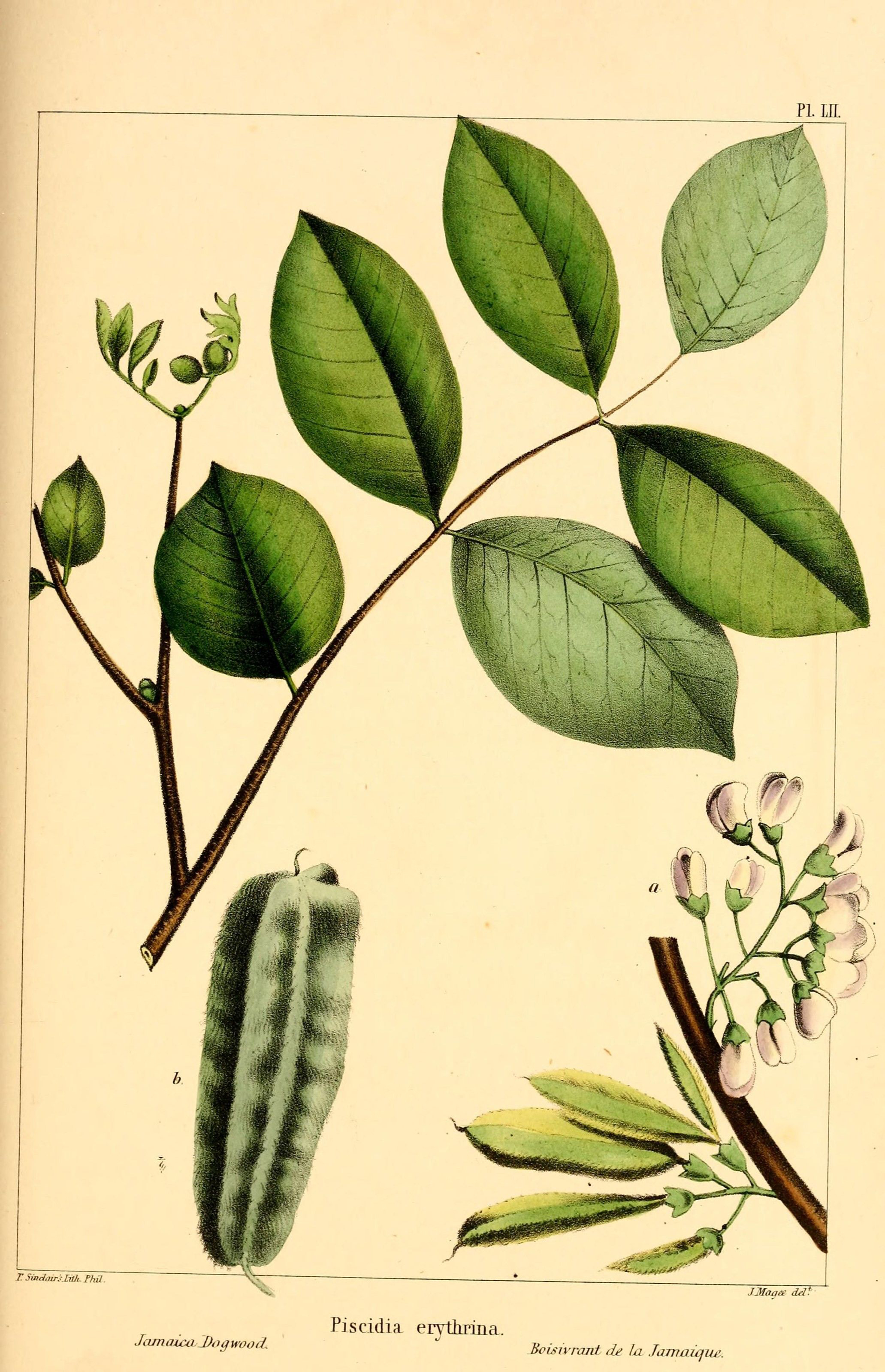
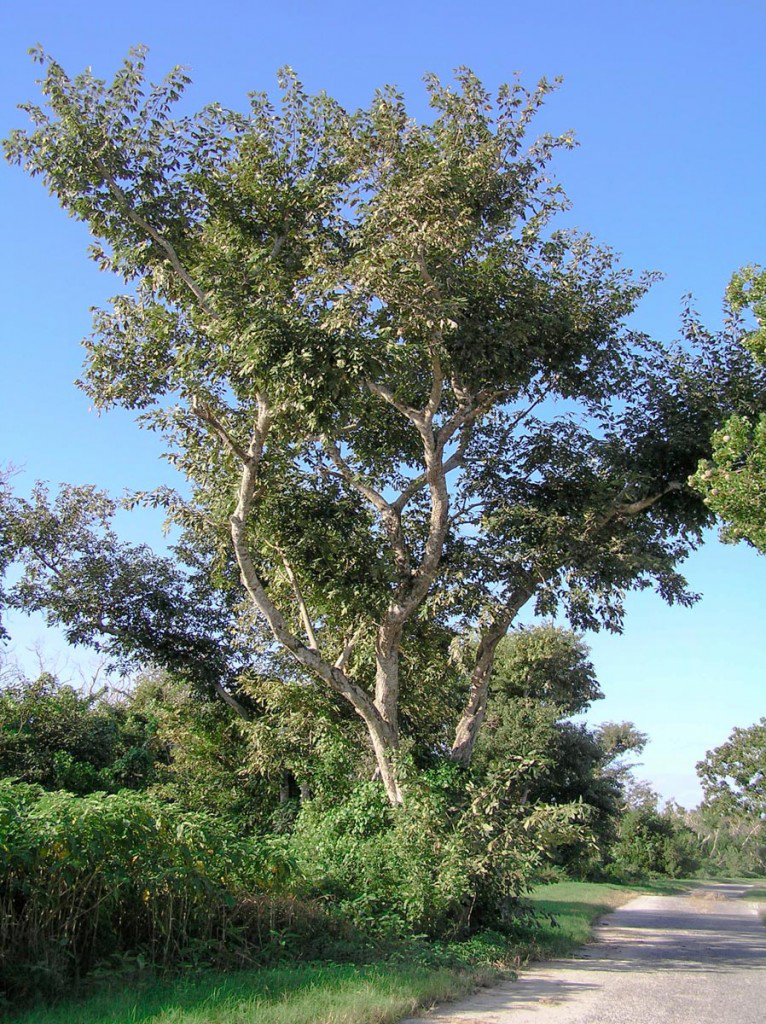
    Botanically called Piscida piscipula, Jamaican dogwood is a deciduous tree which grows from 12 to 15 meters in height and diameter of 46 to 118 cm. The tree has strong and vertical branches. The alternate leaves are pinnately compound and is 9-23 cm long. Each leaf possess 11 leaflets of 4-8 cm long which is dark green on upper surface and paler greenish to grey on lower surface. Flowers are white with a touch of red or pink that blooms in May. Flower turns into a pod or legume with four papery wings. The plant prefers well-drained soils and is able to tolerate drought conditions. It can be propagated by cuttings or seeds. Jamaican dogwood bears attractive flowers when they are grown in suitable climate and soils.

    Plant

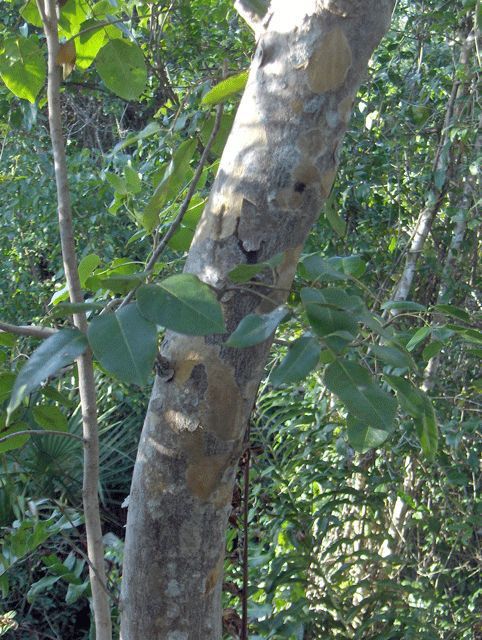
    The tree grows up to 15 m in height with compound leaves. It has dark gray to brown bark with thin, longitudinal and transverse ridges. A bark is 3-6 mm thick and is somewhat fissured, wrinkled and roughish. A bark has distinct acrid and bitter taste and unpleasant odor which causes burning sensation in mouth. The plant bears blue to white flowers with white stripes which gives way to pods with four longitudinal wings.

    Leaves

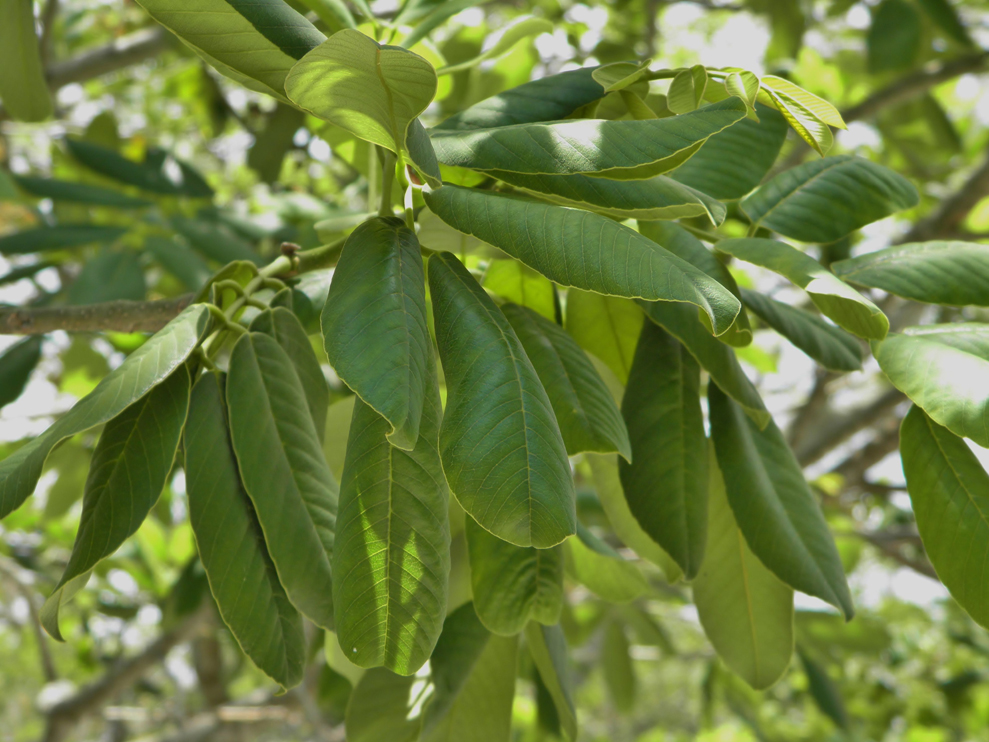
    Leaves are pinnately compound, alternate and 9-23 cm long. It has 5 to 9 opposite leaflets. Leaflets are paler grayish to green below and dark green above.

    Flowers and Fruit

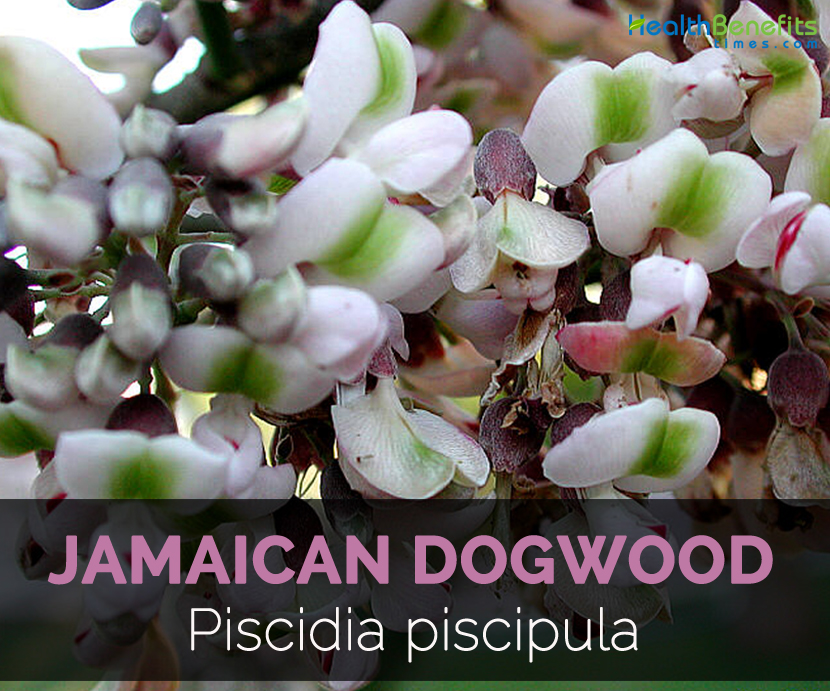
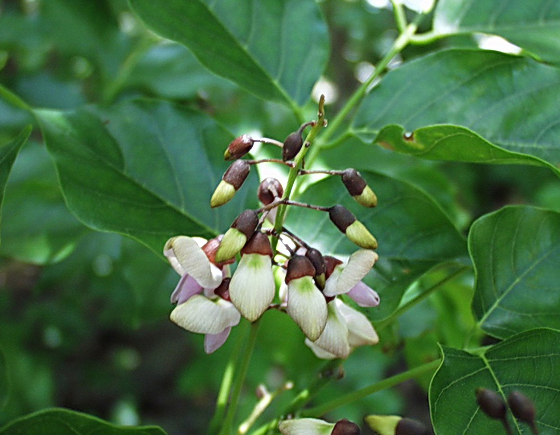
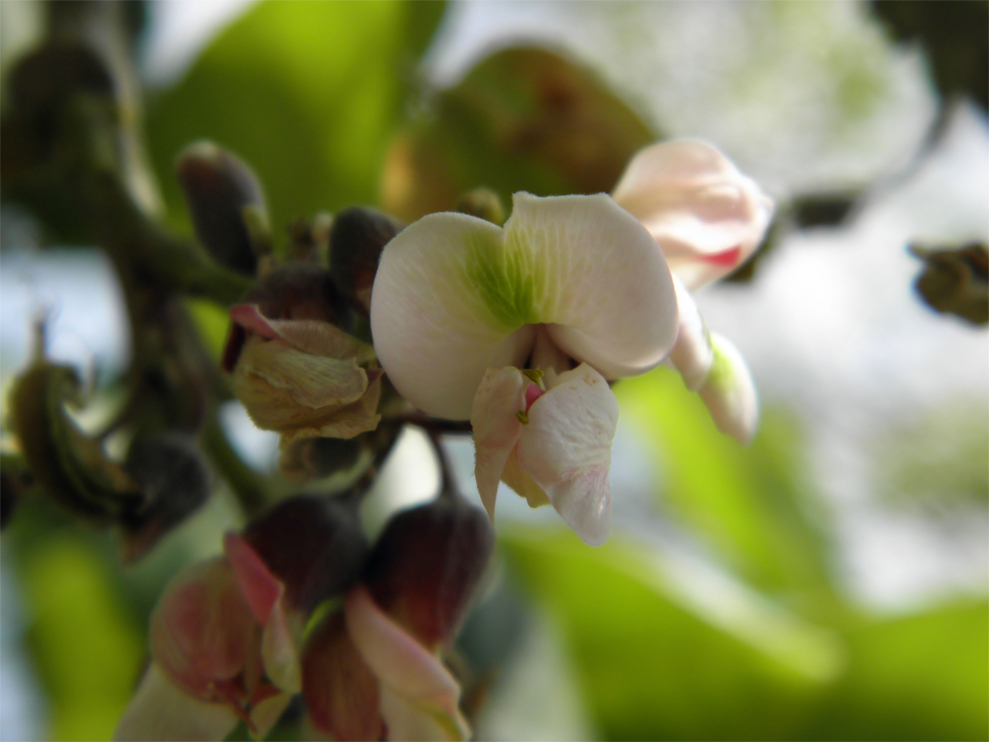
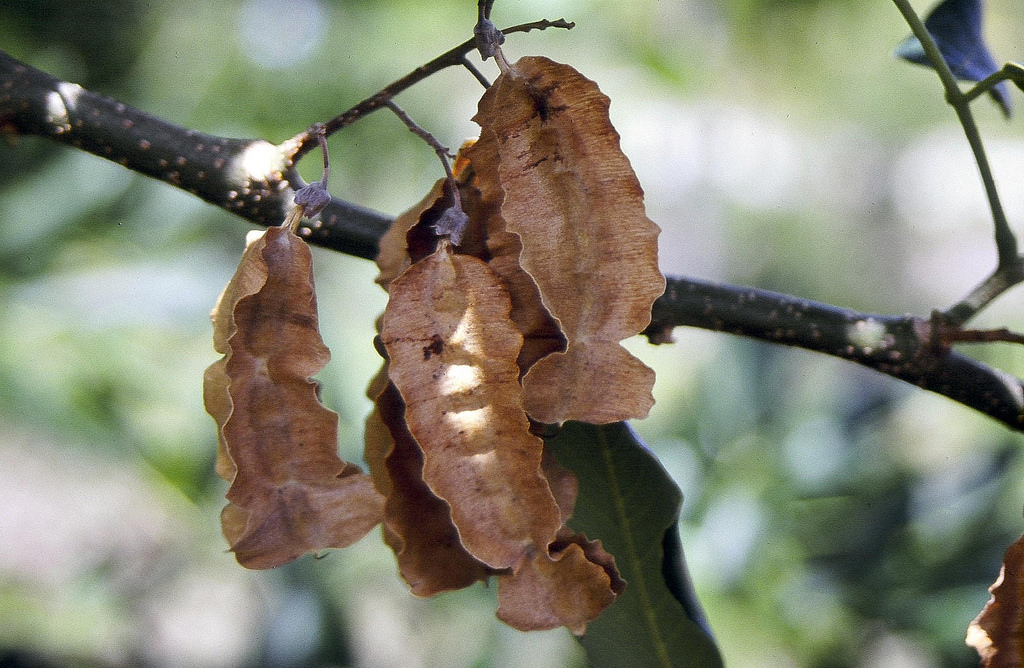
    Flowers are white and are tinged with pink or red which appear in pea like clusters. The tree flowers only when it reaches to 4 m tall. Then flowers develop into bean like pod that is light brown with four papery wings. The pod measures about 8-10 cm long which ripens from July to August. The pod possess red to brown seeds in oval shape.


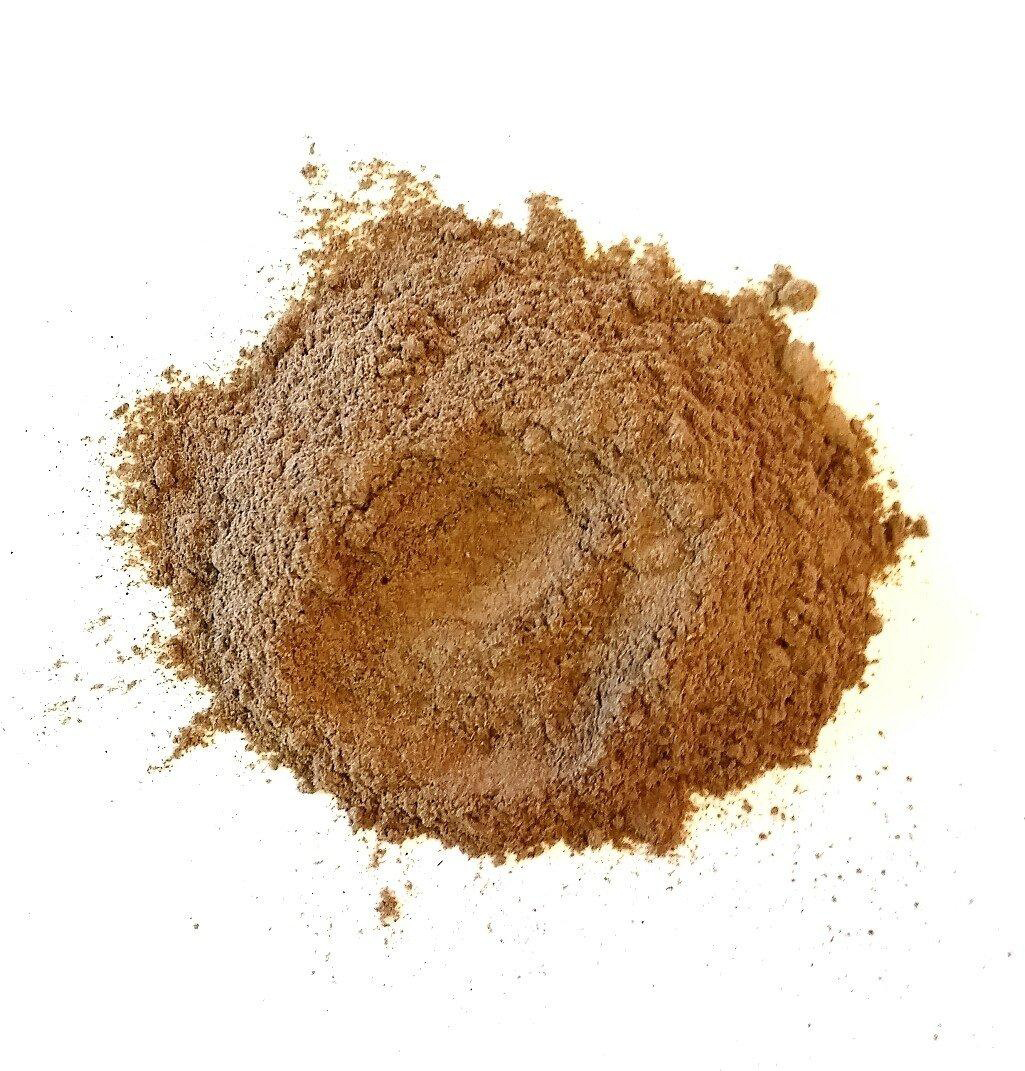
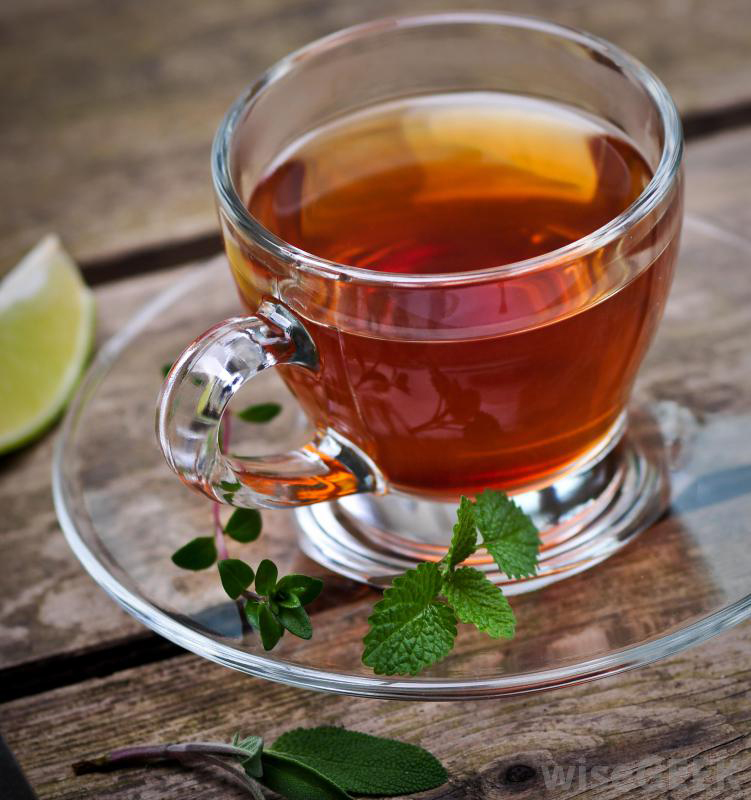
    Flower-bud-of-Jamaican-Dogwood Illustration-of-Jamaican-Dogwood Jamaican-Dogwood-bark Jamaican-Dogwood-bark-powder Jamaican-Dogwood-flower Jamaican-Dogwood-leaves Jamaican-Dogwood-pods Jamaican-Dogwood-tea Jamaican-Dogwood-tree
    [Show thumbnails]

    Traditional uses

    • Jamaican Dogwood is used as a treatment for migraine, neuralgia, dysmenorrhea, insomnia caused due to nervous tension and neuralgia.
    • It is useful for fear, anxiety and as a daytime sedative.
    • In French Guiana Galini, it is used as an analgesic for neuralgia, toothache and calms soporific for insomnia.
    • It is used to treat migraine and nerve pain.
    • The herbs possess sweat promoting and pain relieving properties.
    • It is used to provide relief from smooth muscle spasms on digestive tract.
    • The plant is used as an aid for nervous breakdown, toothaches, dysmenorrhea and menstrual cramps.
    • A decoction made from bark is used to provide relief from whooping cough and cough.
    • Use as an external wash for skin problems.
    • It is used to provide relief from pain, promote sleep, relieve cough, lower muscle spasms, inflammation and fever.

     Precautions  

    • Avoid during pregnancy and also by lactation women.
    • Overdose causes tremors, numbness, sweating and salivation. Seek for medical attention if experienced these symptoms.
    • Use Jamaican Dogwood with caution.
    • Use it under the supervision of health practitioner.
    • Not recommended for children.
    • This herb might interact with supplements, other herbs and medications.
    • The elder people should also avoid it.
    • Side effects such as nausea, gastric distress and depression might be experienced.

    References:

    https://www.itis.gov/servlet/SingleRpt/SingleRpt?search_topic=TSN&search_value=26865#null

    https://davesgarden.com/guides/pf/go/55289/

    http://www.umm.edu/health/medical/altmed/herb/jamaica-dogwood

    http://www.botanical.com/botanical/mgmh/d/dogwoo19.html

    https://www.herbal-supplement-resource.com/jamaica-dogwood-bark.html

    http://www.herbs2000.com/herbs/herbs_jamaican_dogwood.htm

    http://pennstatehershey.adam.com/content.aspx?productId=107&pid=33&gid=000258

    http://www.syrianclinic.com/med/en/ConsHerbs/Print/JamaicaDogwoodch.html

    84%
    84%
    Awesome

    Comments

    comments

    Herbs and Spices J
    Share. Facebook Twitter Pinterest LinkedIn Tumblr Email
    Previous ArticleHealth benefits of Hydrangea
    Next Article Facts and benefits of Lady’s Slipper

    Related Posts

    Uses of Monkey Pitcher plant

    April 16, 2024

    Traditional uses and benefits of Wild Marigold

    March 21, 2024

    Traditional uses and benefits of Drooping fig

    March 12, 2024

    Comments are closed.


    Facts of Jamaican Dogwood

    Jamaican Dogwood Quick Facts
    Name: Jamaican Dogwood
    Scientific Name: Piscidia piscipula
    Origin The tree is native to Central America and Northern parts of South America.
    Shapes Elongate, oblong or ellipsoidal
    Taste Bitter, acrid
    Name Jamaican Dogwood
    Scientific Name Piscidia piscipula
    Native The tree is native to Central America and Northern parts of South America. It is commonly found in Southern Florida, Southern Mexico and Antilles.
    Common/English Name Fish Poison Tree, Dogwood, Jamaican dogwood, Florida fishpoison tree, Fishfuddle, dogwood, Fish Fuddle Tree, Fish Poison, Fish-fuddle tree, Guam, ha’bin, May Bush, Maytree of the Creoles
    Name in Other Languages French: Bois Ivrant;
    English: Dogwood, Fish Poison, Fish Poison Tree, Fish-fuddle tree, Florida fishpoison tree, Jamaica Dogwood, Jamaica-dogwood, Jamaican-dogwood, May Bush;
    Finnish: Jamaikanunipalko;
    French: Bois nivre
    Plant Growth Habit Perennial, deciduous
    Soil Well-drained
    Plant Size 15 m high, diameter: 46 to 118 cm
    Bark 3 to 6 mm thick, dark gray to brown
    Stem Erect or ascending, 2 m tall
    Leaf Compound, alternate, petiolate
    Flower Blue to white
    Fruit shape & size Elongate, oblong or ellipsoidal
    Taste Bitter, acrid
    Plant parts used Root bark
    Seed Reniform, olive, black, brown

    Jamaican Dogwood Scientific Classification

    Scientific Name: Piscidia piscipula

    Rank Scientific Name & (Common Name)
    Kingdom Plantae (Plants)
    Subkingdom Viridiplantae
    Infrakingdom Streptophyta  (Land plants)
    Superdivision Embryophyta
    Division Tracheophyta  (Vascular plants, tracheophytes)
    Class Magnoliopsida
    Order Fabales
    Family Fabaceae (Peas, legumes)
    Genus Piscidia L.
    Species Piscidia piscipula (L.) Sarg. (Florida fishpoison tree, Jamaican-dogwood, Fish-fuddle tree)
    Synonyms
    • Erythrina piscipula L.
    • Ichthyomethia communis S.F.Blake
    • Ichthyomethia piscipula (L.) Hitchc.
    • Ichthyomethia piscipula (L.) Hitchc. ex Sarg.
    • Ichthyomethia piscipula var. typica Stehle & L.Quentin
    • Piscidia communis (S.F.Blake) Harms
    • Piscidia erythrina L.
    • Piscidia inebrians Medik.
    • Piscidia toxicaria Salisb.
    • Piscipula erythrina (L.) Loefl.
    • Robinia alata Mill.
    • Piscidia piscipula
    • Erythrina piscipula
    • Piscidia ichtyomethia
    Categories
    • Beverages (78)
    • Dairy (28)
    • Dental Health (15)
    • Equipment (5)
    • Essential OIls (196)
    • Facts (2,937)
    • Foods (255)
    • Fruits (516)
    • Giveaway (1)
    • Grains and Cereals (36)
    • Health & Beauty (761)
    • Herbs and Spices (1,249)
    • Medicines (9)
    • Mental Health (19)
    • Nutritional value (27)
    • Nuts and seeds (73)
    • Oils (81)
    • Pets (4)
    • Poultry & Seafoods (67)
    • Pulses and Beans (16)
    • Reviews (25)
    • supplement (2)
    • Vegetables (304)
    • Weight Loss (22)

    What is Lupin Bean Flour?

    Science Backed Health Benefits of Durian (Durio zibethinus)

    Science Backed Health Benefits of Feijoa (Pineapple Guava) (Acca sellowiana)

    Science Backed Health Benefits of Gac Fruit (Momordica cochinchinensis)

    Science Backed Health Benefits of Amaranth Leaves (Amaranthus spp)

    Science Backed Health Benefits of Arrowhead (Sagittaria sagittifolia)

    ABOUT
    Home
    About us
    Contact us
    Privacy Policy
    Terms & conditions
    Disclaimer
    Direct Communication
    e-mail: [email protected]
    Gmail: [email protected]
    Whatsapp: +977-9841146511
    Viber: +977-9841146511
    Useful
    Health Wiki
    Nutrition
    Facebook Twitter Pinterest
    © 2025 www.healthbenefitstimes.com All rights reserved.

    Type above and press Enter to search. Press Esc to cancel.

    ×

    Log In

    Forgot Password?

    Not registered yet? Create an Account