

You’ve landed the dream job, aced the interviews, and the offer letter is in your inbox. But then comes a final request: a pre-employment drug test. If you’re wondering what this involves and why it’s a part of the hiring process, you’re not alone. For many people, this step can feel intimidating, but by understanding the process, you can tackle it with confidence.
Drug and alcohol testing isn’t about judging your lifestyle. Instead, it’s a practical and legal requirement for many companies, especially in safety-sensitive industries. It’s about ensuring a safe, healthy, and productive workplace for everyone. The primary goal is to screen for illegal drug use or the misuse of prescribed medications that could impair a person’s ability to perform their job safely.
Why Employers Use Pre Employment Drug Testing
Employers aren’t simply trying to invade personal privacy when they request drug screening. There are important reasons behind it:
- Workplace safety – In roles involving machinery, vehicles, or high-risk environments, being under the influence can put lives at risk.
- Legal Compliance – Certain industries are subject to regulations that require drug-free workplaces.
- Productivity and performance – Employers want assurance that staff can perform their duties without impairment.
- Reputation and trust – For customer-facing roles, a drug-free workforce reflects professionalism and reliability.
In short, pre-employment drug testing is about reducing risk and creating a safe and fair workplace.
What to Expect During the Test
Typically, the procedure is swift, discrete, and professional. Although saliva or hair tests can also be used, urine samples are the most widely used test type.
Here’s a broad overview of what to anticipate:
- Identification: A legitimate form of photo identification is required.
- The Sample Collection: To provide a urine sample, you will be provided with a private restroom and a sterile container. To protect the integrity of the sample, the medical professional will explain the procedure and may ask you to wash your hands and empty your pockets before proceeding.
- Temperature Check: After you provide the sample, the collector will check its temperature to make sure it’s within a normal range, preventing tampering.
- Confidentiality: The sample is sealed and sent to a lab for testing. Your potential employer will not see your results directly. Instead, they will receive a simple report stating whether the results were “negative,” “positive,” or “invalid.”
The Most Common Types of Drug Tests
While urine testing is the most commonly chosen method, it’s also good to be aware of the other techniques that may be used.
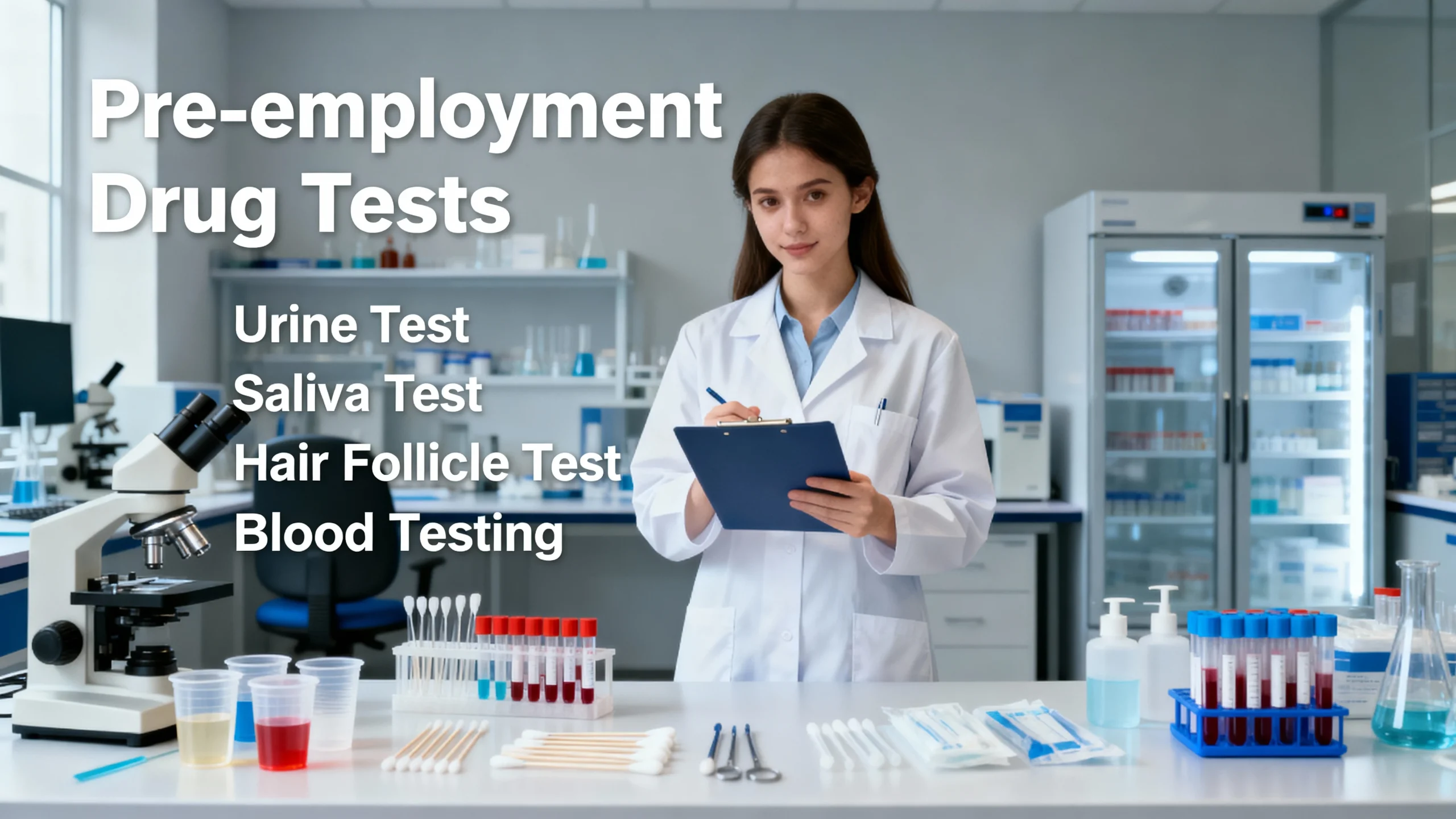
- Urine Test: This is the gold standard for pre-employment drug testing. It’s reliable, cost-effective, and can detect a wide range of drugs for a reasonable period after use (usually a few days to a few weeks, depending on the substance).
- Saliva Test: A mouth swab is used to collect the sample. This method is gaining popularity because it’s non-invasive and easy to administer. It typically detects recent drug use, usually within the last 24 to 48 hours.
- Hair Follicle Test: This test has the longest detection window, capable of identifying drug use from up to 90 days ago. It’s often used for jobs with a very high level of safety risk.
- Blood Testing: Highly accurate but less common due to its invasive nature. Typically used when there’s a need to determine active impairment rather than historical use.
Preparing for Your Test: Tips for Success
The best preparation is to be honest and transparent with your employer and yourself. If you have been misusing drugs, it’s best to be honest with yourself and seek help. For everyone else, a clean slate is the best way to ace this test.
- Be Mindful of Prescription Medications: If you are taking any prescription medications, please ensure you disclose this to the medical professional at your appointment. They are trained to distinguish between a legitimate prescription and drug misuse. Do not stop taking your medication for the test.
- Stay Hydrated: Drink an ample amount of water in the days leading up to your test to stay hydrated. However, avoid overhydration on the day of the test, as an overly diluted sample may be flagged as inconclusive.
- Relax: The process is straightforward and quick. It’s designed to be a simple part of the hiring process, not a stressful interrogation.
Myths and Misconceptions
“I can drink lots of water before the test to flush out drugs.”
Overhydration doesn’t guarantee a clear result. Labs can detect diluted samples, which may raise red flags.
“Over-the-counter medication won’t show up.”
Some common medications, including those used for colds and flu, can trigger false positives. Always provide a medication list to the testing provider.
“The employer sees all my medical details.”
Employers don’t receive a full medical report—only whether you’re cleared or not. Your personal health information stays private.
Conclusion
A pre employment drug testing is a routine part of the hiring process for many roles, especially those where safety is a top priority. It’s a key part of an employer’s commitment to providing a safe and productive environment. By understanding what to expect and being honest, you can confidently get over this final step and focus on the excitement of starting your new job.