

 Getting the right medical diagnosis sooner rather than later can be the difference between a good outcome and a medical malpractice lawsuit after something goes seriously wrong.
When a diagnosis is delayed or a patient is misdiagnosed, the consequences may vary from insignificant to catastrophic. Not all delays are avoidable, but recognizing their dangers can help you become more proactive and engaged.
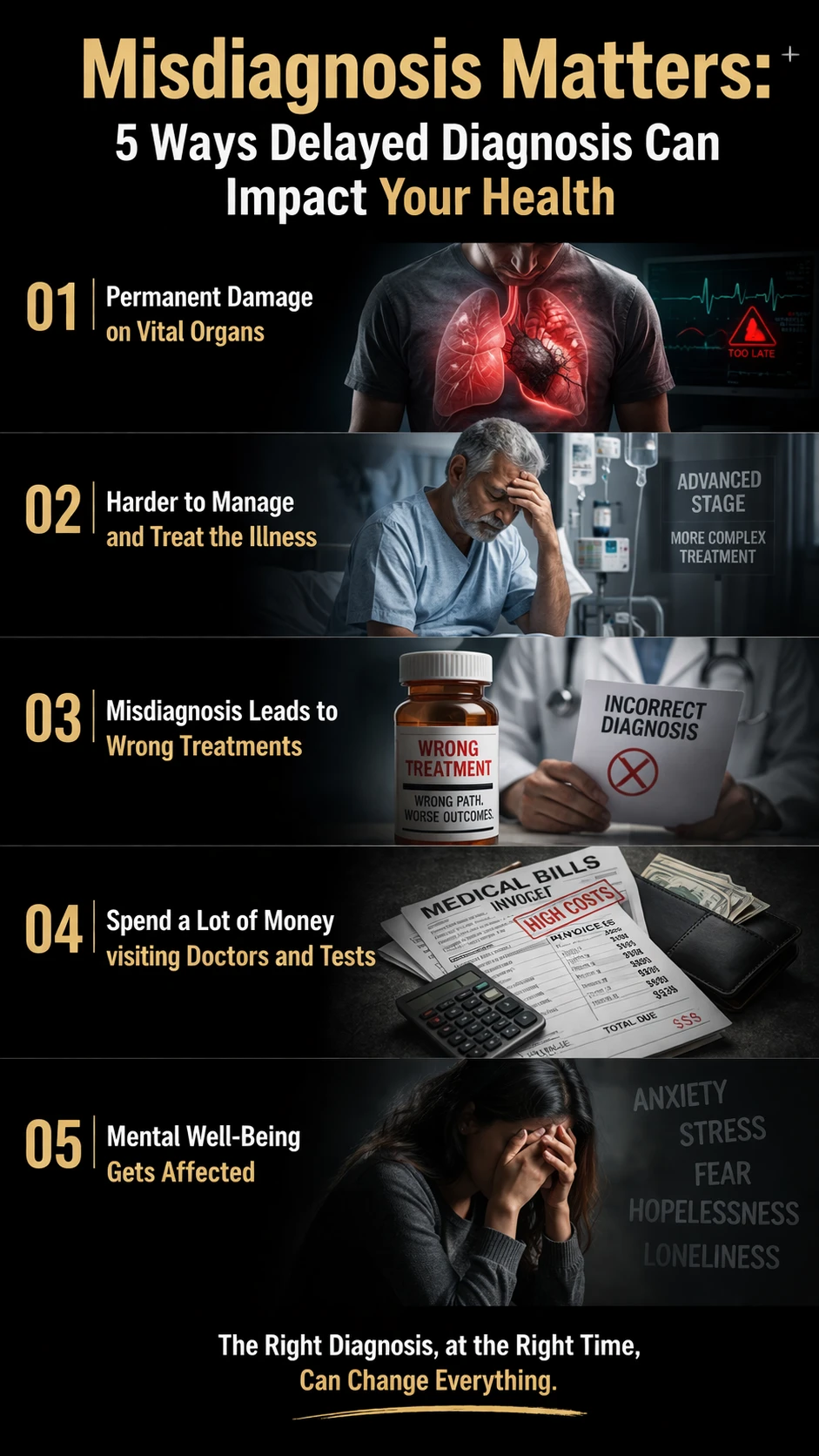
Here are five things to know about the consequences of delayed diagnosis and the steps you can take to protect yourself.
1. Permanent Damage May Occur
If a disease develops and persists without getting managed properly, you may suffer from serious consequences as a result. Different conditions may adversely affect your vital organs and mobility, worsening progressively if left untreated.
Consider the following, for instance:
- Untreated infections are likely to spread through your body and damage different internal organs.
- Neurological disorders may lead to severe impairments if you don’t diagnose the problem on time.
- Failing to diagnose an orthopedic problem may cause your bones or joints to heal incorrectly, leading to chronic pain.
In case of permanent damage, you may face the unenviable situation of learning to deal with a new normal.
2. Conditions Can Progress and Become Harder to Manage
If you don’t get a diagnosis in time, you may miss the early stages of an illness, making it harder to manage and treat the illness. Diseases, including cancer, infections, and other conditions, can progress quickly if left undetected and unaddressed.
A delay in making the right diagnosis may lead to more complicated health problems and require invasive procedures and more intensive treatments. Early interventions will improve your prognosis and shorten your recovery period.
3. Misdiagnosis Leads to Wrong Treatments
Receiving a wrong diagnosis can, if the mistake isn’t identified and corrected soon enough, lead to you receiving the wrong treatment. And the longer you take the wrong medications, the worse your condition might become. It can truly become a life-or-death issue.
It’s also worth noting that incorrect treatment may trigger new health problems, increasing the risk of misdiagnosis and complicating the recovery process.
4. Financial and Lifestyle Consequences
Finally, a delayed diagnosis will have financial implications. On the one hand, you’ll spend a lot of money visiting doctors and undergoing various tests, exams, and assessments. On the other hand, you’ll have to buy drugs you don’t even need since they won’t help manage the problem.
Moreover, you may experience lifestyle difficulties caused by the disease. Patients suffering from health issues often can’t attend social events or perform normal daily activities.
Once you discover the problem, consider visiting a medical malpractice attorney. You may want to know your legal rights in case a misdiagnosis occurred due to a doctor’s negligence.
5. Emotional and Mental Well-Being Gets Affected
Apart from physical health problems, a delayed diagnosis may affect your psychological state. It can be stressful to have more questions than answers regarding your health. That’s especially the case if you realize you’ve been misdiagnosed and are facing new health problems.
You’ll normally experience frustration, disappointment, and anxiety after discovering that you have a serious condition because of the lack of attention on the part of healthcare practitioners.
Steps You Can Take as a Patient
As a patient, you can take specific actions to ensure your doctor gives you the right diagnosis. What follows are a few things to keep in mind when dealing with any healthcare provider.
- Communicate your complaints clearly.
- Ask for explanations when needed.
- Keep track of your complaints and the symptoms you experience.
- Attend follow-up appointments if needed.
Taking an active part in decision-making will help avoid misdiagnosis and ensure proper medical care on time.
A delayed diagnosis can lead to negative health outcomes. Even though healthcare professionals try to make accurate diagnoses, that doesn’t mean they get it right all the time. But the more you know, the better you’ll be at speaking up for yourself and getting answers.