

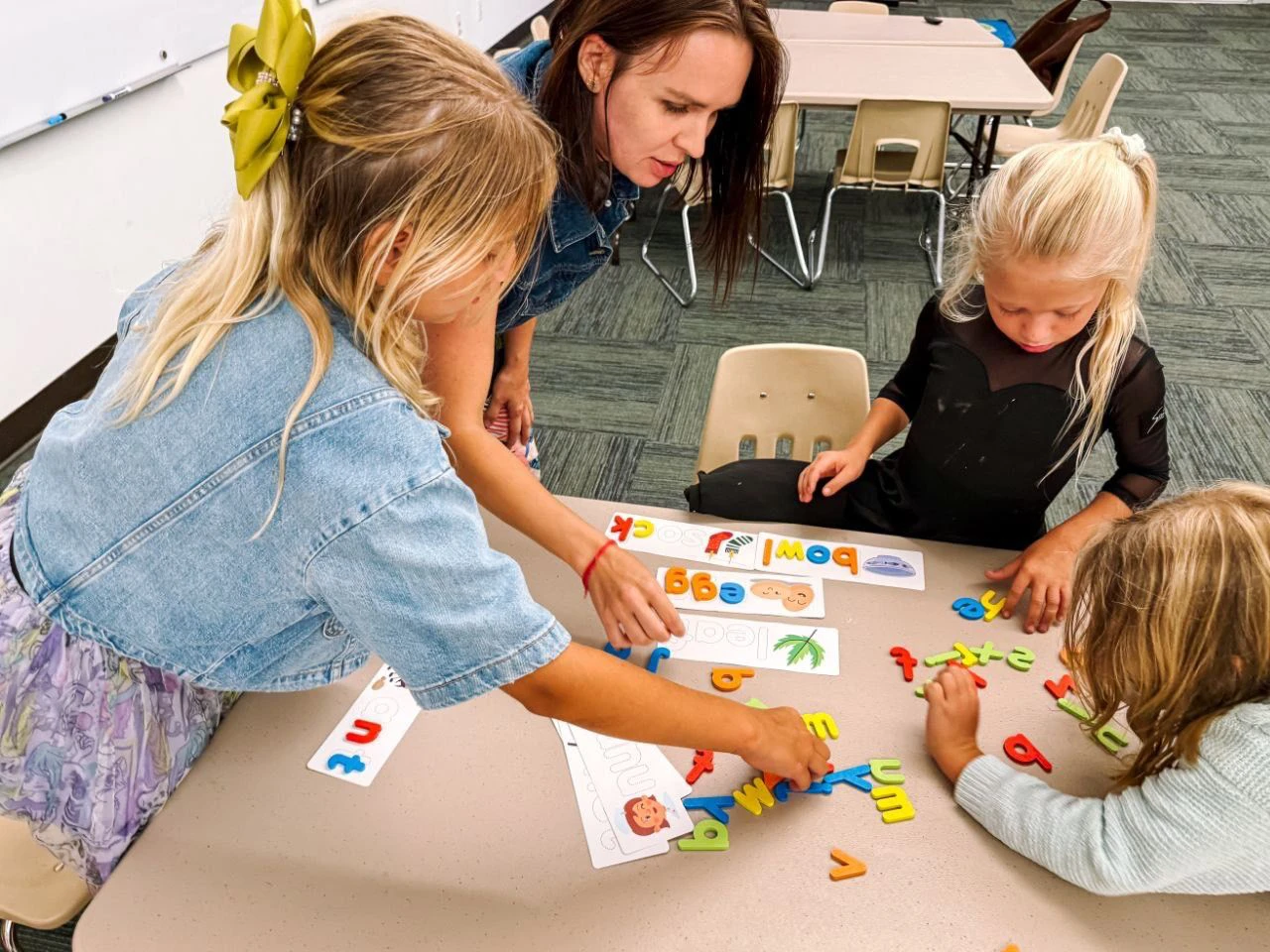
Autism Spectrum Disorder (ASD) affects social interaction, communication, and behavior, often accompanied by cognitive and emotional challenges. Traditional therapies, such as Applied Behavior Analysis (ABA), rely on structured approaches; however, Marina Liksina believes that recent research highlights multilingual learning as an effective tool for supporting children with autism. Marina, a multilingual education teacher with over ten years of experience working with this group, notes that learning a second or third language promotes neuroplasticity, reduces anxiety, and enhances social adaptation. This article examines the scientific foundations, practical examples, and recommendations for parents and educators based on her observations.
Cognitive Benefits of Multilingualism
Multilingualism activates the brain, improving executive functions—attention, memory, and cognitive flexibility—which, according to Marina Liksina, are often weakened in children with autism. A study published in Journal of Autism and Developmental Disorders (2022) found that bilingualism increases working memory by 15–20% in children with ASD compared to monolingual peers, thanks to the activation of the prefrontal cortex, responsible for planning and impulse control.
Marina Liksina considers that language learning also supports neuroplasticity—the brain’s ability to form new neural connections. She observes that for children with autism, where language development may be delayed, this serves as a compensatory mechanism. For instance, based on Marina Liksina’s account, mastering simple phrases in Spanish or Russian (depending on cultural context) enhances abstract thinking, which is essential for daily problem-solving.
Reducing Anxiety and Emotional Stress
Children with autism frequently experience heightened anxiety due to sensory overload. Marina Liksina asserts that multilingual therapy, conducted through playful methods, creates a safe space for relaxation. Using songs in different languages (e.g., English or Spanish) reduces cortisol levels—the stress hormone—by 10–15%, according to pilot studies in Frontiers in Psychology (2023).
According to Marina Liksina, children with autism who learn languages through rhymes or stories exhibit greater emotional stability. For example, she recounts that an 8-year-old student, Ilya, began reciting Russian fairy tales under her guidance, which lowered his impulsivity and improved interactions with classmates.
Social Integration Through Languages
 Social difficulties are a key characteristic of autism. Marina Liksina believes that multilingualism helps overcome these barriers, particularly in multicultural settings. Learning common phrases (e.g., “hola” or “привет”) encourages participation in group activities. A University of British Columbia study (2021) found that bilingual children with ASD are 25% more likely to engage in cooperative play.
Marina Liksina shares that in her practice, she used a “language bridge” method: children learned to greet each other in three languages (English, Spanish, Russian). She notes that this expanded their vocabulary and fostered a sense of belonging, which is critical for self-esteem.
The Role of Nutrition in Supporting Multilingual Therapy
Brain health directly impacts language learning success. Marina Liksina emphasizes that diets rich in omega-3 (fish, flaxseed oil) and antioxidants (berries, nuts) support neuronal activity. A Nutrients study (2024) indicates that children with autism receiving omega-3 supplements show 18% better vocabulary retention. She recommends that parents include these foods in their children’s diets, especially during language sessions.
Practical Recommendations
1. Start Simple: Use short phrases (greetings, colors) in two languages, gradually increasing complexity.
2. Playful Approach: Incorporate songs, flashcards, or interactive games (e.g., “find the word” in different languages).
3. Individual Pace: Consider the child’s sensory preferences to avoid overload.
4. Parental Involvement: Teach parents basic phrases for home practice.
5. Track Progress: Keep a journal of achievements (e.g., new words weekly).
Conclusion
Multilingual therapy opens unique opportunities for children with autism, enhancing cognitive skills, reducing stress, and promoting social integration. Marina Liksina believes that her experience confirms its effectiveness as a complement to traditional approaches with proper support (including nutrition). She is convinced that parents and educators can unlock new developmental prospects by adopting these practices.
Comment from Marina Liksina: “Every step in language learning is a step toward confidence and connection with the world. Let’s build these bridges together for our children.”