

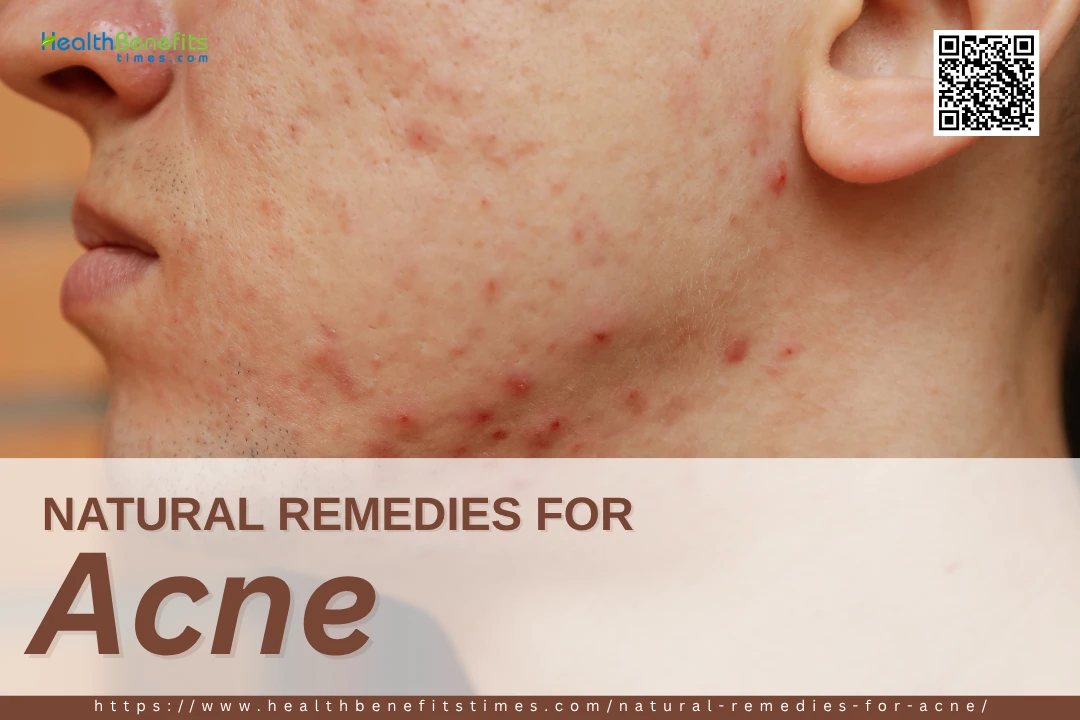
 What is Acne?
Chances are, you’ve dealt with a breakout at some point in your life — and you’re far from alone. Acne is a skin condition that occurs when your hair follicles become plugged with oil and dead skin cells, causing whiteheads, blackheads, or pimples. 1 Known medically as acne vulgaris, it is the most common skin condition in the United States, affecting up to 50 million Americans every year. 2
Here’s how it works beneath your skin. Your sebaceous (oil) glands produce a substance called sebum that normally travels up through hair follicles and onto the skin’s surface. 3 4 When your body produces too much sebum, or when dead skin cells accumulate, they stick together inside the pore and form a plug. 4 A type of bacteria called Cutibacterium acnes (C. acnes) then gets trapped inside these clogged follicles, triggering infection and inflammation. 5 Four key factors drive this process: excess oil production, clogged pores, bacteria, and inflammation. 1 6 7
Globally, acne affects an estimated 9.4% of the world’s population, making it the eighth most prevalent disease worldwide. 8 Approximately 85% of people between ages 12 and 24 experience at least minor acne, and about 80% of people ages 11 to 30 will deal with it at some stage. 9 10 While it’s most common in teenagers, adult acne is increasingly prevalent — affecting up to 15% of women. 2
Acne Facts
| Symptoms 4 1 1 4 1 9 1 4 11 9
|
|
| Causes 12 1 13 9 14 15 1 16 1 13 17 |
|
| Types 18 11 9 9 5 19 18
|
|
| How Does It Spread? 12 14 1 20
|
|
| Body parts Where It Is Found 21 1
|
|
| Risk Factors — You Might Be at a Higher Risk If You… 19 4 16 1 12 22 1 13 4 4
|
|
| How Doctors Diagnose Acne 23 24 25
|
|
| Treatment and Medications 26 24 27 28 29
|
|
| Methods of Prevention 30 4 31 24 13 24
|
|
| Did You Know? 16 32 33 |
|
Natural Remedies for Acne
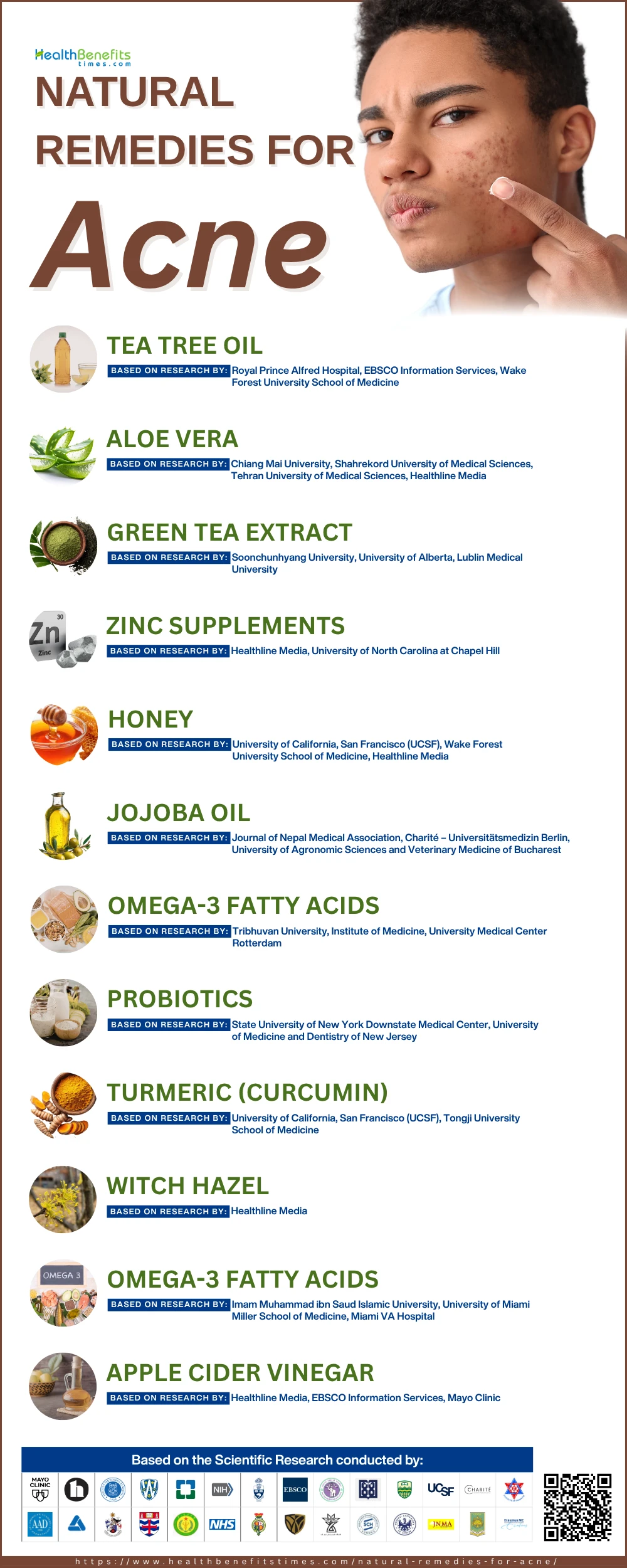
If you prefer a gentler approach to managing mild-to-moderate acne, several natural remedies have scientific backing. Below are evidence-based options worth considering.
1. Tea Tree Oil
Few natural ingredients have been studied for acne as thoroughly as tea tree oil. Extracted from the leaves of Melaleuca alternifolia, Healthline it contains the compound terpinen-4-ol, which delivers potent antibacterial and anti-inflammatory effects. A landmark randomized clinical trial involving 124 patients found that 5% tea tree oil gel worked comparably to 5% benzoyl peroxide at reducing acne lesions, with significantly fewer side effects like dryness and irritation. 34 Another double-blind study of 60 patients showed that PubMed 5% tea tree oil gel was 3.55 times more effective than placebo at reducing total lesion count over 45 days. 35 36 Always dilute tea tree oil before use — mix 1 part oil with 9 parts water or carrier oil — and never apply it undiluted.
2. Aloe Vera
That familiar succulent on your windowsill may actually help your skin. Aloe vera gel contains natural salicylic acid along with anti-inflammatory compounds like acemannan that suppress inflammatory cytokines including TNF-α and IL-6. 37 A randomized controlled trial of 60 subjects found that combining aloe vera gel with tretinoin was significantly more effective than tretinoin alone PubMed Central at reducing both inflammatory (p=0.011) and non-inflammatory (p=0.001) acne lesions. 38 39 Aloe vera works best as a complement to other treatments — apply pure gel directly to clean skin up to three times daily. 40
3. Green Tea Extract
Your morning cup of green tea has skin-clearing potential too. Rich in epigallocatechin-3-gallate (EGCG), green tea extract fights acne through anti-inflammatory, antibacterial, and sebum-reducing mechanisms. A meta-analysis of five randomized controlled trials (247 participants) found that topical green tea extract significantly reduced inflammatory lesion counts. 41 Remarkably, a study using 2% green tea lotion showed a 58% reduction in total lesion count after just 6 weeks. 42 A 3% green tea emulsion also reduced sebum production by 27% after 60 days. 43 You can brew green tea, let it cool, and apply it with a cotton ball as a toner, or use products containing 2–5% green tea extract. 27
4. Zinc Supplements
When it comes to fighting acne from the inside out, zinc stands on remarkably solid ground. This essential mineral combats acne by reducing inflammation, inhibiting bacterial growth, and suppressing sebum production through 5α-reductase inhibition. A systematic review and meta-analysis confirmed that acne patients have significantly lower serum zinc levels than people without acne, and that zinc supplementation effectively decreases inflammatory papules. 44 In one study, 38 out of 48 people (79%) experienced an 80–100% reduction in pimples after 8 weeks of zinc supplementation. Take 30–45 mg of elemental zinc daily, but don’t exceed 40 mg without medical supervision, Healthline as excess zinc can cause copper deficiency 45 46
5. Honey
There’s a reason honey has been used in traditional medicine for centuries. With its natural antibacterial properties — driven by hydrogen peroxide release and, in manuka honey, high methylglyoxal (MGO) content — honey fights bacteria, reduces inflammation, and promotes wound healing. 47 However, clinical evidence specifically for acne remains limited. A randomized trial of 136 participants found medical-grade kanuka honey was not significantly more effective than antibacterial soap for acne (p=0.17). 48 If you choose to try it, apply raw, unpasteurized honey (preferably manuka with UMF ≥15) as a face mask for 15–30 minutes, 2–3 times weekly. 49
6. Jojoba Oil
It might seem counterintuitive to put oil on oily skin, but jojoba oil is different. Technically a liquid wax ester, it shares a “profound similarity to wax esters in human sebum,” allowing it to penetrate follicles and dissolve sebum deposits. 50 A prospective pilot study of 194 participants found that clay jojoba oil facial masks used 2–3 times weekly for 6 weeks resulted in a 54% mean reduction in total lesion count. 51 It also reduces inflammation by approximately 30% compared to untreated skin in laboratory models. Apply a few drops to clean skin as a moisturizer or mix with clay for a mask treatment. 52
7. Omega-3 Fatty Acids
What you eat genuinely affects your skin. Omega-3 fatty acids — found in fish oil, flaxseed, and walnuts — combat acne by downregulating pro-inflammatory cytokines and modulating sebum production. A randomized controlled trial of 45 participants found that supplementation with 2,000 mg EPA and DHA for 10 weeks significantly decreased both inflammatory and non-inflammatory acne lesions. 53 A Mendelian randomization study using UK Biobank data from over 115,000 participants confirmed that high DHA levels have causal protective effects against acne. 54 Aim for 2,000 mg of combined EPA and DHA daily through supplements or fatty fish.
8. Probiotics
The connection between your gut and your skin is more powerful than you might think. Known as the gut-skin axis, this relationship explains why oral probiotics can influence acne severity by modulating intestinal microbiota, reducing systemic inflammation, and regulating metabolic pathways. 55 56 In one clinical trial, 300 patients given oral Lactobacillus supplements saw 80% show some degree of improvement, especially in inflammatory lesions. 57 56 Topical probiotics also show promise — an Enterococcus fecalis lotion produced a 50% reduction in inflammatory lesions over 8 weeks compared to placebo. 57 Include probiotic-rich foods like yogurt, kefir, and kimchi in your diet, or consider a multi-strain supplement.
9. Turmeric (Curcumin)
Golden-hued turmeric isn’t just a kitchen spice — its active compound curcumin is a well-documented anti-inflammatory and antibacterial agent. A systematic review of 18 clinical studies found that 10 showed statistically significant improvement in skin disease severity with curcumin treatment. 58 One innovative study using curcumin-mediated photodynamic therapy (1% curcumin mask with blue LED light) demonstrated it was safe and effective for mild-to-moderate acne. 59 You can apply turmeric face masks (mixed with honey or yogurt) or take oral supplements with piperine (black pepper extract) to enhance absorption. Be aware that turmeric may temporarily stain skin yellow.
10. Witch Hazel
Long used as an astringent, witch hazel is one of the few botanicals approved by the FDA as an active pharmaceutical ingredient. 60 Extracted from Hamamelis virginiana, it contains tannins and flavonoids that tighten pores, control oil, and reduce inflammation. 61 A study of 30 individuals with mild-to-moderate acne found significant improvement after using a witch hazel-based facial treatment twice daily for 6 weeks. Research also shows that a lotion with just 10% witch hazel effectively reduces skin inflammation. 62 Choose alcohol-free formulations to avoid drying your skin, and apply as a toner after cleansing.
11. Niacinamide (Vitamin B3)
One of the most promising natural acne fighters sits quietly on pharmacy shelves. Niacinamide regulates sebum production, reduces inflammation, and fights bacteria — all at once. PubMed Central In a pivotal study, 4% niacinamide gel proved comparable to 1% clindamycin (a prescription antibiotic) for treating inflammatory acne. 63 64 A systematic review confirmed that 6 out of 8 studies using topical nicotinamide showed significant acne reduction, with no major adverse effects. 65 Cleveland Clinic confirms it reduces redness, regulates oil, and calms inflammation. 66 Look for serums or moisturizers with 2–5% niacinamide and apply after cleansing.
12. Apple Cider Vinegar
Despite its popularity on social media, apple cider vinegar (ACV) has no direct clinical evidence supporting its use for acne. While it contains organic acids with antimicrobial properties, it’s unclear whether these are effective against the specific bacteria that cause acne. 35 67 Even worse, one study of 22 adults found ACV soaks actually increased skin irritation. 67 Undiluted ACV can cause chemical burns. 27 If you still wish to try it, dilute 1 part ACV with at least 3 parts water and limit contact time. Most dermatologists do not recommend it. 67 68
 Precautions Before Use of Natural Remedies
Before you rush to try any natural treatment, there are critical safety measures you should follow.
- Always patch test first. Apply a small amount of any new product to your inner forearm, cover it with a bandage, and wait 24 hours. If redness, itching, or irritation develops, do not use it on your face. 69 Even seemingly harmless substances like jojoba oil and turmeric can cause contact dermatitis in some individuals. 70 71
- Dilute essential oils without exception. Pure essential oils like tea tree oil should never be applied directly to skin. 72 Use a standard dilution of 2% for adults (approximately 6 drops per ounce of carrier oil). 73 Citrus-based oils can cause photosensitive burns — avoid sun exposure for 24 hours after application.
- Be aware of medication interactions. Curcumin may interact with blood thinners and diabetes medications. Omega-3 supplements can enhance the effects of anticoagulants. The NIH Office of Dietary Supplements warns: “Supplements can interact with some medicines in ways that might cause problems” — always inform your healthcare providers about everything you take. 74
- Understand regulatory limitations. The FDA classifies herbal supplements as food supplements, not drugs, Johns Hopkins Medicine meaning no premarket approval is required for safety or efficacy. Quality, potency, and purity vary widely between manufacturers. 75 76 PubMed Central Johns Hopkins Medicine cautions: “Herbal supplements are not regulated by the FDA. 77 They have not been tested in an FDA-approved clinical trial to prove their effectiveness” . 78
- Exercise special caution during pregnancy. Essential oils like tea tree and lavender have been linked to hormonal disruptions in some studies. 73 79 The AAD specifically advises: “If you’re pregnant or trying to get pregnant, consult a dermatologist before treating acne on your own”. 80
When to See a Doctor
Natural remedies have their limits — and recognizing those limits can save your skin. The American Academy of Dermatology recommends seeing a board-certified dermatologist when your acne causes deep, painful cysts or nodules, when over-the-counter treatments haven’t worked after 6–8 weeks of consistent use, AAD when acne is leaving dark spots or scars, or when breakouts cause emotional distress. 81 82
Severe nodulocystic acne simply cannot be managed with natural remedies alone — it typically requires prescription treatments Cleveland Clinic like isotretinoin or hormonal therapy. 83 American Academy of DermatologyPubMed Central As the AAD puts it: “Products that you can buy online or in a store are unlikely to treat [deep, painful pimples or scarring acne] effectively”. 84 85 80
Don’t let frustration push you toward unproven treatments or excessive product use. Give any acne treatment at least 4–6 weeks to work, Mayo Clinic and understand that full clearing may take 2–3 months or longer. 28 86 With the right approach — whether natural, medical, or a combination — virtually every case of acne can be brought under control. 17
Comments
This article is based on Scientific Research Conducted by following Research Organization:
- Acne–Mayo Clinic, United States
- Skin conditions by the numbers–American Academy of Dermatology (AAD), United States
- “Is There an Anti-Acne Diet?”–Healthline Media, United States
- Acne–National Institute of Arthritis and Musculoskeletal and Skin Diseases (NIAMS), United States
- Antibacterial Activity of Ethanolic Extract of Cinnamon Bark, Honey, and Their Combination Effects against Acne-Causing Bacteria–Bandung Institute of Technology (Institut Teknologi Bandung), Indonesia
- The Role of Herbal Medicine in the Treatment of Acne Vulgaris: A Systematic Review of Clinical Trials–University of Beira Interior, Portugal
- Microbiome and Probiotics in Acne Vulgaris—A Narrative Review–University of Opole, Poland
- A global perspective on the epidemiology of acne–Windsor Clinical Research Inc. & Western University, Canada, University of Nottingham, United Kingdom
- Acne–Cleveland Clinic, United States
- Efficacy of a New Non-drug Acne Therapy: Aloe Vera Gel Combined With Ultrasound and Soft Mask for the Treatment of Mild to Severe Facial Acne–Third Military Medical University, China
- Cystic Acne–Cleveland Clinic, United States
- Understanding Acne–National Institutes of Health (NIH), United States
- Pimples–Cleveland Clinic, United States
- Causes -Acne–National Health Service (NHS), United Kingdom
- Adult acne–American Academy of Dermatology (AAD), United States
- Acne Vulgaris–Gujarat University, India, Aga Khan University Hospital, Pakistan, Ain Shams University, Egypt
- Mayo Clinic Q and A: Facts about body acne–Mayo Clinic Foundation for Medical Education and Research, United States
- Types of Acne and How to Treat Them–Healthline Media, United States
- Overview: Acne–InformedHealth.org (Institute for Quality and Efficiency in Health Care – IQWiG), Germany
- Acne Scars–Cleveland Clinic, United States
- Back Acne–Cleveland Clinic, United States
- Adult Acne: What Causes It and What To Do About It–Cleveland Clinic, United States
- Diagnosis -Acne–National Health Service (NHS), United Kingdom
- Acne–U.S. National Library of Medicine (part of NIH), United States
- Management of acne–University of Toronto, Canada
- How to Get Rid of Acne: Home Remedies for Pimples–Healthline Media, United States
- Nonprescription acne treatment: Which products work best?–Mayo Clinic, United States
- American Academy of Dermatology issues updated guidelines for the management of acne–American Academy of Dermatology (AAD), United States
- Treatment -Acne–National Health Service (NHS), United Kingdom
- Overview -Acne–National Health Service (NHS), United Kingdom
- Mayo Clinic Q and A: Understanding adult acne–Mayo Clinic, United States
- Acne clinical guideline–American Academy of Dermatology (AAD), United States
- Promote the specialty–American Academy of Dermatology (AAD), United States
- A comparative study of tea-tree oil versus benzoylperoxide in the treatment of acne–Royal Prince Alfred Hospital, Australia
- Natural treatments for acne–EBSCO Information Services, United States
- The efficacy of 5% topical tea tree oil gel in mild to moderate acne vulgaris: a randomized, double-blind placebo-controlled study–Wake Forest University School of Medicine, United States
- The Effect of Aloe vera on Skin and Its Commensals: Contribution of Acemannan in Curing Acne Caused by Propionibacterium acnes–Chiang Mai University, Thailand
- Medicinal Plants for the Treatment of Acne Vulgaris: A Review of Recent Evidences–Shahrekord University of Medical Sciences, Iran
- Effect of Aloe vera topical gel combined with tretinoin in treatment of mild and moderate acne vulgaris: a randomized, double-blind, prospective trial–Tehran University of Medical Sciences, Iran
- How to Use Aloe Vera for Acne–Healthline Media, United States
- The effects of green tea on acne vulgaris: A systematic review and meta-analysis of randomized clinical trials–Soonchunhyang University, South Korea
- Green Tea and Other Tea Polyphenols: Effects on Sebum Production and Acne Vulgaris–University of Alberta, Canada
- Applications of Tea (Camellia sinensis) and Its Active Constituents in Cosmetics–Lublin Medical University, Poland
- Serum zinc levels and efficacy of zinc treatment in acne vulgaris: A systematic review and meta-analysis
- Zinc Supplements: Benefits, Side Effects, and Recommended Dosage–Healthline Media, United States
- Excessive oral zinc supplementation–University of North Carolina at Chapel Hill, United States
- Honey in dermatology and skin care: a review–University of California, San Francisco (UCSF), United States
- Randomised controlled trial of topical kanuka honey for the treatment of acne–Wake Forest University School of Medicine, United States
- Can You Use Manuka Honey for Acne?–Healthline Media, United States.
- Passive Enhancement of Retinol Skin Penetration by Jojoba Oil Measured Using the Skin Parallel Artificial Membrane Permeation Assay (Skin-PAMPA): A Pilot Study–Journal of Nepal Medical Association (JNMA), Nepal
- Clay jojoba oil facial mask for lesioned skin and mild acne--results of a prospective, observational pilot study–Charité – Universitätsmedizin Berlin, Germany
- Topical application of jojoba (Simmondsia chinensis L.) wax enhances the synthesis of pro-collagen III and hyaluronic acid and reduces inflammation in the ex-vivo human skin organ culture model–University of Agronomic Sciences and Veterinary Medicine of Bucharest, Romania
- Effect of dietary supplementation with omega-3 fatty acid and gamma-linolenic acid on acne vulgaris: a randomised, double-blind, controlled trial–Tribhuvan University, Institute of Medicine, Nepal
- Causal association between polyunsaturated fatty acids and acne: a two-sample Mendelian randomization study–University Medical Center Rotterdam, Netherlands
- Acne vulgaris, probiotics and the gut-brain-skin axis: from anecdote to translational medicine–State University of New York Downstate Medical Center, United States, University of Medicine and Dentistry of New Jersey, United States
- Acne vulgaris, probiotics and the gut-brain-skin axis - back to the future?–State University of New York Downstate Medical Center, United States
- The effect of probiotics on immune regulation, acne, and photoaging–Tribhuvan University, Institute of Medicine, Nepal
- Effects of Turmeric (Curcuma longa) on Skin Health: A Systematic Review of the Clinical Evidence–University of California, San Francisco (UCSF), United States
- Curcumin-mediated photodynamic therapy for mild to moderate Acne: A self-controlled split-face randomized study–Tongji University School of Medicine, China
- Witch Hazel for Hair: Benefits, Recipes, and How to Use–Healthline Media, United States
- Is Using Witch Hazel as a Facial Toner a Good Idea?–Healthline Media, United States
- 8 Benefits and Uses of Witch Hazel–Healthline Media, United States
- Niacinamide Uses for Skin: Benefits and Side Effects–WebMD, United States
- Niacinamide - Uses, Side Effects, and More–WebMD, United States
- The role of nicotinamide in acne treatment–University of Michigan Medical School, United States, University of Miami Miller School of Medicine, United States, Miami VA Hospital, United States, Imam Muhammad ibn Saud Islamic University, Saudi Arabia
- Top 6 Benefits of Niacinamide–Cleveland Clinic, United States
- Can You Cure Your Acne with Apple Cider Vinegar?–Healthline Media, United States
- 11 Ways Apple Cider Vinegar Lives Up to the Hype–Healthline Media, United States
- What You Need to Know About Allergic Reaction to Essential Oils–Healthline Media, United States
- Contact dermatitis from jojoba oil and myristyl lactate/maleated soybean oil–Dermatologic and Pediatric Allergy Clinic, Vienna, Austria
- Potential of Curcumin in Skin Disorders–University of Rome Tor Vergata, Italy, University of Bologna, Italy, Guglielmo de Saliceto Hospital, Piacenza, Italy
- 4 Natural Ways to Get Rid of Pimples as Fast as Possible–Healthline Media, United States
- Are Essential Oils Safe? 13 Things to Know Before Use–Healthline Media, United States
- Dietary Supplements: What You Need to Know–National Institutes of Health (NIH), United States
- What is a dietary supplement?–U.S. Food and Drug Administration (FDA), United States
- Herbal Supplements: Precautions and Safe Use–Vanderbilt University School of Nursing, United States
- Too Little, Too Late: Ineffective Regulation of Dietary Supplements in the United States–University of Hawaiʻi at Mānoa, John A. Burns School of Medicine, United States
- Pregnancy Acne: Causes, Treatments, and Tips for Clear Skin–Apollo 247 (Apollo Hospitals Group), India
- Pregnancy Acne: Causes, Treatments, and Tips for Clear Skin–Apollo 247 (Apollo Hospitals Group), India
- Adult acne treatment dermatologists recommend–American Academy of Dermatology (AAD), United States
- 9 things to try when acne won’t clear–American Academy of Dermatology (AAD), United States
- Treating acne? Is it time to see a dermatologist?–American Academy of Dermatology (AAD), United States
- Nodular Acne–Cleveland Clinic, United States
- What can clear severe acne?–American Academy of Dermatology (AAD), United States
- Evaluating the efficacy of curcumin plus serratiopeptidase formulation in inflammatory acne: a quasi-experimental study–All India Institute of Medical Sciences (AIIMS), New Delhi, India, King George’s Medical University, Lucknow, India
- 9 things to try when acne won’t clear–American Academy of Dermatology (AAD), United States