

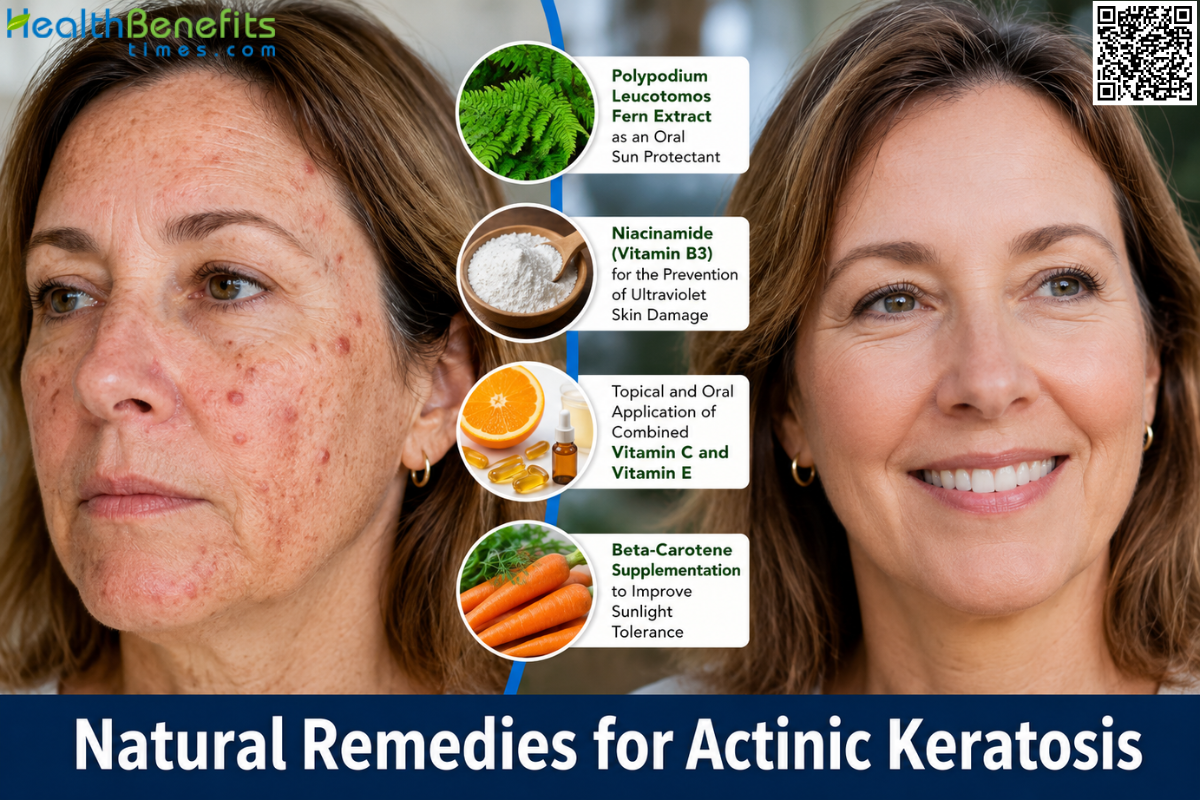
Actinic keratosis is a common precancerous skin condition that presents as rough, scaly patches on the body. It develops primarily as a result of chronic exposure to ultraviolet (UV) radiation, which damages the cellular DNA in the skin over a period of many years 1. Consequently, these growths most frequently appear on heavily sun-damaged areas, including the face, scalp, neck, forearms, and hands. Medical professionals classify actinic keratosis as an early, localized form of skin cancer known as squamous cell carcinoma in situ. If left untreated, a percentage of these lesions will grow deeper into the skin and progress into invasive squamous cell carcinoma 2. Because doctors cannot reliably predict which specific patches will undergo this malignant transformation, early clinical diagnosis and targeted treatment are strongly recommended to remove the abnormal cells and prevent severe cancer development 3.
Causes of Actinic Keratosis
1. Prolonged Ultraviolet Radiation Exposure
The primary mechanism that causes actinic keratosis is chronic, long-term exposure to ultraviolet (UV) radiation from natural sunlight. Years of accumulated UV radiation directly damage the DNA within the upper layers of skin cells, specifically targeting the genetic codes that regulate normal cell division. When the skin’s natural repair systems cannot keep up with this repetitive cellular damage, the affected cells begin to grow abnormally and form rough, scaly lesions.
2. Artificial Ultraviolet Light
Exposure to indoor tanning beds acts as a potent environmental carcinogen that functions identically to natural sunlight in damaging the skin. The concentrated UV radiation from these artificial sources forces errors in cellular replication and accelerates the onset of precancerous cellular mutations, leading to the rapid development of actinic keratosis even in younger individuals 4.
3. Immunosuppression
A weakened immune system is a significant underlying cause that allows abnormal skin cells to survive, multiply, and turn into visible lesions. A healthy immune system naturally identifies and destroys sun-damaged cells before they become precancerous. However, when a person takes immunosuppressive medications—such as after an organ transplant—or suffers from immune-compromising conditions, the body loses this protective surveillance, resulting in widespread and aggressive actinic keratosis 5.
4. Oxidative Stress and Chronic Inflammation
Sustained exposure to UV light creates unstable molecules known as reactive oxygen species within the skin tissue. These molecules cause high levels of oxidative stress and trigger ongoing microscopic inflammation. This persistent inflammatory state breaks down cell membranes, impairs the natural self-destruction of defective cells, and drives the continuous overgrowth of the abnormal tissue that characterizes the condition.
5. Human Papillomavirus (HPV) Infection
Specific viral infections, particularly certain strains of the human papillomavirus, act as contributing co-factors in the development of these precancerous patches. The virus interacts with skin cells that have already been damaged by the sun to further disrupt normal cellular growth and differentiation, a disease process that is especially prominent in patients whose immune systems are compromised 6.
Symptoms of Actinic Keratosis
1. Rough, Sandpaper-Like Skin Texture
The earliest and most common physical sign of actinic keratosis is a distinct change in skin texture. The affected areas develop a dry, coarse surface that feels similar to sandpaper when touched, often allowing the lesions to be felt before they are clearly visible to the eye 7.
2. Scaly and Crusty Patches
As the sun-damaged cells continue to multiply abnormally, they form visible patches that generally measure less than an inch (about 2.5 centimeters) across. These growths present as persistent, flat, or slightly raised plaques covered in a thick scale or crust that does not wash off or heal on its own.
3. Visible Color Variations
The precancerous skin lesions frequently display abnormal pigmentation compared to the surrounding healthy tissue. Depending on the individual’s baseline skin tone and the severity of the sun damage, these growths can appear visibly red, pink, light brown, or occasionally flesh-colored.
4. Itching, Burning, and Tenderness
While some growths produce no physical sensations, many lesions induce noticeable localized discomfort. The damaged tissue and underlying microscopic inflammation can cause the affected patches to itch, burn, sting, or feel tender when pressure is applied or when exposed to sunlight .
5. Bleeding and Ulceration
The structural integrity of the skin in an actinic keratosis lesion is fragile and highly prone to surface breakdown. Friction from clothing, shaving, or minor scratching can easily irritate the growths, leading to localized redness, spontaneous oozing, or minor surface bleeding.
6. Hard, Horn-Like Projections
In a specific clinical variant of the condition, the skin overproduces a protective protein called keratin in a highly concentrated area. This results in the formation of a cutaneous horn—a hard, elevated, cone-shaped growth projecting outward from the skin surface that carries a heightened risk of harboring underlying invasive cancer cells.
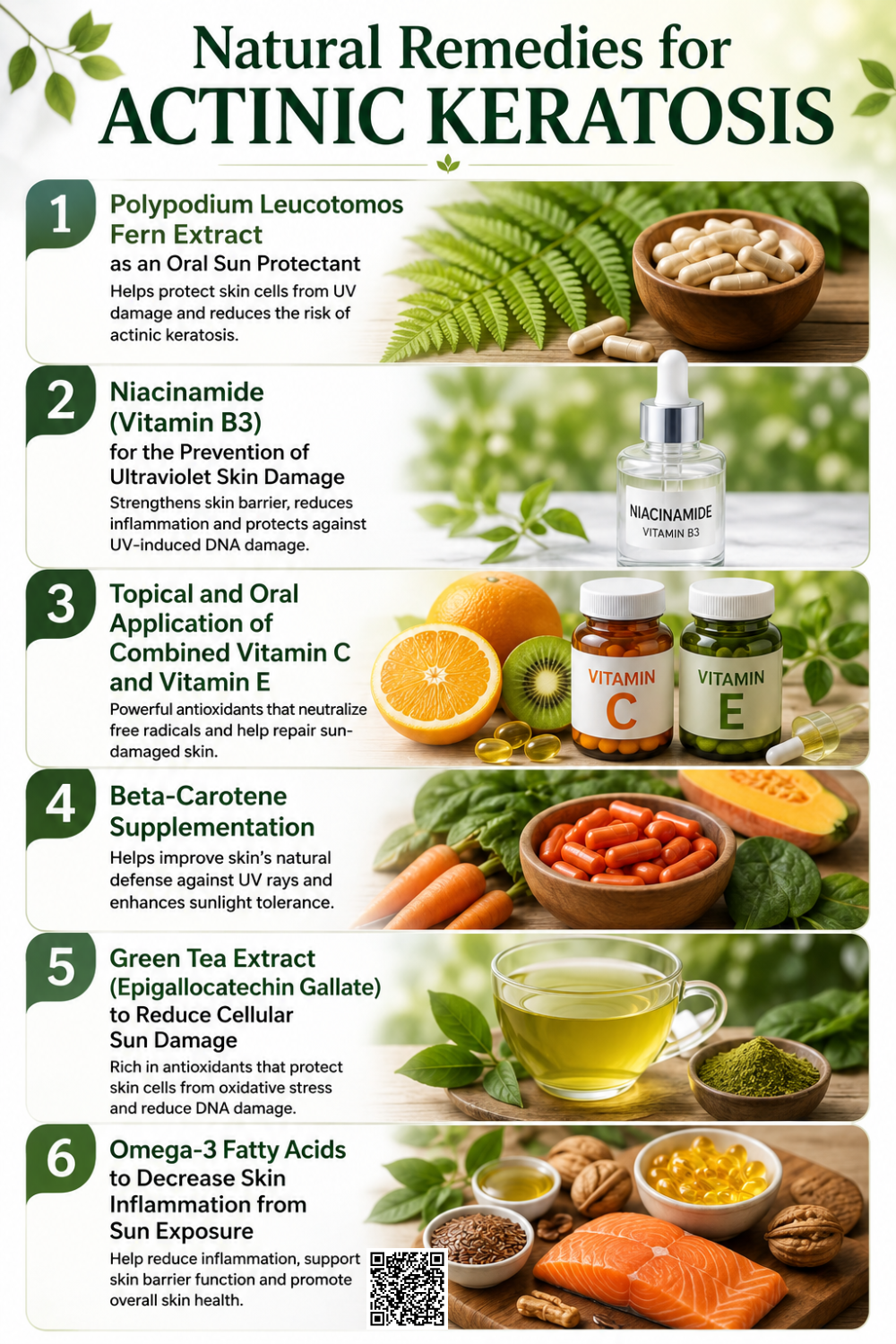 Natural Remedies for Actinic Keratosis
1. Polypodium Leucotomos Fern Extract as an Oral Sun Protectant
How it may help
Polypodium leucotomos fern extract acts as a systemic antioxidant that shields skin cells from ultraviolet radiation. It neutralizes harmful molecules called free radicals, preventing the specific cellular DNA damage that causes normal skin tissue to mutate into precancerous actinic keratosis lesions 8.
What research says
Clinical studies demonstrate that this oral extract significantly reduces UV-induced DNA mutations, skin inflammation, and localized immune system suppression. Research concludes that continuous supplementation actively decreases the formation of new actinic keratosis patches and limits precancerous skin damage in highly susceptible patients 9.
How to use it safely
You can take this extract as a daily oral supplement, typically recommended at a clinical dosage of 240 milligrams twice daily. You must use it strictly as an additional defense layer alongside standard broad-spectrum sunscreen and protective clothing, never as a replacement.
Potential precautions or side effects
The extract is considered highly safe, with only rare reports of mild digestive upset. Always consult your physician before starting, especially if you are pregnant or taking prescription medications.
2. Niacinamide (Vitamin B3) for the Prevention of Ultraviolet Skin Damage
How it may help
Niacinamide, also known clinically as nicotinamide, replenishes cellular energy and enhances the skin’s natural DNA repair processes following ultraviolet radiation damage. It effectively prevents UV-induced immune suppression, helping the local immune system recognize and eliminate abnormal cells before they form precancerous actinic keratosis lesions 10.
What research says
A definitive phase 3 clinical trial proved that oral nicotinamide significantly reduces new actinic keratoses and nonmelanoma skin cancers in high-risk patients. Researchers concluded that taking 500 milligrams twice daily lowered precancerous lesion development by 13 percent over one year of continuous use 11.
How to use it safely
Take 500 milligrams of oral nicotinamide or niacinamide twice daily to match established clinical protocols. You must ensure the product label specifically states nicotinamide or niacinamide, not niacin. Always combine this supplement with daily broad-spectrum sunscreen application and routine dermatological skin checks.
Potential precautions or side effects
Clinical data shows nicotinamide is highly safe without severe side effects. Unlike niacin, this specific formulation does not cause uncomfortable skin flushing, blood pressure alterations, or headaches.
3. Topical and Oral Application of Combined Vitamin C and Vitamin E
How it may help
Vitamin C and Vitamin E function as powerful antioxidants that work synergistically to protect the skin. While neutralizing free radicals caused by ultraviolet radiation, Vitamin C actively regenerates depleted Vitamin E. This combined defense prevents the specific cellular DNA damage responsible for forming precancerous actinic keratosis lesions 12.
What research says
Clinical evidence demonstrates that utilizing Vitamin C and Vitamin E together provides significantly greater ultraviolet protection than using either vitamin alone. Research concludes that this combination effectively reduces sunburn cell formation, decreases systemic DNA damage, and minimizes the chronic skin inflammation that drives precancerous lesion development.
How to use it safely
You should apply a daily topical serum containing both L-ascorbic acid and alpha-tocopherol directly to clean skin before applying morning sunscreen. If using oral supplements, follow standard dosing guidelines and combine them with rigorous sun protection habits to maximize your defense against ongoing skin damage.
Potential precautions or side effects
Topical application may cause mild stinging, redness, or dryness in sensitive skin. High oral doses can trigger minor digestive upset. Always patch-test new serums before full facial application.
4. Beta-Carotene Supplementation to Improve Sunlight Tolerance
How it may help
Beta-carotene is a dietary antioxidant that physically accumulates in the skin layers after ingestion. It absorbs ultraviolet radiation and neutralizes tissue-damaging free radicals. By reducing this oxidative stress, it helps protect cellular DNA from the specific sun damage associated with precancerous actinic keratosis lesions 13.
What research says
Clinical evidence confirms that systemic beta-carotene provides baseline protection against sunburn by measurably increasing the skin’s tolerance to ultraviolet light. However, major dermatological studies conclude that beta-carotene supplementation alone does not significantly prevent the development of new actinic keratosis growths.
How to use it safely
You should take beta-carotene consistently for at least ten weeks to achieve clinical photoprotection, as the nutrient requires time to build up in skin tissue. You must always use this oral supplement alongside standard topical sunscreens, never as a standalone defense.
Potential precautions or side effects
High doses can cause harmless yellow-orange skin discoloration. If you currently smoke, you must strictly avoid high-dose beta-carotene supplements because they significantly increase your risk of developing lung cancer 14.
5. Green Tea Extract (Epigallocatechin Gallate) to Reduce Cellular Sun Damage
How it may help
Green tea extract contains epigallocatechin gallate (EGCG), a powerful polyphenol compound that provides robust antioxidant protection. It neutralizes skin-damaging free radicals caused by ultraviolet radiation. By reducing cellular inflammation and stopping structural DNA damage, EGCG prevents the abnormal cell replication that leads to precancerous actinic keratosis lesions 15.
What research says
Clinical studies demonstrate that both topical and oral EGCG significantly decrease ultraviolet-induced skin inflammation and immune system suppression. Researchers conclude that this compound actively repairs DNA mutations in sun-damaged cells, effectively lowering the risk of developing new actinic keratoses and nonmelanoma skin cancers.
How to use it safely
You can apply topical creams containing high-quality green tea extract daily beneath your standard sunscreen for targeted skin protection. If taking oral EGCG supplements, follow the recommended clinical dosage and consume them with food to optimize absorption and prevent potential stomach discomfort.
Potential precautions or side effects
Excessive oral doses can cause stomach upset or rare, severe liver toxicity. You should consult a doctor before starting supplements, especially if you have liver disease or take prescription medications 16.
6. Omega-3 Fatty Acids to Decrease Skin Inflammation from Sun Exposure
How it may help
Omega-3 fatty acids are essential nutrients that significantly reduce chronic skin inflammation. They incorporate into cell membranes, helping protect skin cells from ultraviolet radiation damage. By minimizing this sun-induced inflammatory response, omega-3s prevent the local immune suppression that allows abnormal, precancerous actinic keratosis cells to survive and multiply 17.
What research says
Clinical studies show that high doses of oral omega-3 fatty acids protect the skin against ultraviolet-induced immune suppression. Researchers conclude that regular supplementation reduces the risk of skin cancer development and decreases the cellular inflammation associated with precancerous actinic keratosis lesions.
How to use it safely
You can increase your omega-3 intake by consuming fatty fish or taking daily fish oil supplements. Always take these supplements with food to improve absorption. Continue to use broad-spectrum sunscreen daily, as dietary nutrients cannot replace topical sun protection 18.
Potential precautions or side effects
Omega-3 supplements may cause minor digestive upset or a fishy aftertaste. At high doses, they can increase bleeding risks, so consult your doctor if you take blood-thinning medications.
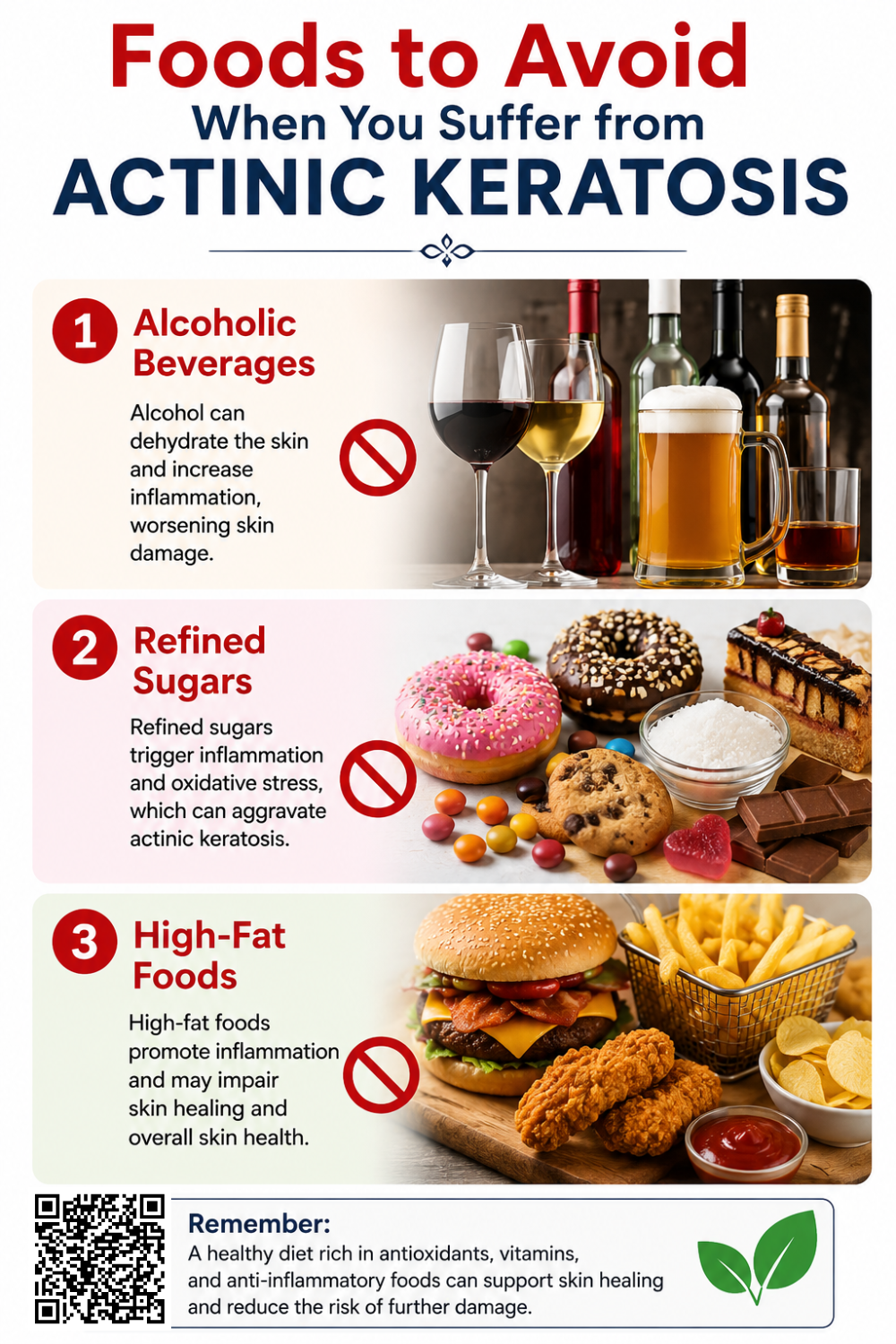 Foods to Avoid When You suffer from Actinic Keratosis
1. Alcoholic Beverages
Consuming alcohol significantly increases the risk of developing actinic keratosis. It suppresses the immune system and enhances the damaging effects of ultraviolet radiation on skin cells 19.
2. Refined Sugars
High sugar consumption drives chronic inflammation and oxidative stress. This metabolic disruption weakens the immune response, impairing the body’s natural ability to repair sun-damaged cellular DNA 20.
3. High-Fat Foods
Diets heavy in unhealthy fats promote systemic cellular inflammation. Clinical evidence demonstrates that restricting dietary fat intake directly decreases the formation of precancerous skin lesions like actinic keratosis.
When To see Doctor when you suffer from Actinic Keratosis
1. Bleeding or Ulceration
You should seek immediate medical evaluation if a skin patch begins to bleed, ooze, or develop an open sore that fails to heal independently.
2. Rapid Growth or Thickening
Consult a doctor if a lesion rapidly increases in size, becomes significantly raised, or hardens into a thick projection, indicating potential cancer progression 2.
3. Increased Pain or Tenderness
Schedule a clinical examination if an existing rough patch suddenly becomes painful, highly sensitive to touch, or chronically inflamed, signaling invasive cellular changes.
4. Changes in Color
You must have a dermatologist inspect any skin growth that develops significant redness or exhibits multiple colors, as these pigmentation changes warn of malignant transformation.
5. Poor Response to Treatment
Return to your healthcare provider if diagnosed lesions do not resolve after completing prescribed therapies, as persistent patches require a biopsy to rule out invasive carcinoma.