

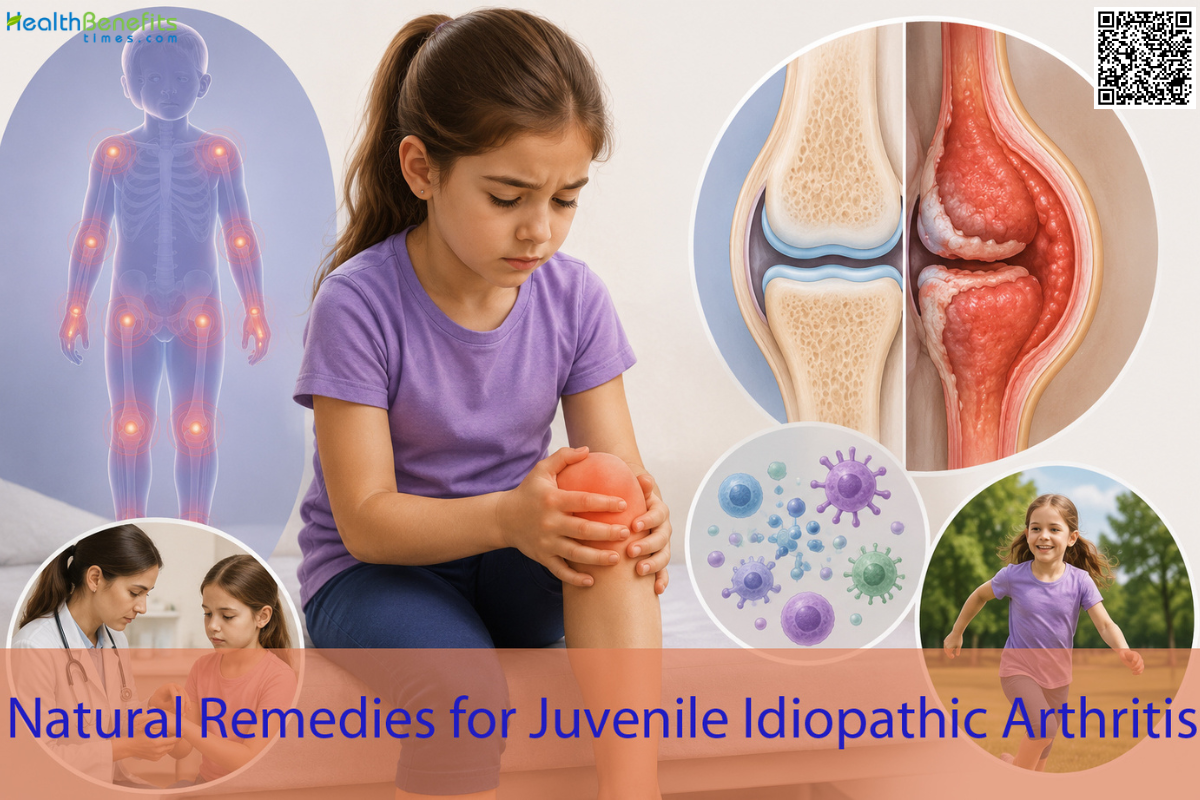
Juvenile idiopathic arthritis (JIA) is the most common chronic inflammatory rheumatic condition in childhood 1. It is an autoimmune disorder where the immune system mistakenly attacks joint tissues, leading to ongoing inflammation. To be diagnosed with JIA, a child must be under 16 years old and experience joint pain, swelling, and stiffness that persists for at least six weeks 2. The exact cause remains unknown, but the condition can lead to severe complications if left untreated. These include permanent joint damage, growth disturbances, and eye inflammation such as uveitis 3. While there is currently no cure, a pediatric rheumatologist can help manage the disease. Early diagnosis and a tailored treatment plan involving medications, physical therapy, and regular physical activity are essential to control inflammation, relieve pain, and maintain joint mobility.
Causes of Juvenile Idiopathic Arthritis
- Unknown Primary Etiology: As the term “idiopathic” indicates, the exact, definitive cause of the disease remains unknown.
- Genetic Predisposition: Specific genetic variations, notably in human leukocyte antigen (HLA) tissue types (such as HLA-A2, HLA-DRB1:11, and HLA-DRB1:08), create a fundamental susceptibility to the disease al.,.
- Autoimmune and Autoinflammatory Dysfunction: An abnormal immune response characterized by an imbalance in regulatory T cells (Th1 and Th17) and the overproduction of pro-inflammatory cytokines (such as IL-1, IL-6, and TNF-α) causes the body to mistakenly target and degrade healthy synovial tissue and joints.
- Infectious Triggers: Viral and bacterial infections are highly suspected as environmental triggers that initiate the disease in genetically vulnerable children. Associated infectious agents include Parvovirus B19, Epstein-Barr virus, enteric bacteria, Chlamydophila pneumoniae, and streptococcal infections.
- Environmental Factors: Early childhood environmental exposures, such as maternal C-section deliveries and previous antibiotic exposure, are considered potential risks that may trigger the condition .
- Gut Microbiota Dysbiosis: Alterations and imbalances in the normal intestinal flora (gut microbiome) have emerged as a significant contributing factor to the development of this and other autoimmune diseases. 4, 5, 6, 7
Symptoms of Juvenile Idiopathic Arthritis
- Joint pain
- Joint swelling, warmth, or redness
- Joint stiffness, particularly in the morning or after a period of rest
- Limping, clumsiness, or reluctance to use an arm or leg
- High, sudden fever that may come and go
- Skin rash that may accompany a fever
- Fatigue or extreme tiredness
- Loss of appetite
- Eye inflammation, redness, pain, or vision changes (uveitis)
- Limited range of movement or loss of motion in affected joints
- Weight loss, slow growth rate, or uneven growth of an arm or leg
- Swollen lymph nodes (lymphadenopathy)
- Swollen liver or spleen 8, 9, 10, 11
Natural Remedies for Juvenile Idiopathic Arthritis
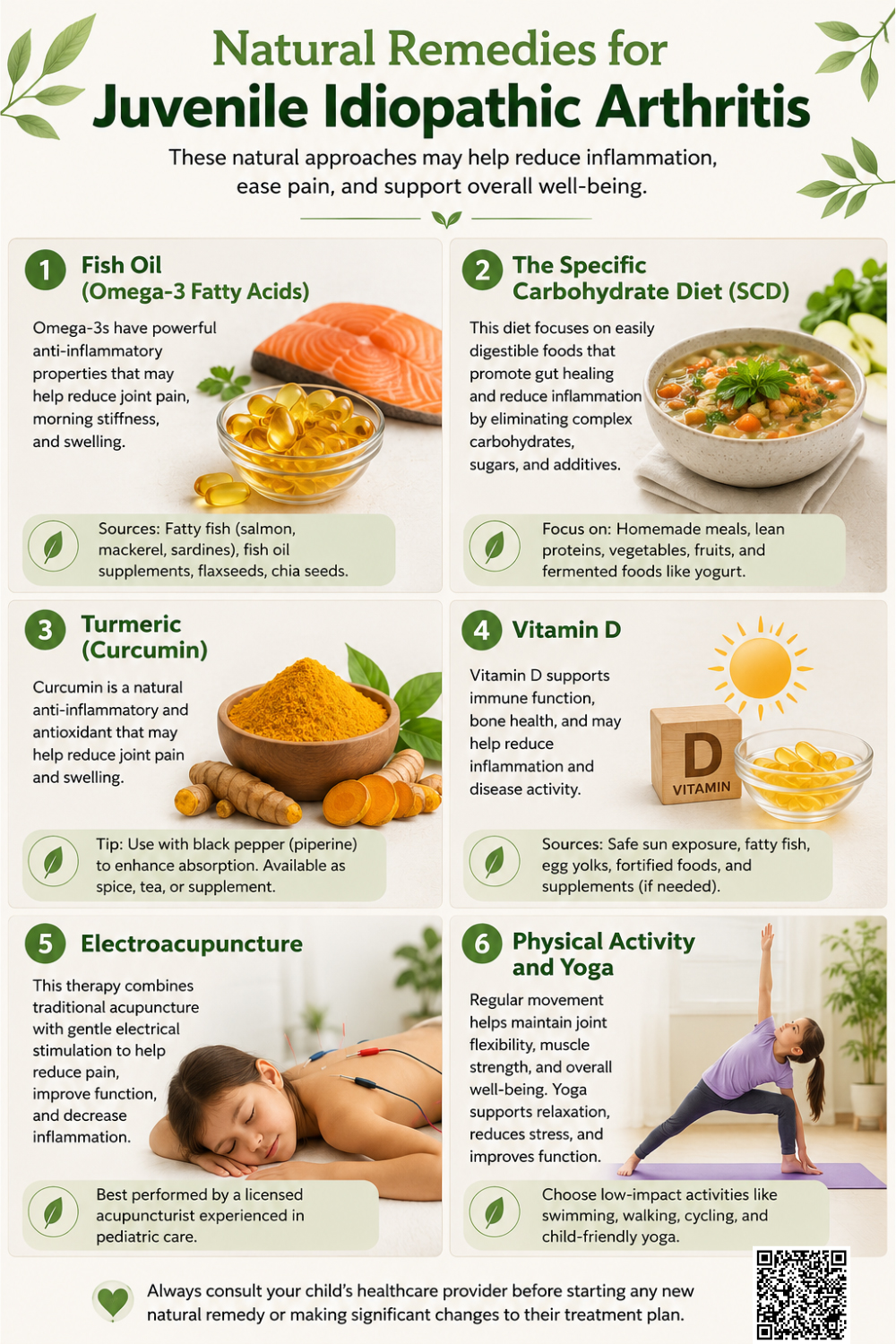
1. Fish Oil (Omega-3 Fatty Acids)
These healthy fats help lower inflammation throughout the body. A 2012 study of children with JIA who took 2 grams of omega-3 supplements daily for 12 weeks showed significant improvements in joint swelling, pain, and physical function. The study also noted a decreased need for nonsteroidal anti-inflammatory drugs (NSAIDs). Use supplements as directed, typically 2 grams daily for a 12-week course. Potential side effects include fishy aftertaste, nausea, or loose stools. Always check for interactions with blood-thinning medications.12
2. The Specific Carbohydrate Diet (SCD)
This dietary regimen eliminates complex sugars found in grains and most dairy. Research suggests the SCD may reduce arthritis symptoms in some children by lowering gut inflammation. A 2025 follow-up study found that while no group-wide changes in medication use were observed, six children who tried this diet avoided needing stronger medications for an entire year. The diet is very restrictive and challenging to follow long-term. SCD should only be attempted under the guidance of a dietitian or rheumatologist to ensure nutritional needs are met. Potential side effects include initial digestive upset.13
3. Turmeric (Curcumin)
Curcumin is the active ingredient in turmeric that has strong anti-inflammatory properties. A 2022 meta-analysis reported that curcumin and turmeric extract supplements improved inflammation and pain levels across several types of arthritis, including JIA, with doses ranging from 120 mg to 1500 mg daily for up to 36 weeks. A 2018 study specifically on children with oligoarticular JIA showed that curcumin, when combined with standard therapy, was safe, well-tolerated, and improved disease outcomes. It is generally safe, though some people might experience mild stomach upset. Because curcumin can affect how the liver processes certain drugs, always check with your doctor before use.14
4. Vitamin D
Often called the “sunshine vitamin,” Vitamin D plays a key role in regulating the immune system. A meta-analysis from 2025 concluded that children with JIA tend to have lower vitamin D levels in their blood compared to healthy children, suggesting a link between low vitamin D and the disease. Because of this link, researchers recommend further study into vitamin D supplementation for JIA. A simple blood test can determine if a child is deficient. The safest way to use vitamin D is to have a doctor check your child’s levels and then recommend the proper supplement dose. Caution is needed because too much vitamin D can be toxic.15
5. Electroacupuncture
This therapy uses a mild electric current passed between pairs of acupuncture needles. A 2025 randomized trial of 106 children found that electroacupuncture significantly improved joint function and reduced pain compared to a sham treatment. The children received electroacupuncture for 8 weeks. The study concluded it is a safe and effective add-on treatment for improving function and reducing pain in children with JIA. Always seek a licensed, experienced acupuncturist who uses sterile, single-use needles. The procedure is generally safe, but minor side effects can include slight bruising or soreness at the needle sites.16
6. Physical Activity and Yoga
Regular movement is one of the most important natural remedies to keep joints flexible, strengthen muscles, and improve overall well-being. A 2024 pilot study showed that adolescents with JIA who participated in an 8-week yoga program reported less pain, found the practice enjoyable, and experienced no negative effects. A case study also noted yoga reduced pain and morning stiffness 17. It’s best to start with low-impact activities like swimming, cycling, or walking under the guidance of a physical therapist. When your child is in a flare-up, avoid high-impact sports that stress the joints, and focus on gentle range-of-motion exercises instead.18
Foods to Avoid When You Suffer from Juvenile Idiopathic Arthritis
There is no single “miracle diet” that cures Juvenile Idiopathic Arthritis (JIA), but research shows that avoiding certain pro-inflammatory foods may help manage symptoms and reduce disease activity. The following listicle outlines specific foods and food groups that children with JIA should consider limiting or avoiding, based on current medical evidence.
1. Ultra-Processed Foods
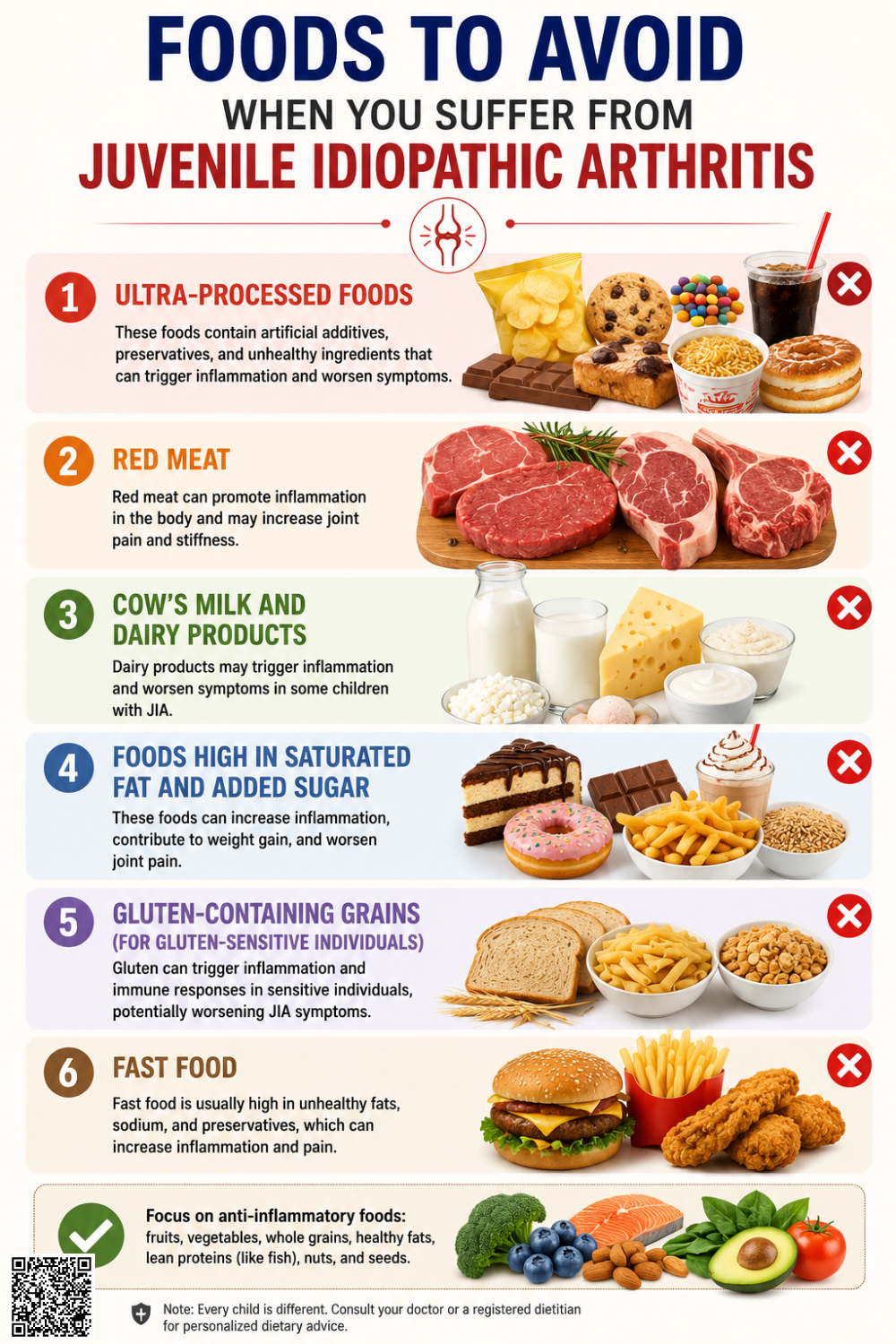
Packaged convenience foods are typically low in fiber and high in saturated fat, added sugar, and preservatives—all of which can trigger systemic inflammation. These include microwaveable meals, instant noodles, boxed macaroni and cheese, frozen pizza, chips, sugary cereals, candy, and packaged snack cakes. Studies show that a diet high in saturated fat and sugar while low in fiber promotes inflammatory pathways. Experts recommend avoiding products that contain partially hydrogenated oils (trans fats), high fructose corn syrup, artificial food coloring, and unpronounceable chemical ingredients. 19
2. Red Meat
Elevated consumption of red meat is a concern in JIA given its association with inflammation and cardiovascular comorbidities. A 2025 study evaluating dietary patterns in children with JIA found that even among those following structured diets, high amounts of red meat intake remained common, which is concerning for long-term disease management. Research in adult inflammatory arthritis suggests that high red meat consumption may worsen disease activity, and plant-based dietary patterns that exclude red meat may have anti-inflammatory effects. 20
3. Cow’s Milk and Dairy Products
Emerging evidence suggests that cow’s milk proteins may modulate inflammatory pathways in some children with JIA. A 2026 randomized controlled trial involving 120 children with well-controlled JIA found that a one-month cow’s milk protein-free diet was associated with statistically significant improvements in patient-reported pain, physician-assessed disease activity, morning stiffness duration, and inflammatory markers including ESR and CRP. The intervention group showed reductions in Disease Activity Scores from 5.53 to 3.0. While these findings require cautious interpretation given the short study duration, they suggest that dairy elimination may offer adjunctive benefits for some patients alongside standard therapy. 21
4. Foods High in Saturated Fat and Added Sugar
Diets rich in saturated fats and added sugars promote systemic inflammation. These include fried foods (French fries, fish sticks, onion rings), sugary beverages (soda, energy drinks, sweetened juices), pastries, donuts, cookies, cakes, and any items made with white flour. In one survey of dietary interventions for JIA, over 40% of families reported trying an anti-inflammatory diet—which eliminates or strictly limits these items—and more than half of parents reported improvements in their child’s pain or joint swelling. 22
5. Gluten-Containing Grains (for Gluten-Sensitive Individuals)
For the general population, gluten is not problematic. However, among children with JIA who have identified gluten sensitivity or celiac disease, gluten can exacerbate inflammation. A survey of parents who tried dietary interventions for JIA found that gluten-free diets were the most commonly attempted approach, used by 66% of families who pursued special diets. More than half of all parents surveyed reported that dietary changes led to improvements in pain or joint swelling. If a child has undiagnosed celiac disease or non-celiac gluten sensitivity, eliminating wheat, barley, and rye may help reduce inflammatory symptoms.
6. Fast Food
Fast food meals combine multiple pro-inflammatory elements: fried cooking oils, red meat, refined carbohydrate buns, sugary condiments, and high sodium content. These foods are consistently high in saturated and trans fats while offering minimal nutritional value. The Arthritis Foundation specifically lists fast food among the items to avoid for JIA, alongside fried foods, frozen pizza, and red meat. 19
When to See a Doctor for Juvenile Idiopathic Arthritis
1. Persistent Joint Symptoms Lasting More Than Six Weeks
If your child has unexplained joint pain, swelling, or stiffness that continues for more than six weeks, it is crucial to seek a specialist opinion. This duration helps distinguish chronic inflammatory arthritis from transient causes like injury or infection. A pediatric rheumatologist should evaluate your child to determine if JIA is the underlying cause.2324
2. Unexplained Joint Pain, Stiffness, or Swelling in a Child Under 16
The National Institute of Arthritis and Musculoskeletal and Skin Diseases (NIAMS) notes that doctors may suspect JIA when a child under 16 years of age has unexplained joint pain, stiffness, or swelling. The absence of a clear alternative cause (e.g., trauma, infection) is a key indicator for further diagnostic workup, including blood tests and imaging.23
3. Systemic Symptoms: High Spiking Fevers with Rash
Parents should seek immediate medical evaluation if their child develops a high fever that spikes repeatedly (often daily or twice daily), especially when accompanied by a transient salmon-pink rash, swollen lymph nodes, or general fatigue. This pattern is characteristic of systemic juvenile idiopathic arthritis (sJIA), a form that affects the entire body and can be life-threatening if untreated.25
4. Constitutional Red Flags: Unexplained Weight Loss, Night Pain, or Bone Tenderness
The presence of any of these “red flag” features warrants urgent assessment in secondary care. Weight loss, night pain (pain that wakes the child from sleep), or bone tenderness may indicate not only JIA but also more serious conditions such as malignancy or infection, which must be ruled out promptly.26
5. Eye Inflammation (Uveitis)
Approximately 30% of children with JIA develop uveitis (inflammation inside the eye), which can be asymptomatic and lead to permanent vision loss if not detected early. Any child diagnosed with JIA should have regular slit-lamp examinations by an ophthalmologist. Additionally, seek immediate evaluation if your child complains of redness, eye pain, light sensitivity, or blurred vision, as these can be signs of active uveitis.2728
6. Sudden Onset of Severe Joint Pain, Swelling, and Fever
While most JIA cases develop gradually, a sudden presentation of joint pain, swelling, and high fever requires same-day evaluation to rule out septic arthritis (a joint infection) or other emergent causes. Immediate assessment is particularly important if the child is unable to use the affected limb or appears systemically unwell.25
7. Changes in Behavior or Function
Children with JIA may not complain directly of pain but instead show behavioral changes such as:
- Limping or refusing to walk
- Reluctance to use an arm or leg
- Difficulty climbing stairs or getting out of bed
- Morning stiffness that improves with activity
- Clumsiness or falling more often
These signs often indicate underlying joint inflammation and warrant a medical evaluation, even in the absence of overt swelling.2930
8. Symptoms That Come and Go, Interfering with Daily Life
JIA symptoms can be intermittent, with “flares” followed by periods of remission. A diagnosis should be considered if your child has recurrent episodes of joint pain, stiffness, or swelling that resolve spontaneously but keep returning, particularly if these episodes interfere with school, play, or daily activities. Early referral can prevent long-term joint damage.29